Chronicles / Culturalization
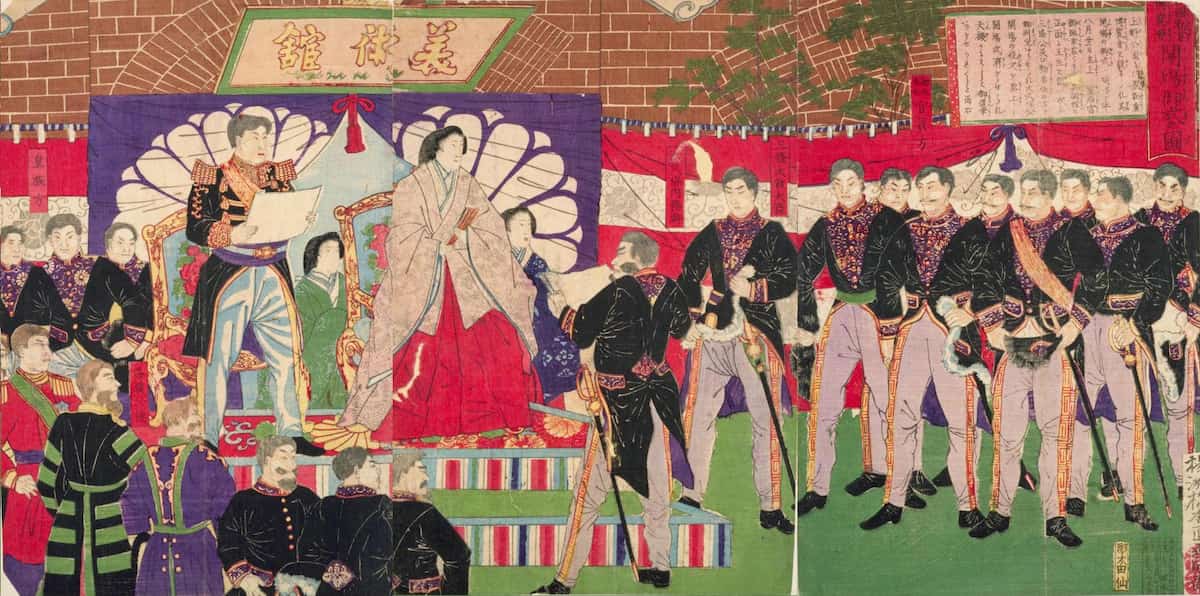
She perches on ‘Rose Throne’ preening and posing as she view the subjects of her domain with steely eyes. Never one to back down from a fight, she is capable of icy stares, which would make the Satan himself retreat to safer grounds.
Seeing these traditional shops when first coming to Japan in the late 80s brought back fond memories of days growing up in central Central British Columbia in the 60s and 70s.
When about to win, with only one last squares remaining the Japanese will shout out—REACH, which means “almost there.” In Japanese, the handy word REACH can be use in many situations, and this particular case of REACH is particularly salient for the author of this article.
The look of shock and horror on the faces of the Japanese when observing this affront to Japanese cultural sensibilities served as a point of amusement, if not some times a bone of contention—soy sauce is used for cooking and to dip sashimi—never to be poured onto rice directly.
Most of the Japanese are packed together in big cities where their highly complex social skills developed—this is a phenomenon of a society based upon mutual dependency.
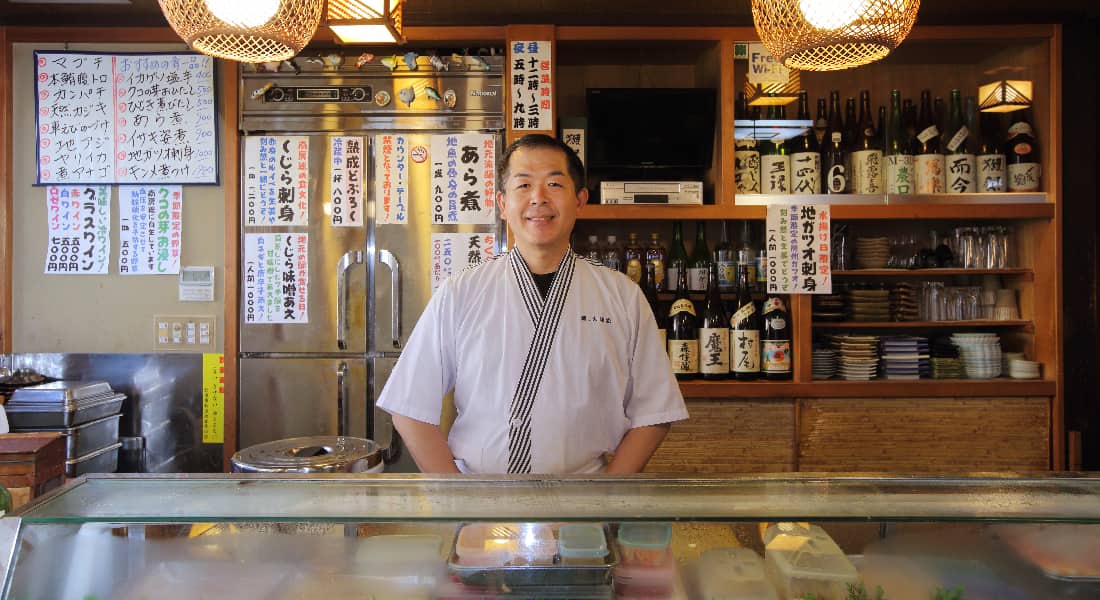
One of the deep charms of Japan is regardless of modernization having taken place starting with the Meiji Restoration, there are still shops in the nooks and crannies in the Land Of The Rising Son preserving the way of Old Japan.
Here is where one can put away any preconceived notions concerning the arts, and one would be best served to look upon life as art.
Having acute sensitive as to what others are thinking, was, and still is a highly valuable skill to navigate the murky air of the unspoken ancient protocols of the Japanese society.
When querying a spectrum of younger Japanese about their dreams, desires, and aspirations, one is mostly left with blank stares, or them fumbling around trying to understand exactly; “What does this all means?”
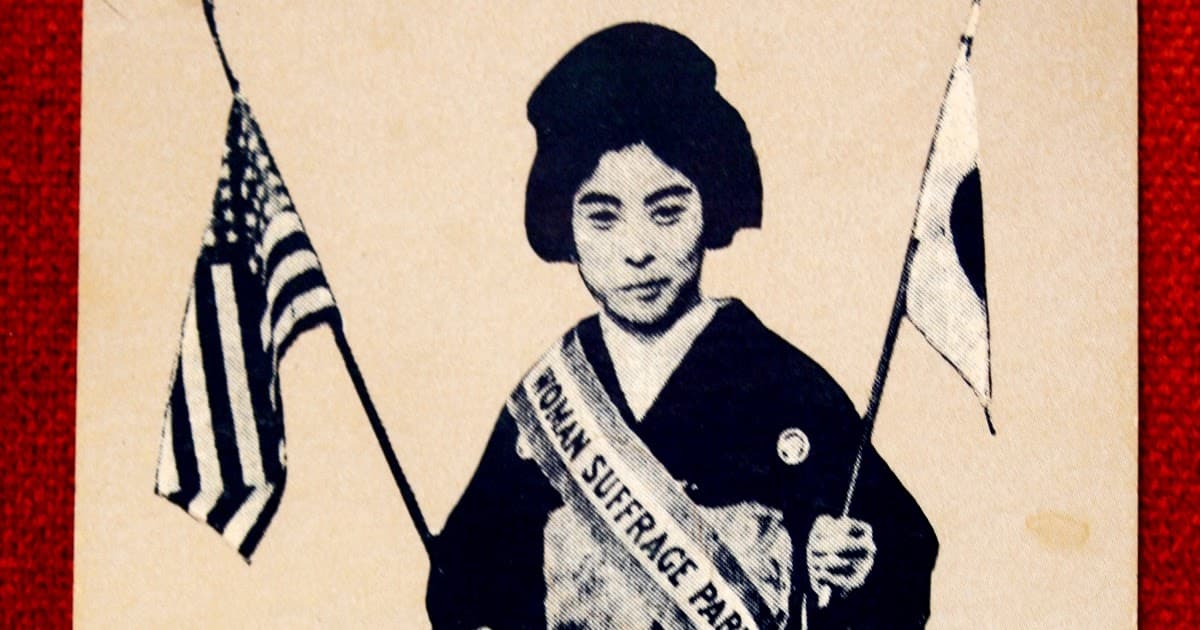
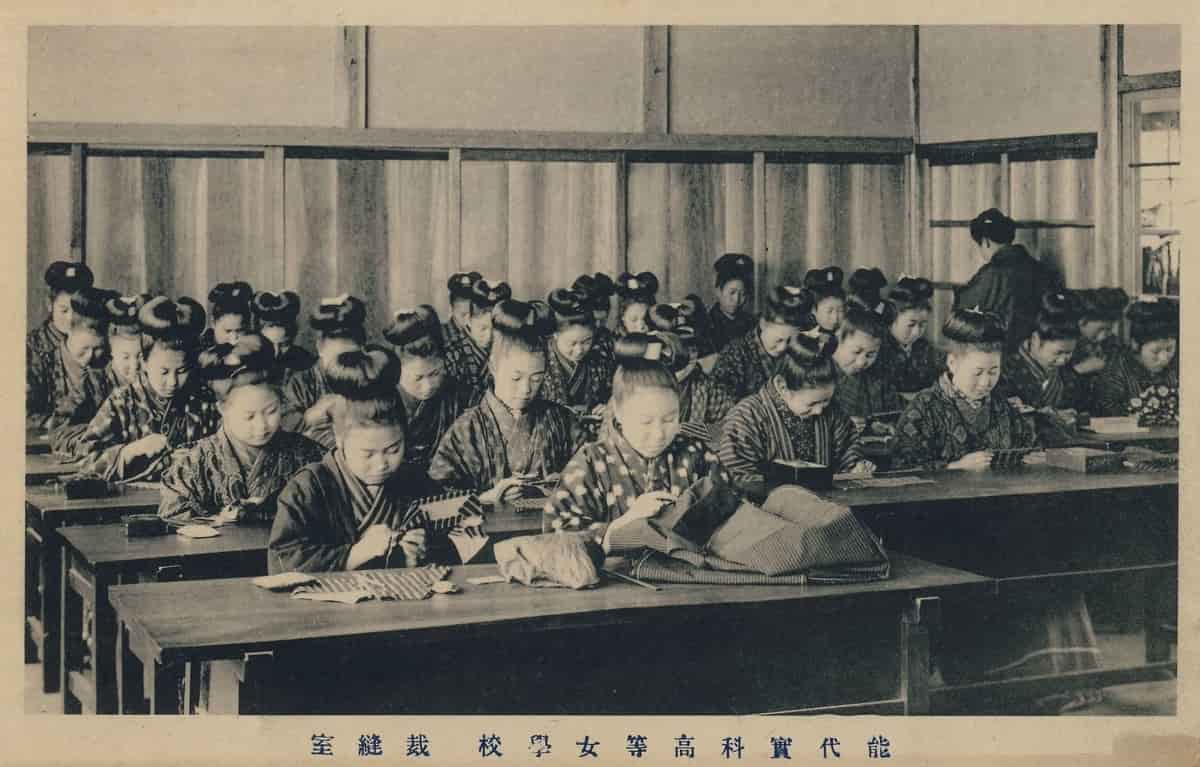
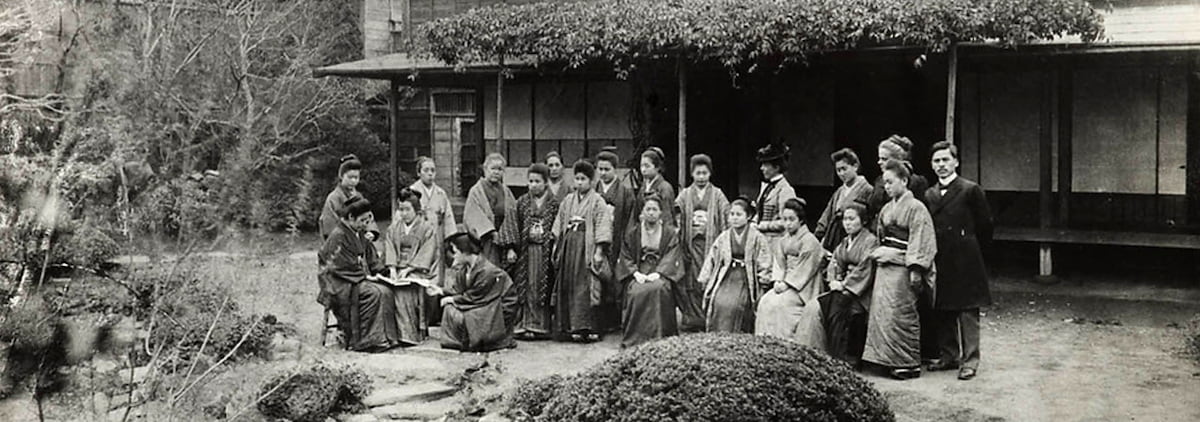
This incredible Japanese woman was responsible for some of the most important yet difficult work as one of the first advocates of women rights in the early 20th century, especially coming from the samurai roots of a male dominated Japanese culture.
Having grandson use the word “grandfather” will act as a permanent pronunciation exercise to haunt him throughout his life. Along with the extreme vexing “r” pronunciation at the beginning of “grandfather” it is also part of the double-consonant “gr.”
From centuries past, the Japanese were acutely aware of the aesthetics of design, not only of craftsmanship, but extending into the conceptual and sublime societal protocol of form, order, and process, which are critical for a successful life in Japanese society.
Here is something that is universally applicable to ponder, no religion necessary: Do not judge a book by its cover.
The chasm between “East” and “West” has never been as volatile since the enslavement of the Chinese nation with massive opioid addiction in the early 20th century. Let us refresh our collective memories as to why this historical inflection points has now set up a showdown between these two civilizations, and why the nation of Japan has always represents the third pillar of modern civilization.
Hey hey mama said the way your move it's gonna make you sweat it's going to make you groove. Nothing can replace a memory of an eccentric older cousin passing through our small rural town in British Columbia, and stopping by to take me to a record store to buy Led Zeppelin IV.
Your sensei is not merely a teacher, but also a mentor for life, fortifying disciple with knowledge and wisdom to forge a unique path in the world. Here one can internalize the concept of sensei, by erasing the Occidental notion of what it means to be a teacher.
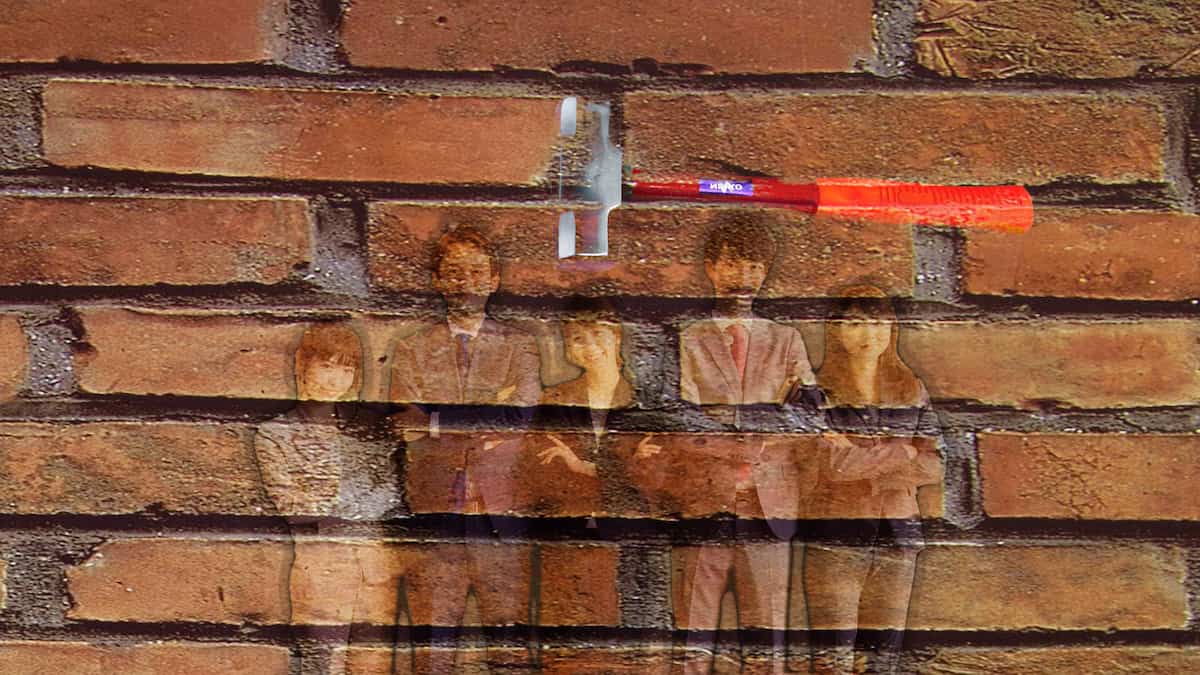
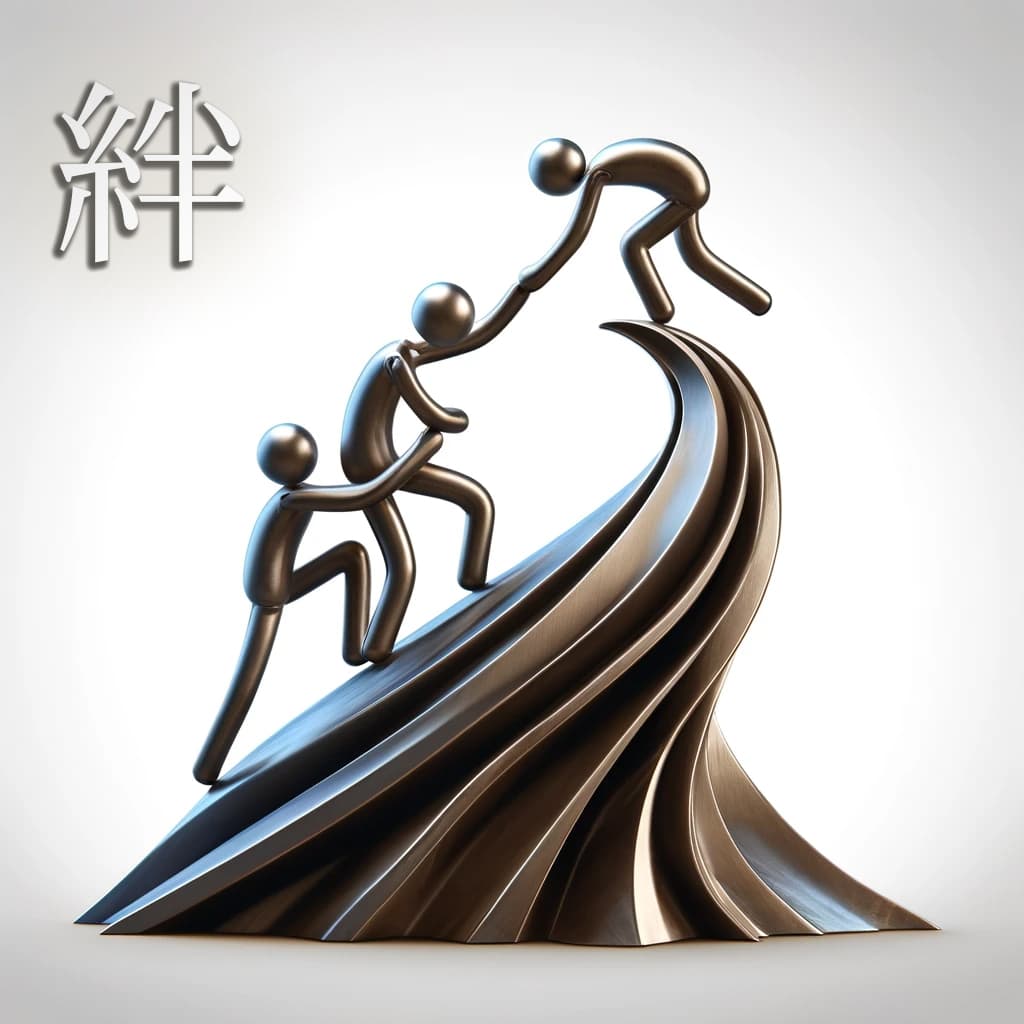
The importance of trust of each other, and trust in one’s own community is embodied in the spirit of this magnificent ideogram. 互
Using the philosophy of ichi go ichi e, it is always best to take each encounter as an extraordinary moment in time, regardless of the tone, timbre, or hue contained within the encounter.
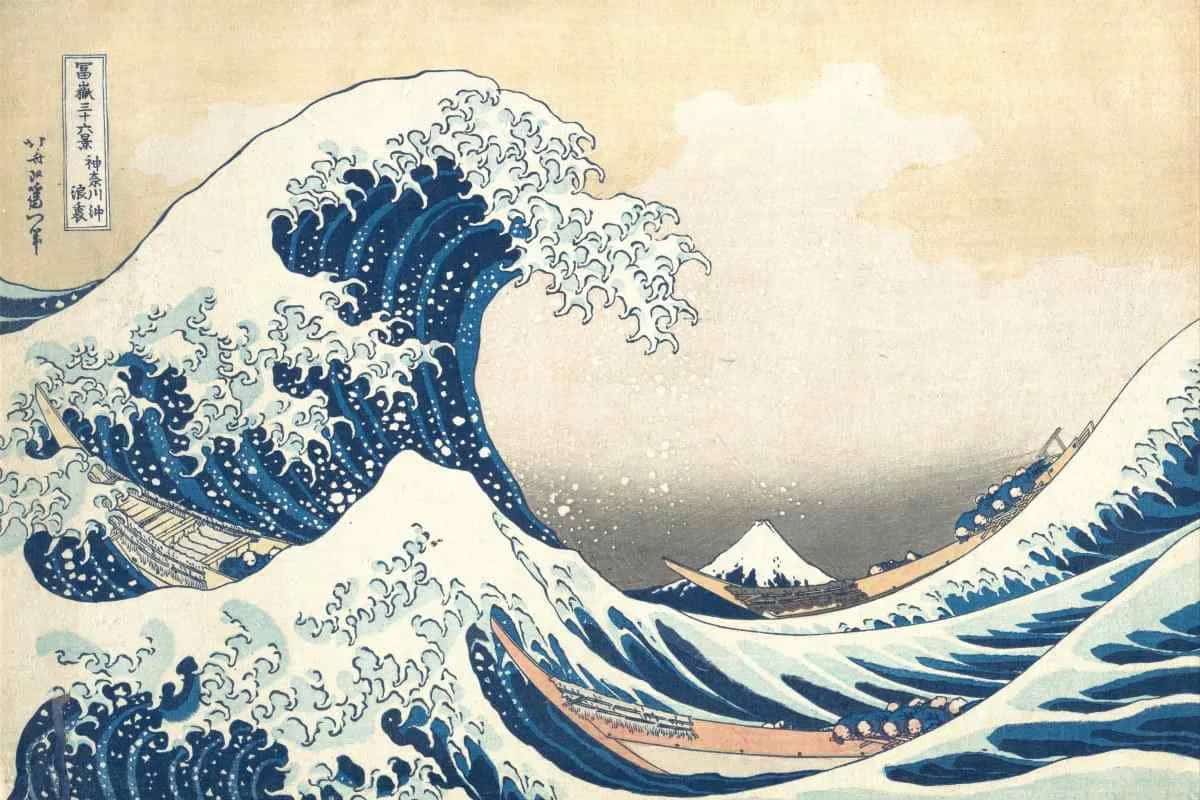
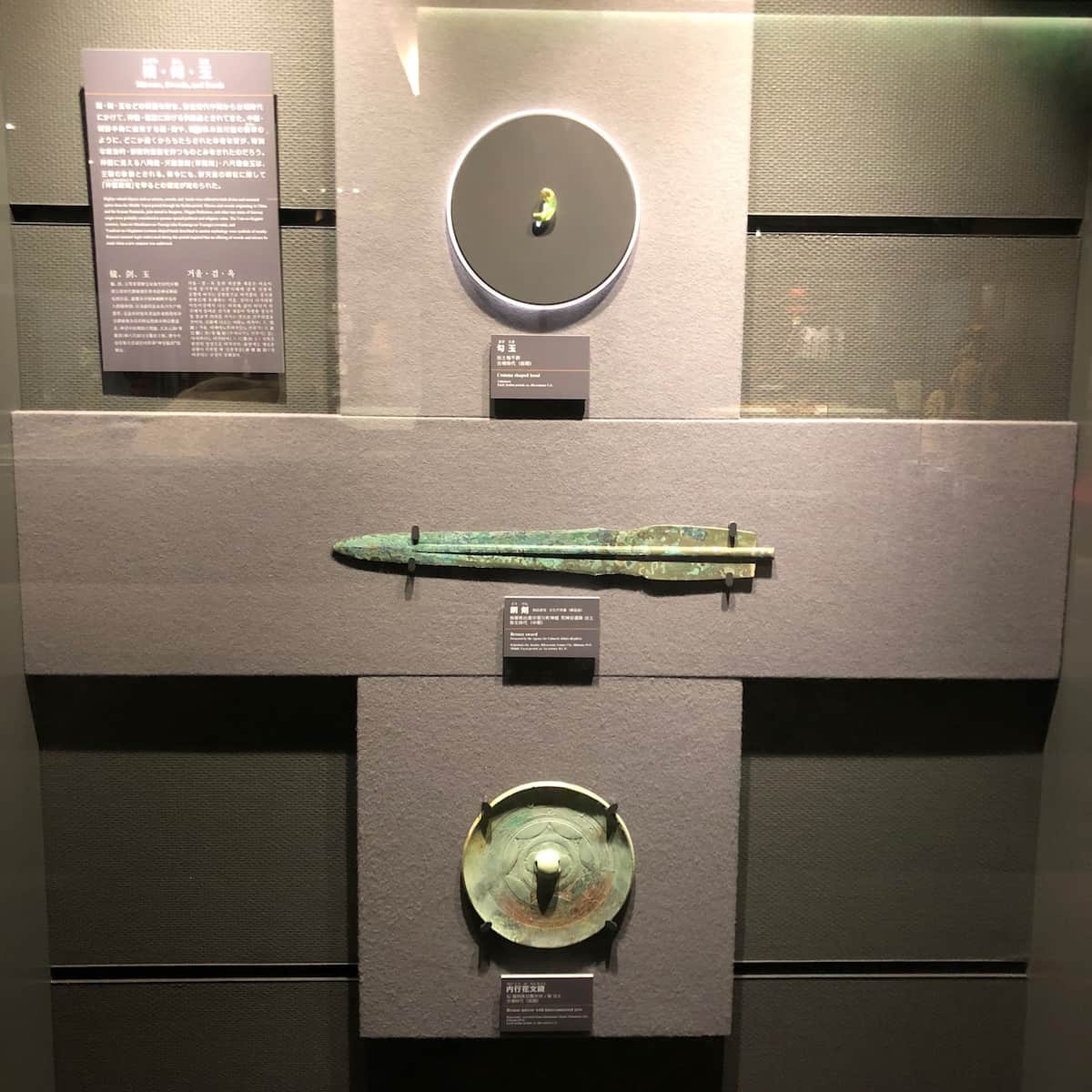
All cultures have meaningful symbolism strewn throughout the spectrum of their respective religions and cultures. Many of these old stories remain very much alive, continuing to influence countless masses of adherents, immersing generational obedience to deep dogma of long gone but not forgotten distant times.
In this historic work, Japan, An Attempt At Interpretation, Patrick Hearn (Koizumi Yakumo) endeavoured to suggest a general idea of the social history of Japan, and a general idea of the nature of those forces which shaped and tempered the character of the Japanese people. But the fact that Japan can be understood only through the study of her religious and social evolution has been sufficiently indicated.
For the Japanese, the ringing-in of the New Year is the most important holiday in the Land Of The Rising Son, along with Obon where the ancestor worshiping Japanese honour their dead. For the most part, the Japanese celebrate this special occasion in a solemn and reserved manner.
At the time of the opening of Japan, society had not evolutionally advanced beyond a stage corresponding to that of the antique Western societies in the seventh or eighth century before Christ. Everywhere the course of human civilization has been shaped by the same evolutional law.
In the Occidental world, the repressive part of moral training begins in early childhood. The European or American teacher is strict with the little ones, we think that it is important to ingrain the duties of behaviour. The "must" and the "must not" of individual obligation, as soon as possible.
It has often been asserted by foreign observers that the real power in Japan is exercised not from above, but from below. What cannot be denied is that superior authority has always been more or less restrained by tendencies to resistance from below.