Change Is Constant
The Japanese accept the notion that the world is in a constant state of flux, and under fluid circumstances the ultimate life philosophy is in the flexibility to flow with the wind.
Generally speaking, this timeless concept remains the bedrock of Japanese ethics and morality.
Occxies, on the other hand, have always tended to look upon the world as fixed in place and at relationships and human activities as unchanging.
This difference in Western and Japanese views is dramatically demonstrated in the penchant that Westerners have for intricate details, iron-clad agreements, and contracts.

The Occxies take the view the world would fall apart if contracts were not there to hold it together.
In fact, until contemporary times, detailed agreements or contracts were unbeknown to the Japanese.
The natural order of things is for people to form alliances according to both political and business purposes, while understanding—alliances, like the cosmos, are open-ended, and allow for day-to-day adjustments that could be initiated by either side.
Generally speaking, all agreements made among the Japanese were based on the principle of jijo henko—changing circumstances.
Clearly in a rapidly changing world and with daily circumstances in a constant state of flux, it is imperative the concerned parties to any agreement understand that the terms of a contract could never be absolute, nor should they be.
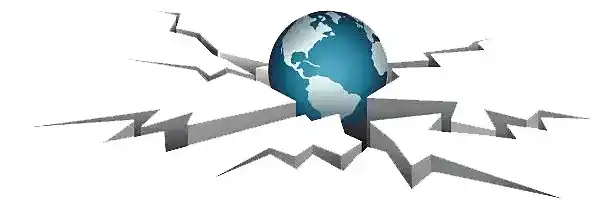
The absolutism of contractual obligation is now creating an all-the-more-likely, unprecedented clash of civilizations, and the stark contrast between East and West could not be more viscerally evident today.
 When the Western practice of written contracts was introduced into Japan, the Japanese considered this as evidence Westerners were so unethical and immoral that they could not trust anyone to keep their word.
The Japanese also regard the idea of being forced to abide by a minutely detailed contract as irrational and rightfully so, as any sensible mind understands that there is no way any given situation can remain the same for either party over a period of time.
The concept of jijo henko remains imbedded in Japanese business protocol, and contracts are looked upon as general guidelines which are subjected to revision as circumstances warrant.
Indeed, much to the chagrin of the Occxies, Americans in particular, the Japanese still tend to regard contracts as being "flexible" and "adjustable."
 For certain, the Japanese regularly "adjust" contracts and verbal agreements unilaterally, and occasionally remove them altogether, without any feeling of inappropriateness or unreasonableness whatsoever.
Truly, not adjusting the provisions of a contract when not doing so is detrimental to either parties interests is simply irrational.

The Japanese see no contradiction in their casual treatment of contracts and they view themselves as among the worlds most honest, sincere, trustworthy and honourable people, which for the most part is true.
Indeed in the eyes of the Japanese, arbitrarily reinterpreting a contact to suit themselves comes under the sphere of personal matters where human feelings take precedence.

When these circumstances occur, the other side is expected to understand and accept their actions even if it inconveniences them and costs them money.
It is understood in such situations the side breaking the contract will be obligated to the other side for a similar indulgence in the future—everything balance out in the end.
The concept of jijo henko remains the bedrock of relationships in Japan, and this flexibility solidifies the long-term outlook of mutually beneficial relationships—the long game.
The Japanese, along with those who understand their Way are acutely aware of the ephemeral nature of life.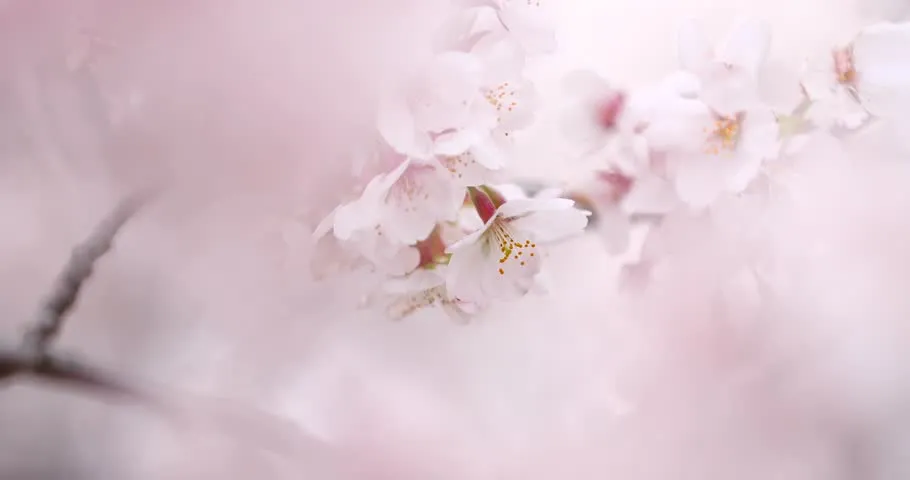
This can be observed in their reverence of cherry blossom fluttering away—representing the transitory nature of all life.
Truly, the fickle nature of the human condition and the whims of the universe can never be engraved in granite.
Regardless of the intention of either party when initiating a contractual obligation, just like the fleeting life of the cherry blossoms high in the trees, the situation is always fluid, changing, and for that one can be guaranteed.