Fork In Road
Having tasted the bitter flavour of ennui and wandering for years in the proverbial desert, a consequential breakthrough was uncovered.
Do not ignore important forks in the road, whatever they may be.
Over time, the stark realization emerged—one’s Japanese language skills would remain in the jozu desu ne category—forever—carrying with it a feeling of hopelessness and despondency.
Cultural point 1: The phrase jozu desu ne is used by the Japanese, particularly toward those from Occxie-land, when there is even a minor level of cohesive communication in Japanese.
Cultural point 2: This innocuous comment is intended to be kind, but to those seeking deeper levels of communication with the Japanese. It also serves as a stinging backhanded compliment and a bleak reminder.
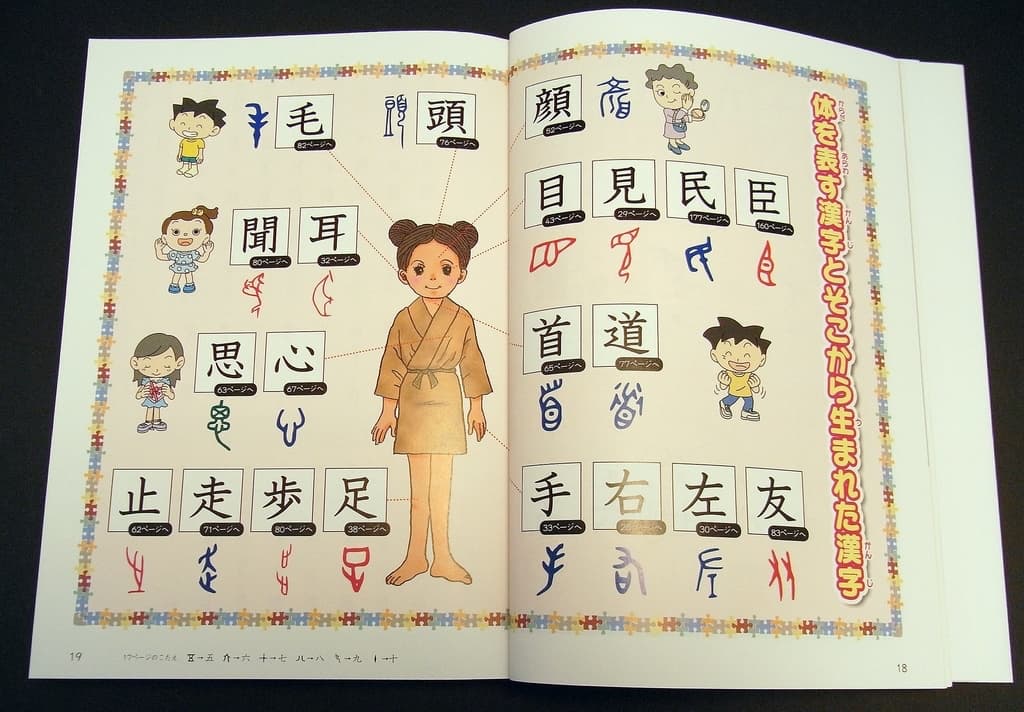
Regardless of how far the journey has come, one must still go farther along the way—day by day—until the final play—passing into the God molecules, and continuing along the flow into ΩNE way. The Ministry of Education mandates the Japanese language curriculum consist of 2,136 kanji ideograms, and two other syllabaries—hiragana and katakana.
Over time, one came to the bleak realization—without Japanese reading ability—illiteracy.
It is said that when the student is ready, the teacher will appear.
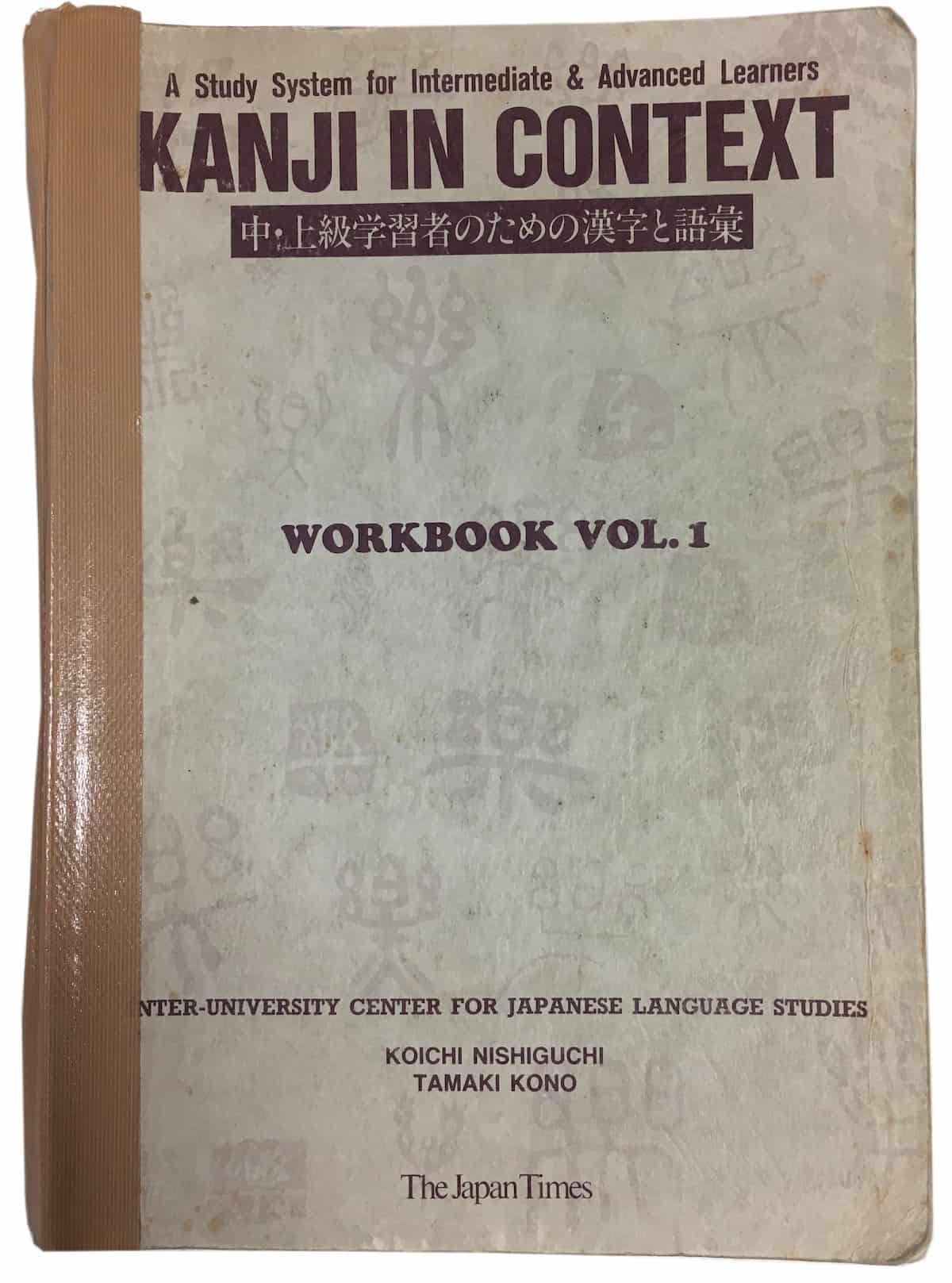 Regardless of the intense degree of difficulty for this old autodidact, the kanji challenge was the most significant forks in road.
Entering the realm of Japanese literacy has led to extraordinary opportunities not available to those who cannot read or write Japanese. Relationships, at all stages must be examined carefully throughout life.
People progress at different paces and in different ways, and often, their value to each other over time changes.
It is best to recognize when old relationships no longer serve a purpose, and it is prudent to move on when that important fork in the road is realized with clarity.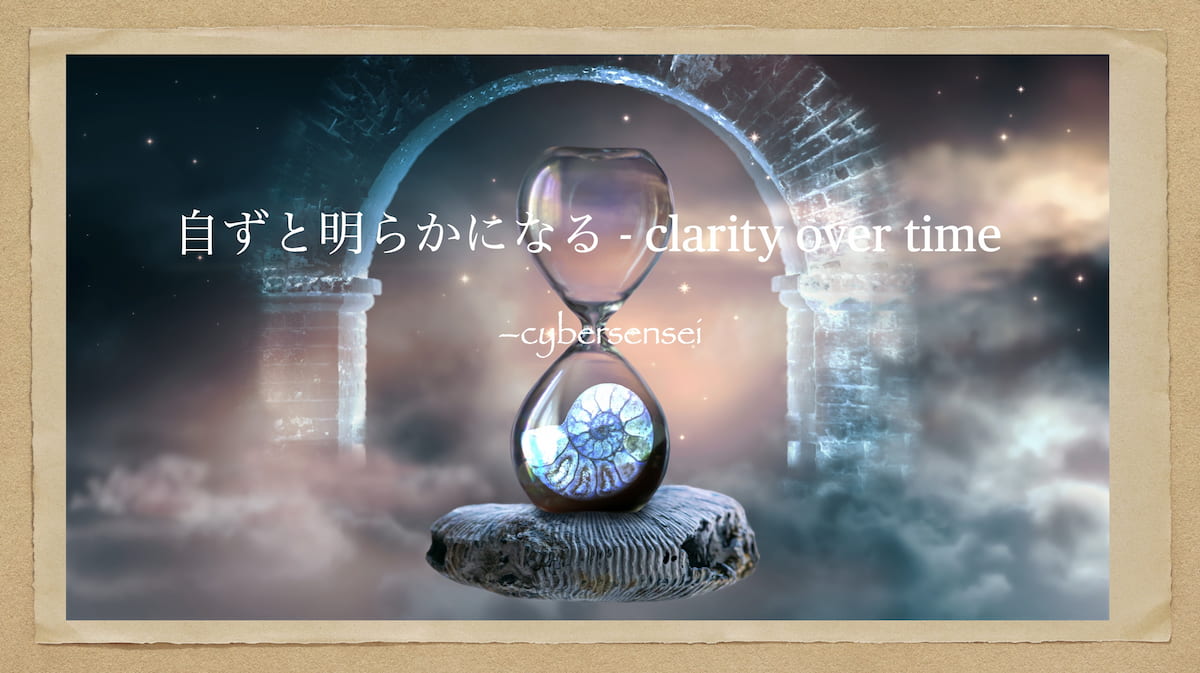
As one matures, the realization of the fleeting nature of life—and how quickly the journey ends—has put to rest any relationship no longer serving the edification of Each Other.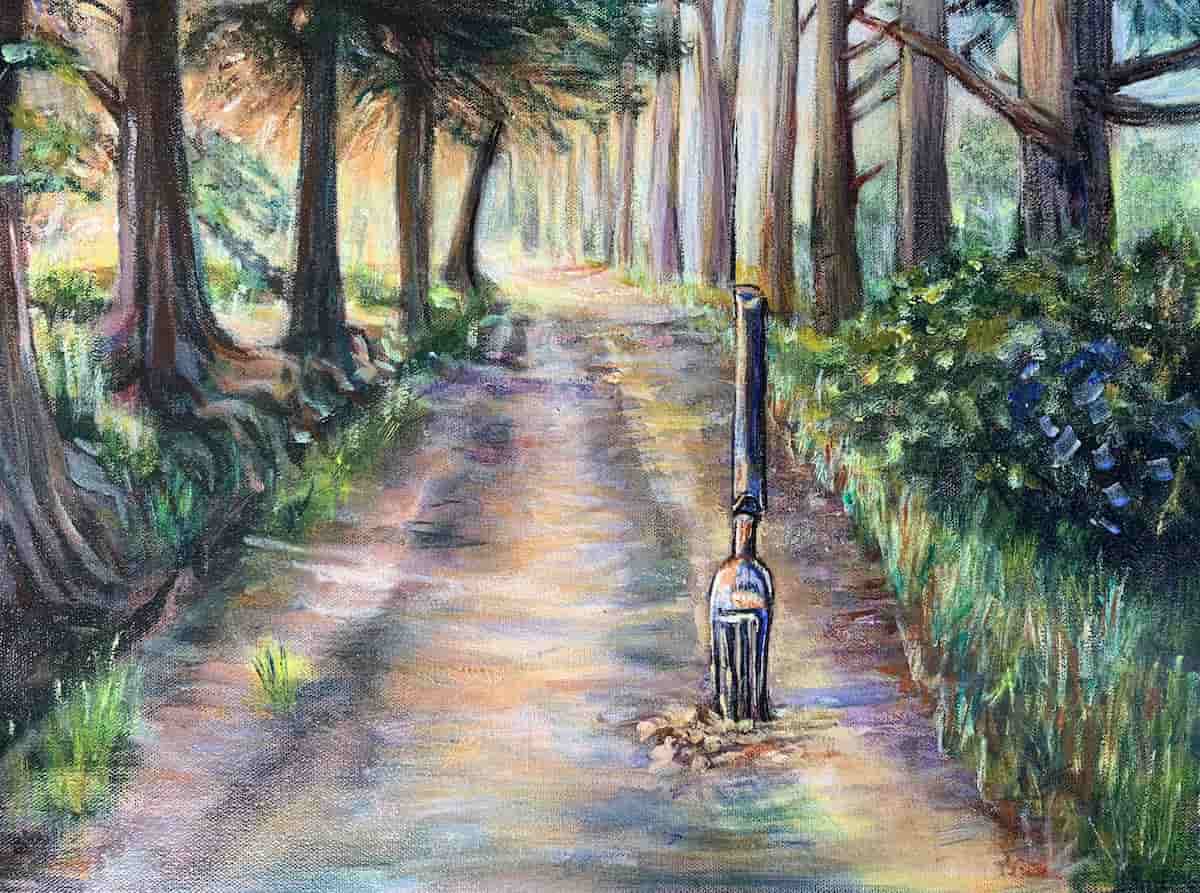 Heading into the sixth decade next year, the most significant fork in the road has appeared, and the necessity of the next step, no matter how daunting, can no longer be ignored.
Indeed, as one said to beloved Earth Mother, Maggie May the other day:

If living until 108 years of age, one has the opportunity to live another full adult lifetime in Japan.
Thus, the fork in the road for the author of this blog is to leave the citizenship of birth behind.
Becoming a citizen of Japan—the adopted country of my family, neo clan, and the Chin Wa Yorogo Nari community, somewhere on the Kanto Plain of Yamato Japan.