Horse Trading
Having switched worlds at the start of adulthood in Showa 61, one experienced the vast spectrum of human nature—recognizing a variety of innate conditions threaded into the genetic fabric of human reality.
The art of distinguishing cultures and customs, having been viewed through rose-colored glasses—onozuto akiraka ni naru— 自ずと明らかになる—fundamental protocol kicks in—clarity over time—is the way the story begins.
People come and go, particularly those who come from all eight points of this magnificent orb—to seek fortune in the land of the Japanese—boys and girls be ambitious. For the most part, the Japanese ways are far too strange—there is no way they could ever remain, and mostly just fade away.
As a matter of fact, that is precisely how most Japanese prefer to look at all foreigners:
"Thank you for coming, and thank you so very much for leaving."
Sayonara. Sayonara. Sayonara. Most stay only briefly—lamenting their life choices incessantly, never quite making it past the starting gate—surrendering their life to the fickle finger of fate.
Some relationships endure for decades—rooted in commonality and the shared solitude of foreigners wandering the countryside—perpetual outsiders to the Japanese world.
Embedded within what Koizumi Yakumo affectionately called "Fairyland"—the land of the Japanese.
Life goes on—people change, or much worse yet—remain the same—no fresh paint to admire—only faded stains of yesterday—a government job—the slow march to the grave stage.
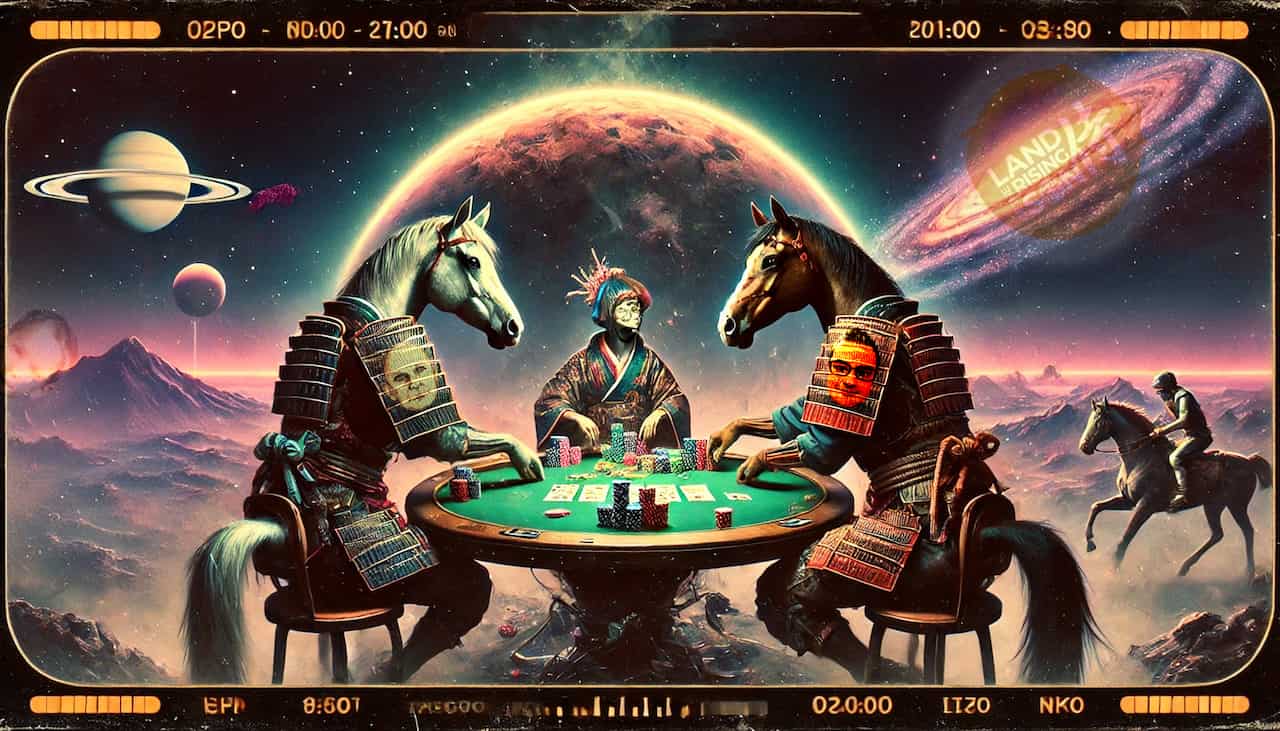
It's true—life is a game, where the reality of horse trading comes into play. Miss this part, and the game ends—a non-participating character in the minor-first stage.
That is all there ever was, all there is, and all that remains.
When following the sun through Material Sludge, an assortment of avatars emerge along the pathways and alleys inside the nooks and crannies of life.
Intuition kicks in—relationships must be built on reciprocity, recognizing each other's strengths and weaknesses—where iron-clad associations begin.
That which binds people must be nurtured to grow—lest it fades away, for the fact remains—life is a highly advanced horse-trading game. In consultation with the 1st Avenue Tutelary Deity Council—a subconscious weighing of this critical trade—a pivotal moment to enlist aid.
A seldom-traveled road of mentation in this simulation game, using brain reframes—free-range avatars—destiny written in the stars where the following trade was made.
One hotel clerk, became a government employee.
One guitar player, washed up and away in an alcoholic haze.
One horse trainer, simply faded away, no trace.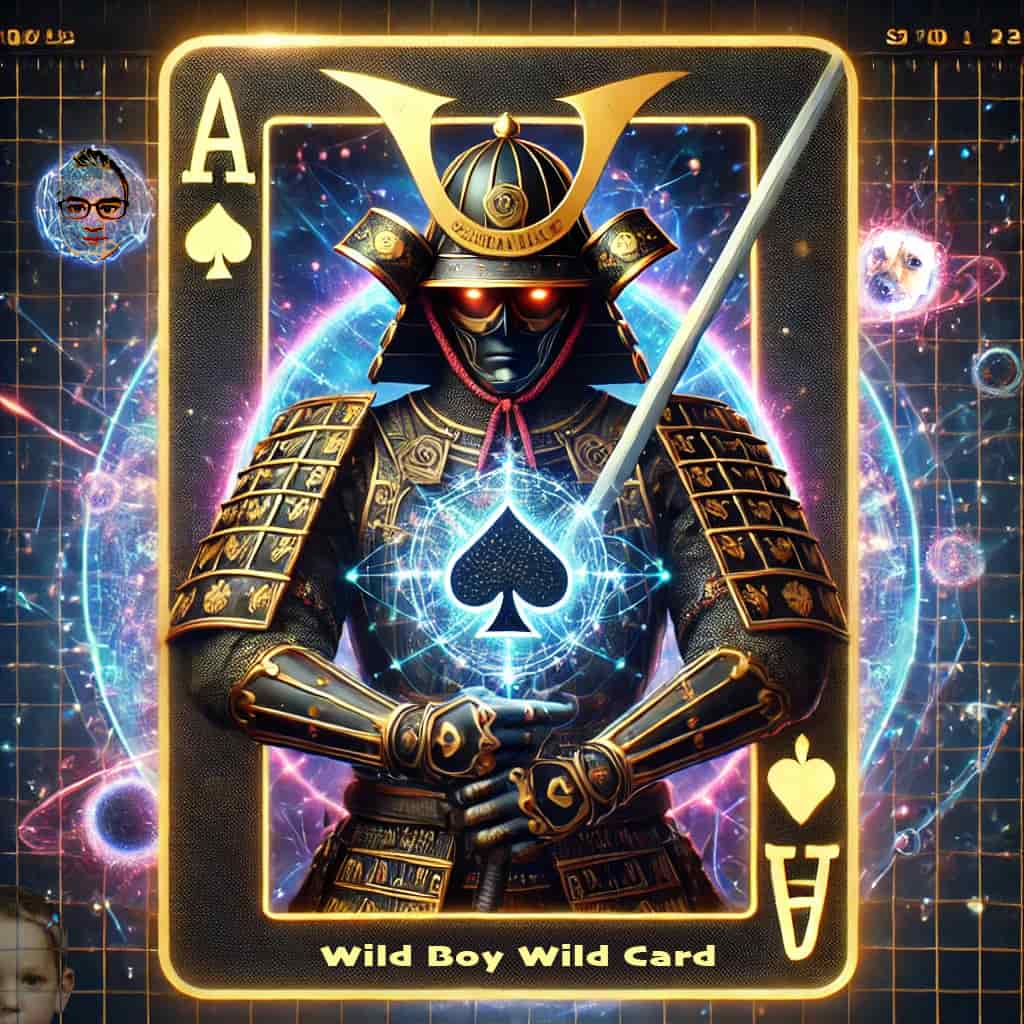 A wildcard chosen by Seity—Mr. Johnny Rainman—whose philosophy is to turn rage into a manifested Zen deity—an enlightened sage, if you will—for he too has followed the sun—exploring the nooks and crannies of an esoteric personified journey—embracing the way of the flow into ΩNE.