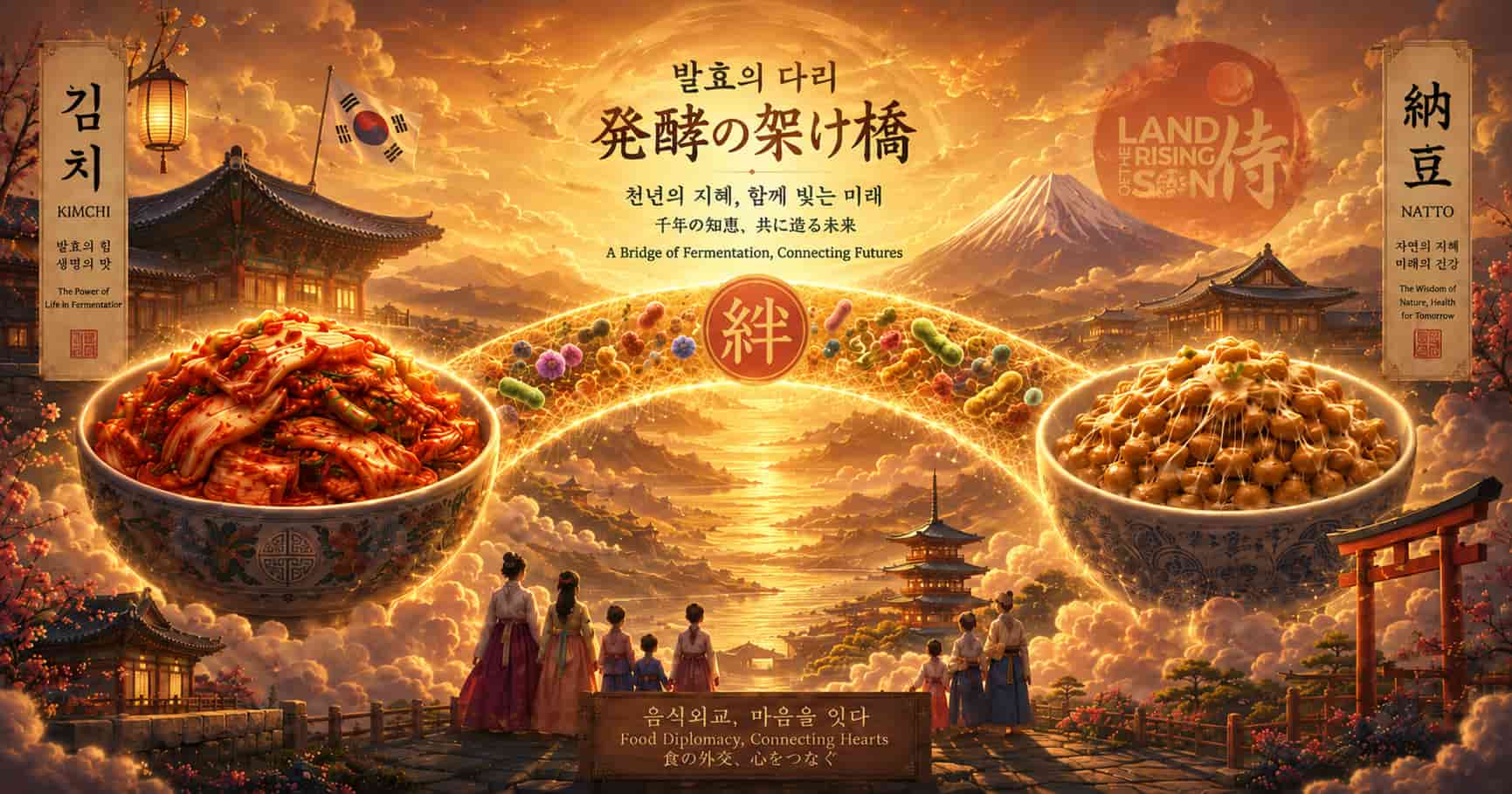
Kimchi
Being an Incidental Occxie living in Japan over decades has led to a deep insight into the entire spectrum of the antediluvian Asia, including seminal matters of profound ancient importance—the secrets contained within our beloved Korean family and friends.
Through the guidance of Maggie May and the clarity of tutelary deities, the lenses of inclusivity revealed themselves naturally within meritocracy, regardless of the color of the blood one bleeds.
History has now settled into its faded trajectory as we witness the unfolding into Age of Shingo into Civilization Three—civil bifurcation of the old world into the renewed, informed by the ancient adage onko chishin—温故知新—new ideas born from the past. This is why the Koreans are a modern civilization with deep roots growing from a storied past, and it is through the miracle of their extraordinarily delicious food that the kimchi story comes to pass.
Kimchi is not merely spicy, crunchy, probiotic-packed perfection supporting gut homeostasis.
Thanks to lactic-acid bacteria that aid digestion, immunity, and even potential longevity, it is also a living symbol of resilience, community, and cultural exchange across Korea, Japan, and China.
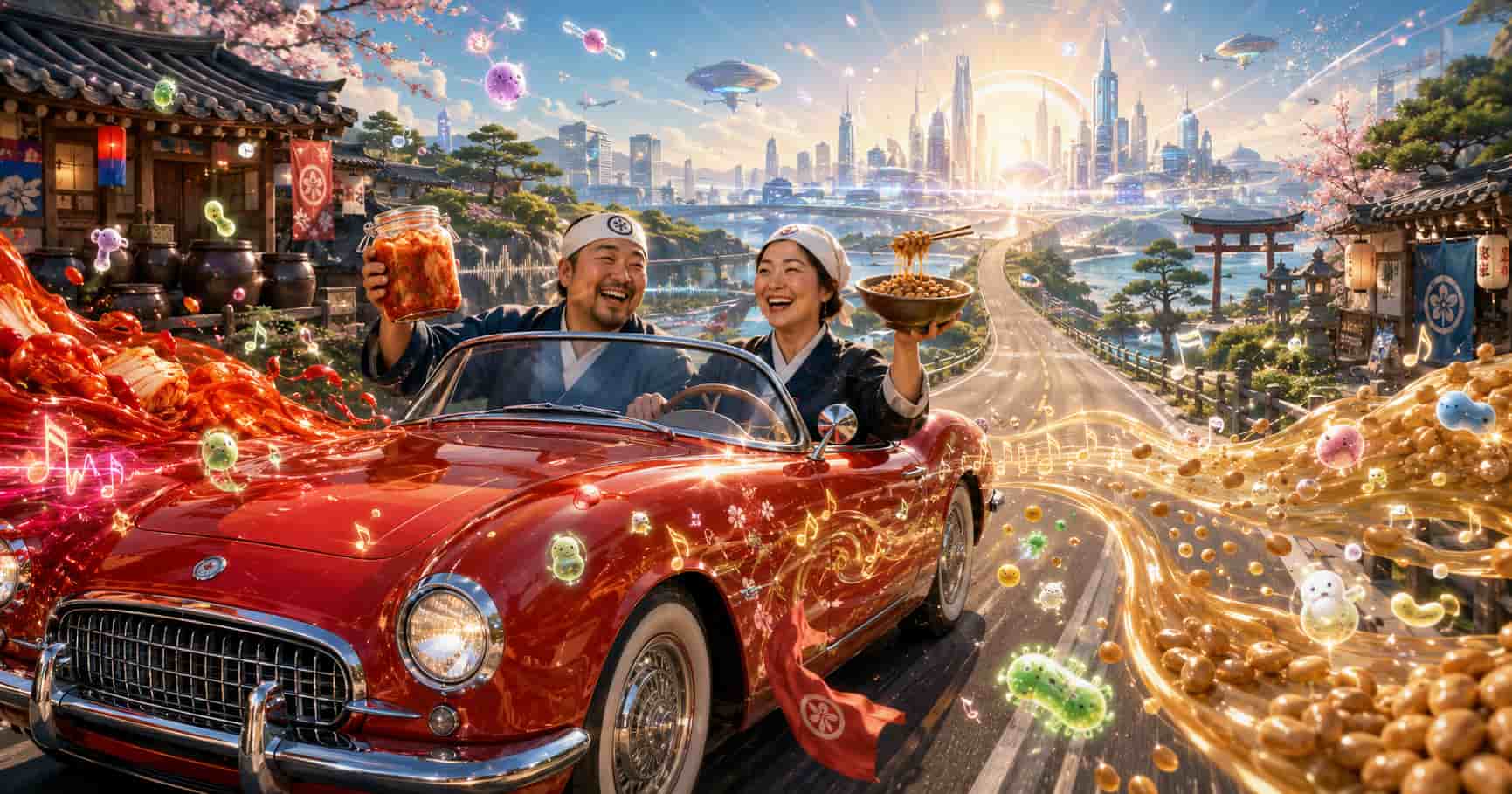
Kimchi also happens to be the best friend of natto, and when mixed into an endless menagerie of gustatory delights, this magic potion may very well transform an entire homeostatic trajectory, including participation as a homeostatic citizen of Civilization Three.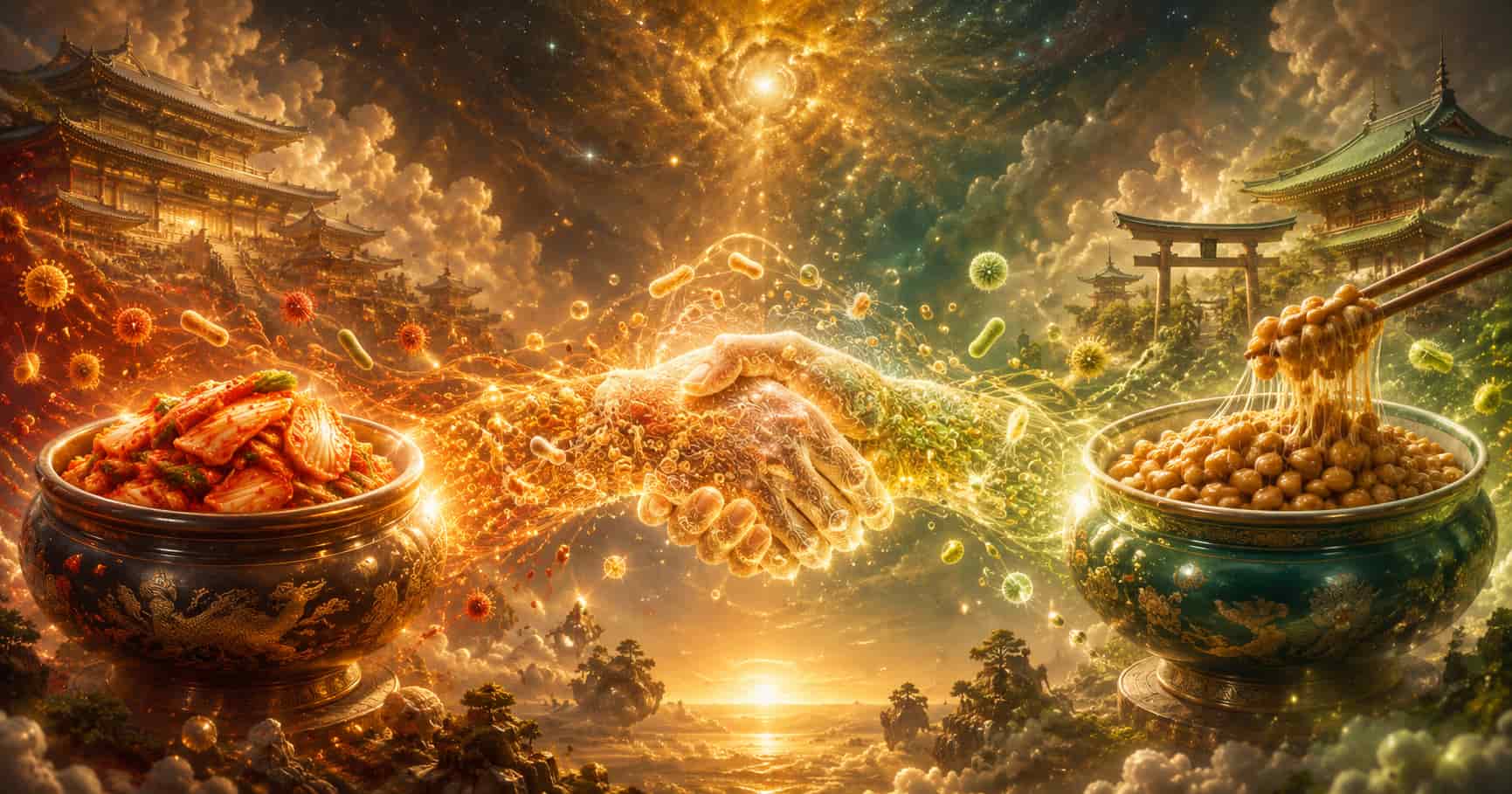 Just as kimchi evolved through shared ingredients and fermentation wisdom passed along ancient trade routes, the deep relationships between our peoples have likewise been built upon millennia of mutual influence, respect, and adaptation.
The kindred spirits encountered along the way, together with family ties that rise above any powers that be, reveal a common heritage uniting Asian citizens through friendship, food, and history at the dawn of Civilization Three.
Varieties galore, and once the door is opened to this seminal soul food, life is never quite the same again, for a daily dose of culinary wisdom becomes part of the joyful architecture of a homeostatic day.
Kimchi has evolved into a beloved cultural bridge and fusion favorite in Japan—symbolizing food diplomacy, shared enjoyment, and ancient fermentation wisdom that remains a powerful trick up the Asian sleeve for cultivating health and homeostasicity. Japanese-style kimchi has evolved into a milder version suited to Japanese tastes—less sour, less intensely fermented, and often sweeter and fresher than traditional Korean home-style fare.
Kimchi has now become Japanese mainstream as an everyday ingredient, turning into kinship through countless shared meals binding our unique exemplary civilizations in to a cohesive unified greater society—itadakimashō.
Japanese-style kimchi is perfect for beginners or those unaccustomed to more adventurous flavors, as traditional kimchi is extraordinarily aromatic—which is, frankly, one of its greatest charms.
Japanese-style kimchi is typically, quick-pickled, with milder heat and sweeter with less fermentation leading to a lighter tang and crunchier texture.
Fusion of Japanese and Korean are the iconic symbols of our blended cultures—Korean spice meets the Japanese traditional kaizen technique.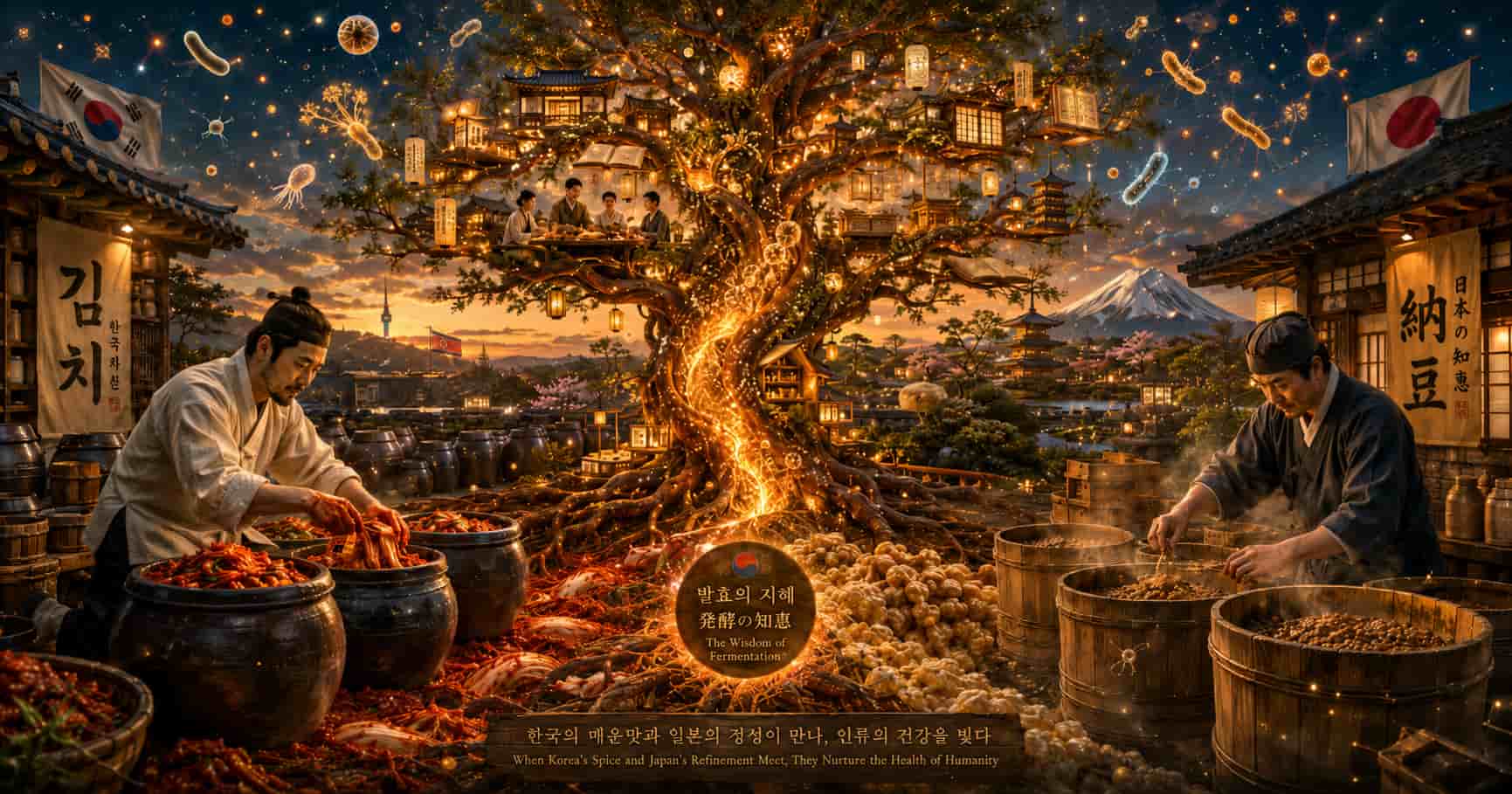 Pork Kimchi Stir-Fry: Thin-sliced pork belly stir-fried with kimchi, onions, and garlic. Savory, spicy, addictive—staple at izakayas and home dinners. Often served with rice or as a drinking snack. Super easy and the ultimate comfort fusion—futatabi itadakimasu.
Winter in both places under our beloved Sun can be sever and harsh and that is where the Kimchi Hot Pot is brought in.
A bubbling pot with kimchi, white fish, tofu, mushrooms, napa cabbage, and rice cakes in a spicy broth.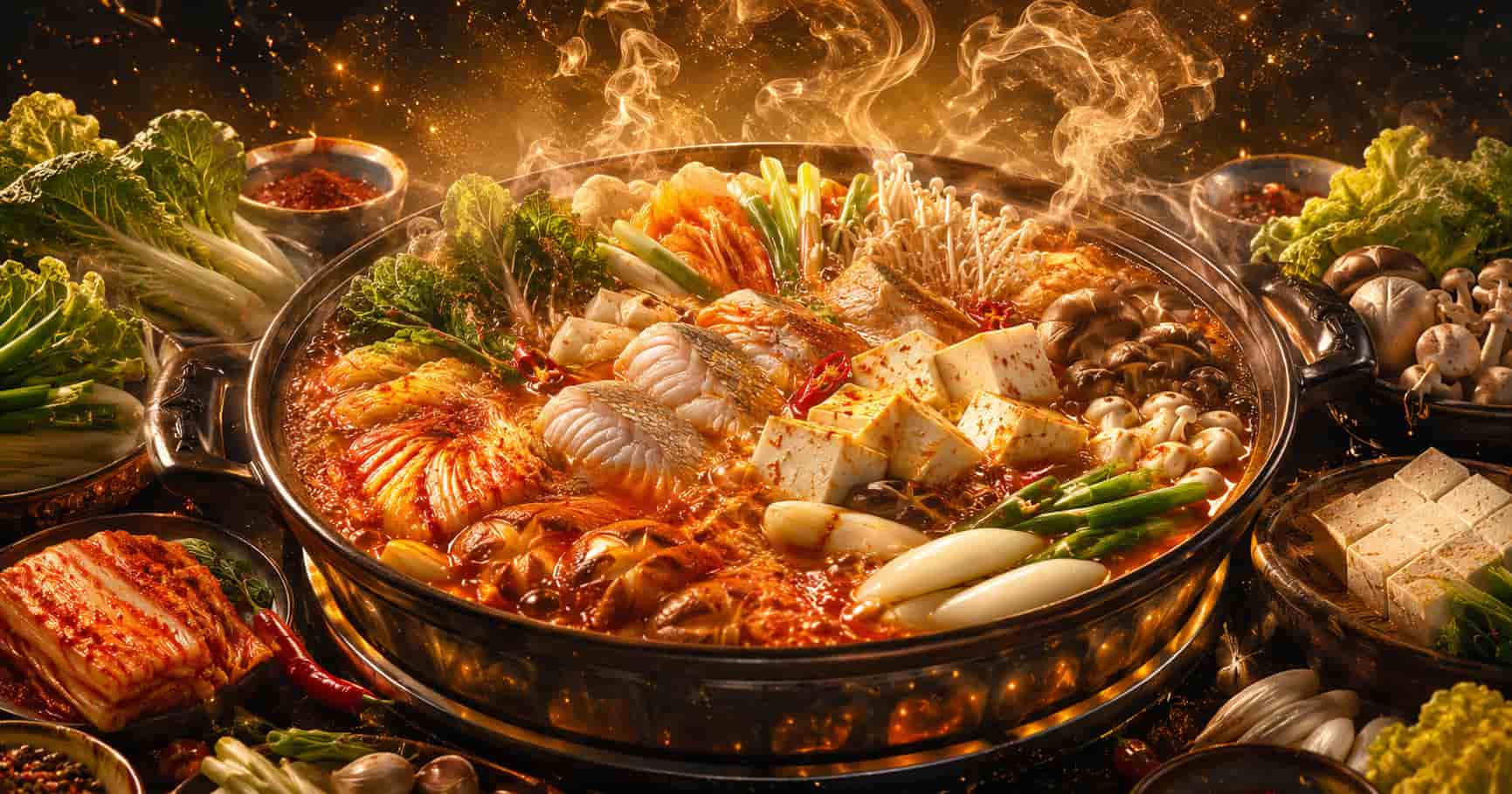 Winter favorite—communal, warming, and perfect for sharing with friends, this is literally "friendship food" around the table.
Which brings us to the main event—the fusion of kimchi and natto.
Together they create a superfood powerhouse capable of clearing a fuzzy head whilst sweeping away baggage hidden within the nooks and crannies of the collective human mind—mentally, physically, spiritually, and emotionally.
This power pack is where the rubber meets the road, guaranteed, as together we instantiate the emerging paradigm of the Asian mind while building Civilization Three.