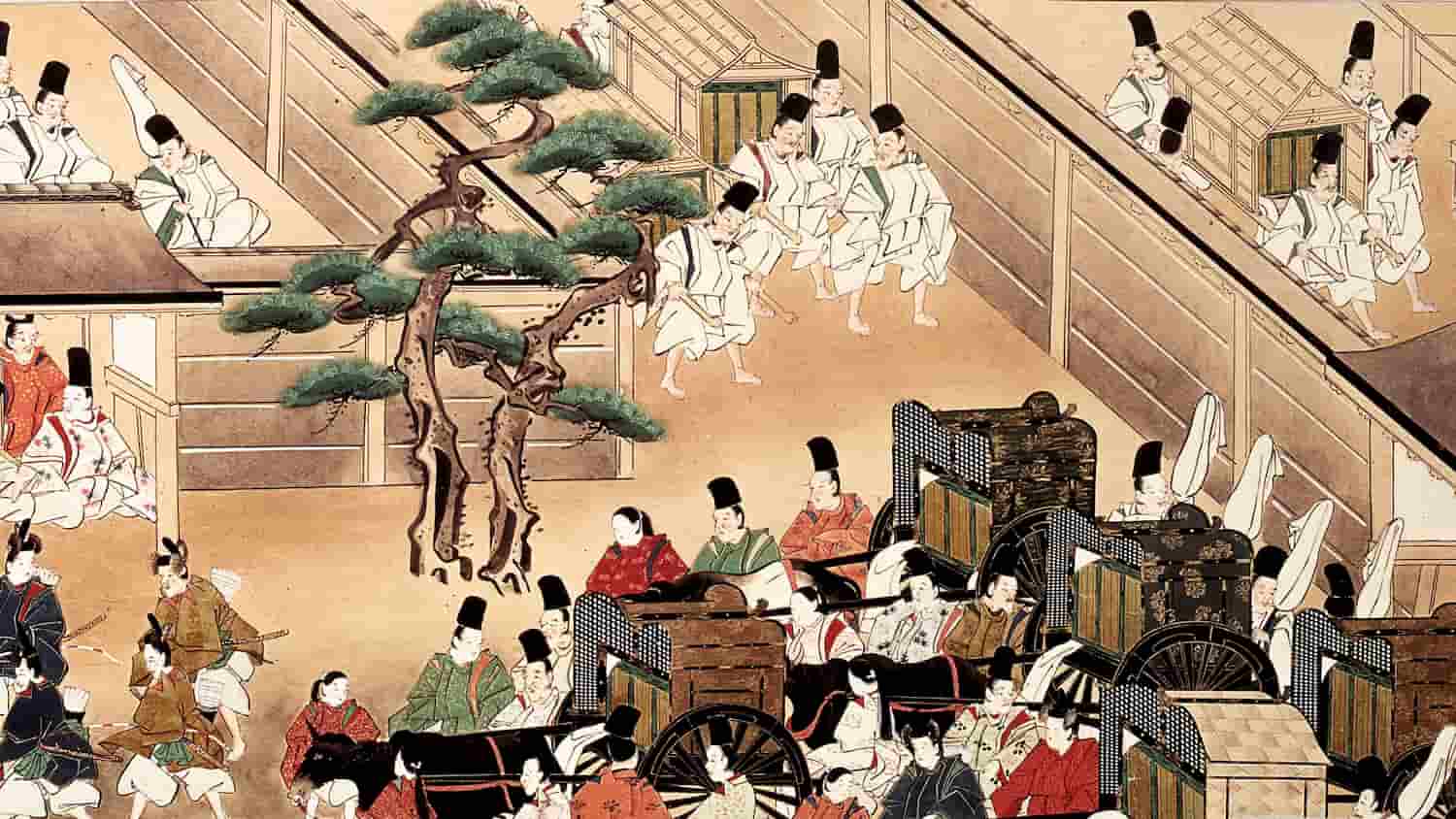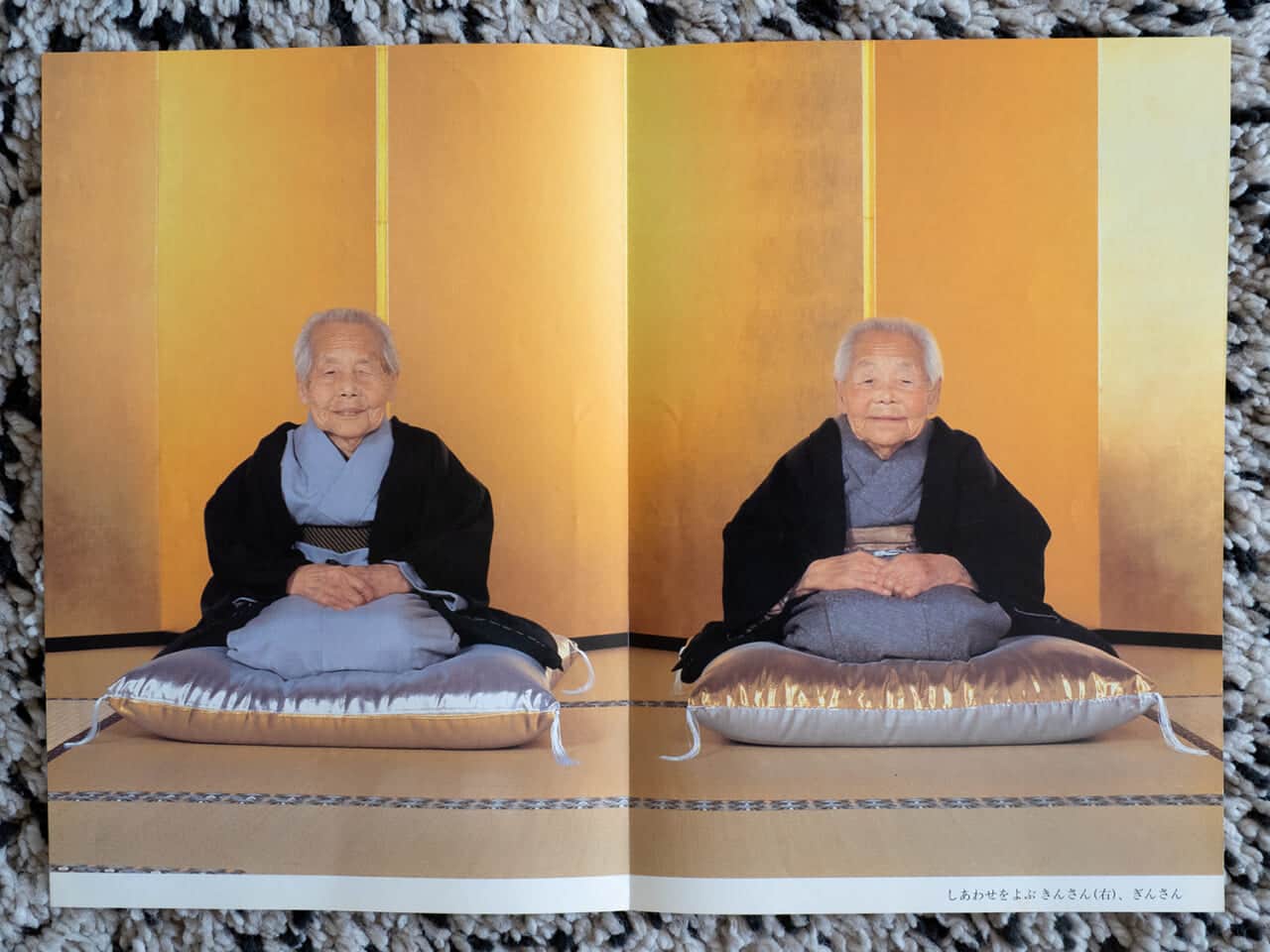
Old Friend
What is a friend?
First and foremost, the meaning of friendship and specific roles differ significantly between cultures.
In the beginning, friends usually show up by default—immediate neighbours, in this case, the first friend lived directly across the street—this friendship also included accompanying the 2nd generation Japanese family, hitting the slopes to do a little Alpine skiing.
 Eventually they moved away, the fond memories of this early friend still linger today, solidifying my eternal friendliness towards his Clan, fondly recalling this exemplary example of what it means to be a real man.
The notion of friendship and what it entails is clearly differs from that of the Japanese—school system, creation, and maintenance of closely-knit community, and the social roles to solidifying human relations and embrace life’s meaning.

The reality of Japanese hierarchical class structure starts early in earnest at around six.

In the Japanese language, friend encompasses a plethora of social constructs from the start of the rigid social hierarchy reality establishing the sociological frame, and the unique identifier of being Japanese.
The big three Japanese hierarchical protocol:
senpai
ΩNE in higher grade
dōkyūsei
ΩNE in same grade (first batch of friends comes from here)
kōhai
ΩNE in lower grade
There is no escape from these social constraints, that is of course, unless there is the curious desire, for very undesirable treatment known as mura hachibu—or the dreaded—protocol of ostracism.
 In Japanese, friends are not friends in the sense of those living in Occxie-land understand, they are to network with, and perhaps at one point, will be useful as collaborators in some kind of life’s master plan.
Deep and meaningful friendships are of course a necessary part of the fabric of all societies, but with the advent of the internet, the word friend no longer conveys its true meaning, seems now to be flippant even absurd, now long since past its prime.
People become friends for a variety of reasons, some for intellectual stimulation, others upon circumstances, a matter of self interest and convenience.
 A major sign of the twilight waning of any relationship, when reduced to mere convenience—as like all living things, all friendships fade away and then die.
Old relationships that are meaningful at the end are always about sharing common interests, contributing sparks toward Each Other with an enlightened shine—not stagnation of staid thinking of the judgmental and righteous kind.
Japanese have an apt description of a well worn relationship embodying the meaning of ennui—kusare en.

腐れ縁
ʅ(◞‿◟)ʃ
1: inseparable relation
2: unsavory relation
This terminology is often used in jest, to be taken by the recipient either way, and like a lot of things the Japanese way, relays the participants true feelings in a very roundabout way.
The importance of friendship, fellowship, and community could not be more urgent than it is today.
Join likeminded communities, build new worlds as you see fit you own way—relaying the innate notions to fortify and edify our Clans and societies—build the future of our children with real men and women at the dawn of Hardcore History in this New World Age.