Patrick Lafcadio Hearn
Unless digging deeply into the annals of Japan, the name Lafcadio Hearn is probably unfamiliar.
However, Lafcadio Hearn can be considered a paramount historic figure of Meiji-era Japan, where he lived until the end of his days.
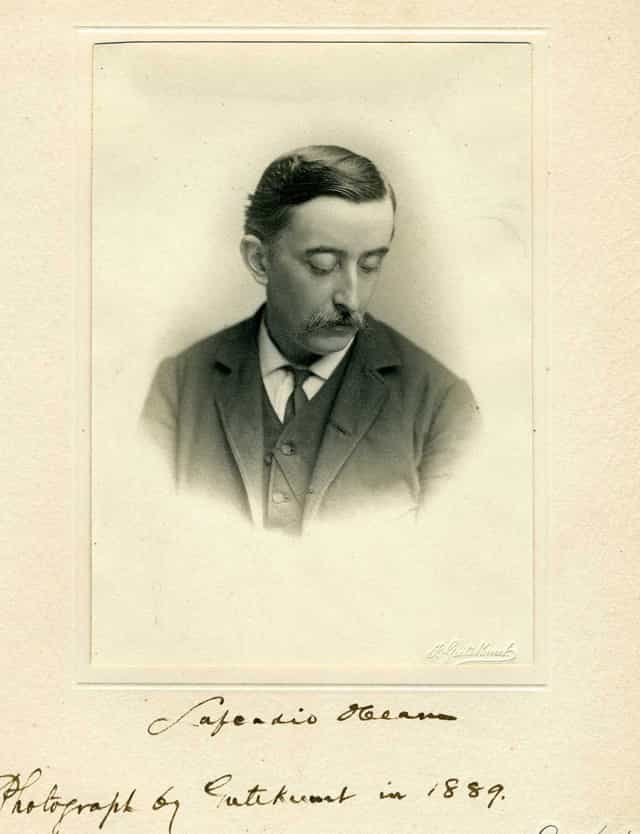
He is considered an early pioneer who introduced Japanese culture to the West with his intriguing observations and stories embedded throughout his body of work about Japan.
After arriving in 1890, he became a teacher in Matsue, Shimane Prefecture thanks to Basil Hall Chamberlain, another important figure of the Meiji period.
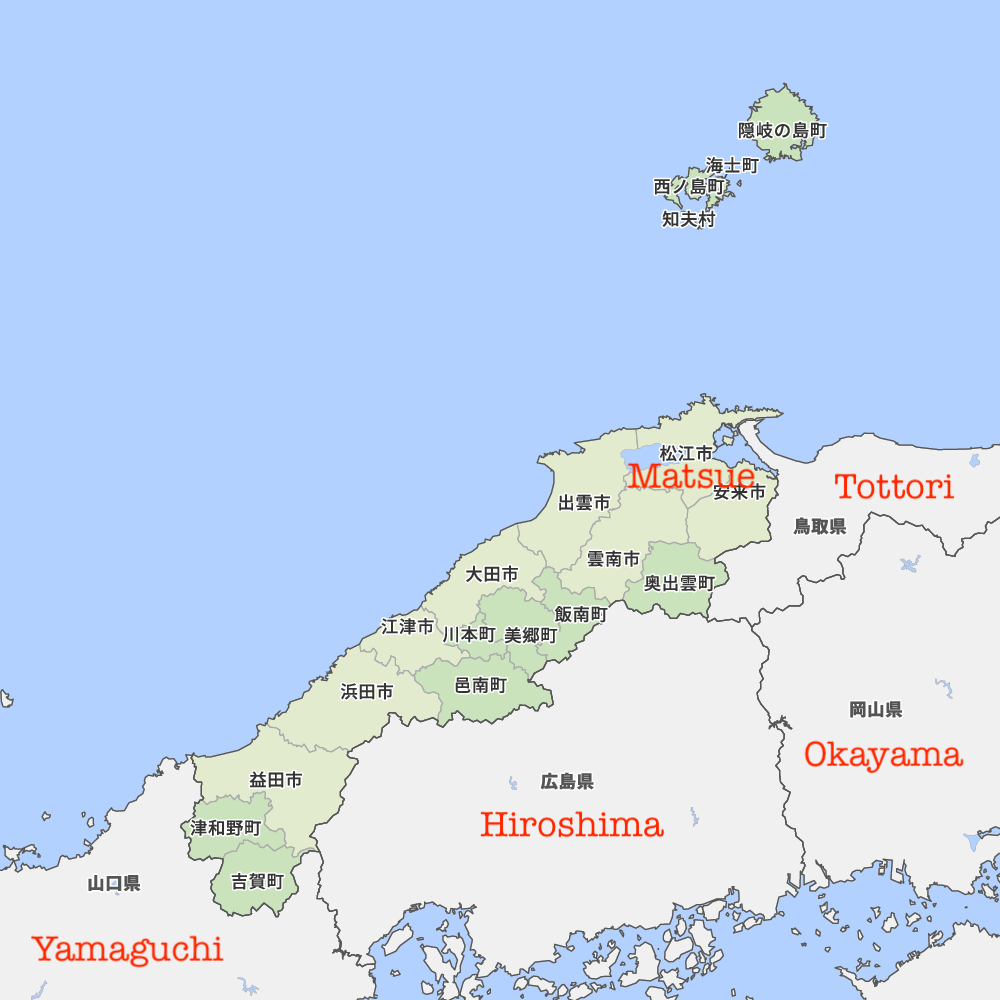
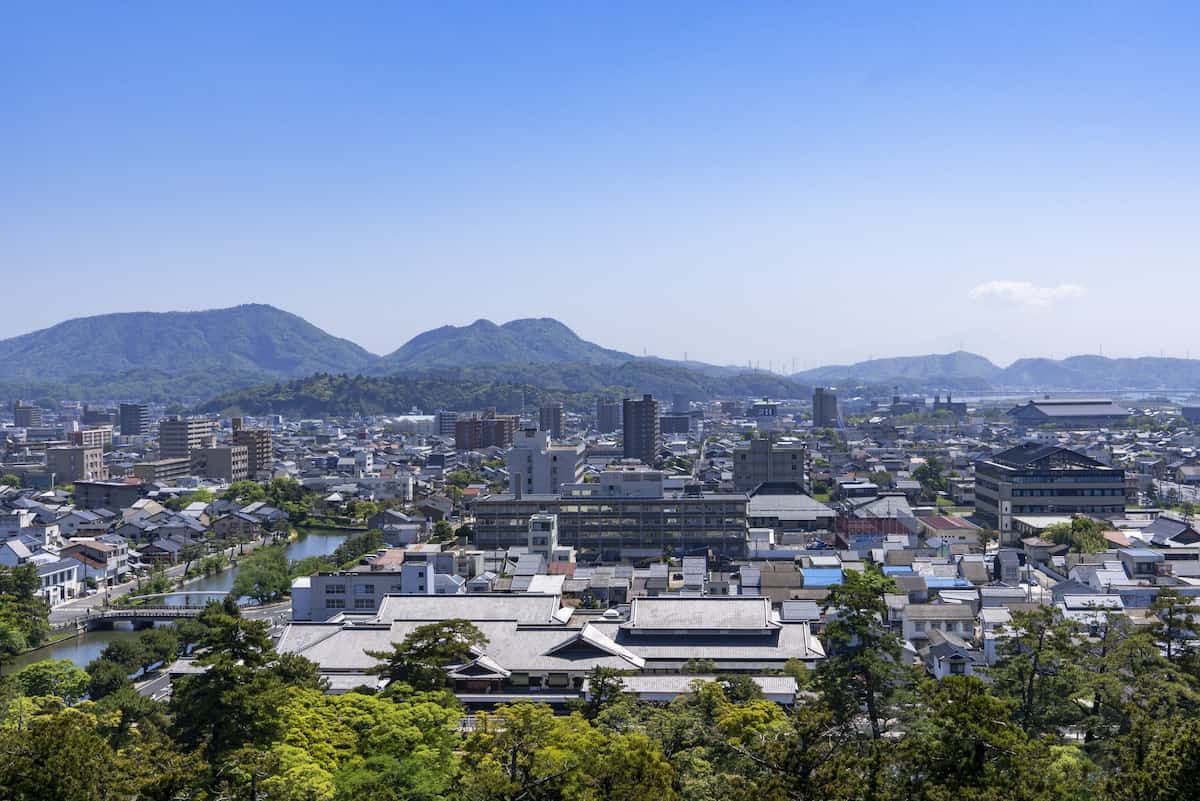
It was here where Yakumo submerged himself into the Japanese culture.
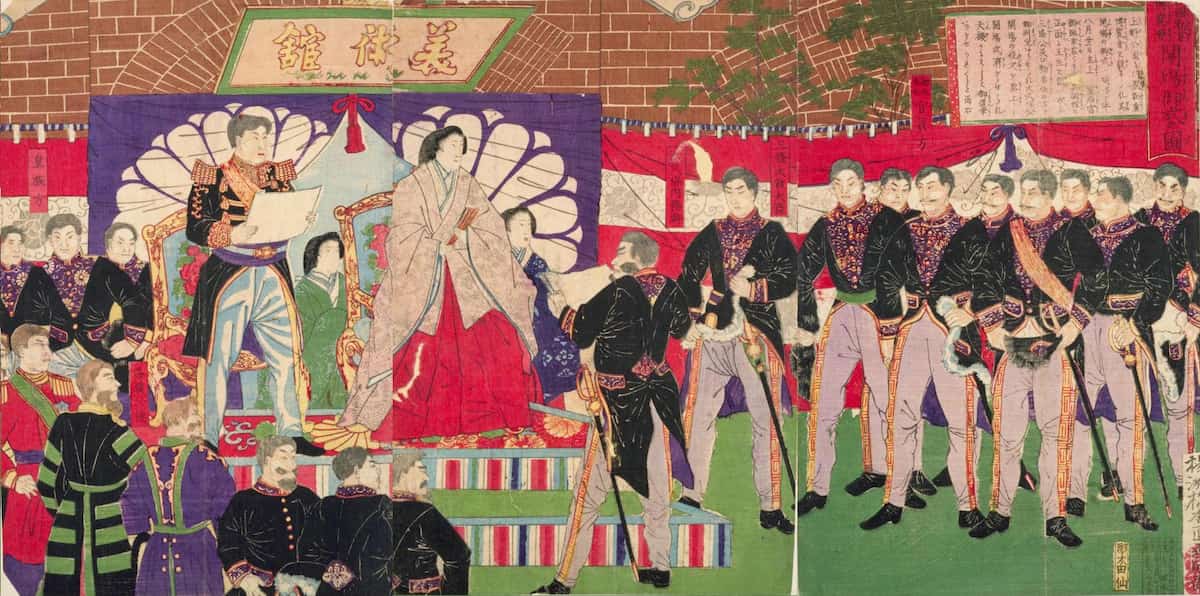
Remember, Japan had just been forced to open after 250 years of isolation under the strict rule of the Tokugawa Shogunate ending in 1868.
Here, Yakumo exposed to the West another word in a different dimension having evolved for over two centuries absent of influence from foreigns.
This is also where in 1896 Lafcadio Hearn married Koizumi Setsuko, the daughter of local samurai family, took the name Koizumi Yakumo (小泉 八雲), and became a citizen of Japan.
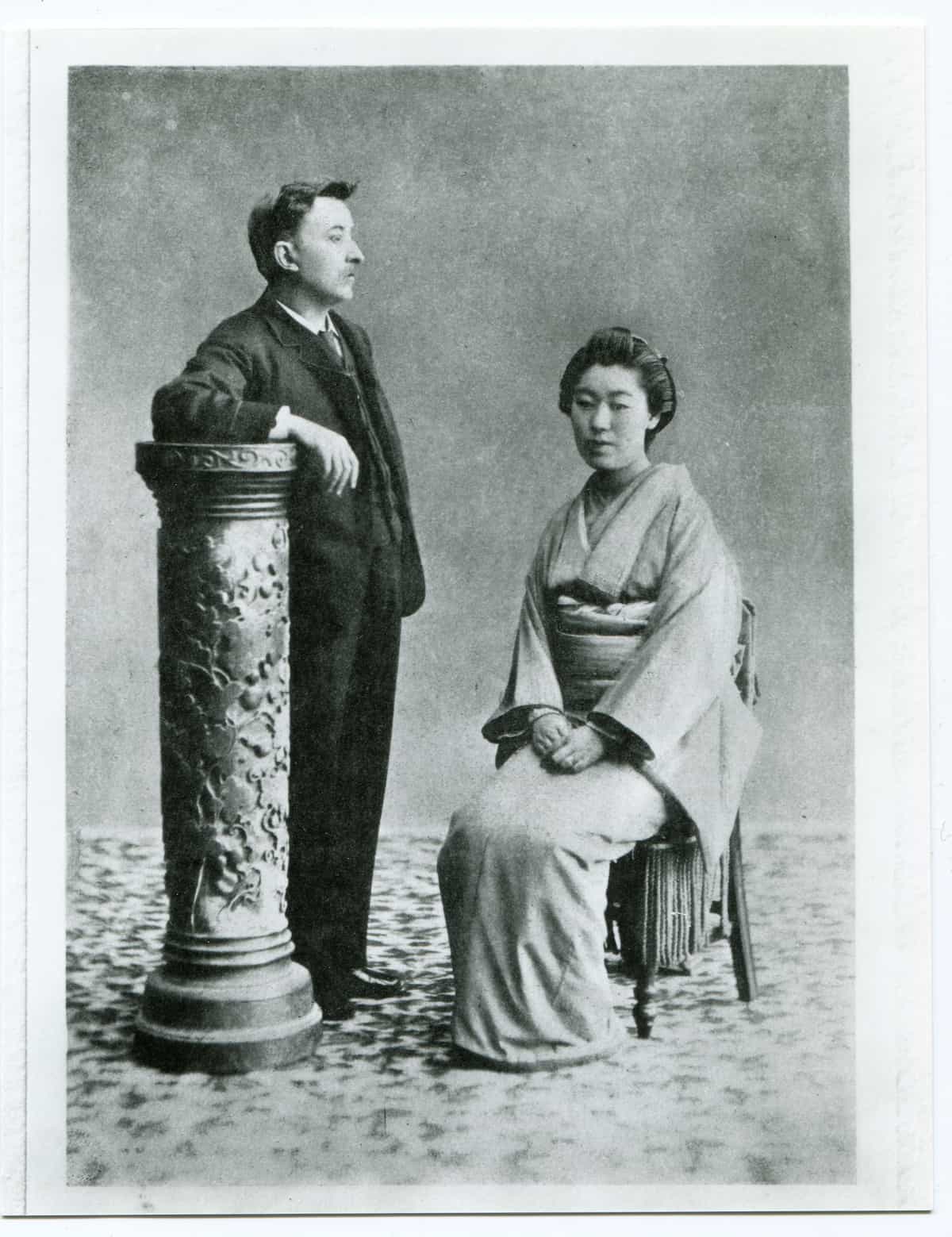
Traveling the world in the 1800s was difficult, so it was rare to find someone so deeply engrossed in Japanese culture as Yakumo, who also wrote with depth and clarity about this new and intriguing world now surrounding him.
Indeed, Yakumo works on Japan allows one to gain a deeper understanding of the extraordinary society of Japan, as described over 100 years ago.
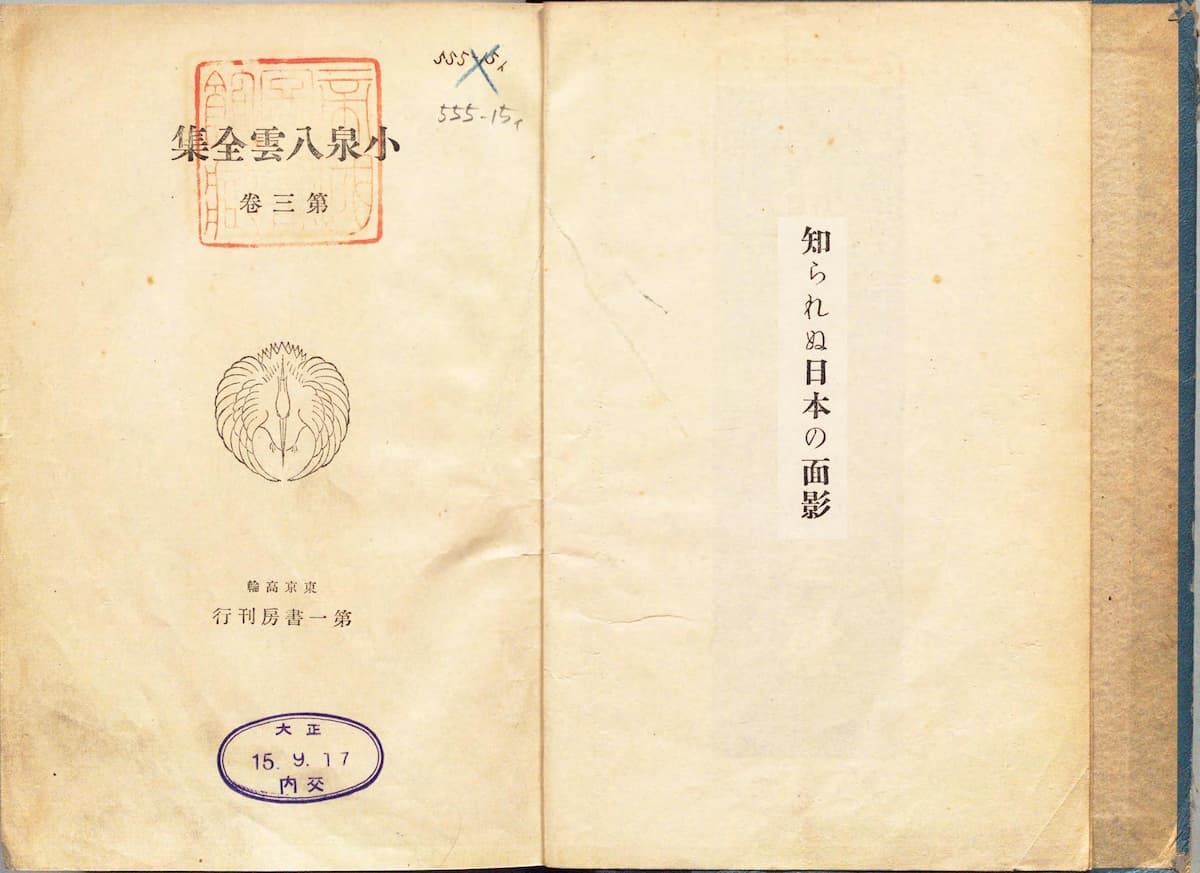
In 1894 Yakumo published "Glimpses of Unfamiliar Japan" his first book about Japan.
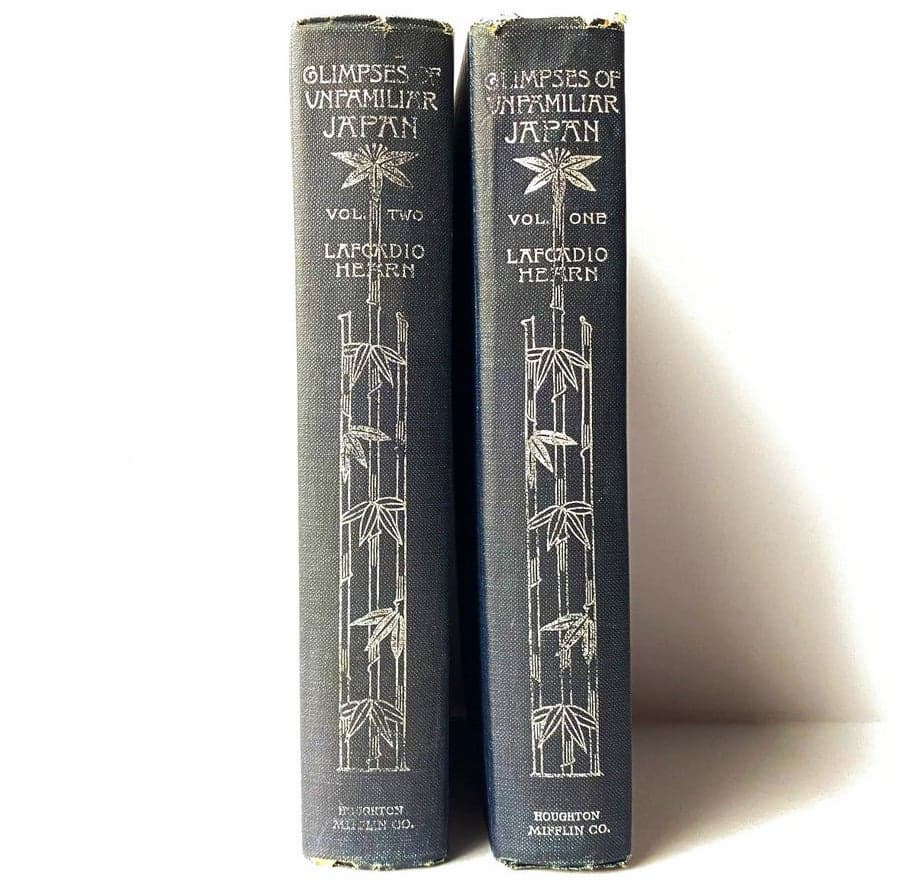
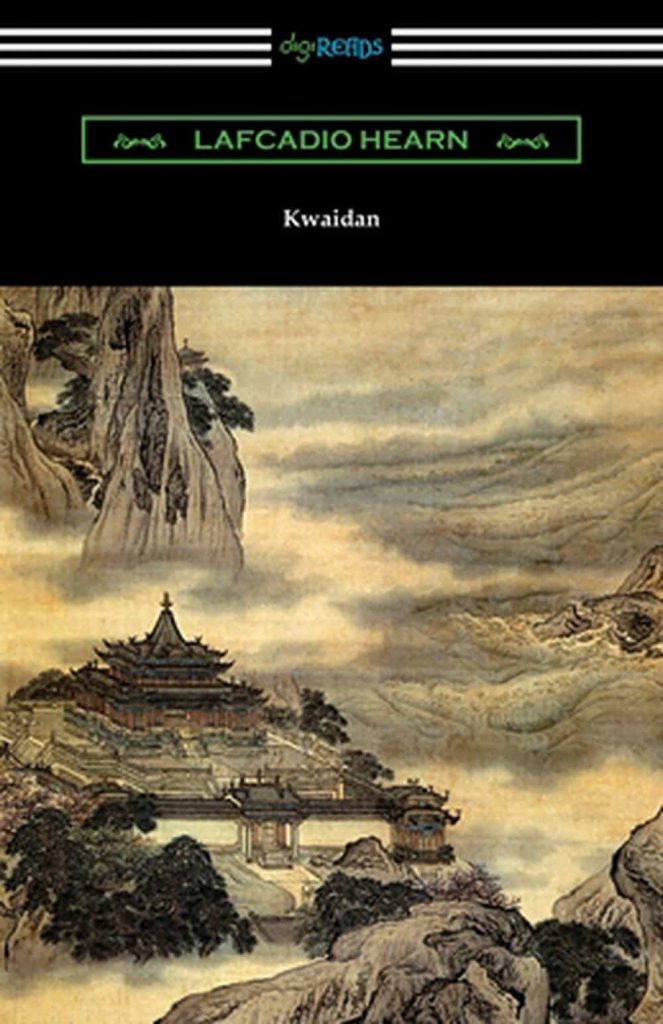
Among his other books written about topics pertaining Japanese culture were “Kokoro: Hints and Echoes of Japanese Inner Life”, published in 1896, “Japanese Fairy Tales” released 1899, and the fascinating and entertaining “Kwaidan: Stories and Studies of Strange Things”, which was published in 1903, and subsequently turned into a film.
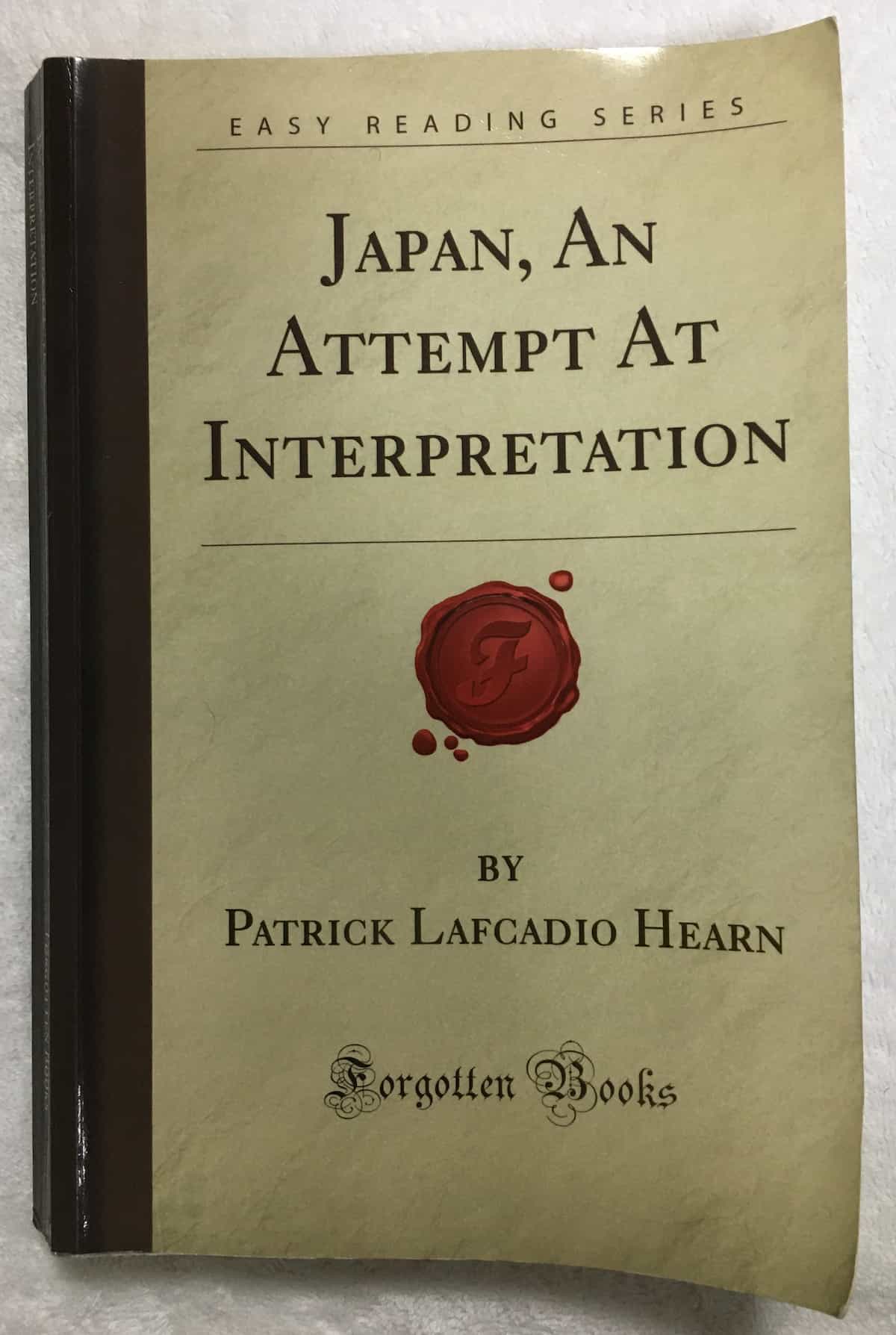
One of the most important works of Yakumo is his deeply insightful book Japan: An Attempt At Interpretation.
Published in 1904, it is truly amazing to reach deep into the past to see the Japan of old through the eyes of this incredible storyteller.
In this book, one gets an vivid sense of the Japanese society during the Meiji Restoration, and gains a deeper awareness and sensitivity to the Way of the Japanese.
Japan: An Attempt at Interpretation is free to read here.
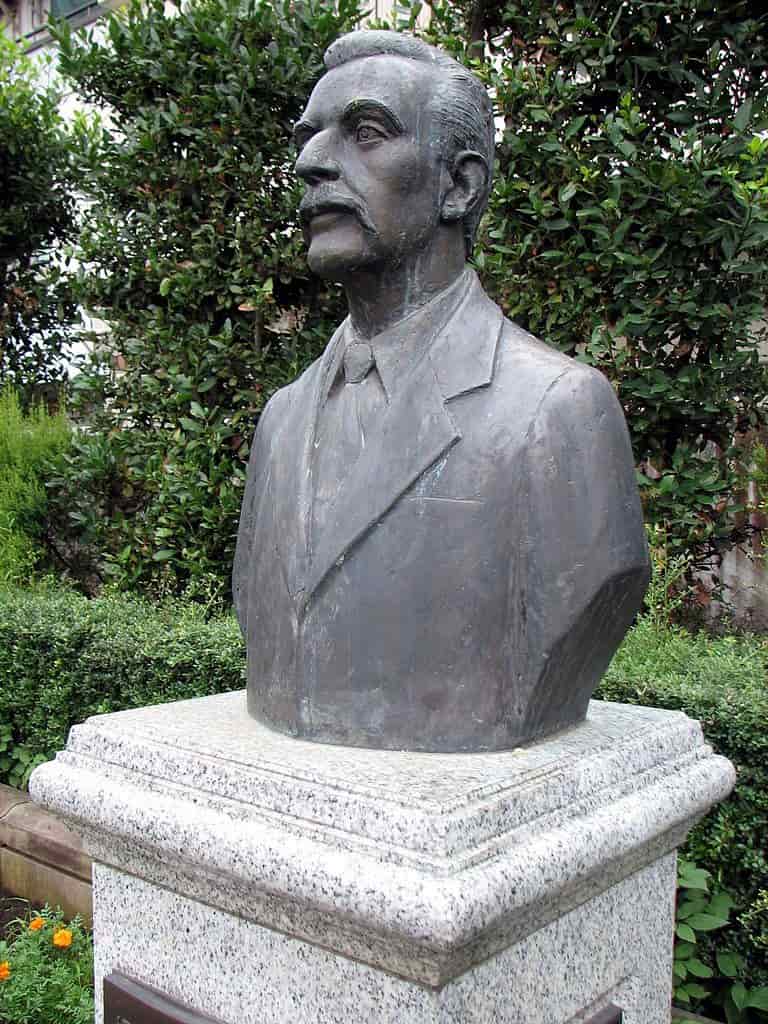
Make sure to visit the Koizumi Yakumo Commemorative Park while visiting Shinjuku, it has a wonderful garden garden with a bust of Lafcadio Hearn and an plaque describing his talents and achievements.
Koizumi Yakumo (Lafcadio Hearn) died on September 26, 1904, and is interned at the Zoshiyaga Cemetery, located in Toshima, Tokyo.