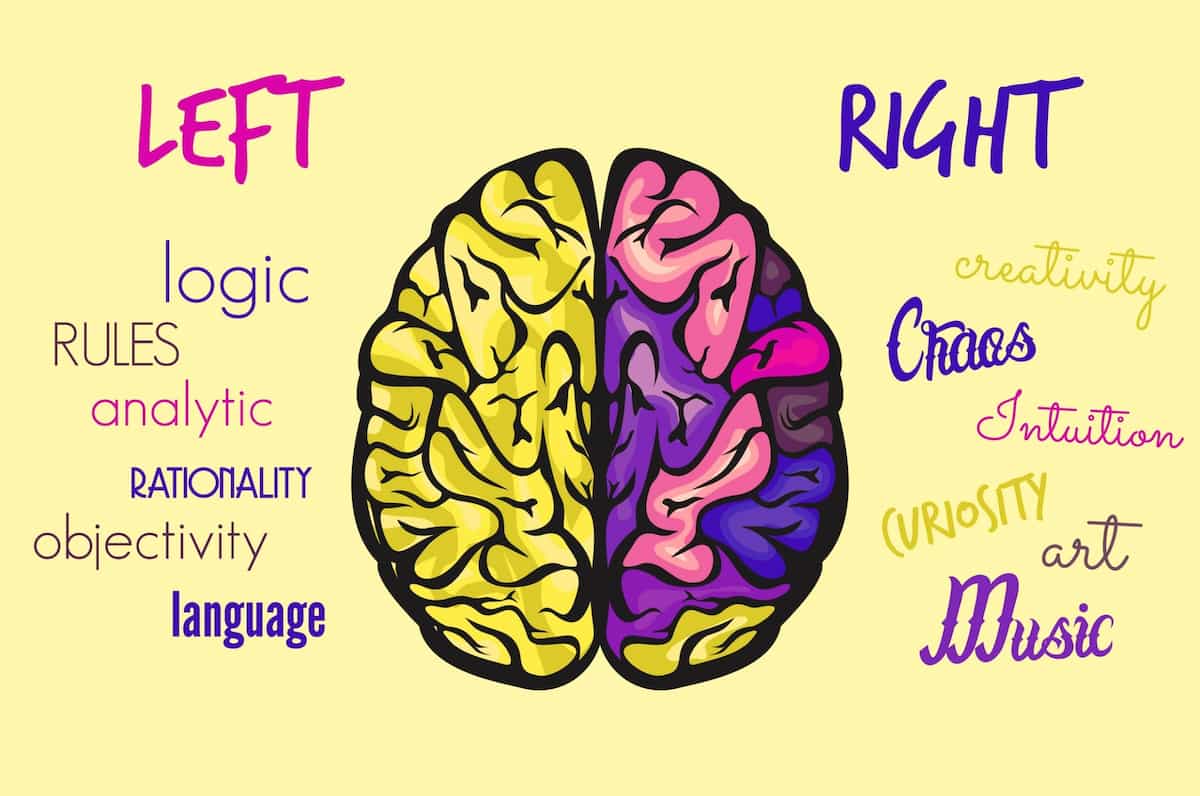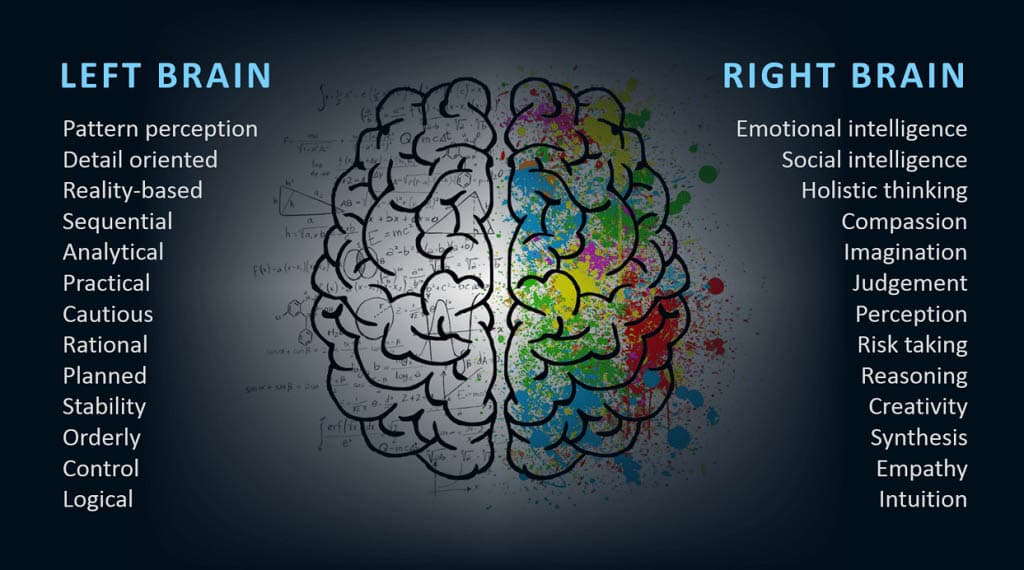
Right-Brain Left-Brain - Part 2
According to the research of Dr. Tadanobu Tsunoda in the 1970s, there is a fundamental difference in the hemisphere dominance of the brains in the Japanese and non-Japanese.

His research also demonstrated the difference in dominant side of the brain is a direct result of the individual’s native language.
What is even more remarkable is that Dr. Tsunoda found there were only two languages which always produces right brain dominance: Japanese and Polynesian.
As a musician, one found Dr. Tsunoda’s research indicating the secret of which side of the brain is dominant is based on whether the sounds of the language are harmonic or non-harmonic.
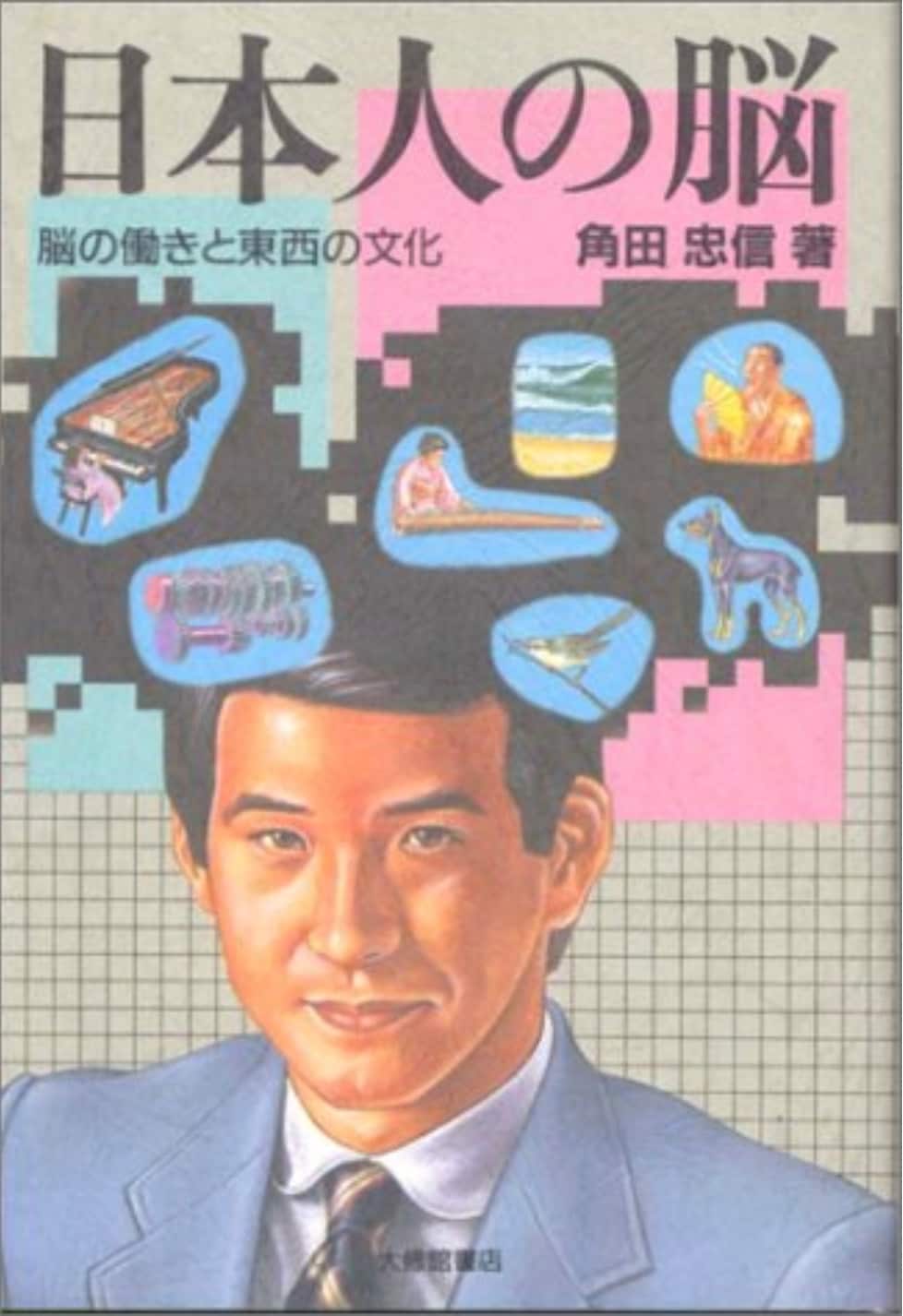
This led to the understanding that Japanese being a harmonic language uses the right side of the brain, while all other languages are non-harmonic and are processed by the left side of the brain.
The Japanese are unique as the worlds only large, prominent, group of people whose mind is primarily right-brain centric.
As an outsider reflecting on the spirit and soul of the Japanese for over three decades, one believes a valuable culture traits is the Japanese ability to apply both right and left brain insights and energy in all their efforts.
On the other hand, a negative right-brain aspect would be the extraordinary emotional content of the Japanese culture, which makes it complex and time-consuming to maintain harmonious relationships.
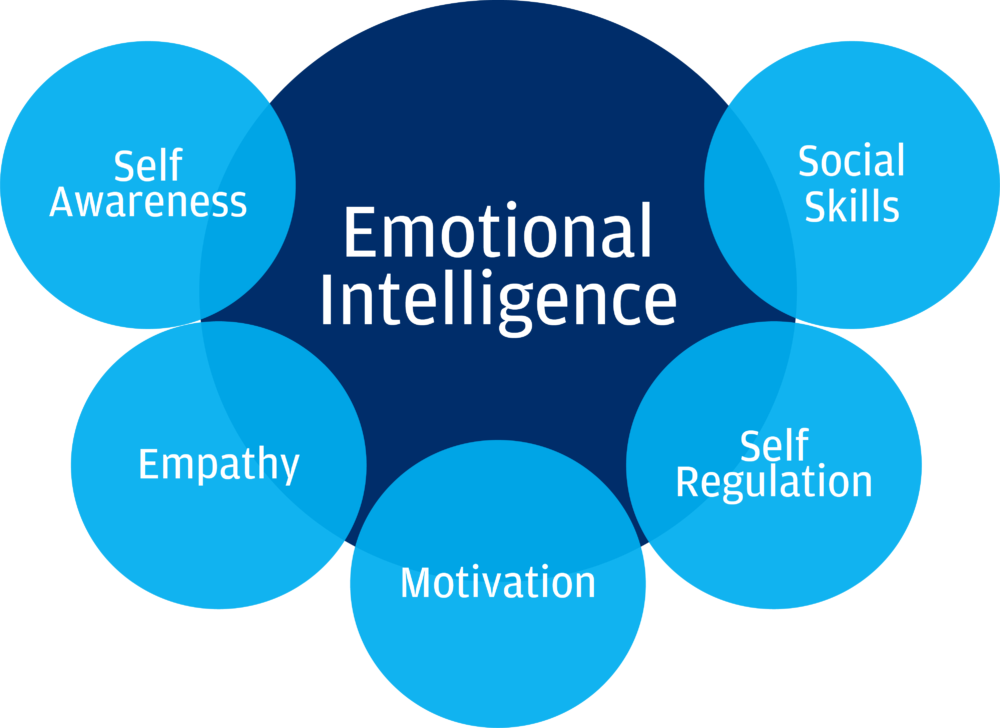
Indeed, maintaining harmonious relationships with the Japanese is tricky and one must always pay close attention so as to successfully navigate this esoteric culture and society.
This is even more true, when the Japanese have to maintain relationships with people whose cultures are less emotionally burdensome.
The difficulty in maintain proper relationships in this complex and hierarchical system of Japan is something one has experienced many times.
Valuable, if not somewhat painful lessons are plenty when going thorough the inevitable growing pains of assimilating into the Japanese culture and understanding their right-brain thinking.

During the industrialization of Japan between 1870 and 1890, left brain decision-making and a growing degree of left brain behaviour was necessary to incorporate to modernize Japan.
Further erosion of the right-brain culture continued after the defeat of Japan in the second world war, and with the importation of popular American culture.
In fact, one has observed more and more of the left brain thinking staining the right-brain Japanese over three decades living among the Japanese.
One could almost attributed this to the incessant creeping of American culture, if there is indeed such a thing as, “American culture.”
However, this erosion process has still not penetrate to the core of the Japanese culture or psyche, and the Japanese language remains virtually intact and continue to program the right side of the brain from birth.
Over the last few decades, a large percentage of the Japanese population has been exposed to English with mixed results.

One could say the more English imprinted on to left side of the Japanese brain the more readily the Japanese can switch to the left brain thinking and acting.
However, for most Japanese, speaking and listening to English can be extremely tiring, especially if they are not very good at language.
In fact, the has been mentioned many times by one’s extraordinary spouse, who only started to learn English much later in life, and for certain still finds English not only tiring, but noisy.
Indeed, the core of Japanese culture will always remain right-brain, and this may turns out to be an advantage in this changing world, only time will tell.
Next week let’s peak further into the right-side-of-the-Japanese-brain.