Three Success Doors
One of the most important lessons the Japanese learned from Zen Buddhism was the significance of spirit in all human endeavours.
Zen Buddhism was first introduced to Japan around 656 of the Asuka period, and brought into prominence by Eisai (1141-1215) followed by Dogen (1200-1253) who was the founder of the Soto sect.

Although buried deep in their sub-conscience, the Japanese are imbued with an innate Zen-like calmness and practicality capacity.
This has to do with the deeply rooted evolution of Shintoism, which has shaped the Japanese for millennia along with the extraordinary development of Japanese culture over the centuries since establishment of Zen Buddhism.
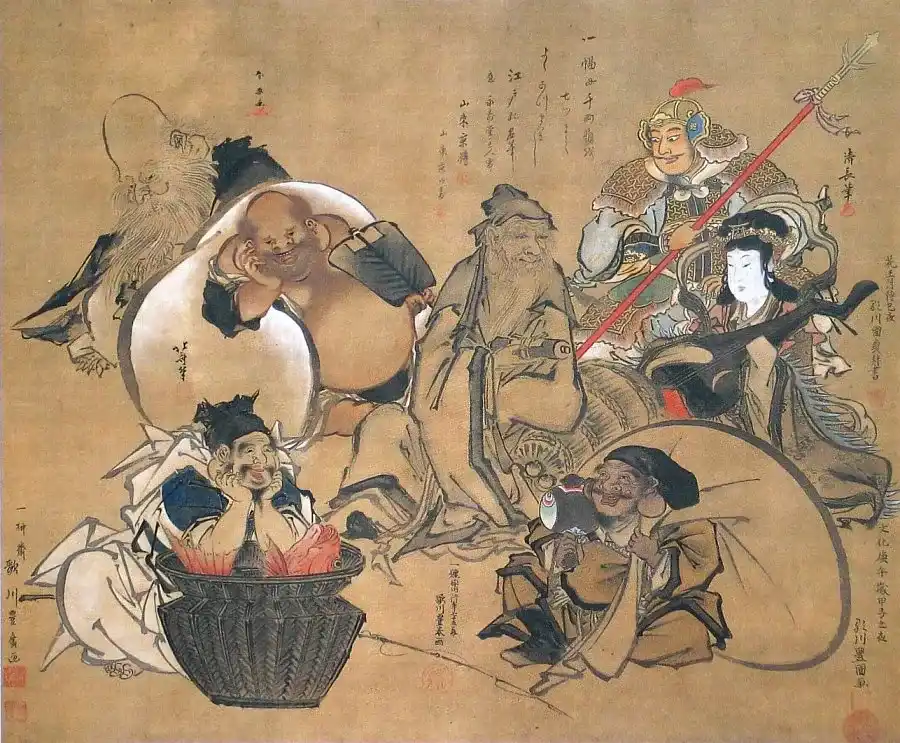
The Japanese are always surrounded by Buddhist temples and Shinto shrines dotting the landscape within the nooks and crannies of Japan, which has historically been referred to as:
Land of the Gods
Indeed, could it be the Japanese receive the gift of practicality and calmness via osmosis, which is embodied wonderfully in an old Japanese saying:
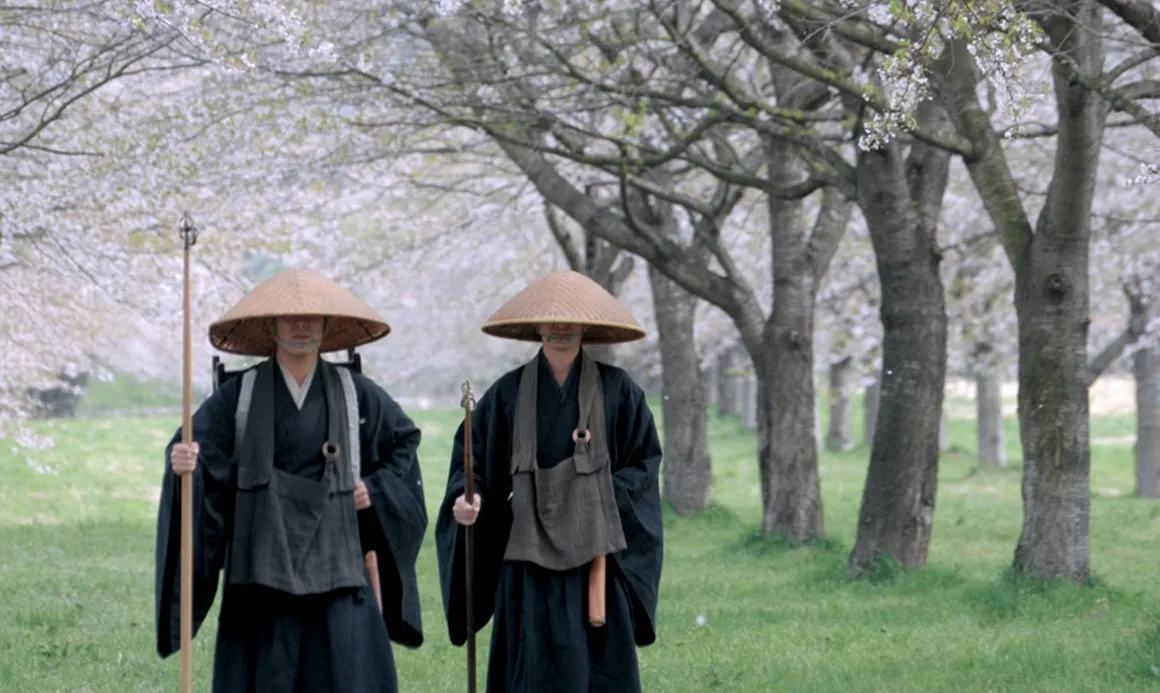
mon zen no kozō narawanu kyō wo yomu
Young monks absorbing sutras sitting in front of the gate.
The Japanese have realized there is a spiritual element in all worthy achievement—the greater the achievement, the greater the contribution of spirit.
During the 11th and 12th centuries the samurai warrior class arose, and these fierce warriors became great advocates of Zen Buddhism and the teachings held within.
Why is this so?
The fundamental philosophy of Zen Buddhism teaches an austere lifestyle combined with an almost obsessive dedication to training in life skills and in the arts.

Since the lives of the samurai depended on extraordinary skill in the martial arts, and eventually an equally extraordinary degree of skill in precise social etiquette, Zen became their spiritual guide and training manual.
As Japan's ruling class from around 1185 to 1868, the Samurai closed their country, thereby developing a most extraordinary society and culture over centuries of peace as commanded by the Tokugawa clan.
During sakoku 1.0, the samurai set the standards in every facet of Japanese life—language and literature—aesthetics, arts, and crafts—in the highly stylized protocol of everyday behaviour of the Japanese—and in the embedded morality of the 6th century Shotoku Taishi constitution.

The samurai also imbued Japanese culture with a strong martial nature conditioning the Japanese to do things in a precise, regimented order and to abhor weakness or failure of any kind.
One may consider these truths to be embedded in the Japanese protocol of Form Order Process, which is the foundation of the Way of the Japanese.

There is no area of Japanese life that is not affected by the legacy of Zen, and one can see the Zen element in the character of every Japanese in all facets of Japanese life.
What is the secret to master ones own life and purpose?
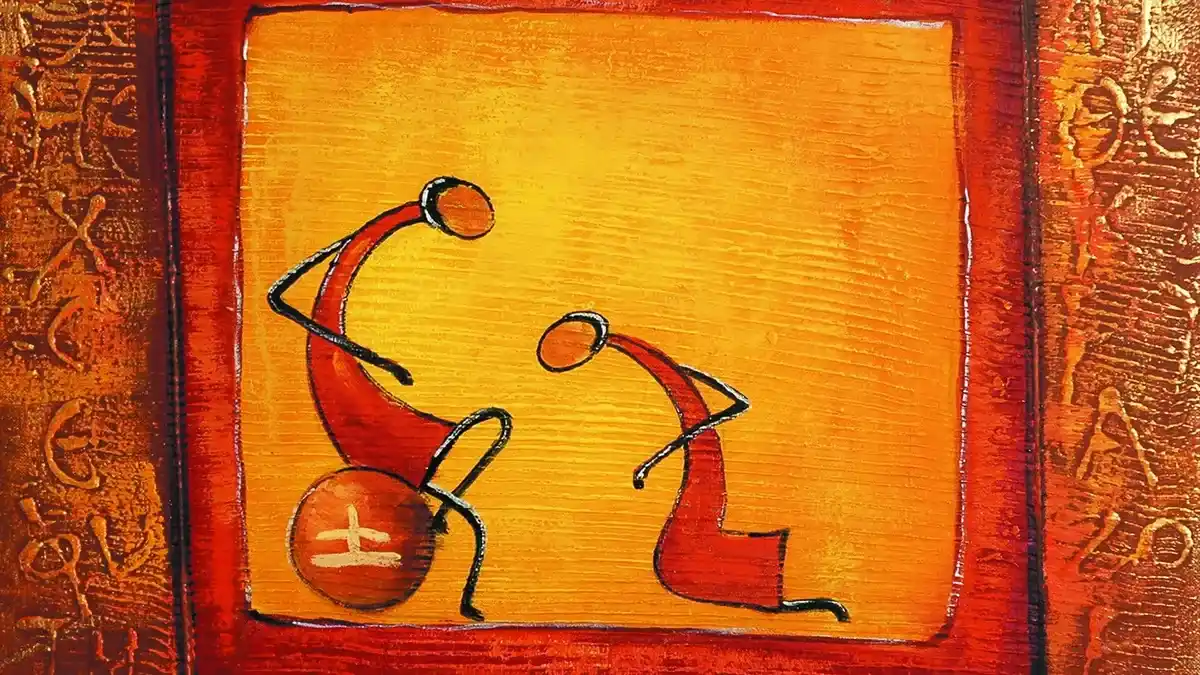
Truly, the answer lies in the repetition of san ma no i—three exercises.
(1) Receiving the right teaching
(2) Dedicating oneself to the teaching
(3) Applying one's own ingenuity to what is learned from the teachings.

One of the key aspects of both absorbing and using the right teaching is emptying the mind of other matters, striving for complete detachment, and opening the mind fully in order to achieve a depth of perception completely and accurately, whatever the situation.
It is essential to develop keys of wisdom such as—ken “sight” and kan “insight.”
Nurturing the skills to understand ken and kan and applying it to all human behaviour allows one to perceive reality and read other’s intentions.

This is a highly valuable skill in Japanese society where it is important to be able to “read the air.”
As all masters understand, once having reached a high level of skill in any art or craft, training and practice must continue in order to maintain the skill, a feature of the kaizen philosophy of the Japanese.
This philosophy holds that one never totally masters anything and one must therefore continually strive for improvement.
A well-known saying in Japanese expressing the belief in continuous improvement:
"Today I must be better than the me of yesterday."