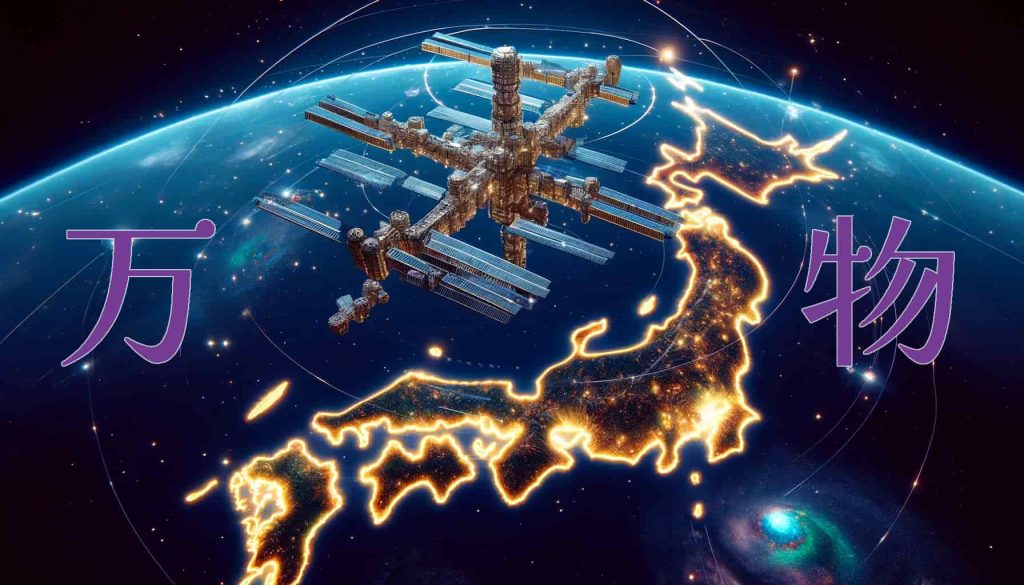
Way-Station No. 9
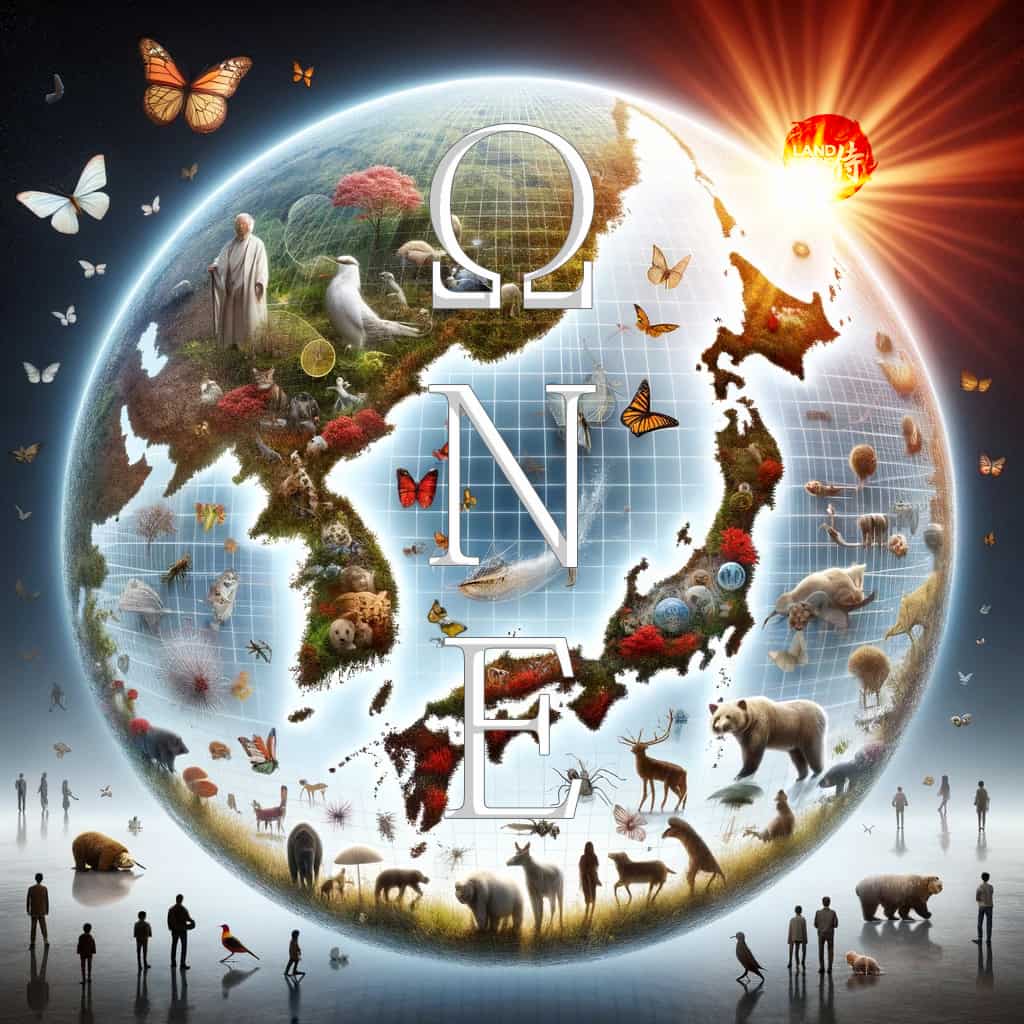
Japan is the last stop before exiting the atmosphere of Mother Earth to reside as a God—one foot in this material world—the other in Nirvana.
Nirvana is a Buddhist term embodying the transcendent state.
In Nirvana, there is neither suffering, desire, nor sense of self—a place where Gods hang out.
Keep in mind—within indigenous Japanese mythology (Shinto)—all who pass from this particular world to ΩNE become a —venerated by descendants of the .
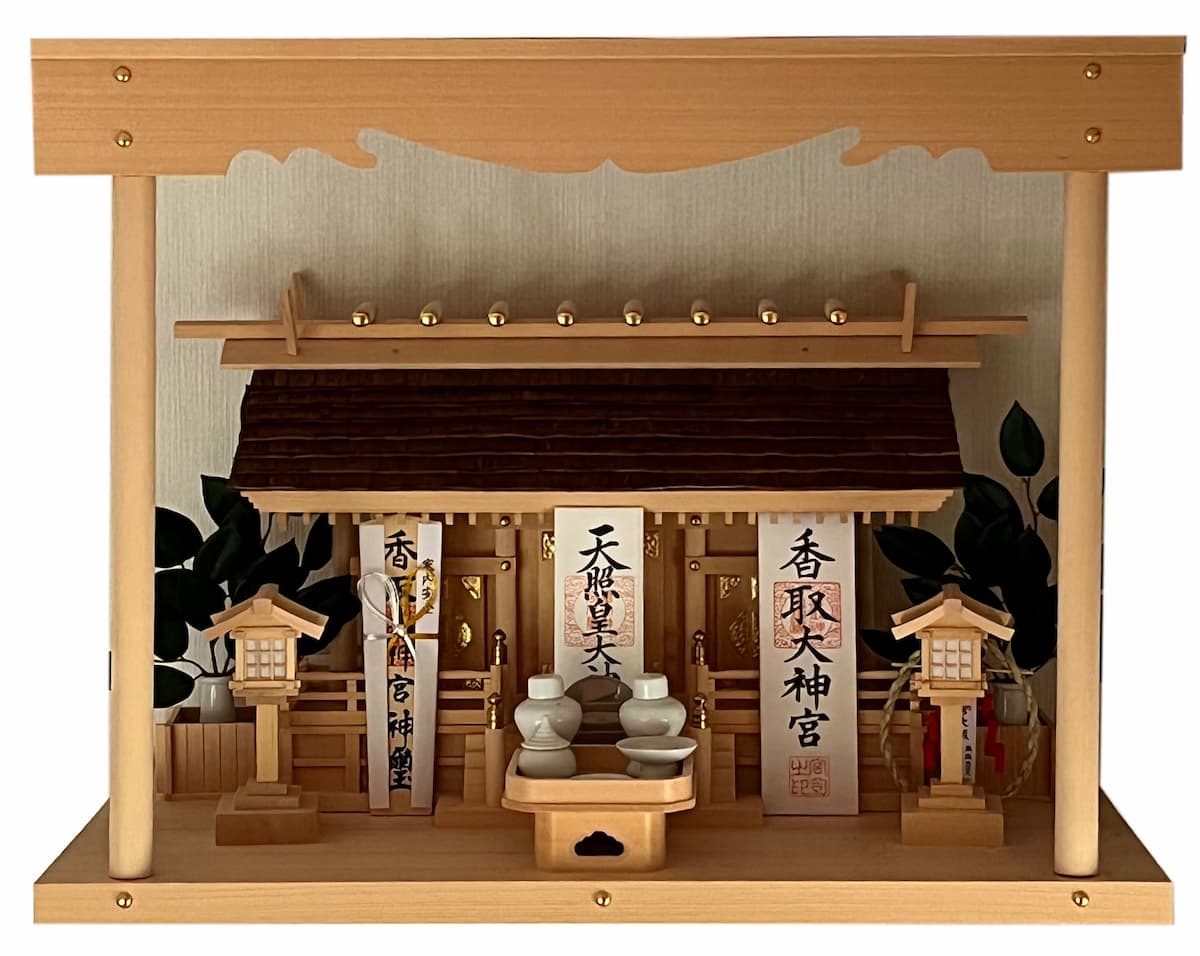 The tenet in this pragmatic Shinto wisdom indicates the newly departed as embodying their worldly personality traits in the land of the dead.
Also, keep in mind—the emperor of Japan is a descendent and current representative of the Sun Goddess Amaterasu.
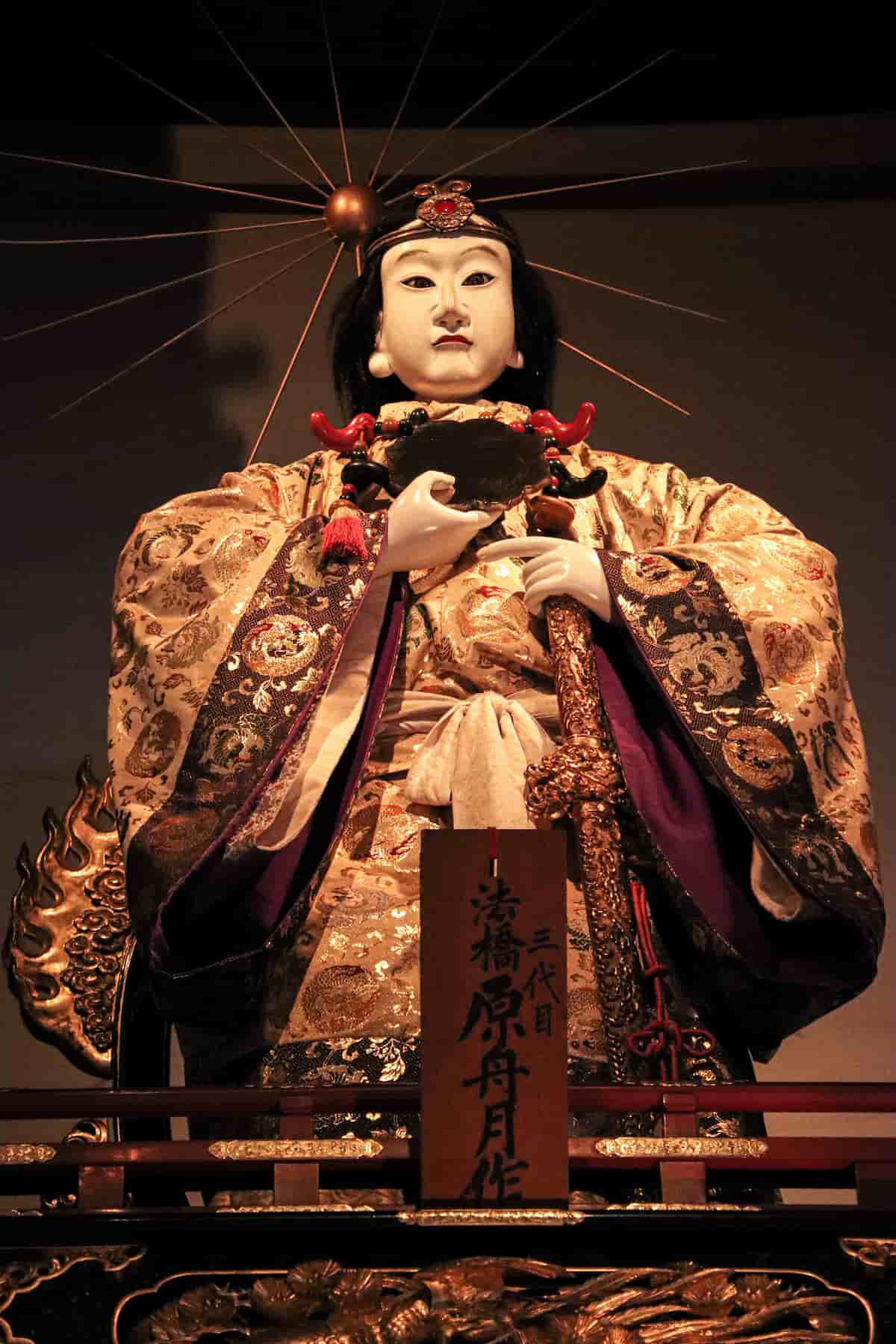
This fundamentally puts the currently living Japanese emperor (Naruhito) in the same status as the idol of Christian worship, as well as the other plethora of Gods and their images worshiped by the faithful throughout the globe.
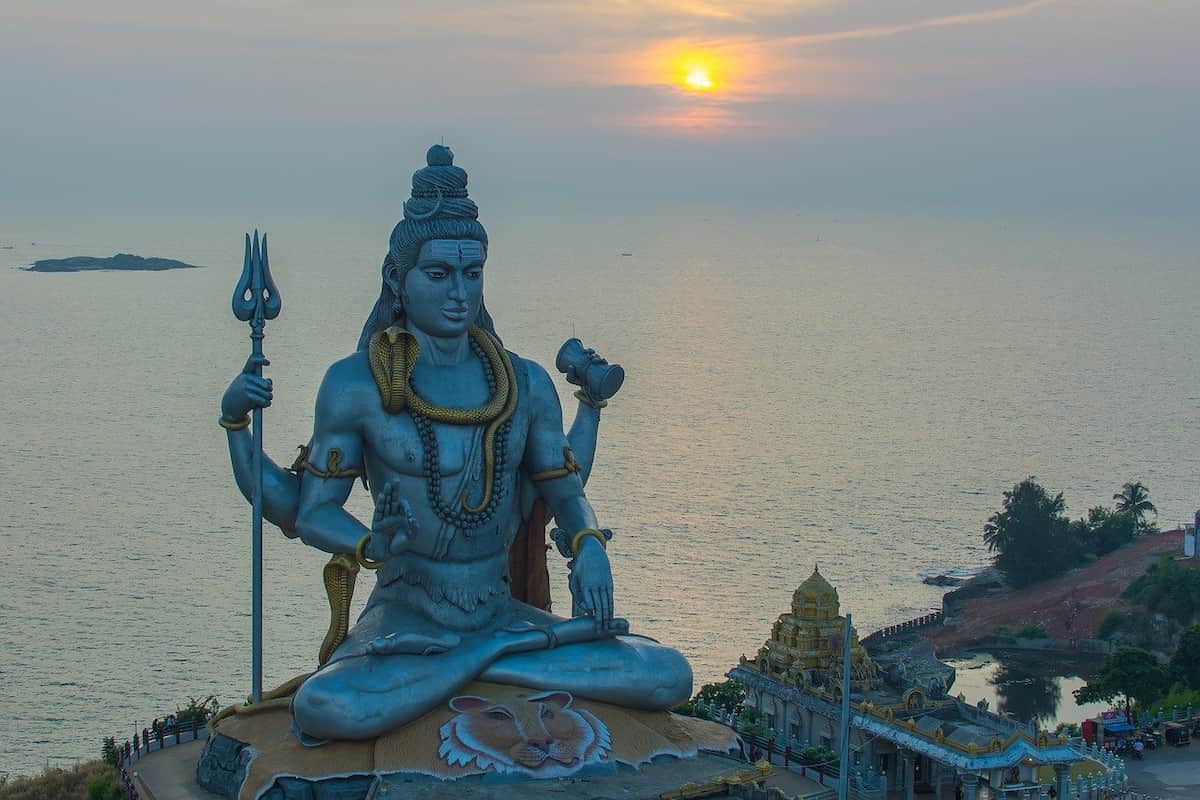
Moreover, the Japanese exhibit breathtaking flexibility with the notion of all becoming god upon death and the memory of the departed will truly be a reflection of the life lived—good and bad—the full spectrum in between—and the lives they touched are molecular imprints lasting for infinity.
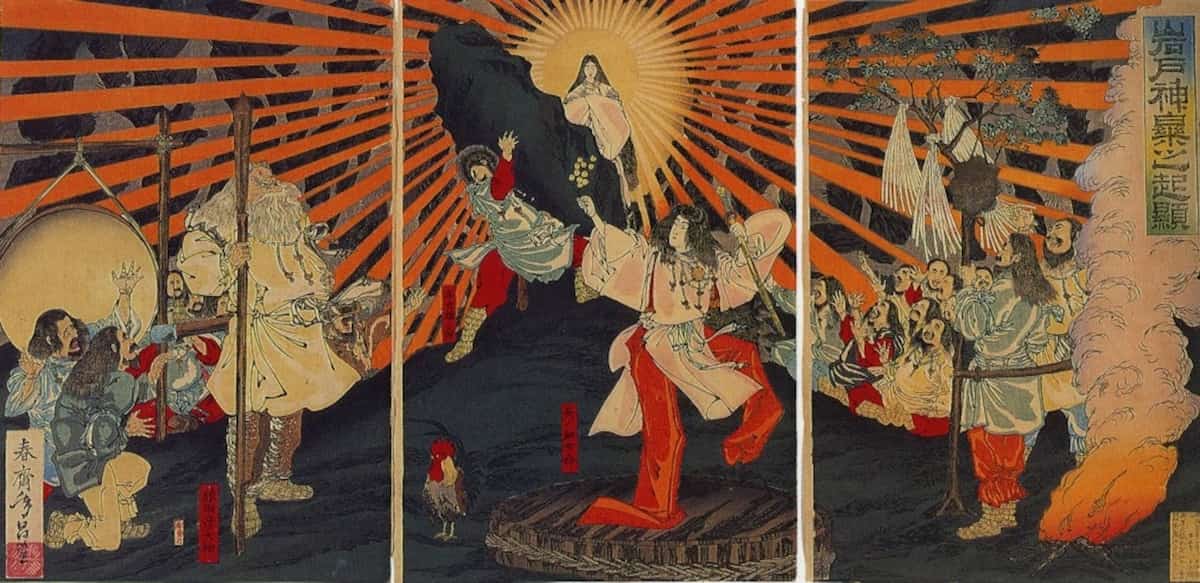
So, why Japan as the last stop on Earthly paradise before the final departure into Infinity—also known as
First and foremost, the Japanese people themselves and the society created over millennia.
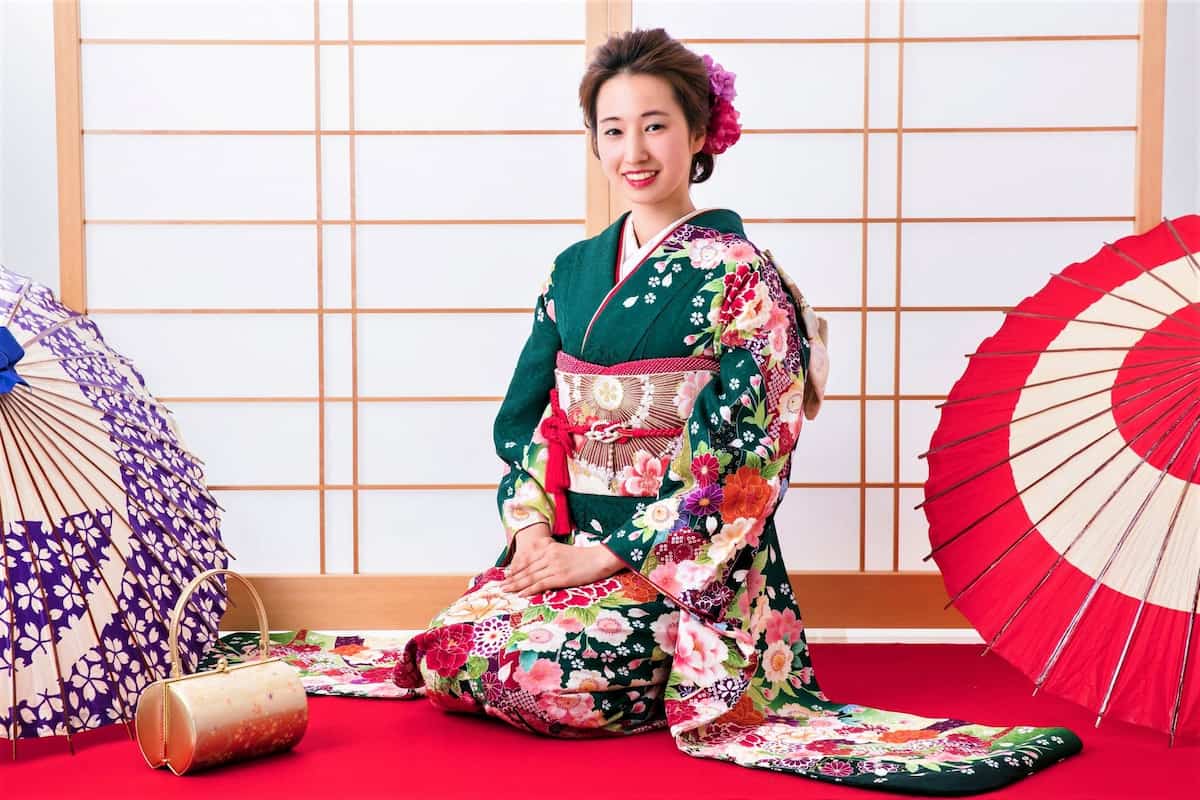
Many people have often asked over the decades—why remain in Japan?
The stable and peaceful society the Japanese have built after the severe growing pains of industrialization remains the exemplarily model for all societies to follow with a key element of Japanese society embodied within the word chitsujo.
秩序
There is no direct concept in the Anglophone world as the notion of chitsujo has developed over the millennia of Japanese community evolution.
Roughly translated as “order,” chitsujo is commonly used when referring to a harmonious society with social order.
Emphatically, social order is one of the sacred tenet immortalized in the original Japanese constitution written in the Asuka period (CE 604) by Shotoku Taishi.
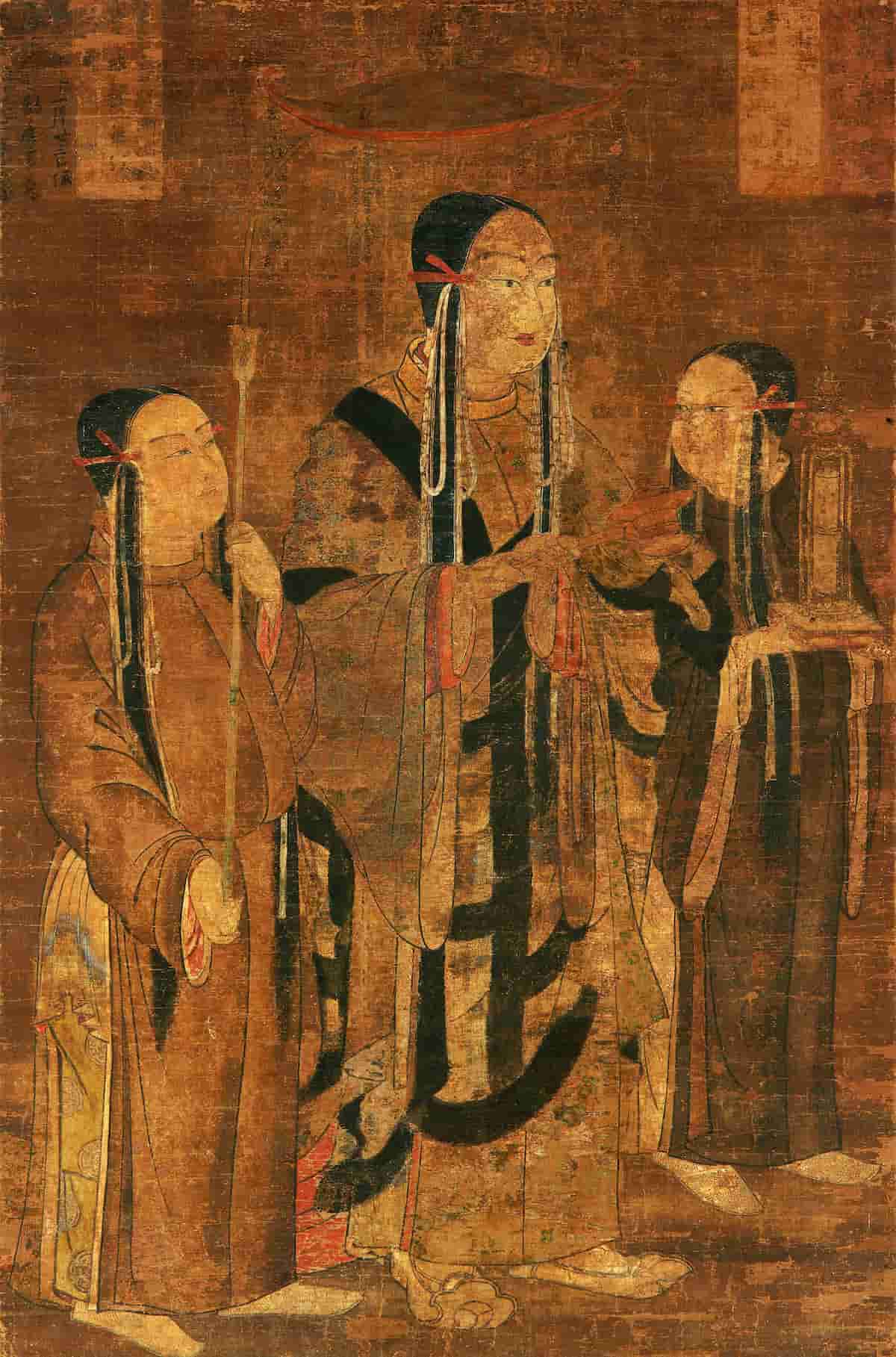
Chitsujo is also an integral component of the core Japanese system of ☀︎☀︎.
This has lead Japan to the peaceful and prosperous nation of today, which can be held up as a model society to be emulated and commended for overcoming insurmountable obstacles—including the unprecedented nuclear cataclysm event perpetrated by the Anglo-American empire upon countless innocent Japanese civilians just a few short decades ago.
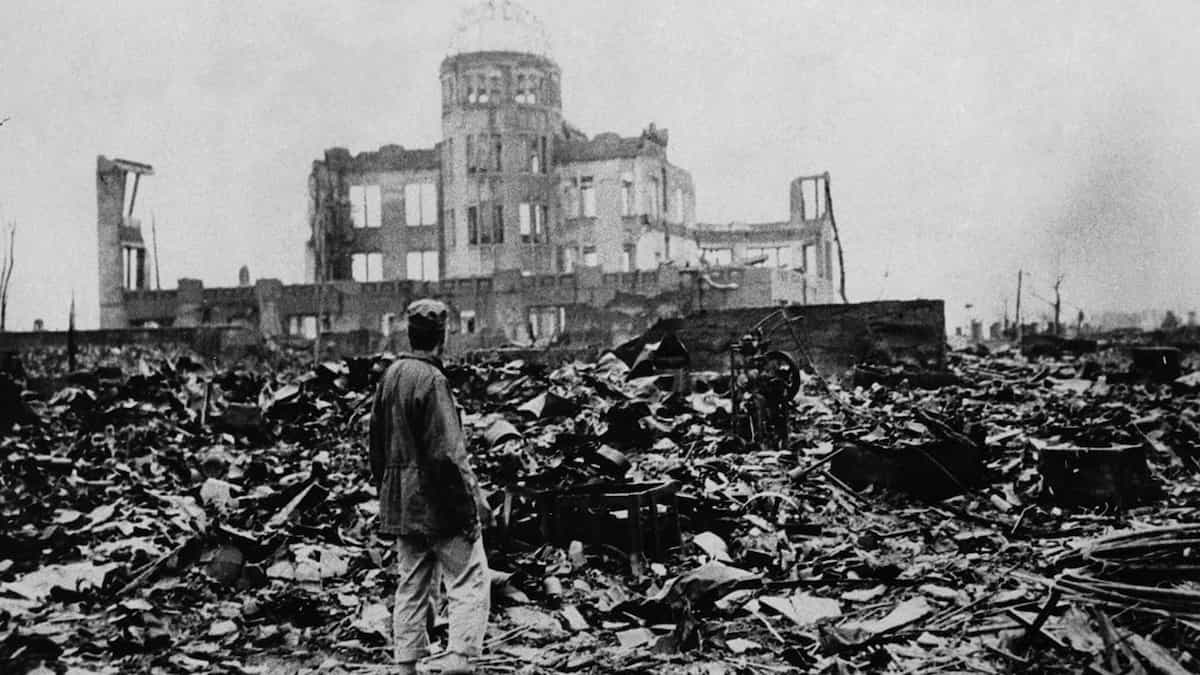
Viewing the outside world from the comfort of rural Japan, it seems that more now than ever, so many other countries could use a health dose of chitsujo to alleviate the suffering of the general population.
Any day is the right day to do one’s individual part creating chitsujo in the neighbourhood and larger community— living in this world the way it has been constructed—creating a world of emerging neo clans and Civilization Three.