
体で覚える
In Old Japan, the dedicated samurai spent hours upon hours daily for years and years sharpening their sword-fighting skills.
Japanese history is alive with colourful figures such as the most famous swordsman of note, Musashi Miyamoto (1584 1645).
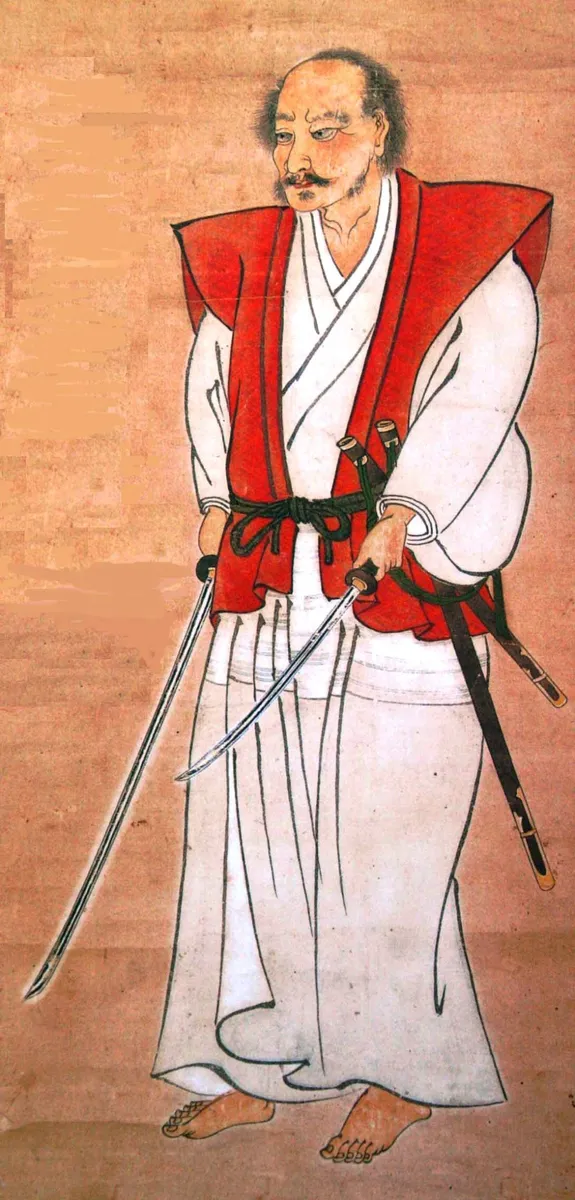
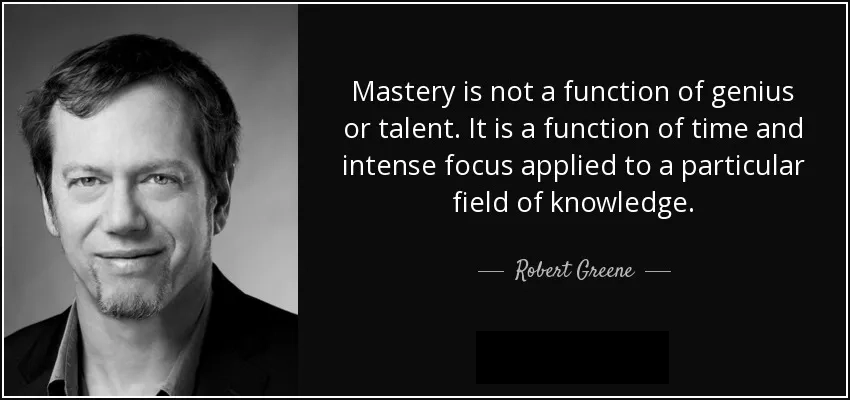
Master Musashi practiced the art of swordsmanship daily for more than 30 years in an effort to achieve perfection—perhaps a state of enlightened selflessness, which is rarely achieved by the masses—MASTERY.
Swordmaster Musashi dispatched over 60 opponents in death duels before retiring to the life of a painter, writer, and teacher.
An appropriate way to live out his days while assuming a stately disposition of honour and dignity as the natural course upon achieving mastery and enlightenment.

Perhaps the most famous Japanese swordsman, the example set by Musashi was by no means rare during that particular era.
Before the rapid industrialization of Japan starting in the 1870s, effectively all Japanese, in whatever art or craft, spent most of their lives in pursuit of perfection in their fields.
To the uninitiated, the extreme nature of the Japanese training (shūgyō) may look brutal, but may only be a matter of, one could say, faith in the Japanese Way.
Take for instance the protocol of fortifying oneself in a waterfall of freezing water running of the naked back in the middle of winter as a matter of bolstering one’s personal constitution.
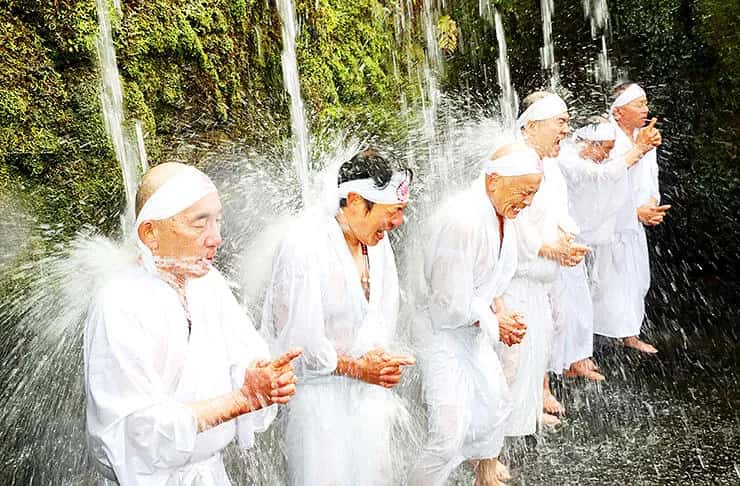
Perhaps behaviour of this extreme nature is merely a stepping stone in the process of mastery and the iciness of the winter waterfall beckons as a challenge of one's mental fortitude to ascertain whether or not the disciple is ready for the next step or not.

Really, only up until recently have the Occxies started to sing the praise of cold water treatment as a supreme health benefit, not only for the physical body which must grinding through the daily slog in the sludge of this material world, but even much more importantly so, to edify one’s spirit and soul.
Often the Japanese seek out shrines and temples where they engaging in meditative rituals, sitting immobile in meditation for hours at a time.
Meditation is a most difficult states to achieve as the lizard brain will make sure to keep the internal chatter at level 10 right from very beginning of the meditation session.
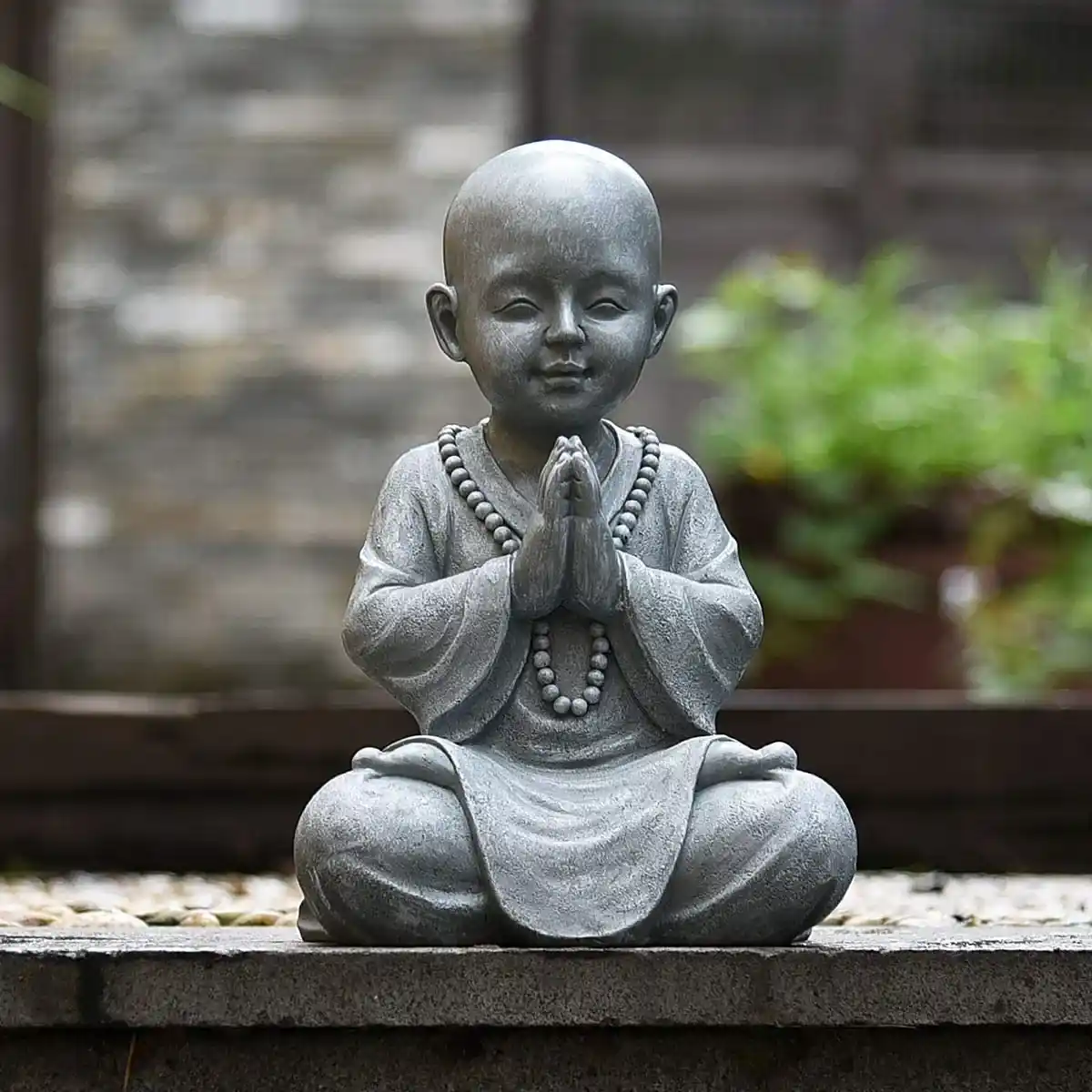
Indeed for the novice, the practice of meditation is certainly not as dramatic as being half naked and thrashed by frigid water, but can certain be even more painful—even millennia of evolution can not silence the lizard brain.
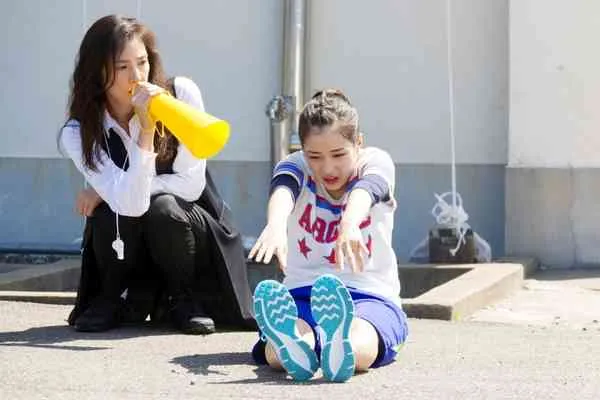
Look at the stringent training regiment of the Japanese athletes, particularly sumo wrestlers and baseball players training until they are literally exhausted, day-after-day, year-after-year, in a regime that Occxies find irrational.

The purpose of all of this Japanese-style training is to transcend the normal physical limits of the body and achieve a level of skill that is on a metaphysical or spiritual plane.
An innate trait of the Japanese is the understanding the human body is most capable of incredible feats when the mindset that controls normal behaviour is transcended, and this transcendent stage became the objective of life.
The Japanese refer to this as karada de oboeru, or "learning with the body."
In simple terms, karada de oboeru consisted of repeating physical actions at an increasingly difficult level until they became automatic, moving to the next level until there are no levels left, in which the final step achieving MASTERY and attaining enlightenment.
These are the same principles and skills that one can observe in master musicians, jugglers, typists, and others who perform flawlessly, seemingly without conscious effort.

The karada de oboeru concept became the underlying foundational training protocol from centuries ago for all arts and skills, from such tedious, and mundane tasks as weaving baskets, to creative endeavours such as writing.
However, it was in the martial and fine arts that karada de oboeru made its major contributions to the disposition the Japanese, allowing the more dedicated of these artists to achieve skills so as to be very much sublime.
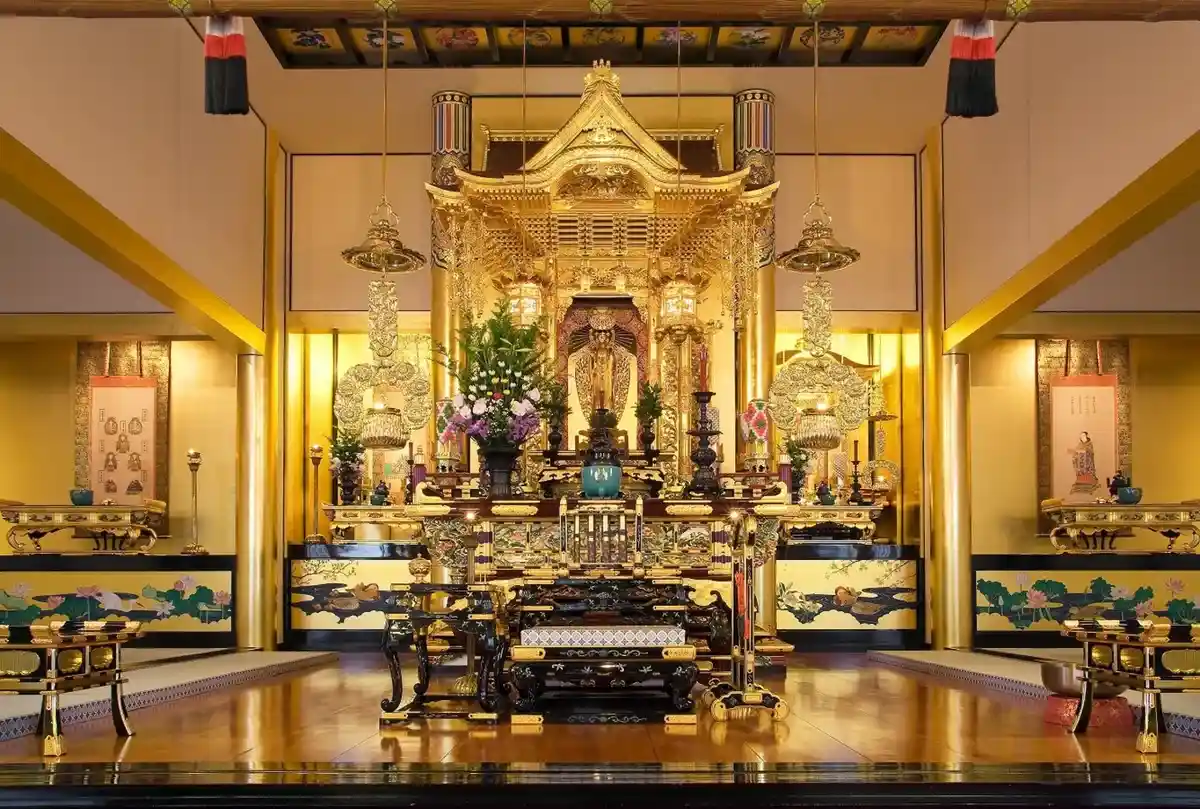
The overall role and importance of the karada de oboeru protocol in Japanese life is still very much evident, thus, permeating the thinking and behaviour of those who conduct business as well.
Succeeding in business is seen as a matter of combining spirit and physical effort—in other words:
Work hard enough and long enough, and with enough spirit and gumption, and anything can be accomplished.

The karada de oboeru concept is clearly visible today in the management philosophies and practices of most Japanese companies as well as to those who seek MASTERY in their anointed endeavour.
There are many examples that dedication and spirit still rank higher than talent, and the karada de oboeru protocol is available to anyone with the desire, perseverance, and dedication to transcend the self in order to reach the state of MASTERY, in other words, enlightenment.
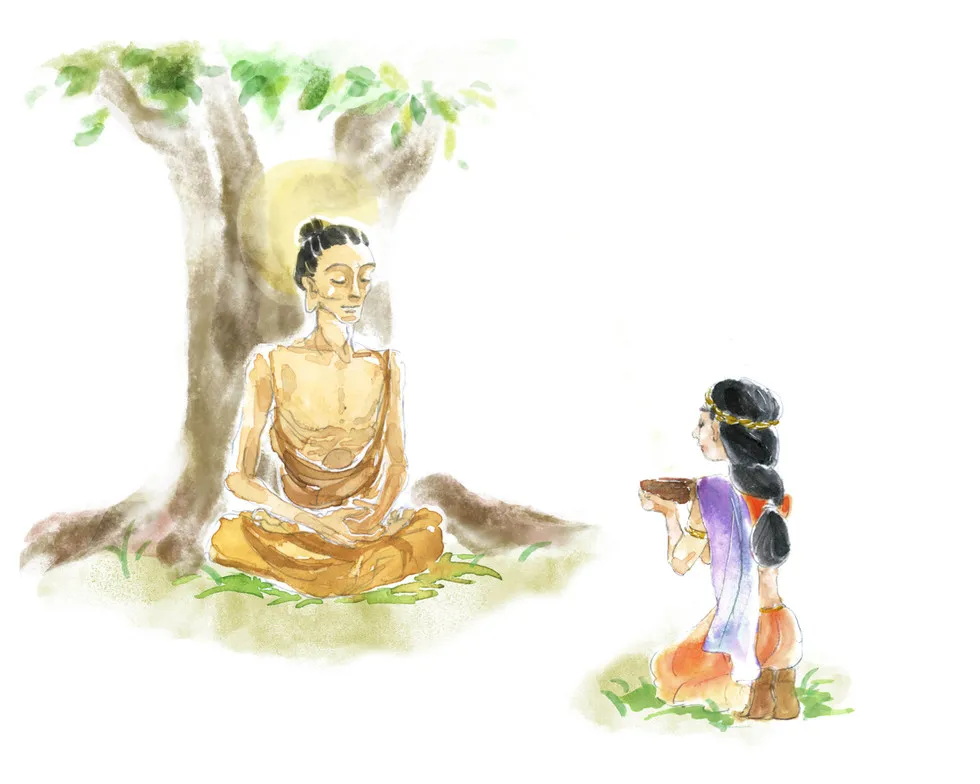 Awareness, ambition, stamina, perseverance, fortitude:
Have what it takes to engage karada de oboeru protocol and follow it to the very end?
If so, it will lead to one’s own MASTERY, and to its extraordinary partner to create a truly meaningful life—ENLIGHTENMENT.