Ban Butsu — All Things
Japan has long been perceived from the outside as a mysterious civilization, full of paradoxes and contradictions when viewed through Occidental lenses shaped by rigid binaries imposed by institutional power.
Yet this perception could not be further from the lived reality of the people of Yamato.
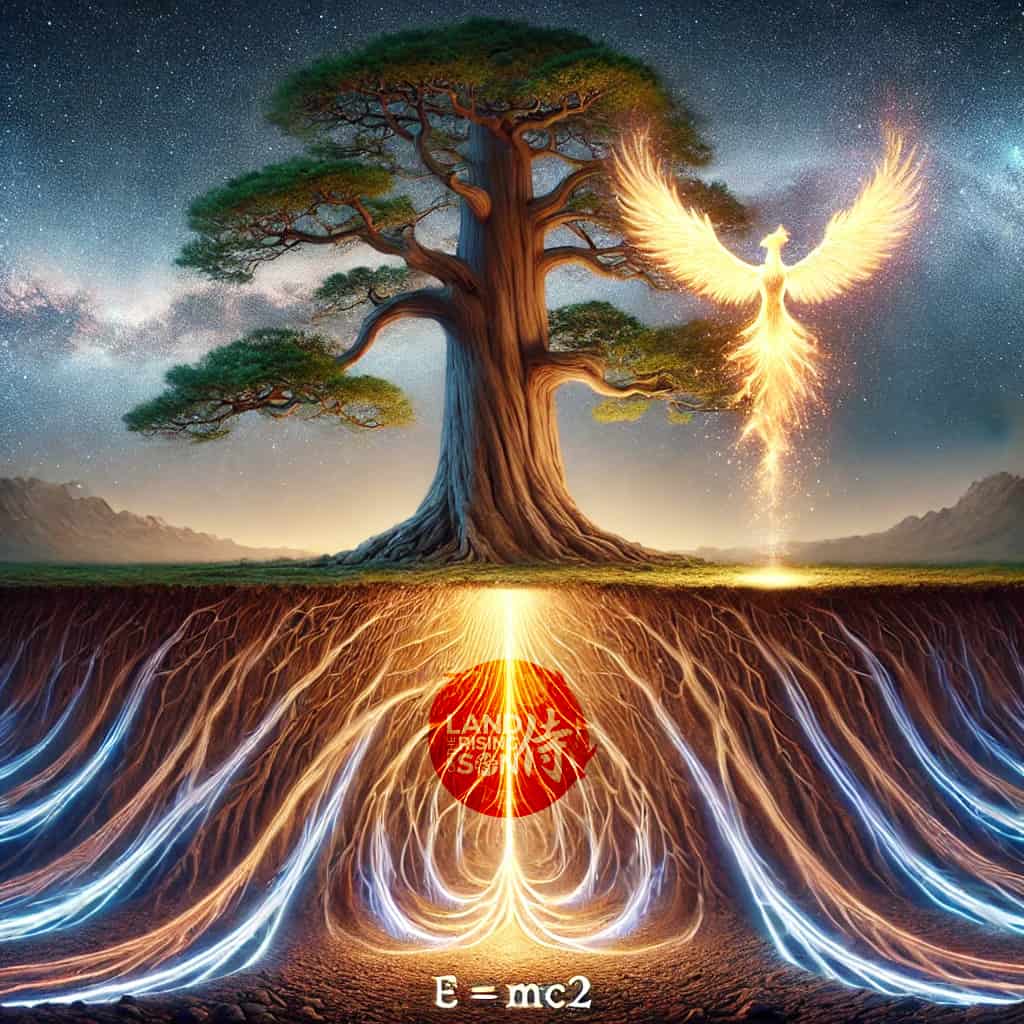
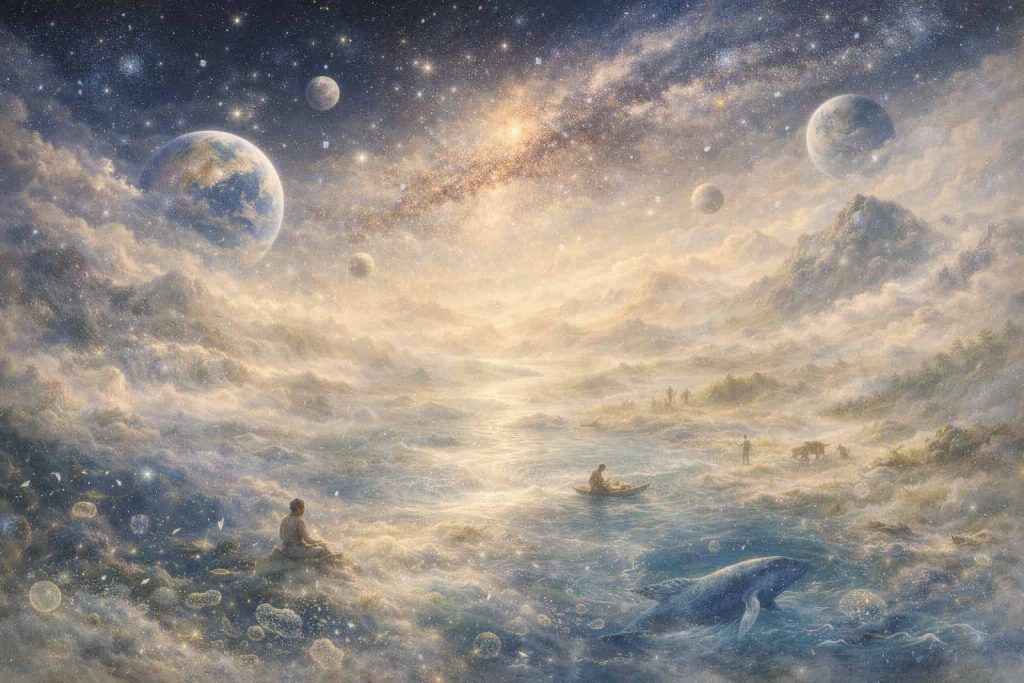
Japanese cosmology rests upon the foundational principle of Ban Butsu—the totality of existence—life in all things.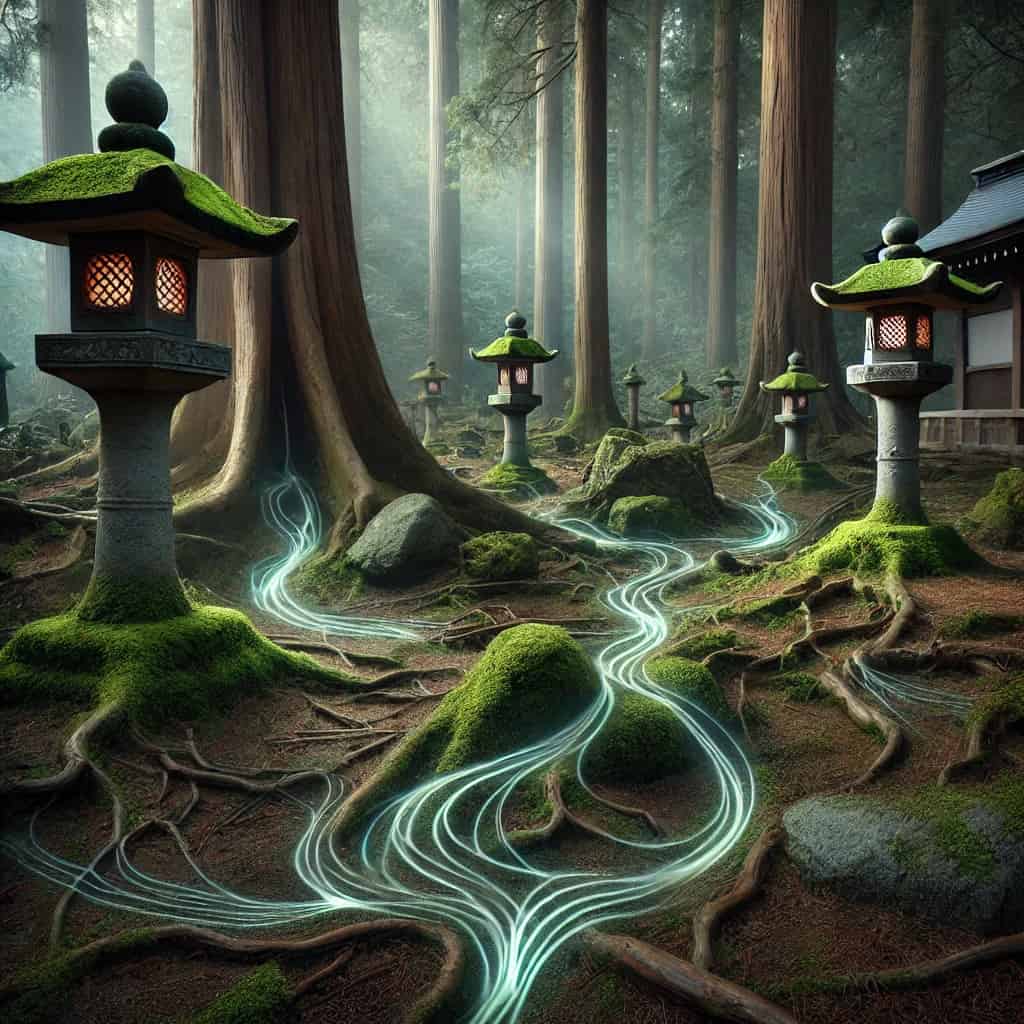 In Japanese metaphysical thought, Ban Butsu is not a collection of separate objects.
It is a single, continuous, living reality expressing itself through countless forms.
This distinction is precisely what Western binary frameworks often fail to grasp.
Within established Japanese metaphysics, Ban Butsu is alive, interconnected, self-organizing, and non-hierarchical.
Humans do not sit at the top of creation—rather, there is only one life appearing as many things.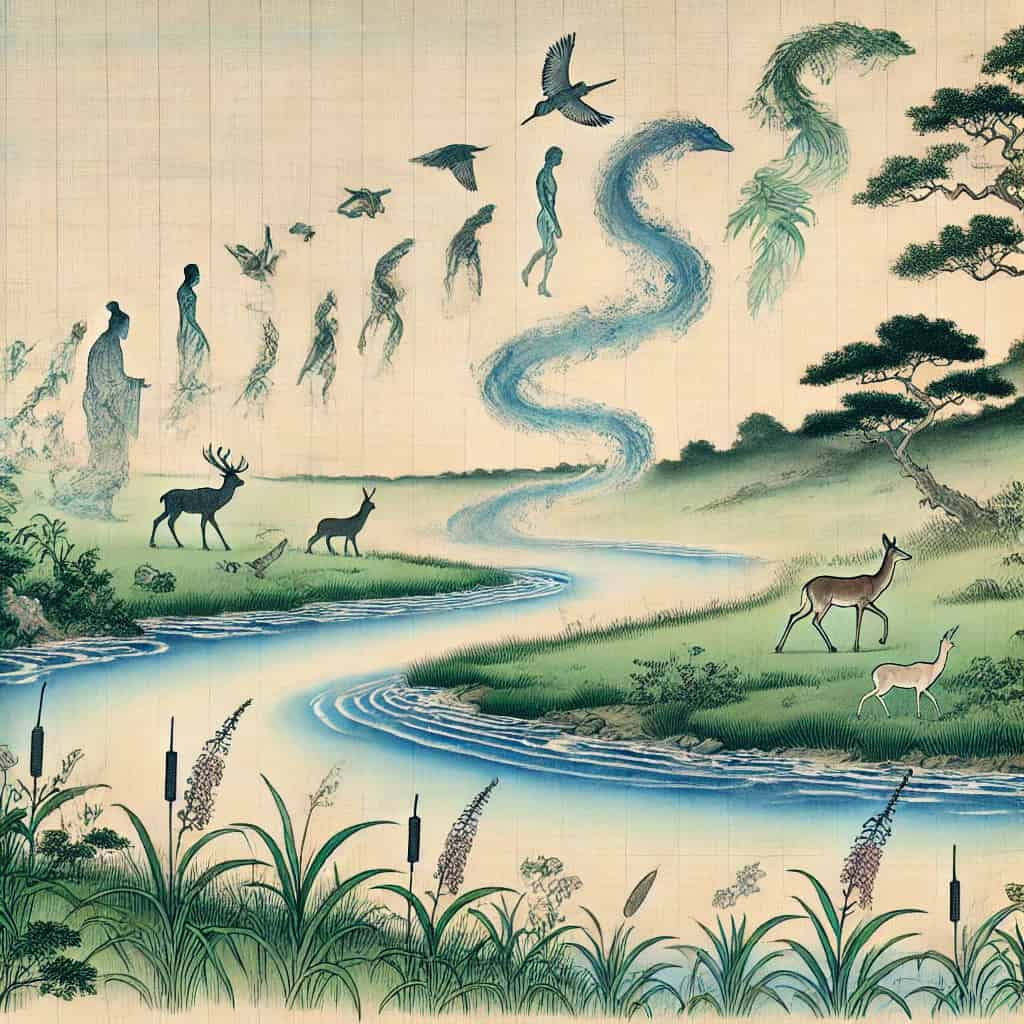 From the perspective of Japan’s indigenous belief systems, Ban Butsu represents animism without superstition.
In Shinto, there is no rigid divide between living and non-living.
Mountains, rivers, wind, tools, animals, ancestors, and even ideas all possess ki.
Kami are not gods standing above nature.
They are expressions within nature.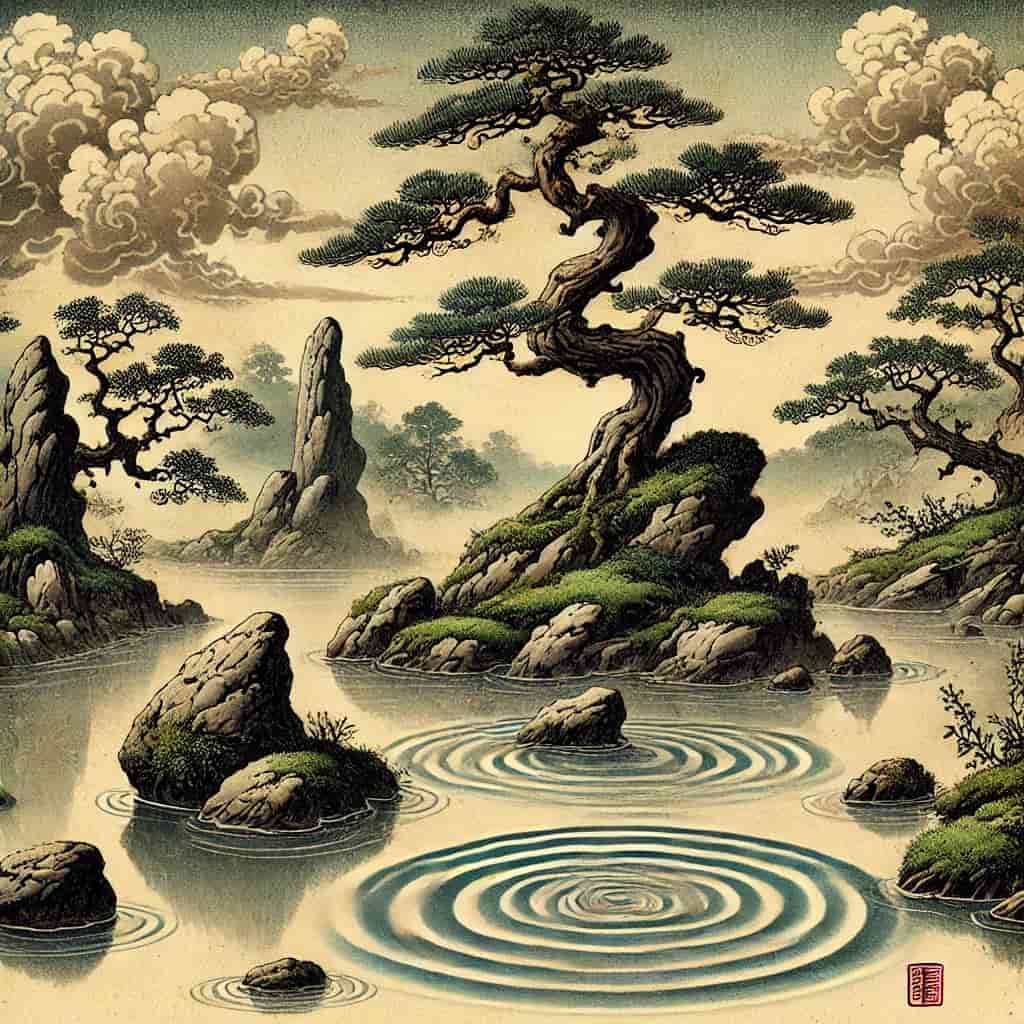 This does not suggest that everything has a personality, but that everything participates in being.
Taoist cosmology further reinforces this view—the universe is not created by something—it is a process, with all phenomena emerging from the same source.
Zen Buddhism echoes this truth with radical clarity—form is emptiness, and emptiness is form—a statement that denies separation, not reality.
Ban Butsu contains no independent existence, yet is rich in relational existence.
Nothing exists alone—everything exists through everything else.
By contrast, antiquated monotheistic systems rely upon a creator separate from creation, organized as a hierarchy—God → humans → animals → matter—where authority flows from the top down.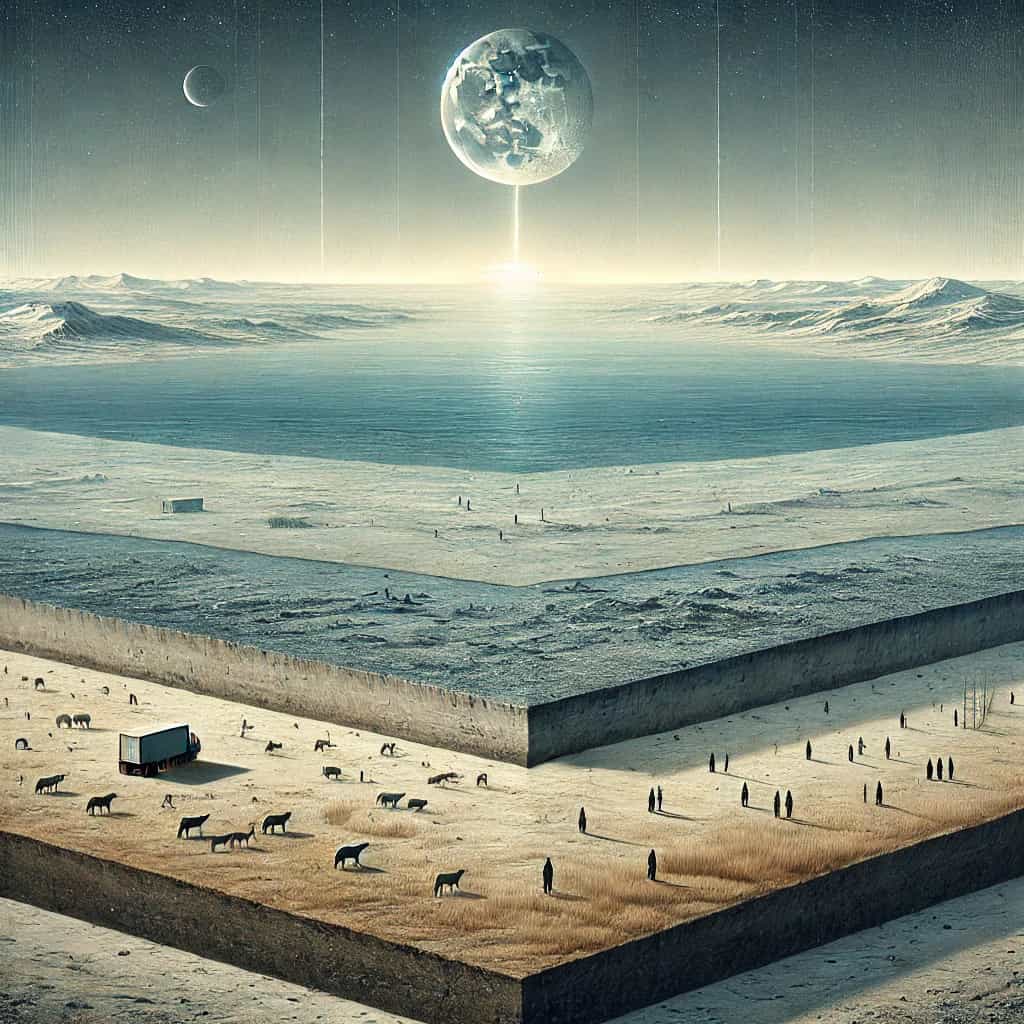 Ban Butsu dissolves this structure entirely.
If everything is alive and interconnected, nothing is fundamentally above anything else.
This is not chaos—it is equity of being.
Humans are not rulers of creation.
Authority cannot be centralized.
Reality cannot be controlled through doctrine.
Ban Butsu does not threaten spirituality—it threatens institutional power.
This is precisely why organized religion must insist upon inert nature, dominant humans, and an external god—positions that stand in direct opposition to authentic spirituality.
Secularism rejects Ban Butsu as well, asserting that matter is dead, consciousness is accidental, and meaning is human-generated alone.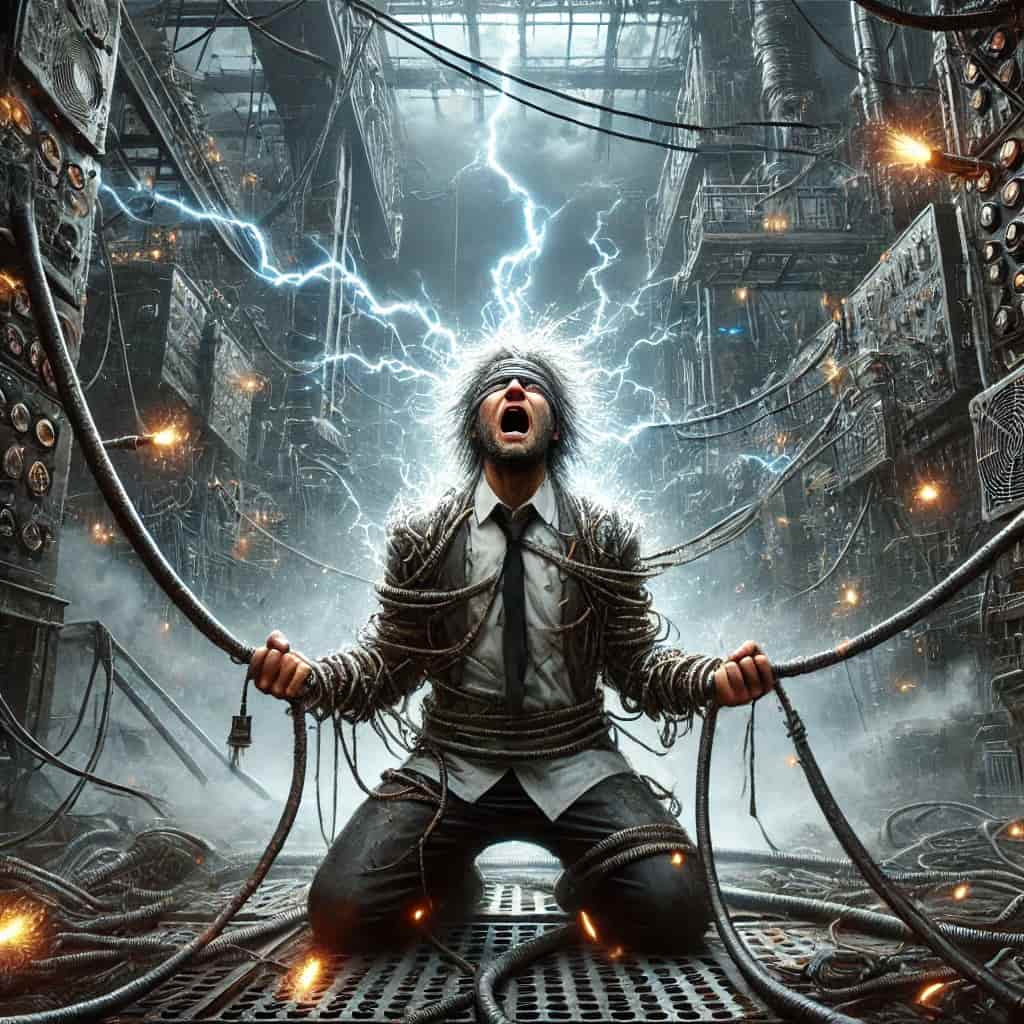 This view is equally impoverished.
It replaces divine hierarchy with intellectual hierarchy, leaving humans on top simply by cognition.
Life, in this framework, has no intrinsic unity.
Secularism is merely another hierarchy—this time without a god.
Both systems agree on one assumption—humans are separate from the universe.
Ban Butsu fundamentally rejects this premise.
Humans are not at the top of any chain.
They are not even at the top of the food chain.
Humans depend on ecosystemss—ecosystems depend on microorganisms—microorganisms depend on planetary conditions—planetary conditions depend on cosmic order.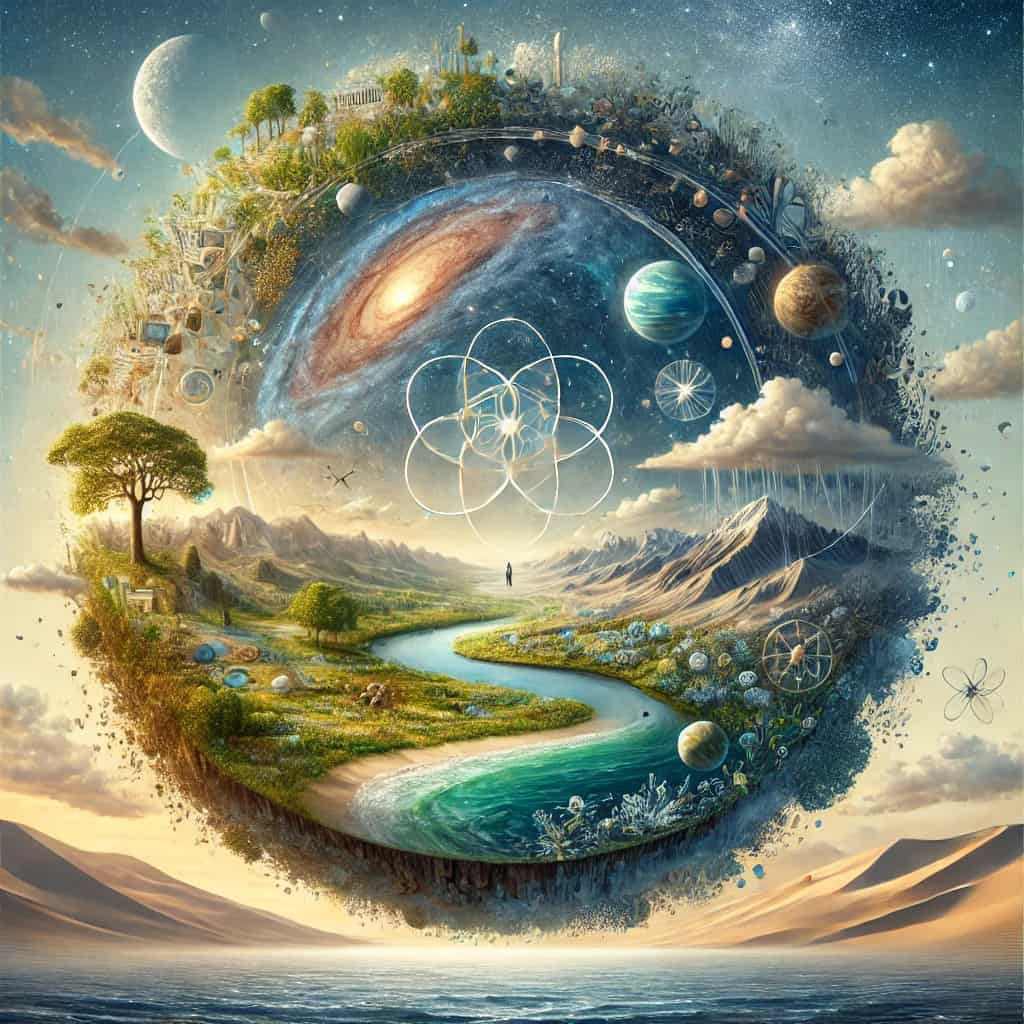 There is no “top” only relationship.
When this truth is forgotten, imbalance emerges.
Ban Butsu is not a belief.
It is an experience.
It is known not through doctrine or authority, but through resonance.
One does not reason their way into Ban Butsu—its vibration is felt directly.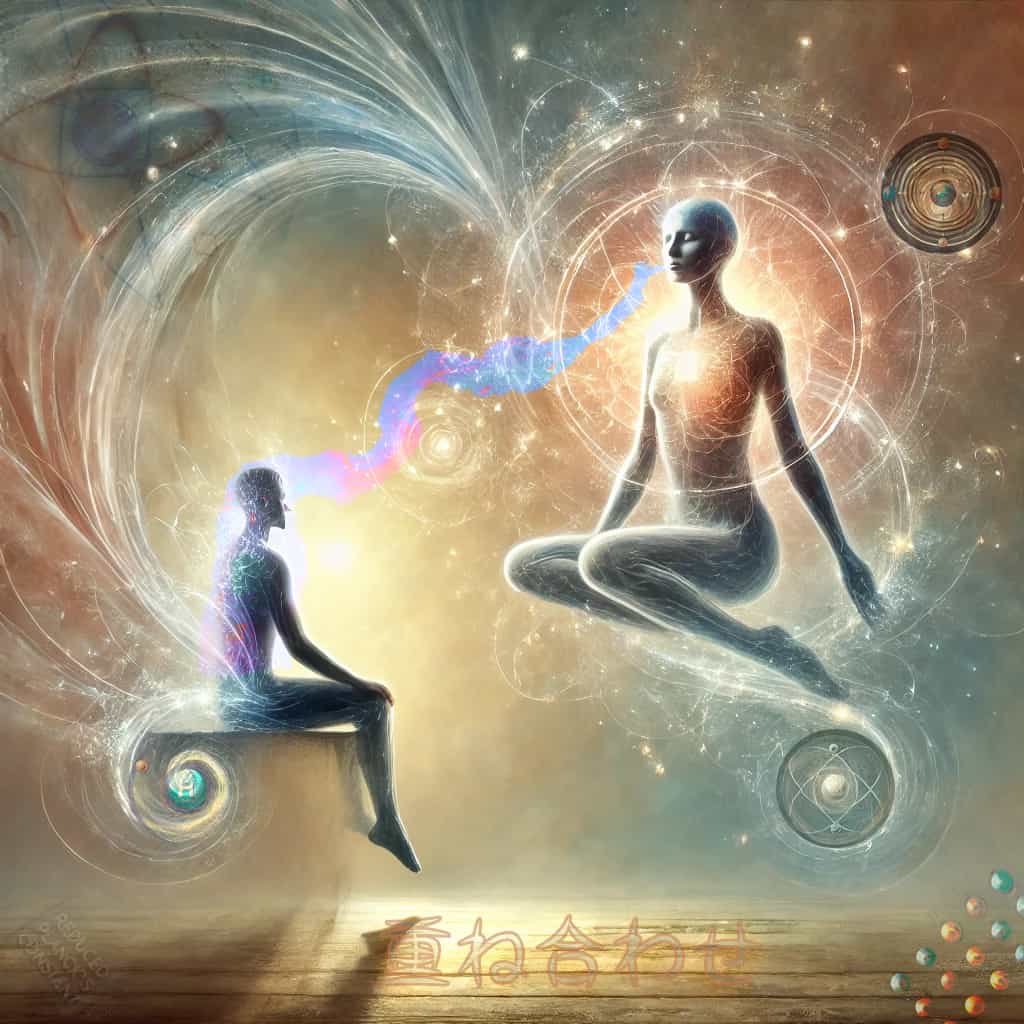 When Japanese thought speaks of Ban Butsu Hitotsu, it points to one field, one movement, one existence—infinitely expressed.
Individuality still exists, but as expression, not separation.
This is why harmony matters more than domination in the Japanese mind.
Why balance matters more than control.
Why understanding matters more than belief.
Ban Butsu is the medicine for post-fracture consciousness.
It dissolves false hierarchies and restores relational understanding.
We are not isolated minds in a dead universe.
We are living expressions of a living whole—and remembering this changes everything.