Chronicles / Culturalization
One really got an in-depth look at a specific kind of American mind-set; the mind-set of selfishness, narcissism, and greed.
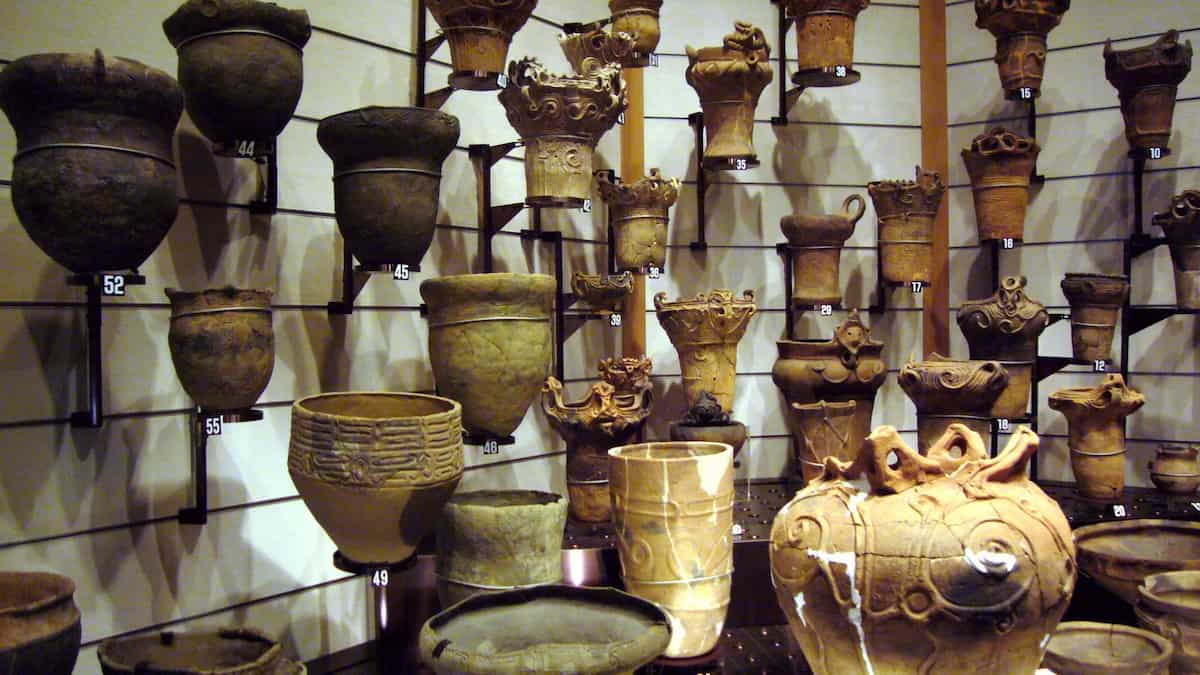
One’s friend jokingly (or not), asked whether one is Jomon or Yayoi. Somewhat taken aback, one had to look into this question more deeply.
There is a significant contrast in the way the Japanese think about love as compared to the Occidental mindset.
The very first time one became aware of the ubiquitous Japanese public address system was sitting inside an old farmhouse. The old black phone started to chime… ding dong ding….
The Gods of Music have anointed Ueda Hiromi as one of their own, a Goddess who now travels this mortal coil spreading joy where ever she may go. Here, exuberance exudes from her heart to all, via her Goddess-like unparalleled musical skills and divine presence.
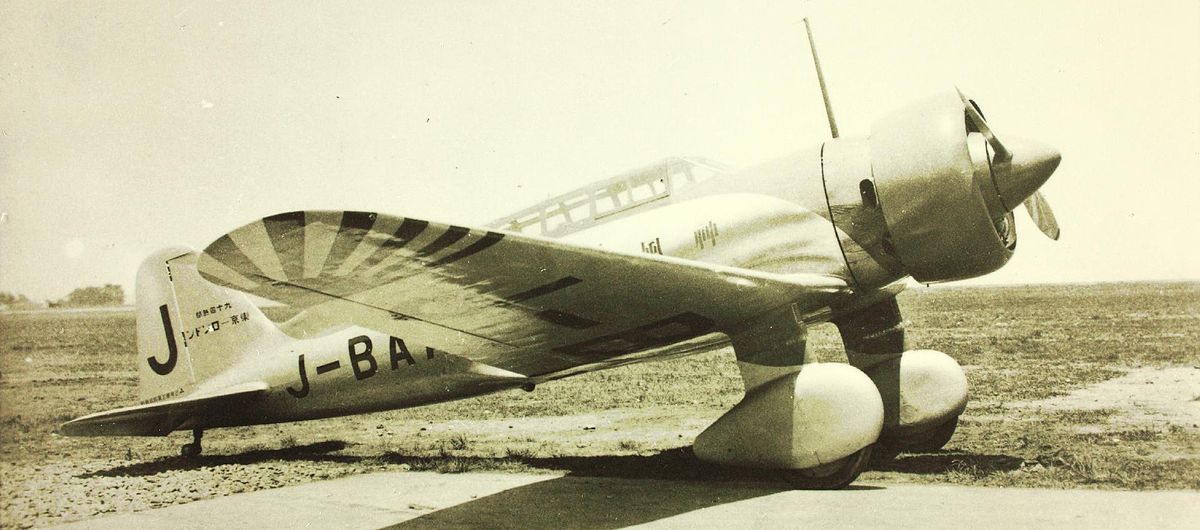
It was just the other day when one called a dear old friend in Miura Peninsula for a catch-up after a very long time, where she confided to me that her father was actually in the 特攻隊 (tokotai - kamikaze squad).
What is the window tribe? It has to do with the corporate ladder, and the dreaded desk beside the dreary window.
Seeing the Japanese as katified throughout the evolution of this ancient civilization, one would have to say there are some bright spots, not only for the future of Japan, but for the shared future of an advancing civilization based upon ancient moral codes.
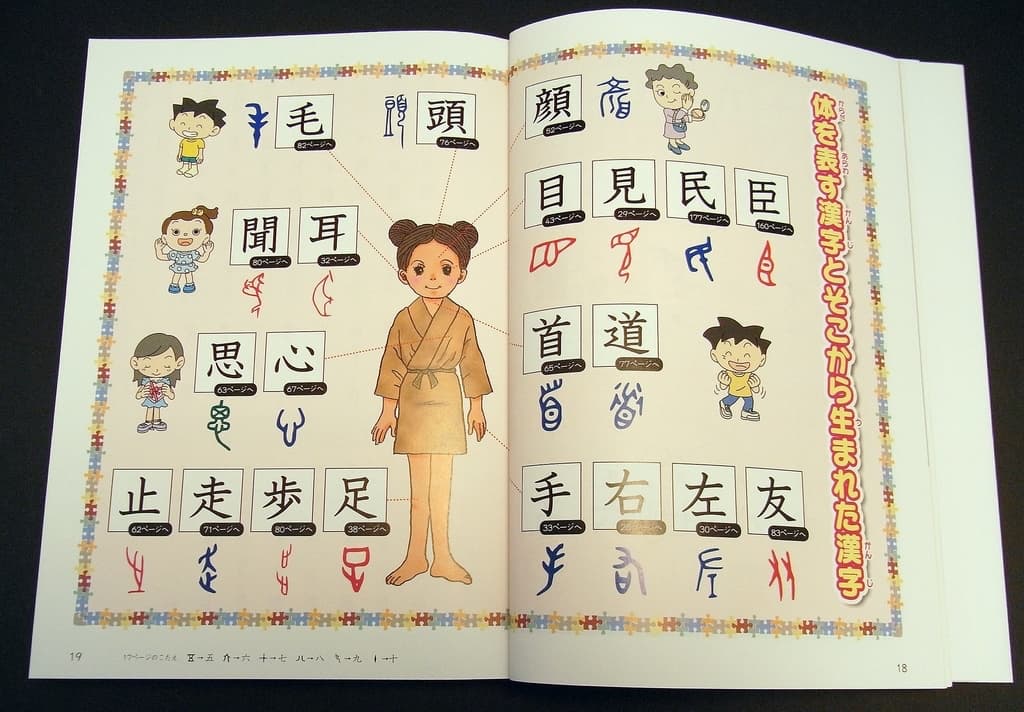
The deep influence of a writing system and language on a society can not be overstated. Language is a concept, and the Japanese society is built upon the constructs rooted in complex ideograms imported from China around 700 CE.
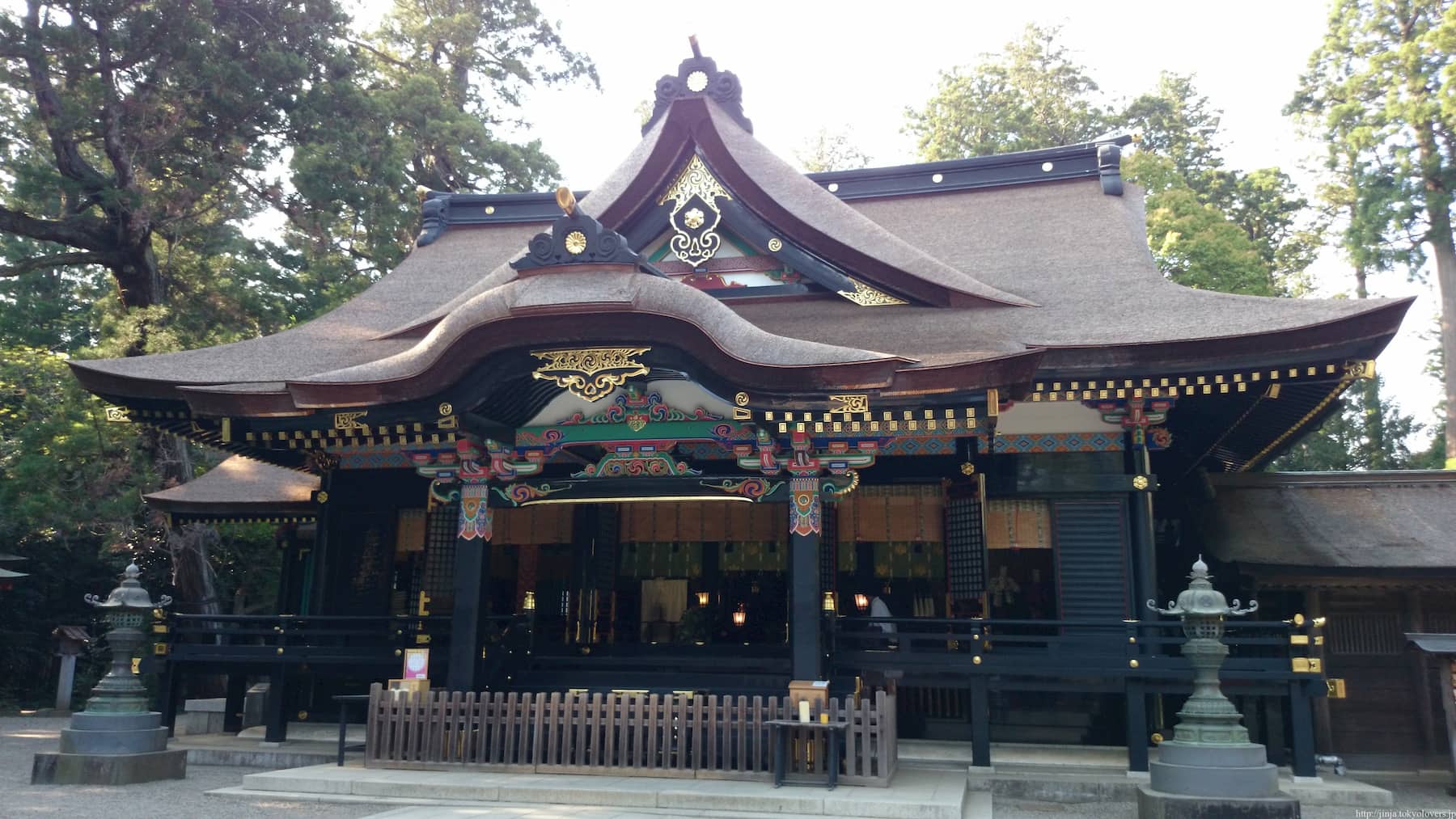
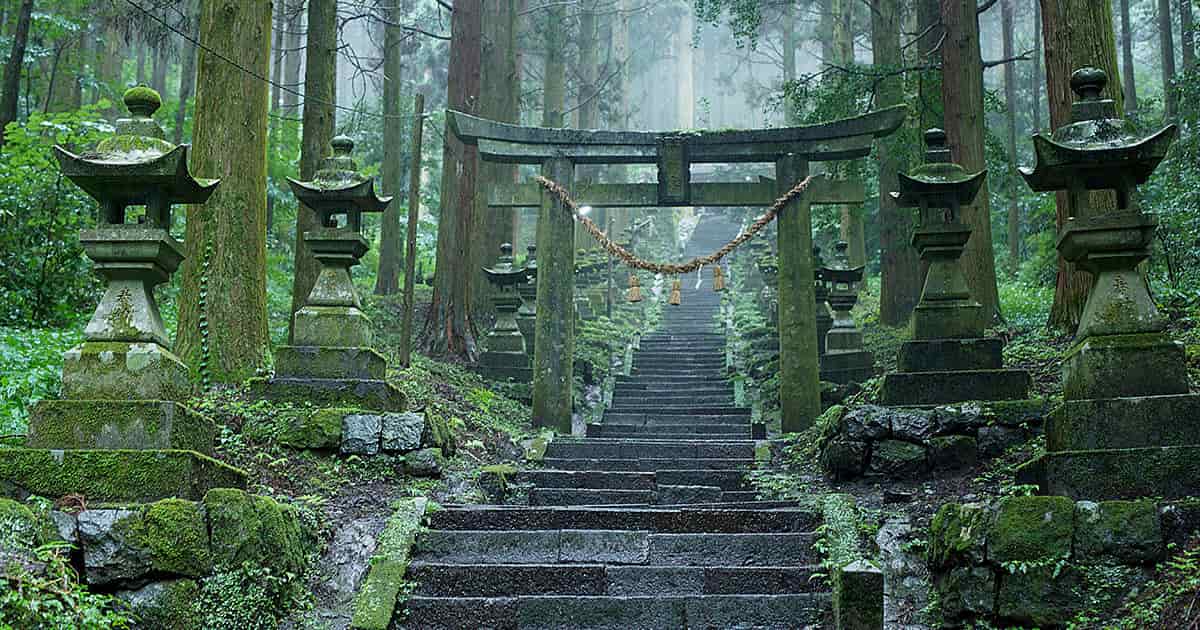
Keep in mind the social harmony one see in Japan is based upon following proper kata etiquette in daily behaviour, and remains the guiding constitution in all Japanese relationships. To understand this further one must look back into the indigenous belief system of the Japanese, known as Shintoism, and then one can see from whence this all came.
When recalling the way New Year’s Eve was celebrated so many years ago now, the images of these New Years Eve parties were very boisterous and rollicking, ringing in the Happy New Year with drink, dance, song, mirth, merriment, and gaiety.
The core principal of Japan’s kata cultural from the earliest times has been the promotion and maintenance of harmony. Personal behaviour, as well as all relationships, both private and public, was based upon strictly controlled harmony in the proper inferior-superior context of Japanese society, which continues up until this day.
One could say the most used and significant word in Japanese is shikata. In particular, and most significantly, the form and order of the process.
Having an awareness and understanding of kata is paramount to gaining comprehension of, and deal with the Japanese. The entire traditional Japanese culture, starting with personal etiquette, and then in how one learns to do all routine things in life, was, and still is based on precise kata.
Japan’s traditional etiquette continues to be one of the most structured, refined, and sophisticated patterns of behaviour ever imposed on any people. From infancy, the Japanese were trained physically and verbally on how to behave in the prescribed Japanese manner.
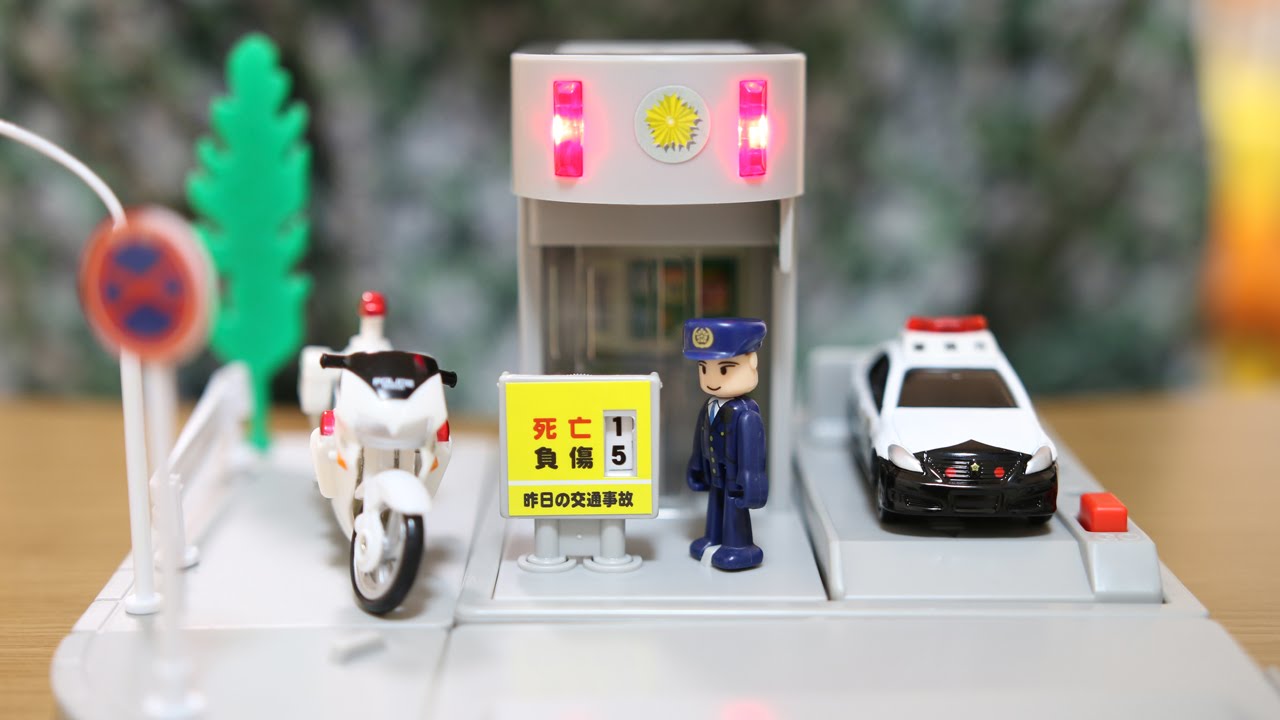
Watching recent events around the globe, it’s easy to see the police as adversarial, but are they? Not where I live. Called kōban in Japanese, this is a small neighbourhood police station found throughout Japan.
Like many things in Japanese culture, coming to an understand of key social concepts and the significance of their meaning to the Japanese takes intention and awareness to fully understand. One must say gaining an in-depth understanding of “kao" or "face", and the gravity of protecting one's face is of paramount importance to successfully interacting with the Japanese.
Among the most important tenants of Confucius philosophy are the obligations children owe to their parents, the young owe to their elders, students owe to their teacher, and that all people owe to their superiors. These obligations are natural and inherent.
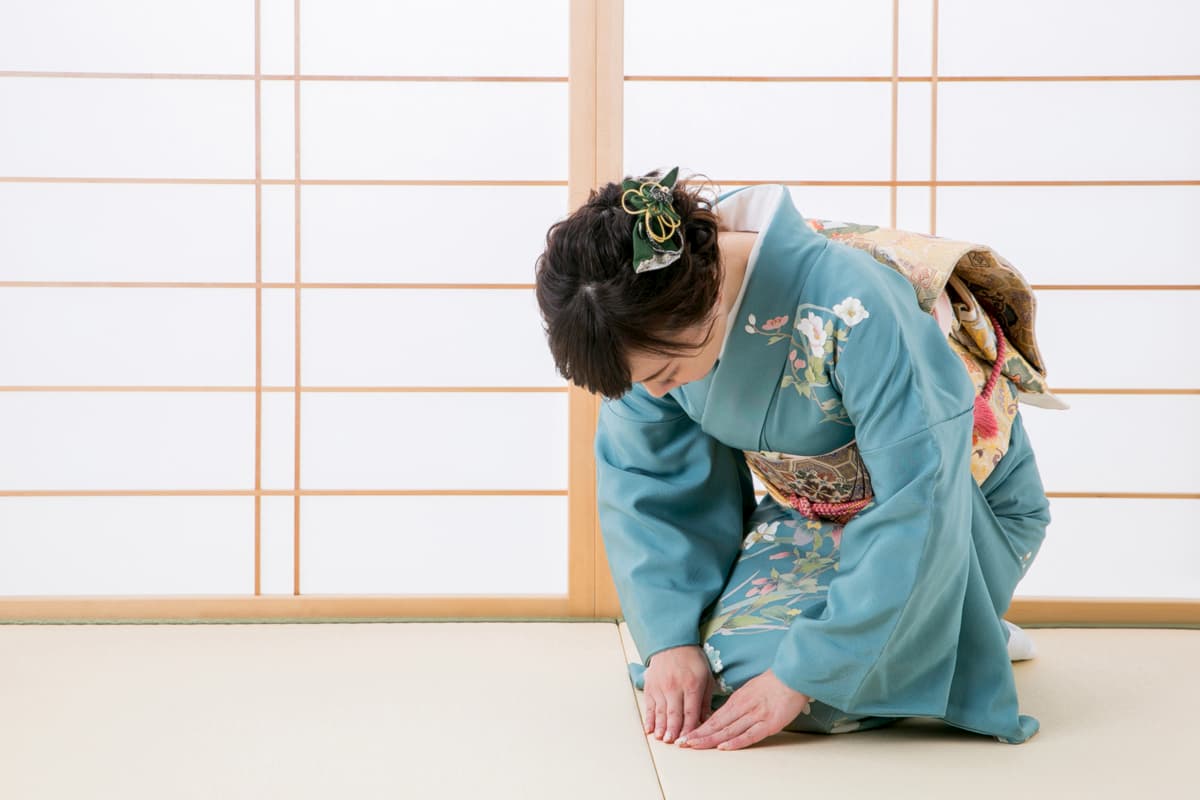
Some of the Japanese social conventions took much longer to internalize, and some of these lesson were really tough. The age old custom of the Japanese attaching the honorific san to the first and/or last names of the people one addresses is perhaps one aspect of Japanese etiquette which may seem like trivial nonsense to some foreigners.
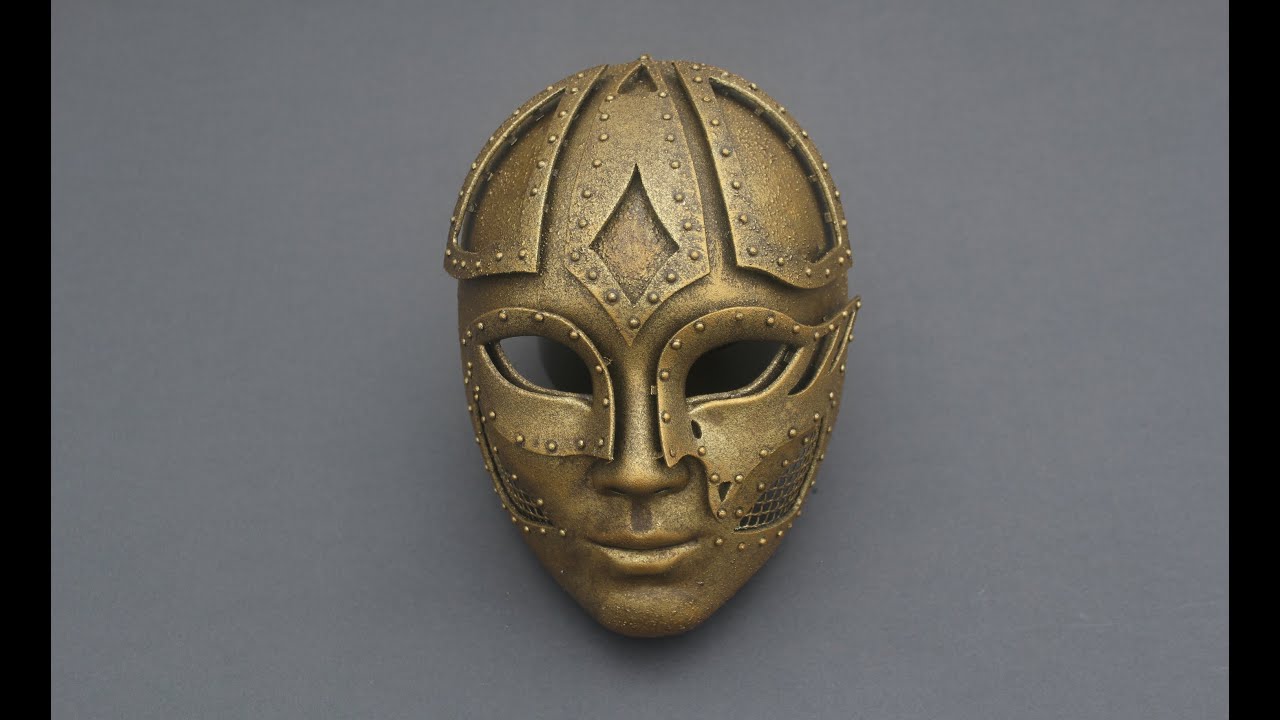
When observing the first winter flu season in Japan, one was quite taken aback by people wearing what looked like white surgical masks. And thought, there are lots of doctors and nurses out and about today. When inquiring to a Japanese friend, as to why the citizens were wearing masks, they replied, “In this season, if you are feeling even a little unwell, you cover your face with a mask so as not to give something unwanted to anyone else”.
A deeper concept than “I’ll scratch your back if you scratch mine”, gaining an understanding into "amae", is to gain an understanding into the Japanese way.Very early in Japanese history the concept of "amae" became a primary principal in the cultural and one of the fundamental foundations of where bonds of mutual trust are build into long, durable relationships.
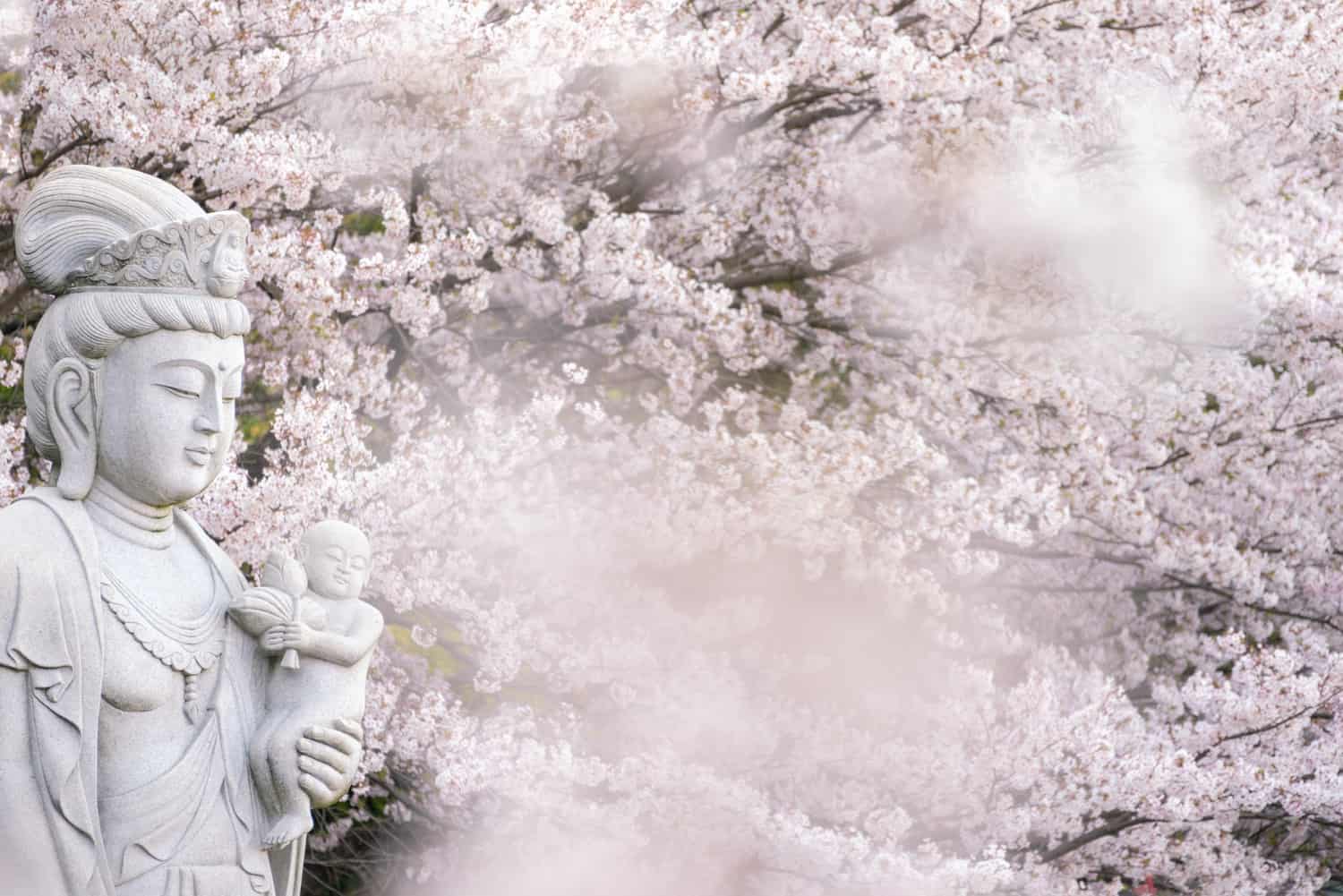
What does it actually mean to worship one’s ancestors? First of all, there are different ideas about the word “worship” and what it encompasses in a “religious” context. I prefer to use the word “veneration” as can be translated nicely into Japanese as “sonkei”, which I feel to be a little more, “down-to-earth”.
All languages are a reflection of the emotional, spiritual and intellectual characteristics of the people who created them. One could say language is embedded into the speakers DNA. In essence, all languages are social concepts.
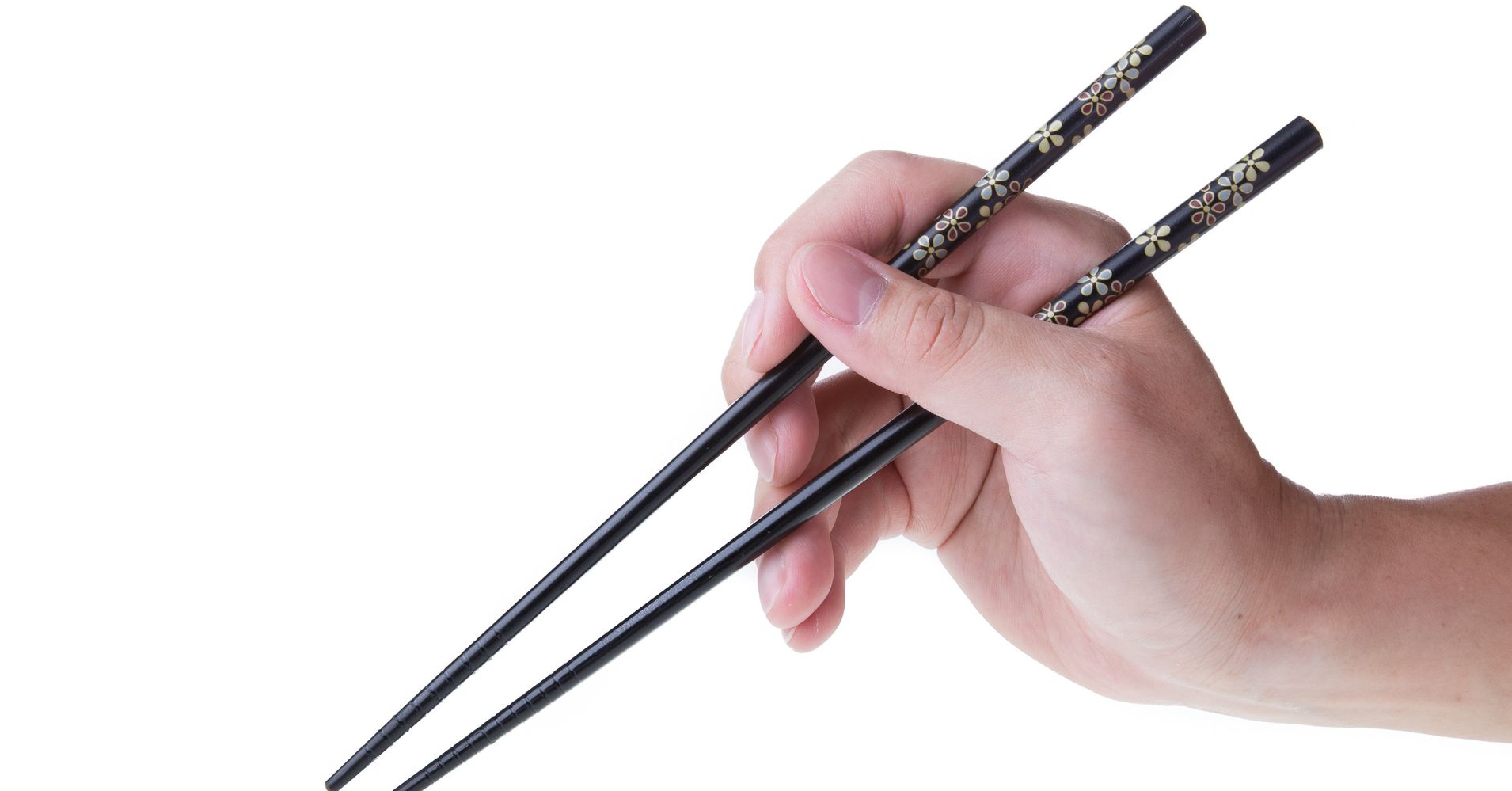
The concept around eating is fundamentally different between cultures and is reflected in the utensils, or lack there of, used to eat.