Blog / Shinto
Intolerance of ancestor worship would have long ago resulted in the extinction of Buddhism; for its vast conquest have all been made among ancestor worshipping races. Everywhere it made itself accepted as an ally, nowhere as an enemy, of social custom.
Ethics were not different from religion, religion was not different from government, and the very word for government signified “matters-of-religion.” To obey was piety, to disobey was impious, and the rule of obedience was enforced upon each individual by the will of the community to which he belonged.
Ancestral ghosts, considered more or less alike when primitive society had not yet developed class distinctions of any important characteristic. Subsequently these ancestral ghosts became differentiated, as a society itself differentiates into greater and lesser.
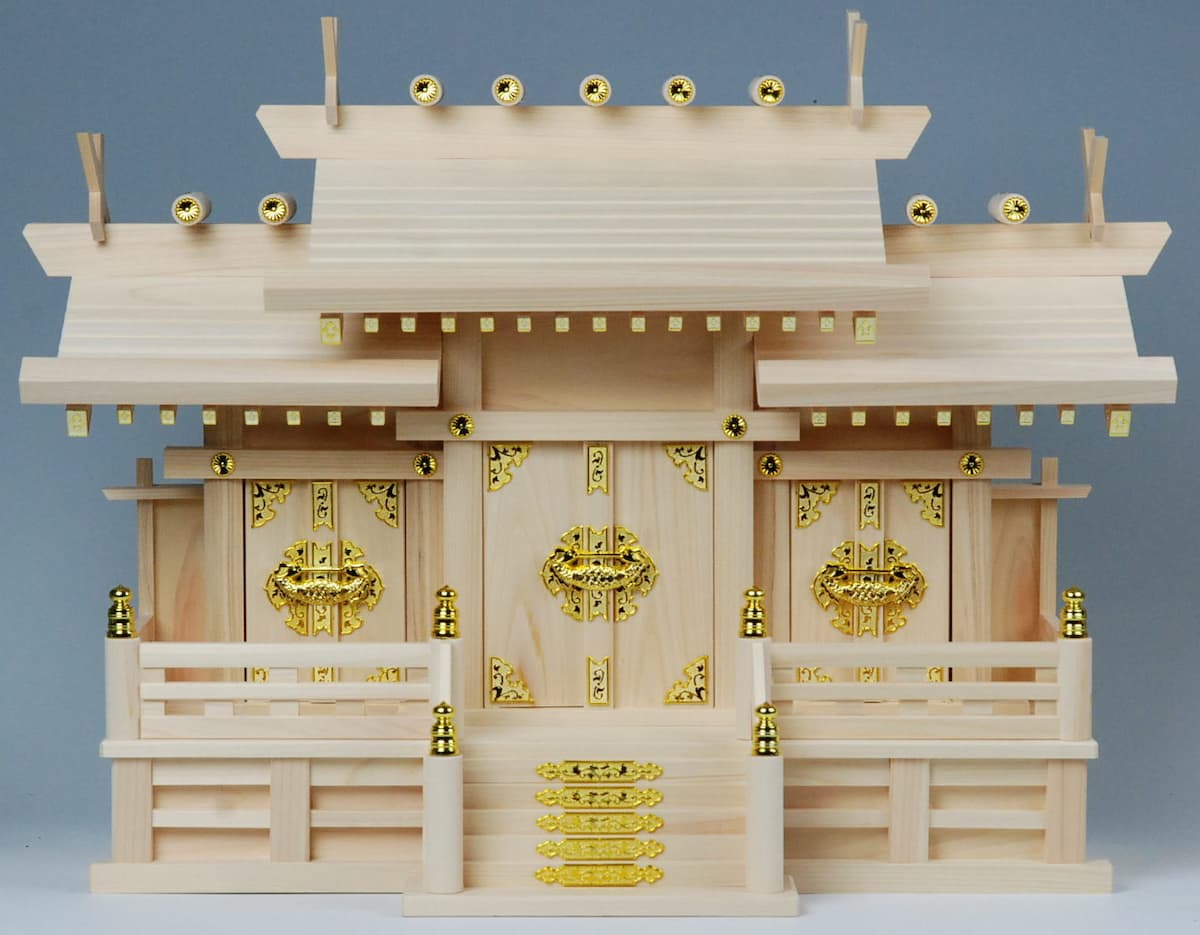
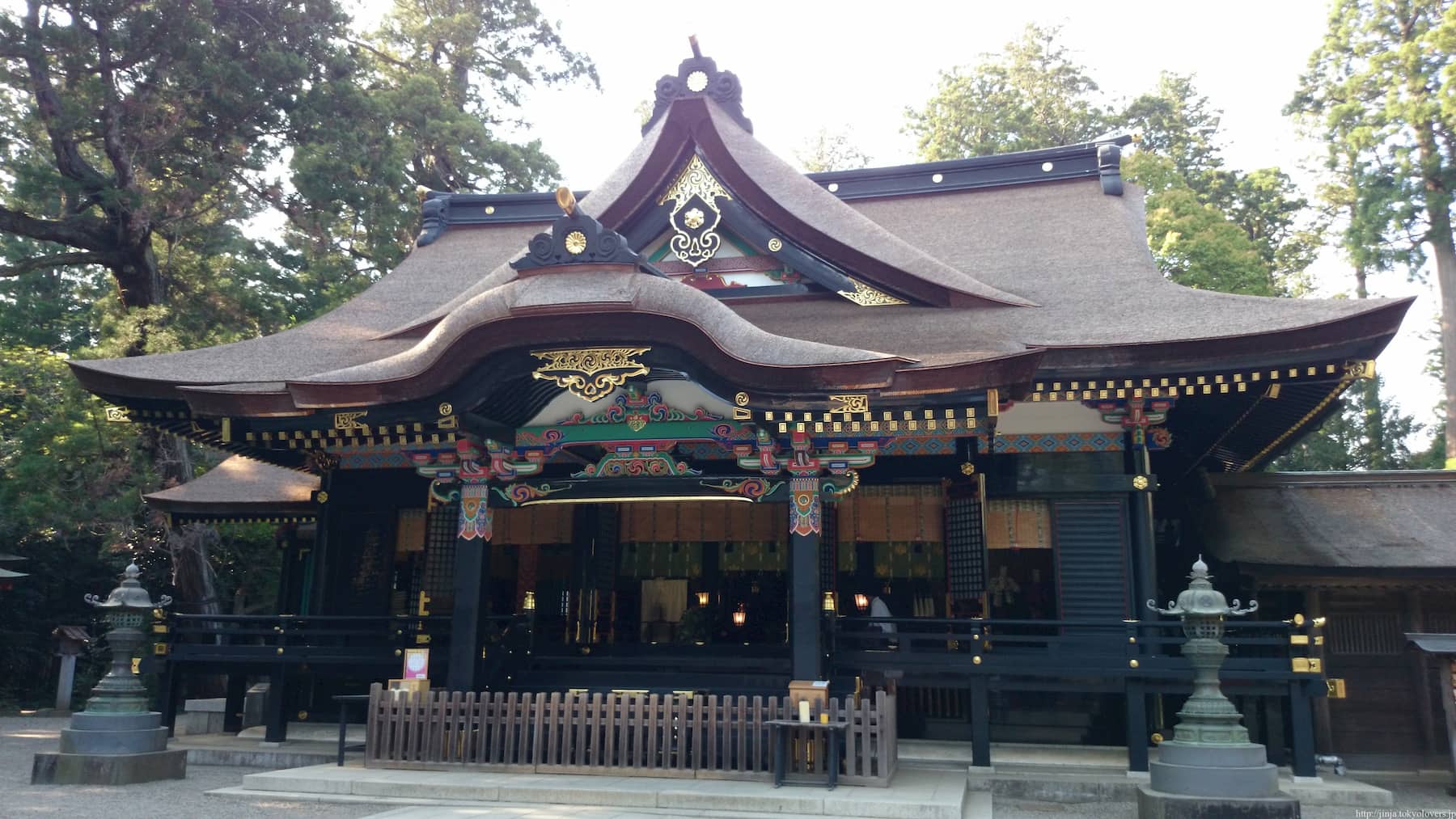
Like the “religion” of the home, Domestic, the religion of the community, Communal is also based upon ancestor worship. What the household shrine (kamidana 神棚) represents to the immediately Japanese family, the Shinto parish-shrine represents to the greater community.
Three stages of ancestor worship are to be distinguished in the general course of religious and social evolution, and each of these can be found in the history of Japanese society.
Ask any Japanese what their “religion” is, and they will say, “We don’t have one." For the Japanese do not have a “religion”, and never have. The Japanese have an indigenous way of life, which has continued for millennia until this day, and has been labeled a “religion” by others.
One of Yakumo’s dearest friends said to him: “When you find, in four or five years more, that you cannot understand the Japanese at all, then you will begin to know something about them.”
In the beginning there was a beautiful star, which shines her life-giving rays of hope upon all living creatures of Mother Earth.
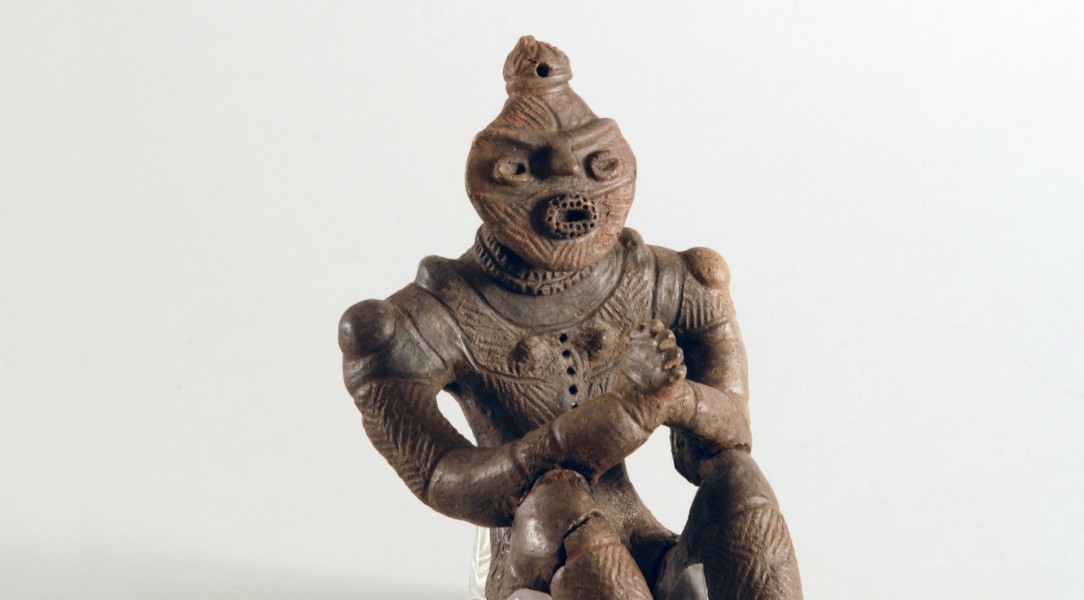
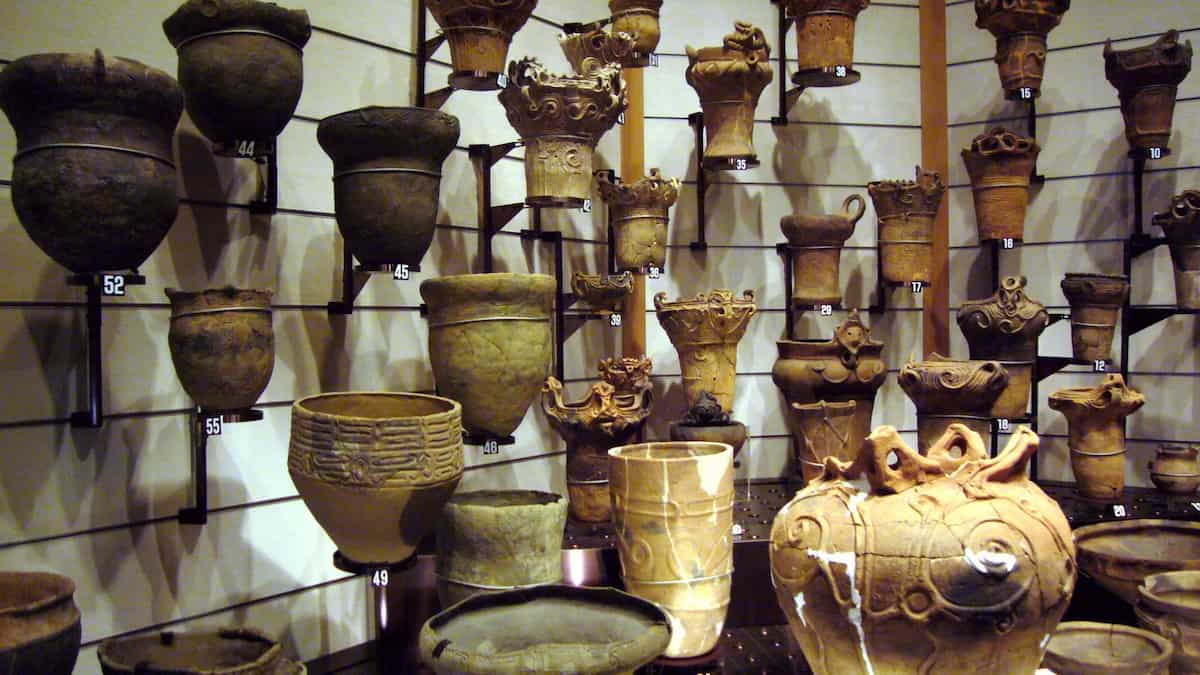
One’s friend jokingly (or not), asked whether one is Jomon or Yayoi. Somewhat taken aback, one had to look into this question more deeply.
Seeing the Japanese as katified throughout the evolution of this ancient civilization, one would have to say there are some bright spots, not only for the future of Japan, but for the shared future of an advancing civilization based upon ancient moral codes.
Keep in mind the social harmony one see in Japan is based upon following proper kata etiquette in daily behaviour, and remains the guiding constitution in all Japanese relationships. To understand this further one must look back into the indigenous belief system of the Japanese, known as Shintoism, and then one can see from whence this all came.
When recalling the way New Year’s Eve was celebrated so many years ago now, the images of these New Years Eve parties were very boisterous and rollicking, ringing in the Happy New Year with drink, dance, song, mirth, merriment, and gaiety.
What does it actually mean to worship one’s ancestors? First of all, there are different ideas about the word “worship” and what it encompasses in a “religious” context. I prefer to use the word “veneration” as can be translated nicely into Japanese as “sonkei”, which I feel to be a little more, “down-to-earth”.
Japan’s natural religion, Shinto (神道), consist of 2 ideograms: “God (神)” and “Way (道)”. I noticed there are many different Japanese disciplines contain “Way (道)”. The “Way (道)” to be the most important thing in ones own life, and the quest for all is to find ones own “Way (道)”.
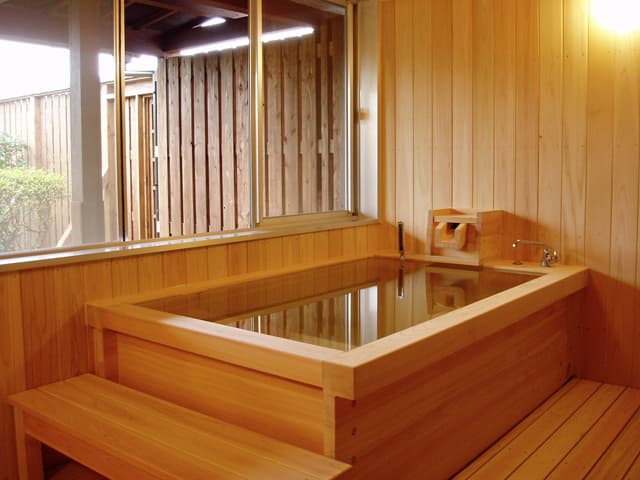
Bathing is truly a unique experience in Japan. I never thought about the art of bathing while growing up in Central British Columbia, when as a child, I was taking my weekly bath on Sunday evening. Jump in, scrub up, wash off the soap (yes, while in the same water one soaped up in is where one also rinsed)
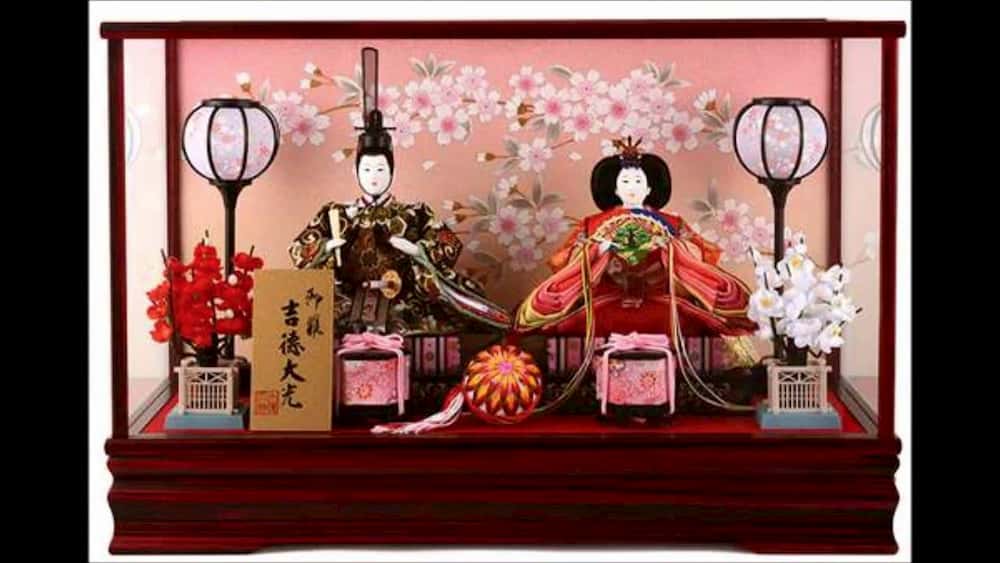
The meaning of this important event is to celebrate the survival of their children, because as we all know historically understand, the mortality rate for young children in most parts of the world was very high. They pray to the Shinto Gods for the continuing healthy growth of their children in the coming years of youth into adulthood.