Blog / Shinto
Sometimes it is circumstance that ends the chance to ever meet again—the fork in the road where sibling-like relationships come to an end, inevitably, time is over again.
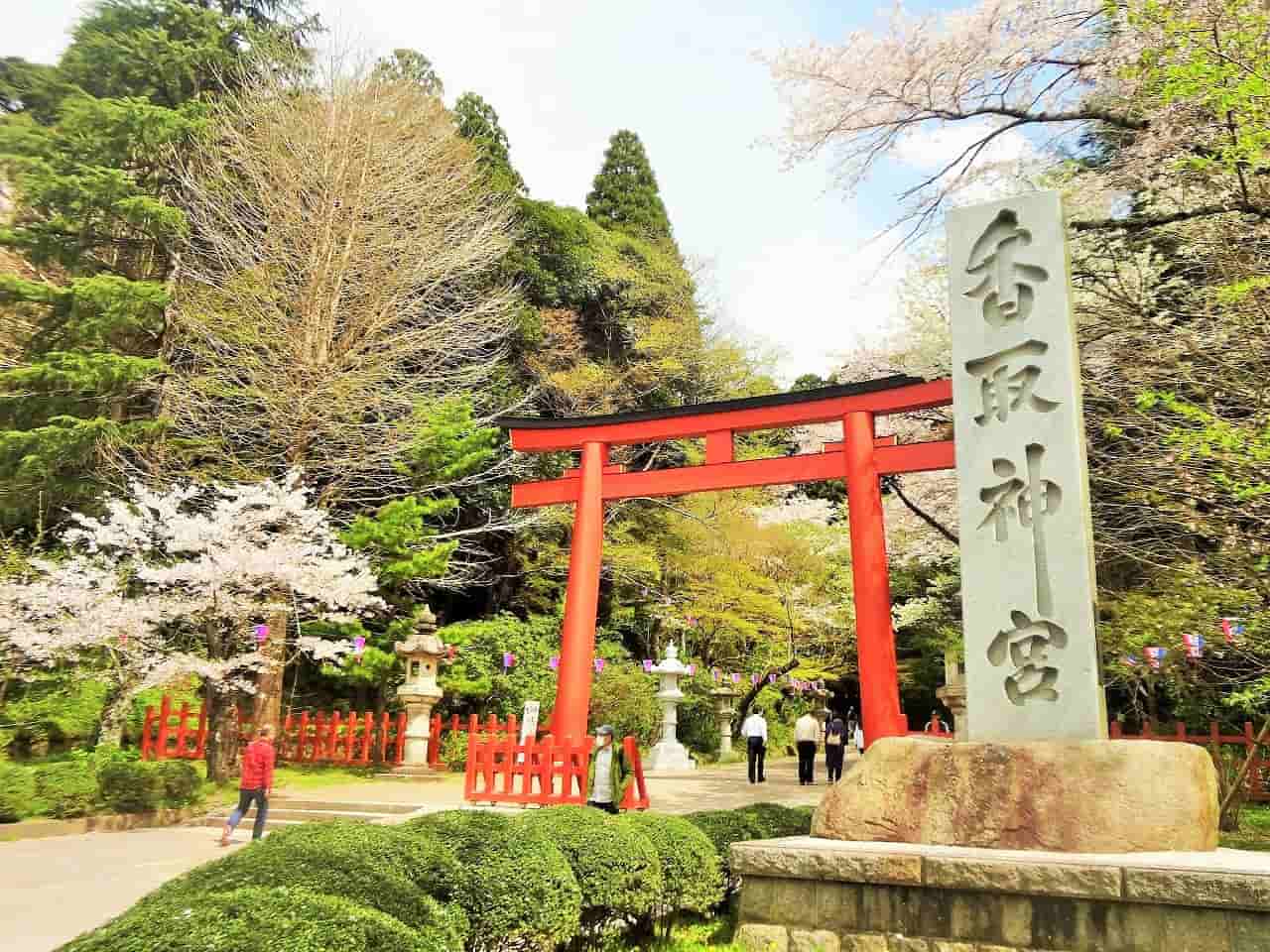
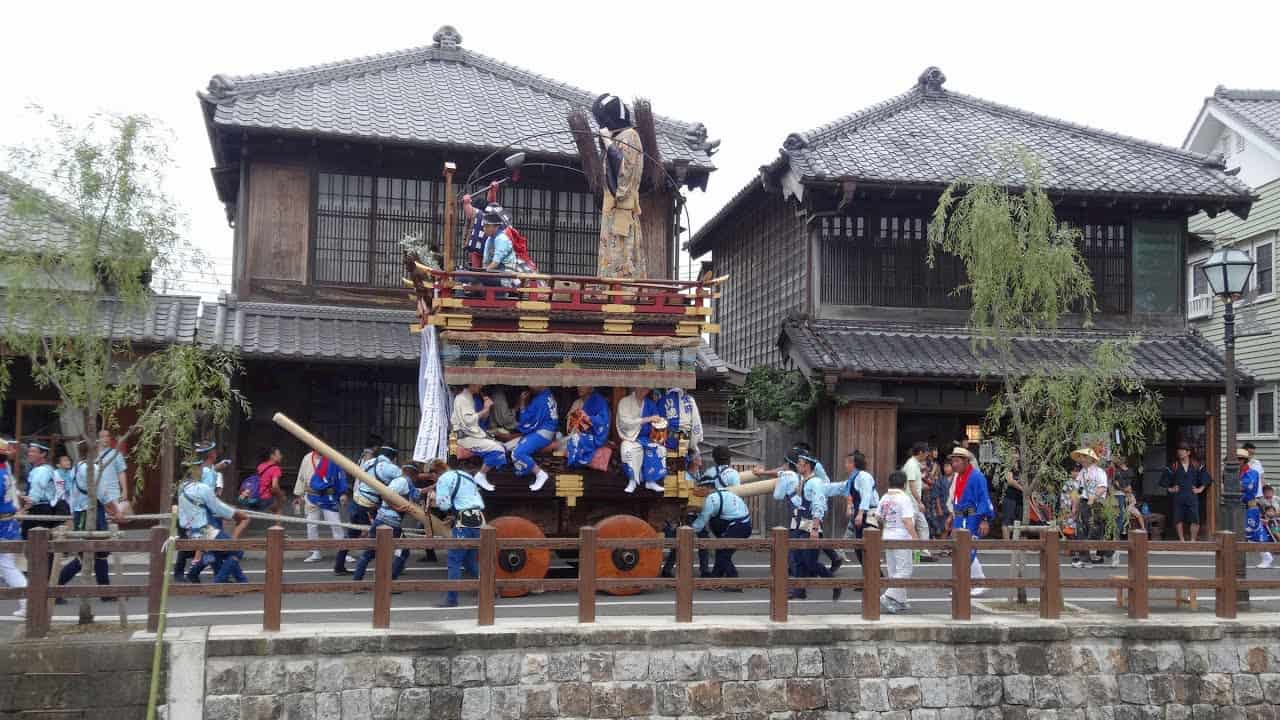
Katori Jingu celebrates its grand Shikinen Taishai (式年大祭) and Shikinen Shinkosai (式年神幸祭)—a festival held only once every 12 years, in the Year of the Horse. 2026 is such a year—a Fire Horse year in the zodiac—making this a rare, once-in-a-lifetime event for most visitors.
Japanese cosmology rests upon the foundational principle of Ban Butsu—the totality of existence—life in all things.
One could say that 2025 was a significant year for the Land Of The Rising Son, where decades of fortitude and perseverance manifested as a matter of natural course, perhaps related to the mysterious notion of quantum superposition.
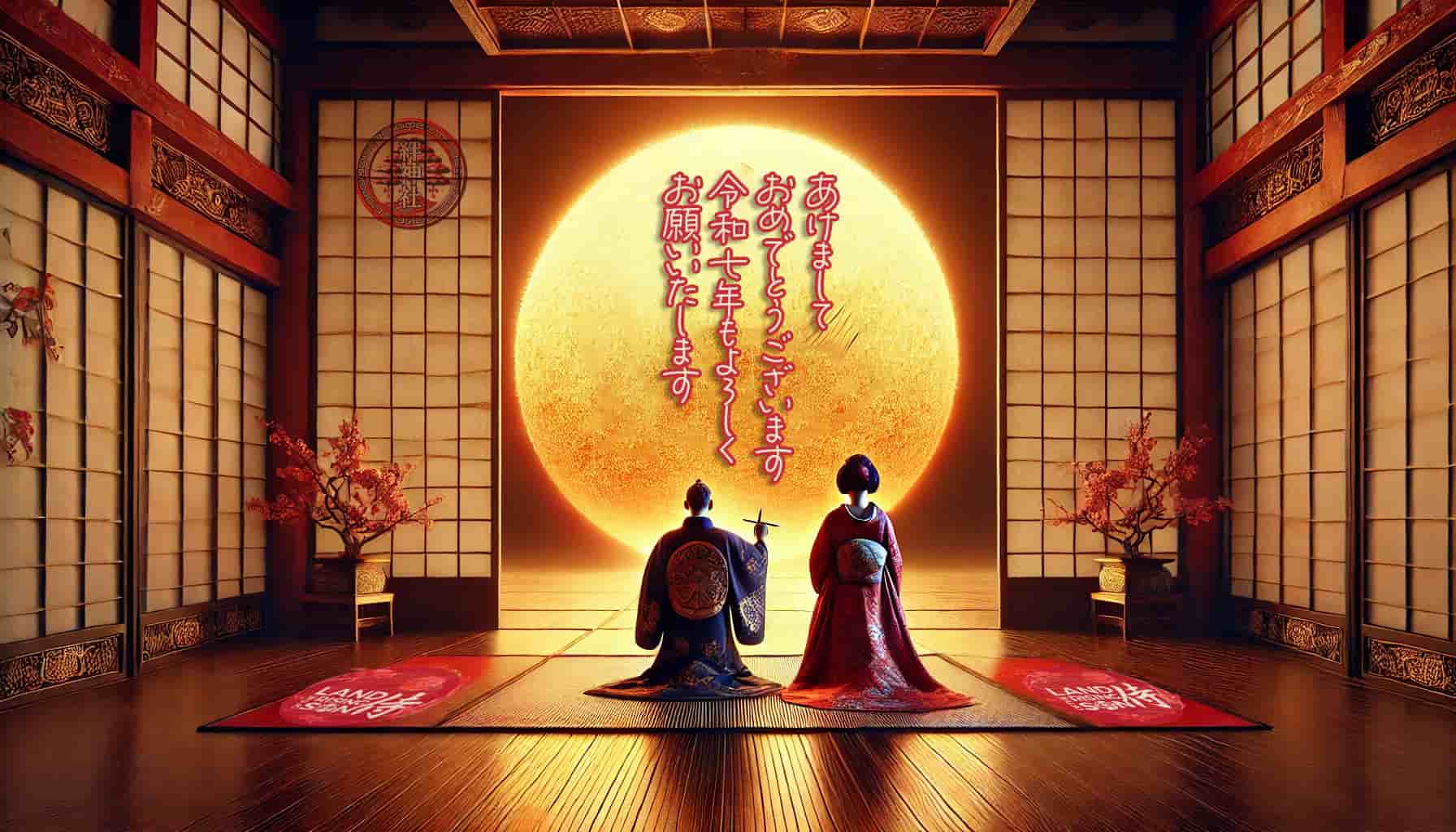
It was the good fortune of the Incidental Occxie to have been able to meet Ms. Yasuda the sole princess of the ancient Yasuda clan, first daughter of Eiji and Yae Yasuda, where the Incidental Occxie took Bungaku Mama’s first daughters sweet hand in marriage—was this wedding scene conjured up out of the phantasmagorical movies plot into an Earthly materialized scene.
Understanding a language rooted in its cultural context can be challenging for someone coming from an opposing conceptual spectrum—one shaped by the Western Age of Enlightenment with its distinct narrative structures.
In light of this enlightenment, there’s need for an upgrade to these symbolic metaphors, which were paid for by the blood, sweat, and tears of the ancestors and tutelary deities of the neo-clans.
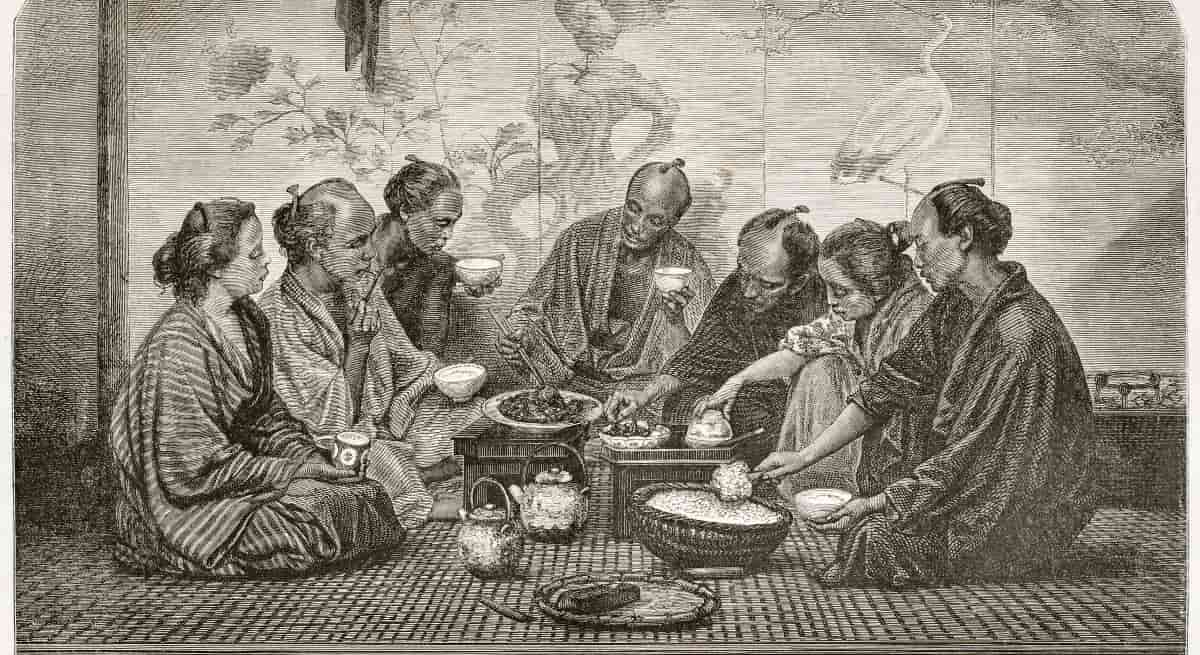
年越し蕎麦—toshikoshi soba A traditional Japanese dish eaten on New Year's Eve. Buckwheat noodles symbolize the release of past hardships and the welcoming of a fresh start in the new year.
If you are Japanese, or aspire to integrate Japanese societal protocol into your core being, but do not understand the fundamental protocol of tatemae, you will be labeled as KY—kūki yomenai.
Well over half of the world’s population believe in a spiritual afterlife, which in principle is not such a bad thing, who doesn’t want to live forever? After entering the atmosphere, indoctrination starts in earnest, and more often than not, there is the promise of eternal life contained with in these fantastic stories.
From centuries past, the Japanese were acutely aware of the aesthetics of design, not only of craftsmanship, but extending into the conceptual and sublime societal protocol of form, order, and process, which are critical for a successful life in Japanese society.
The attitude and behaviour of the Japanese in most practical matters including those of a sexual nature are in fundamental alignment with nature, as is indicative of an agrarian island nation.
All cultures have meaningful symbolism strewn throughout the spectrum of their respective religions and cultures. Many of these old stories remain very much alive, continuing to influence countless masses of adherents, immersing generational obedience to deep dogma of long gone but not forgotten distant times.
In this historic work, Japan, An Attempt At Interpretation, Patrick Hearn (Koizumi Yakumo) endeavoured to suggest a general idea of the social history of Japan, and a general idea of the nature of those forces which shaped and tempered the character of the Japanese people. But the fact that Japan can be understood only through the study of her religious and social evolution has been sufficiently indicated.
At the time of the opening of Japan, society had not evolutionally advanced beyond a stage corresponding to that of the antique Western societies in the seventh or eighth century before Christ. Everywhere the course of human civilization has been shaped by the same evolutional law.
In the Occidental world, the repressive part of moral training begins in early childhood. The European or American teacher is strict with the little ones, we think that it is important to ingrain the duties of behaviour. The "must" and the "must not" of individual obligation, as soon as possible.
It has often been asserted by foreign observers that the real power in Japan is exercised not from above, but from below. What cannot be denied is that superior authority has always been more or less restrained by tendencies to resistance from below.
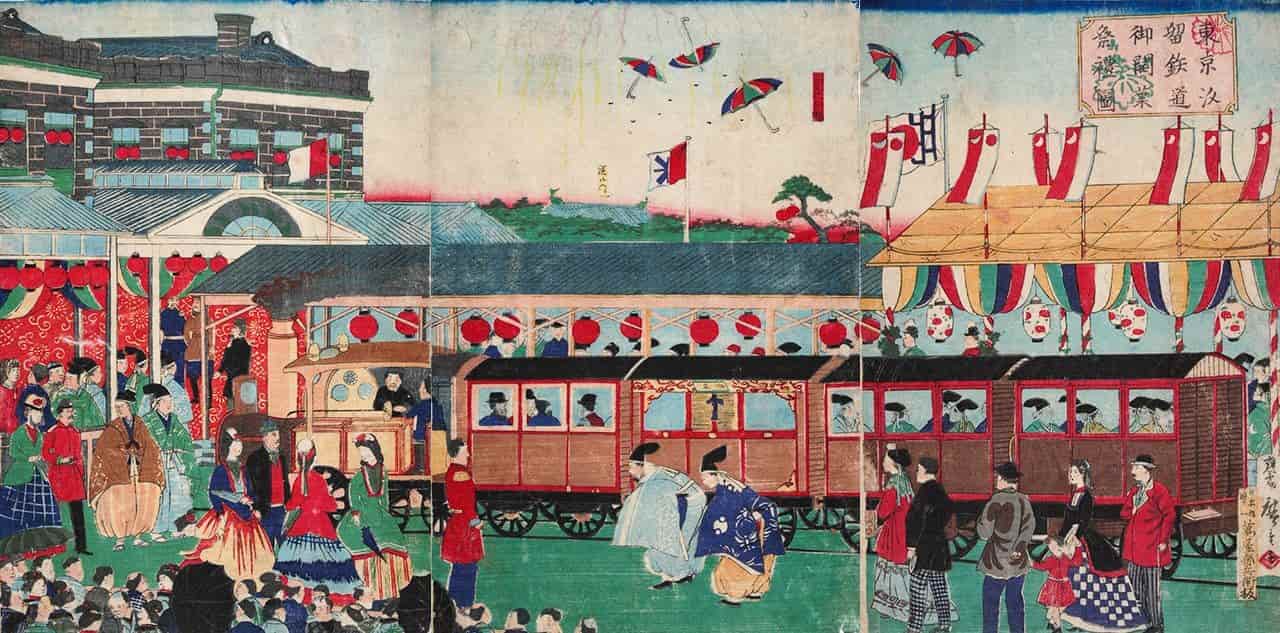
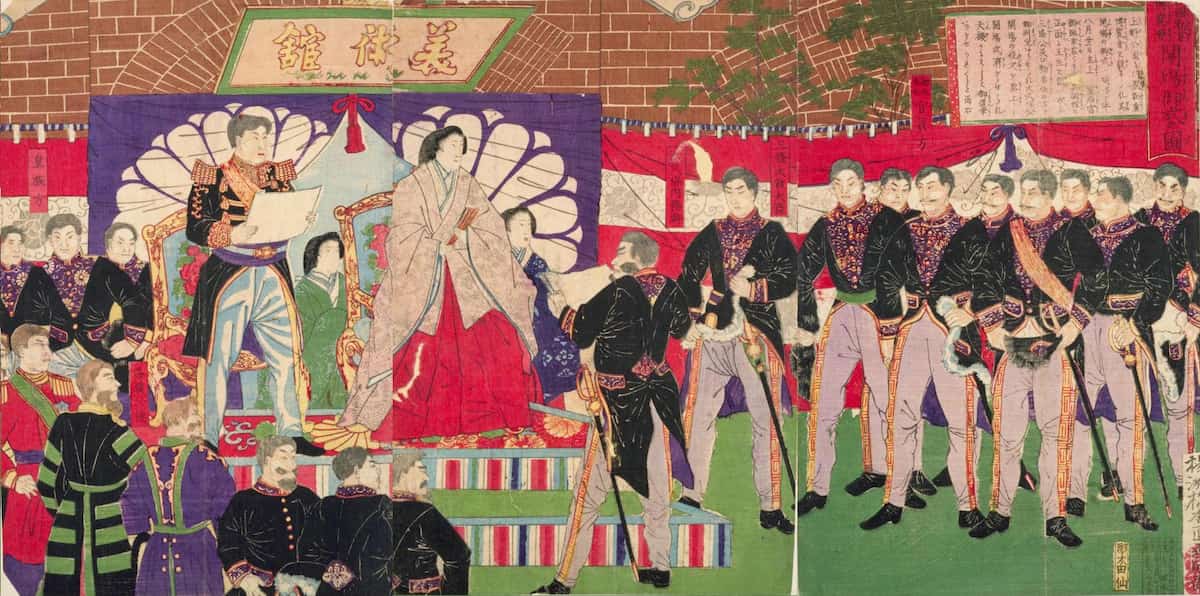
After the reconstructions of the Meiji period, after the abolition of the feudal fiefdoms, and the suppression of the military class, it still maintained its former shape, just as the tree would continue to do when first abandoned by the gardener.
The slow weakening of the Tokugawa Shogunate was due to causes not unlike those which had brought about the decline of previous regencies. The race degenerated during that long period of peace which its rule had inaugurated. The strong builders were succeeded by feebler and feebler men.
During two hundred years of peace, prosperity, and national isolation, the graceful and winning side of this human nature found chance to bloom. The multiform restraints of law and custom then quickened and curiously shaped the blossoming, as the gardener's untiring art evolves the chrysanthemum flowers into a hundred forms of fantastic beauty.
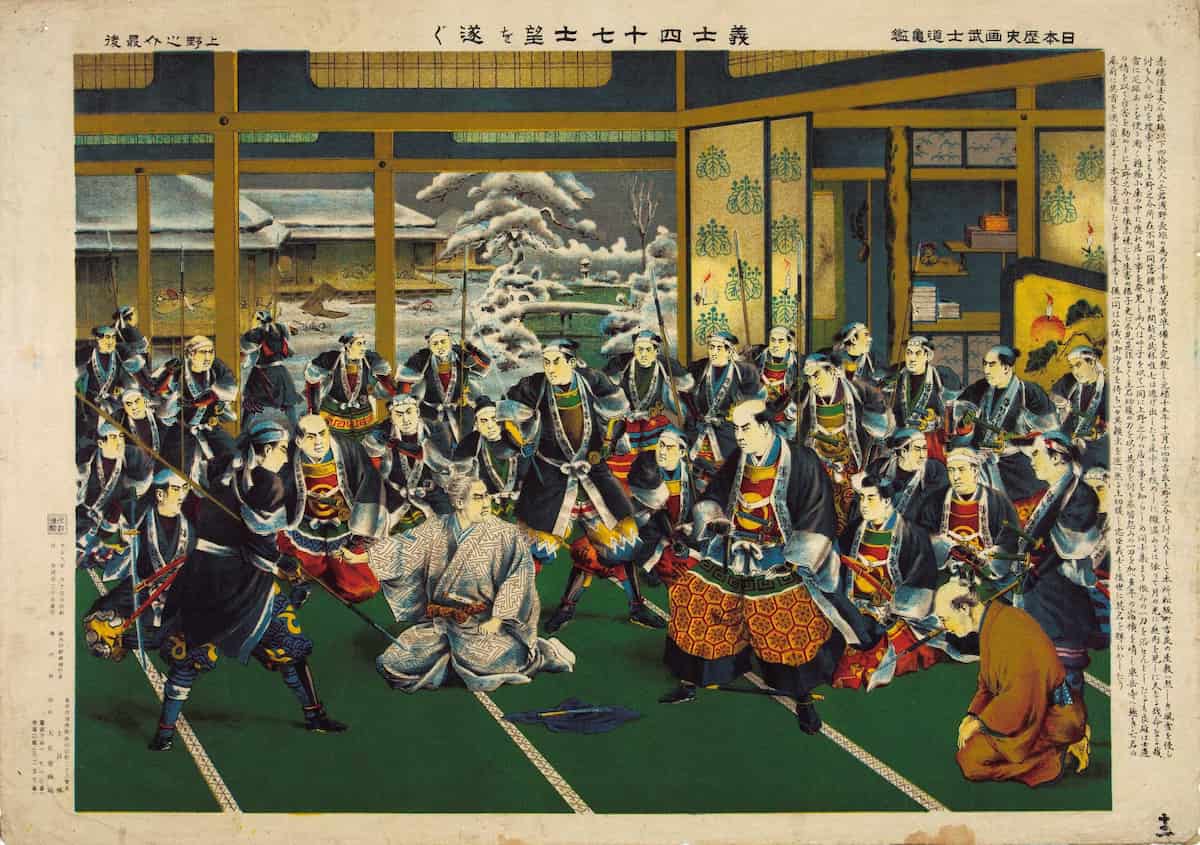
The second half of the sixteenth century is the most interesting period in Japanese history for three reasons. First, because it witnessed the apparition of those mighty captains, Nobunaga, Hideyoshi, and Iyeyasu.
The history of the Japanese people strongly exemplifies these truths. Among no other people has loyalty ever assumed more impressive and extraordinary forms. Among no other people has obedience ever been nourished by a more abundant faith, that faith derived from the cult of the ancestors.
Although everything prior to the seventh century remains obscured for us by the mists of fable, much can be inferred concerning social conditions during the reigns of the first thirty-three Emperors and Empresses. Kojiki (Record of Ancient Matters), completed in 712 CE, and the Nihon Shoki contain records of fact, but fact and myth are so interwoven, it is difficult to distinguish the one from the other.
Its original unit was not the household (Domestic), but the patriarchal family, that is to say, the clans. These clans consisted of a body of hundreds or thousands of persons claiming descendant from a common ancestor, and so religiously united by a common ancestor worship; the cult of the Ujigami.