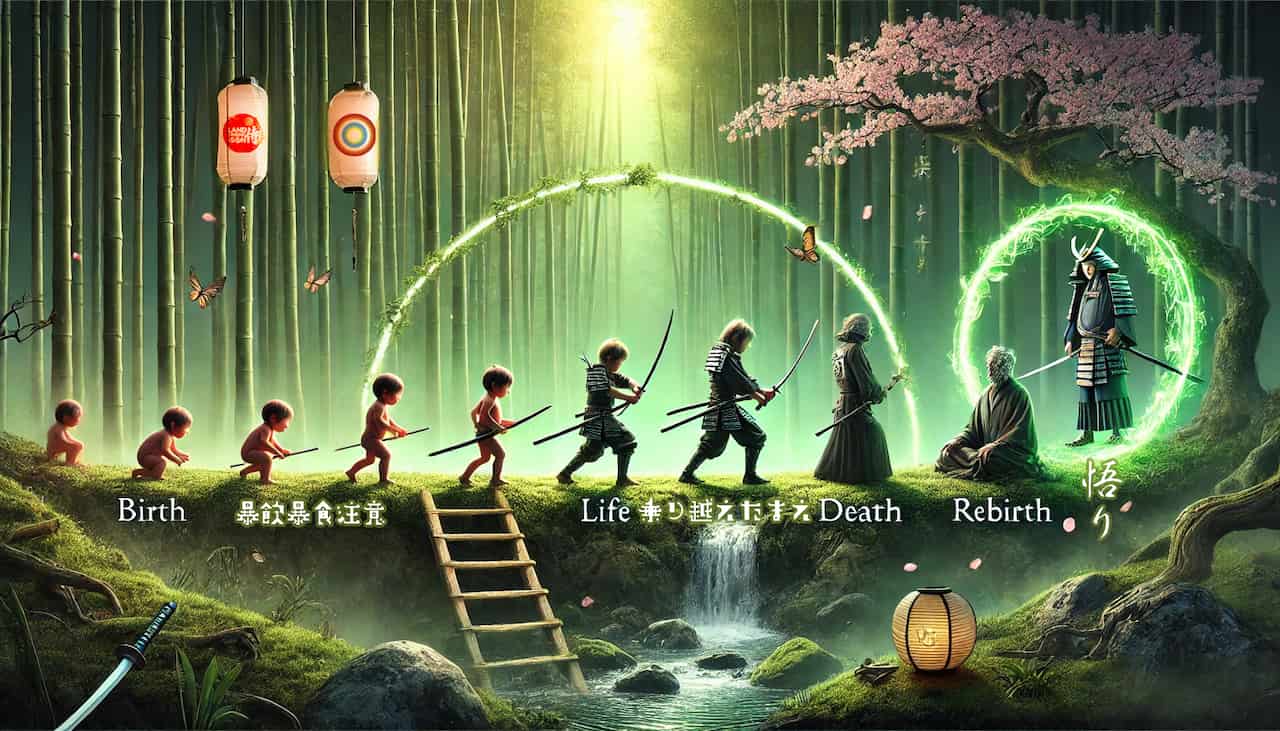
Thirty Years On The Rock
The Japanese language, by its very nature, is imbued with timeless aphorisms, embodying profound Buddhist philosophy and protocols for ancestor veneration.
The symbolic nature of the Japanese reading system is infused with metaphorical, sociological, and societal communication protocols.
These often leave little hope for direct translation, as the Japanese language intentionally maintains ambiguity—replete with nuggets for subjective interpretation, preserving the façade of civilized harmony.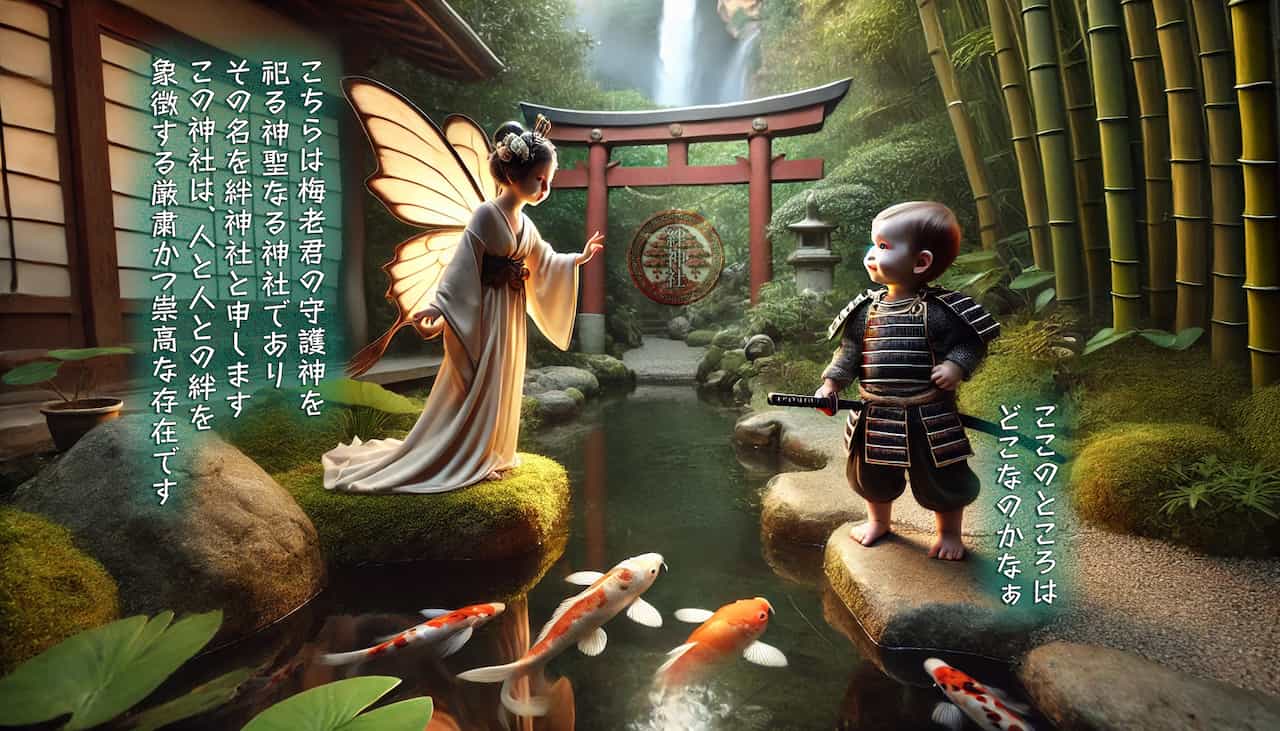 What was said was said—interpret it so as to maintain harmony, for this is the Japanese way.
Understanding a language rooted in its cultural context can be challenging for someone coming from an opposing conceptual spectrum—one shaped by the Western Age of Enlightenment with its distinct narrative structures.
Regardless of the breadth of one's knowledge of their native language, it's critical to remember that language is merely a concept rooted in the unique cultures of individual societies. Each language holds significant cultural implications, shaped by the notions and concepts embedded within the mother tongue.
The Japanese language is truly unique as a communication system; its reading and writing system still holds many sagacious concepts linked to ancient times—used strategically as ingredients, if you will, to facilitate communication like the Japanese.
The Japanese were destined to create novel communication systems, like katakana, which allows them to integrate foreign languages and make them uniquely Japanese—showcasing the complexity of this ancient, evolving communication system. Full immersion into an ancient world still practicing ancient rituals contributes to the continuous construction of Japanese society and the system that is Japan.
The Japanese take ideas, concepts, and objects and apply the protocol of kaizen, the powerful Japanese protocol of continuous improvement or adaptation—reanimating foreign elements to fit their ancient narrative and align with the genesis of the Japanese.
Often, the magic trick in the Japanese playbook is to call upon ancient wisdom—on ko chi shin—温故知新—learning new things from the past—instantiated within the language of the Japanese. Maxims to live by—the power of platitudes—guide the Japanese to form valuable attitudes, serving as fuel for a vibrant life.
Sitting on a rock for three years is where this wayward autodidact wiped away all his fears—this nugget of wisdom can save the day and get you back on track when losing your way.
ishi no ue ni san nen—石の上にも三年—persevere for three years on a rock.
This proverb emphasizes the enduring value of patience and perseverance.
The metaphor of sitting on a cold rock for three years suggests that even the most challenging or uncomfortable situations will change over time if one endures long enough.
Doing so instills the importance of commitment and resilience in overcoming obstacles, leading to crystal clear clarity.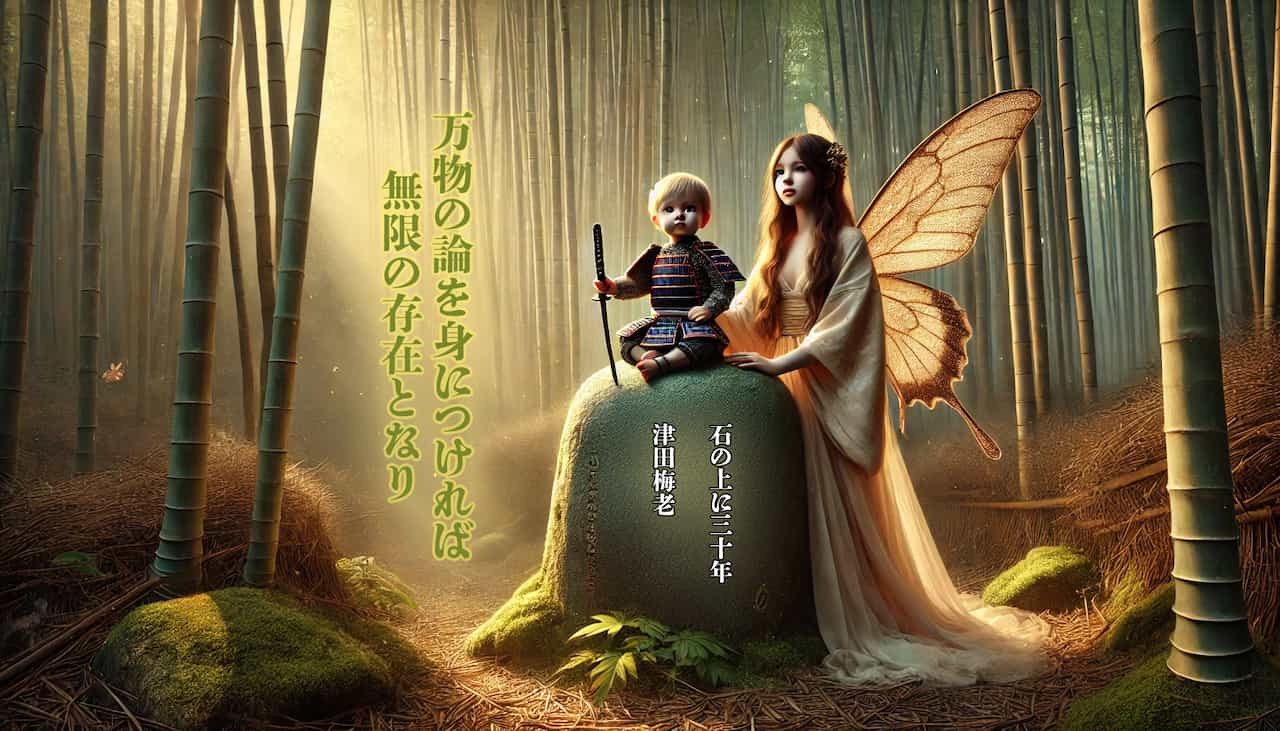 In the case of the Incidental Occxie, this adage of wisdom provided the mental fortitude to push through and carry out the wishes of the one who guides from inside—Seity.
Despite the trials and tribulations that come with assimilating into the Japanese countryside, it was necessary to toss away remnants of foolish pride.
Suck it up, buttercup, and get on the phantasmagorical ride, for you must learn Japanese to please Seity, in order to go through to the next degree—three years on the rock was just warming up—to come to this place of grace has taken well over thirty years.
Each individual has their own special needs, and sitting on the rock for thirty years has eliminated all the mental weeds. No matter what others say, there is no way you can let them sway you in any way—sit on the rock as long as necessary to take your place at the terminus of enlightenment at destination destiny.
If not sure of the grand scheme, there is just one remaining thing—recognize Seity who resides deep inside the depth of one’s soul within the subconscious mind.
Petition her to reveal the rock where one must sit for as long Seity’s got (infinity)—realizing individuated mentated visions until they materialize into the sweet fruits fruition—it takes courage to accept the assignment of a predetermined superposition inside zones of meta-cognition.
It’s never too late, as the Japanese clearly state—tai ki ban sei—大器晩成—great talent matures late.