For the Japanese, the ringing-in of the New Year is the most important holiday in the Land Of The Rising Son, along with Obon where the ancestor worshiping Japanese honour their dead. For the most part, the Japanese celebrate this special occasion in a solemn and reserved manner.
At the time of the opening of Japan, society had not evolutionally advanced beyond a stage corresponding to that of the antique Western societies in the seventh or eighth century before Christ. Everywhere the course of human civilization has been shaped by the same evolutional law.
In the Occidental world, the repressive part of moral training begins in early childhood. The European or American teacher is strict with the little ones, we think that it is important to ingrain the duties of behaviour. The "must" and the "must not" of individual obligation, as soon as possible.
It has often been asserted by foreign observers that the real power in Japan is exercised not from above, but from below. What cannot be denied is that superior authority has always been more or less restrained by tendencies to resistance from below.
After the reconstructions of the Meiji period, after the abolition of the feudal fiefdoms, and the suppression of the military class, it still maintained its former shape, just as the tree would continue to do when first abandoned by the gardener.
The slow weakening of the Tokugawa Shogunate was due to causes not unlike those which had brought about the decline of previous regencies. The race degenerated during that long period of peace which its rule had inaugurated. The strong builders were succeeded by feebler and feebler men.
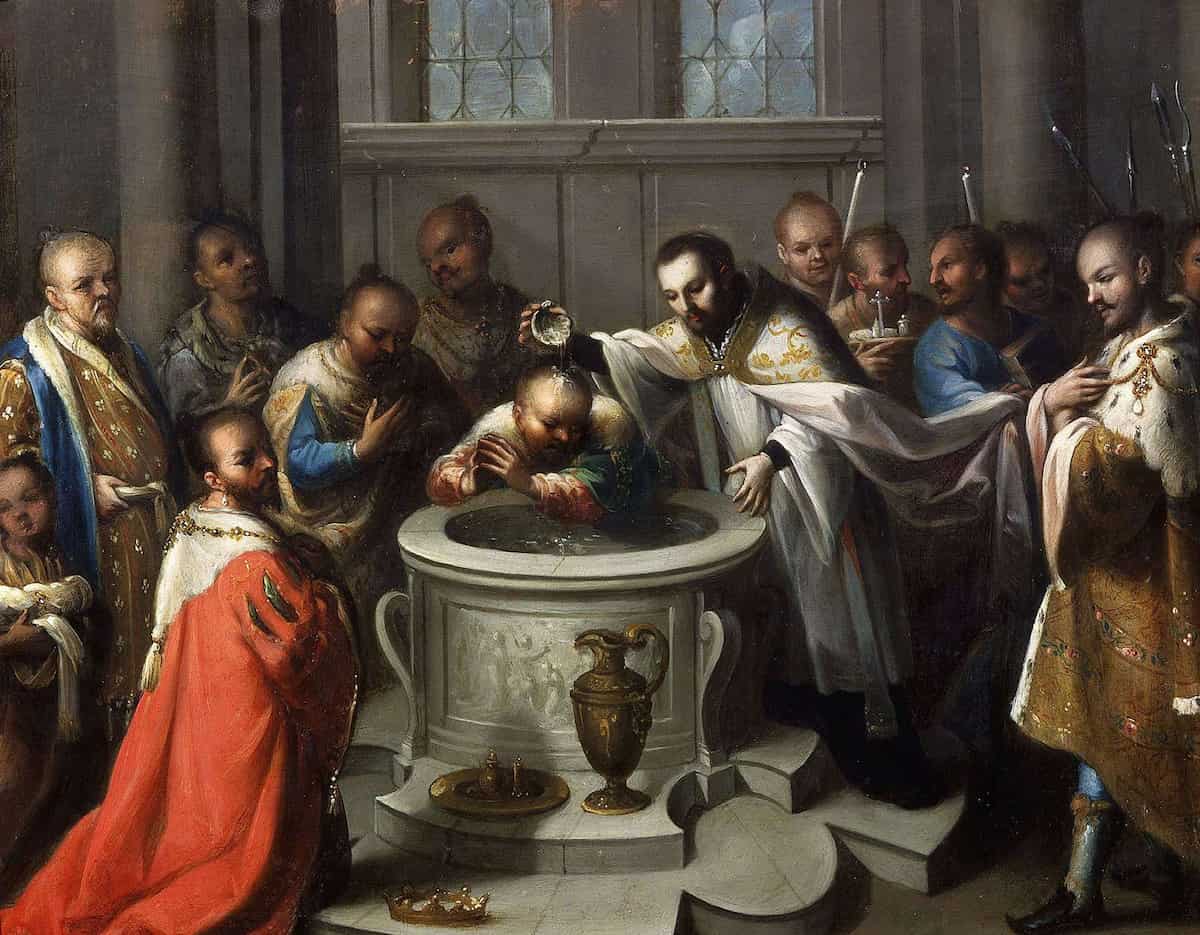
When the first westerners showed up in Japan in the 1540s, the Japanese found it very difficult to be in close proximity to them, especially in enclosed areas, because the Westerners did not bathe or change their clothes regularly, and they gave off a strong stench.
During two hundred years of peace, prosperity, and national isolation, the graceful and winning side of this human nature found chance to bloom. The multiform restraints of law and custom then quickened and curiously shaped the blossoming, as the gardener's untiring art evolves the chrysanthemum flowers into a hundred forms of fantastic beauty.
The Japanese have long been notorious for their racial, ethnic and social discrimination. They have traditionally been incapable of accepting other races and ethnic groups into their inner circle and treating them the way they treat other Japanese; even the Japanese who look or act a little different are not accepted.
The second half of the sixteenth century is the most interesting period in Japanese history for three reasons. First, because it witnessed the apparition of those mighty captains, Nobunaga, Hideyoshi, and Iyeyasu.
Most Westerners prize practical knowledge and hands-on experience above all other kinds of learning. They are also condition to approach work and other challenge is directly, aiming for the “the shortest distance between two points”.
The history of the Japanese people strongly exemplifies these truths. Among no other people has loyalty ever assumed more impressive and extraordinary forms. Among no other people has obedience ever been nourished by a more abundant faith, that faith derived from the cult of the ancestors.
Although everything prior to the seventh century remains obscured for us by the mists of fable, much can be inferred concerning social conditions during the reigns of the first thirty-three Emperors and Empresses. Kojiki (Record of Ancient Matters), completed in 712 CE, and the Nihon Shoki contain records of fact, but fact and myth are so interwoven, it is difficult to distinguish the one from the other.
The concept of byodo, or “equality“, among people is a western invention that apparently evolved from the Christian theological beliefs that all human beings are created equal in god’s eyes.
Its original unit was not the household (Domestic), but the patriarchal family, that is to say, the clans. These clans consisted of a body of hundreds or thousands of persons claiming descendant from a common ancestor, and so religiously united by a common ancestor worship; the cult of the Ujigami.
When Westerners first encounter the Japanese writing system, which is an application of the much more ancient and complex Chinese system, they look at it from several different perspectives. Still many others look upon Japanese with a degree of arrogant superiority for the Japanese to have adopted such a difficult way of writing, certainly in these peoples own mind they think the Japanese writing system is a clearly a handicap that is impossible to overcome.
Intolerance of ancestor worship would have long ago resulted in the extinction of Buddhism; for its vast conquest have all been made among ancestor worshipping races. Everywhere it made itself accepted as an ally, nowhere as an enemy, of social custom.
One can say that to the Westerner eyes that Japan is the land of contradictions, everything good or positive about Japan always seems to have a flipside that is negative or unfavourable. Indeed you could say this about all societies, but here this contrast may appear to be much more pronounced.
Ethics were not different from religion, religion was not different from government, and the very word for government signified “matters-of-religion.” To obey was piety, to disobey was impious, and the rule of obedience was enforced upon each individual by the will of the community to which he belonged.
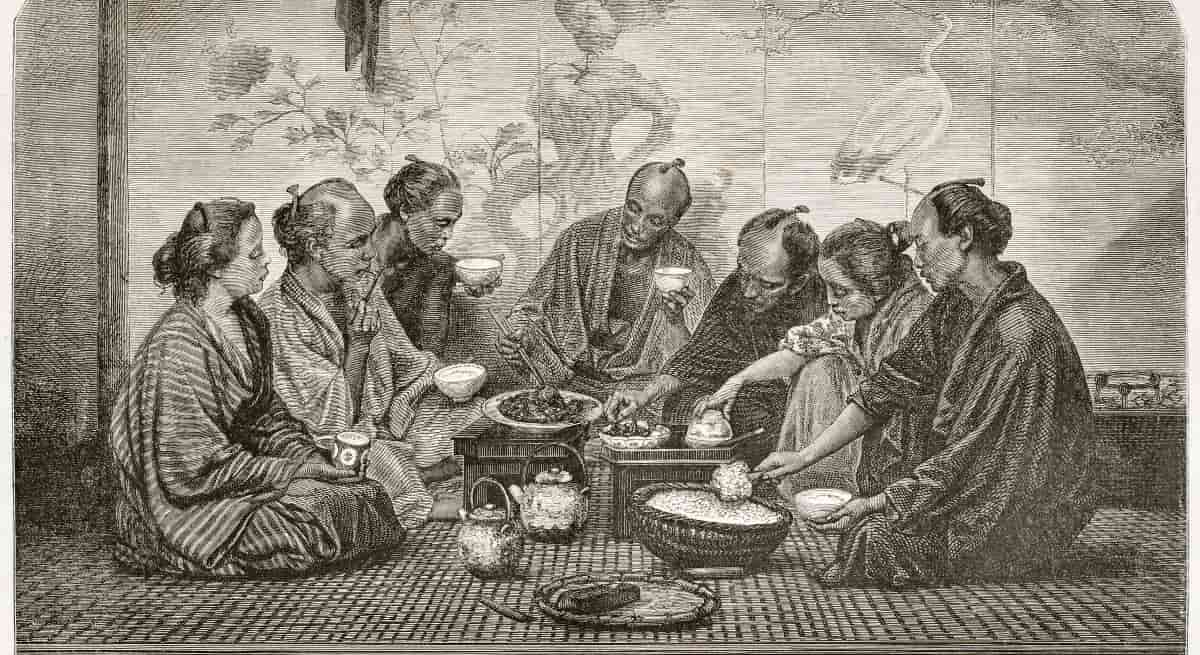
There are two very important words in Japanese with deep meaning but no equivalent sentiment in the English concept of language. Itadakimasu and gochiso sama are very important parts of the dining etiquette in Japan. Itadakimasu is said just before eating, it literally means “to receive” or “accept ” but in this context more like a DNA infused Japanese Way in a ritualistic connotation, you could almost say it’s like a prayer.
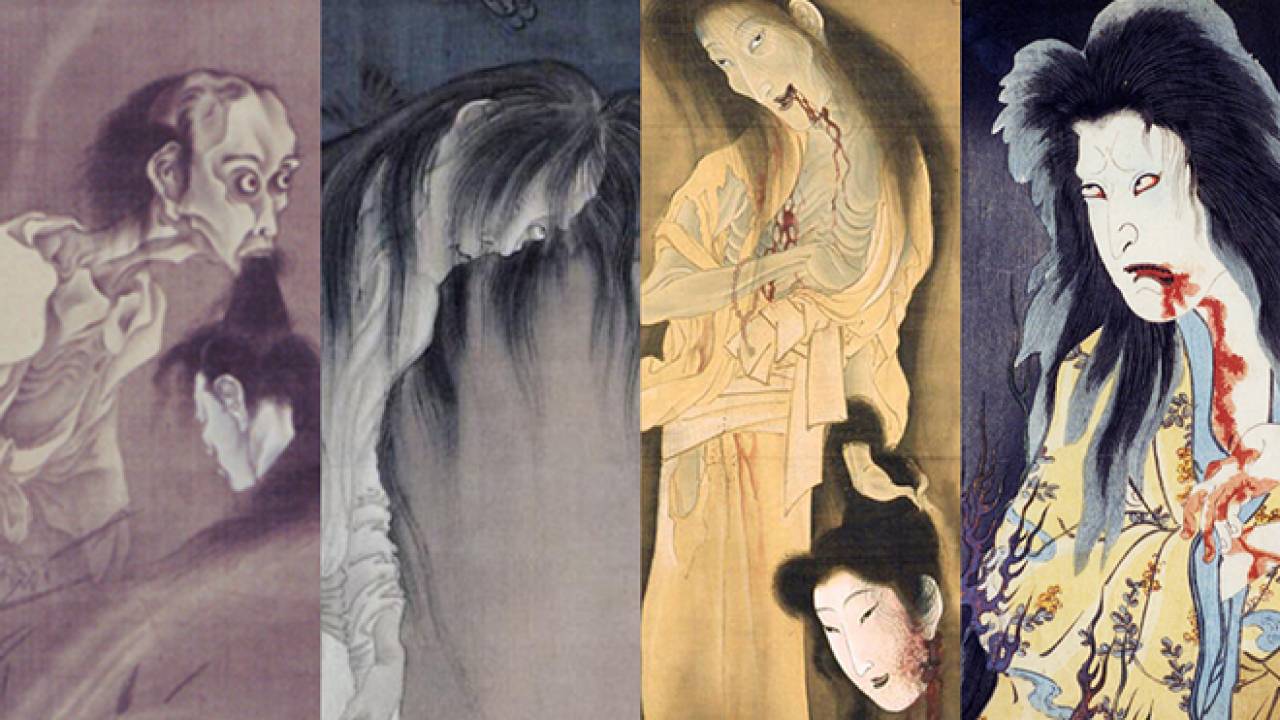
Ancestral ghosts, considered more or less alike when primitive society had not yet developed class distinctions of any important characteristic. Subsequently these ancestral ghosts became differentiated, as a society itself differentiates into greater and lesser.
With only a few exceptions, virtually every interaction with the Japanese of any kind begins with, and is based on, a personal obligation as opposed to what some would regards as higher principles. The Japanese have traditionally been known for their generous hospitality that they typically bestow upon visitors and on people with whom they want to develop a professional or business relations.
Like the “religion” of the home, Domestic, the religion of the community, Communal is also based upon ancestor worship. What the household shrine (kamidana 神棚) represents to the immediately Japanese family, the Shinto parish-shrine represents to the greater community.