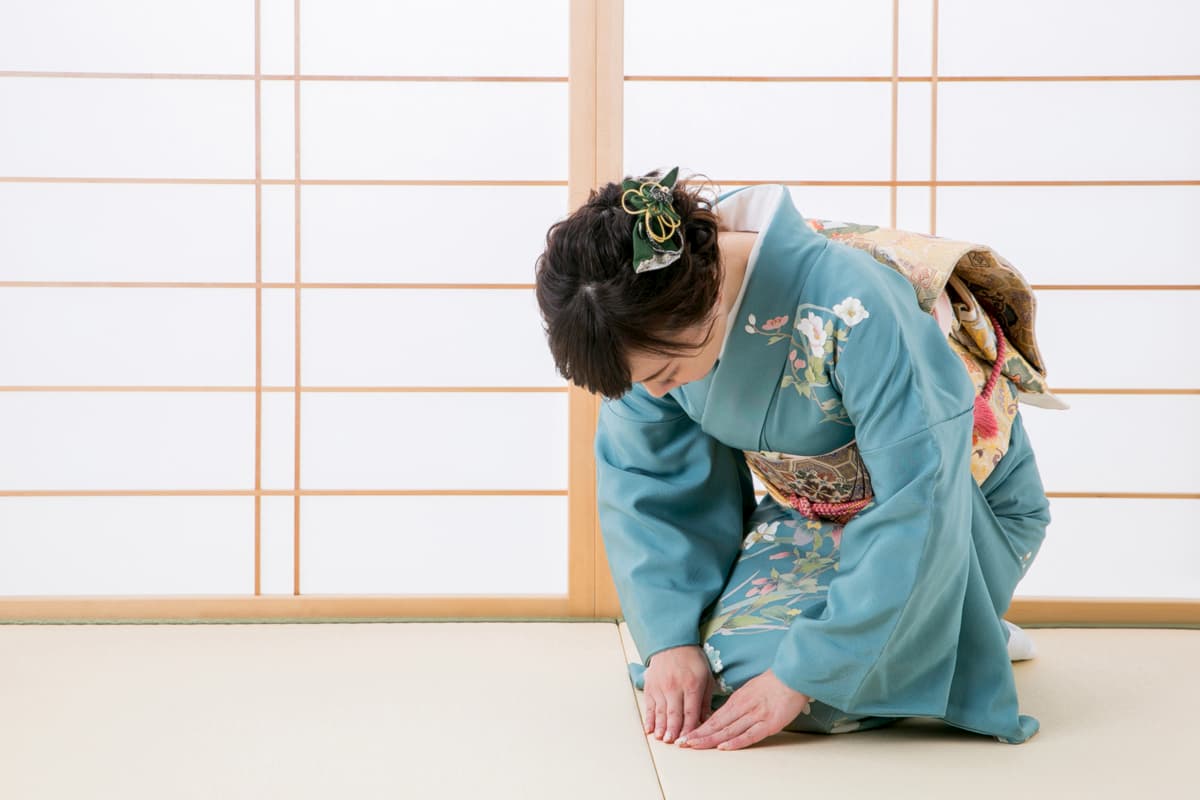
Japan’s traditional etiquette continues to be one of the most structured, refined, and sophisticated patterns of behaviour ever imposed on any people. From infancy, the Japanese were trained physically and verbally on how to behave in the prescribed Japanese manner.
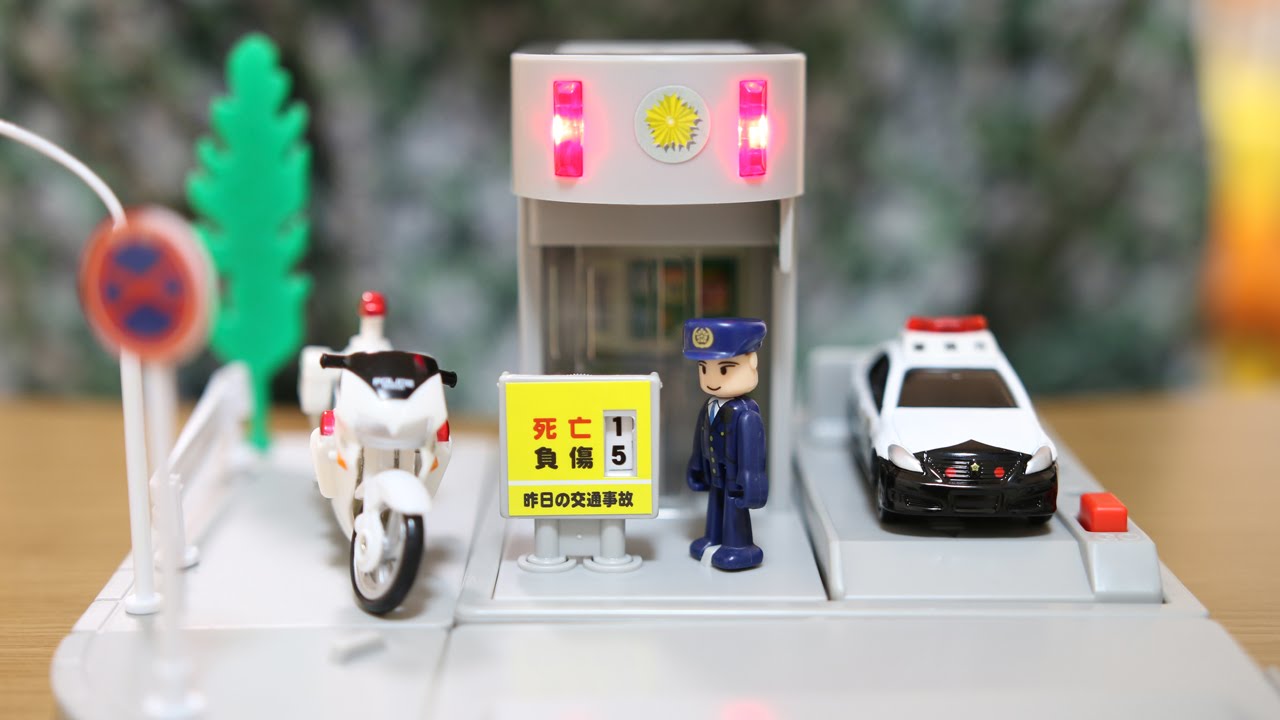
Watching recent events around the globe, it’s easy to see the police as adversarial, but are they? Not where I live. Called kōban in Japanese, this is a small neighbourhood police station found throughout Japan.
Like many things in Japanese culture, coming to an understand of key social concepts and the significance of their meaning to the Japanese takes intention and awareness to fully understand. One must say gaining an in-depth understanding of “kao" or "face", and the gravity of protecting one's face is of paramount importance to successfully interacting with the Japanese.
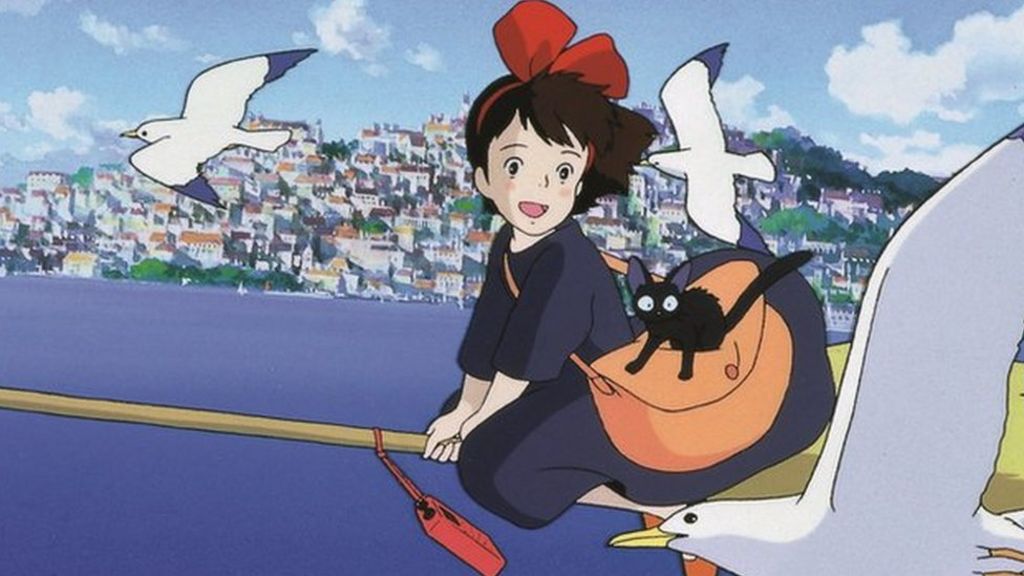
There is a specific reason why one thinks perhaps she has some kind of the special powers, as she continues to conjure up things from other worlds, and manifest them into our world. The first inkling I had that my wife was a (good) witch, is she conjured up our beautiful black cat by doing the following...
Among the most important tenants of Confucius philosophy are the obligations children owe to their parents, the young owe to their elders, students owe to their teacher, and that all people owe to their superiors. These obligations are natural and inherent.
Imagine waking up as an eight-year-old and seeing a stranger sleeping in your living room. For most, this would be a most unusual occurrence, however, not in my childhood household.
Some of the Japanese social conventions took much longer to internalize, and some of these lesson were really tough. The age old custom of the Japanese attaching the honorific san to the first and/or last names of the people one addresses is perhaps one aspect of Japanese etiquette which may seem like trivial nonsense to some foreigners.
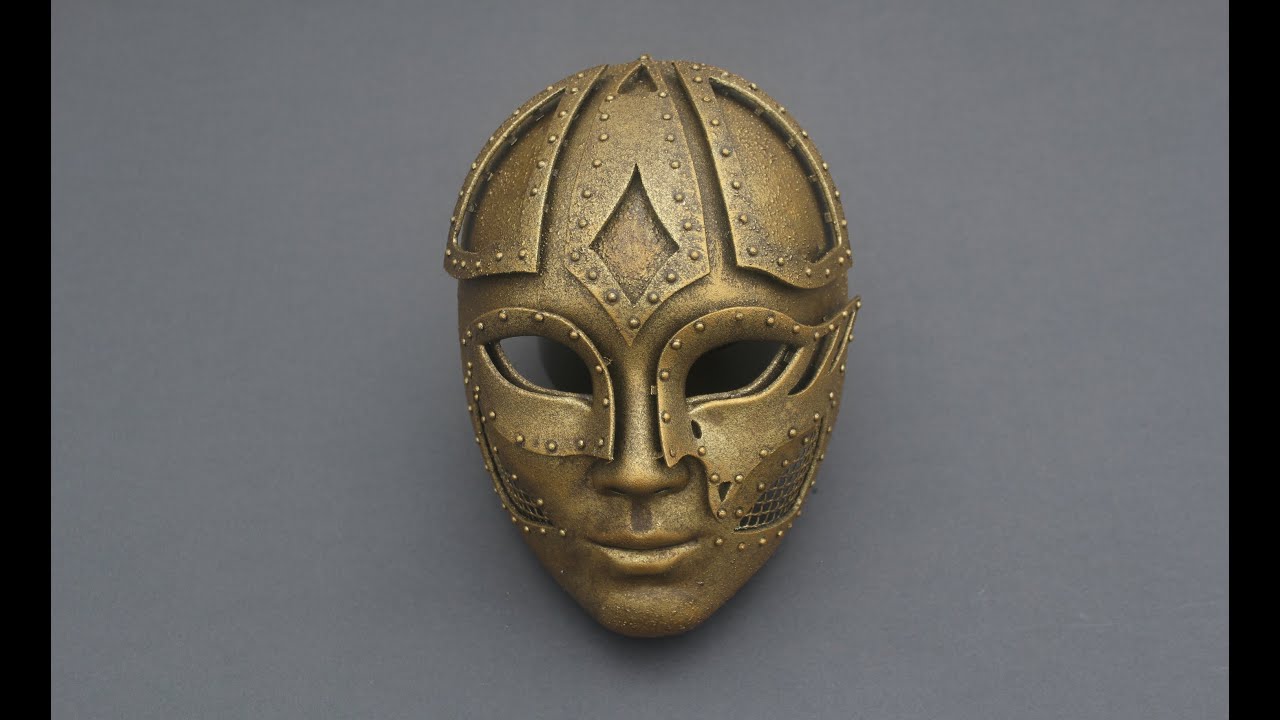
When observing the first winter flu season in Japan, one was quite taken aback by people wearing what looked like white surgical masks. And thought, there are lots of doctors and nurses out and about today. When inquiring to a Japanese friend, as to why the citizens were wearing masks, they replied, “In this season, if you are feeling even a little unwell, you cover your face with a mask so as not to give something unwanted to anyone else”.
A deeper concept than “I’ll scratch your back if you scratch mine”, gaining an understanding into "amae", is to gain an understanding into the Japanese way.Very early in Japanese history the concept of "amae" became a primary principal in the cultural and one of the fundamental foundations of where bonds of mutual trust are build into long, durable relationships.
What does it actually mean to worship one’s ancestors? First of all, there are different ideas about the word “worship” and what it encompasses in a “religious” context. I prefer to use the word “veneration” as can be translated nicely into Japanese as “sonkei”, which I feel to be a little more, “down-to-earth”.
All languages are a reflection of the emotional, spiritual and intellectual characteristics of the people who created them. One could say language is embedded into the speakers DNA. In essence, all languages are social concepts.
Who would have ever thought before the Internet, one could come across a kindred spirit, via a social media platform, and discover so very much in common, based upon our experiences in Japan, now decades ago. In fact, Joe wrote a book about his experience in Japan starting from the early 80s and it was incredible to read of the profound similarities of so many of the experiences we both had back in the 80s in Japan.
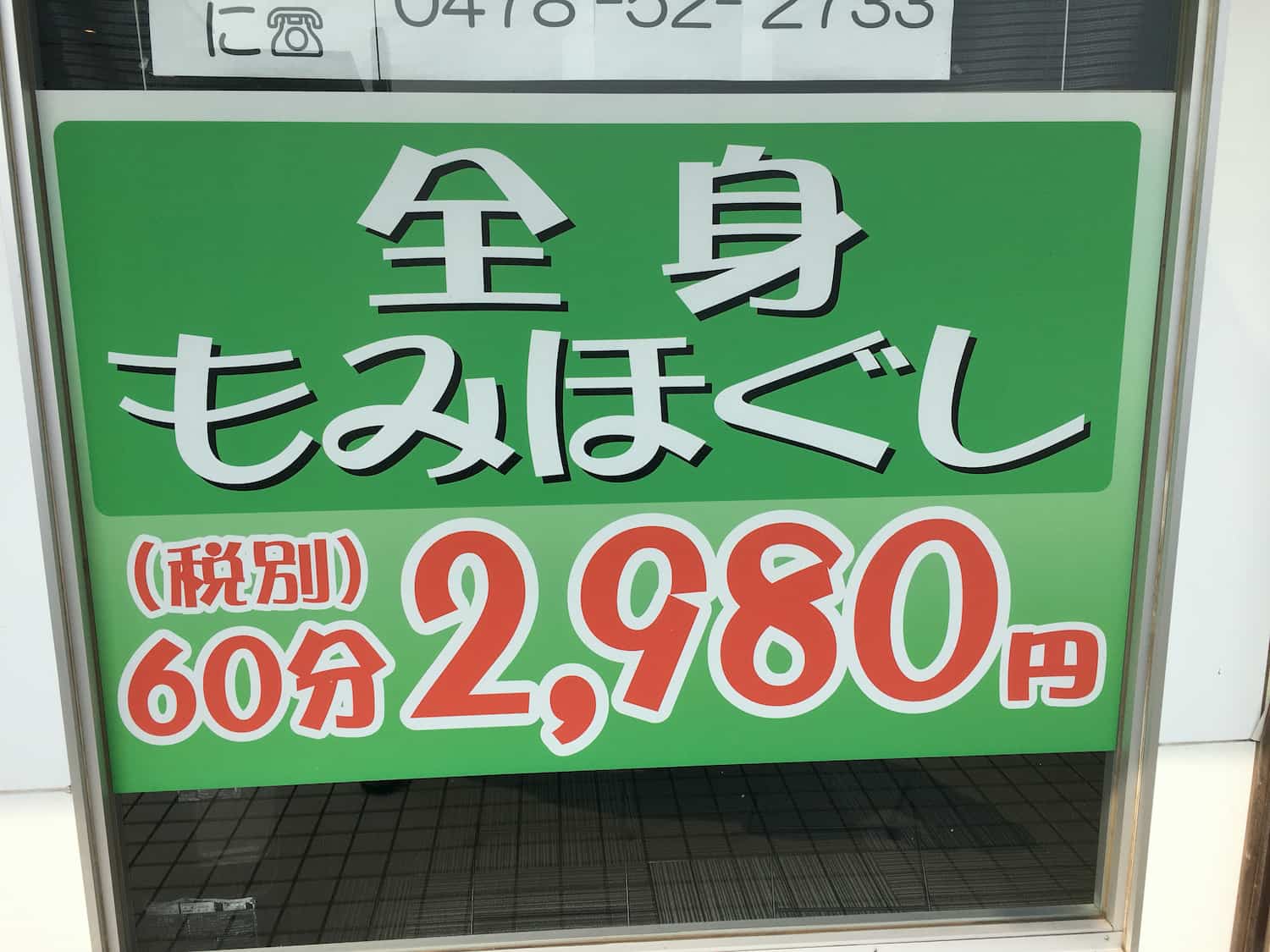
I observed her massaging John in what could only be described as seeing his painful grimacing, this obviously highly skilled massage therapist was working on a man one and a half time her own size, and getting deep into his tissue. After this experience, we anointed this remarkable woman “Needle Fingers Granny“.
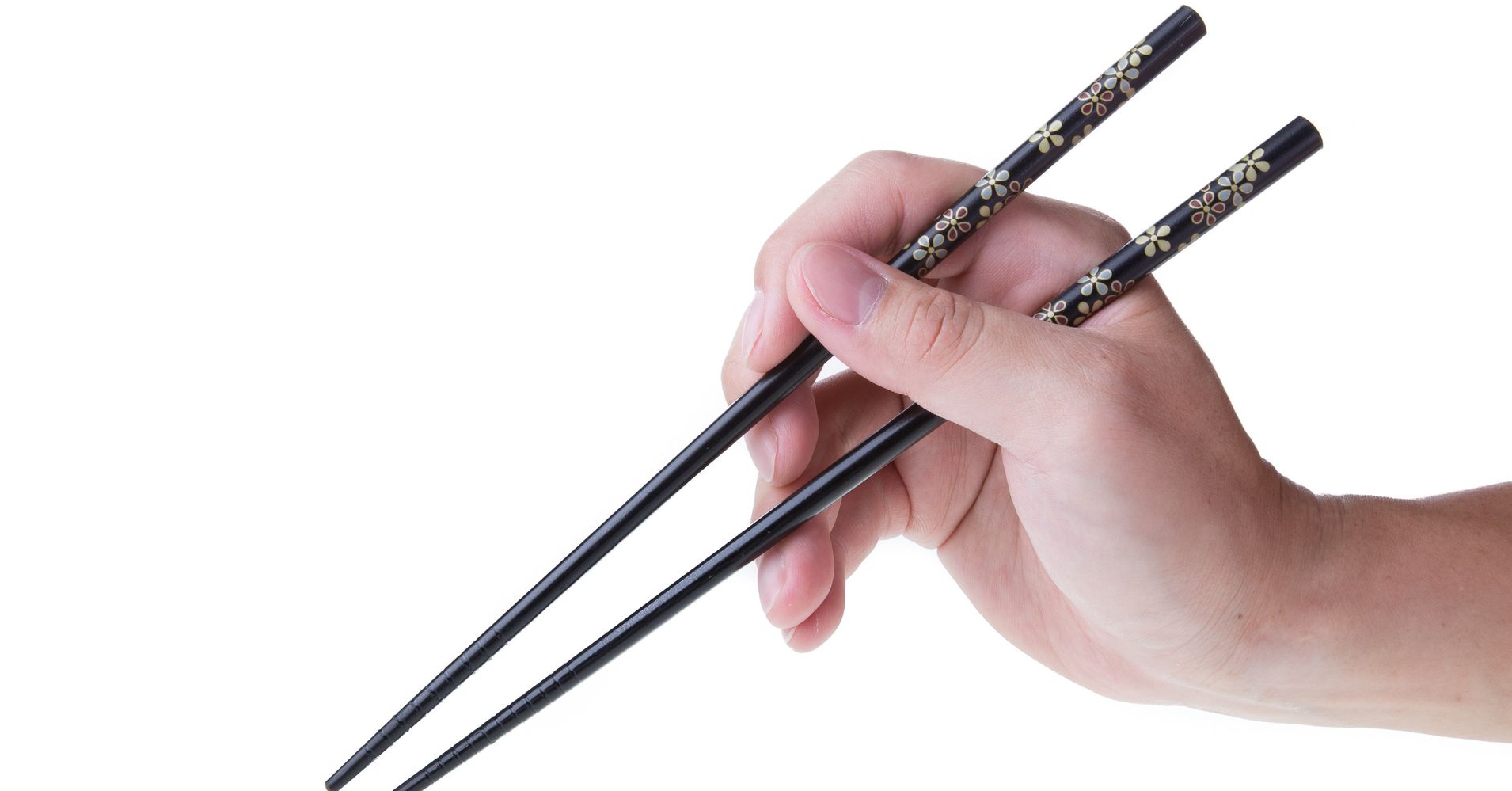
The concept around eating is fundamentally different between cultures and is reflected in the utensils, or lack there of, used to eat.
Perhaps the most valuable book until now for me is called: Japan and the Shackles of the Past, by Emeritus Professor R. TAGGART MURPHY.
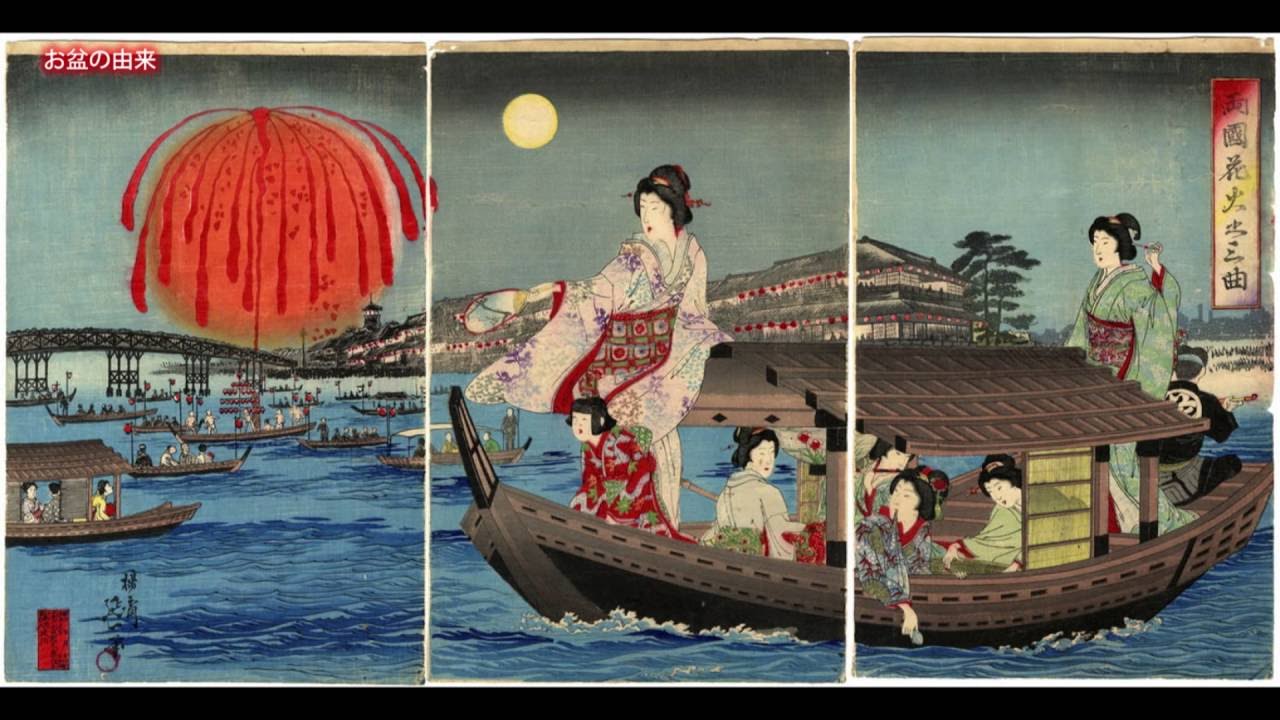
One of the most important holidays in Japan is smack dab in the middle of sticky and humid August, and this is known as “OBON”.
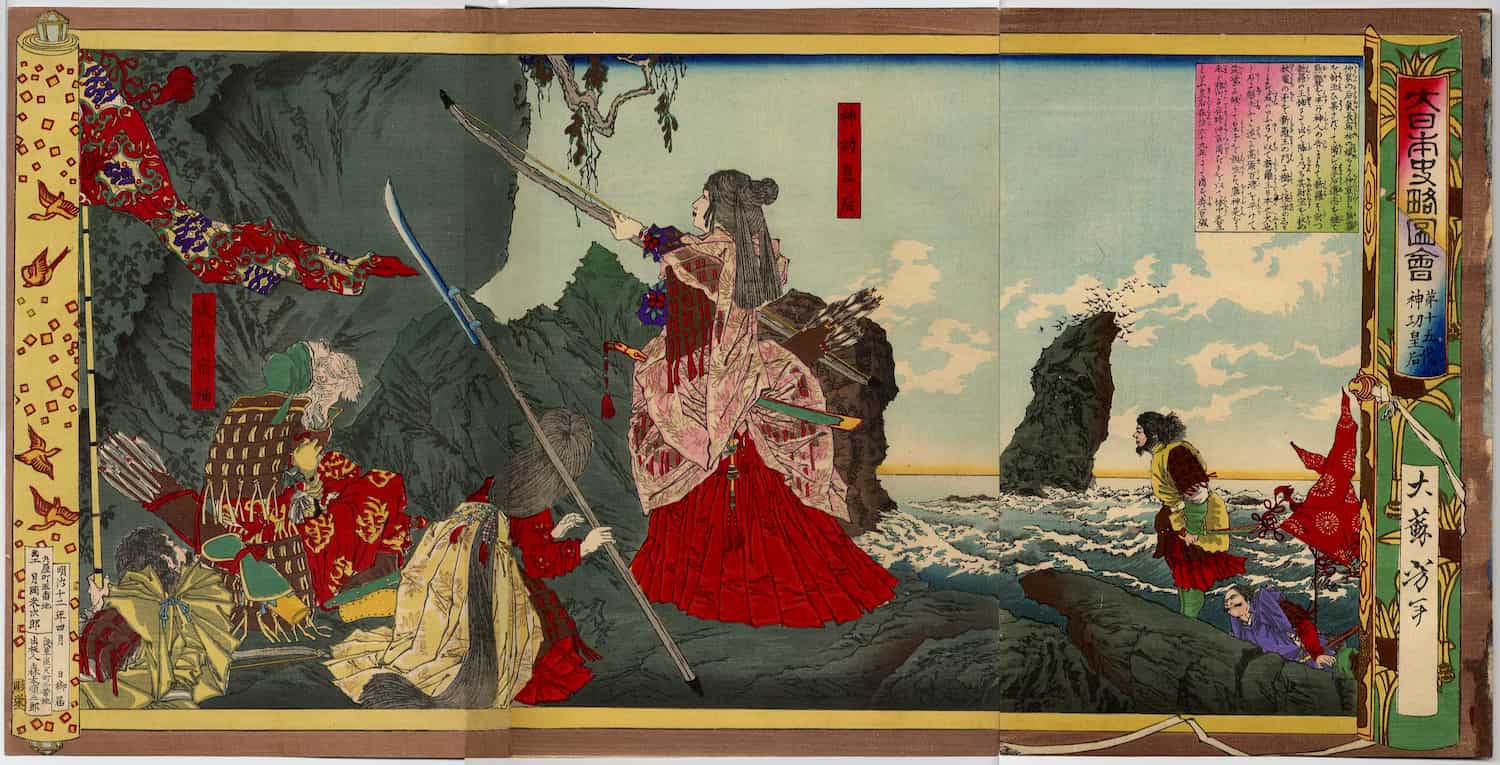
Onna-bugeisha women warriors were known to be to be every bit as strong, capable, and courageous as their male counterparts.
This young women dream to become a Merceds Benz mechanic has turned into reality. Next year from April she starts out on her special journey fixing Mercedes Benz, with not only high level mechanic skills, but with the warm and tender touch that can only be brought to the job by a motivated and subtly powerful woman.
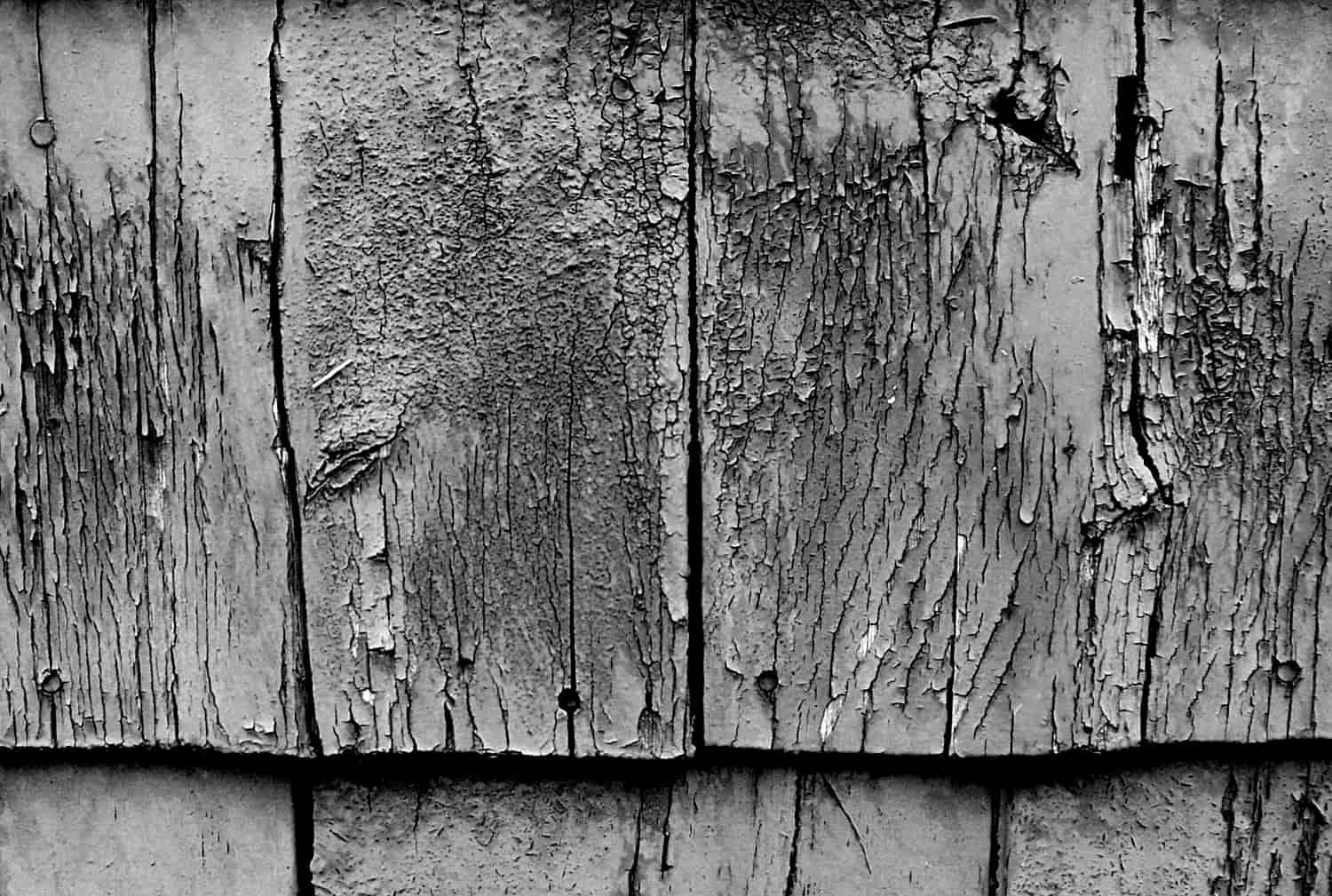
I was never consciously aware of wabi-sabi, but like many unspoken mysteries of Japan, awareness of wabi-sabi is an innate trait in the spirit of the Japanese. In traditional Japanese aesthetics, wabi-sabi (侘寂) is a world view centered on the acceptance of transience and imperfection.
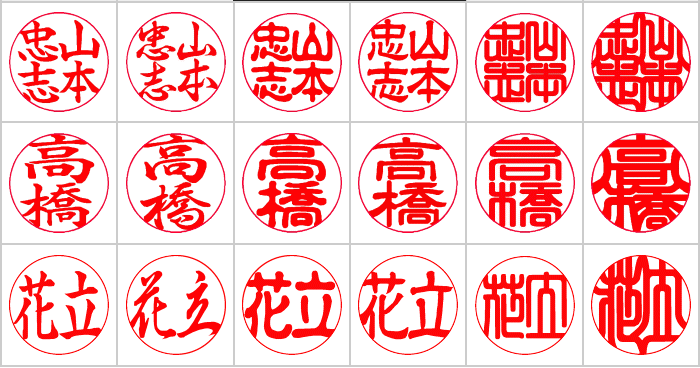
The personal seal is a piece of stone engraved with your family’s ideogram, or in my case the first three initials of my name. Company chops have elaborate engraving of the company’s name, and these designs are complex and extremely difficult to duplicate.
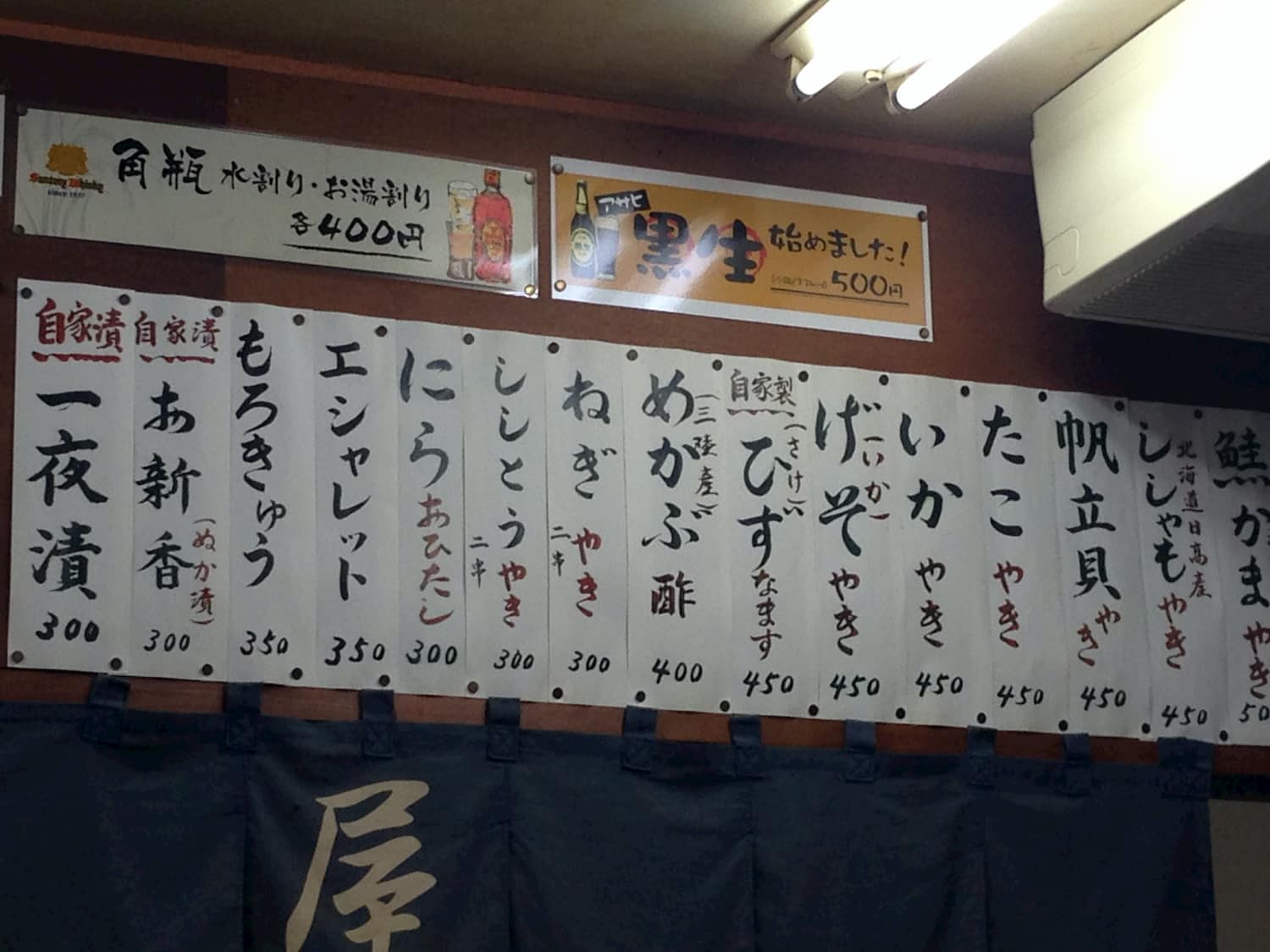
The server gruffly pointed to a seat at the very narrow counter where the patrons were elbow-to-elbow, snarfing skewers and quaffing drinks. This is where a cheap wet towel was then slapped in front of me and I was tersely asked “what da ya wanna drink!
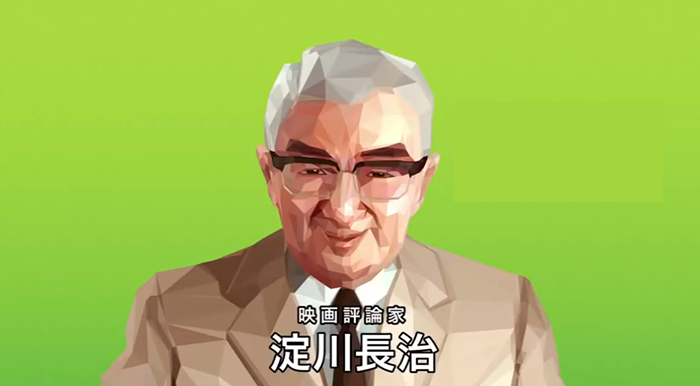
One of the most important film critics of all time. Nagaharu Yodogawa devoted his life to the cinema.
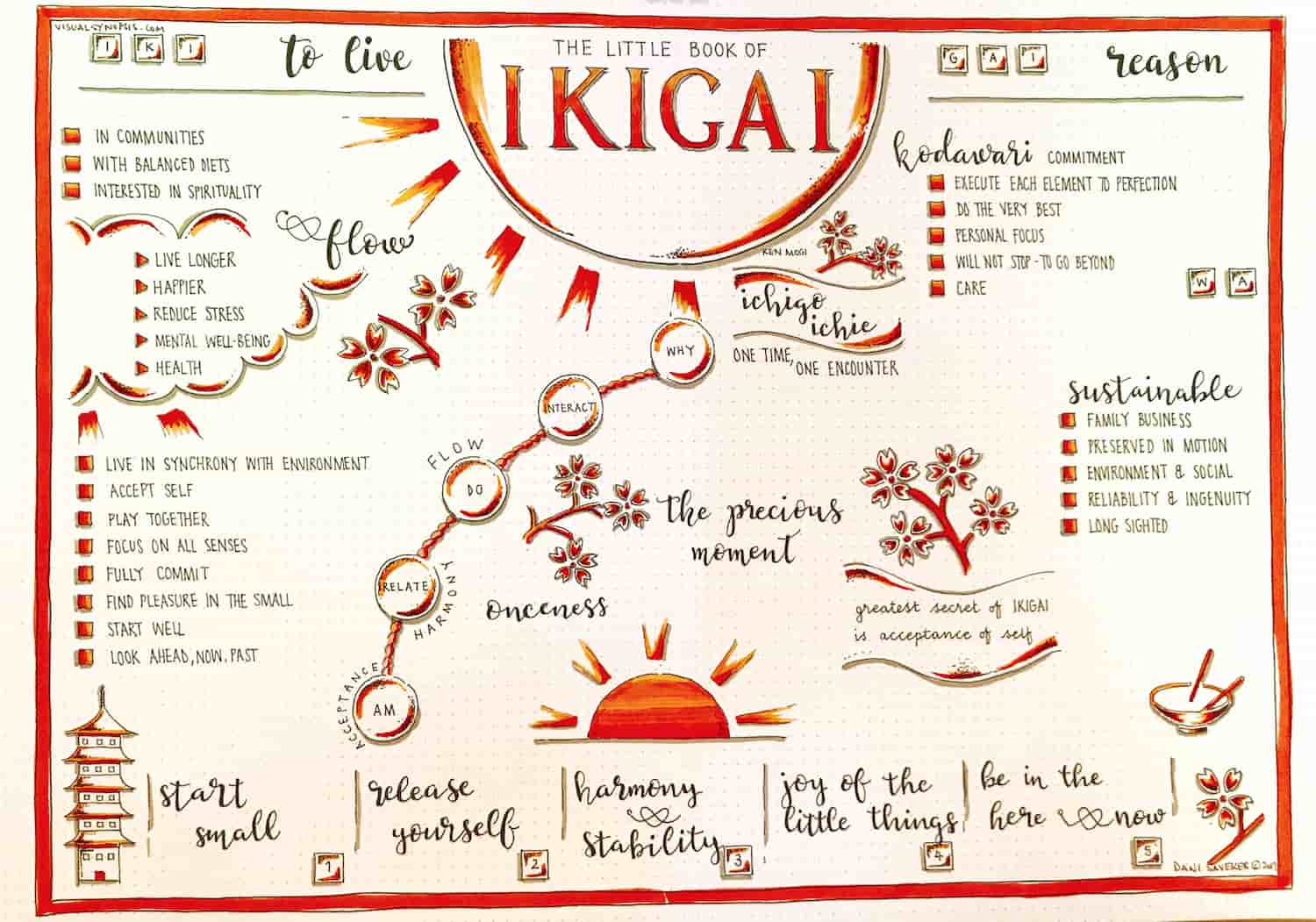
Indeed, understanding ikigai will lead to ΩNE's own fulfilment, as all search for, and discover the meaning to one’s own life.
Traditionally, the Japanese women were happy to be stay-at-home mothers, running the house, taking their children to their extracurricular activities, and visiting with their friends.