Dentist Bros
Every generation hopes its children will enjoy a better material life than the one it inherited.
In Japan, that aspiration became especially powerful as families worked tirelessly to push their family tree ever higher up the material ladder.
The memory of war and the deprivation it wrought remained vivid in the minds of those who rebuilt Japan.
As the nation entered its second great wave of industrialization, the diligent salaryman and the devoted kyōiku mama shared a common ambition—to see their children enter the respected professions.
It is within that cultural landscape that the story of the Dentist Bros begins.
Flashing back to my childhood, I had the good fortune to be treated by a second-generation Japanese dentist—the gentle and dexterous Dr. Richard Mori.
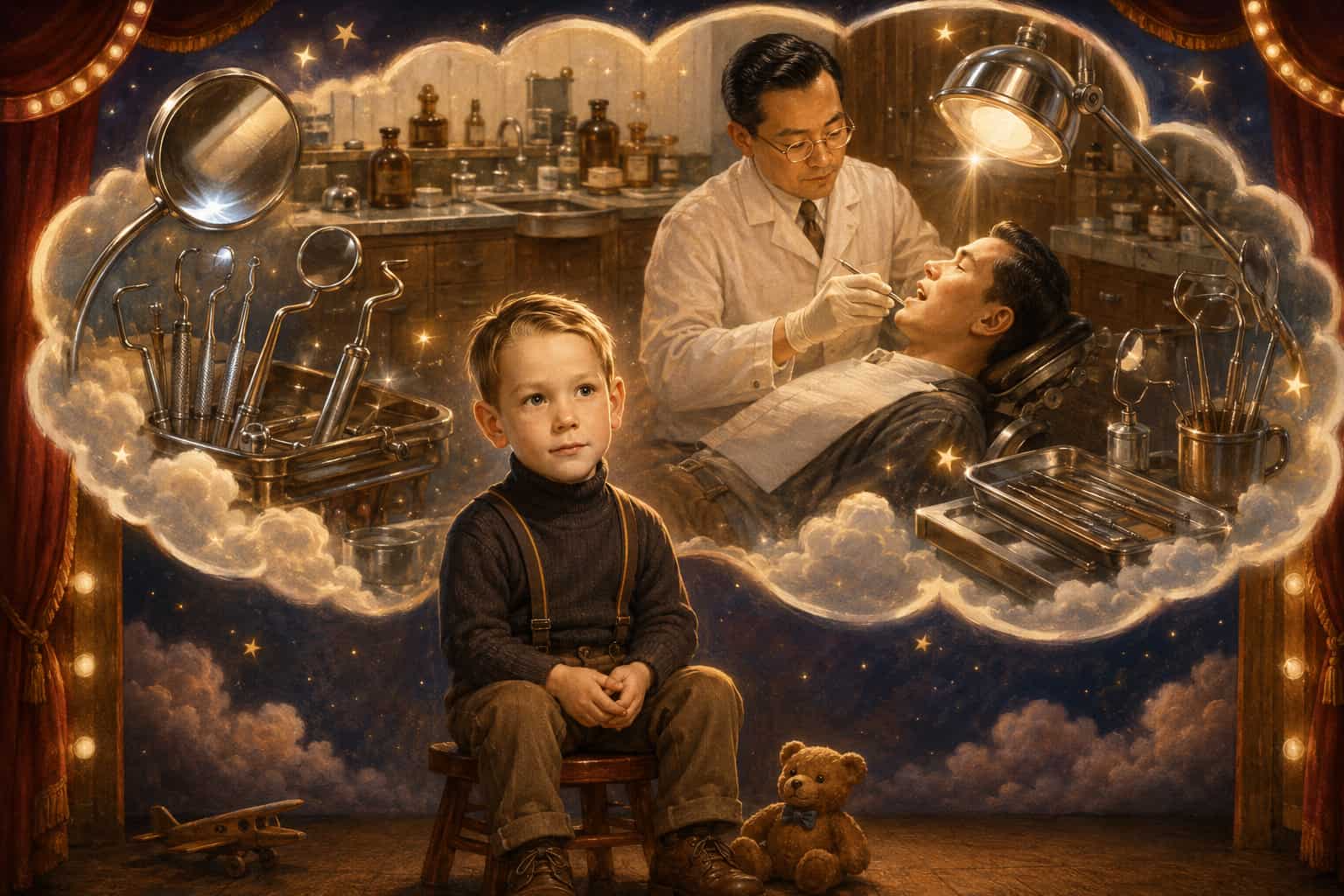
Although Dr. Mori could not speak a lick of Japanese, there was something unmistakably stoic and Yamato about him.
His hands carried the meticulous precision of a master craftsman, and every movement reflected a lifetime devoted to dentistry.
Having arrived in Japan before modern dentistry had become widespread, I was astonished by the general condition of people's teeth.
Children often suffered from unchecked tooth decay, while grandpas and grannies smiling with mouths full of gold fillings were a sight to behold.
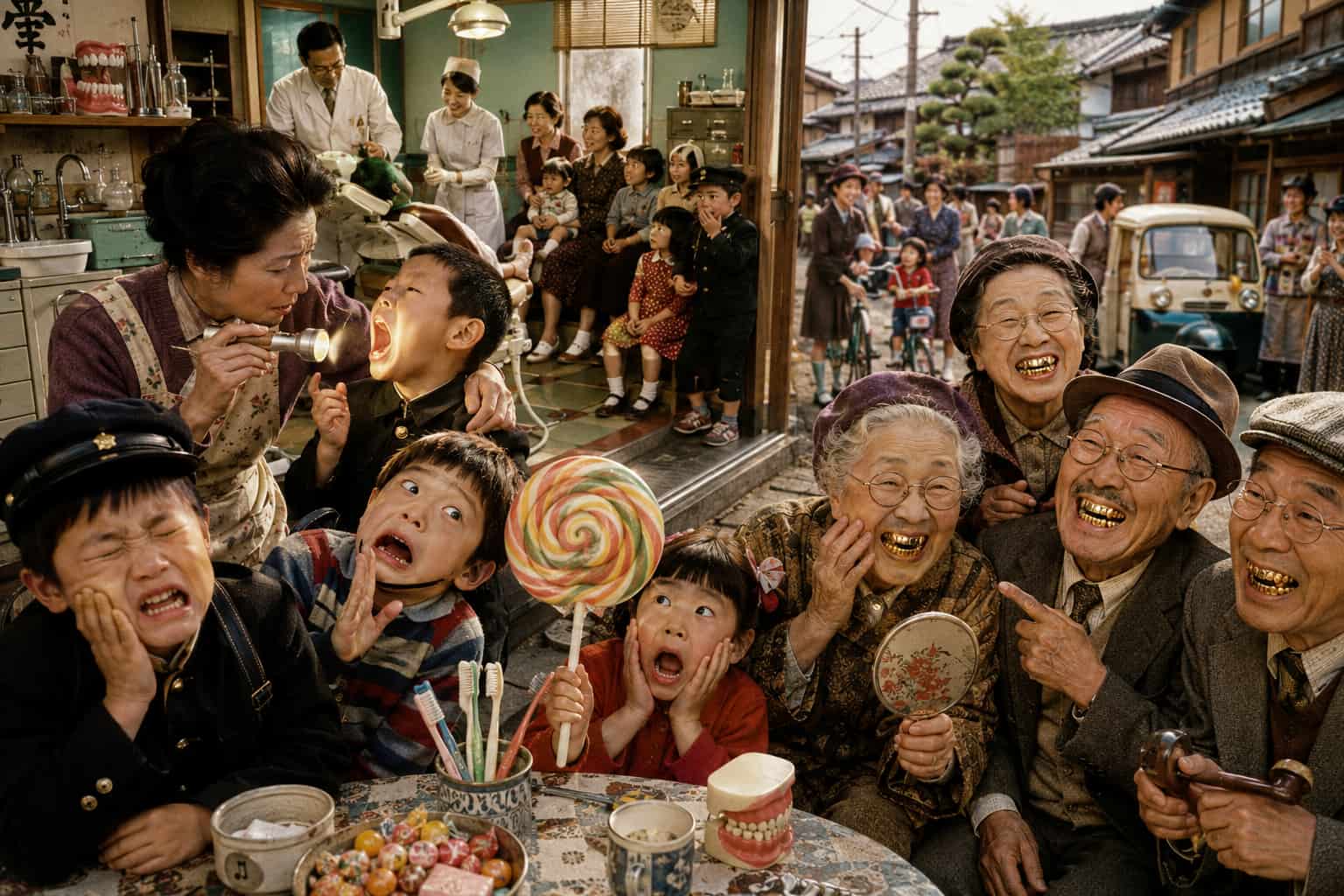
Like every profession, dentistry has its share of quacks and fraudsters—those who exploit the system while producing extraordinarily shoddy work.
Although Japan’s medical system provides broad dental coverage, every profession inevitably attracts individuals more interested in extracting money than pursuing excellence.
The exception, of course, is Dr. Katano—my long-lost master dentist.
The story of the Dentist Bros is not actually about dentistry.
It is about the determination of parents to shape their family tree according to a vision they themselves had been taught to accept without question.
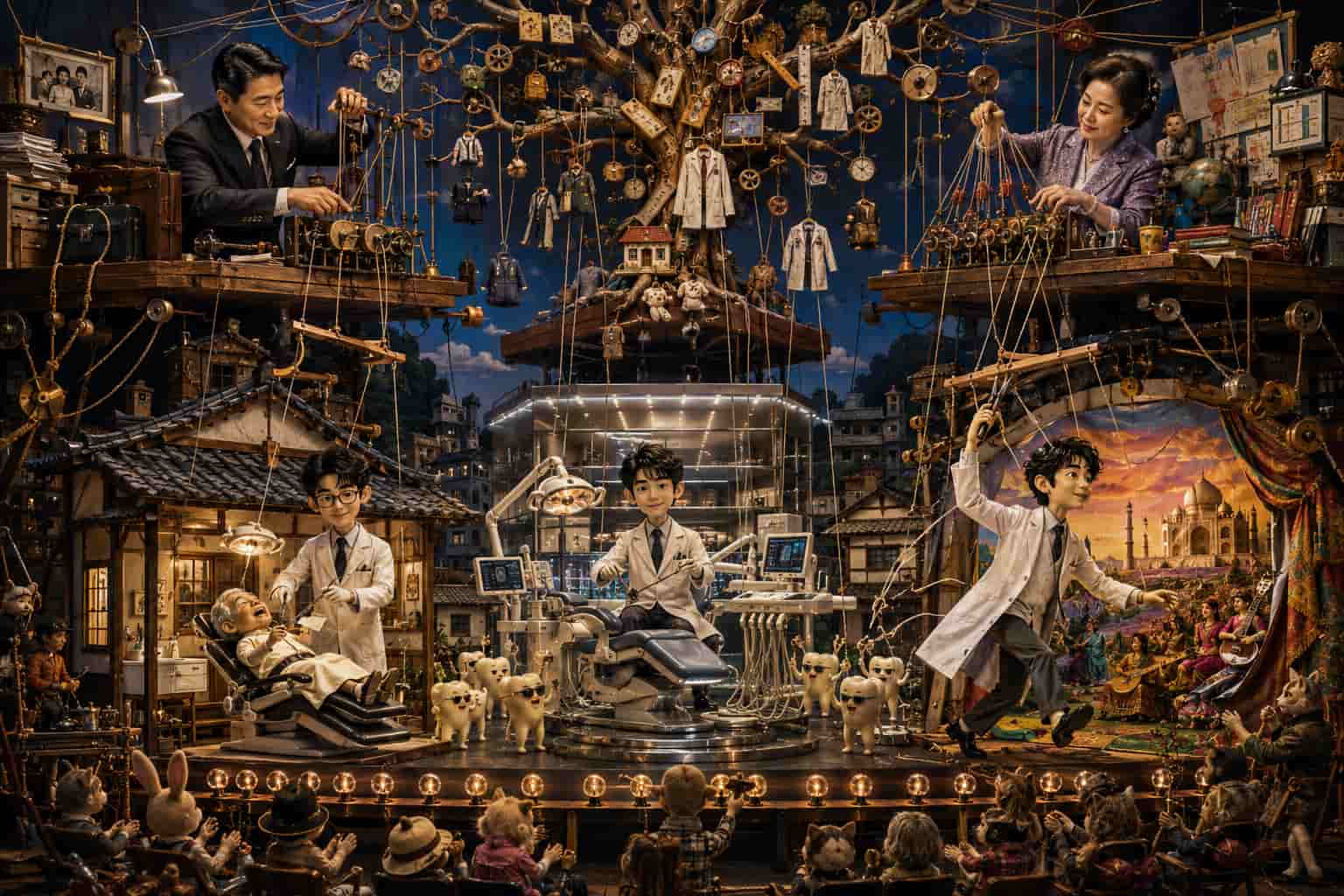
Indeed, in that process, the individual calling of each child received little consideration.
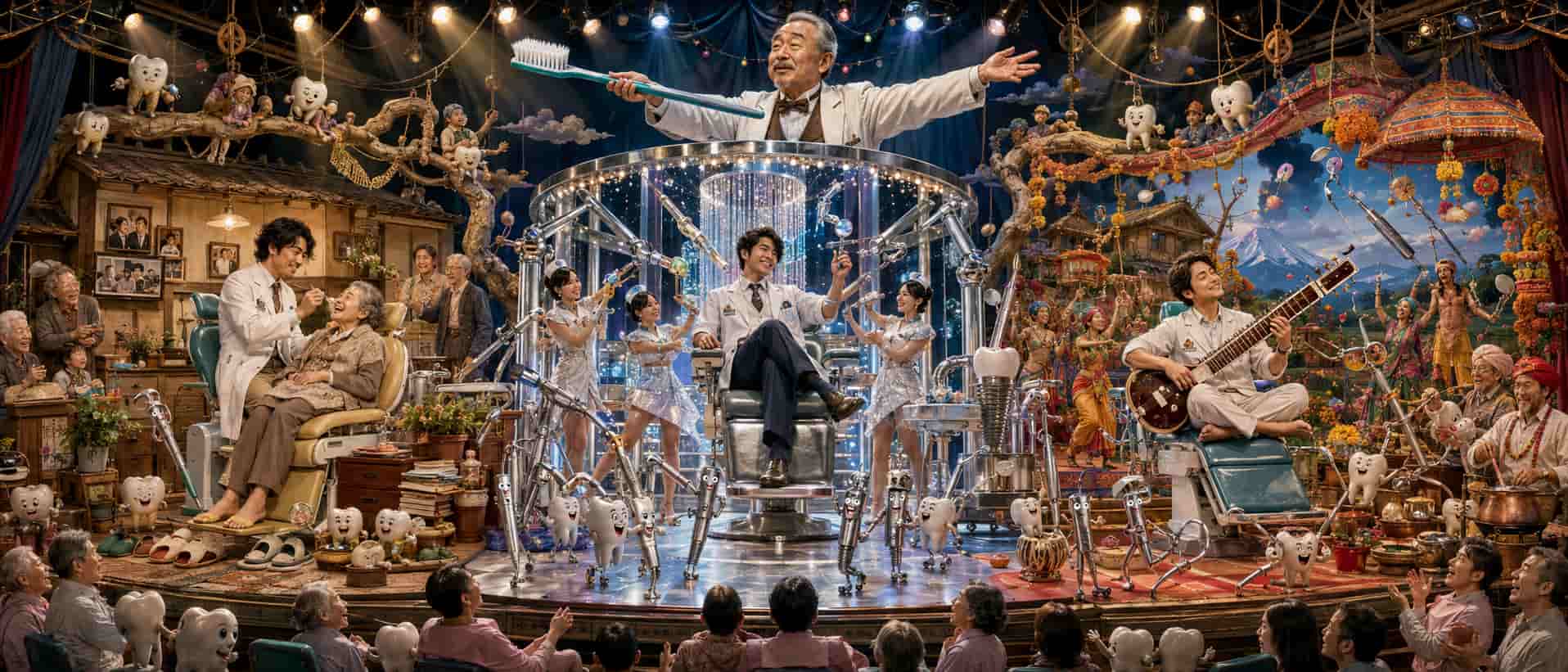
Mr. Sugaya, the patriarch of this particular Neo-Clan, had already drawn the blueprint in which all three of his sons would become dentists, whether or not they believed dentistry was their destiny.

Regardless of their individual wishes, the dentistry plan was carried off without a hitch.
The second son became exceptionally successful, riding the early wave of implant technology as it transformed modern dentistry.

The eldest son—my dentist, and an outstanding one at that, although now retired—accepted the traditional responsibility of caring for his parents.
As is customary in Japan, he established his practice in a small city, where dentistry became both his profession and his filial duty.
The youngest brother wandered farther from home, where he discovered India and became an accomplished sitar player.
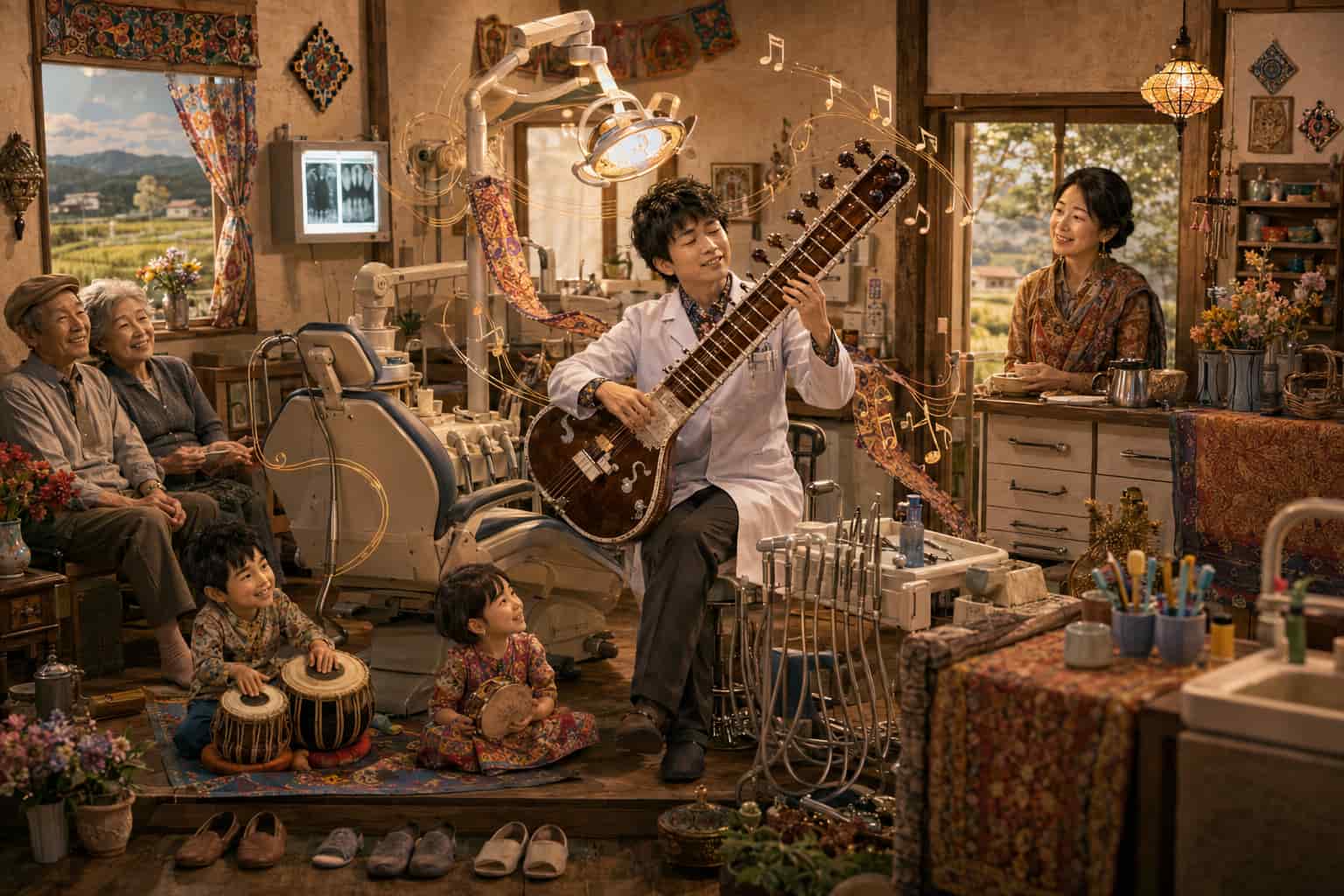
He later married, returned to rural Japan to raise his family, and opened a dental clinic of his own—completing the family’s remarkable trilogy of dentists known as the Dentist Bros.
This brings us to the crux of the matter—the hidden question surrounding personal destiny: the wishes of the parent versus the calling of the child.
More often than not, it is wiser to release the child into the wild and allow that young free-range avatar to discover a trajectory of their own.
Parents frequently act through a clouded mind, repeating what society has declared to be respectable, secure, and successful.
University is presented as the only sensible road forward.
Yet that road is not always aligned with the deepest nature of the individual or with the place they innately and instinctively wish to reach.
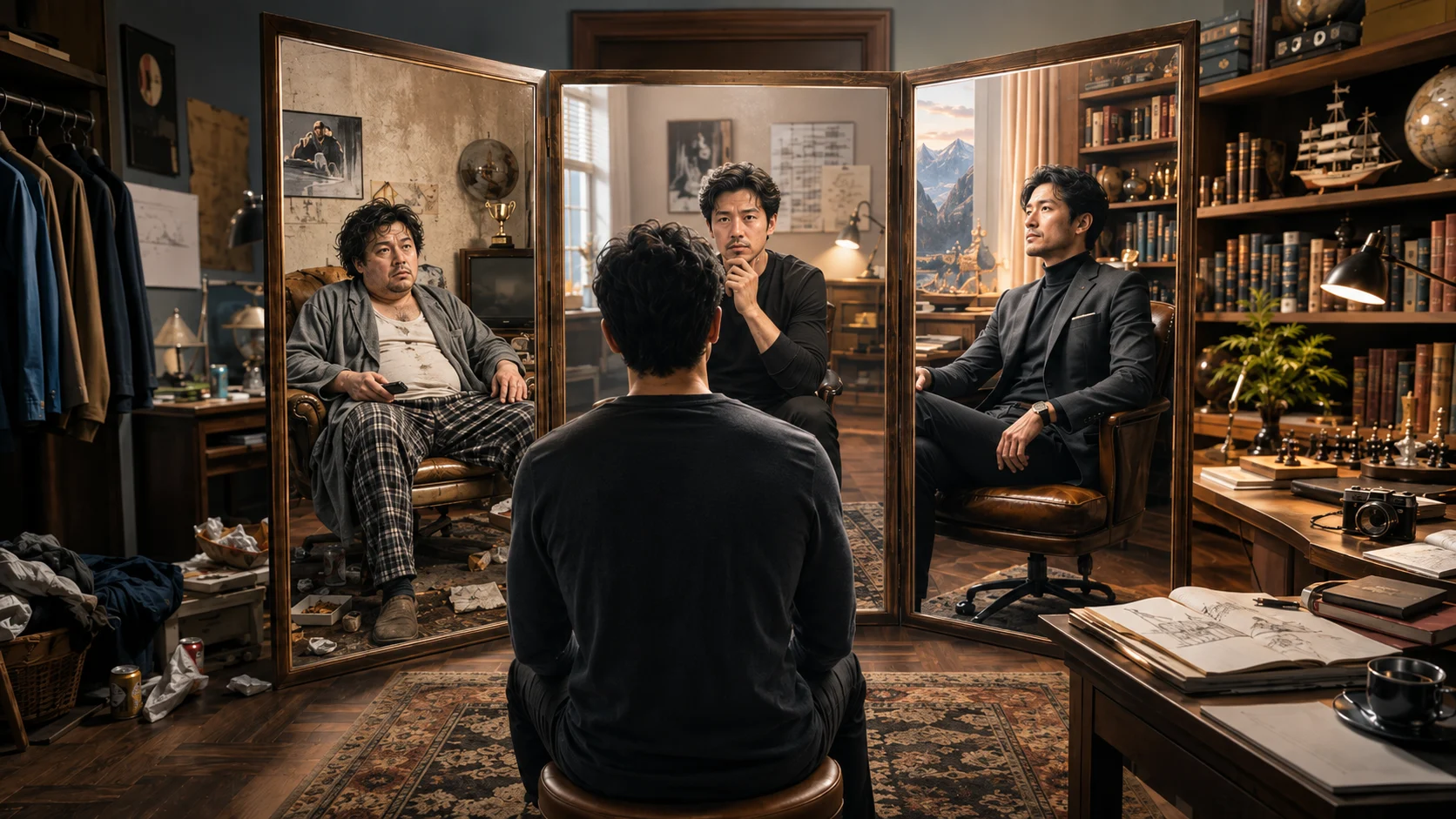
A free-range avatar must ultimately live the life that calls from within—not merely the life imagined by someone else’s whim.
Parents can provide opportunity, discipline, and guidance, but they cannot manufacture purpose.
The discovery of the personal journey belongs to each individual alone.
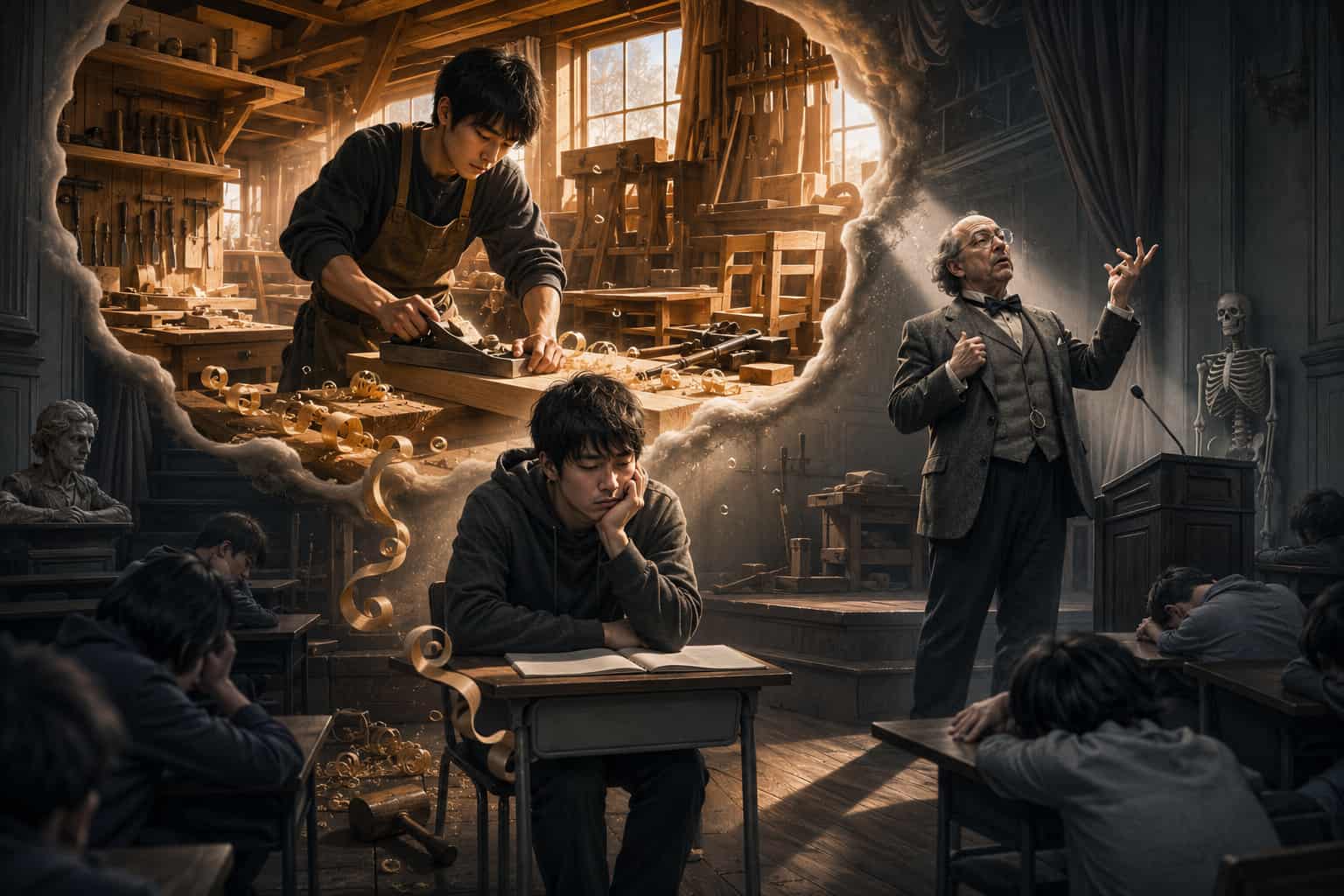
There was also the tragic story of a man whose deepest desire was to become a carpenter.
Long before he was forced to enter university, he could already see the woodworking workshop inside his dream.
Yet instead of following the trajectory shown to him by Seity, he was expected to attend university and pursue a future that belonged to someone else in his family.

His own dream was crushed beneath the boot heel of someone else’s reality.
His sister was brought in as the heavy gun, recruited for the sole purpose of badgering him into submission until he surrendered to the will of the family.

It was a genuine tragedy.
The unfortunate would-be carpenter lived a life of depression and misery, eventually becoming a sour and bitter human being.
University gave his life neither direction nor genuine meaning, and he slowly crumbled beneath the weight of his deluded family team.
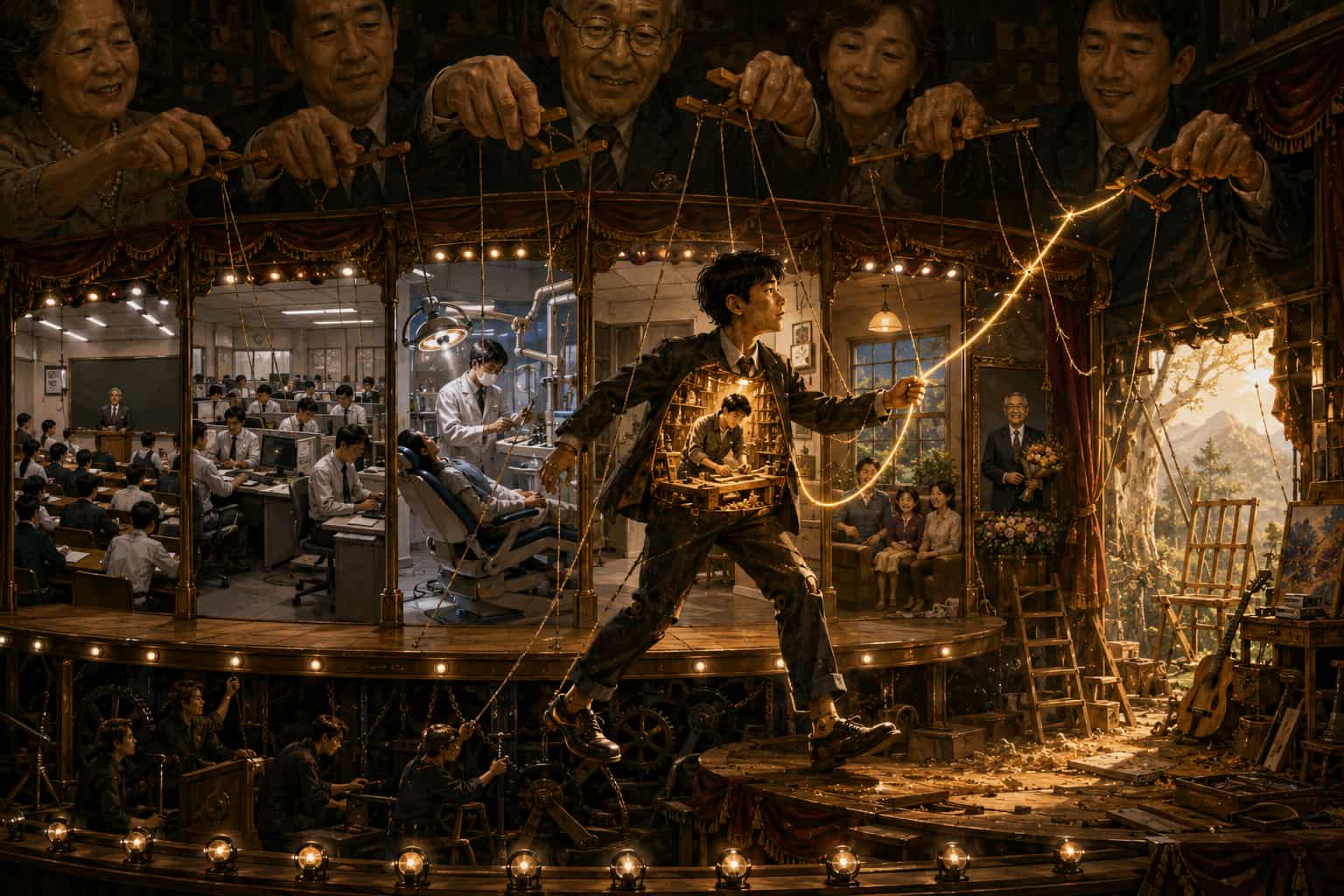
Follow the dream so that you can continue growing as a human being, no matter which path is chosen by Seity.
Of course, for many people, university is exactly what they need.
Those destined to become physicists, engineers, philosophers, or scholars are answering an innate calling.
They are the ones who pursue their field for the love of it—not merely for the money.
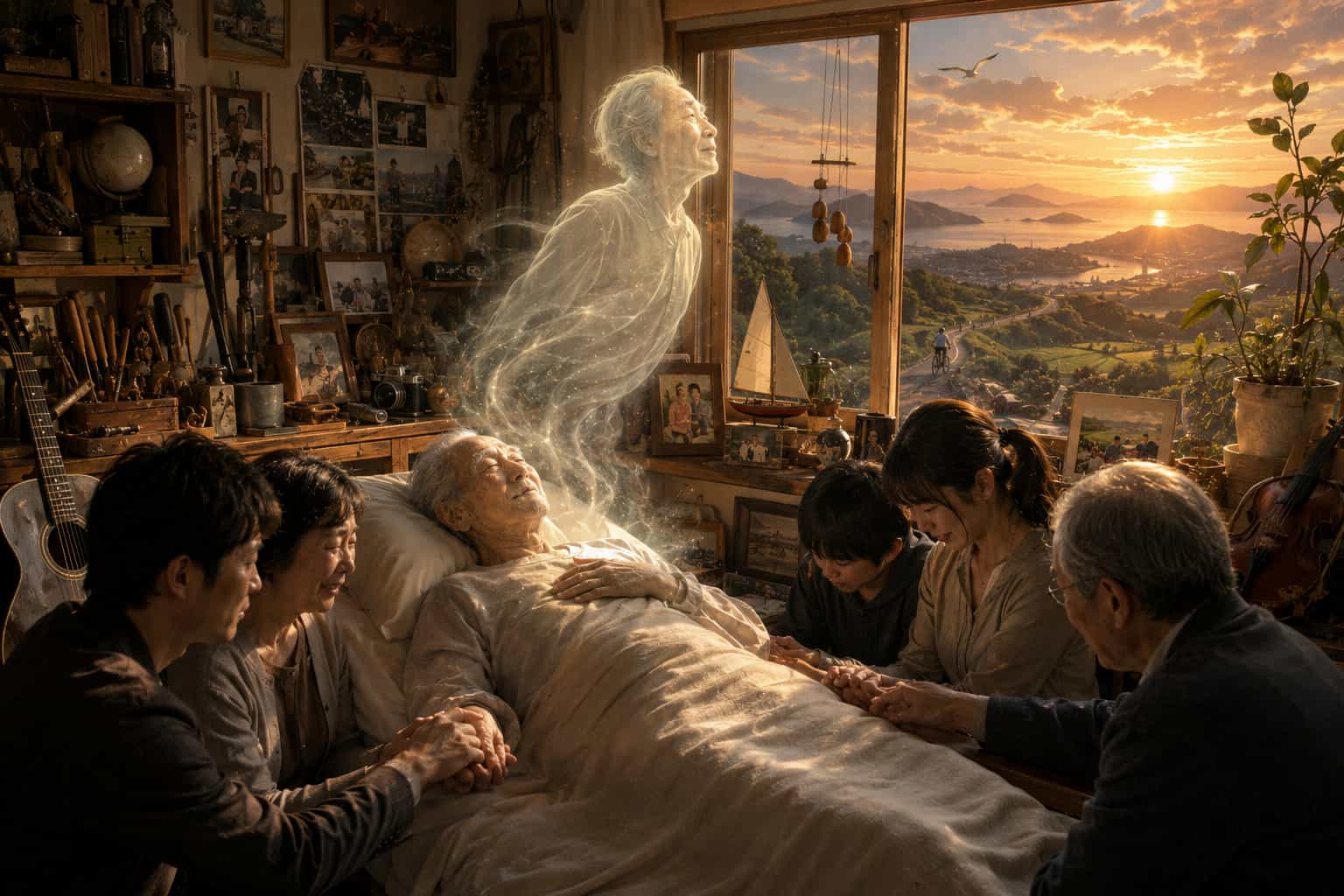
Satisfaction upon the deathbed is a noble goal—to know that you lived life to its fullest and never became a system clone.
Living on your own terms and making a fulfilling journey through this earthly quantum field is the life that is viscerally meaningful—and the essence of what is real.