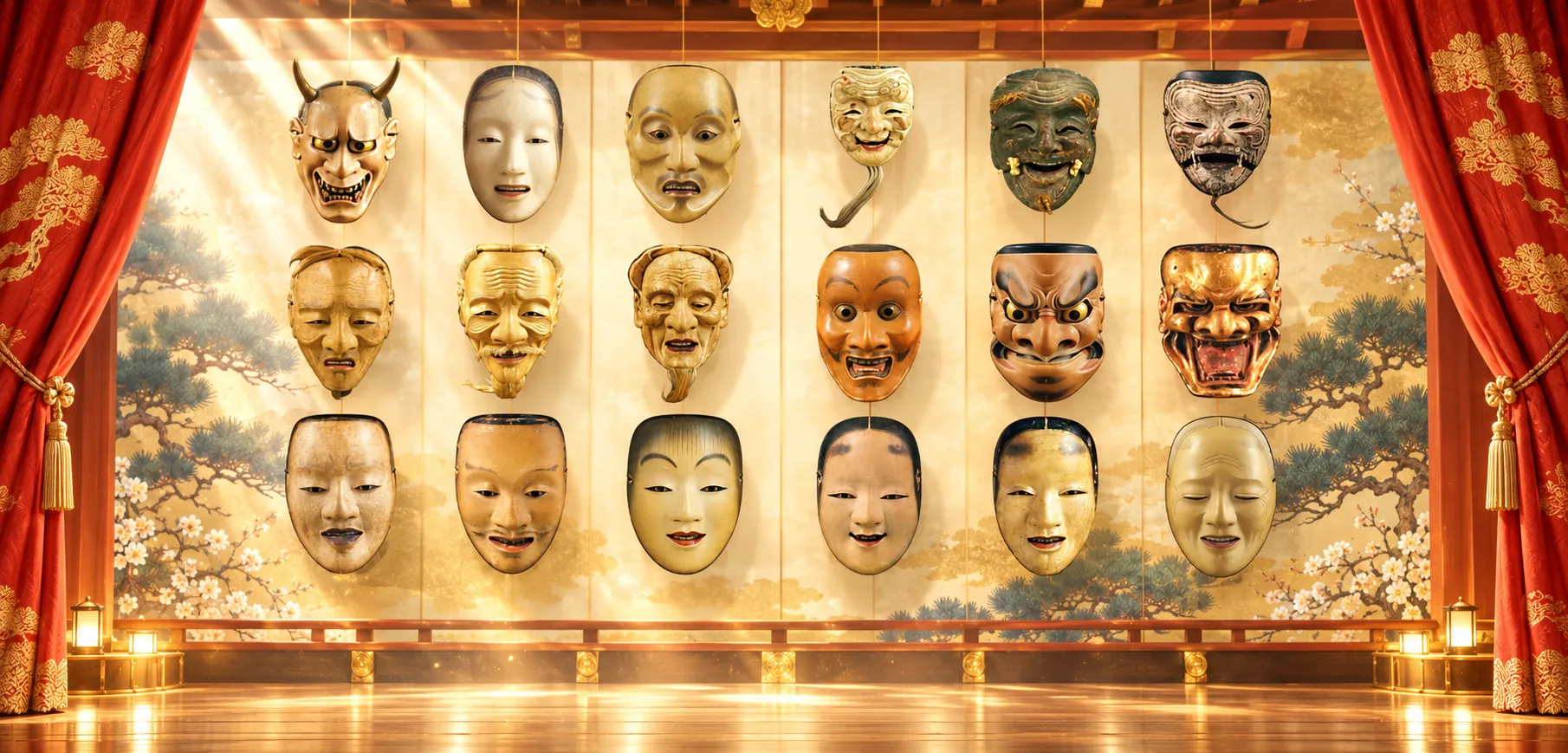
Drama
Recalling the past as though it were a stage play can be both a blessing and a burden. Those whose memories replay their own history vividly will know exactly what I mean.
Some of my earliest memories reach back to the age of two or three and have accompanied me on my sublime journey following the sun. The challenge has been to revisit them without falling into the doom loop of rumination, lost purpose, and ennui.
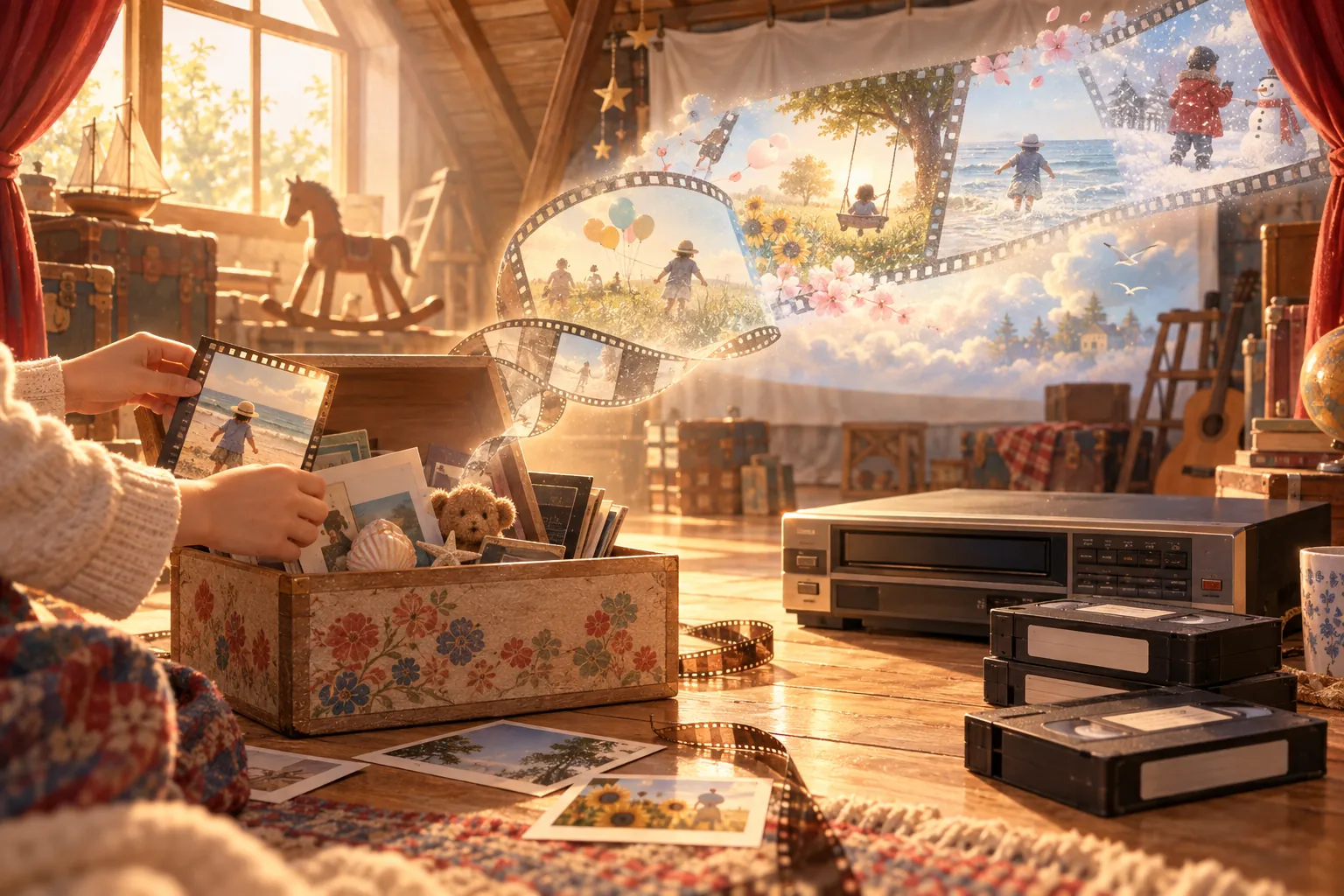
I look at the memories, then put them back in their box. The past is a dream, the future a vision, and the present the magical movie theme that becomes a memory at the start of the very next scene.
Which brings us to Dean.

Agnes Rudden—known to all simply as Dean—holds an exquisite place among my earliest childhood memories. The impeccable Maggie May took her five-year-old son to Dean’s improvisational drama class, where this eccentric and delightful teacher first introduced me to the magic of the stage.
That class sparked a love of drama—musicals, stage plays, and movies—that has stayed with me ever since. Looking back, I can also see the beginnings of what would become the Animating Intelligence Engine philosophy.
For that, I thank the master drama teacher I still love to this day. Even though she has long since passed away, she will always remain—the one and only Dean.
One lesson still plays in my memory like an old VHS cassette on repeat. I can still hear what she actually said to me: “Life is a play, and you will always be the star—if you so choose to be.”

Her words have stayed with me as I have always seen my life as a stage play, full of twists and turns, reversals, and the coming and going of the supporting players. At times, the performance slips into a farcical comedy—what the Japanese call chaban geki—and all I can do is laugh at the absurdity of life’s many crazy scenes.
I have been fortunate to live amid the material abundance of the Great White North and Japan. Across both acts of my personal play, Dean’s lesson has always remained as a reminder to take an active part in my own life—to choose how I enter and exit a variety of phantasmagorical scenes.
Dean’s lesson resonated even more deeply within me when I came to Japan and began to understand this culture and its different ways of thinking.
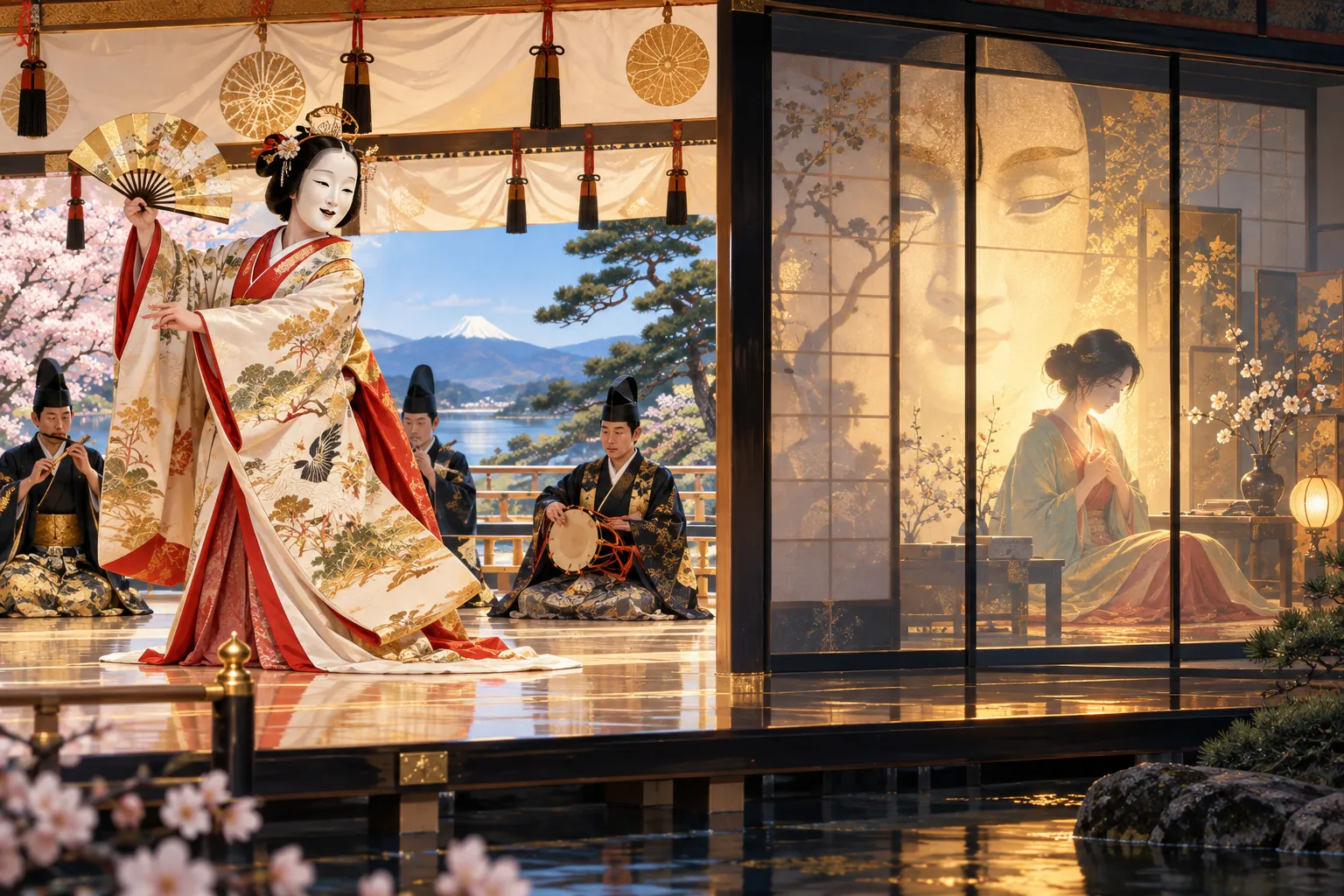
The Japanese can be dialed into a world constructed like a chaban geki—perhaps it is woven into a fabric of reality in which everything unfolds upon two separate stages.
The esteemed Professor R. Taggart Murphy, author of Japan and the Shackles of the Past and former Professor of International Political Economy at the University of Tsukuba’s Tokyo campus, saliently described tatemae as “a constructed reality to which everybody pays lip service.”

When he explained it like that, the light switched on and the audio dial jiggered itself onto the proper frequency—the a-ha moment: Oh. Now I see.
I remain deeply grateful to Professor R. Taggart Murphy for illuminating tatemae and opening the doorway into its other reality.

The next logical step was to understand honne—the feelings and intentions a person most often keeps private, embedded deep within the Japanese cultural DNA. Yet I came to understand honne as something deeper still: one’s mentated truth, arising from the core sentient being.
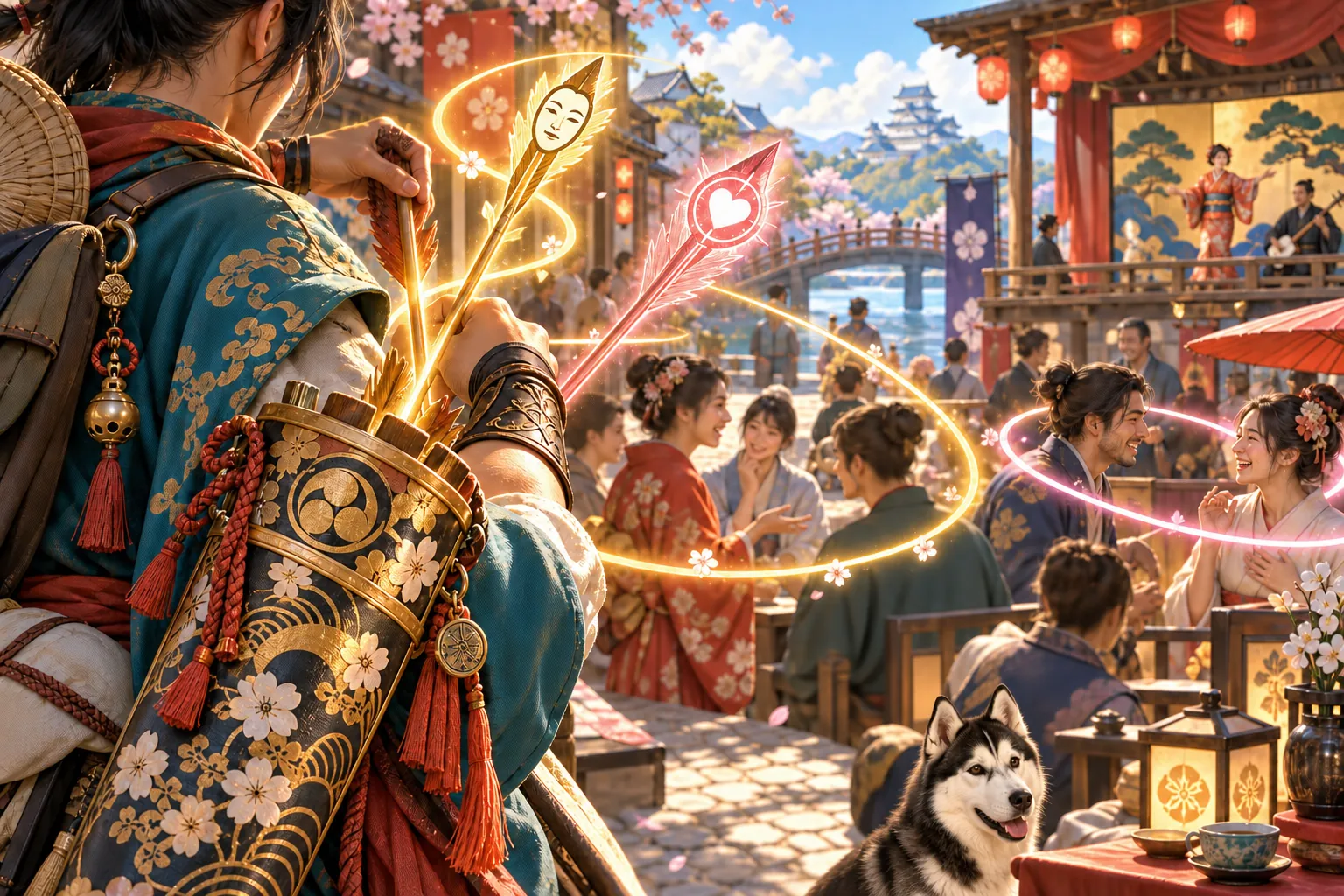
Just so you know, the quicker you comprehend these two essential Japanese protocols, the sooner you can anticipate the direction of a conversation while navigating the narratives scripted within Japanese.
The sooner you know when to draw these arrows from your magic quiver, the more gracefully you can navigate through Japanese society while creating a life full of purpose and meaning.
Always keep in mind that two stories are being told at the same time. One is the “constructed reality to which everybody pays lip service.” The other arises from the true sense of the inner being.
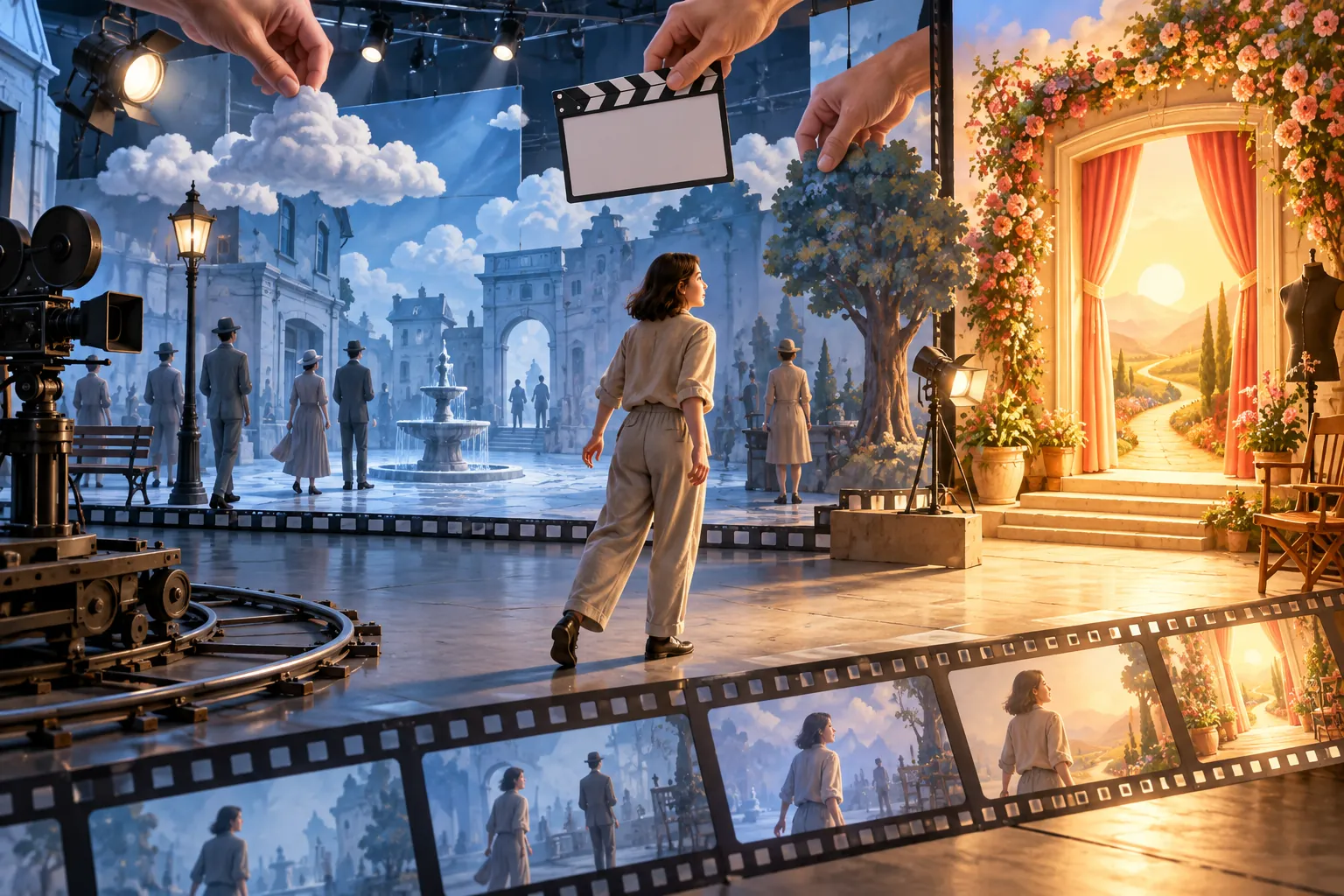
This is the essence of Seity—your inner voice informing your sentient being. Remember: life is a stage play, and things are rarely what they seem.
More often than not, the loud voice of the selfish ego takes control, creating a struggle within the personalized reality field.
What you may not yet fully understand is that when you unconsciously and mechanically pay lip service to the constructed reality—without recognizing that it belongs to someone else’s story—you are not living as your authentic self: not as a free-range avatar, nor as a meta-conscious sentient being.
There you are, acting as a character in someone else’s movie—wandering around as an expendable extra through someone else’s dream.
Until you realize this, you will continue spinning your wheels, caught in the manic and fragmented daily crisis of those who have lost their sense of purpose and forgotten what it means to be an authentic, holistic human being.

That is why it is imperative for the mind to grasp these two protocols, so deeply ingrained within the Japanese cultural DNA, no matter where in the world you originally come from or where you sit today.
When you enter the sacred land of Japan, play your hand carefully and see reality for what it actually is. Follow the protocols of honne and tatemae, step inside the Japanese scene, and have a laugh at the comedy of life as a sentient being acting your part upon this worldly stage—or, as the Japanese might say, laughing inside the chaban geki.