How Japanese View Death
How The Japanese View Death
My cousin posted the following on social media.
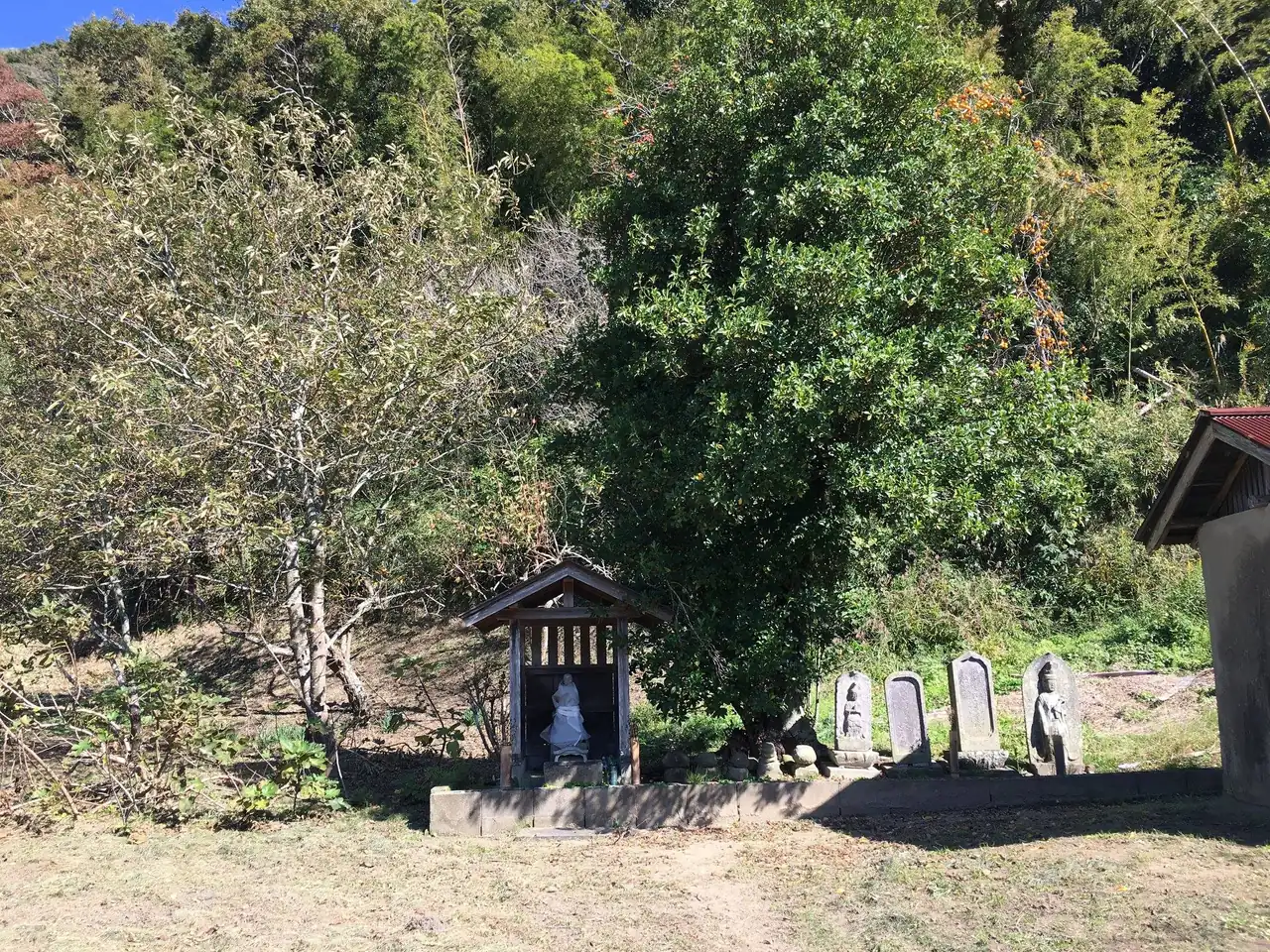
"In loving memory of my Dad, 10 years ago today he passed away. My girls and I paid our respect by cleaning up his head stone and place flowers on his resting place, always missed never forgotten."
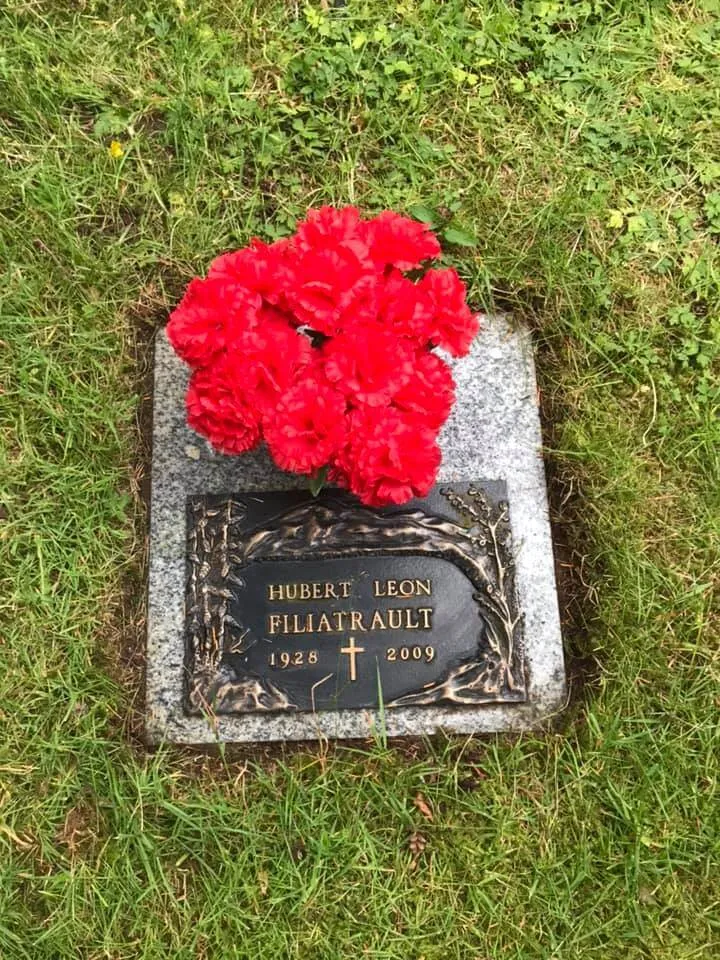
Interestingly enough, this is a common practice among the Japanese, know as meinichi (命日).
I found this to be intriguing, as, for the most part Westerner do not regular go to the grave of their family to lay flowers or clean the headstone.
So, I was very happy that my beloved cousin was doing this, not only to remember his father with his children, but to pay homage to him, like in the Japanese tradition.
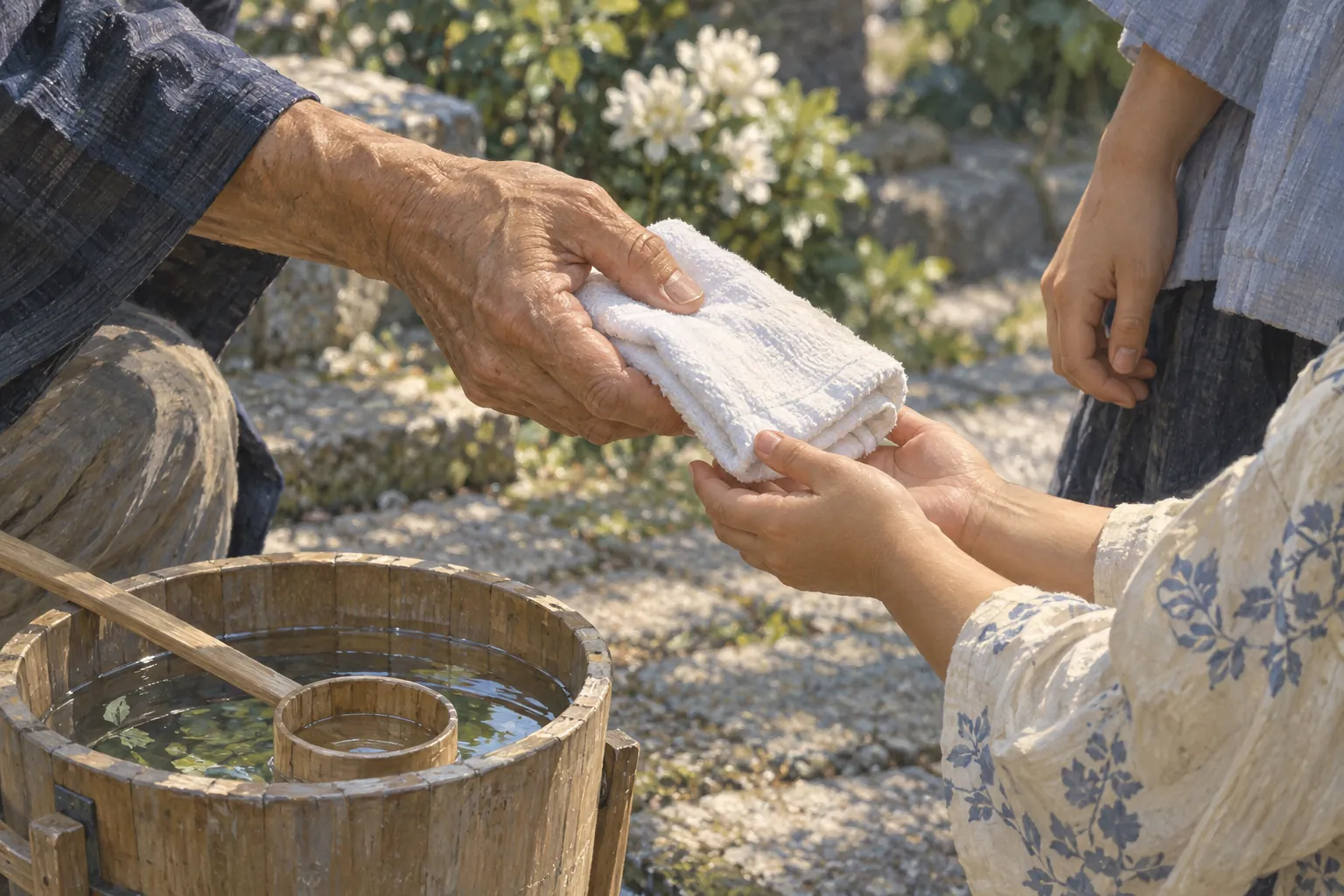
In Japan, cleaning the family grave and remembering their ancestors is practiced at designated times throughout the year; once in Spring and then again in the Autumn, this is referred to as higan (彼岸).
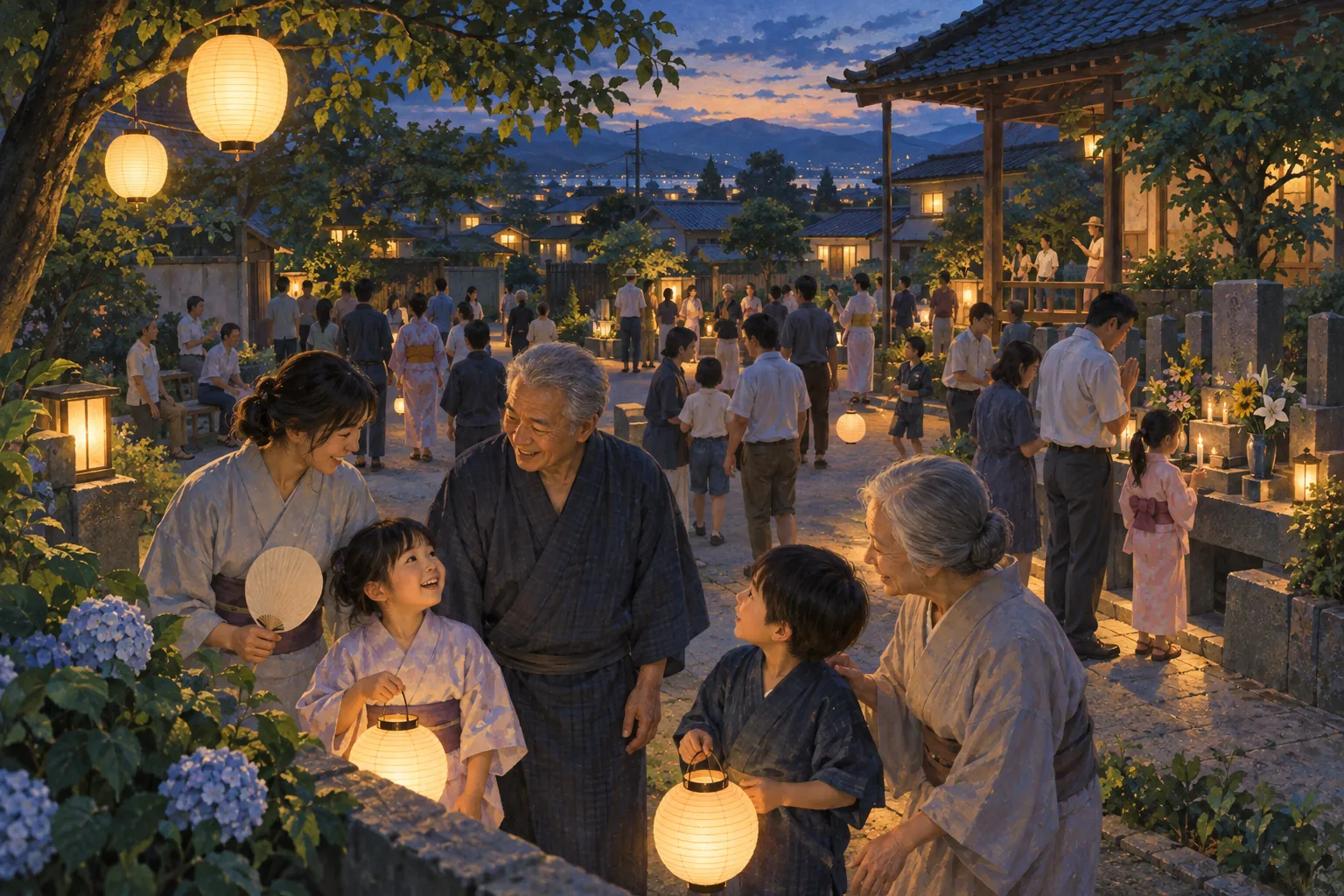
More so, the most important time to for Ancestral veneration is the Obon Festival (What is “OBON”?), which is carried out in different time periods over the summer, depending on which part of Japan you are from.
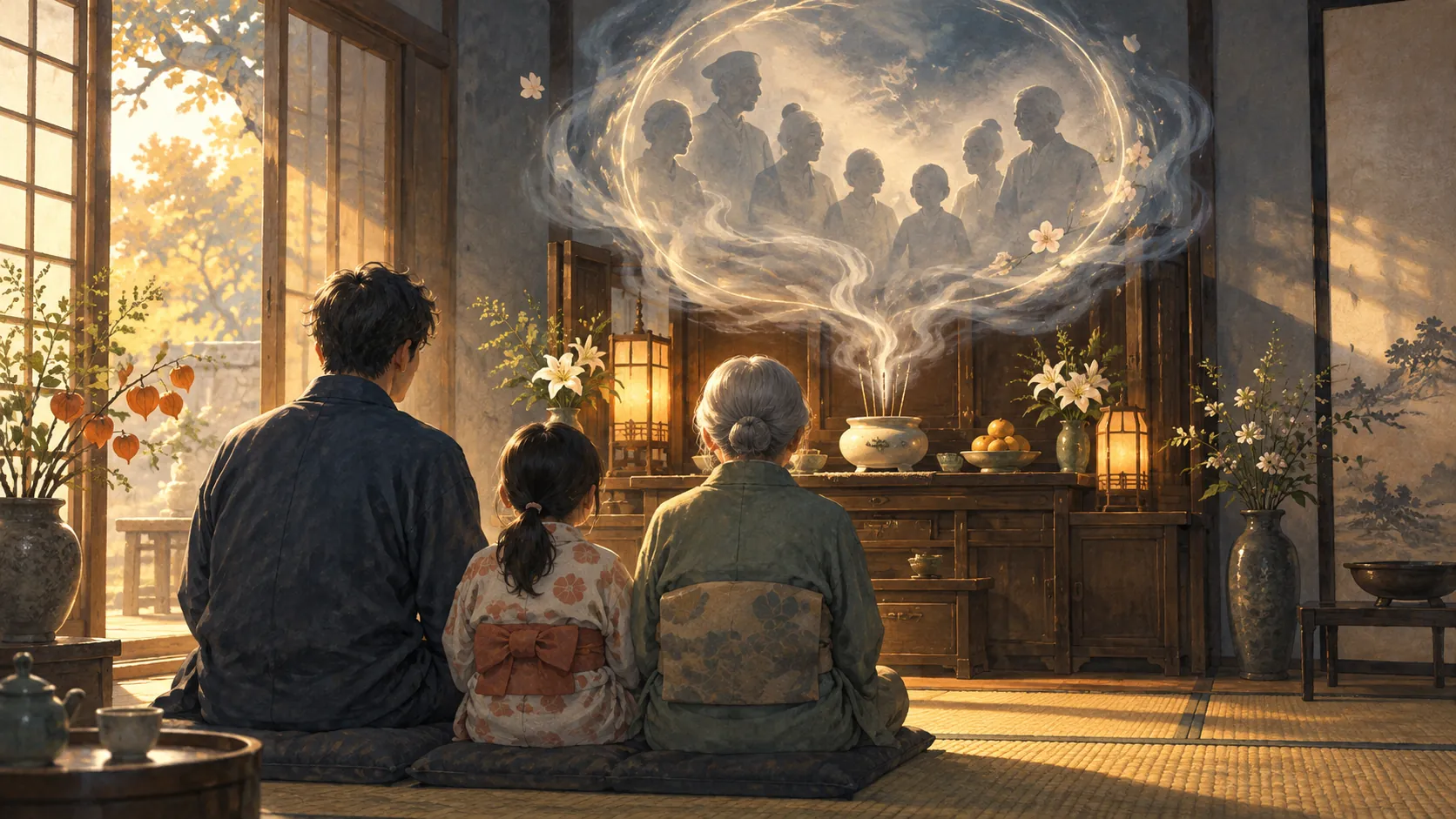
In essence, the Japanese engage in what can only be described as ancestor worship, which is the core belief tenants of the Japanese; I like it.
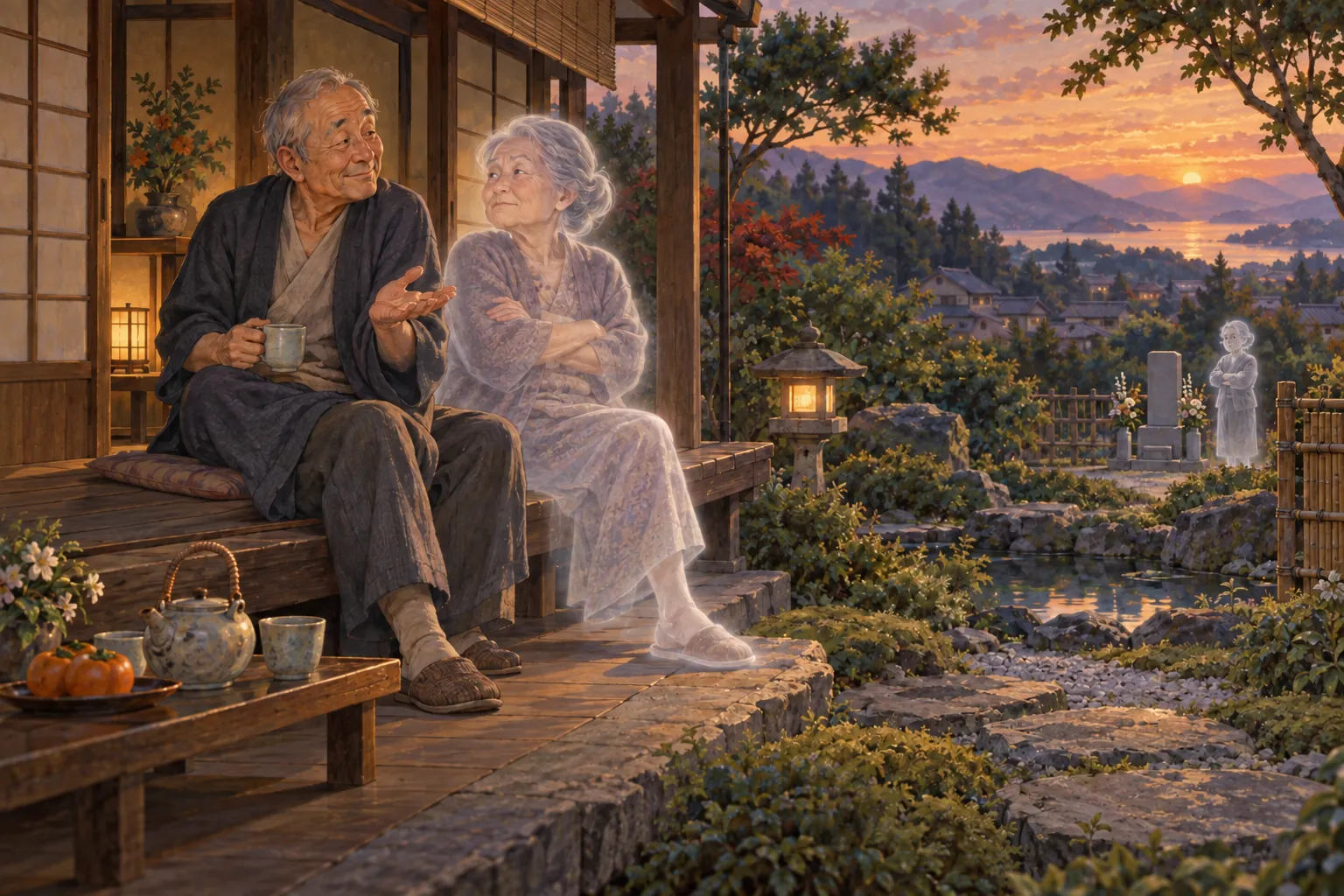
For the Japanese, death is regarded as an occasion of major significance, both for the deceased and for the survivors.
For the departed, it marks the moment when the transition begins to a new mode of existence within the round of rebirths.
When the Japanese die, all karmic forces the dead person accumulated during the course of his or her lifetime become activated, and determine the next rebirth.
So, one must be careful of the karma one leaves behind, least you are reincarnated as a cockroach or a fly.
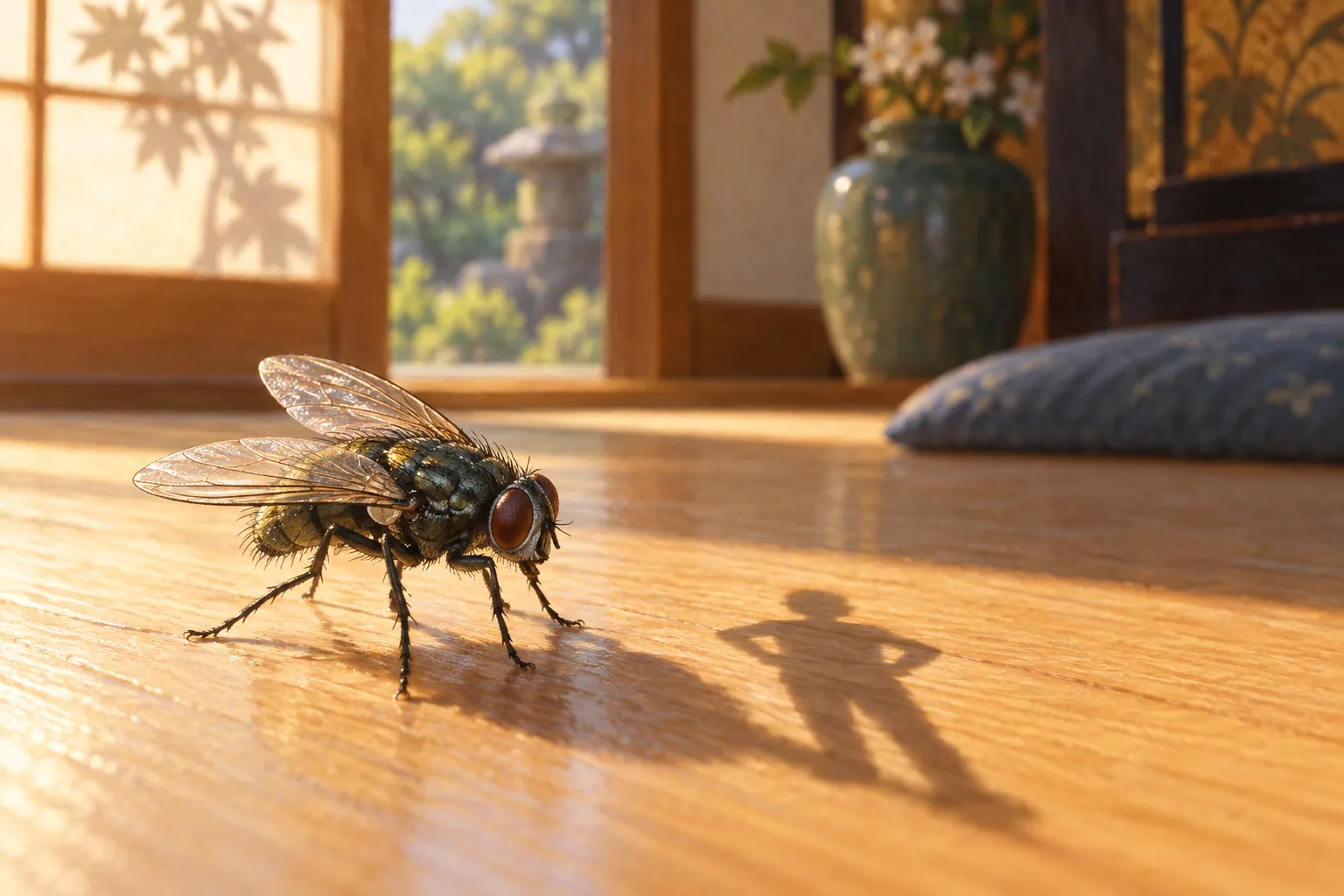
Furthermore, for the grieving member left upon this mortal coil, death is a powerful reminder of the Japanese teaching on the ephemeral nature of life.
Much love and respect to my cousin, for honouring my beloved Uncle in this eloquent manner, and reflecting these profound Shinto values.
Bonus section 1: Funeral, The Japanese Way.
Imagine my shock when I went to my first Japanese funeral of a close relative and no one told me what to expect.
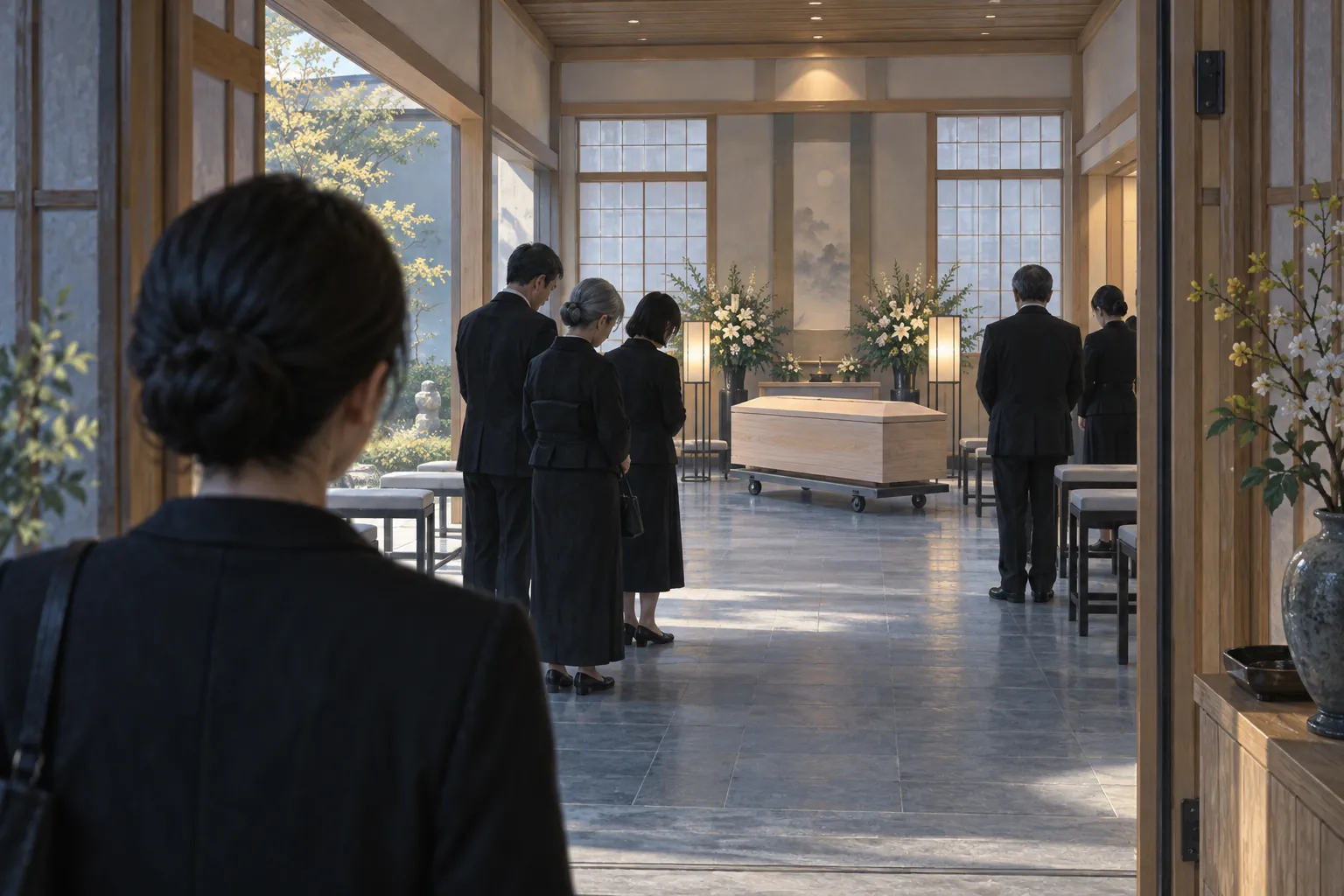
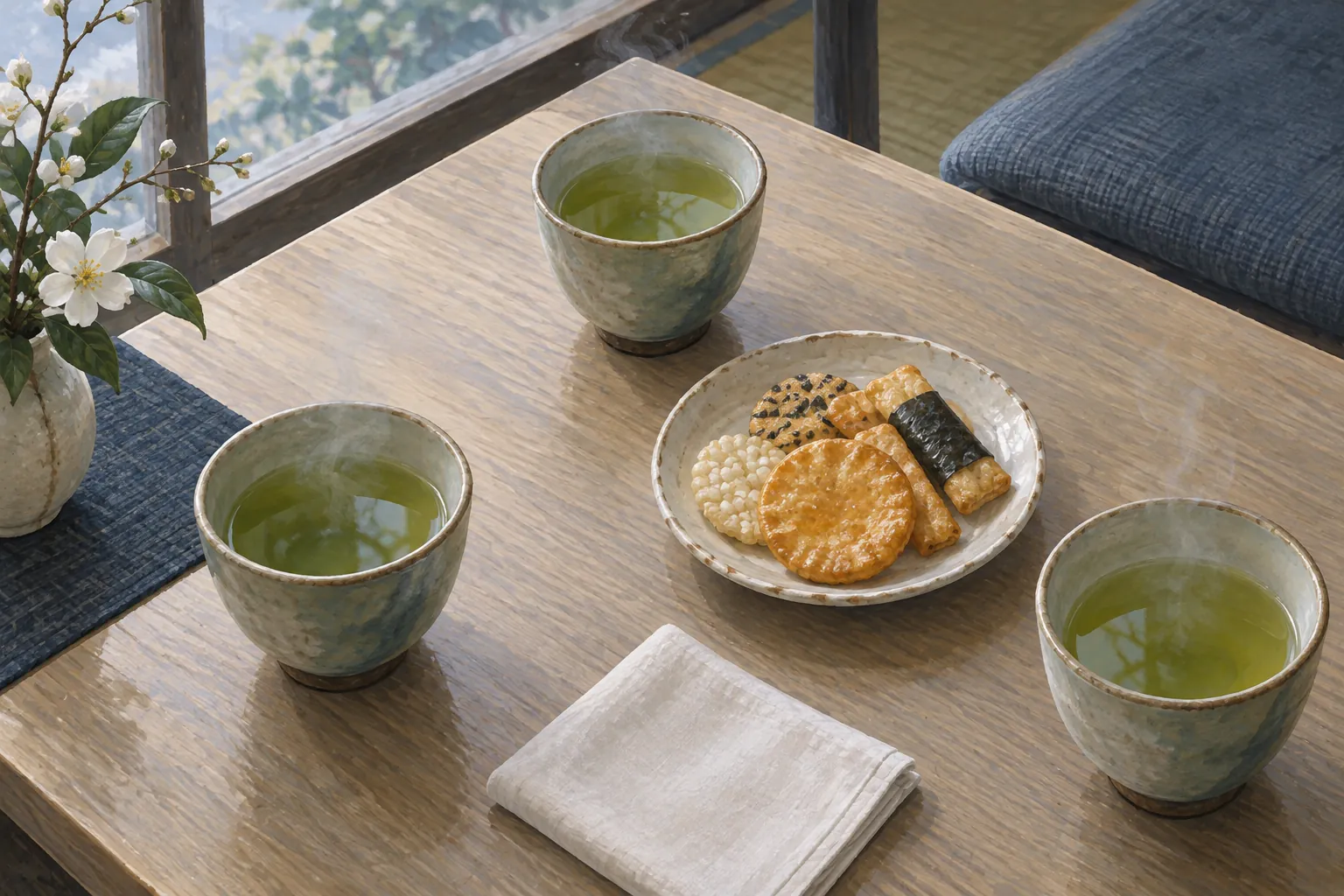
Grandfather plain wooden box was rolled into the cremation oven and we all went to a different room and drank green tea and ate rice crackers.
We were called back and the bones of Grandfather were rolled out to the waiting relatives and two by two we picked up special chopsticks and took some of the bones chopstick to chopstick, while placing the bones in the urn. After Grandfather’s bones were all in the urn , the funeral assistance scrunched the bones down and laid his glasses on top of the bones.
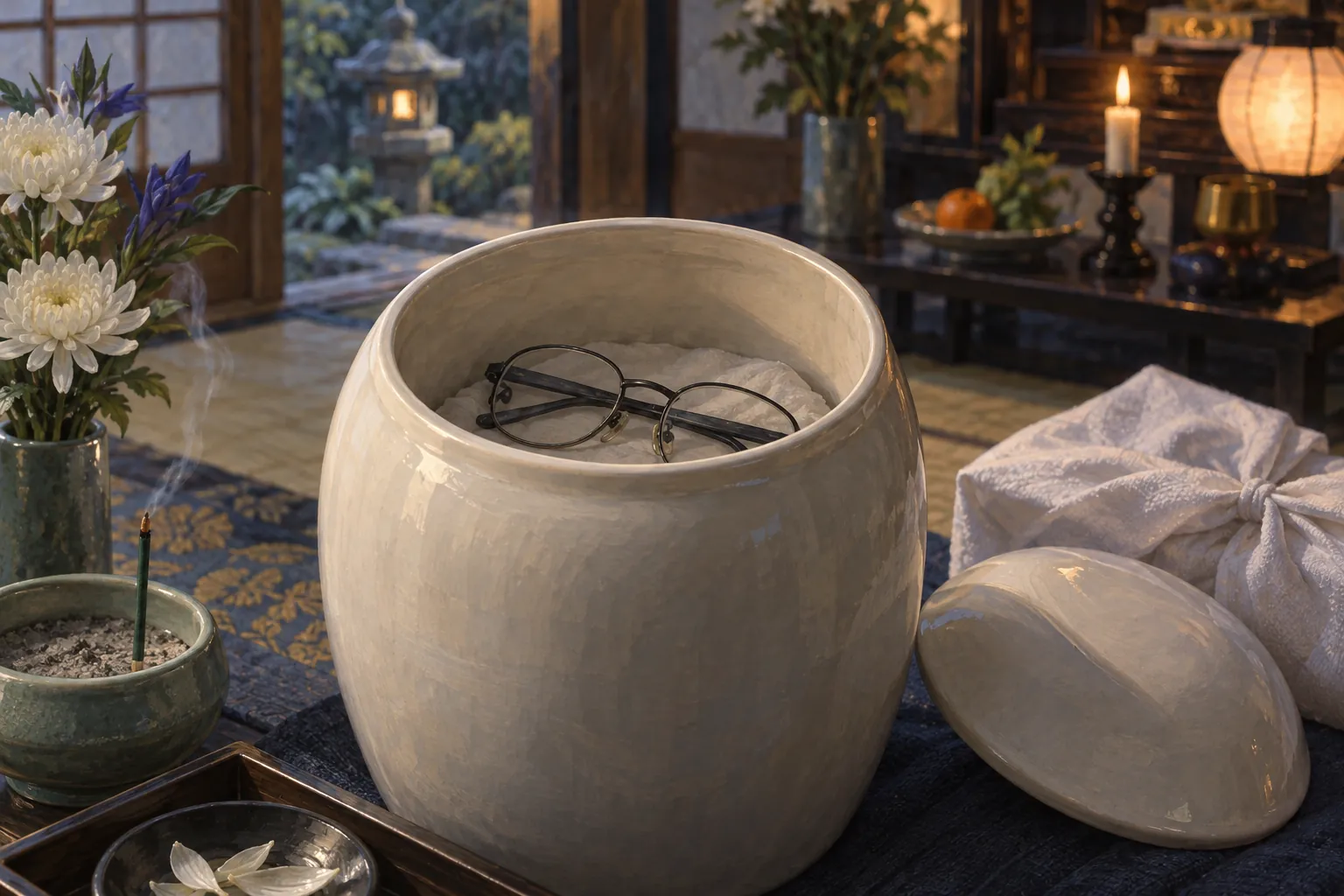
He then proceeded to close the urn and wrap it up. We then proceeded to an alter in a different room, and there we offered incense to Grandfather, where there was the funeral picture of him. This picture is brought back home and is placed above the family alter, where he will be remembered according to the Buddhist traditions, described above.
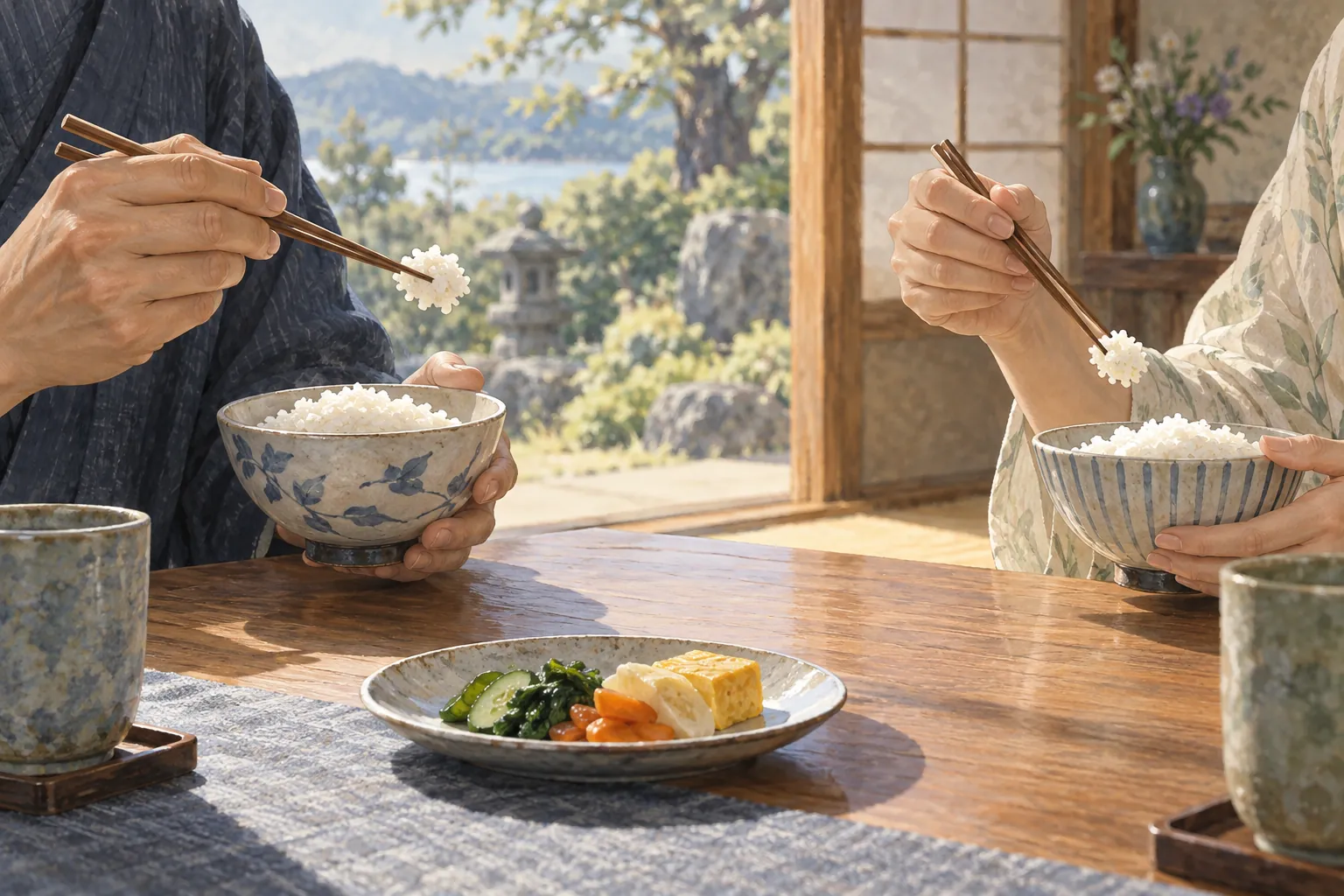
A serious word of Japanese etiquette and must never be breached: Never take food (or anything for that matter) from chopstick to chopstick, as it is related to the Japanese funeral.
Bonus section 2: Not Until You Are Dead Too
The Japanese cremate the dead, and the urns containing the bones are interned in family graves, sometime of these family plots go back 10s of generation. I remember an old doctor friend of mine mentioning that his mother passed before his father, and she requested not be interned into the family grave until the father died, as she didn’t get along with her mother-on-law, and would be stuck there by herself with out him. He acquiesced to the wishes of his mother.