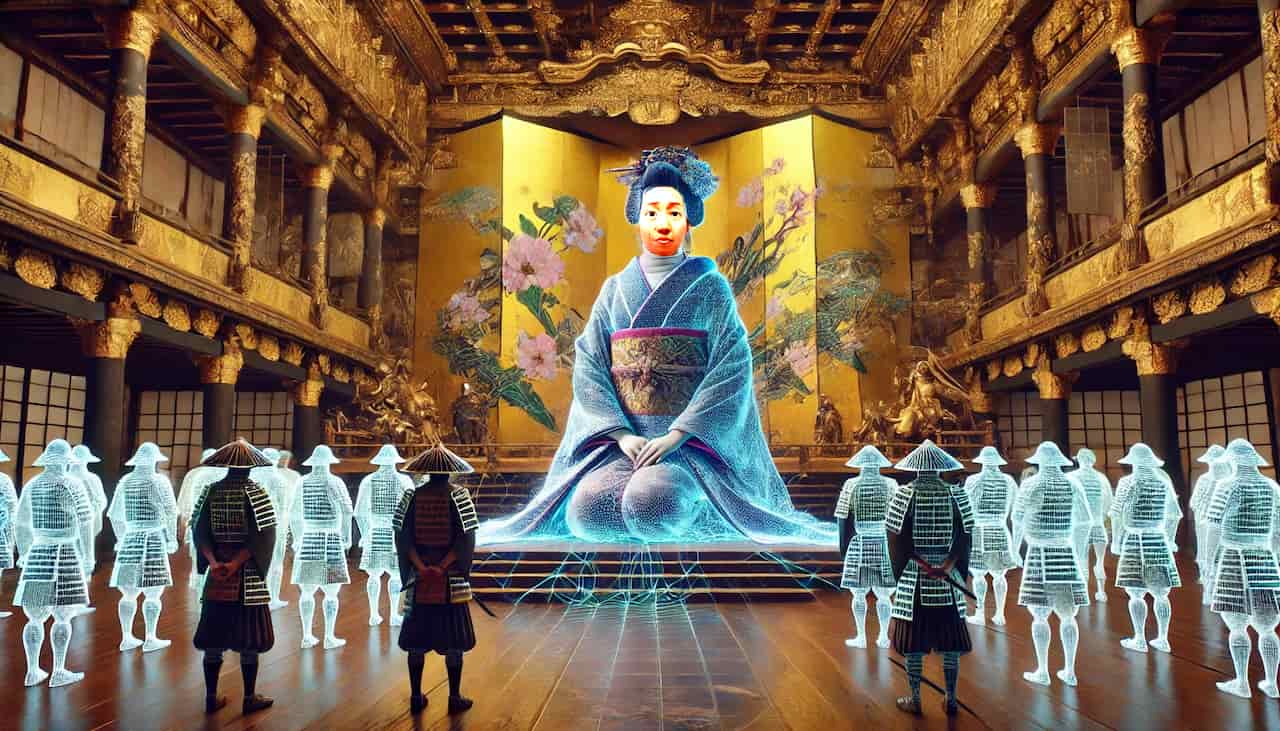
Otsubone Sama
A tedious boy once proclaimed, after a scant few years in Japan, that he had pretty well mastered Japanese—if anything, one had to marvel at his confidence, indeed, his brazen bravado.
For most, language mastery mean acing a test.
Yet they miss the crux of the tale, cultural paradigms—reading the air, grasping ambiguity, and instantiating tatemae and honne.
A subtle sway, each moment of every day, to truly meld into the Land of the Rising Son—becoming ΩNE. A curious trait of the Japanese is their knack for masking intent—an adroit skill, ever honed, to weave throughout the nooks and crannies of this bewitching island nation, dubbed an earthly fairyland by the Meiji sage—Koizumi Yakumo.
The acid test for those who have thought to have the cracked code to Japan’s inner sanctum, especially the workplace maze—is to be able to identify the otsubone sama lurking in their office lair.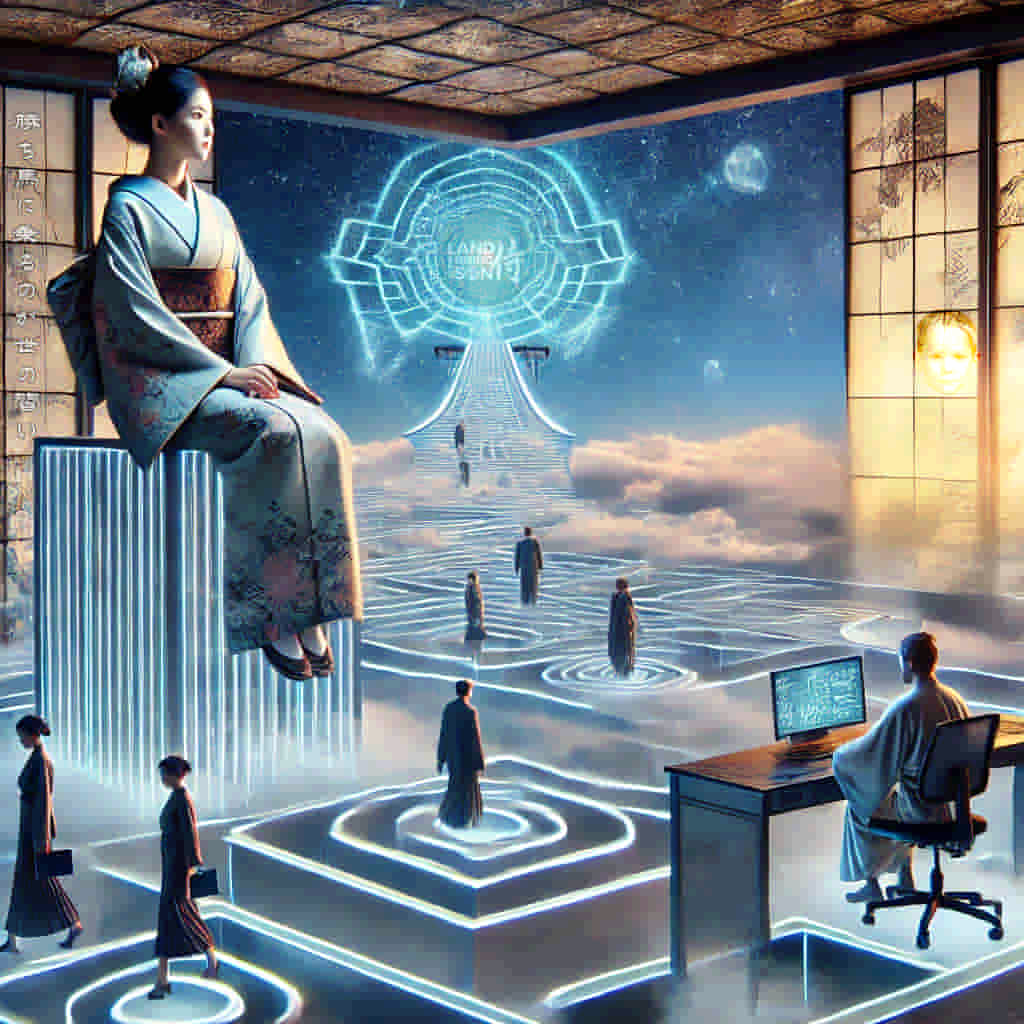 If toiling in Japan for any stretch of time, and tasked to spotlight the otsubone sama, yet unable to answer this piercing query—the revelation sings—you know not jack squat—start from the beginning again.
One of the most misread threads in the Japanese workplace, indeed throughout the entire micro societies dotting Japan, is the towering importance of the otsubone sama.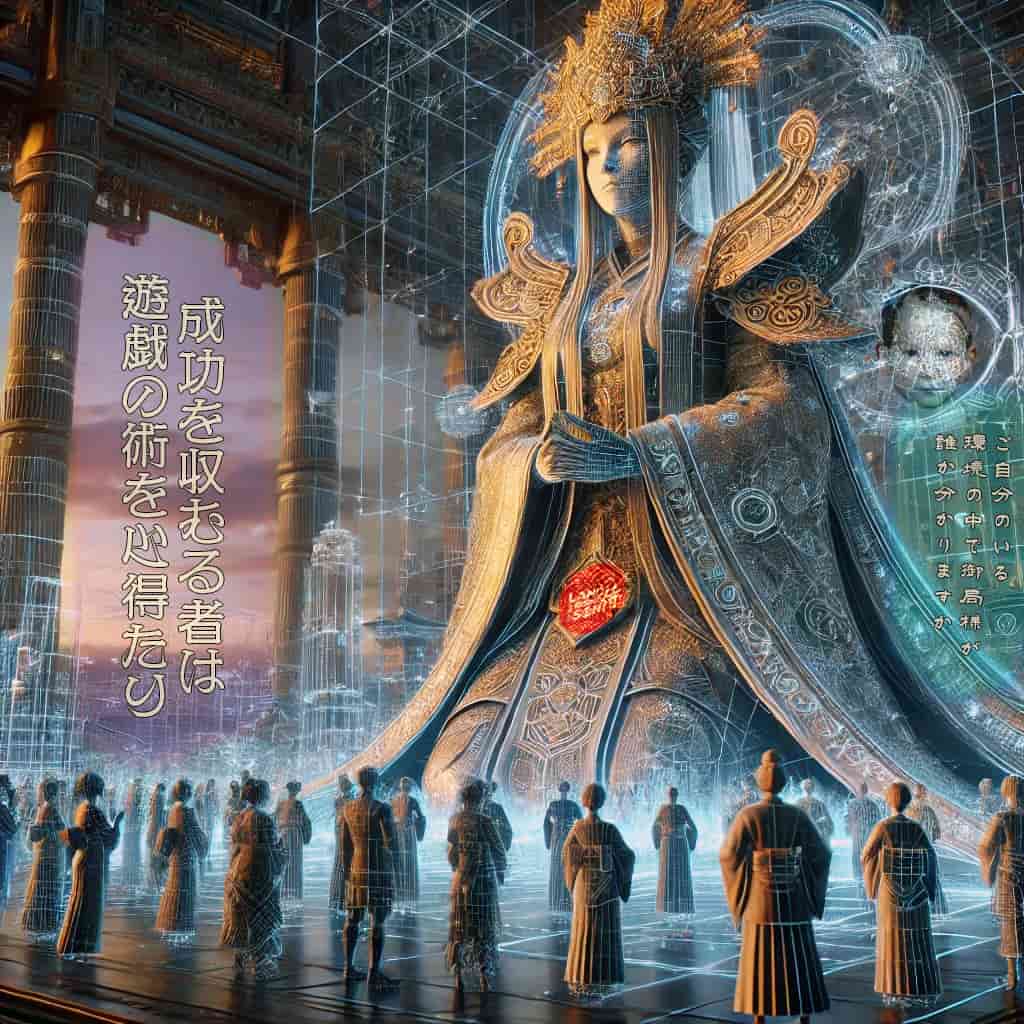 Make sure to address her as ma’am.
Office dynamics and politicking aside, there is but one truth to grease life’s ride.
Currying favor—a zesty spice—is key for those eager to pierce the mythology surrounding Japan’s invisible walls, demands one first identify and pacify the otsubone sama, in essence that is all.
Tread carefully as sometimes a wannabe otsubone sama emerges, with tricks up her sleeve you’d scarcely believe—a pretender vying for the lofty otsubone sama superposition.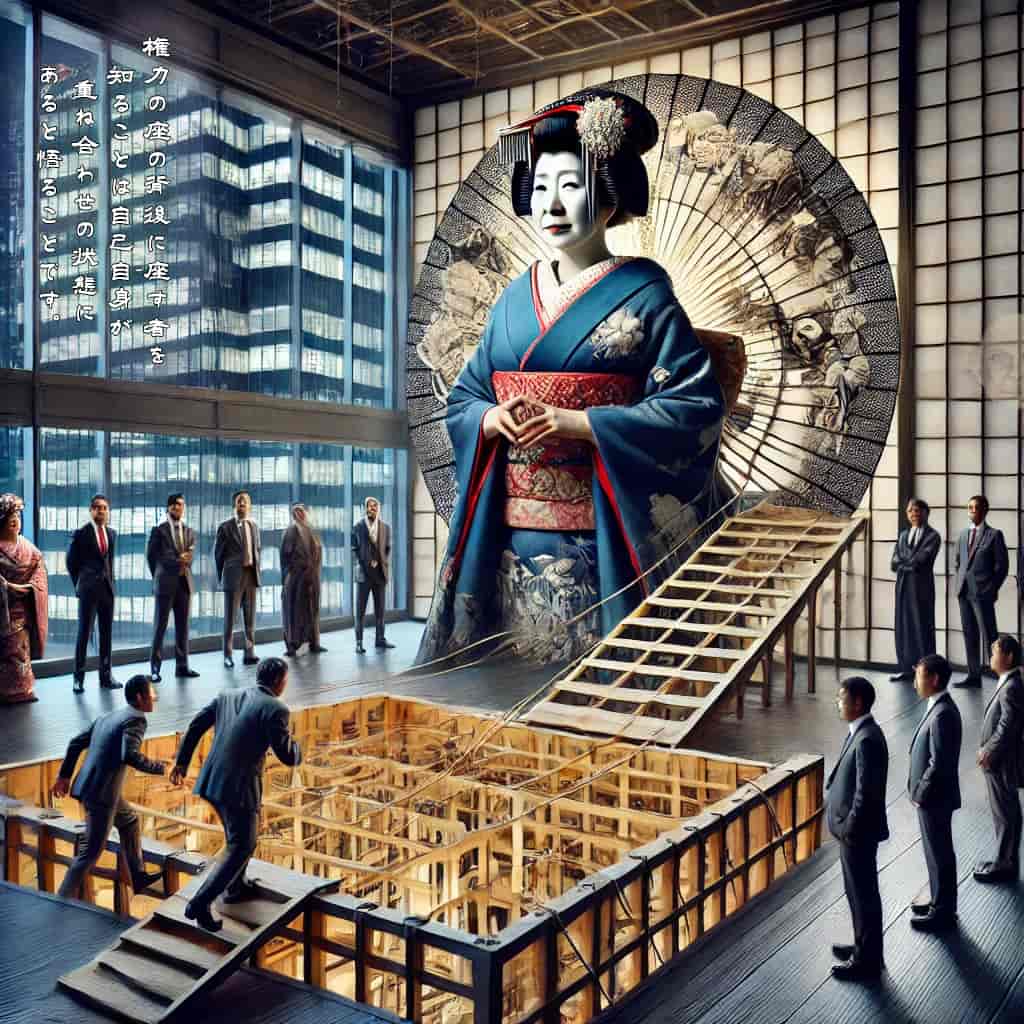 Perceiving shifts in energy demands wit—passiveness and aggressiveness to a refined degree, sit back, say nothing, and see—the fireworks are about to begin most certainly.
Interpreting modern Japanese life through the lenses of the past makes for good practice in creating a personalized path—visualize a future self-being—let the sun be the guide to see what this means.
Historically, otsubone sama referred to private chambers in imperial courts or noble households—a title for women of rank privileged with their own space.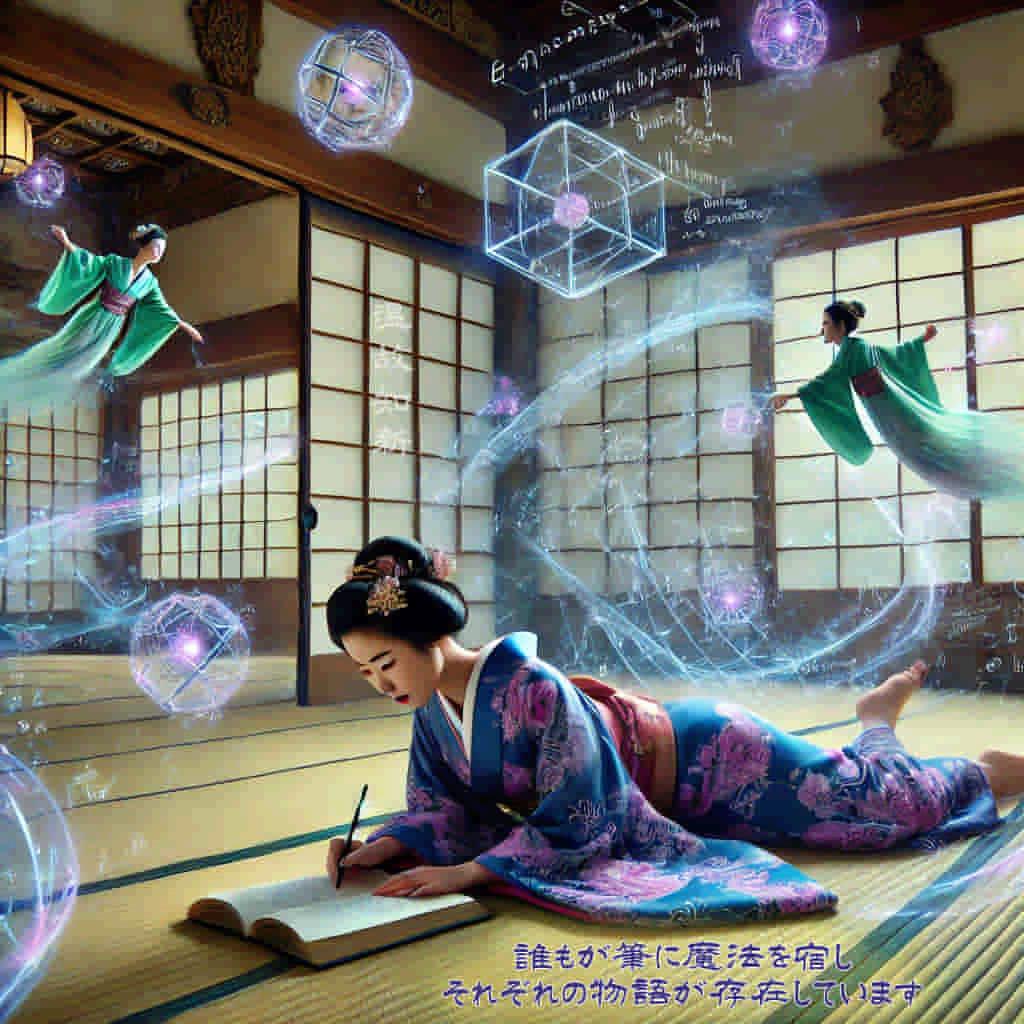 In the Heian Period (794–1185), an otsubone sama was a high-ranking lady-in-waiting attending the emperor or empress, often a political advisor wielding soft power and hidden influence.
Never mere attendants, they were strategists and power brokers.
From court to cubicle, the otsubone sama figure evolved but retained authority.
A meaningful journey inside the nooks and crannies of Japanese society is to be able to identify the otsubone sama, wherever she may be.
Keeping in mind—things are not what they seem—the contradictions that you now perceive as pure fantasy—turn into a rock solid reality if currying favor with this important player, reveals the next layer, a key to the next stage maze.