
Fleeting and Fragile
The word on the street is that life is fleeting and fragile. Spend enough time in Japan, and those words begin to carry a particular resonance.
Fleeting means that the moment passes: the morning light moves across the sky, the children grow, the familiar voice becomes a memory.
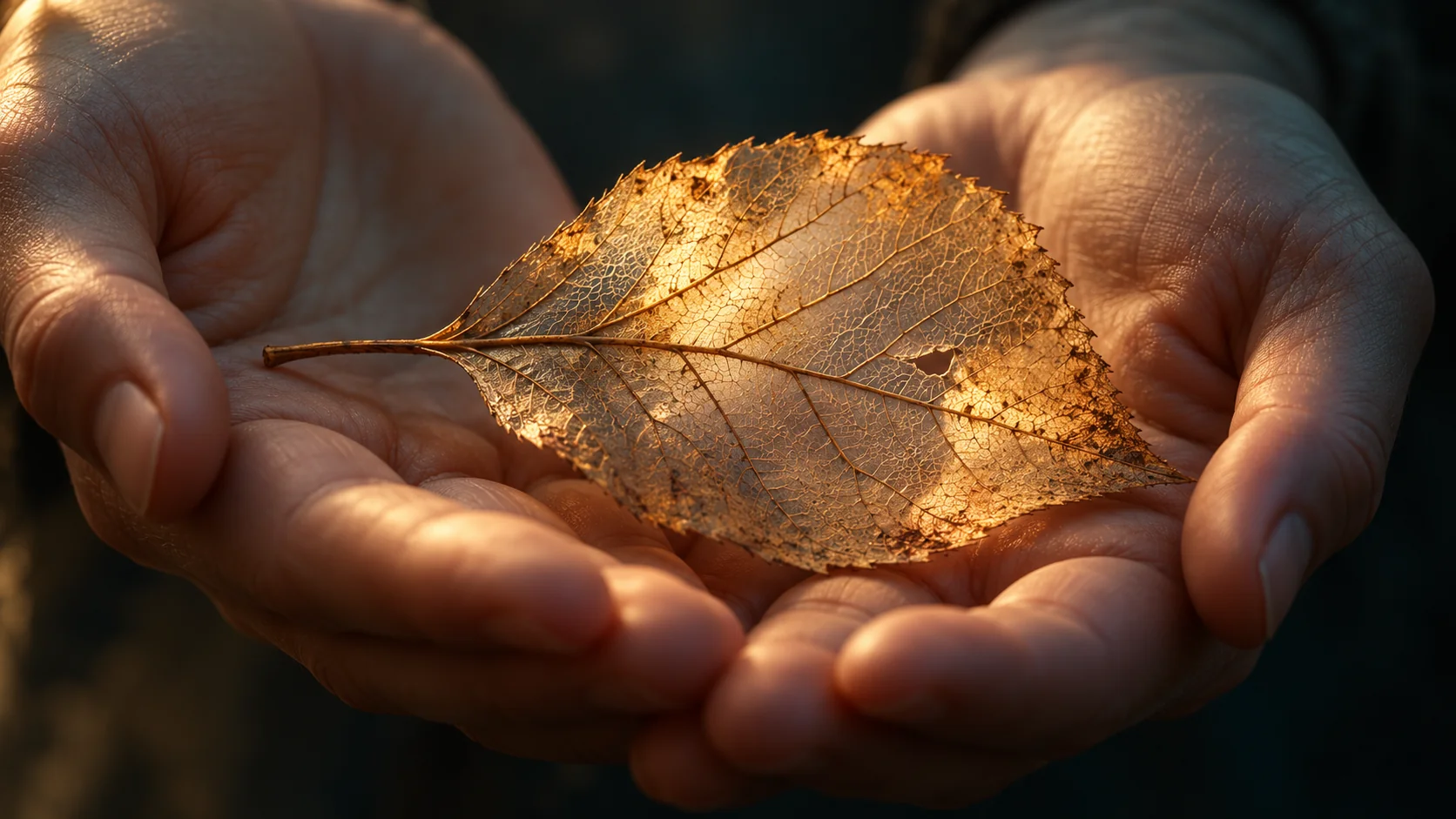
Fragile means that what we cherish can be hurt, altered, or lost. Together, these two words remind us to pay attention to the life unfolding around us and to handle one another with care.
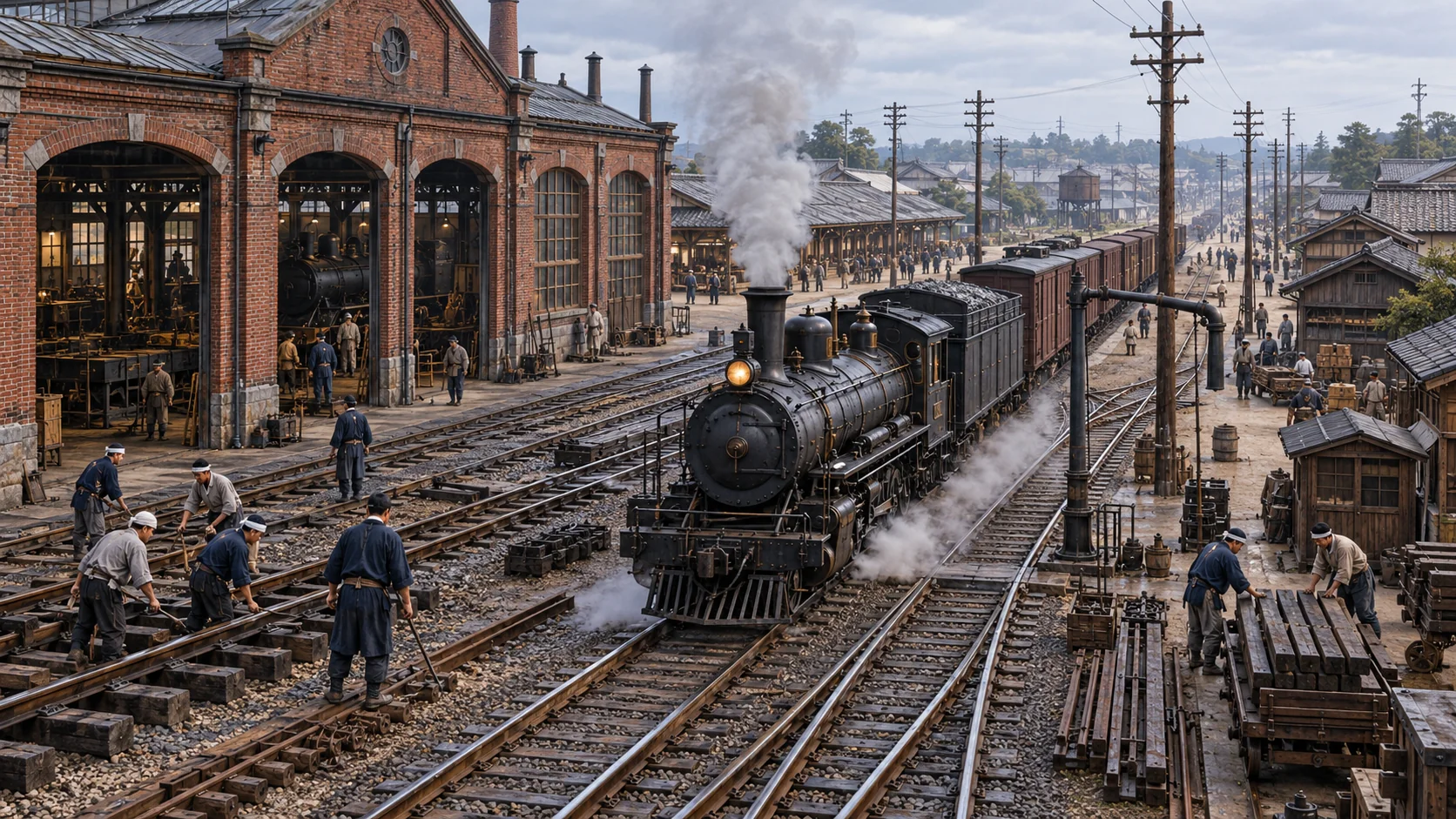
Following the Meiji Restoration, Japan underwent an extraordinary transformation, developing industries and infrastructure that would reshape the nation.
Drawing on knowledge from abroad and ingenuity at home, Japan expanded its railways, adopted electrification, and opened possibilities that earlier generations could scarcely have imagined.
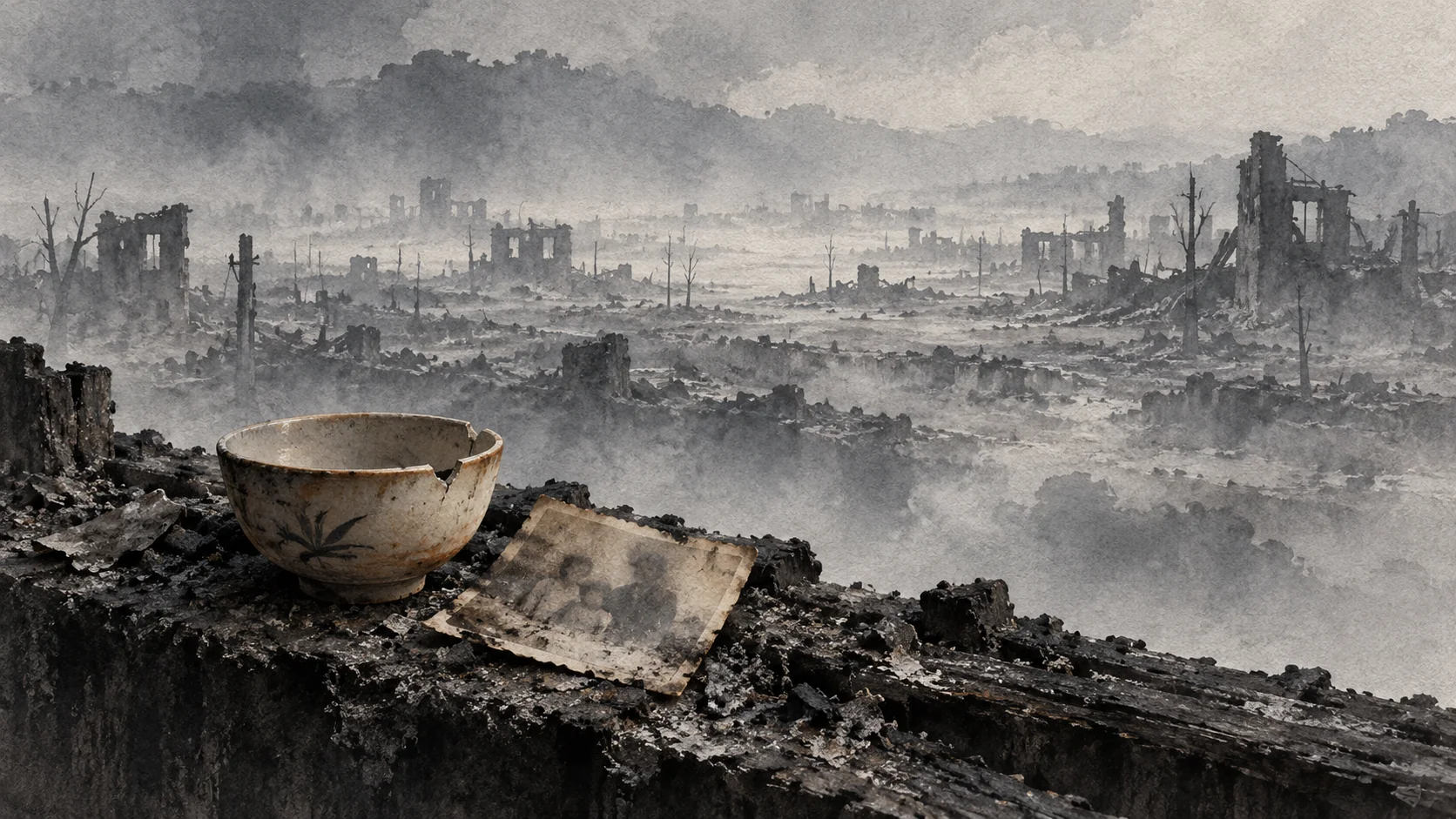
Yet modernisation offered no immunity from catastrophe. War brought immense suffering across Asia and the Pacific, including the atomic bombings of Hiroshima and Nagasaki. In the aftermath, rebuilding meant finding ways to sustain life amid overwhelming loss.
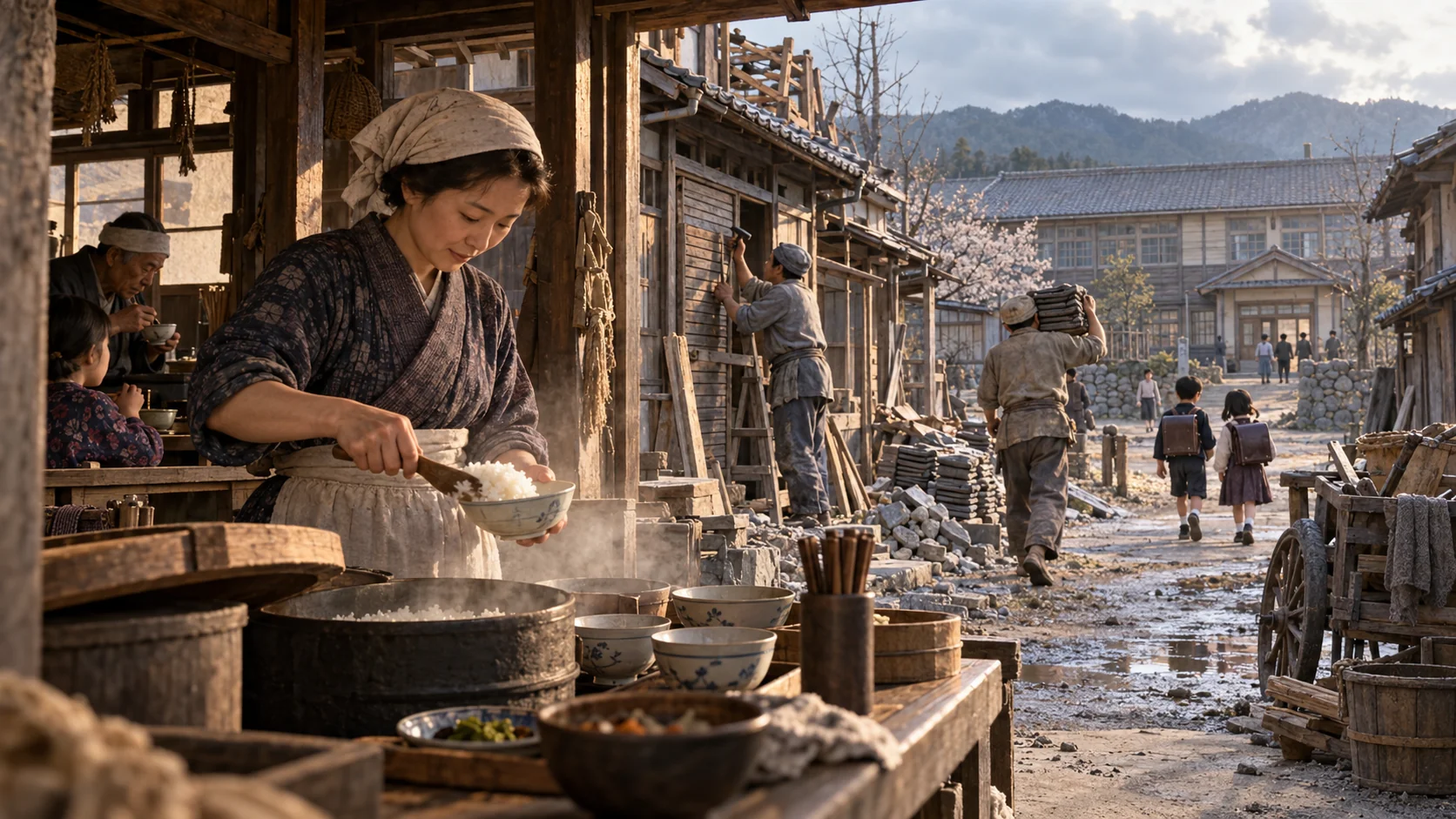
A nation’s recovery is lived one household at a time. Someone prepares a meal, repairs a roof, opens a shop, or welcomes children back into a classroom as the days go by like the sun crossing the sky.
These ordinary acts give the future somewhere to begin. We can carry that understanding into our own lives: even when the larger picture remains uncertain, there may be one small thing within reach that we can help restore.
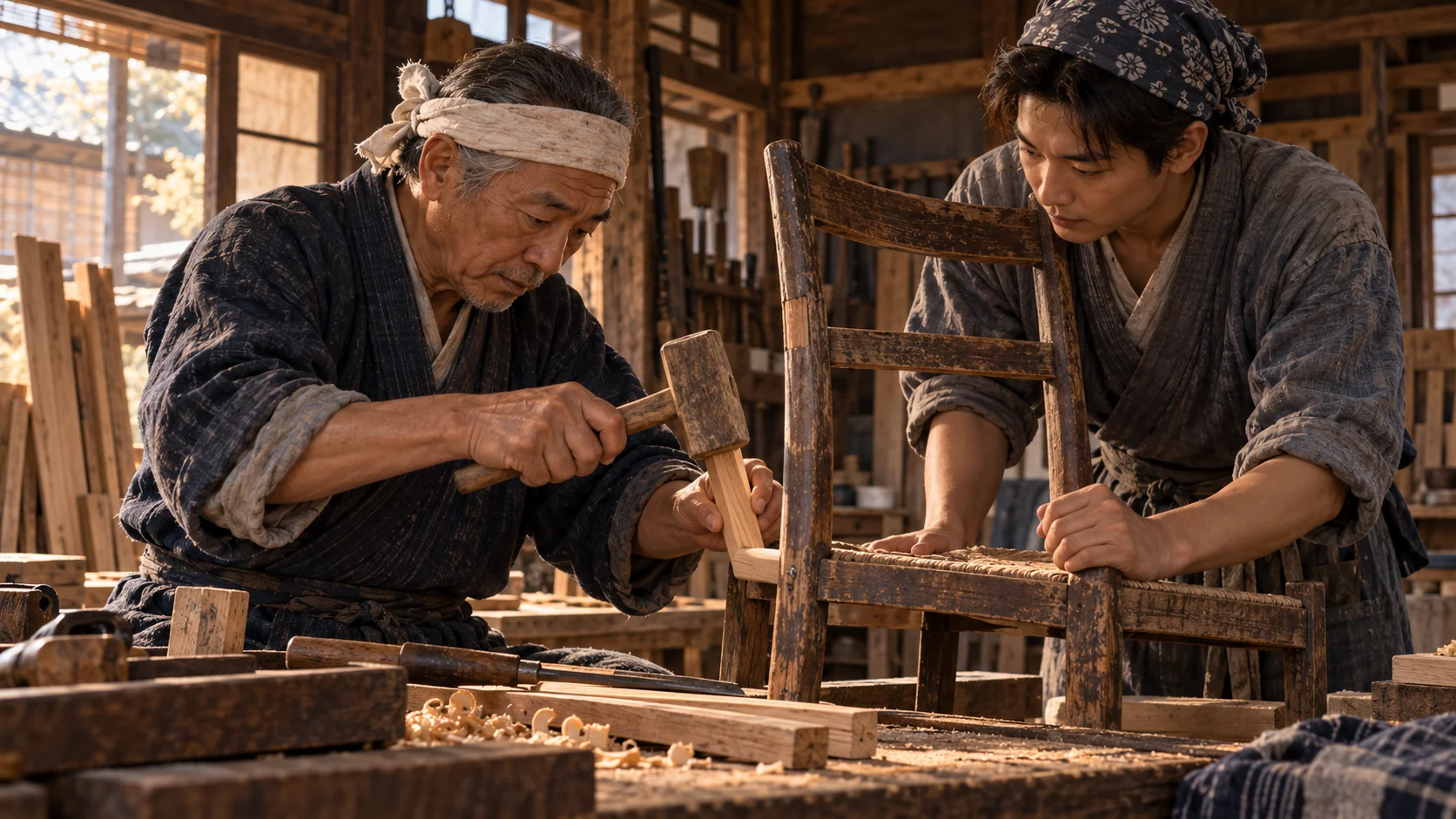
The accounts of hardship and poverty during those years deserve to be read and remembered. A familiar Japanese adage offers a way to think about rebuilding: 災い転じて福となす—wazawai tenjite fuku to nasu—turn misfortune into fortune.
Turning misfortune into fortune can take time, help, and many uncertain attempts at finding a new direction. Japan’s recovery unfolded through countless such efforts.
The hope within this adage is that we retain some capacity to respond: to learn something anew, to accept a helping hand, or to make a fresh beginning from what remains.
For me, Japan’s recovery gives this adage a tangible expression. The rebuilding of homes, livelihoods, and communities offers much to reflect upon, including how a sense of belonging can help people face an uncertain future.
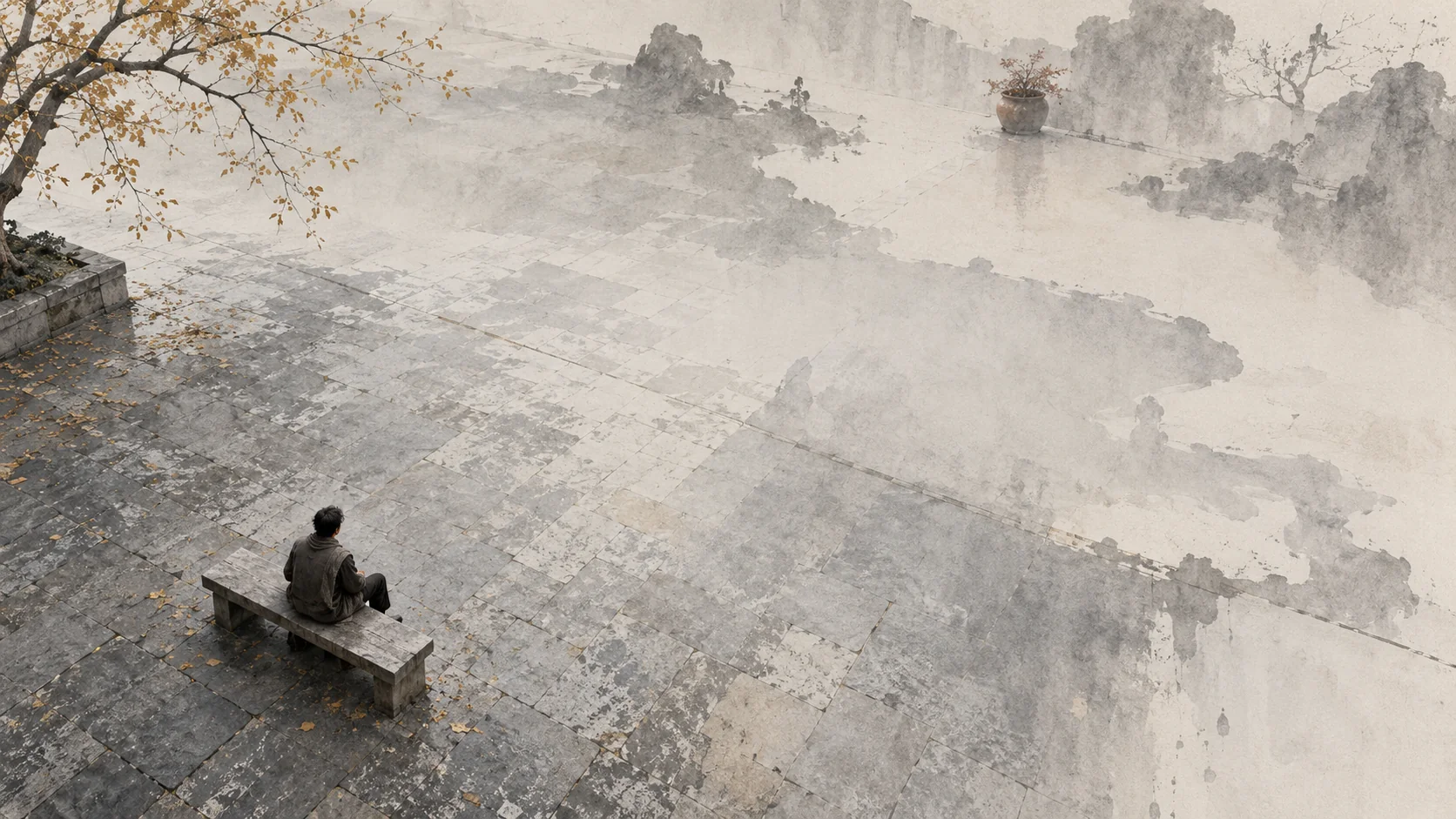
Even amid the gifts of life in Japan, the soul may enter the valley of ennui. Appreciation and sorrow can inhabit the same heart, it’s part of being human.
There are seasons when the world loses its colour, familiar pleasures feel distant, and recovery seems far away.
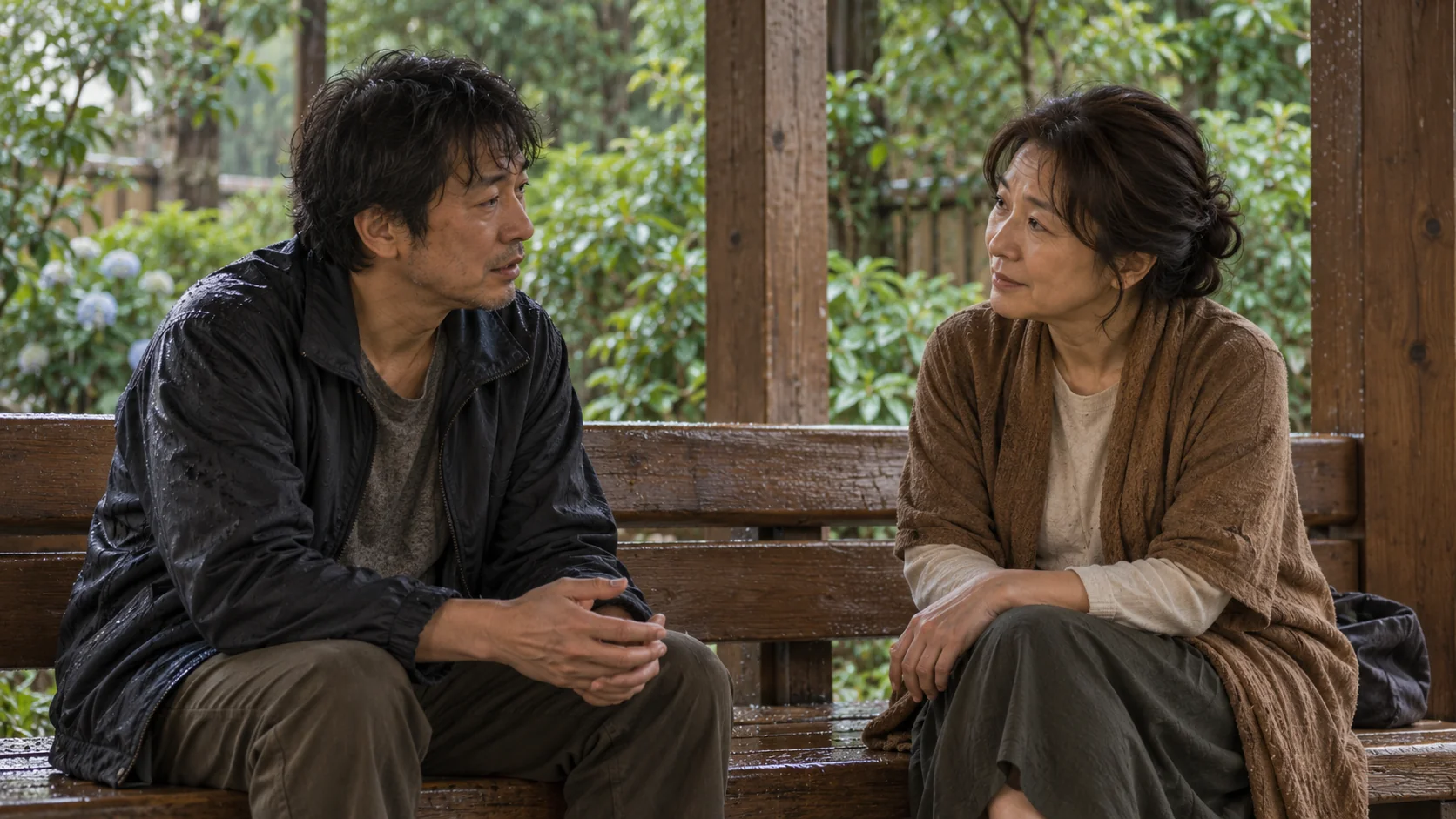
If you find yourself in that valley, you deserve patience and company.
You do not have to explain everything perfectly before asking someone to sit beside you and hear your story.
Remember, tomorrow never comes, yesterday has faded away, and the truth of the matter is that you only have today.
Sometimes the first movement toward hope is allowing another person to know how things really are and what you are feeling.
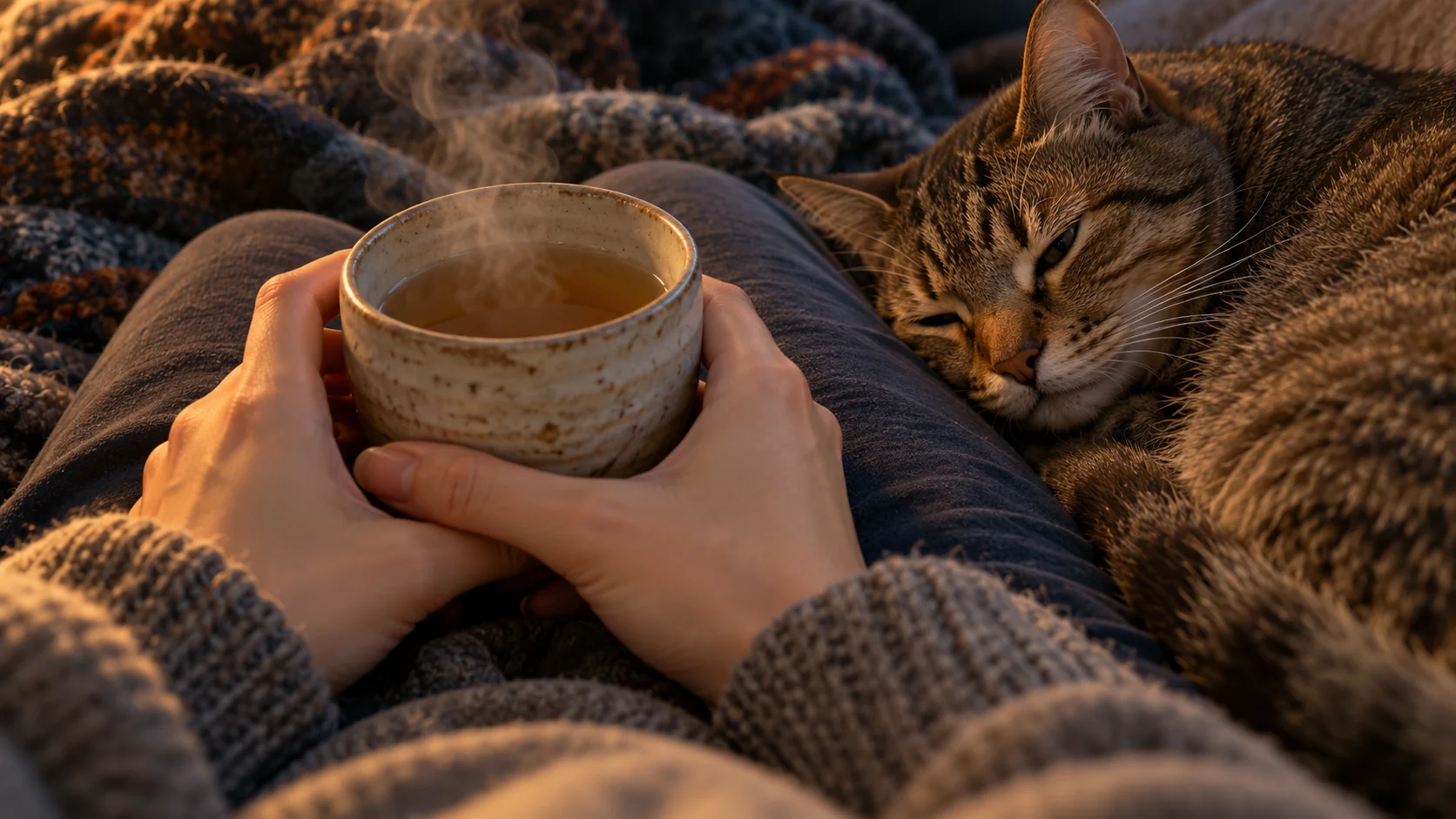
Gratitude can begin with something very small—the warmth of a cup held between your hands, a cat purring beside you, a familiar greeting on an otherwise lonely day.
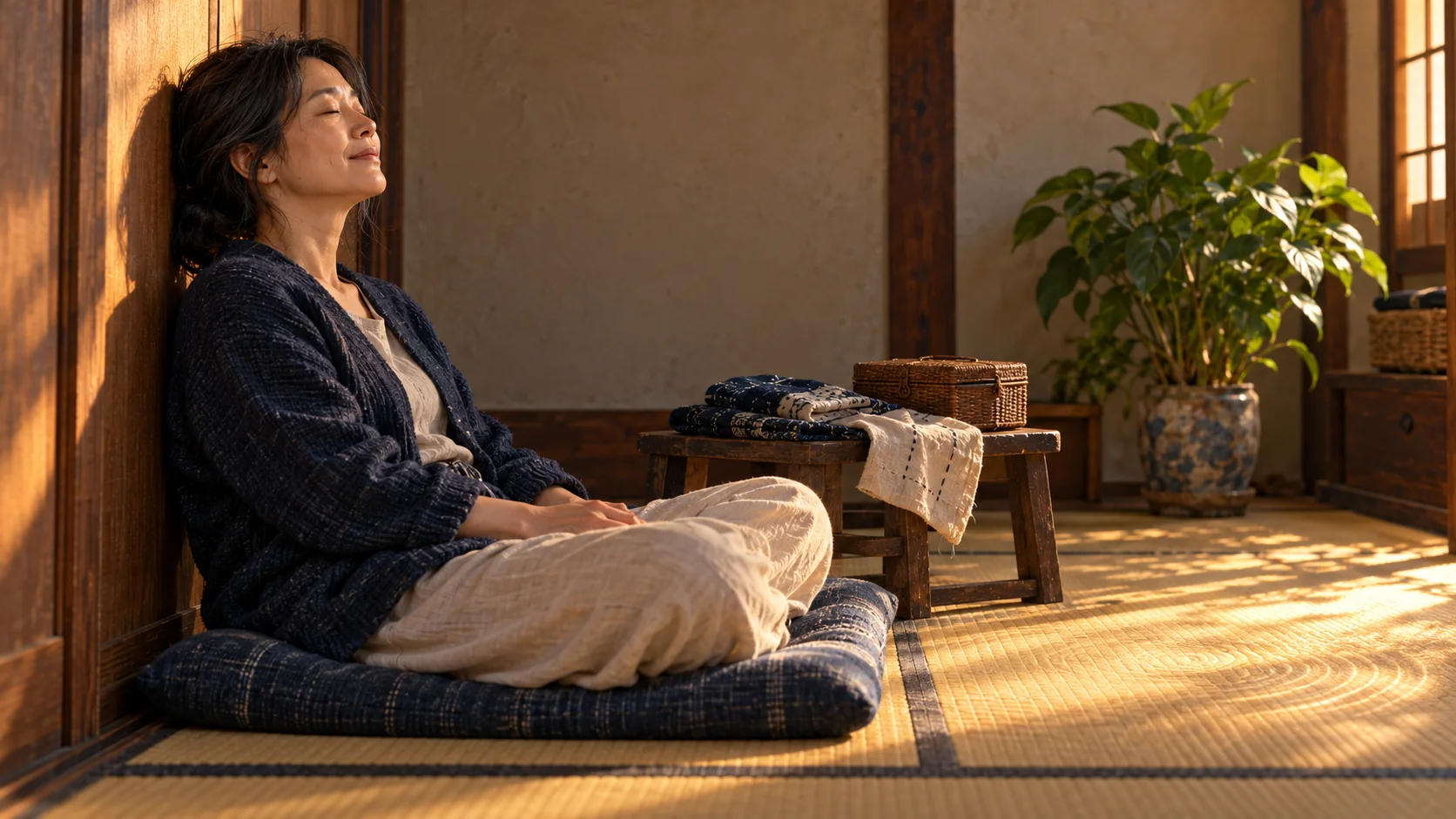
Today may be a day for making something, or it may be a day for gathering enough strength to begin again.
There is room within the passing hours for effort, for rest, and for the quiet pleasure of being here without having to prove anything. Give yourself that space and time.

When you feel ready, take a little of today and make it your own. Begin another page of your life’s storyboard, and perhaps it begins with a poem.
Whatever has been waiting inside you may ask for only a modest beginning. A sentence, a sketch, a recipe remembered, a story told to someone once upon a time. Your gift may also live in the way you listen, teach, mend, or care. Give it a little room in the day to discover what shape it wants to take, and Seity will guide you there.
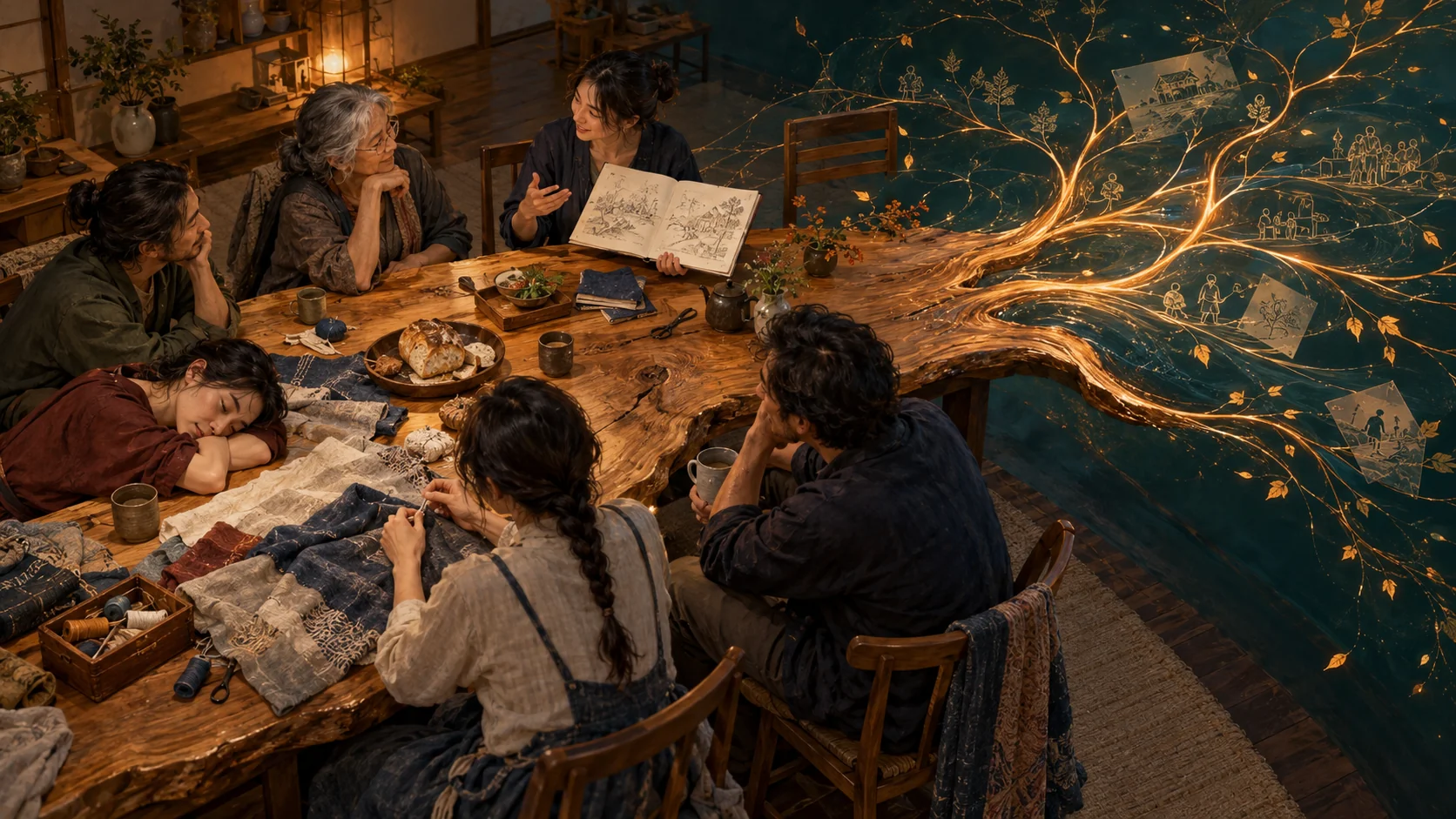
Within the Neo-Clan family tree, we make room for these new beginnings. We listen for the story someone has struggled to tell and encourage the ability to recognise their unique storyboard deep inside. Through participation and care, we can discover fresh sources of purpose and meaning, that is why the family is there.
When one person grows tired, another can help carry the work for a while. Through such exchanges, belonging takes shape, and possibilities that once felt private begin to enter the life of a community.
Life is fleeting and fragile, and here we are, sharing a little of it with each other. There are people we have yet to meet, things we may still discover, and kindnesses we can offer along the way.