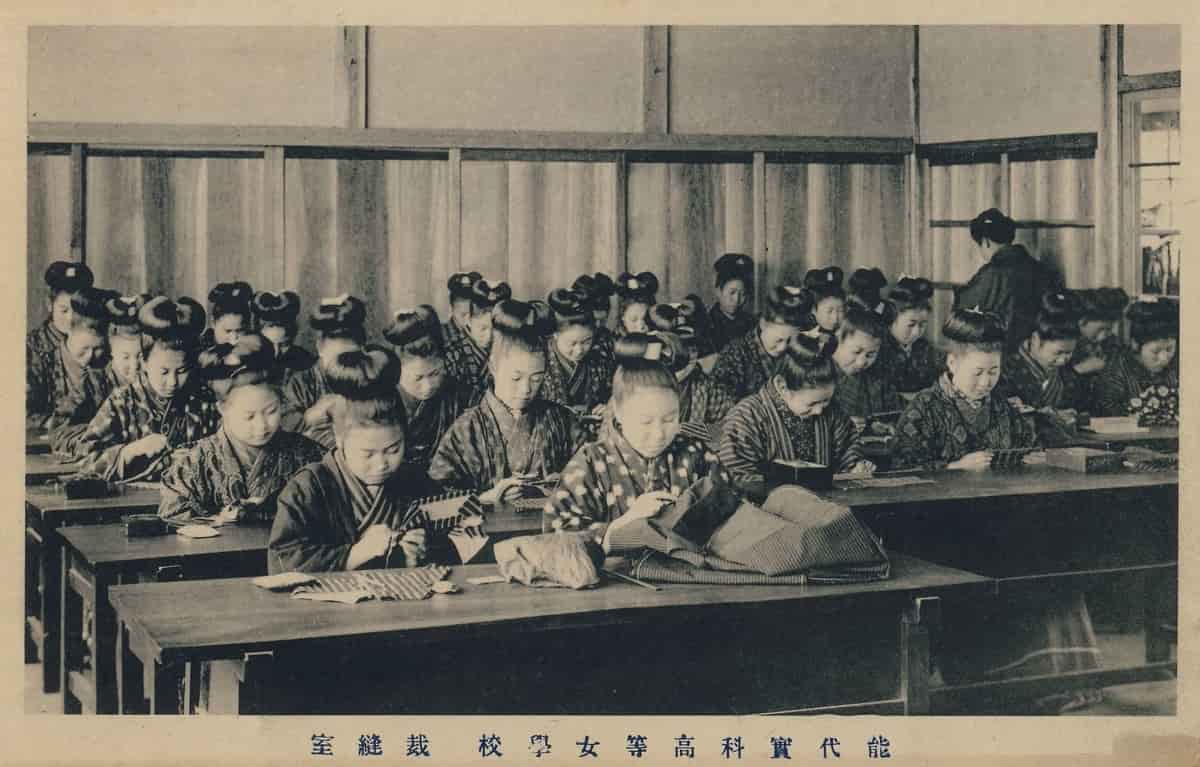
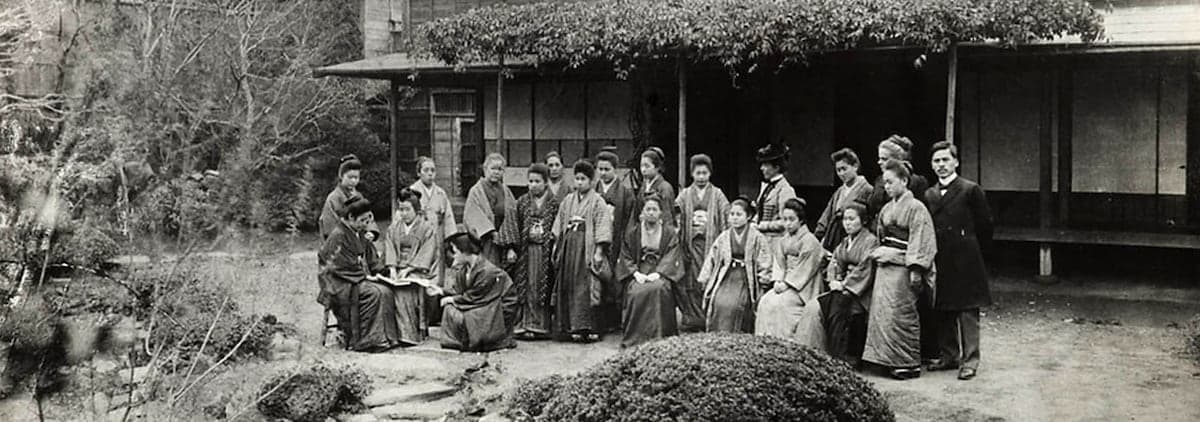
Like so many that come to understand and respect the Japanese people for their culture and unique way of life, Bonner Feller also understood the true nature of the Japanese when he befriended Aya Shimada in 1932, a Japanese exchange student in America before the outbreak of World War II. Moreover, this level-headed soldier character was formulated by the Religious Society of Friends Family (Quakers), to which he was an adherent.
Your sensei is not merely a teacher, but also a mentor for life, fortifying disciple with knowledge and wisdom to forge a unique path in the world. Here one can internalize the concept of sensei, by erasing the Occidental notion of what it means to be a teacher.
minoru hodo kōbe wo tareru inaho kana The sake flowed and the party at the counter got underway in earnest, and during this party, each individual character was laid bare for all to see.
A delightful arrow in the linguistic quiver is to sprinkle one’s Japanese with onomatopoeia. These most flavourful sounds and phrases always add special sauce to the esoteric Japanese language.
There are 2,136 ideograms that must be studied by all students attending compulsory education in Japan. One could say Master Ferriss’s first steps to Meta-Mastery is when he encountered his first major Meta-Cognition Event when memorizing the Japanese Education Ministry’s Jōyō Kanji Hyō during his stay in Japan.
The importance of trust of each other, and trust in one’s own community is embodied in the spirit of this magnificent ideogram. 互
Using the philosophy of ichi go ichi e, it is always best to take each encounter as an extraordinary moment in time, regardless of the tone, timbre, or hue contained within the encounter.
All cultures have meaningful symbolism strewn throughout the spectrum of their respective religions and cultures. Many of these old stories remain very much alive, continuing to influence countless masses of adherents, immersing generational obedience to deep dogma of long gone but not forgotten distant times.
In this historic work, Japan, An Attempt At Interpretation, Patrick Hearn (Koizumi Yakumo) endeavoured to suggest a general idea of the social history of Japan, and a general idea of the nature of those forces which shaped and tempered the character of the Japanese people. But the fact that Japan can be understood only through the study of her religious and social evolution has been sufficiently indicated.
For the Japanese, the ringing-in of the New Year is the most important holiday in the Land Of The Rising Son, along with Obon where the ancestor worshiping Japanese honour their dead. For the most part, the Japanese celebrate this special occasion in a solemn and reserved manner.
At the time of the opening of Japan, society had not evolutionally advanced beyond a stage corresponding to that of the antique Western societies in the seventh or eighth century before Christ. Everywhere the course of human civilization has been shaped by the same evolutional law.
In the Occidental world, the repressive part of moral training begins in early childhood. The European or American teacher is strict with the little ones, we think that it is important to ingrain the duties of behaviour. The "must" and the "must not" of individual obligation, as soon as possible.
It has often been asserted by foreign observers that the real power in Japan is exercised not from above, but from below. What cannot be denied is that superior authority has always been more or less restrained by tendencies to resistance from below.
After the reconstructions of the Meiji period, after the abolition of the feudal fiefdoms, and the suppression of the military class, it still maintained its former shape, just as the tree would continue to do when first abandoned by the gardener.
The slow weakening of the Tokugawa Shogunate was due to causes not unlike those which had brought about the decline of previous regencies. The race degenerated during that long period of peace which its rule had inaugurated. The strong builders were succeeded by feebler and feebler men.
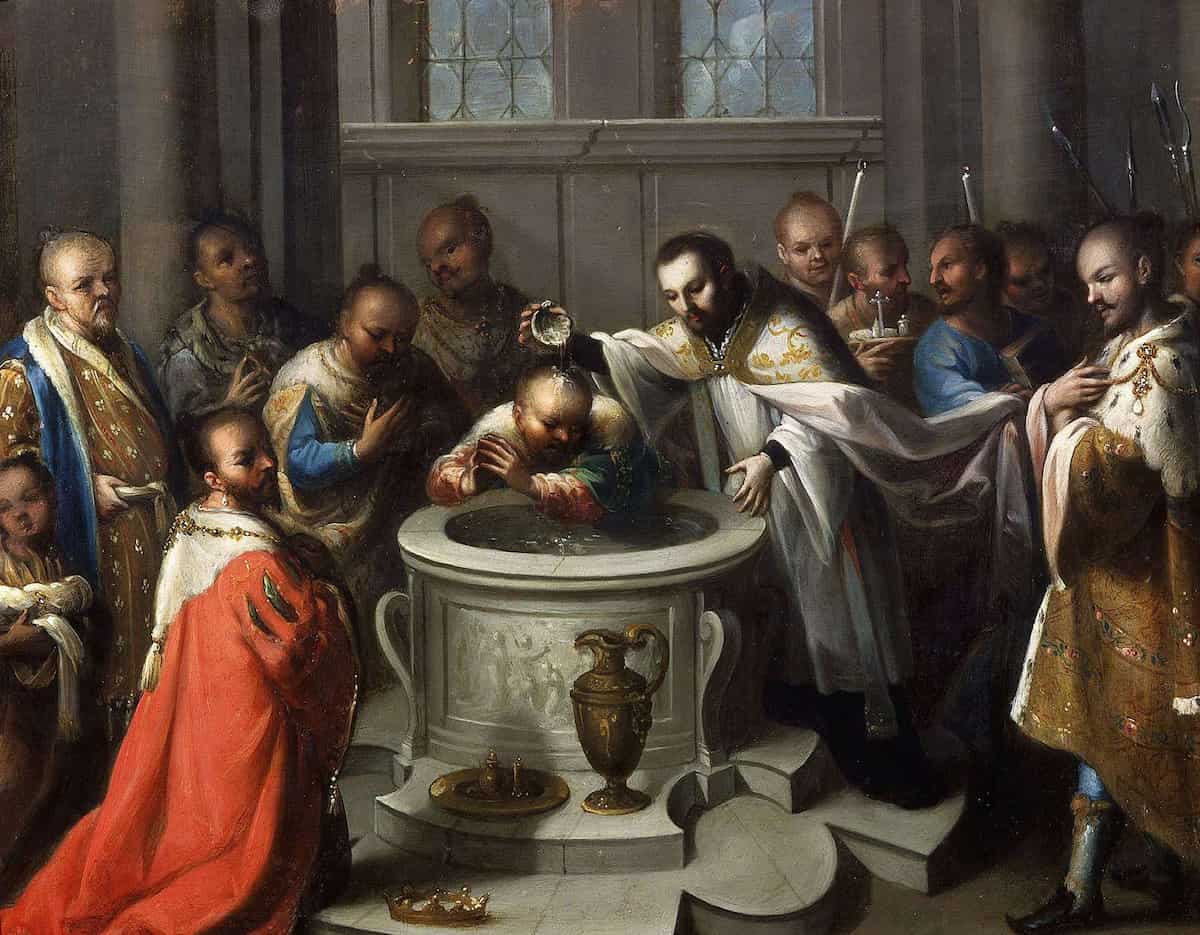
When the first westerners showed up in Japan in the 1540s, the Japanese found it very difficult to be in close proximity to them, especially in enclosed areas, because the Westerners did not bathe or change their clothes regularly, and they gave off a strong stench.
During two hundred years of peace, prosperity, and national isolation, the graceful and winning side of this human nature found chance to bloom. The multiform restraints of law and custom then quickened and curiously shaped the blossoming, as the gardener's untiring art evolves the chrysanthemum flowers into a hundred forms of fantastic beauty.
The Japanese have long been notorious for their racial, ethnic and social discrimination. They have traditionally been incapable of accepting other races and ethnic groups into their inner circle and treating them the way they treat other Japanese; even the Japanese who look or act a little different are not accepted.
The second half of the sixteenth century is the most interesting period in Japanese history for three reasons. First, because it witnessed the apparition of those mighty captains, Nobunaga, Hideyoshi, and Iyeyasu.
Most Westerners prize practical knowledge and hands-on experience above all other kinds of learning. They are also condition to approach work and other challenge is directly, aiming for the “the shortest distance between two points”.
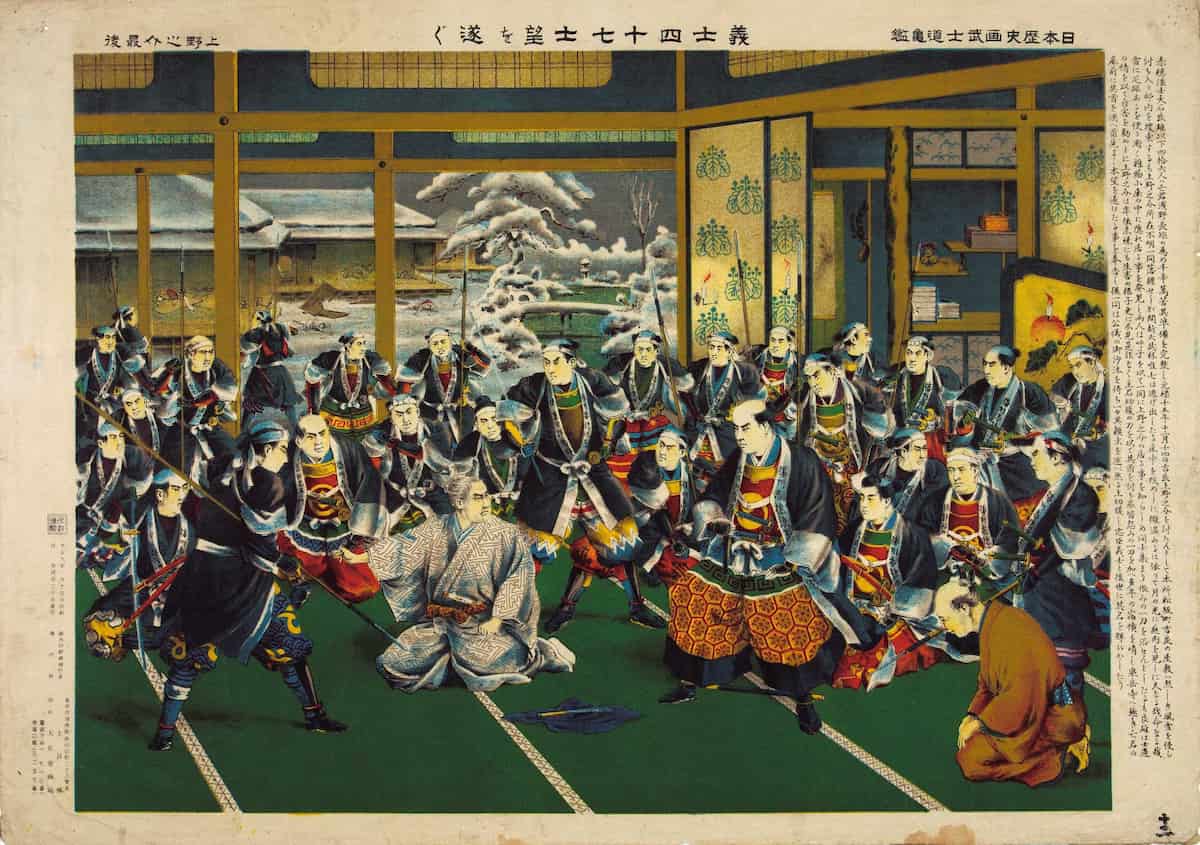
The history of the Japanese people strongly exemplifies these truths. Among no other people has loyalty ever assumed more impressive and extraordinary forms. Among no other people has obedience ever been nourished by a more abundant faith, that faith derived from the cult of the ancestors.
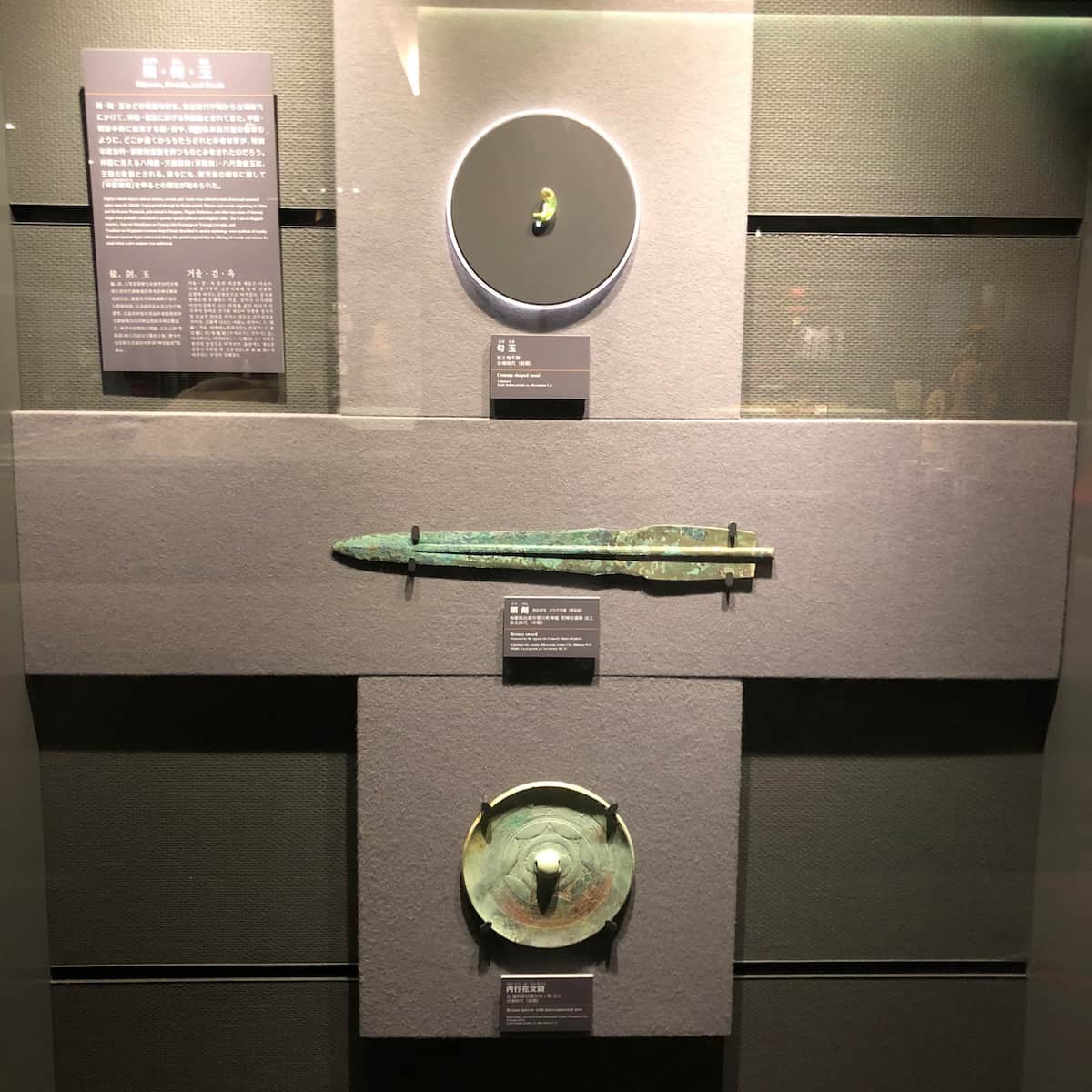
Although everything prior to the seventh century remains obscured for us by the mists of fable, much can be inferred concerning social conditions during the reigns of the first thirty-three Emperors and Empresses. Kojiki (Record of Ancient Matters), completed in 712 CE, and the Nihon Shoki contain records of fact, but fact and myth are so interwoven, it is difficult to distinguish the one from the other.
The concept of byodo, or “equality“, among people is a western invention that apparently evolved from the Christian theological beliefs that all human beings are created equal in god’s eyes.