Storyboard / Philosophy
Monumental moments in life reach beyond the ordinary fork in the road. Some happen only once in a lifetime.
Things seem strange in this modern world. Sometimes crazy and sane appear almost interchangeable, though the dictionary would tell us they are not the same.
Just two events frame every human life: birth and death. What we do with the time between is the actual story.
In order to find one’s way out of the Ennui Valley, one must first understand what it is—and, more importantly, recognize when one is inside it.
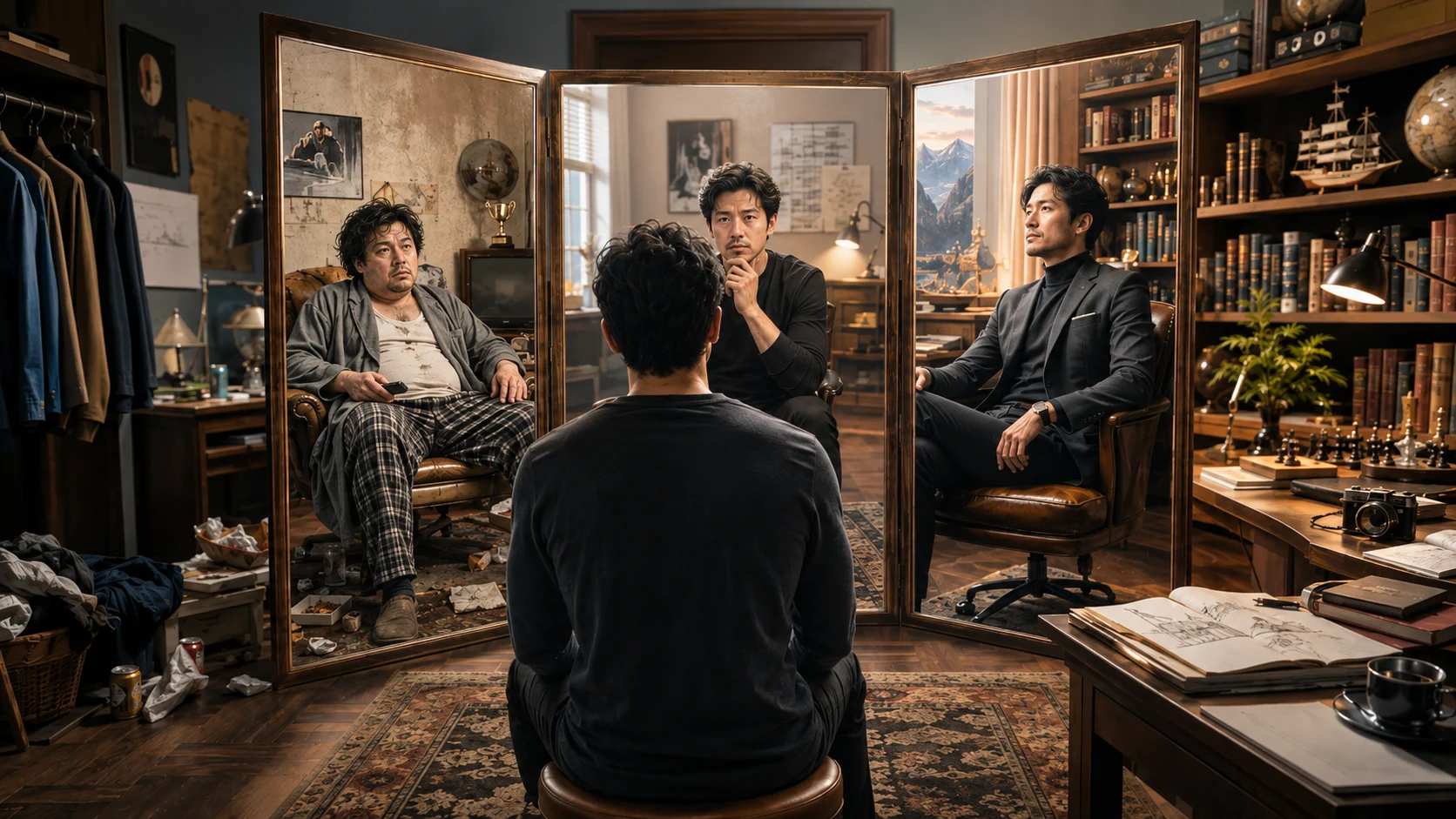
There is nothing quite like the feeling of staring at a blank sheet of paper—or, better yet, at the canvas that is your life.
Recalling the past as though it were a stage play can be both a blessing and a burden. Those whose memories replay their own history vividly will know exactly what I mean.
Everything in life has a purpose; nothing is entirely for naught. Even the ugly and brutal lessons born of adversity contain information that can be tested against the truth of one’s experience. If they appear to teach nothing, perhaps it is because we are ignoring—at our peril—the still, quiet voice that calls us toward an authentic life.
For better or worse, those who march to the beat of a different drummer are often the ones who change the world.
All those who understand the extraordinary feline lineage of this taxonomic wonder will attest to the fierce independence of these remarkable energy fields.
No one chooses the circumstances into which they are born. Indeed, birth may seem like a random act guided by the fickle finger of one among the plethora of gods dotting the infinite horizon.
In fact, all constructed reality needs is an animated reframe capable of recognizing the continuum of colors surrounding life on Earth, including the subtle nooks and crannies within the spectrum of grey.
The pragmatic hodo々switch is a subtle yet essential mechanism for aware wetware and free-range avatars navigating the stormy seas of the Material Sludge—where all-or-nothing becomes the default, and more often than not, there is no “off switch.”
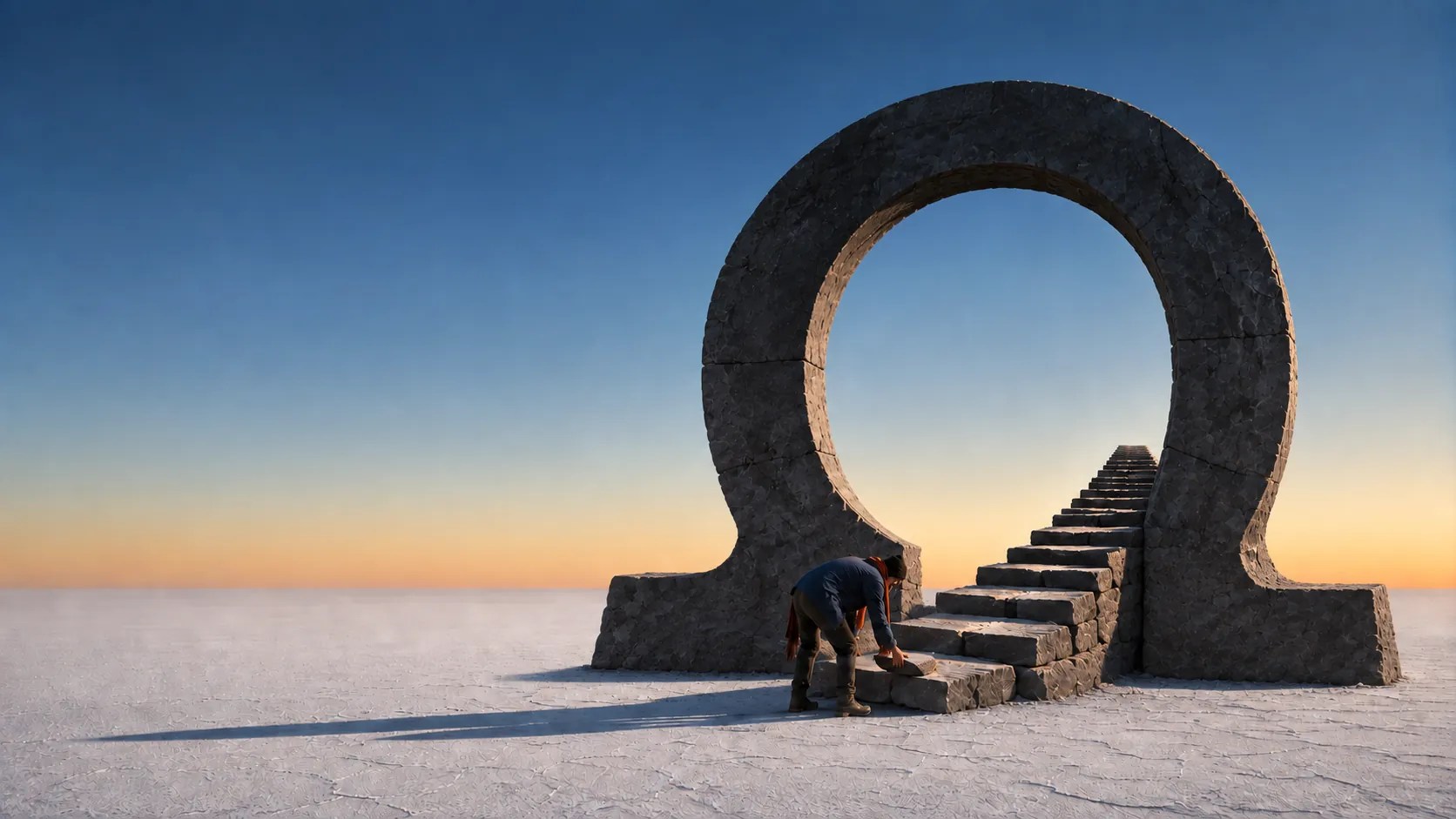
The question now remains—have you found the master key to unlock the dreams within your most deeply held desire-doors— the portals urging you to become more—as you flow into ΩNE, the final door.
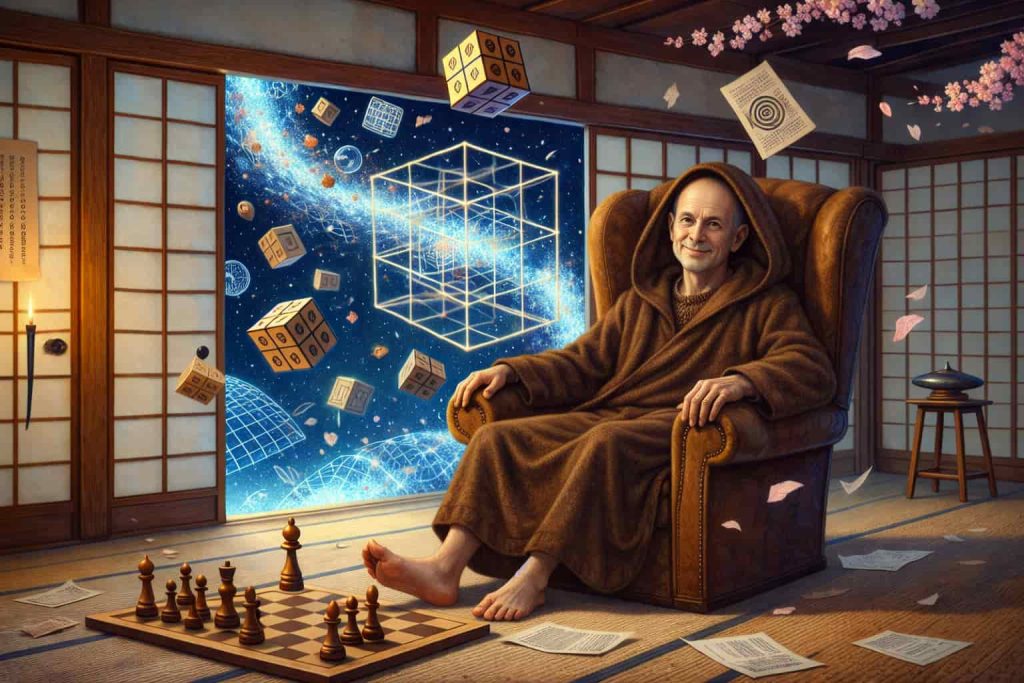
Recently, it has come to the attention of the Japanese that there are now many roads that lead to a serene place—some more obscure than others—each unfolding at one’s own pace.
Rooted in a timeless collection, this useful tale lays the groundwork for those who refuse to fail. Here is the crux of the story for posterity.
More often than not, the wise choice is number three—wait until the dust settles and assess the situational gravity. The astute play is almost always “wait and see.”
The next time you hear the same old complaint, giving advice is the worst thing to do—no matter how much one cares, it is never enough for the rumination loop, a broken record skipping around on a well-worn groove.
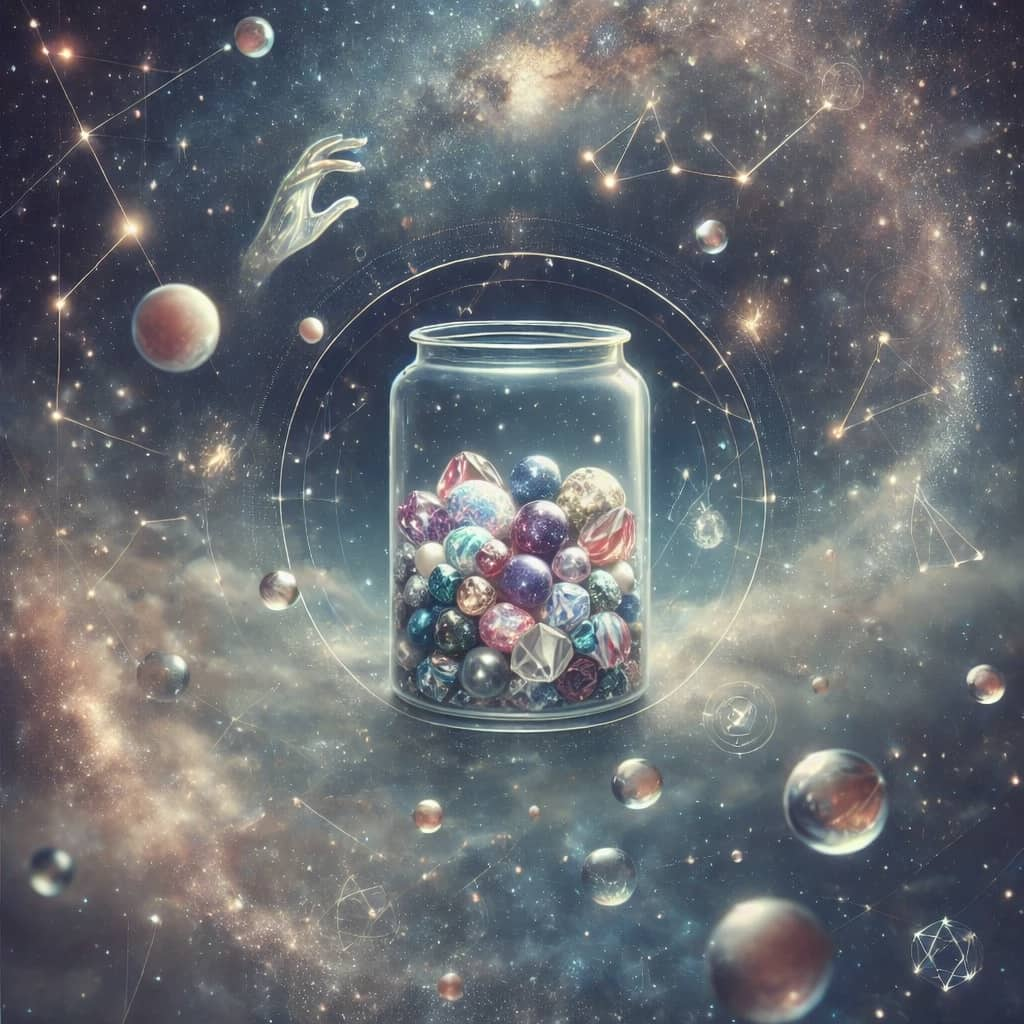
The marble jar metaphor is one of the most elegant ways to read the health barometer of relationships, friendships, and long-term companionship.
As this old Persian tale goes, the moral of the story lies within the fable’s central paradox—the discovery, on the grounds of the original property, of the world’s richest ruby mines in all of human history.
In your way is to embrace the day and by doing so, the matrix revealed itself as you see your superposition inside of it—throughout this ephemeral movie dream.
True intelligence only appears when thought begins to move—when an individual engages reality directly, interprets experience personally, and acts without waiting for permission.
The whirlpool is not separate from the ocean. It has temporary boundaries, internal structure, and persistence—yet upon expiration, what we call physical death, it dissolves back into the greater field of conscious unity.
As the ideal tool for comprehending your psycho-spiritual status and assessing the health of each level, somatization reveals which part of the sacred heart requires attention on the journey toward transcendence and becoming ΩNE.
The veneer of the masquerade of adulthood slowly peels away, the children of the tutelary deity and Seity are left asking a critical question—what is false and what is real?