Reality Re-Association
Just two events frame every human life: birth and death. What we do with the time between is the actual story.
Between those two events, an inner narrator is always at work, telling us who we are and what our lives mean. So listen closely: whose story have you actually been living?

Philosopher and computer engineer Dr. Bernardo Kastrup proposes a startling possibility: individual consciousness may be a temporary expression of a wider field of consciousness. In his account, bodily death ends that temporary separation.
His work deserves a close reading, especially where it asks us to reconsider how we think about life and death.

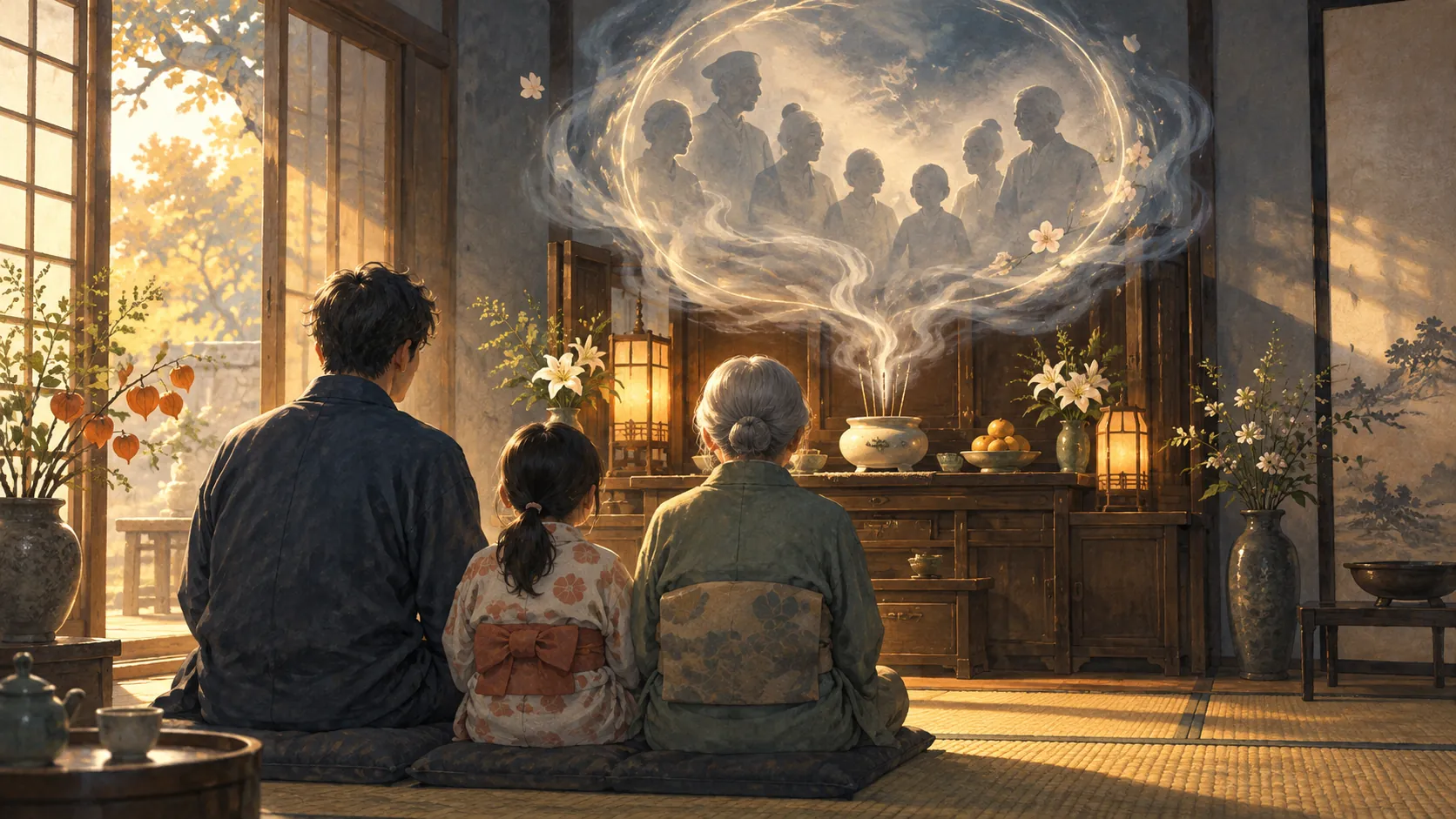
The key to this earthly portal of reality may lie in understanding the world in a different way. Imagine human consciousness as a whirlpool that appears separate from the flowing river of reality. But remember: the whirlpool is made from the water of the river.
The boundary of the whirlpool is a pattern within the flow, not an independent substance. When you think about it, wouldn’t you know?

When the whirlpool disappears, the water does not cease to flow. No—the temporary form that made it appear separate has dissolved, while the water remains part of the flow.
That gives “death” a different interpretation—one that challenges familiar arguments about the fate of a human life after the body dies. Some of those explanations have been with us for centuries—a very long time to live with a story without questioning whether it is actually the only one.

In Dr. Kastrup’s account, death is not consciousness being extinguished. It is the ending of the whirlpool’s dissociation from the infinite flow. The re-association of the localized self with a larger field of consciousness may reveal a deeper layer of reality—one that, if Dr. Kastrup is right, applies to all living things.
To be clear, this is a view being explored, not a scientifically established account of what happens after death. Yet the questions it raises about consciousness cannot simply be ignored.

The story becomes even more interesting when other thinkers enter the conversation, approaching consciousness from their own distinct directions. Federico Faggin describes Seity in his book Irreducible. Eye-opening, to say the least.
Professor Donald Hoffman of the University of California, Irvine, offers another intriguing perspective in The Case Against Reality: perception may work like a user interface shaped by evolution to help us survive, rather than to show us the world exactly as it is.
Irreducible gave the author of this storyboard insights he had long been searching for. In its the pages of Irreducible, he found words for something he had sensed for years but could never quite figure out this reality glitch.
These thinkers challenge familiar assumptions about consciousness and reality, each from a distinct direction. Their ideas deserve serious consideration, even where their conclusions differ.
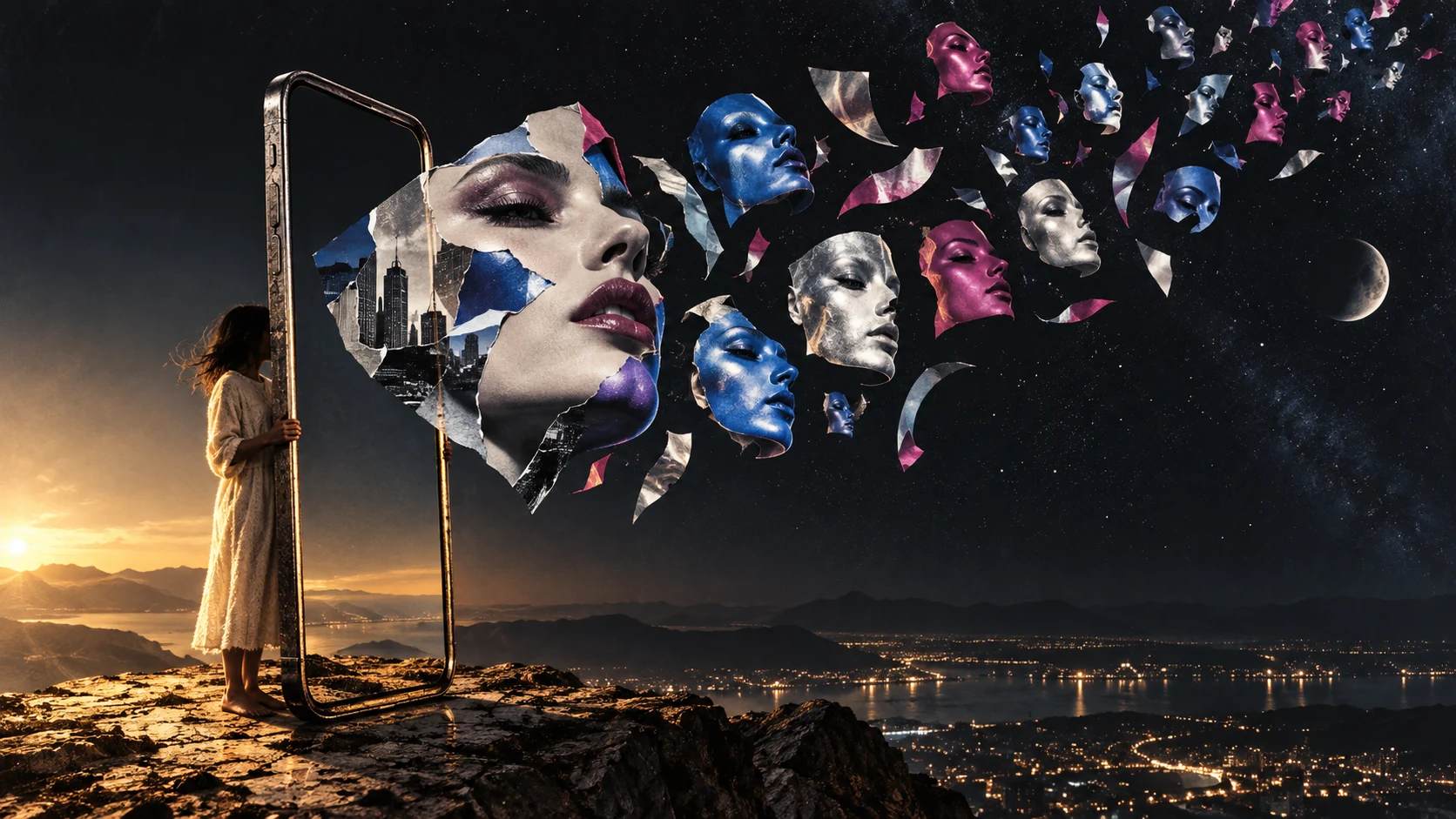
The fleeting nature of human life leads us to another pertinent question: why do we spend so much of it chasing online attention?
An online persona is often a temporary identity. It can express something authentic, but it can also become a substitute for the person behind it.

Once you understand this, it is time to make grander plans, take the road less traveled, and fill your soul with purpose and meaning. Go into a state of flow and begin creating the reality where you intentionally live a life of meaning.
As once you understand this, it’s time to make much more grander plans, that will lead to the road less traveled, and to fill up your soul with purpose and meaning and what it means to go into a state of flow and your created reality.

Indeed, fickle visibility alone can never become a legacy. The attention of strangers may bring friends and followers but is fleeting—but ask yourself: does it really hold any meaning?
A person may be seen by millions, yet leave almost nothing behind. Another may live so authentically that their influence continues for generations, creating their own “stitch in time.”

Surly this massive wave of the “influencers” could be called the “copy and paste” generation, with no original ideas—the false self is void of meaning.
This false self can become an online persona fractured into masks—beauty, status, virility, youth, relevance—all seeking the approval of strangers.

As you reflect on your own existence and return to authenticity, life can begin to feel like a dream moving down the river of infinity.
The true meaning of influence lies in the lives your presence has touched, the mark you have left upon the world, and the courage to live authentically. Yet your whirlpool is here, now, and the meaning you give this life matters while it flows in a boundless stream.

And at the end, in your final earthly moments, imagine your own whirlpool returning to the endless flow of reality. Nothing really goes anywhere.
The whirlpool’s boundary ceases to exist. The water does not return to the river—it had never left.