Who Is Tokyo Rose?
Often—life is about—time—place—opportunity.
Circumstances of the times.
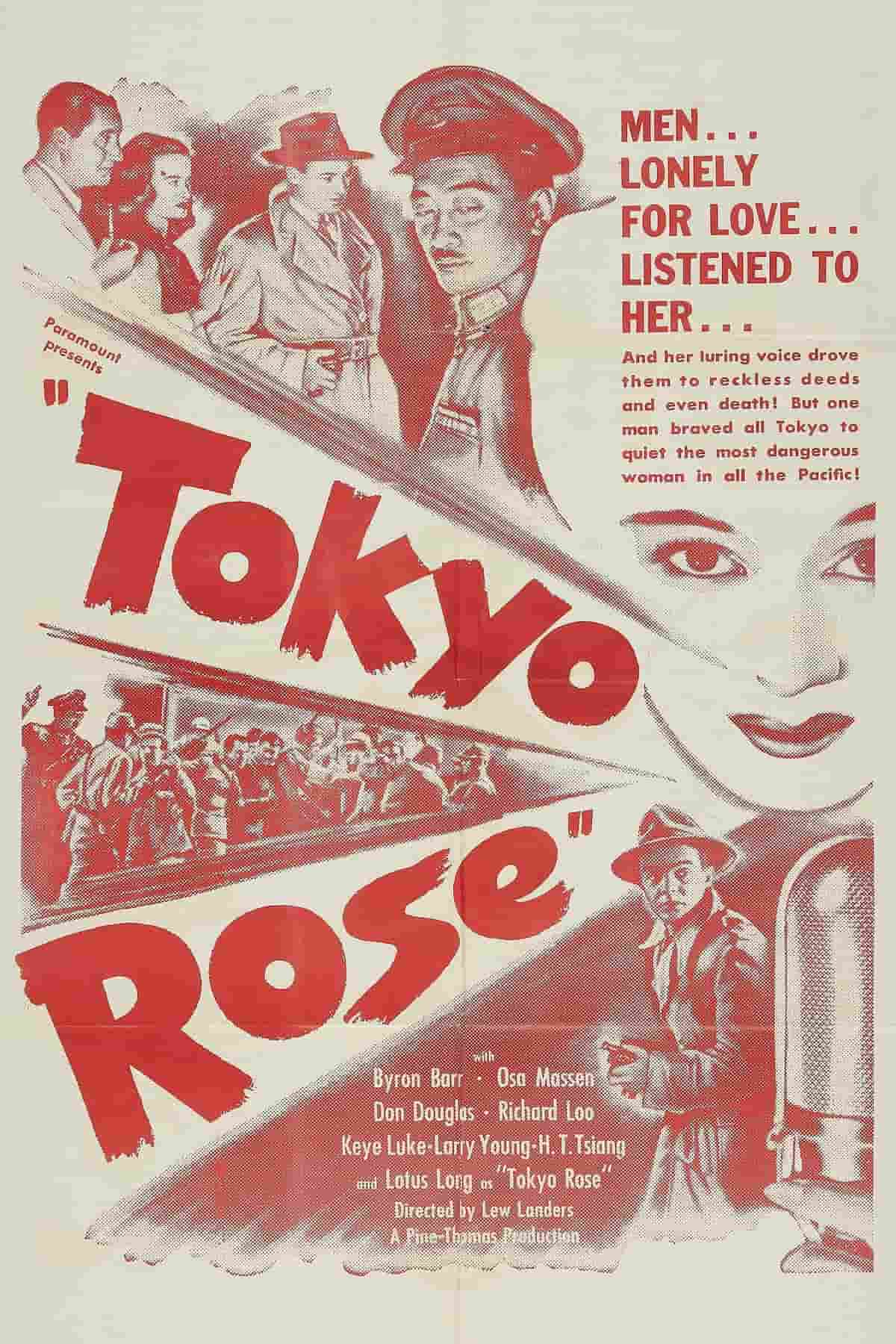
Tokyo Rose was an American-born, Japanese woman who hosted a Japanese propaganda radio program for U$A GIs during .
After graduating with a doctorate of medicine from UCLA in 1941, life dramatically changed through a twist of fate.
As a graduation gift, Tokyo Rose was sent back to Japan to visit her sick aunt.
Shortly after arriving, the tension between Japan and the U$A escalated quickly—making it impossible for her to return home—as the last ship for America—left without her— so here she was stranded—in the Land Of The Rising Son.
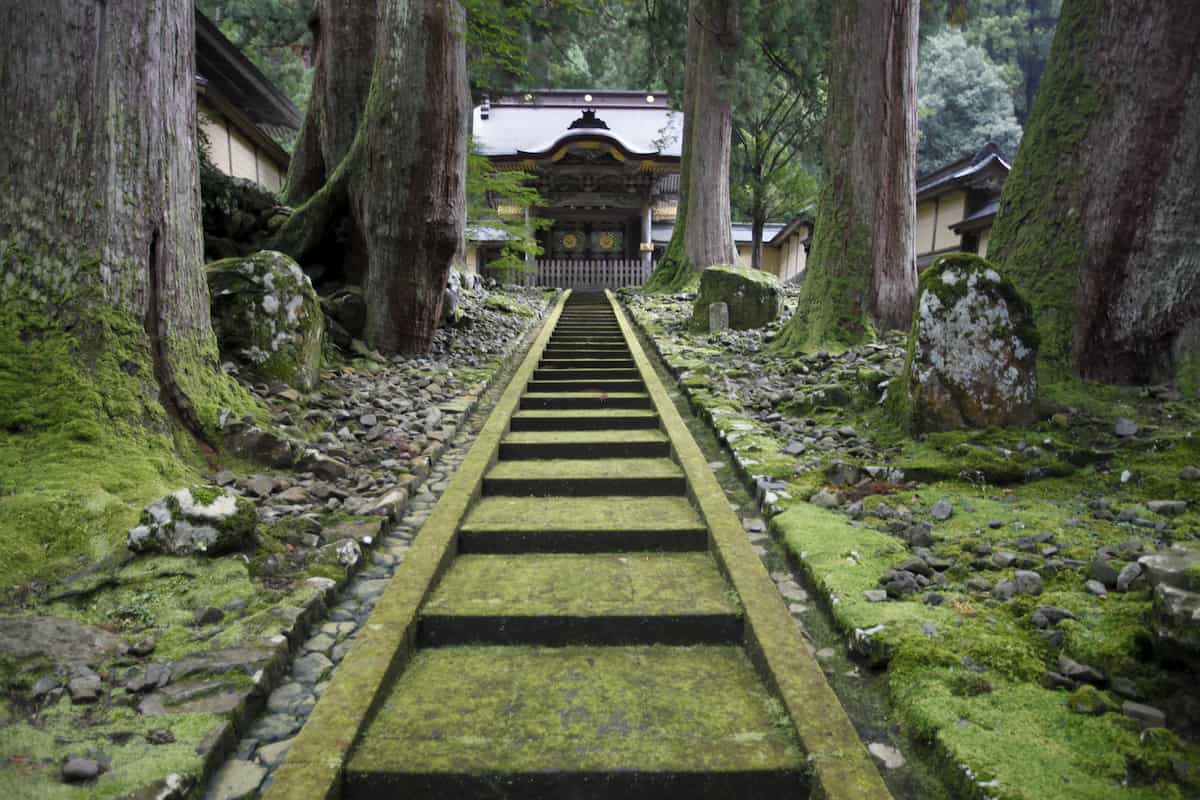
Anything can happen during times of conflict, and sure enough, the knock came on the door from the Japanese secret police while Tokyo Rose was staying at her beloved aunty’s house.
They came to demand she renounce her U.S. citizenship and pledge loyalty to the Japanese emperor.
She refused, thus becoming an enemy alien who was then denied a food ration card.
In 1942 Tokyo Rose’s family property was appropriated by the Democrat American government.
Her entire family was relocated to the notorious Japanese interment camps—her family’s new home—the parched desert of Arizona.
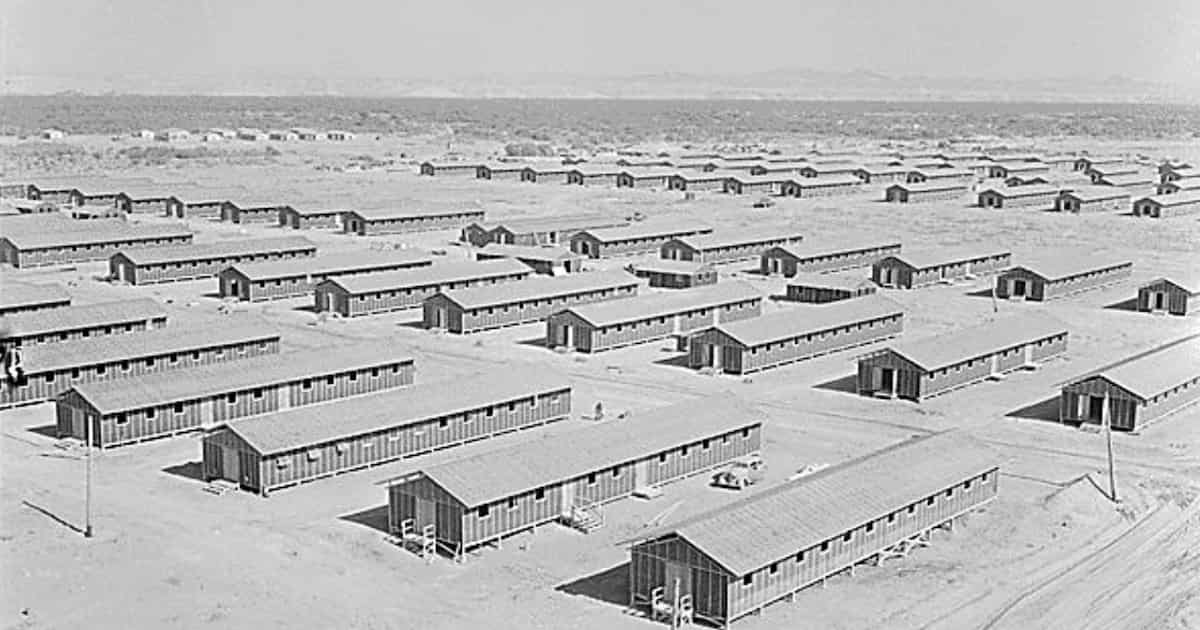
The letters between her and her parents stopped, and she was suddenly isolated without information about their lives.
Perhaps it was the innate Japanese DNA inside her spirit whispering:
When life gives one lemons, make lemonade.
wazuwai tenjite fuku to nasu
災いを転じて福となす
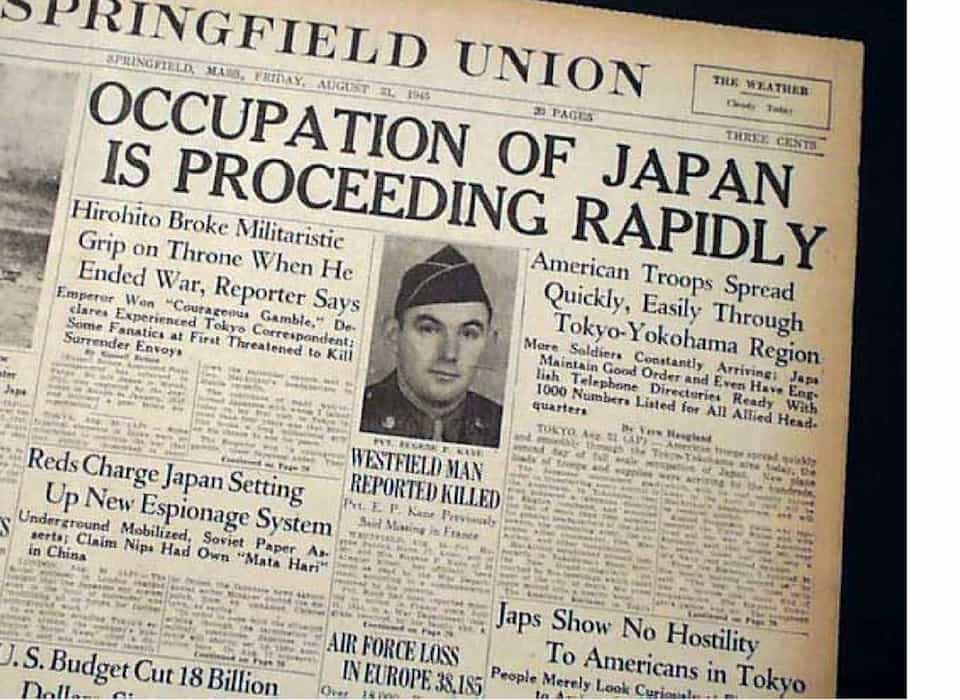
So she started work at an English-newspaper listening to short-wave-radio newscasts and transcribing them into Japanese.
Her next job was with Radio Tokyo, typing scripts for programs to be broadcast to the isolated American foot soldiers in Southeast Asia.
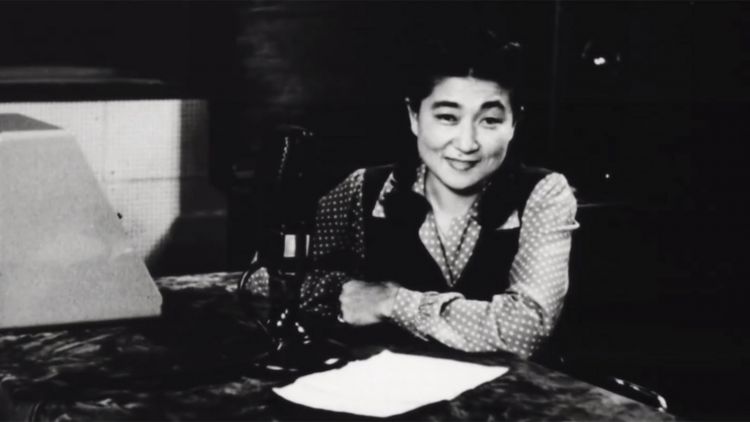
She was then unexpectedly asked to host a show called the “” an entertainment program directed at the American soldiers.
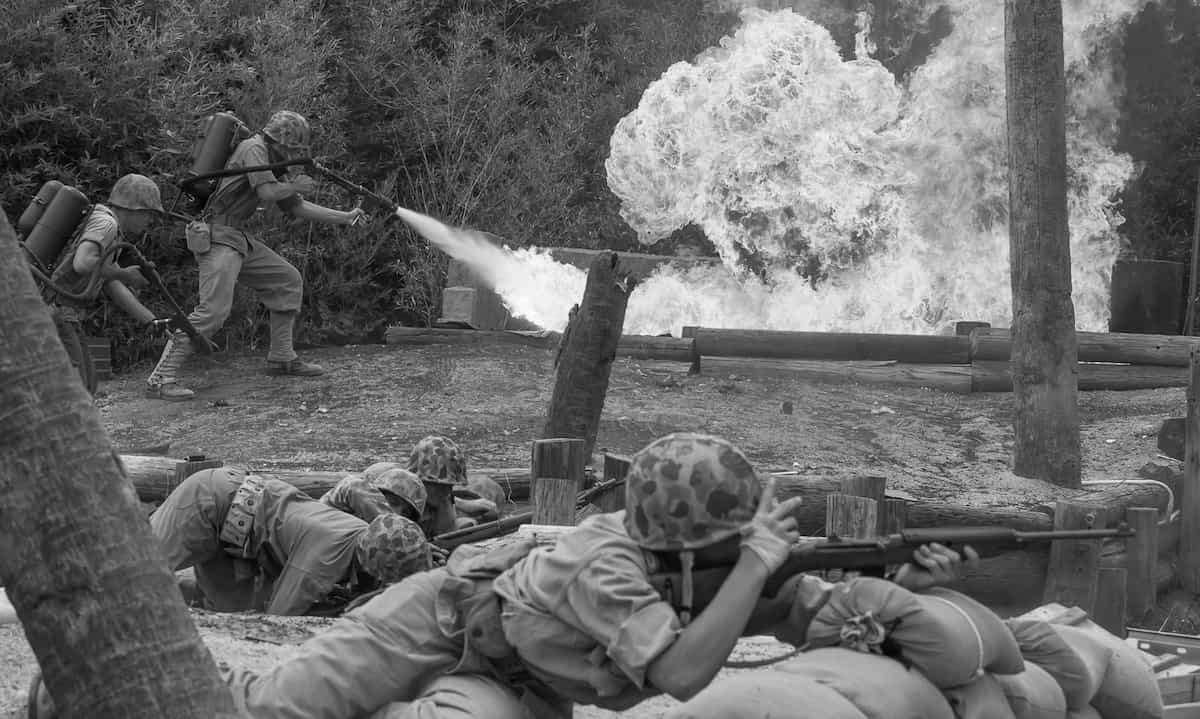
Part of the mystery of Tokyo Rose is the affection the U.S. soldiers felt when they heard her feminine Japanese voice.
For certain they were delighted to listen to her, all the while imaging an exotic geisha, as reflected in the propaganda films shown to the Americans before departing Happy-land to fight the resilient Japanese in the Pacific theatre.
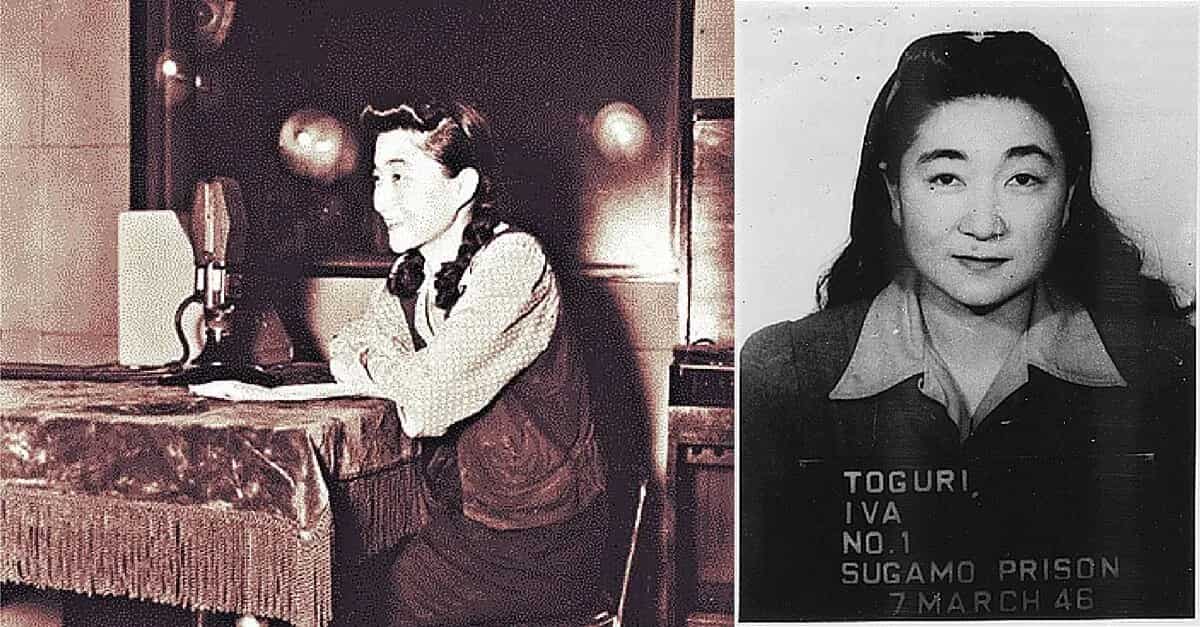
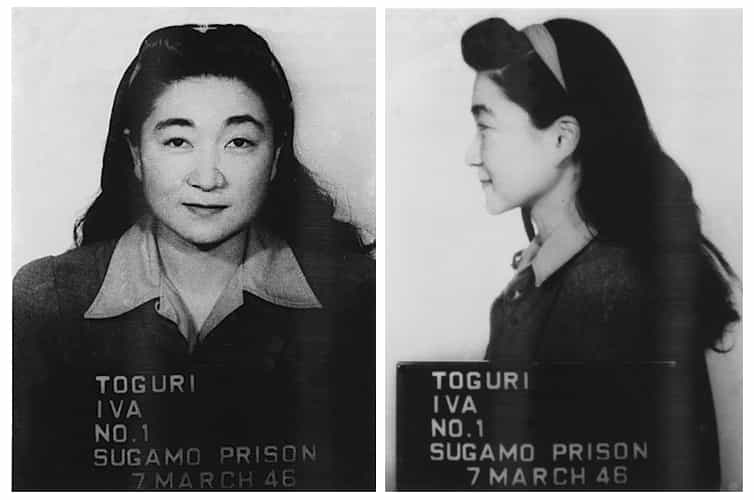
Her real name was Iva Toguri, and she never referred to herself as Tokyo Rose, but called herself Orphan Annie when on air.
Tokyo Rose was actually a term coined by the lonely forlorn American GIs in the South Pacific when listening to her soothing voice and music from home which made them melancholy and despondent.
After the end of World War II in 1945, the American Army began to investigate her as a traitor, accusing her of treason for broadcasting Japanese propaganda while detaining her for a full year before release due to lack of evidence.
 Woefully, the misery was not over for this unfortunate prisoner of fickle fate.
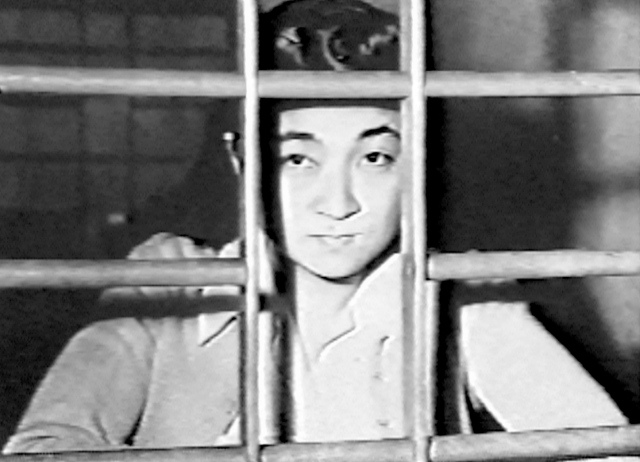
Her painful ordeal did not end with the two atomic holocaust events perpetrated by the American military upon Hiroshima and Nagasaki, and the Japanese people, nor her year-long detention at Sugamo prison.
Her story was made national news in America by a sour, long forgotten old man by the blasé name Walter Winchell.
A despicable Occxie who hated people of colour, especially strong women of colour, such as Tokyo Rose.
He was backed up the notorious William Randolph Hearst, and these parasites of humanity could be accredited with the start of smutty slander journalism, which is now on full display across the rags and boob tube channels permeating the American media infesting the citizens minds with the ugly virus of exceptionalism.
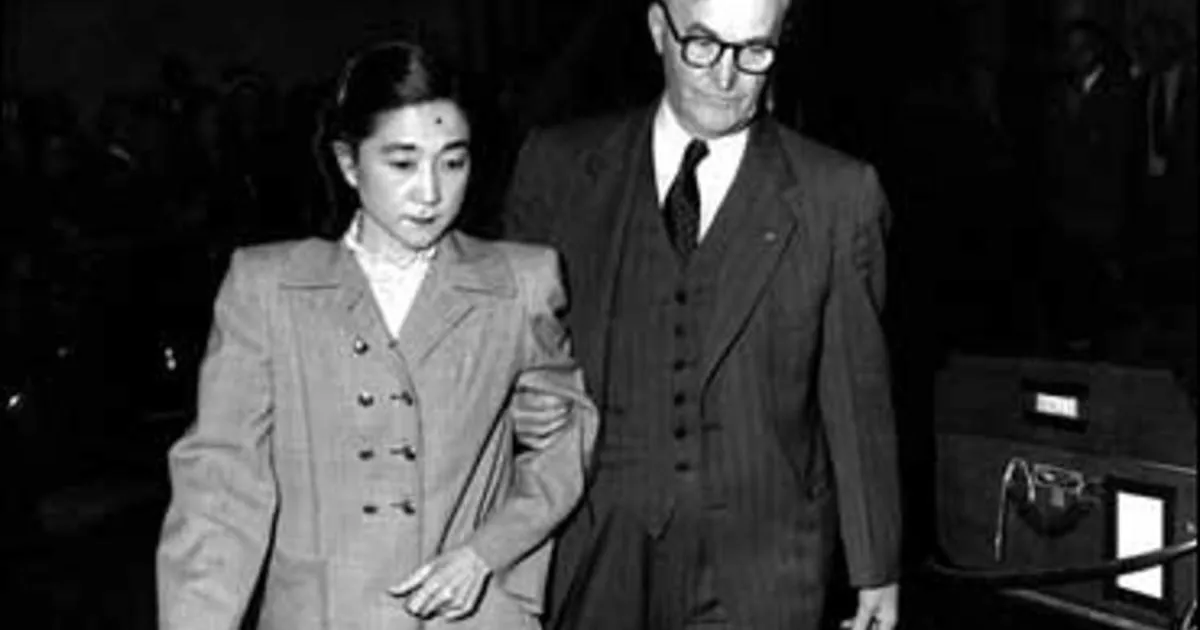
He called for her to be returned to the U.S. so she could be tried, so in 1948, President Truman acted and she was eventually charged with treason.
Tokyo Rose became only the seventh person in U.S. history to be convicted of treason.
In her 1949 trial she was conviction on one of eight counts of treason, she was paroled from prison in 1956.
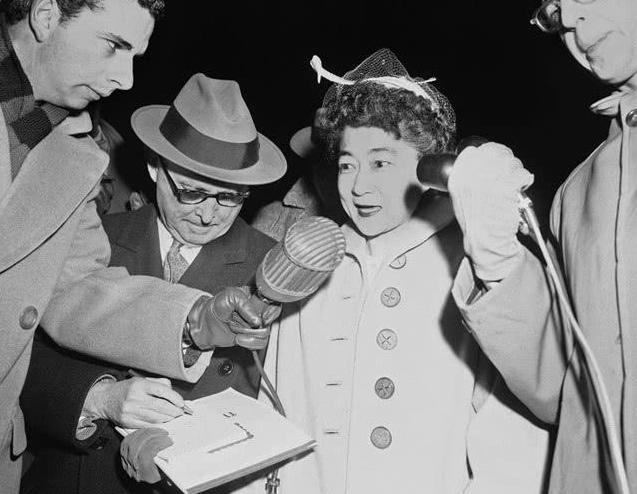
This is what is know as scapegoating and the American Empire have this nefarious protocol down to an evil science.
Perhaps the also servers to take the attention away from the war crimes that American military perpetrated upon Japan, not only by torching their cities with napalm, but the nuclear holocaust events perpetrated upon innocent Japanese civilians.
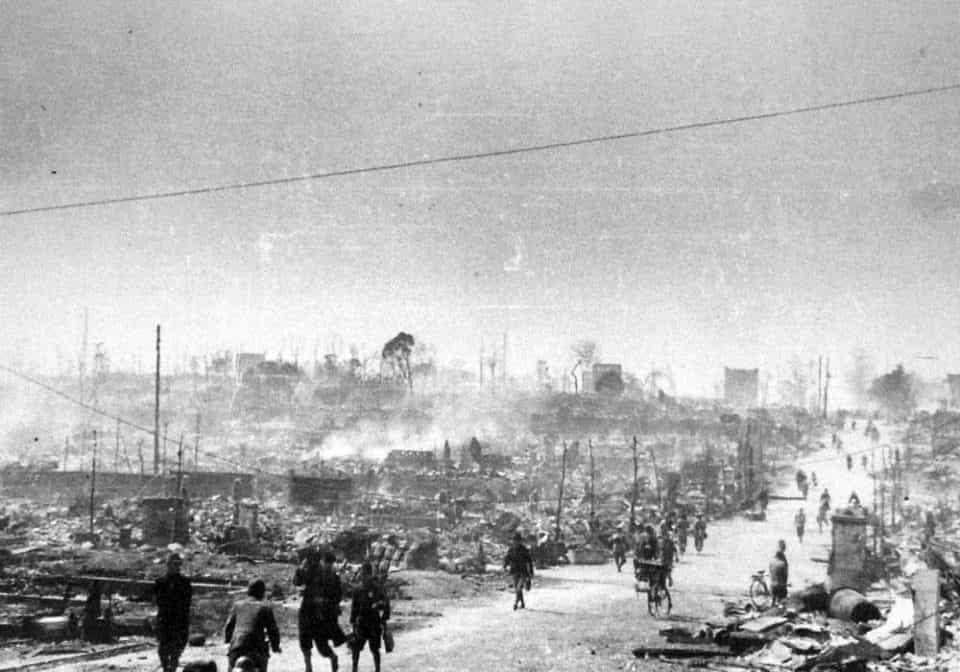
True to the nefarious nature of the American Empire, in 1974, investigative journalists discovered important witnesses had asserted that they were forced to lie during testimony.
They stated that F.B.I. and U.S. occupation police had coached them for months about what they should say on the stand, and they had been threatened with treason trials themselves if they did not cooperate.

U.S. President Ford pardoned Tokyo Rose in 1977 based on these revelations and earlier issues with the original indictment.
Tokyo Rose—an accidental historical figure—a life destroyed by vindictive victor’s justice—by the morally bankrupt American empire—which continues to perpetrate heinous acts of violent aggression upon Oneness—up until this very day.