Blog / Blog
For the Japanese, the ringing-in of the New Year is the most important holiday in the Land Of The Rising Son, along with Obon where the ancestor worshiping Japanese honour their dead. For the most part, the Japanese celebrate this special occasion in a solemn and reserved manner.
At the time of the opening of Japan, society had not evolutionally advanced beyond a stage corresponding to that of the antique Western societies in the seventh or eighth century before Christ. Everywhere the course of human civilization has been shaped by the same evolutional law.
In the Occidental world, the repressive part of moral training begins in early childhood. The European or American teacher is strict with the little ones, we think that it is important to ingrain the duties of behaviour. The "must" and the "must not" of individual obligation, as soon as possible.
It has often been asserted by foreign observers that the real power in Japan is exercised not from above, but from below. What cannot be denied is that superior authority has always been more or less restrained by tendencies to resistance from below.
After the reconstructions of the Meiji period, after the abolition of the feudal fiefdoms, and the suppression of the military class, it still maintained its former shape, just as the tree would continue to do when first abandoned by the gardener.
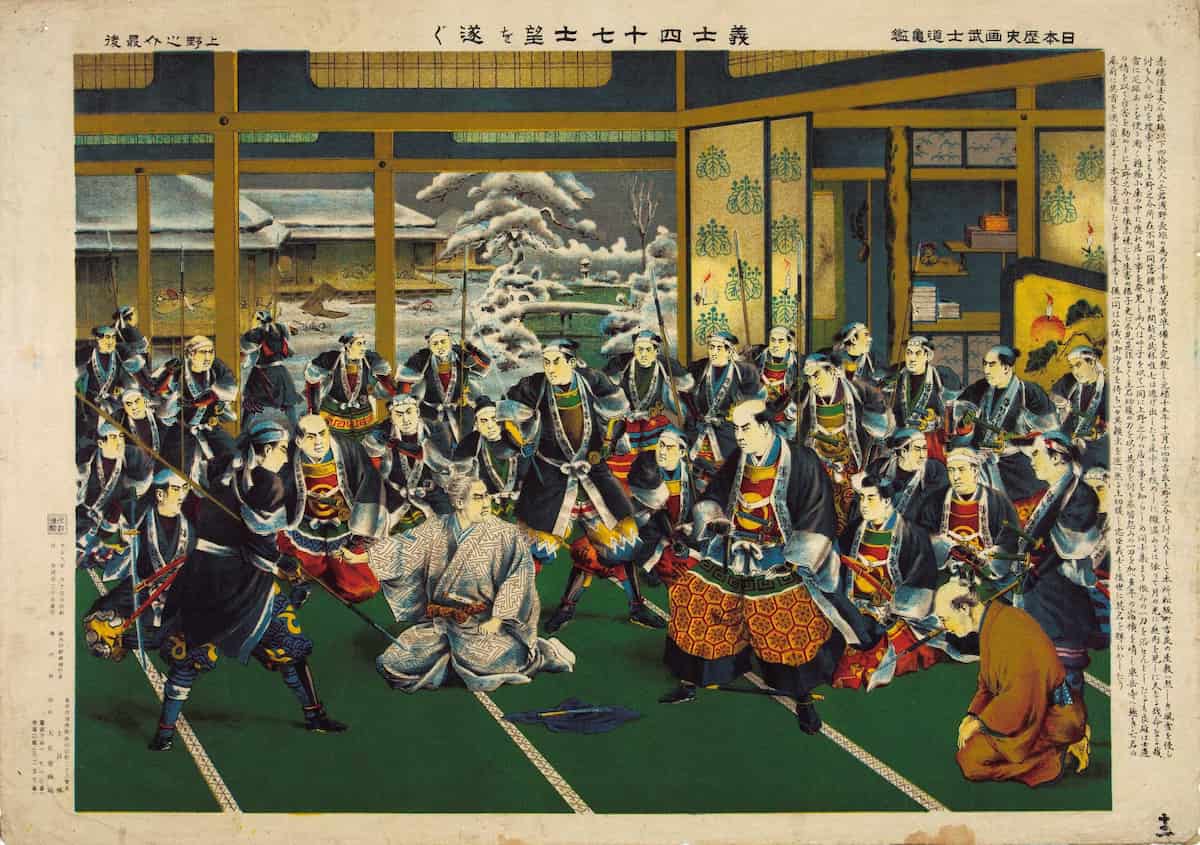
The slow weakening of the Tokugawa Shogunate was due to causes not unlike those which had brought about the decline of previous regencies. The race degenerated during that long period of peace which its rule had inaugurated. The strong builders were succeeded by feebler and feebler men.
During two hundred years of peace, prosperity, and national isolation, the graceful and winning side of this human nature found chance to bloom. The multiform restraints of law and custom then quickened and curiously shaped the blossoming, as the gardener's untiring art evolves the chrysanthemum flowers into a hundred forms of fantastic beauty.
The second half of the sixteenth century is the most interesting period in Japanese history for three reasons. First, because it witnessed the apparition of those mighty captains, Nobunaga, Hideyoshi, and Iyeyasu.
The history of the Japanese people strongly exemplifies these truths. Among no other people has loyalty ever assumed more impressive and extraordinary forms. Among no other people has obedience ever been nourished by a more abundant faith, that faith derived from the cult of the ancestors.
Although everything prior to the seventh century remains obscured for us by the mists of fable, much can be inferred concerning social conditions during the reigns of the first thirty-three Emperors and Empresses. Kojiki (Record of Ancient Matters), completed in 712 CE, and the Nihon Shoki contain records of fact, but fact and myth are so interwoven, it is difficult to distinguish the one from the other.
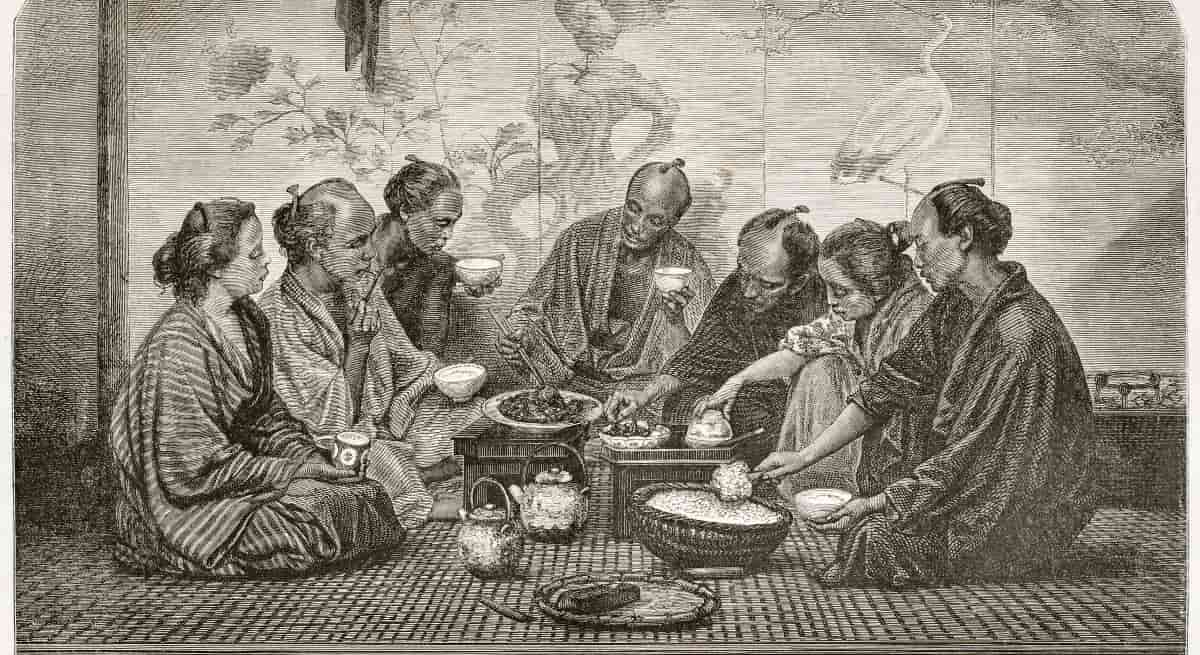
Its original unit was not the household (Domestic), but the patriarchal family, that is to say, the clans. These clans consisted of a body of hundreds or thousands of persons claiming descendant from a common ancestor, and so religiously united by a common ancestor worship; the cult of the Ujigami.
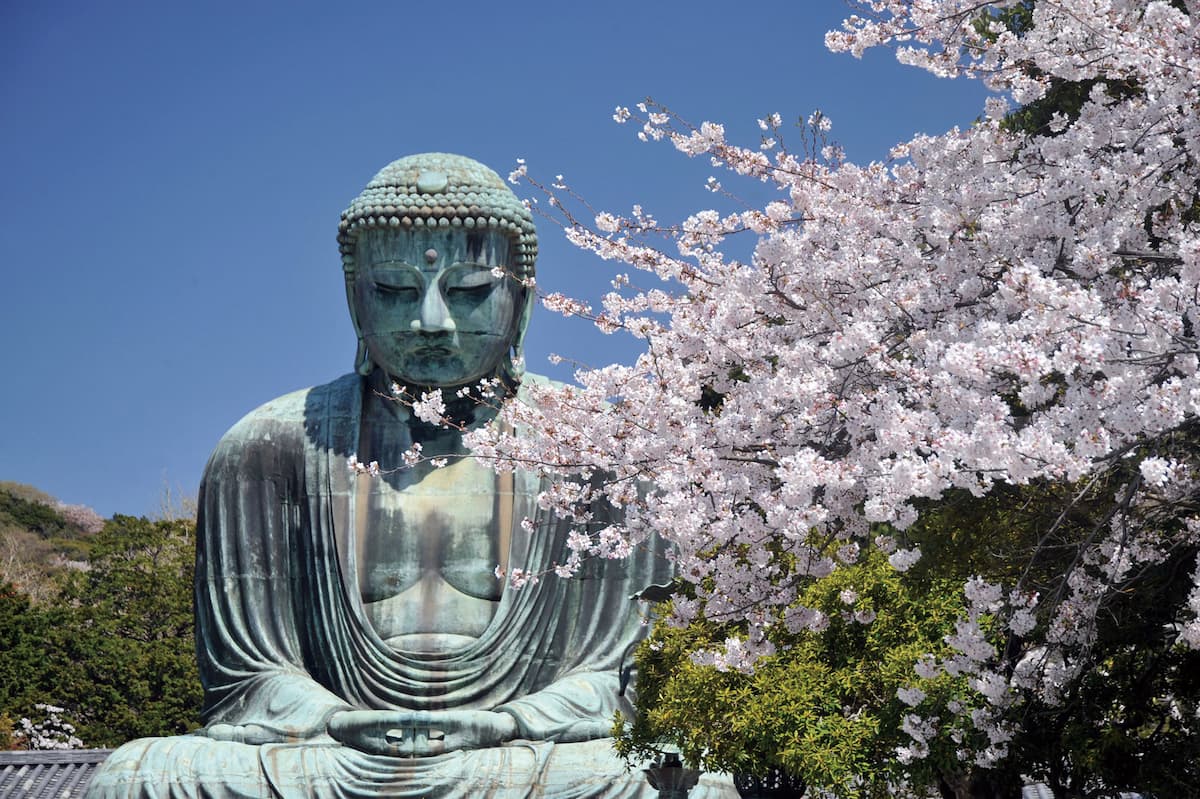
Intolerance of ancestor worship would have long ago resulted in the extinction of Buddhism; for its vast conquest have all been made among ancestor worshipping races. Everywhere it made itself accepted as an ally, nowhere as an enemy, of social custom.
Ethics were not different from religion, religion was not different from government, and the very word for government signified “matters-of-religion.” To obey was piety, to disobey was impious, and the rule of obedience was enforced upon each individual by the will of the community to which he belonged.
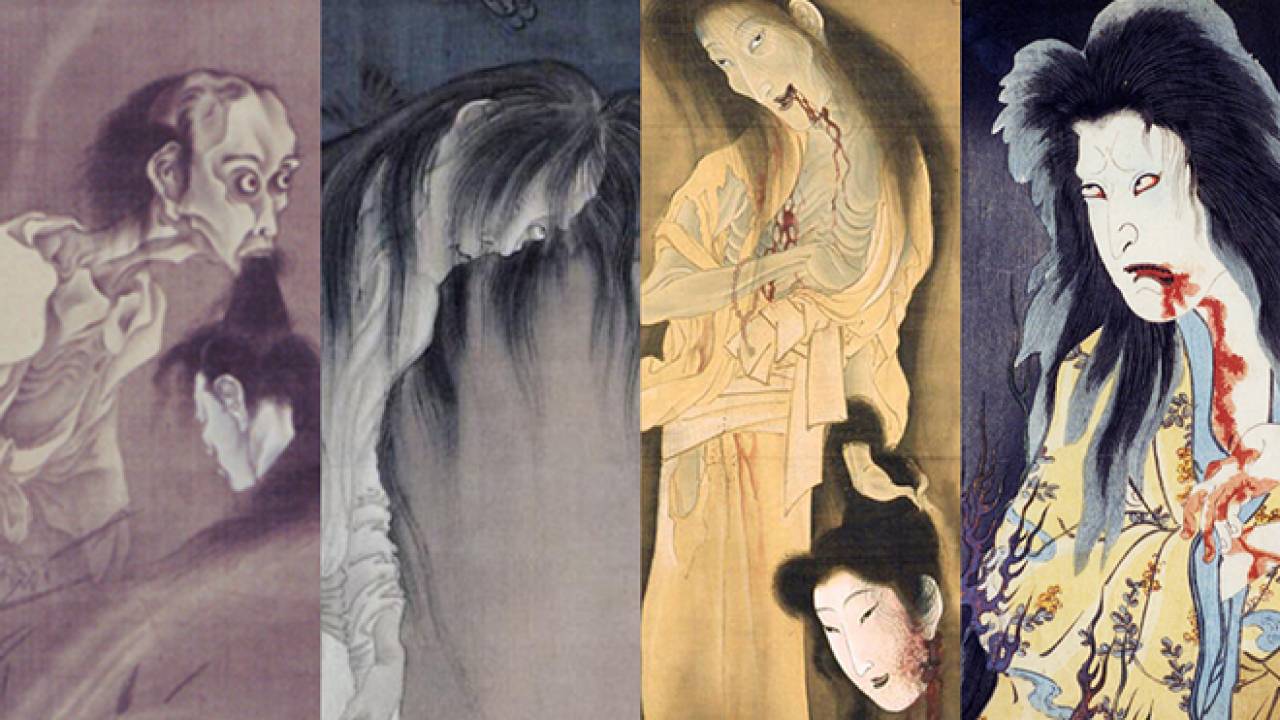
Ancestral ghosts, considered more or less alike when primitive society had not yet developed class distinctions of any important characteristic. Subsequently these ancestral ghosts became differentiated, as a society itself differentiates into greater and lesser.
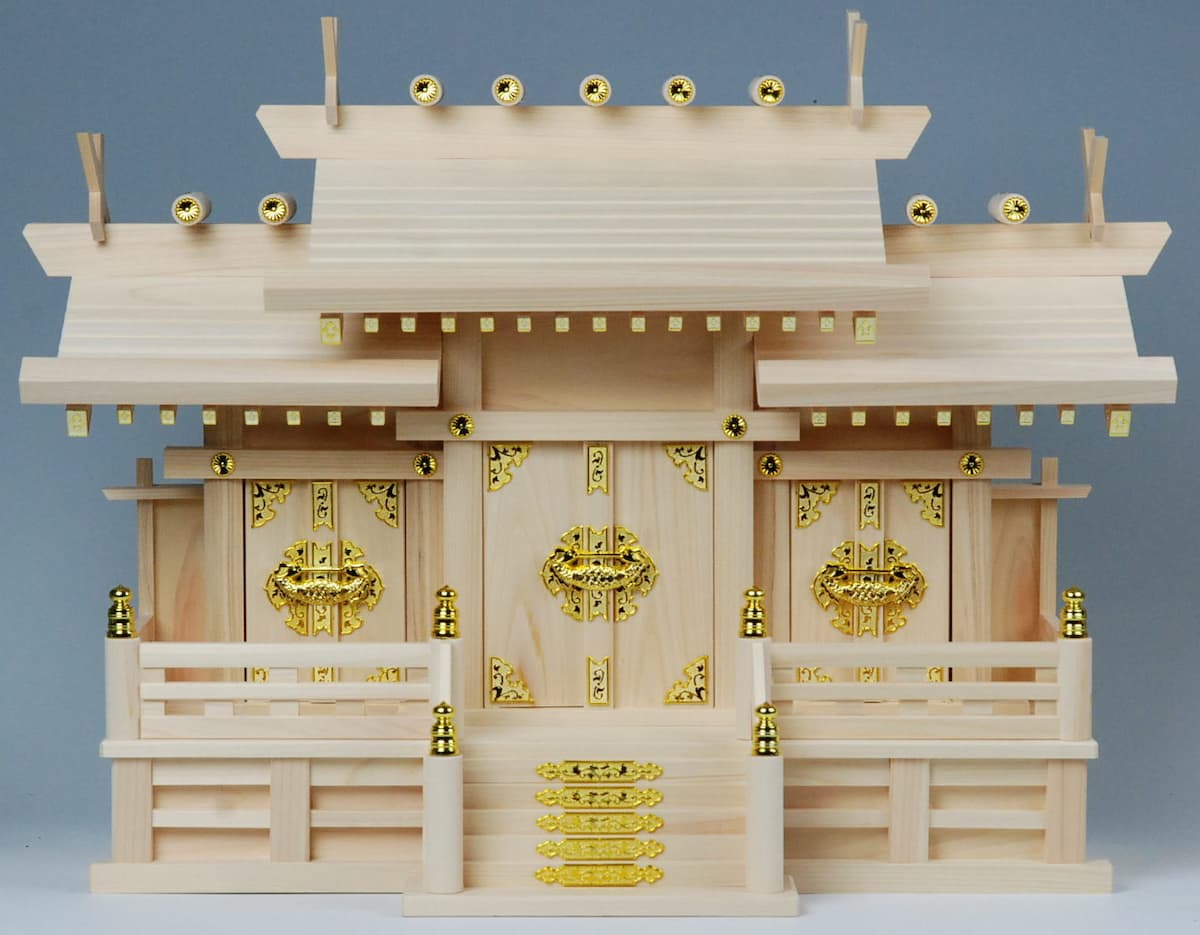
Like the “religion” of the home, Domestic, the religion of the community, Communal is also based upon ancestor worship. What the household shrine (kamidana 神棚) represents to the immediately Japanese family, the Shinto parish-shrine represents to the greater community.
Three stages of ancestor worship are to be distinguished in the general course of religious and social evolution, and each of these can be found in the history of Japanese society.
Ask any Japanese what their “religion” is, and they will say, “We don’t have one." For the Japanese do not have a “religion”, and never have. The Japanese have an indigenous way of life, which has continued for millennia until this day, and has been labeled a “religion” by others.
One of Yakumo’s dearest friends said to him: “When you find, in four or five years more, that you cannot understand the Japanese at all, then you will begin to know something about them.”
Lafcadio Hearn is a historic figure of Meiji-era Japan, he introduced Japanese culture to the West with intriguing observations about Japan.
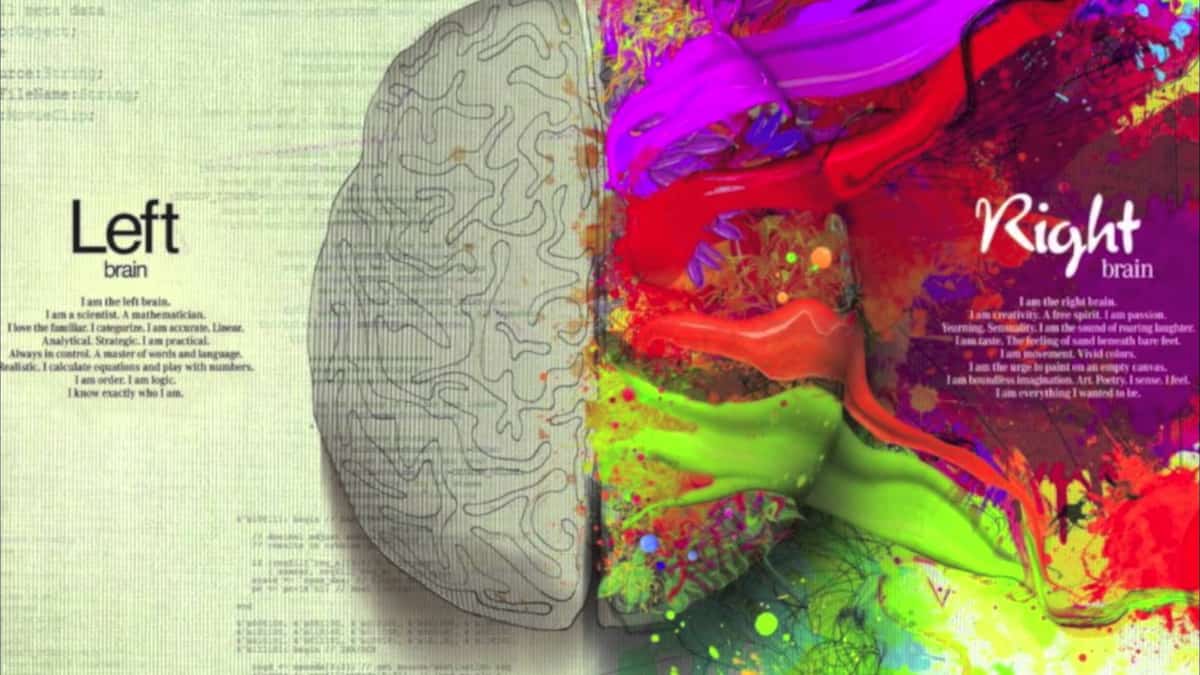
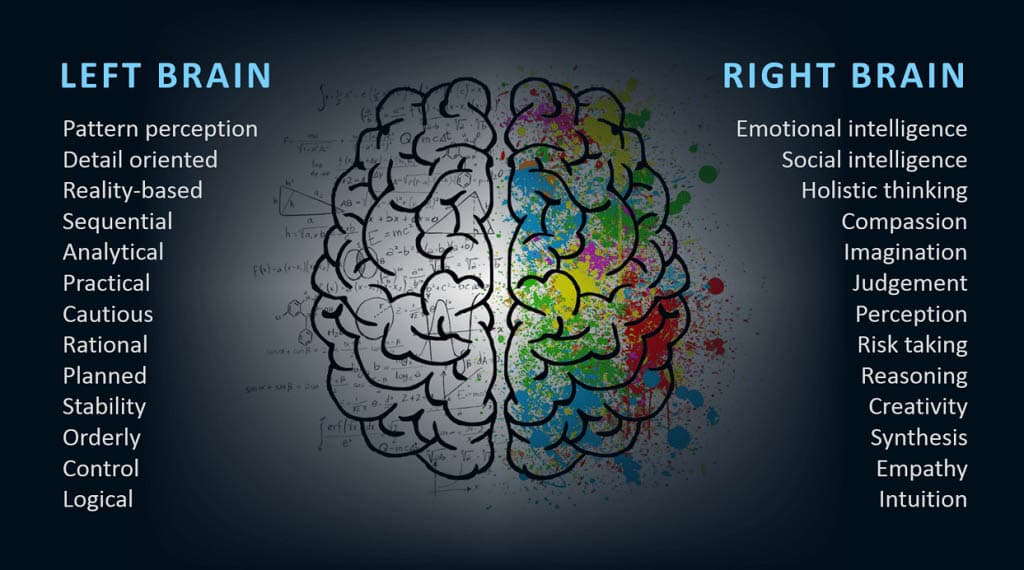
Americans are the most obvious example of a left-brain dominated people as exhibited by their behaviour, action, and words. For it can be said, the Japanese regard Americans as the most unpredictable people on Earth, due to the absence of any precisely defined societal form, order, or process.
Stories from the annals of the Japanese are replete with incidents where the fate of individuals, groups, and even the entire nation hung in the balance, and these critical decisions were based upon intuition, rather than reason.
The core principal which can be considered the Japanese way of thinking can be though of as fuzzy thinking, or better still, holistic thinking. If this concept has not became apparent yet, this “way of thinking” contrasts sharply with the linear way of thinking in which most of the rest of the world operates.
The core principal which can be considered the Japanese way of thinking can be though of as fuzzy thinking, or better still, holistic thinking.
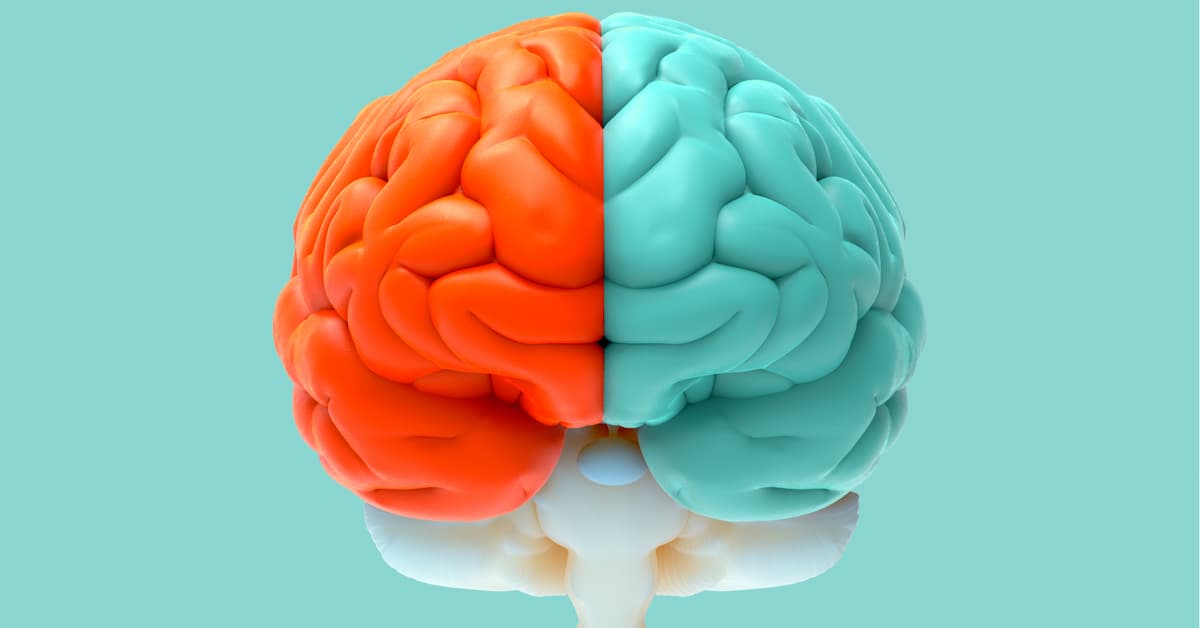
According to the research of Dr. Tadanobu Tsunoda in the 1970s, there is a fundamental difference in the hemisphere dominance of the brains in the Japanese and non-Japanese. His research also demonstrated the difference in dominant side...