Blog / Culture
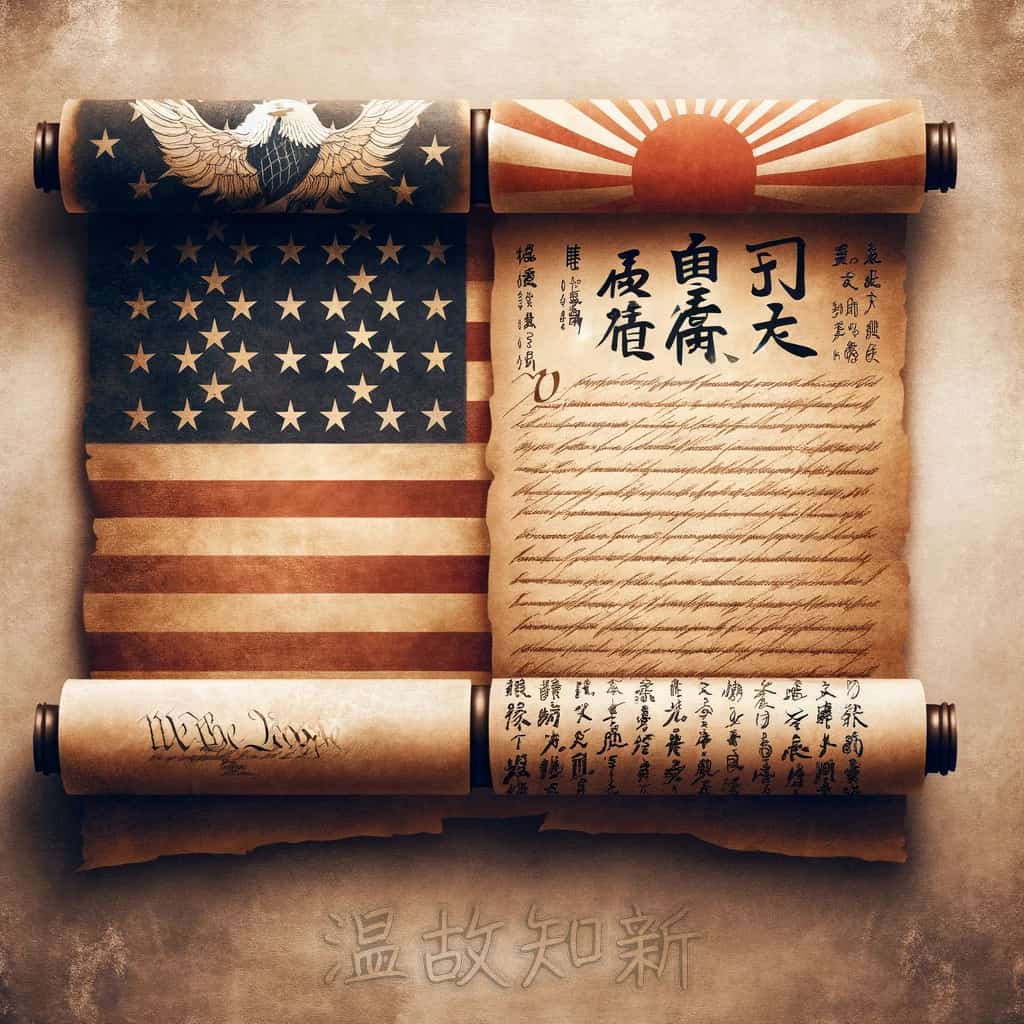
The reanimation of two distinct constitutions has recently come to the forefront, causing significant stir and commotion—heralding societal evolution, the bifurcation of civilization, and the emergence of neo-clans with expanding global communities.
Understanding the Japanese protocol of Form Order Process facilitates creation of articles culturally familiar, thus worthy of the attention of the fickle Japanese.
Bight eyed and bushy tailed, the prospect of what would come from this isolation here in the Land Of The Rising Son was not imagined nor actively sought, it is what happens when you reject the notion of institutionalised drudgery.
This profound realization resonated like a major chord, a direct revelation not to be taken lightly or conjured up on a whim—attaining serenity, rising above pettiness, and definitively ascertaining the meaning of life—ban butsu—infinite life in all things.
The Japanese have always embodied the notion to seek reason, ideas, and guidelines from Outside Worlds, internalising the findings, setting objectives for the newly acquired objects their affection—this is the Way of the Japanese.
Every morning is a brand new page and the story to tell is what will describe the daily profile for a new chapter written in honour of one more incredible day.
Understanding the significance of class and the importance of societal harmony based upon this notion has not been lost on this wayward classless boy.
When having a deeper ponder on the meaning of the necktie—remember its origins are due to a mandate of a long dead seven-year old boy—the reach of his influence stifling the spirit of the necktie tribes even now in this modern day.
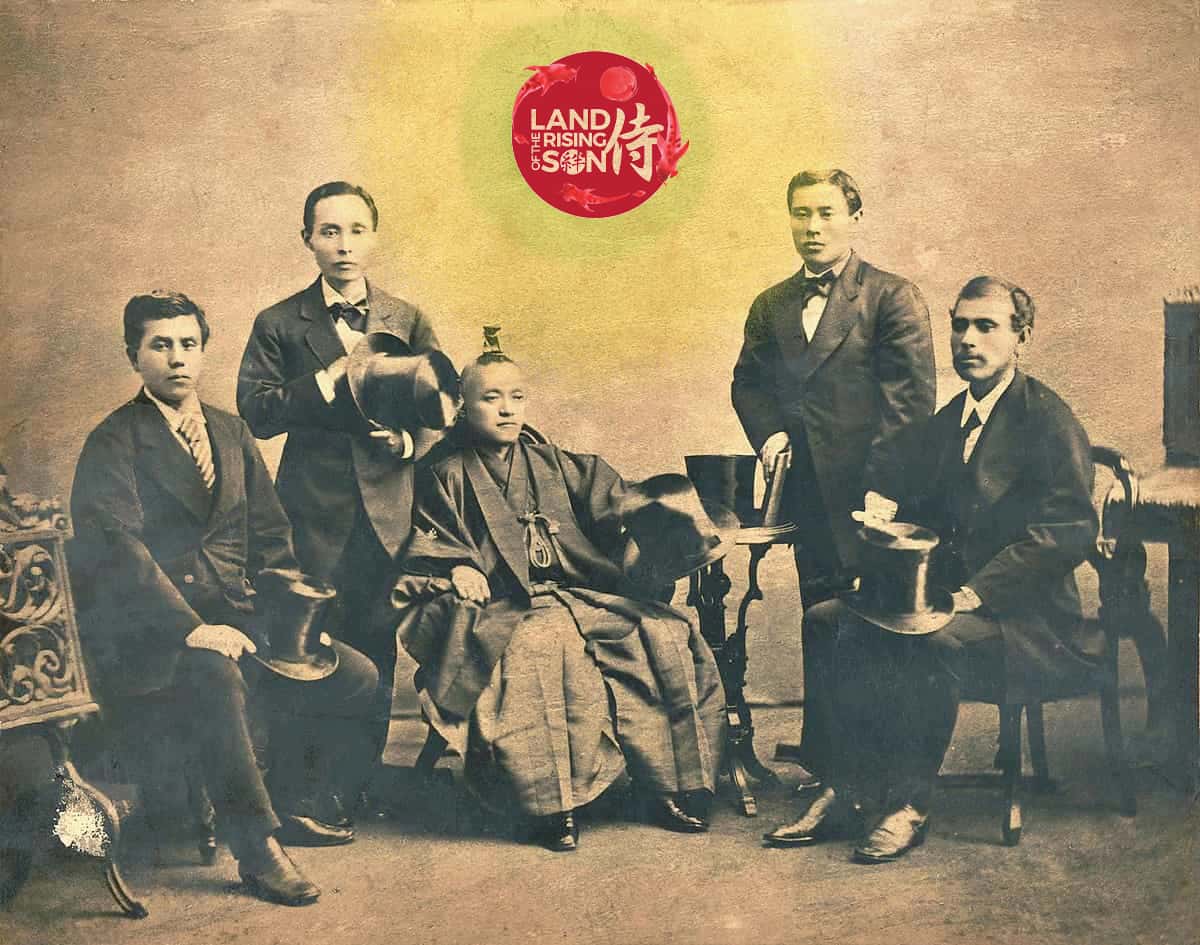
Born into the Satsuma clan twenty-one years before the 1868 Meiji Restoration ended the Tokugawa Shogun’s rule, very few Japanese could have ever foreseen such an abrupt end to over two centuries of peace, or the crucial role the Satsuma clan would play in the transition to Westernized Industrialization.
One can observe this Universal Truth in the timeless branches of Japanese eternity, which is represented by the lives of all Japanese people—living—dead—unborn—and in the lives of those whose final destination is enlightenment into the Japanese Way.
All guest, no matter what class or status, were there united in a common purpose—to consume the masterful cooked Toricho chicken-on-a-skewer—among many other home-style cooking of the Japanese country kitchen.
Certainly in Japanese, the concept of face embodies significantly deeper implications than conceptually available to Occxies who only communicate using Latin based languages—particularly those featuring singular and plural and countable and non-countable nouns.
The never ending flow of enchanting four-character compounds—yojijukugo—is a source of endless fascination. Frequently, these salient phrases are embedded with profound wisdom, moral lessons, and cautionary decrees—which are to be ignored at one’s own peril.
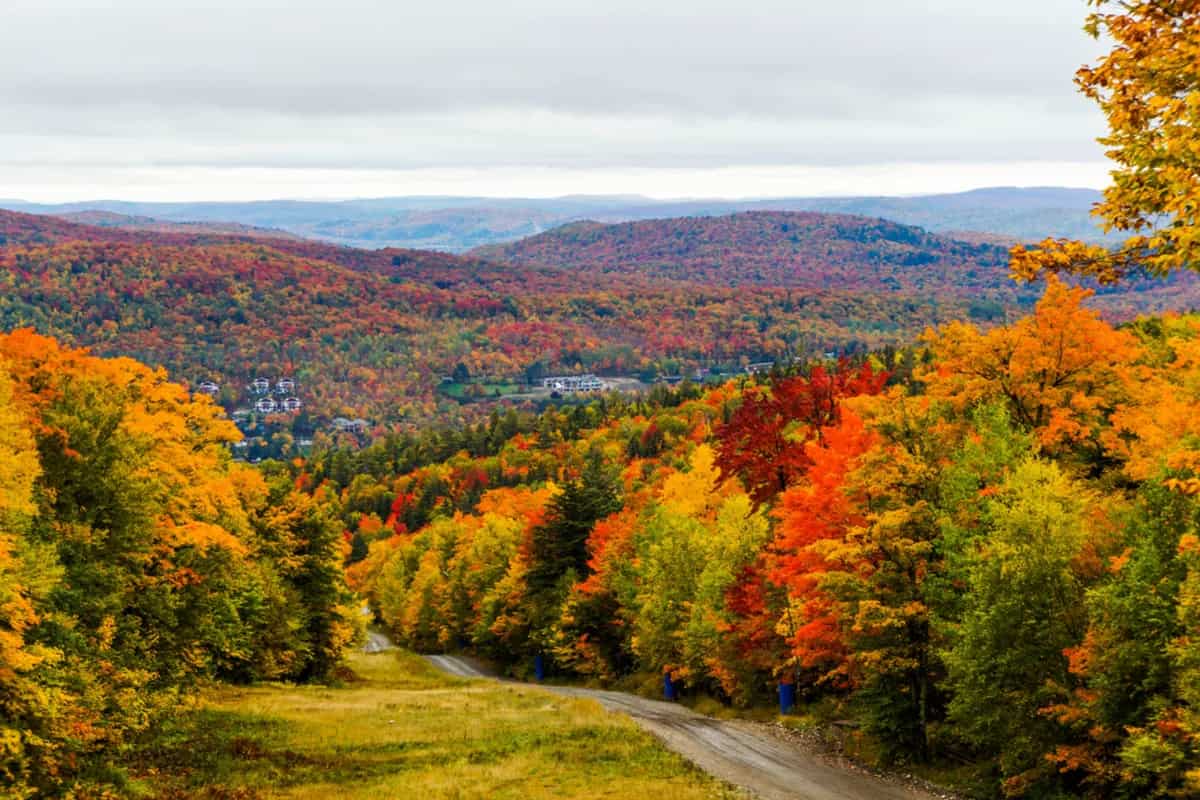
One can see the Japanese in droves at the airport—dutifully line up in strict order waiting for the start of their 5 nights/6 day whirlwind tour of the pristine Rocky Mountains of Canada—the turning of the leaves in what is arguable the most spectacular natural phenomena in Mother Nature.
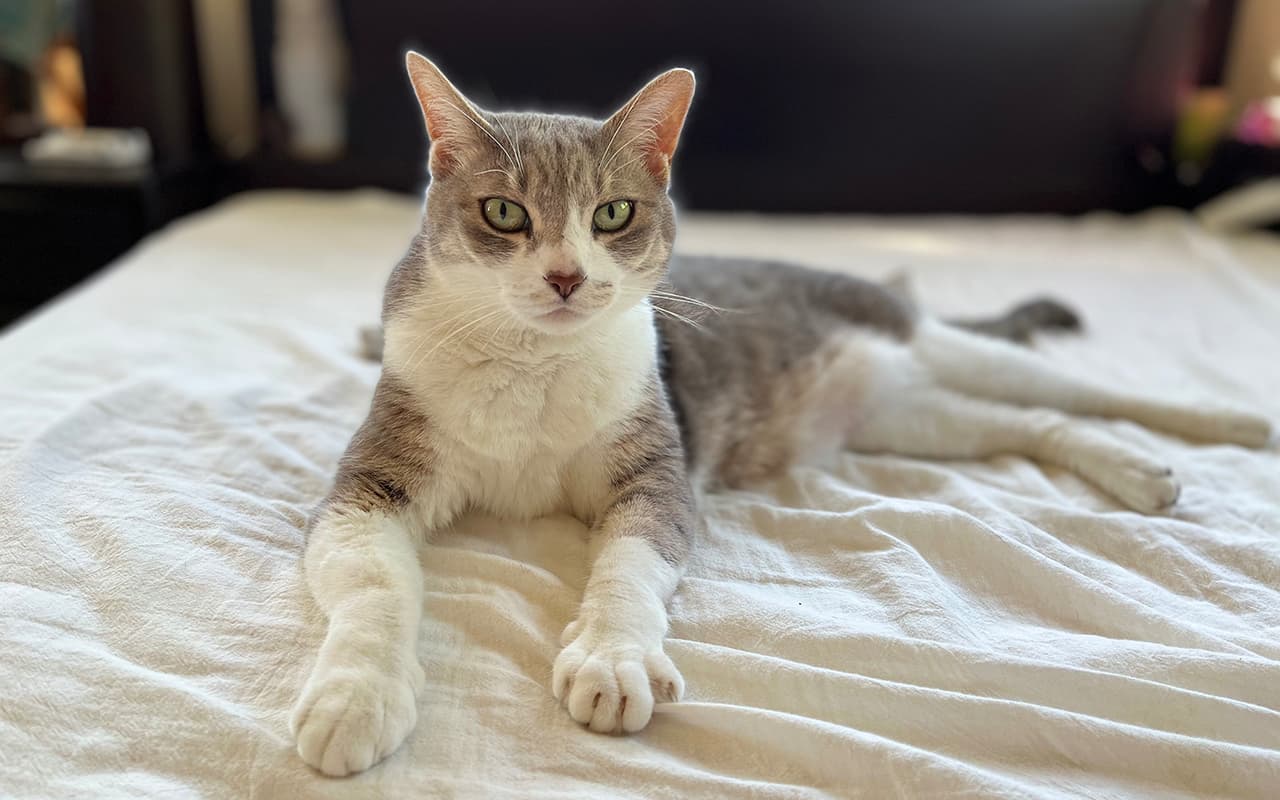
She perches on ‘Rose Throne’ preening and posing as she view the subjects of her domain with steely eyes. Never one to back down from a fight, she is capable of icy stares, which would make the Satan himself retreat to safer grounds.
Seeing these traditional shops when first coming to Japan in the late 80s brought back fond memories of days growing up in central Central British Columbia in the 60s and 70s.
When about to win, with only one last squares remaining the Japanese will shout out—REACH, which means “almost there.” In Japanese, the handy word REACH can be use in many situations, and this particular case of REACH is particularly salient for the author of this article.
The look of shock and horror on the faces of the Japanese when observing this affront to Japanese cultural sensibilities served as a point of amusement, if not some times a bone of contention—soy sauce is used for cooking and to dip sashimi—never to be poured onto rice directly.
Most of the Japanese are packed together in big cities where their highly complex social skills developed—this is a phenomenon of a society based upon mutual dependency.
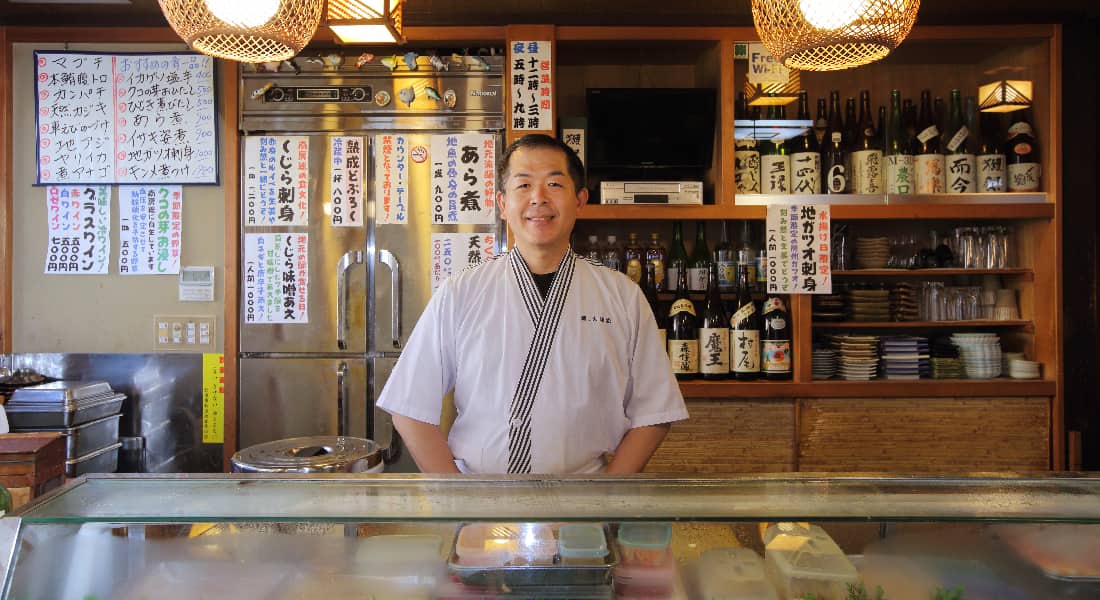
One of the deep charms of Japan is regardless of modernization having taken place starting with the Meiji Restoration, there are still shops in the nooks and crannies in the Land Of The Rising Son preserving the way of Old Japan.
Here is where one can put away any preconceived notions concerning the arts, and one would be best served to look upon life as art.
Having acute sensitive as to what others are thinking, was, and still is a highly valuable skill to navigate the murky air of the unspoken ancient protocols of the Japanese society.
When querying a spectrum of younger Japanese about their dreams, desires, and aspirations, one is mostly left with blank stares, or them fumbling around trying to understand exactly; “What does this all means?”
Having grandson use the word “grandfather” will act as a permanent pronunciation exercise to haunt him throughout his life. Along with the extreme vexing “r” pronunciation at the beginning of “grandfather” it is also part of the double-consonant “gr.”