Carved In Stone
The Japanese are often looked upon as somewhat obstinate and unyielding, conservative and traditional.
Like so much mythology concerning the Japanese, the constructed reality to which many have been led to believe, has been thoroughly debunked as hackneyed regurgitated drivel—the academy of stale third-hand piffle—courtesy of crumbling ivory towers—brewing and stewing conjecture and supposition as to the way the Japanese should or should not be—this constructed narrative has now been rendered obsolete.
 The Japanese have always embodied the notion to seek reason, ideas, and guidelines from Outside Worlds, internalising the findings, setting objectives for the newly acquired objects their affection—this is the Way of the Japanese.
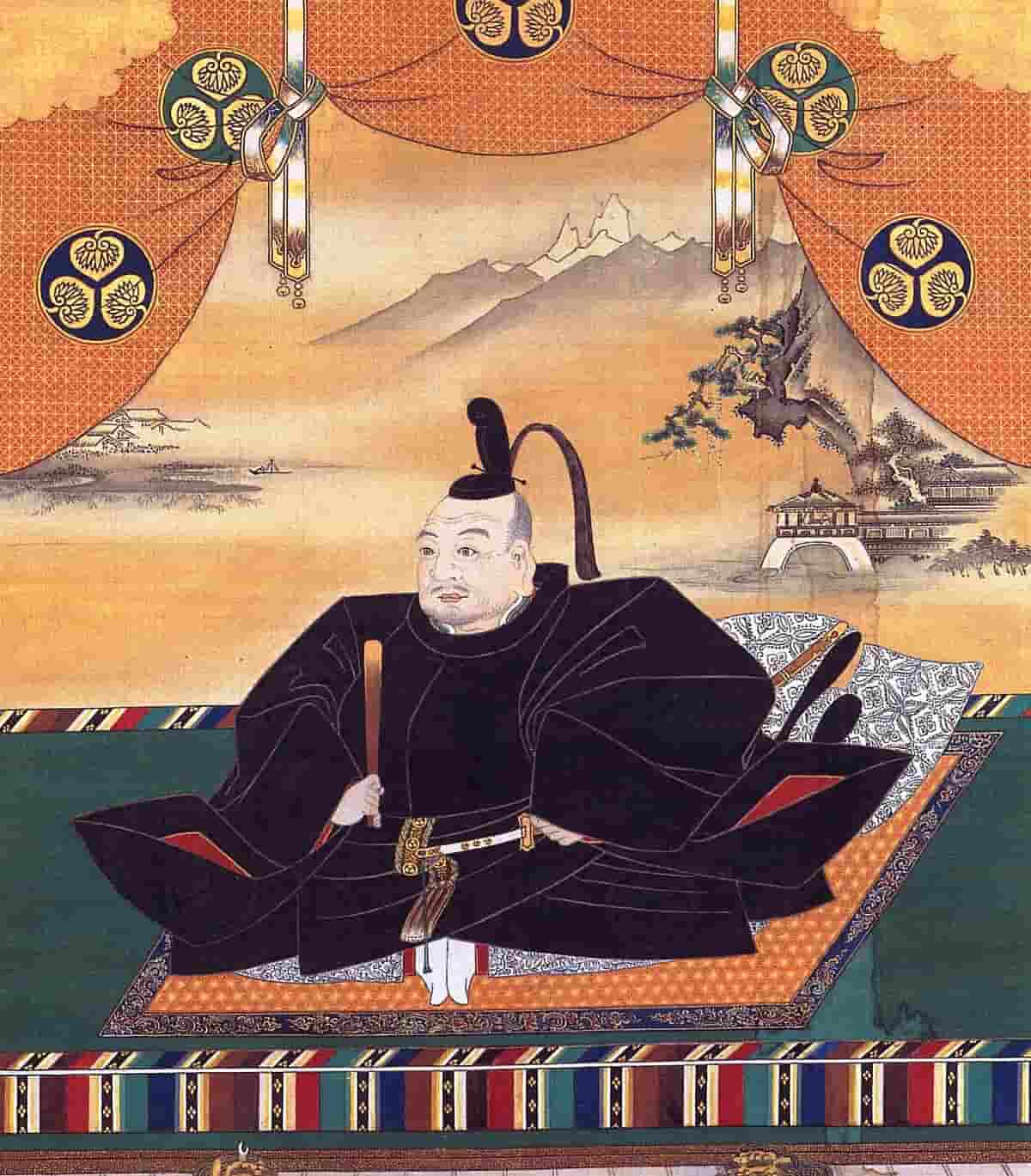
Fortunately for the Japanese, they were able to experience 260 years of undisturbed peace at the tip of the sharpest sword in the drawer, which happened to be that of Ieyasu Tokugawa.
 Through this, the Japanese manifest their essence into our Earthly World by the extraordinary will of collective super-consciousness weaving Shinto into Buddhism creating the modern Japanese—the curators of Civilization Three.
Alas, all good things must come to an end—American gunboat diplomacy mightier than the sharpest sword, thus the reign of peace came to an end at the behest of the Americans with Mammon’s eyes squarely fixed upon the treasures embedded inside Japan.
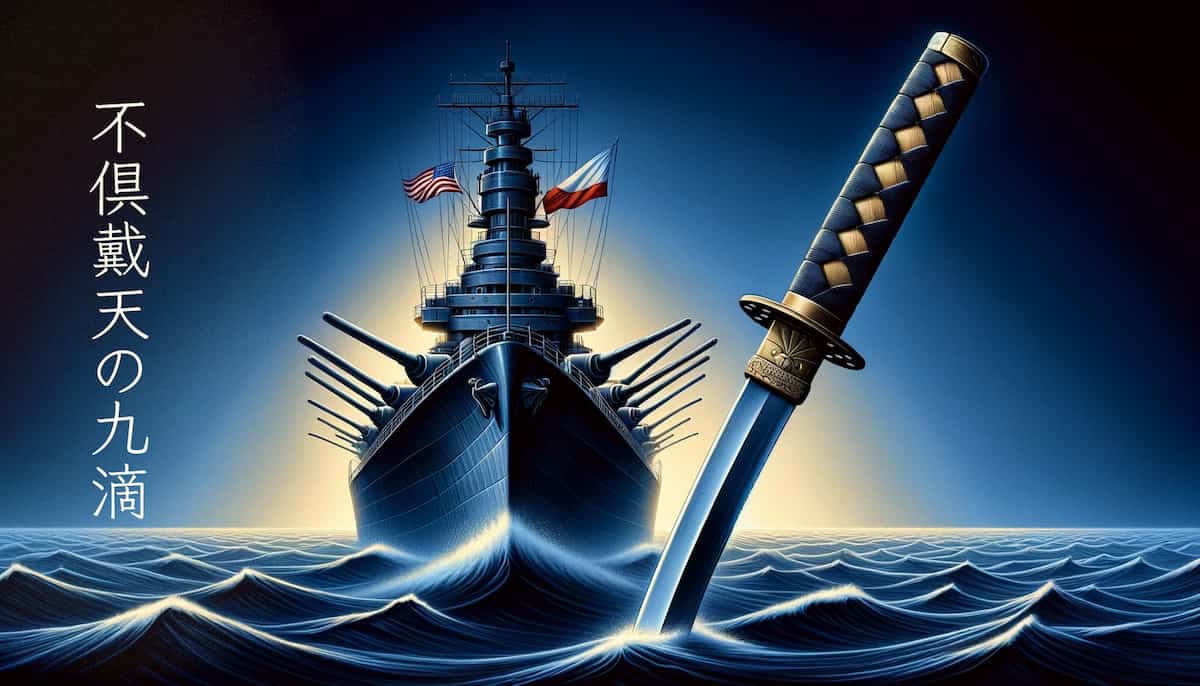 After the dust settled and industrialisation became the plan, the Japanese sent envoys to explore the new worlds—a kind of missionary, not to convert the Occxie masses to become Japanese, but to probe the world for concepts and materials to initiate the burgeoning nation of modern Japan.
The incredible story of the rise of the Japanese as the creators of Civilization Three, begins as a journey marked by an innate curiosity as to the blueprints of the outside industrialised world, and when the Iwakura mission was initiated just a few short years after the end of the Tokugawa Clan reign.
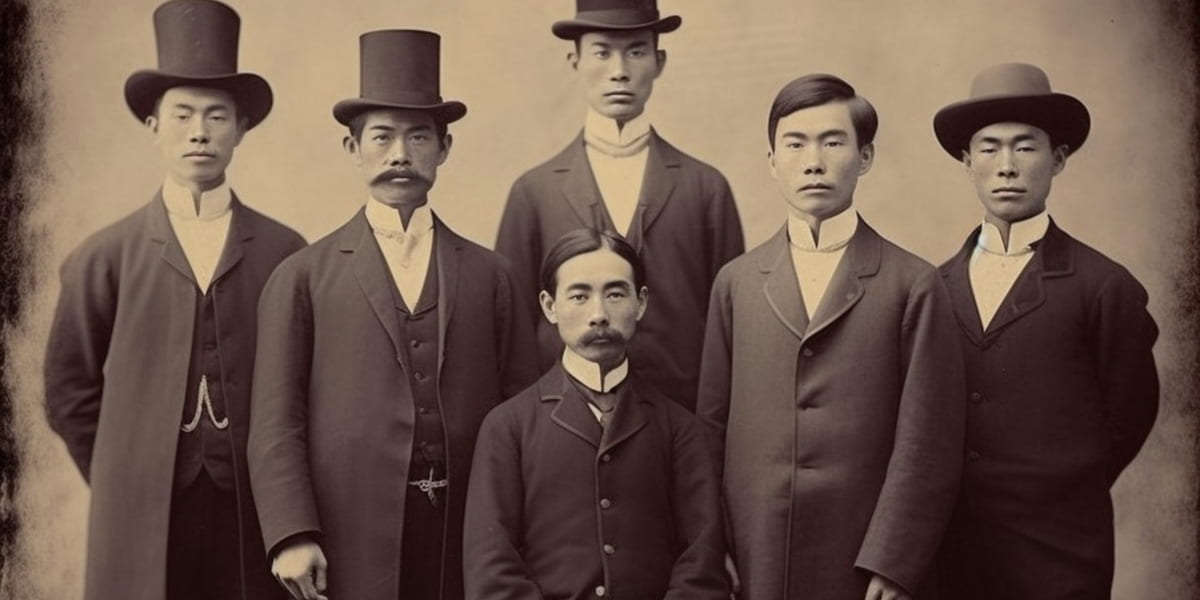 The Iwakura Mission was certainly imaginative when selecting the participants for this arduous fact finding mission to unknown corners of the globe.
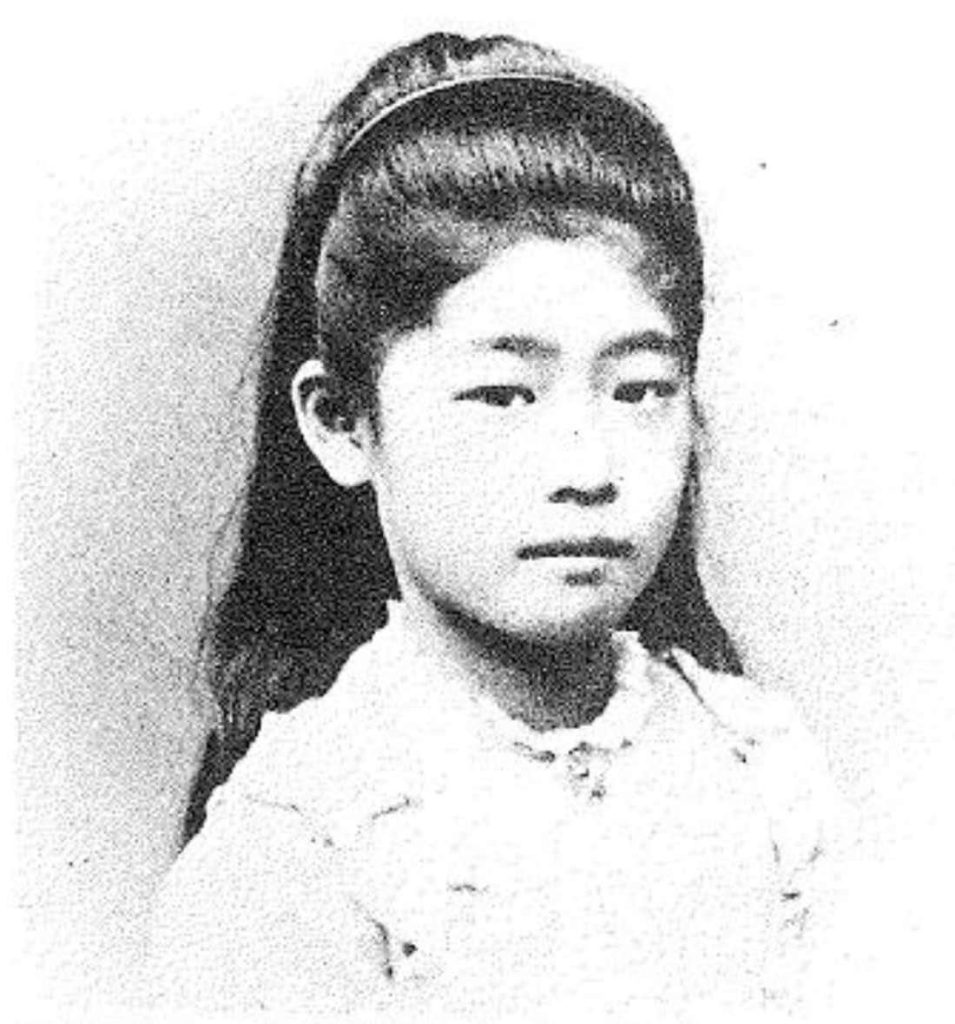
Not only was the mission filled with aspiring diplomats and industrialists, but also included children such as Tsuda Umeko, the youngest member at just six years old, Aunty Umeko is one of the earliest pioneers in Women’s Education as the founder of Tsuda University.
The Japanese spirit of modifiability manifests as the notion of constant incremental improvement—kaizen—embodying the notion of flexibility—a sharp contrast to the misconstrued representation of the Japanese as an unmoved, cold, calculating race; thus, everything in Japan is Carved In Stone.
In actuality, the Japanese exhibit either flexibility or rigidity according to the actual requirements of any specific situation—displaying not only the foresight of flexibility, but the acumen to ‘read the air’ while engaging in dialogue with the worm (intuition), and maintain rigidity when doing so serves their greater purpose.
 Japanese disposition in large part come from the innate understanding of two important protocols embedded inside the Japanese language for navigating the world of stories—seeing reality through two distinct lenses—tatemae & honne—imperative fundamentals to recognise the world as layers—becoming super-conscious as to the difference between “constructed reality to which everybody pays lip service” and the raw reality of any given situation.

The ability of the Japanese to intuitively apply flexible or rigid protocol, according to situational awareness—the highest level of this earthly material game, and the main reason the Way of the Japanese are meticulously studied, analysed, and researched somewhat like the Japanese did at the dawn of Emperor Meiji’s industrial Japan.
As the Japanese understood the value of keeping the Japanese identity while integrating the newest technology via Occxie-land and their Age of Reason, they have successfully navigated the tricky waters of modern civilization and at great cost to the Japanese nation over several decades in the early 20th century.
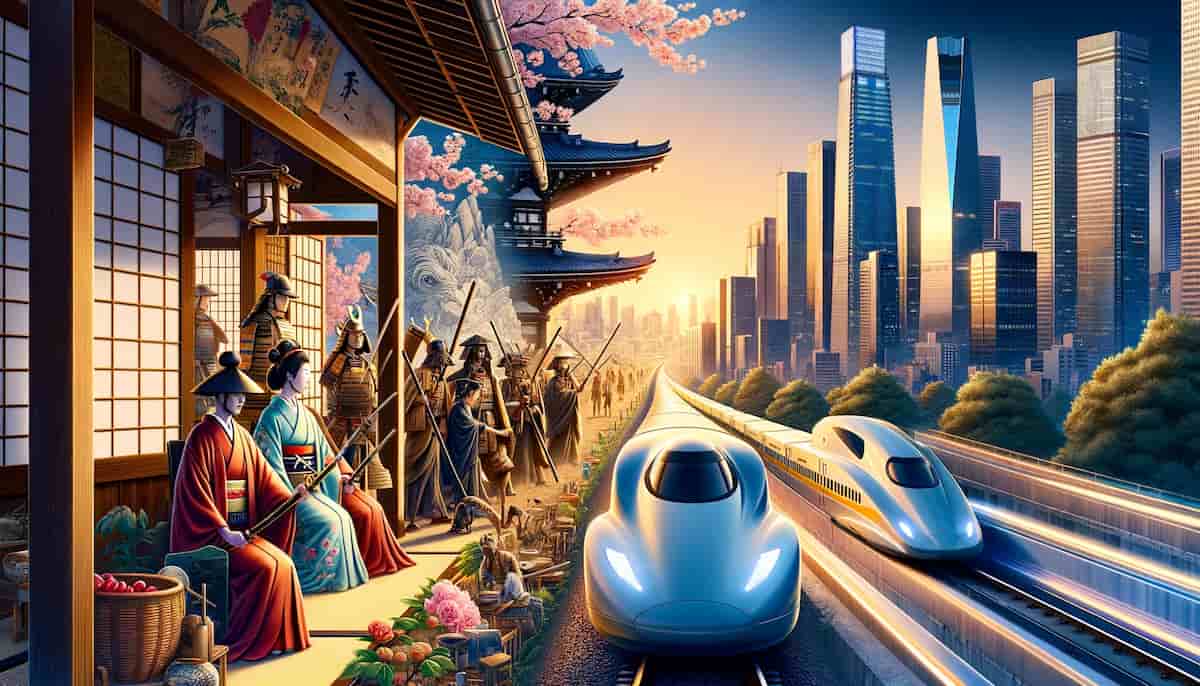
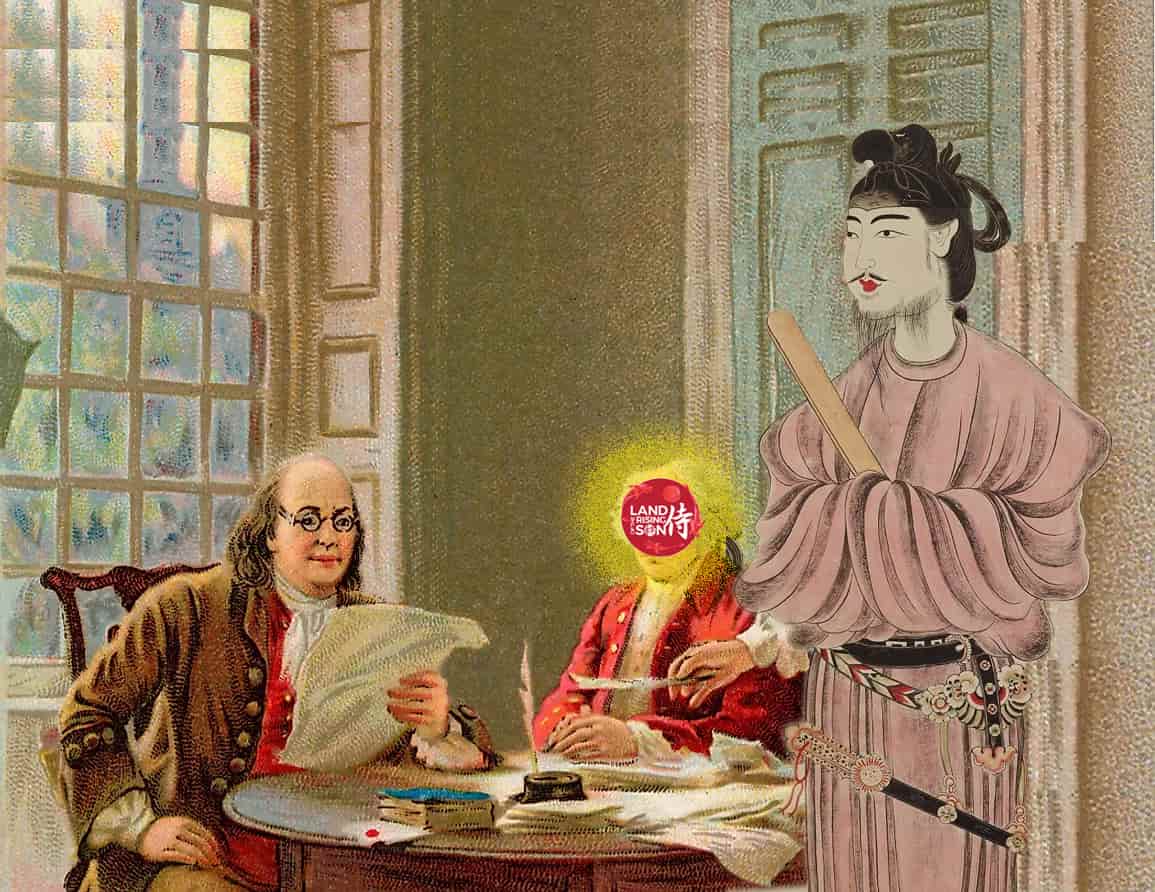
Indeed, the merging of the Japanese foundational constitution written by Shōtoku Taishi in 604, the constitution of the Meiji government, and the third document brought to the Japanese via nuclear warheads, completes the documentation as the blueprint for the future of the Japanese nation.
An incredible journey throughout the nooks and crannies of Hardcore History, the Japanese have evolved into a nation of passionate, yet peaceful people and diligent citizens.
Unequivocally, Japanese society runs like a well oiled mechanism, going through industrialisation while coming out the other side a highly technologically advanced nation with the Yamato Spirit imprinted firmly on the sacred soil of Japan—the curators of Civilization Three.