Blog / Culture
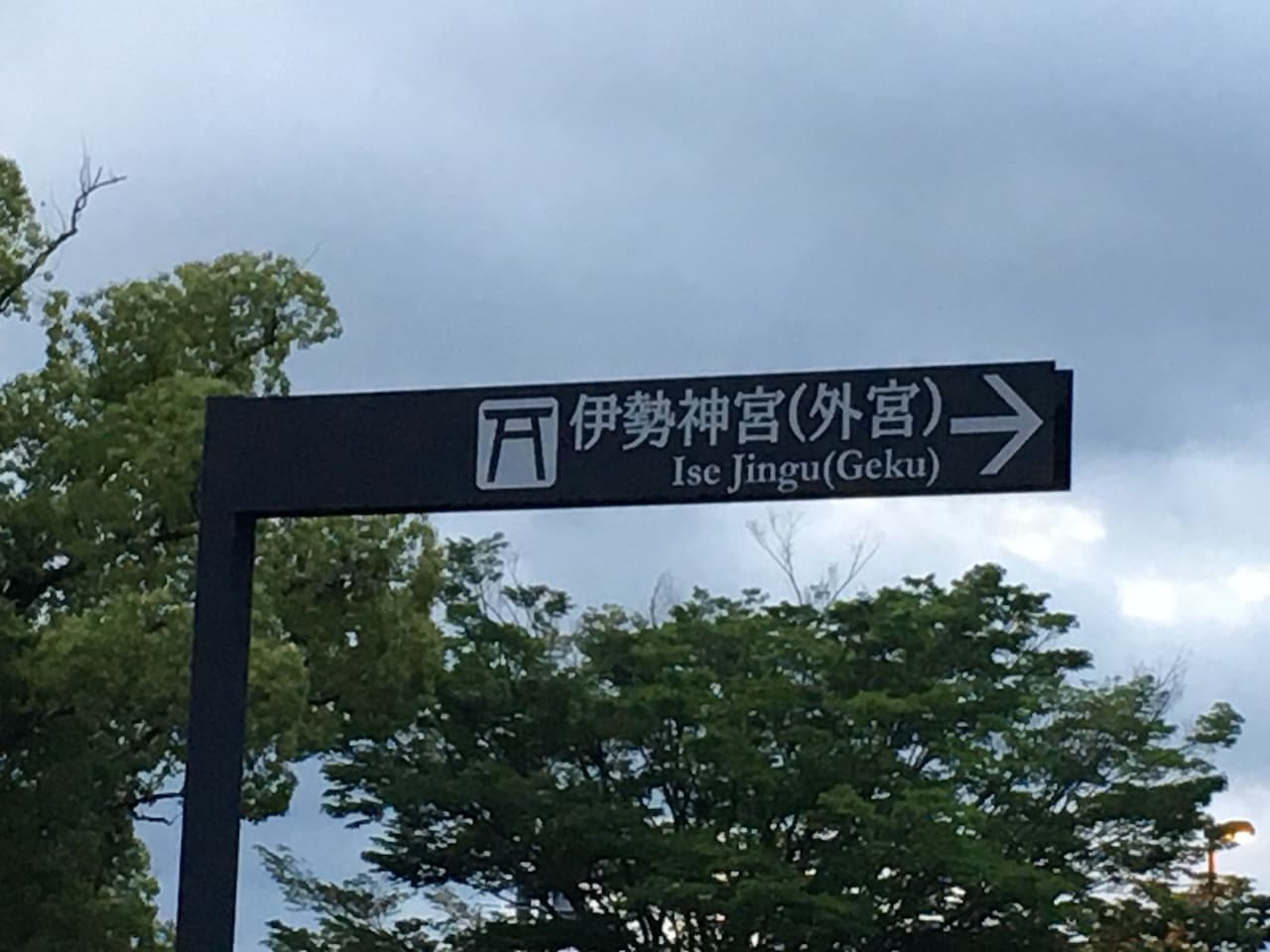
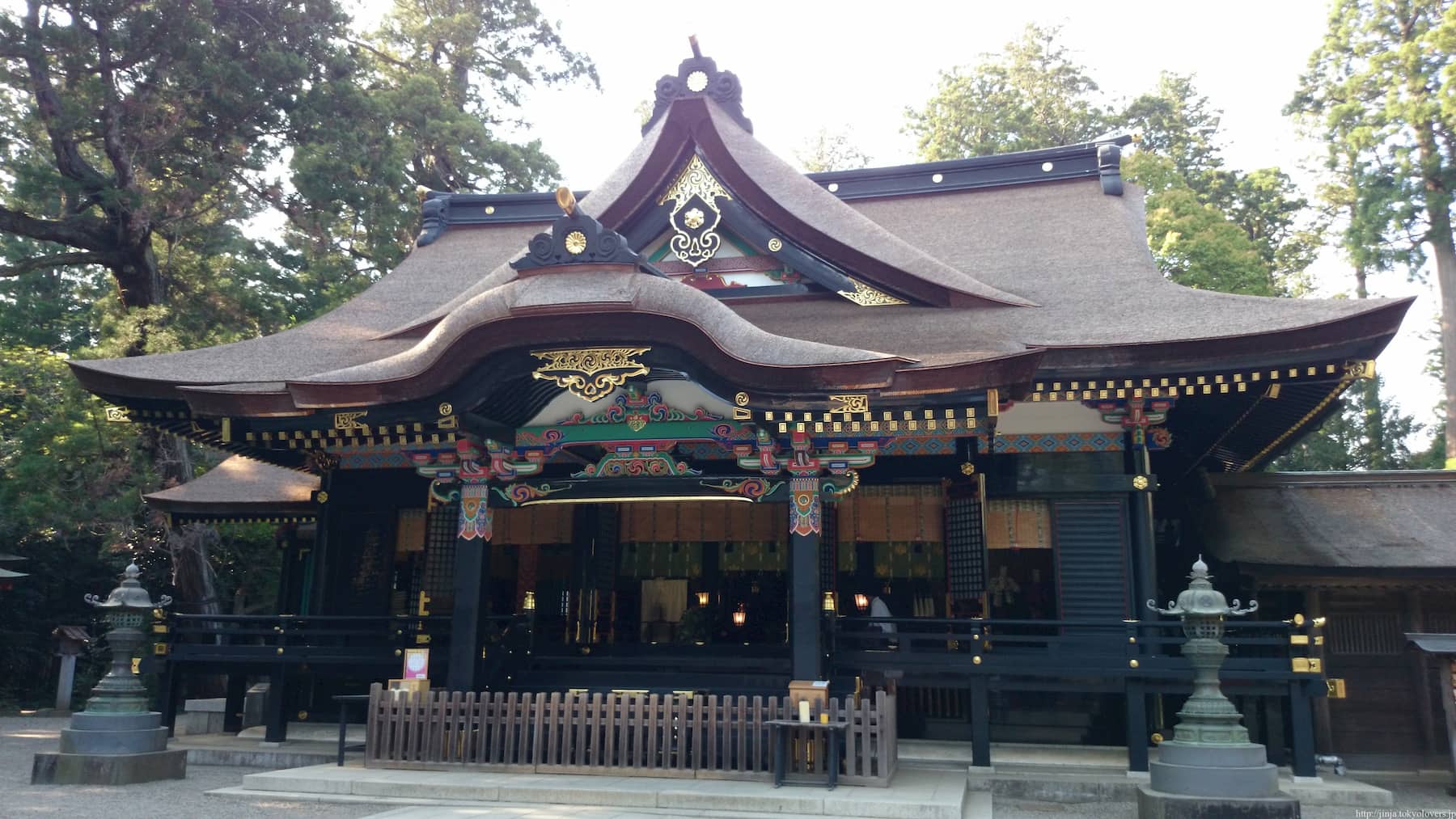
Ask any Japanese what their “religion” is, and they will say, “We don’t have one." For the Japanese do not have a “religion”, and never have. The Japanese have an indigenous way of life, which has continued for millennia until this day, and has been labeled a “religion” by others.
One of Yakumo’s dearest friends said to him: “When you find, in four or five years more, that you cannot understand the Japanese at all, then you will begin to know something about them.”
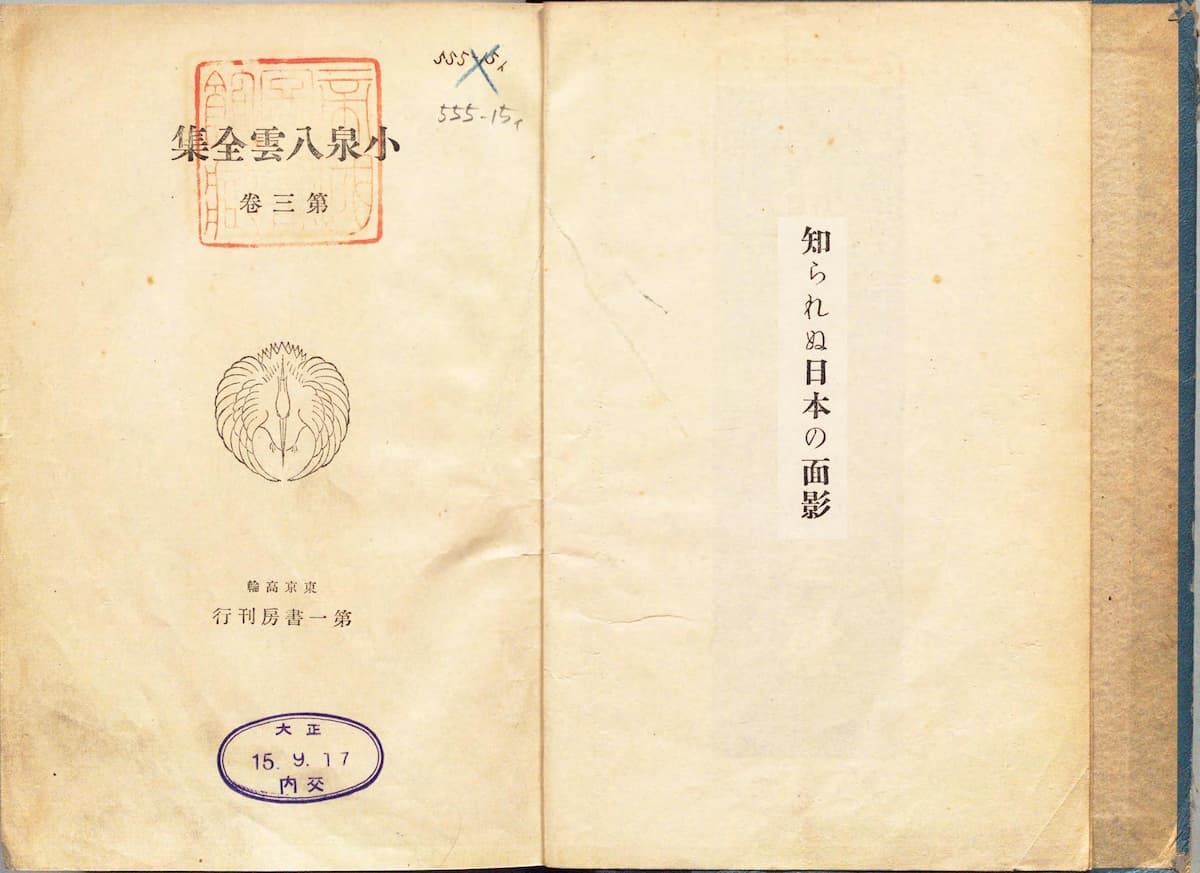
Lafcadio Hearn is a historic figure of Meiji-era Japan, he introduced Japanese culture to the West with intriguing observations about Japan.
Stories from the annals of the Japanese are replete with incidents where the fate of individuals, groups, and even the entire nation hung in the balance, and these critical decisions were based upon intuition, rather than reason.
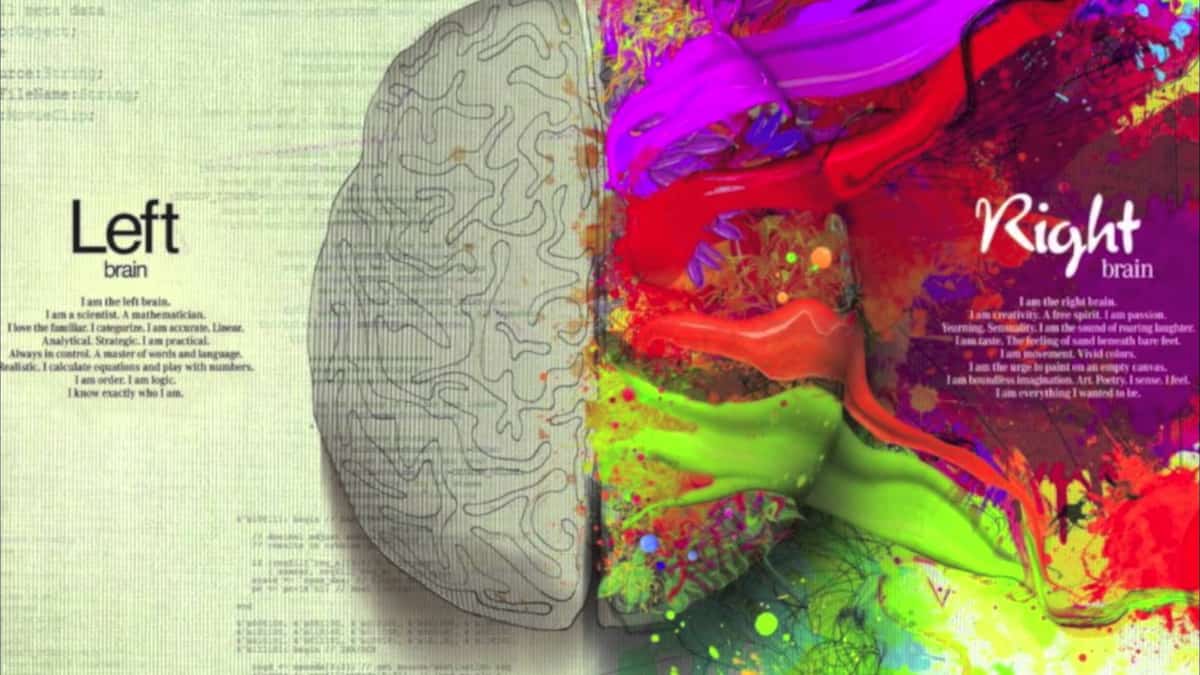
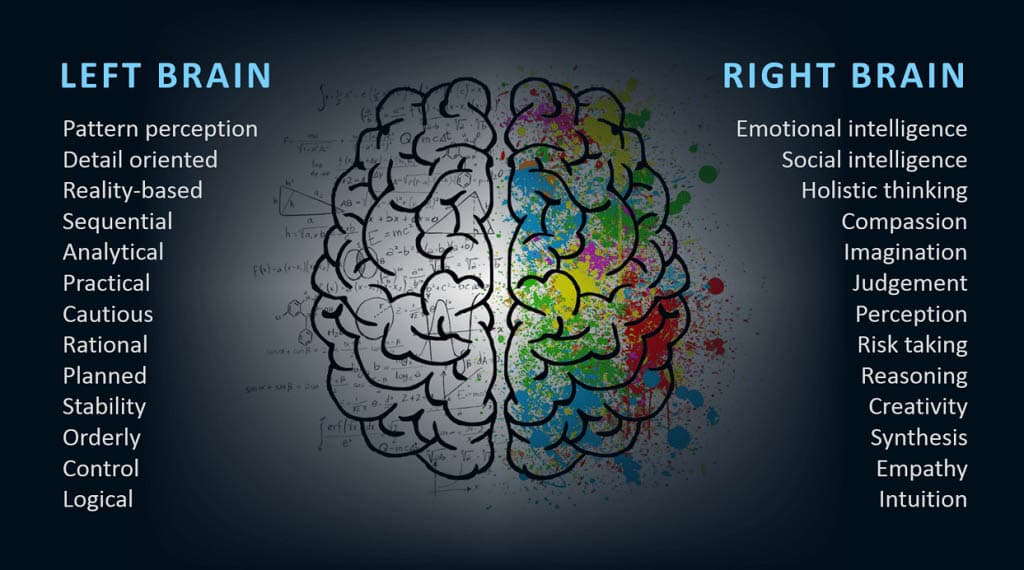
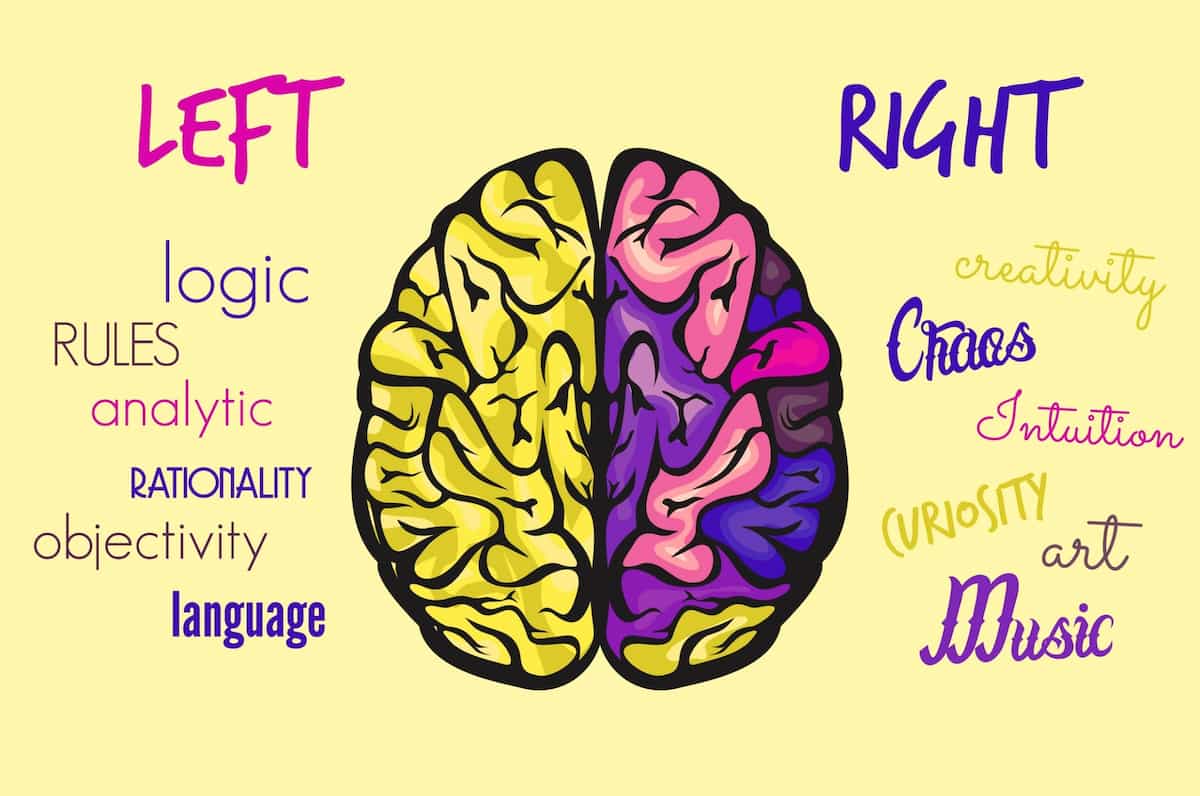
The core principal which can be considered the Japanese way of thinking can be though of as fuzzy thinking, or better still, holistic thinking. If this concept has not became apparent yet, this “way of thinking” contrasts sharply with the linear way of thinking in which most of the rest of the world operates.
The core principal which can be considered the Japanese way of thinking can be though of as fuzzy thinking, or better still, holistic thinking.
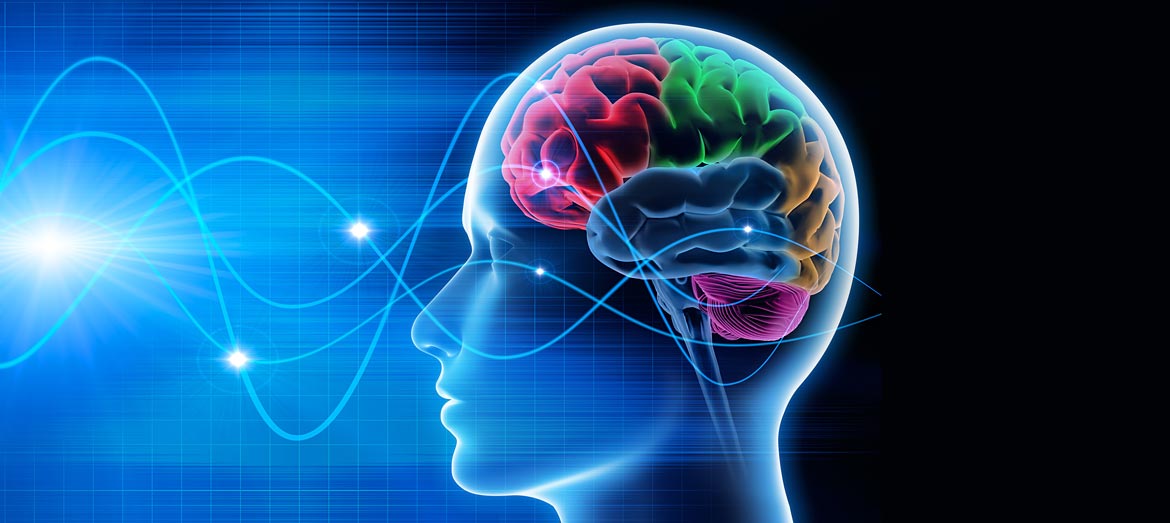
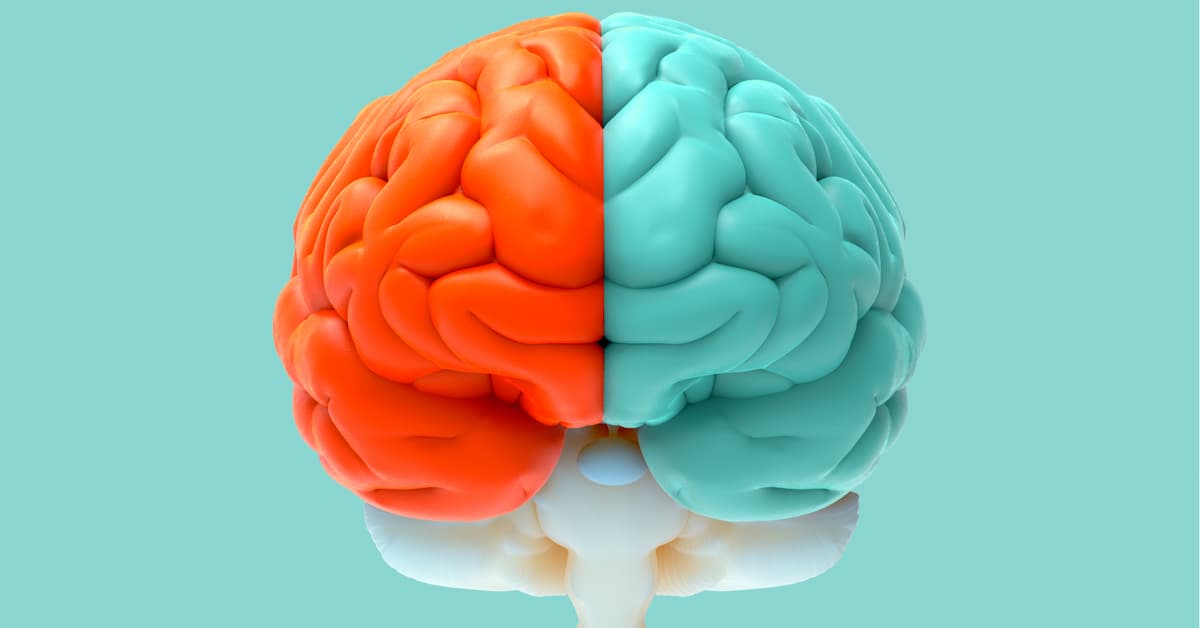
According to the research of Dr. Tadanobu Tsunoda in the 1970s, there is a fundamental difference in the hemisphere dominance of the brains in the Japanese and non-Japanese. His research also demonstrated the difference in dominant side...
Remember, Lafayette De Mente was the first writers to introduce the Japanese terms wa, nemawashi, kaizen, tatemae-honne, shibui, and wabi-sabi to the Western world.
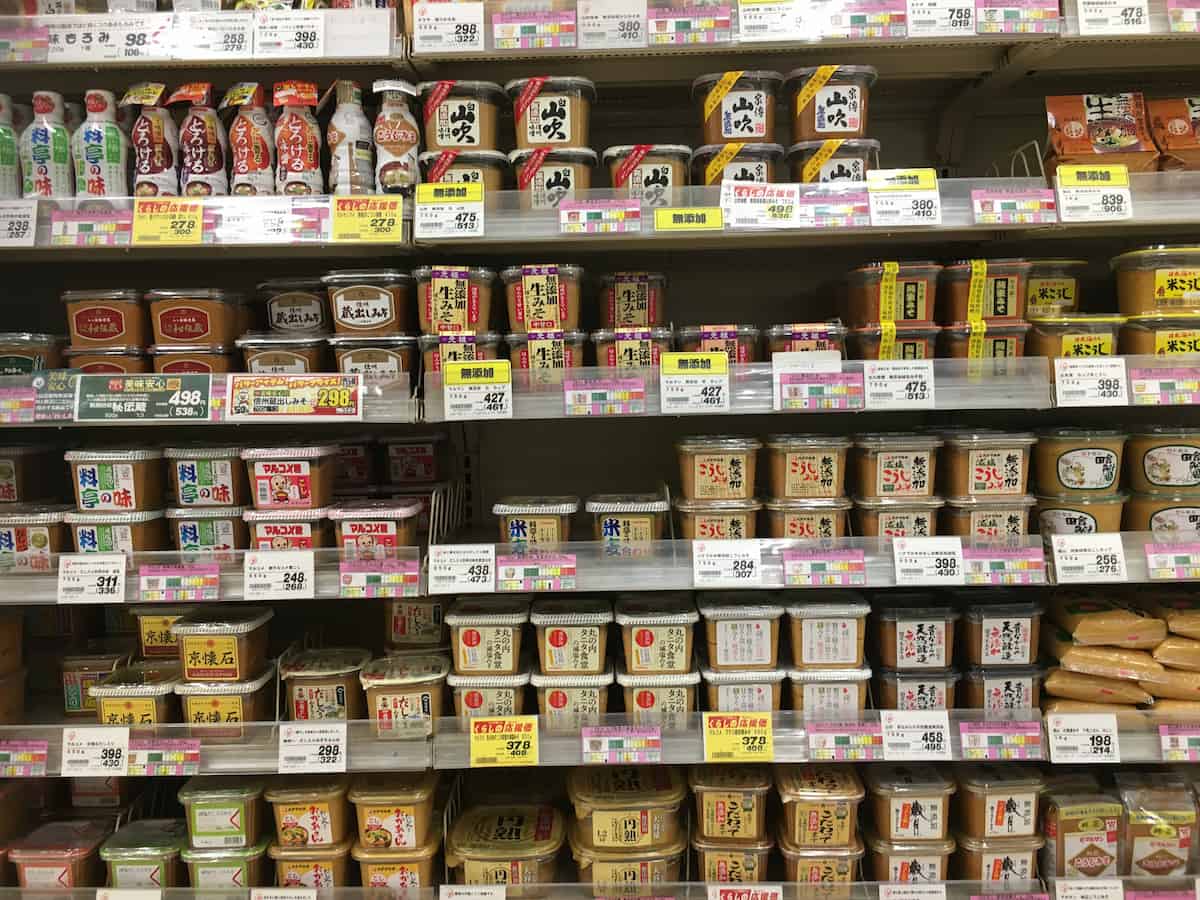
One particular carpenters was having significant issues adjusting to Japanese food, and was longing for some good old Canadian comfort food, peanut butter!
In the beginning there was a beautiful star, which shines her life-giving rays of hope upon all living creatures of Mother Earth.
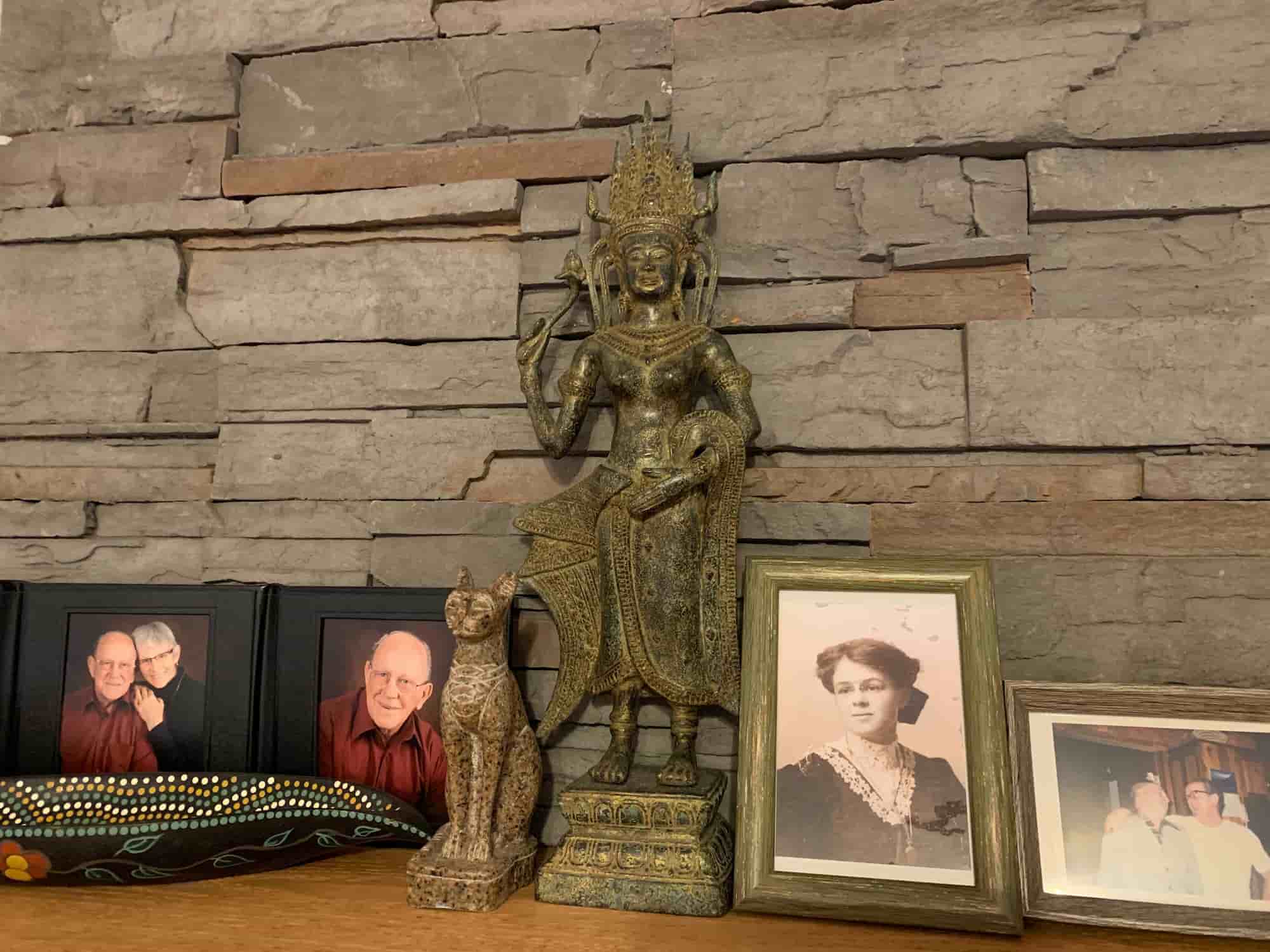
Being raised in the occidental tradition, including sporadically attending a variety of churches, did not prepare one for the experience in Japan when fully understanding why the Japanese venerate their ancestors.
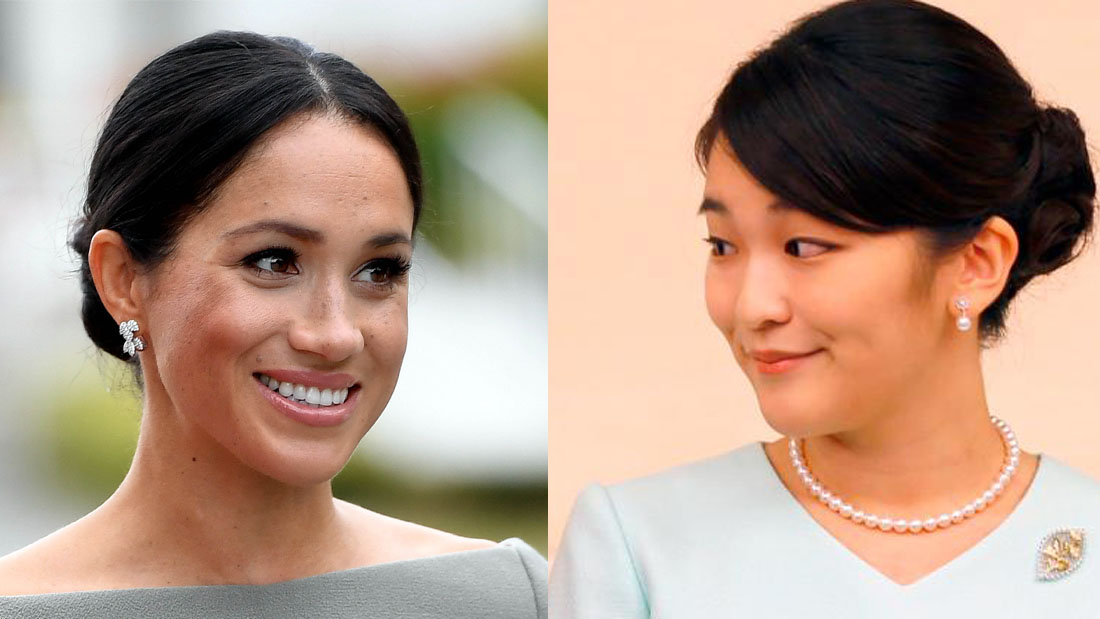
Recently there has been somewhat of a kerfuffle in the house of Windsor. Serious allegation have been made by a new member of the house of Windsor against the royal family.
One really got an in-depth look at a specific kind of American mind-set; the mind-set of selfishness, narcissism, and greed.
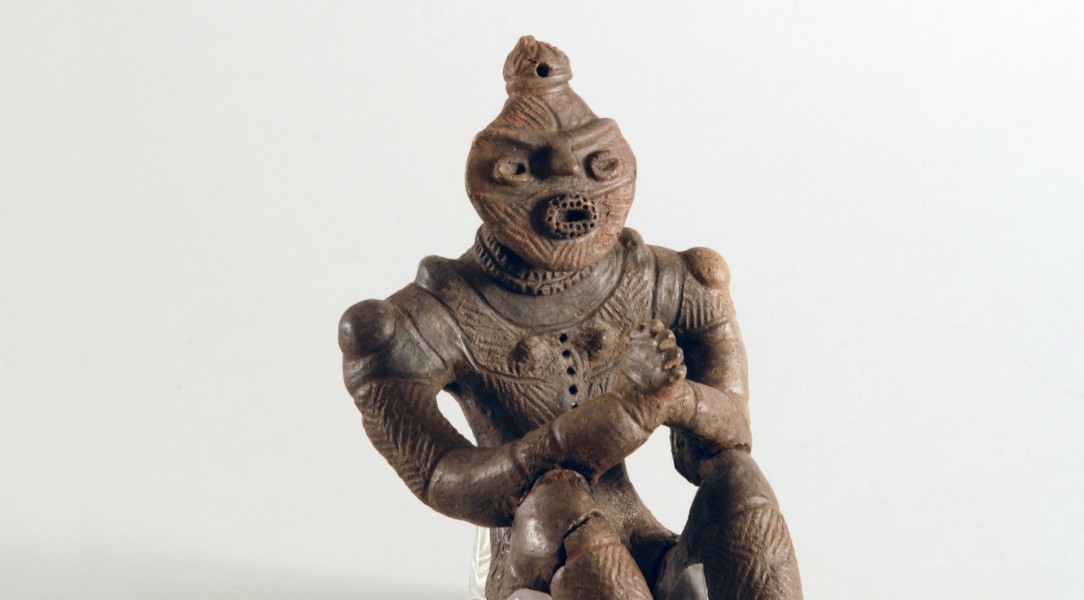
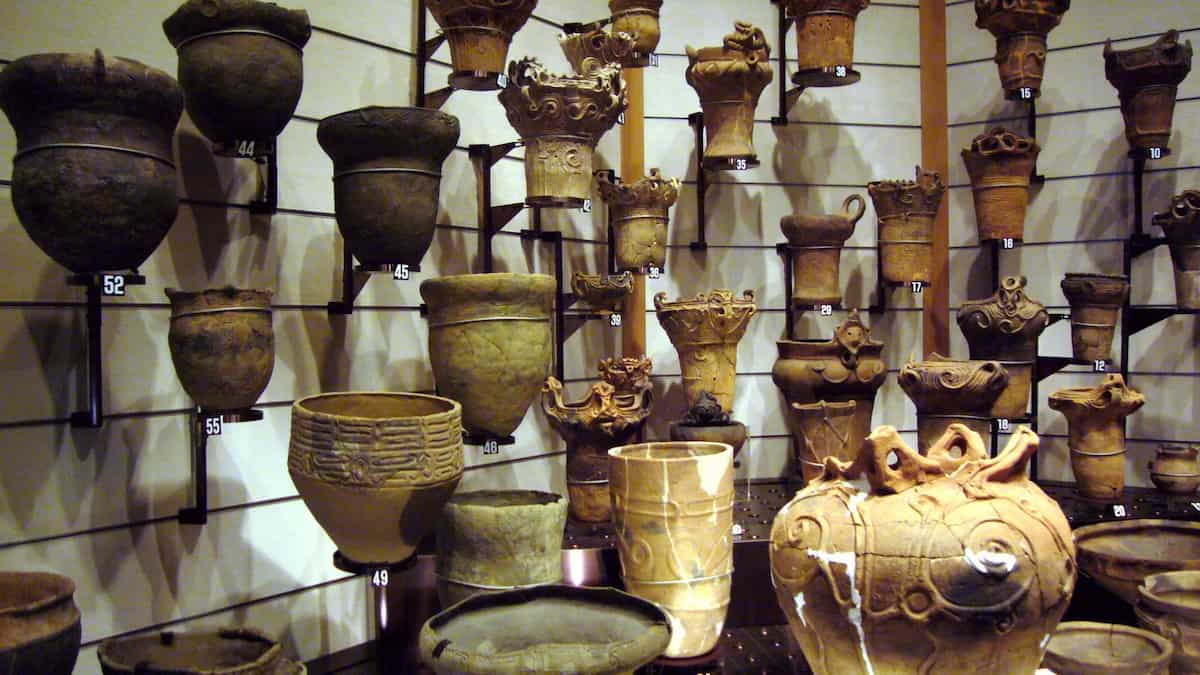
One’s friend jokingly (or not), asked whether one is Jomon or Yayoi. Somewhat taken aback, one had to look into this question more deeply.
There is a significant contrast in the way the Japanese think about love as compared to the Occidental mindset.
The very first time one became aware of the ubiquitous Japanese public address system was sitting inside an old farmhouse. The old black phone started to chime… ding dong ding….
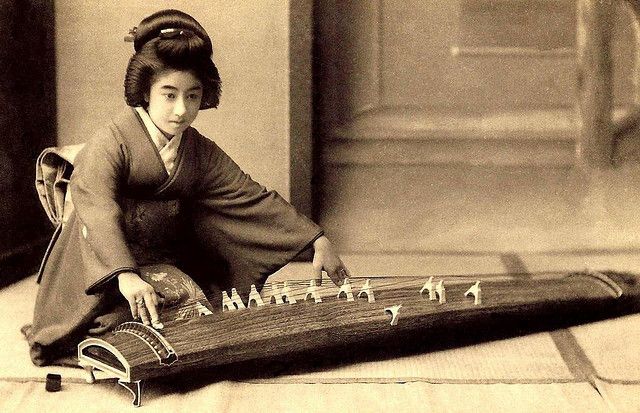
The Gods of Music have anointed Ueda Hiromi as one of their own, a Goddess who now travels this mortal coil spreading joy where ever she may go. Here, exuberance exudes from her heart to all, via her Goddess-like unparalleled musical skills and divine presence.
It was just the other day when one called a dear old friend in Miura Peninsula for a catch-up after a very long time, where she confided to me that her father was actually in the 特攻隊 (tokotai - kamikaze squad).
What is the window tribe? It has to do with the corporate ladder, and the dreaded desk beside the dreary window.
Seeing the Japanese as katified throughout the evolution of this ancient civilization, one would have to say there are some bright spots, not only for the future of Japan, but for the shared future of an advancing civilization based upon ancient moral codes.
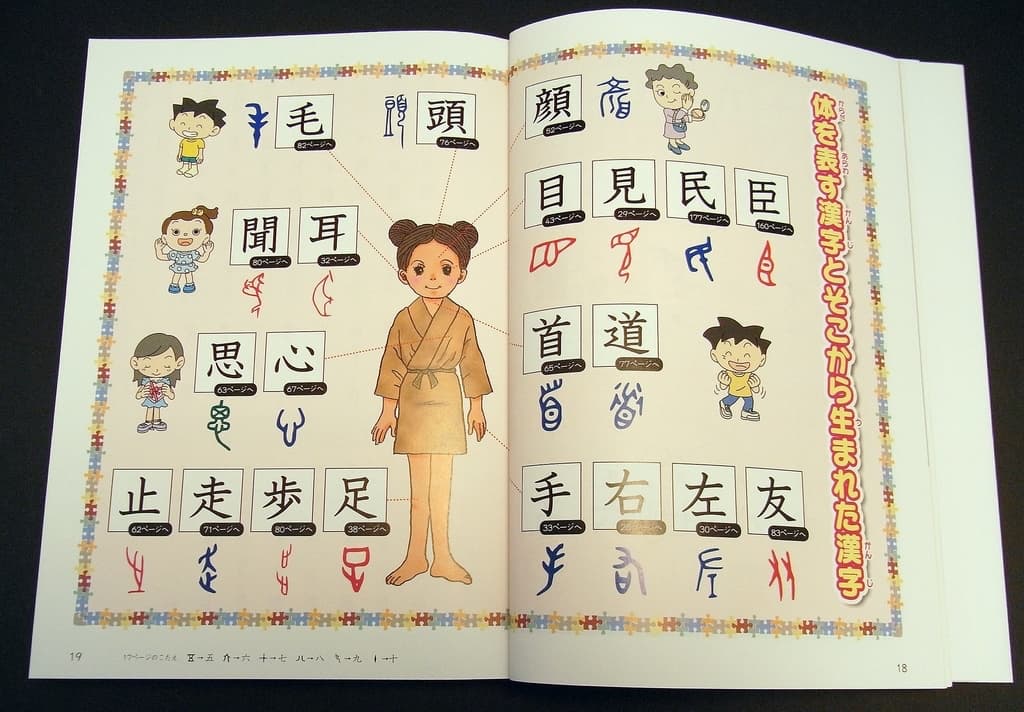
The deep influence of a writing system and language on a society can not be overstated. Language is a concept, and the Japanese society is built upon the constructs rooted in complex ideograms imported from China around 700 CE.
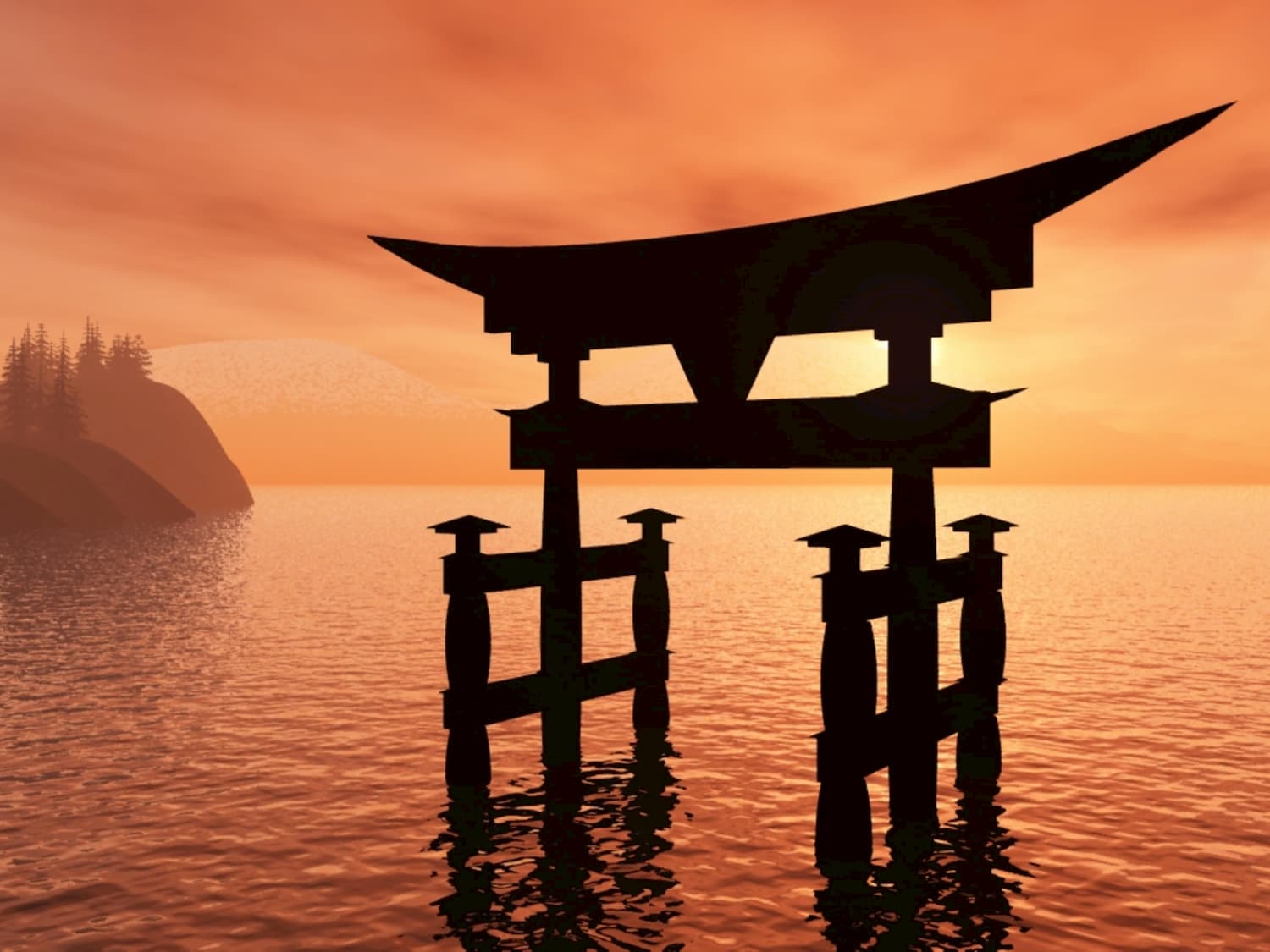
Keep in mind the social harmony one see in Japan is based upon following proper kata etiquette in daily behaviour, and remains the guiding constitution in all Japanese relationships. To understand this further one must look back into the indigenous belief system of the Japanese, known as Shintoism, and then one can see from whence this all came.
When recalling the way New Year’s Eve was celebrated so many years ago now, the images of these New Years Eve parties were very boisterous and rollicking, ringing in the Happy New Year with drink, dance, song, mirth, merriment, and gaiety.
The core principal of Japan’s kata cultural from the earliest times has been the promotion and maintenance of harmony. Personal behaviour, as well as all relationships, both private and public, was based upon strictly controlled harmony in the proper inferior-superior context of Japanese society, which continues up until this day.