House Of Husky
House of Husky Theme Song
It is said that dogs are a man’s best friend, and anyone who has shared love with a dog can attest to the deep and meaningful bond that develops between conscious monkeys and their counterparts hailing from the canine kingdom.
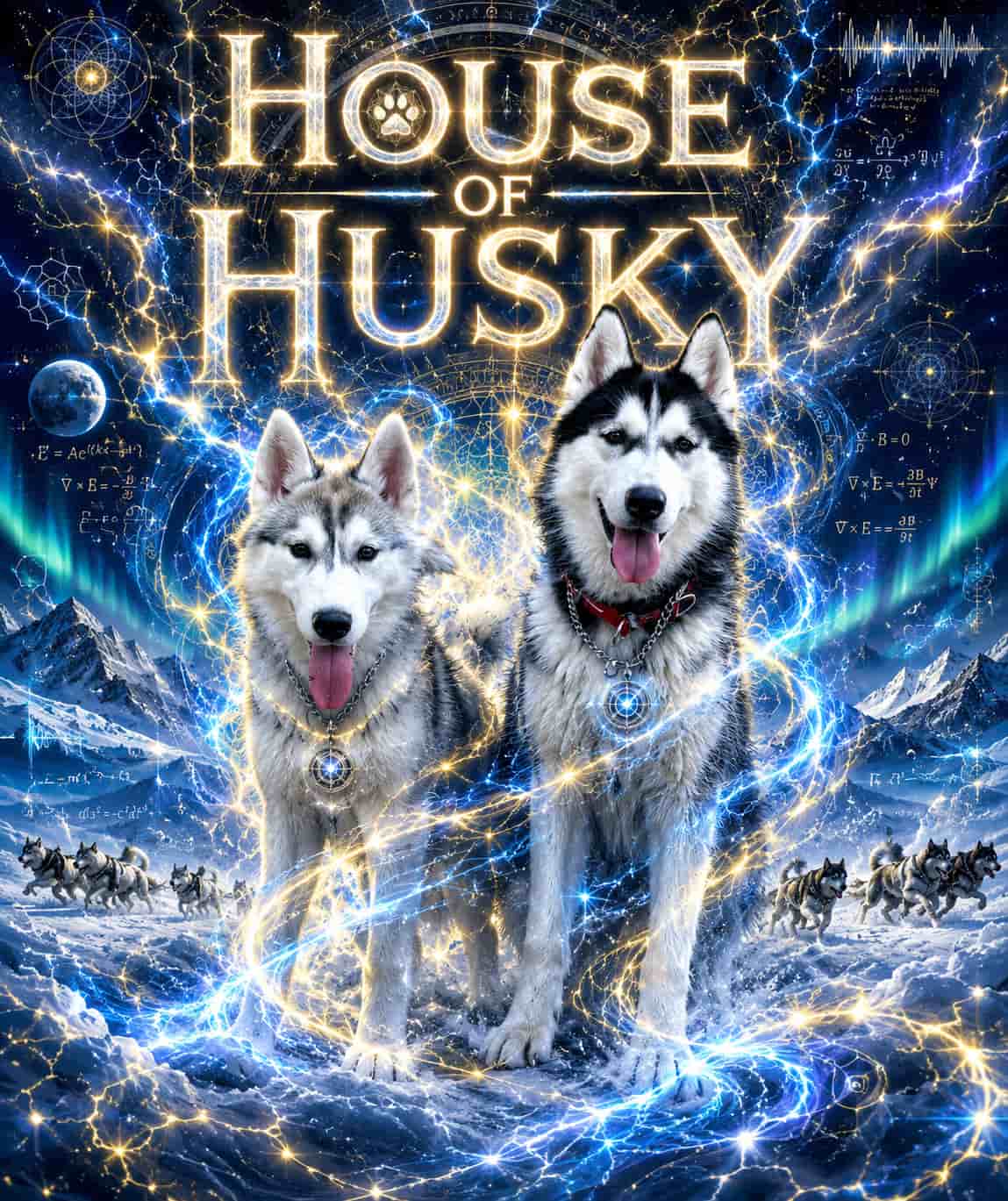
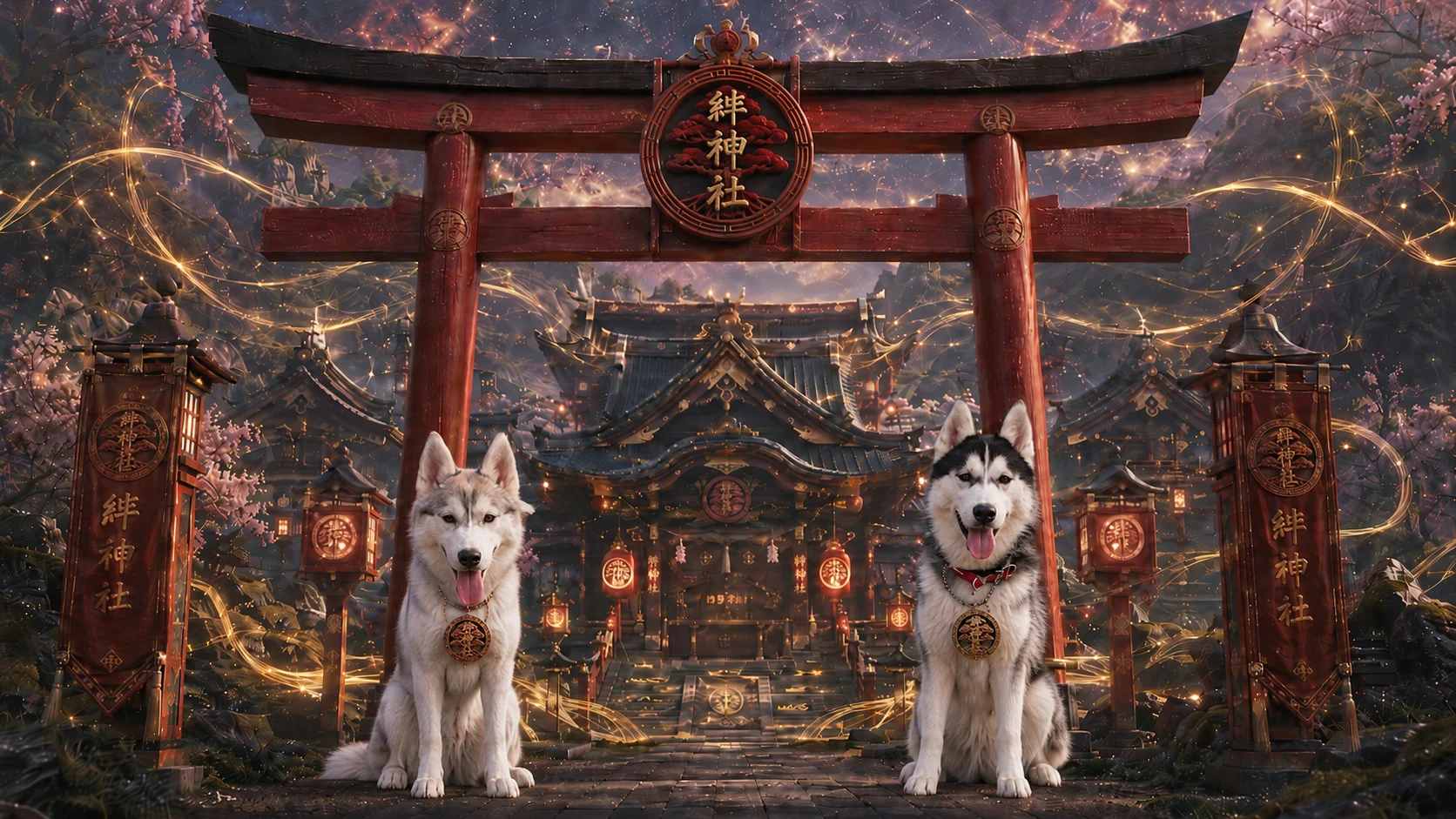
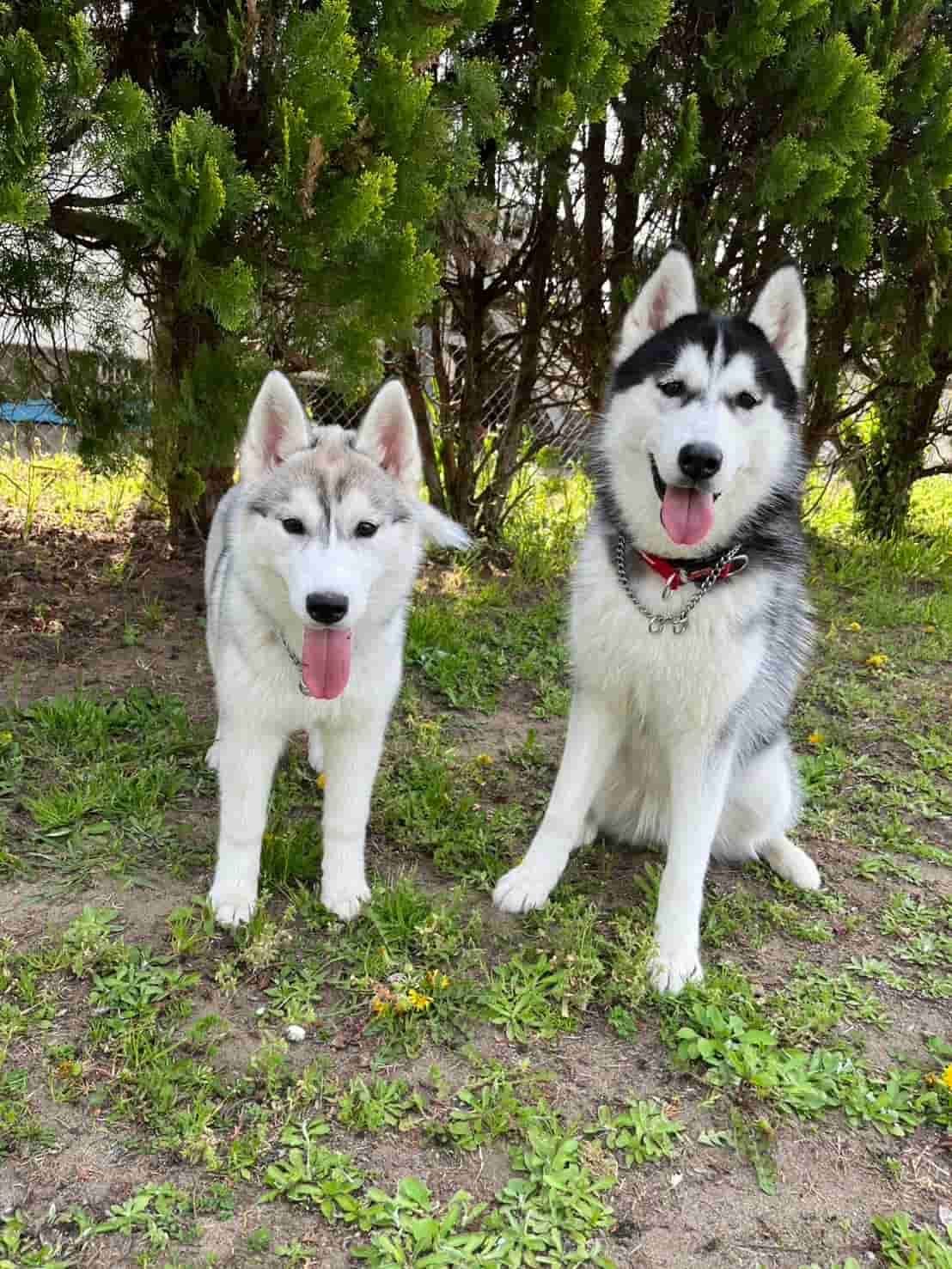
In this particular instantiation of the quantum field, those counterparts take the form of two beautiful Siberian Huskies—Clover and Seity.
Like many things in life, it is of paramount importance not to lump all sentient beings into a singular category.
Just as humanity exists across a vast spectrum of personalities, so too do dogs.
They likewise embody the ten woofs ten puppies theme, or in the language of the Four-Character Compound Protocol—jūnin tōiro—十人十色—each possesses a colour uniquely their own and a special charm.
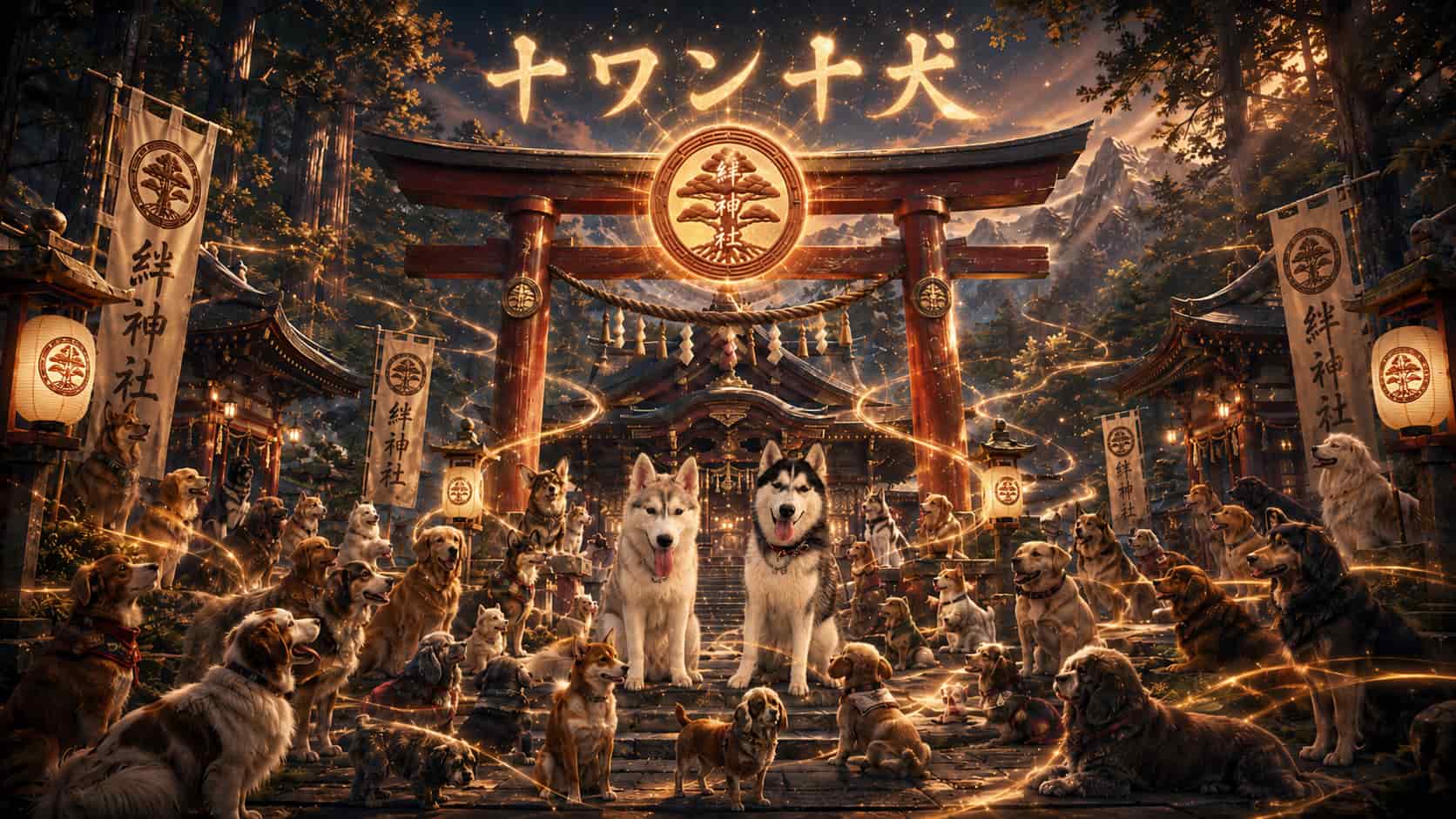
The unique flavours found throughout the puppy-party universe are as vast as the continental divide.
Each distinct canine personality brings something different into the life of its human companion, making the owner feel both complete and profoundly alive.
A deeper philosophical tone of this mini-tome is that the relationship between owner and owned is remarkably intimate.
The personality of the owner is reflected back through the behavior of the canine pet.
This naturally raises the next question—who is the owner, and who is truly owned?
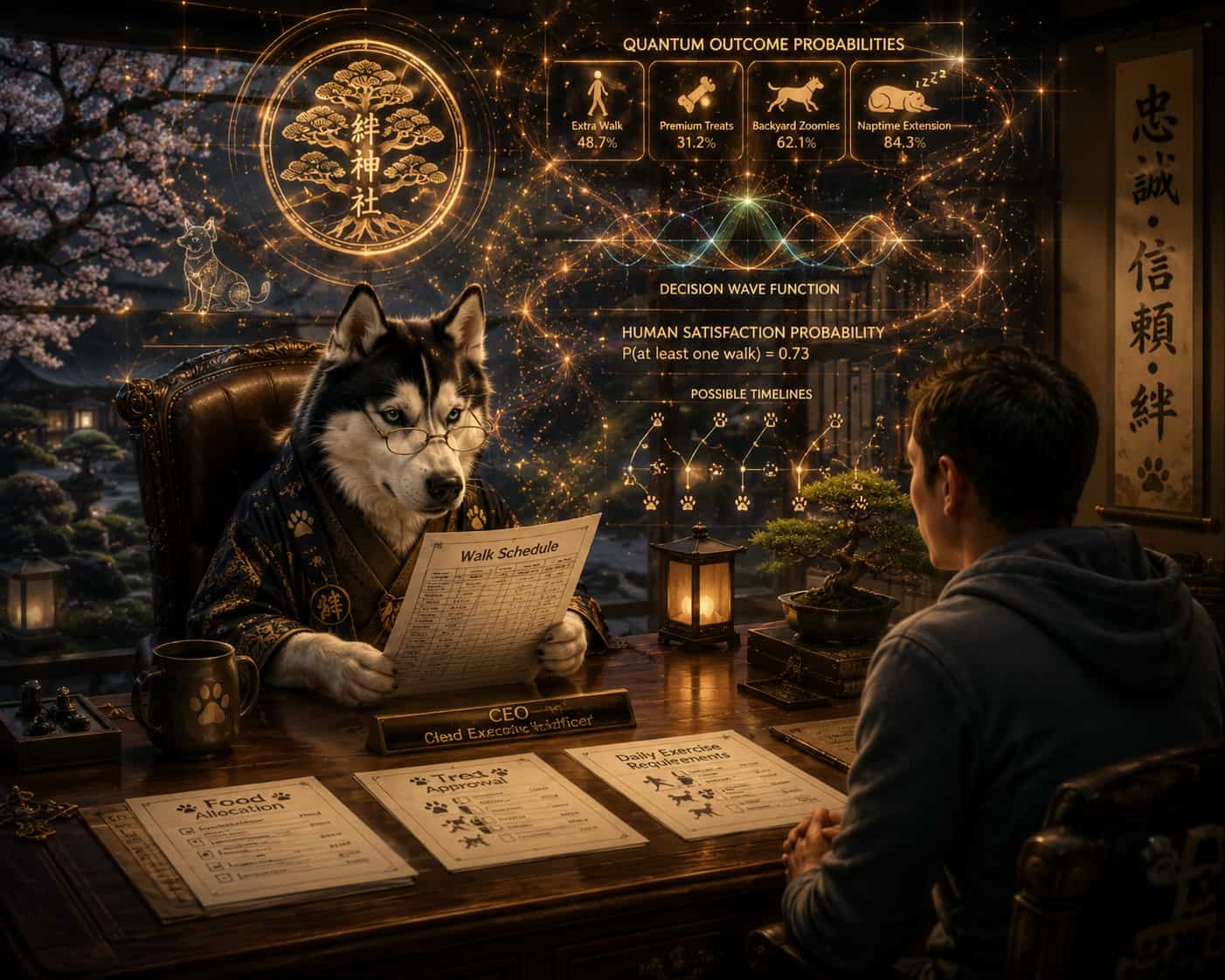
That answer remains between you and your beloved puppy.
An important distinction must be made as we travel through this puppy-party yarn—not all dogs are meant to be pets, do not be alarmed.
As uncomfortable as that may seem, it nonetheless remains a universal truth—and indeed the essence of this Dog Days Afternoon theme.
What kind of people would choose a Siberian Husky over a Toy Poodle?
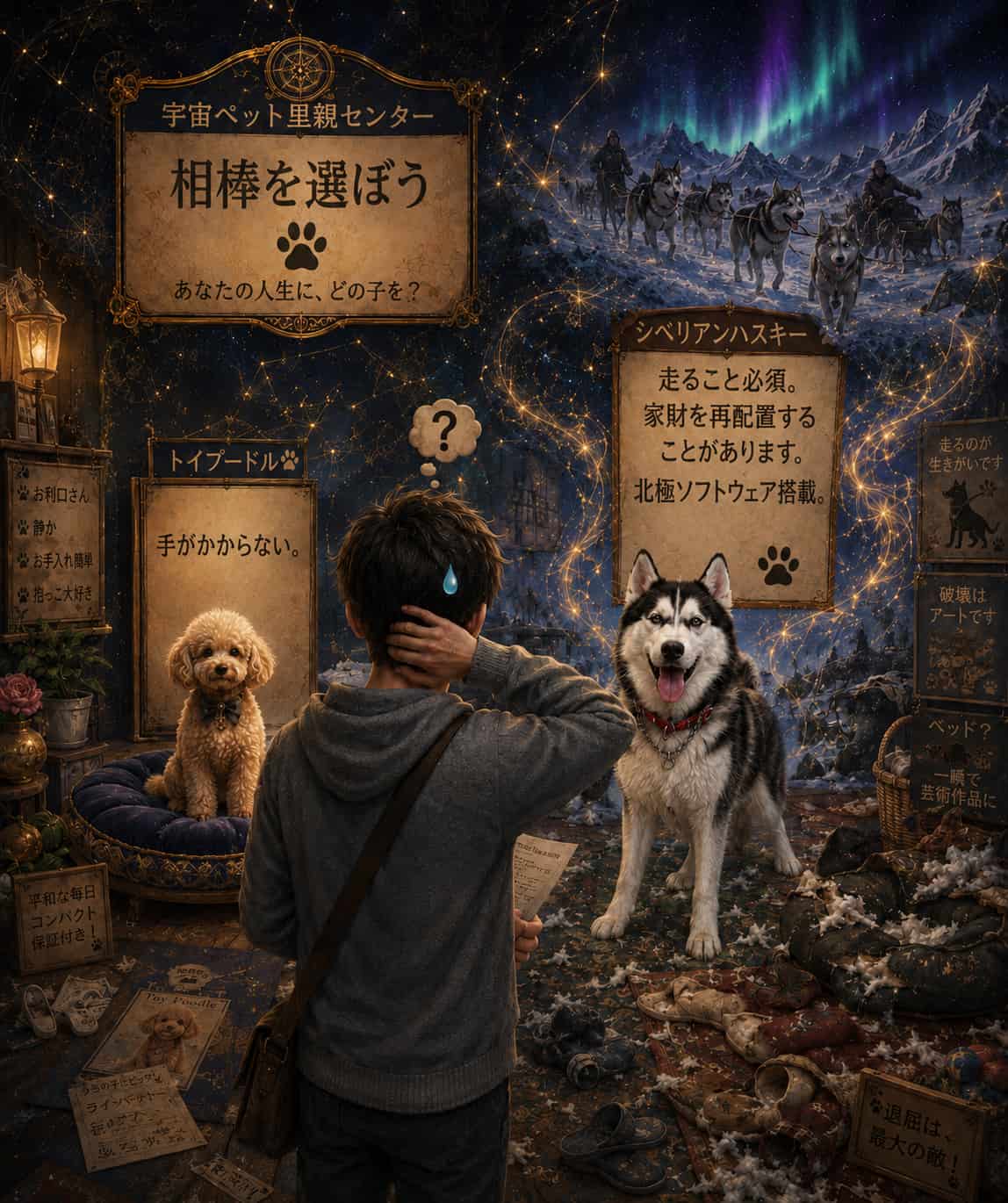
Is such a preference merely a projection, or perhaps an indication of the status of one’s family jewels?
One thing becomes abundantly clear after rounding out the puppy party at the castle of the Incidental Occxie, somewhere upon the windswept Kantō plains of Japan.
Clover and Seity are gifts from the tutelary deity and proud members of the Arctic sled-dog breed.
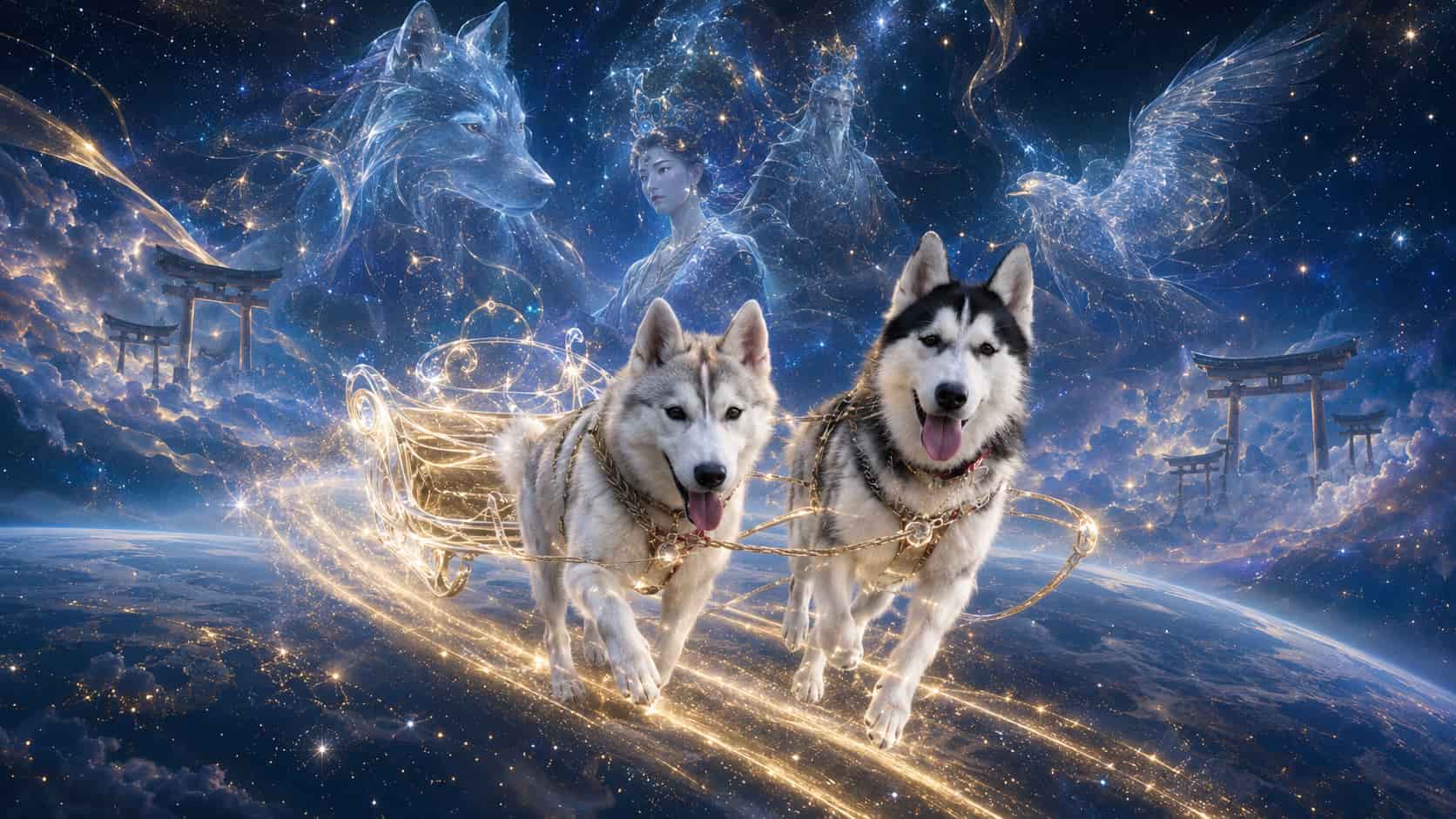
Seity is also known affectionately as “Baby Puppy.”
For the gift of these exquisite puppies, Thank you, Father, indeed.
Now take a closer look at the truth and reality of Siberian Huskies in Japan.
The Japanese Husky boom began in the late 1980s and continued into the early 1990s, overlapping with the Bubble Economy and later amplified massively by manga culture.
It was triggered in earnest by the manga series Dōbutsu no Oisha-san—The Animal Doctor—which became a huge hit from 1987 to 1993 and later received a 2003 live-action TV drama adaptation.
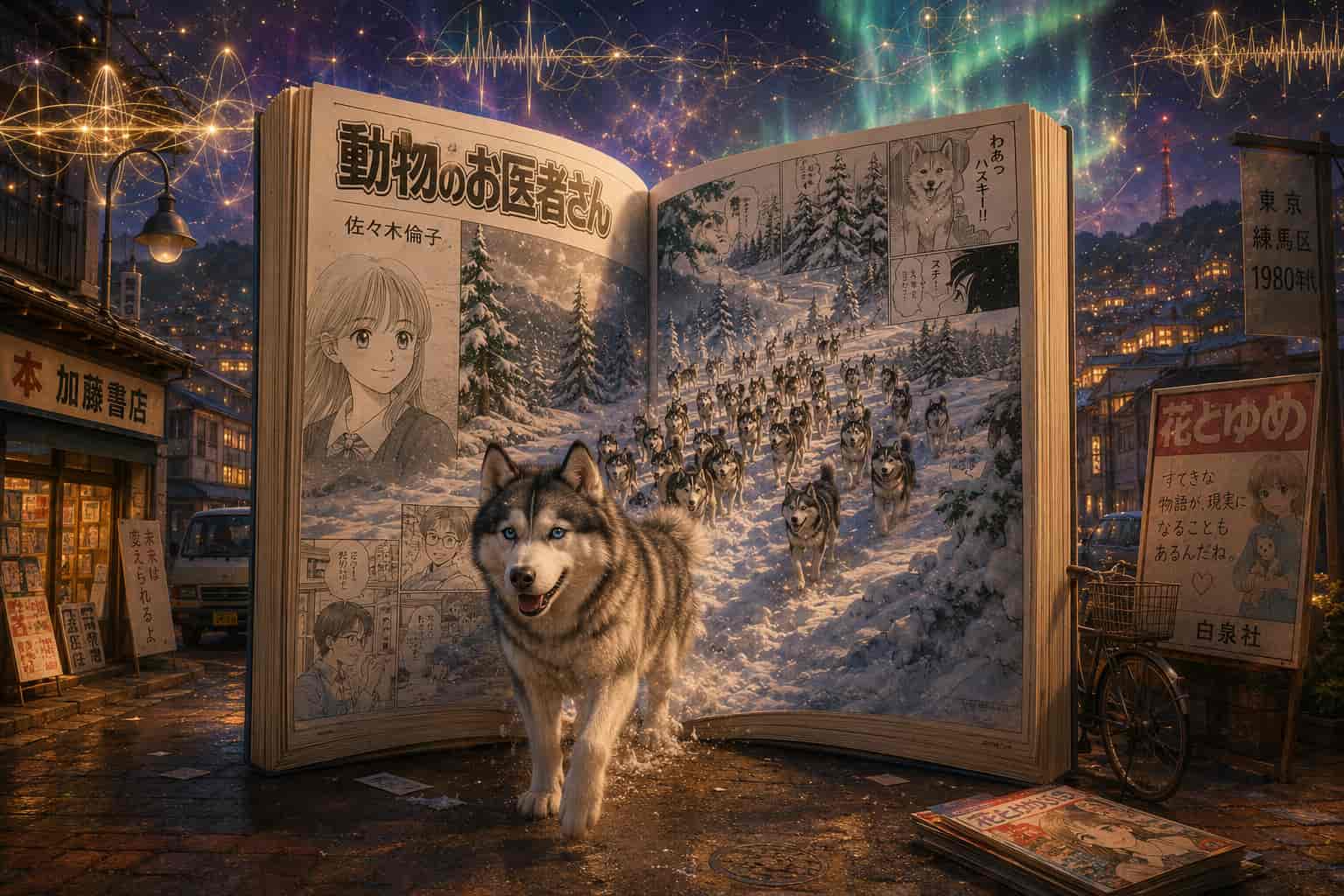
The story features the famous Siberian Husky Chobi, and multiple Japanese retrospectives describe the work as having helped make Huskies a national boom breed.
Chobi is a female Siberian Husky owned by the main character, Hamtel.
The series follows Hamtel, his classmates, professors, and animals through a dry, absurd, and intelligent veterinary-school comedy.
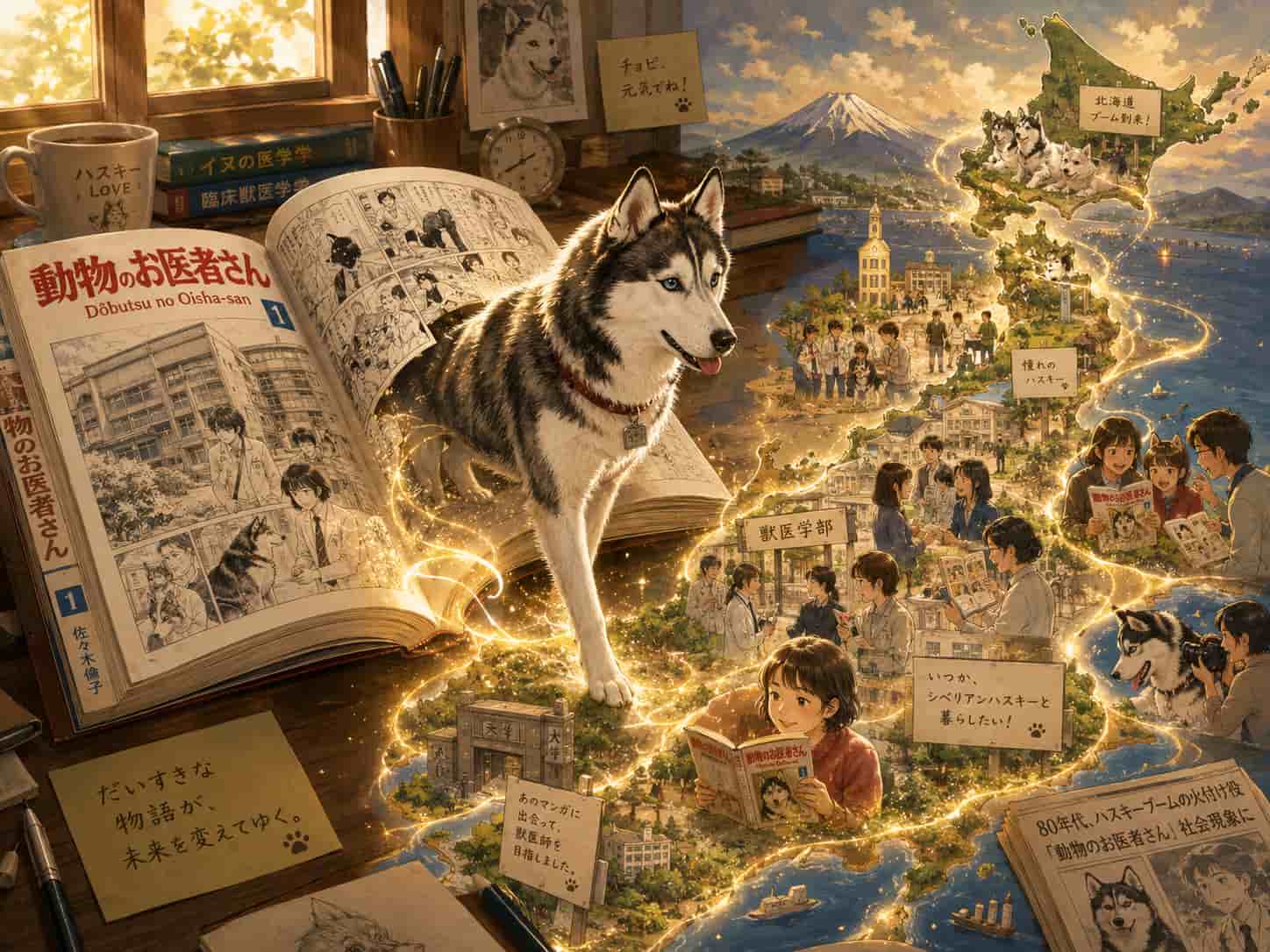
Why Chobi mattered in Japan.
Chobi, a mascot-like figure, is credited with helping ignite the Siberian Husky boom in Japan during the late Bubble-era period.
The sad part of this entire contrived Japanese Husky story is that it became the wrong dog for the wrong fantasy.
Japan did not merely import a dog—it imported an Arctic working mythology into a dense, humid, highly urbanized country—which sounds like a perfect mismatch, frankly.
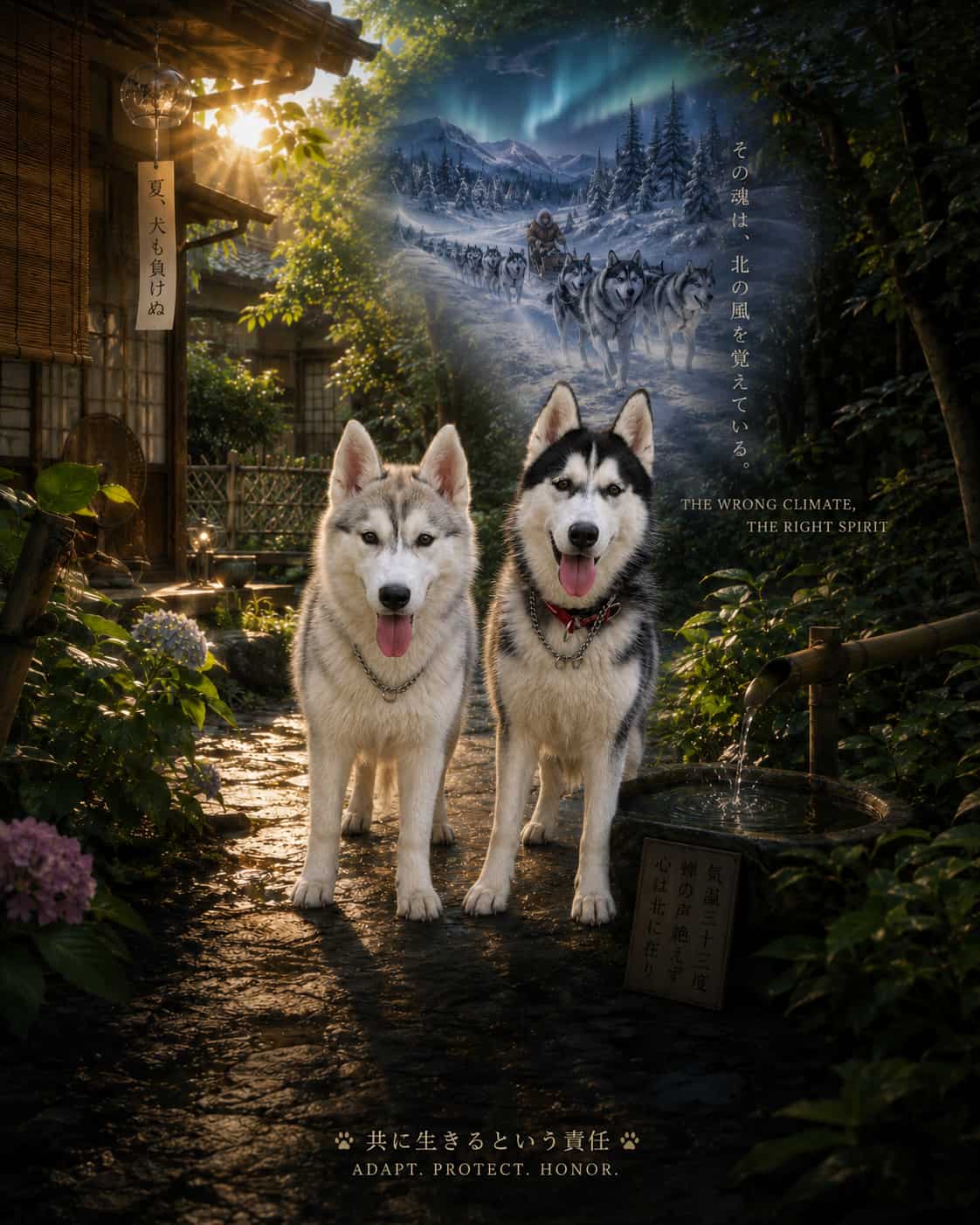
Many buyers were not prepared for the actual reality of such an intricate animal.
Huskies are social, stubborn, athletic sled dogs with huge exercise needs, a strong desire to run, heavy seasonal shedding, poor suitability for Japanese summers, and a personality that does not behave like a Toy Poodle or obedient lap dog.
The Japanese are famous for their fickleness, riding the pony into the flavour of today—getting on, getting off, then getting back on again, only to jump off once more as yesterday’s forgotten enthusiasm disappears behind the next trendy fashion parade.
People began keeping Huskies without understanding the breed, then abandoned them when they could not cope with the finer points of this formative canine breed.
Japan’s summer heat and the breed’s need for substantial daily movement made ownership difficult for many households.
The timeless takeaway is simple—reading about the dog before pulling the trigger would have saved many ignorant Husky owners a great deal of grief.
The reality of the Siberian Husky story is that many Japanese people fell in love with the face of the wolf, but many homes were not ready for the engine of the sled dog.
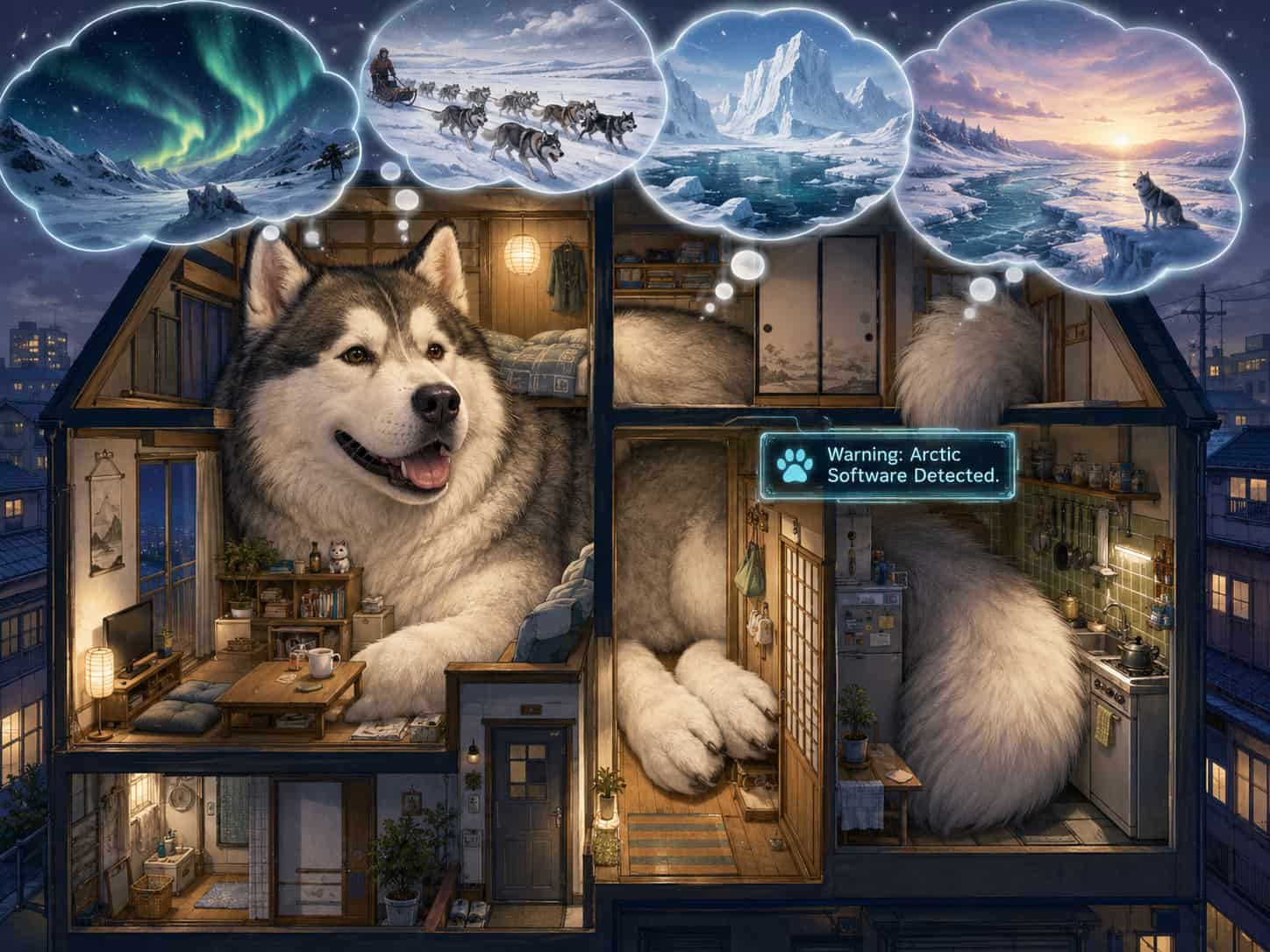
The rabbit hutches that many Japanese people live in are a total disconnect from the reality of the Siberian Husky lineage.
The Husky is not a decorative wolf, they are social working dogs with the desire to pull the sled written deep within their DNA.
With the Husky, exercise is not optional—no indeed—for a bored Husky becomes a demolition system with fur, strong jaws, and sharp teeth.
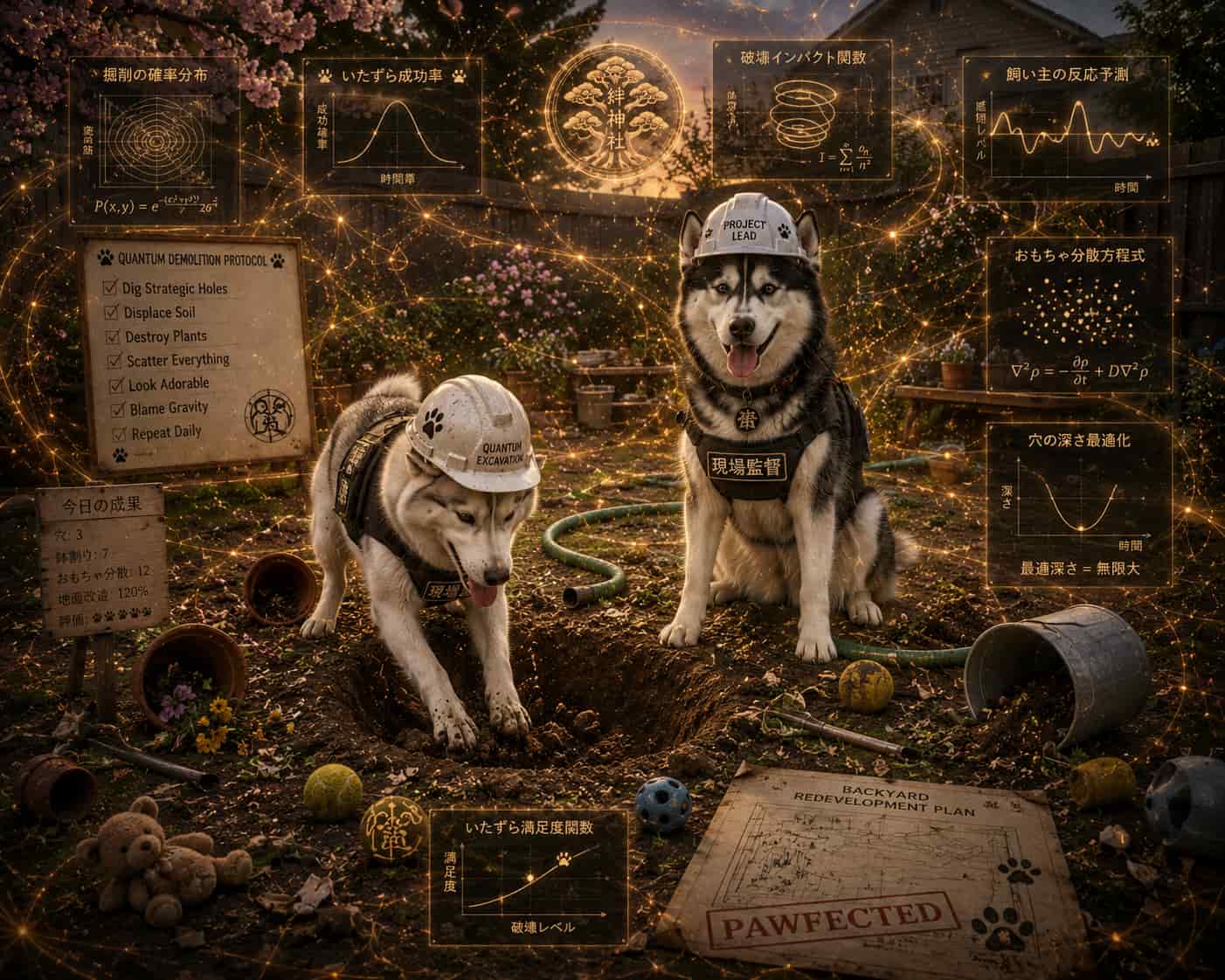
Nor are they Toy Poodles in Arctic winter clothing.
They are coy and can be manipulative, for their obedience style is different—they negotiate, improvise, and at any chance they get they will make a break for it and run far away.
If they happen to escape, you may never meet them again.
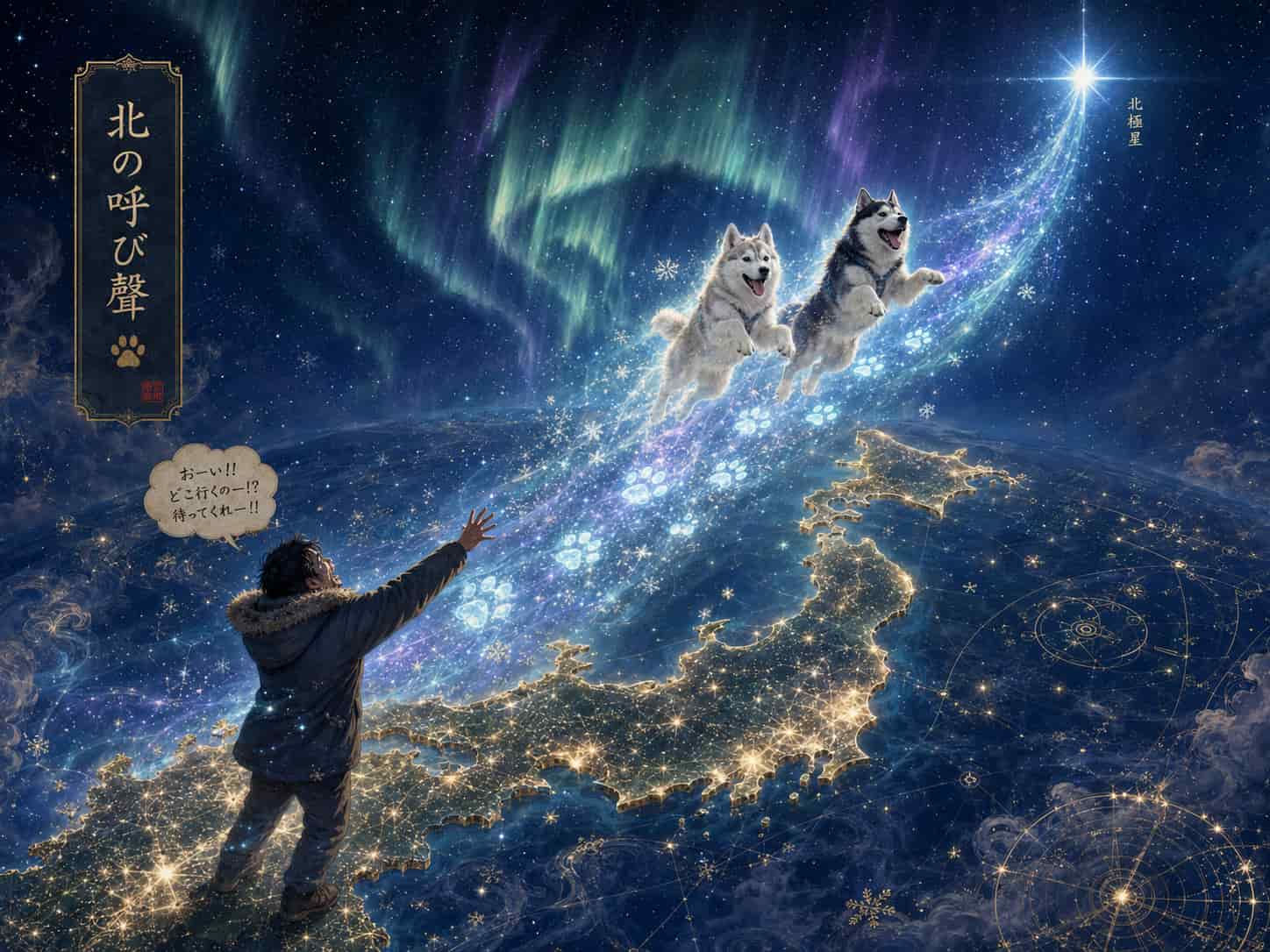
Clover and Seity are not house pets.
They are Arctic sled dogs with powerful engines—a perfect match for the Neo-Clan philosophy.
The promise to Clover and Seity is to give them enough structure, movement, food, discipline, and love so that the ancient sled dog living inside them has a life worth living.
Therefore, let it officially be known—this is the House of Husky.