Negishi Lives On
I like living in the country of Japan, no, I literally mean in the countryside of Japan.
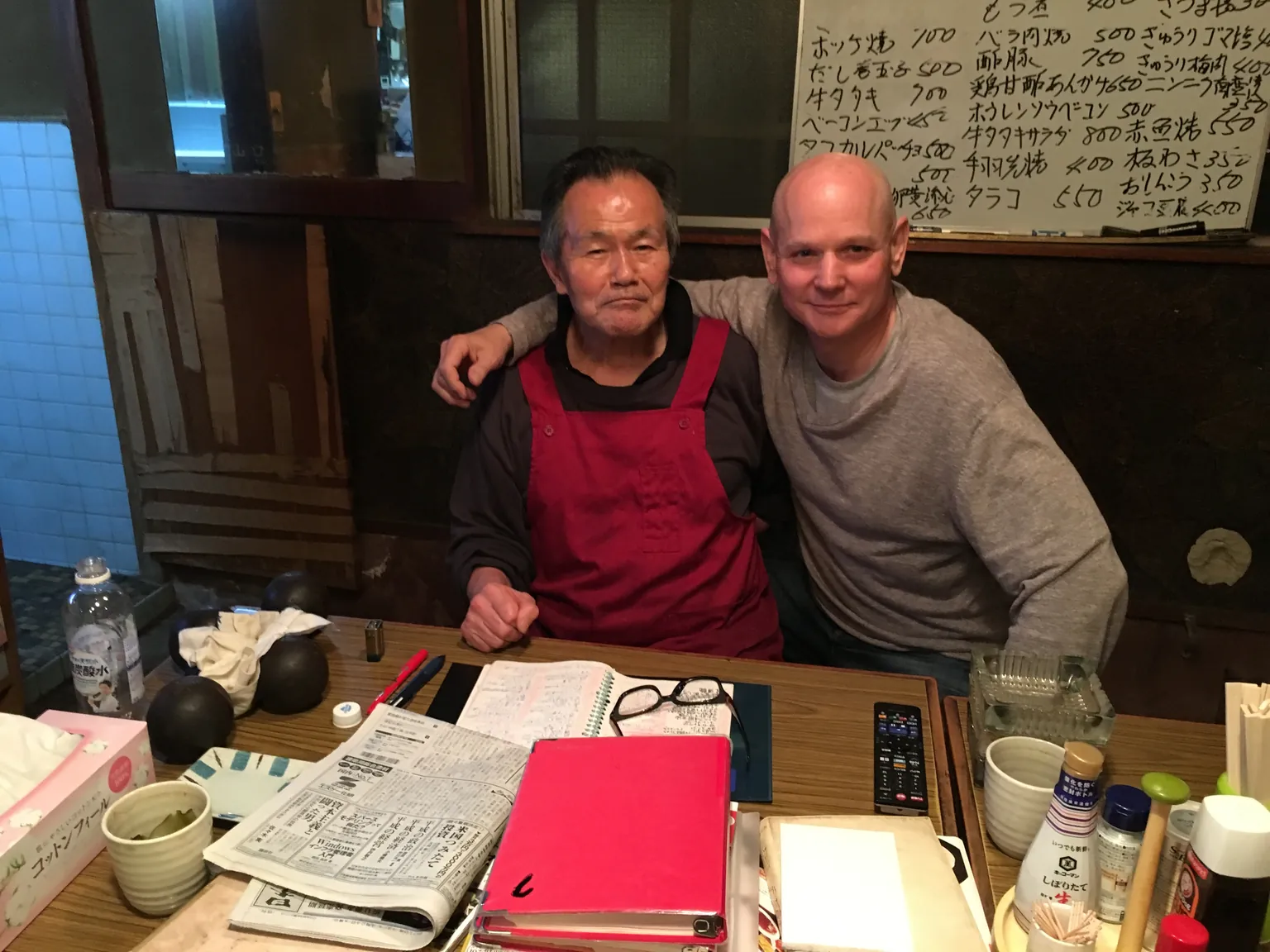
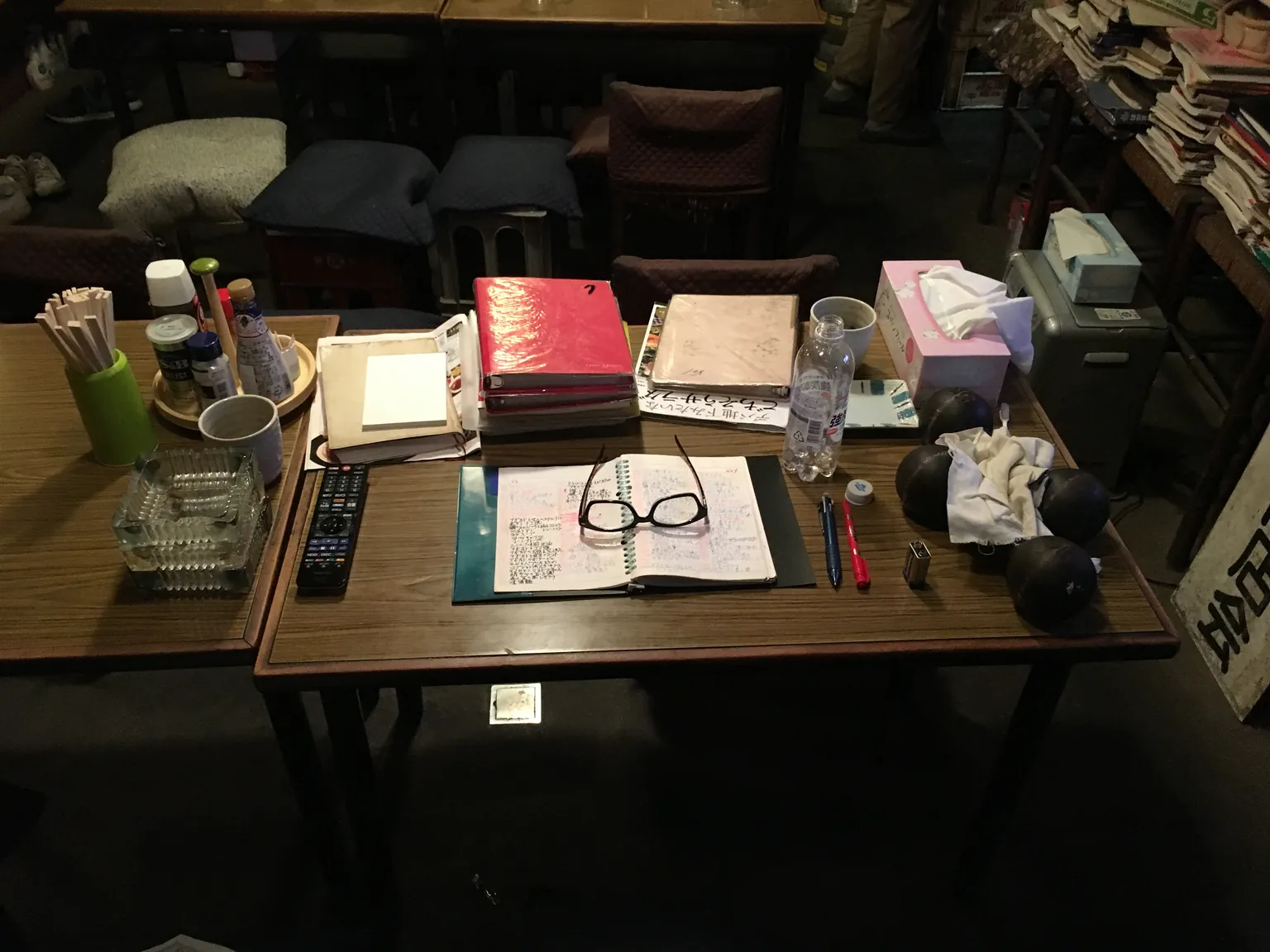
Negishi is the name of this restaurant, and it has been here, well, a long time!
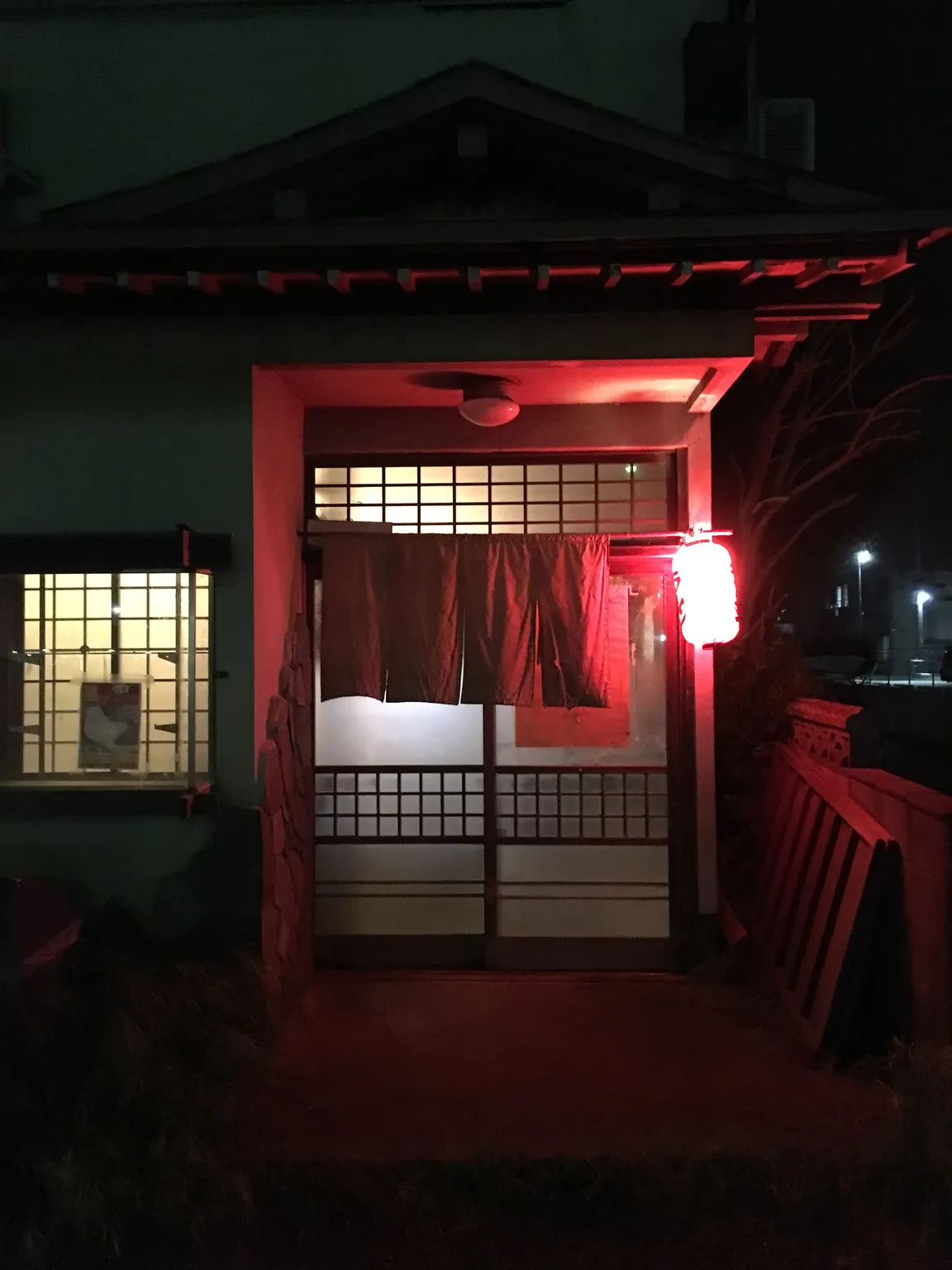
Anyway, that’s not the point, the point is, this establishment servers extremely delicious food, and I’ve been a patron for many years.
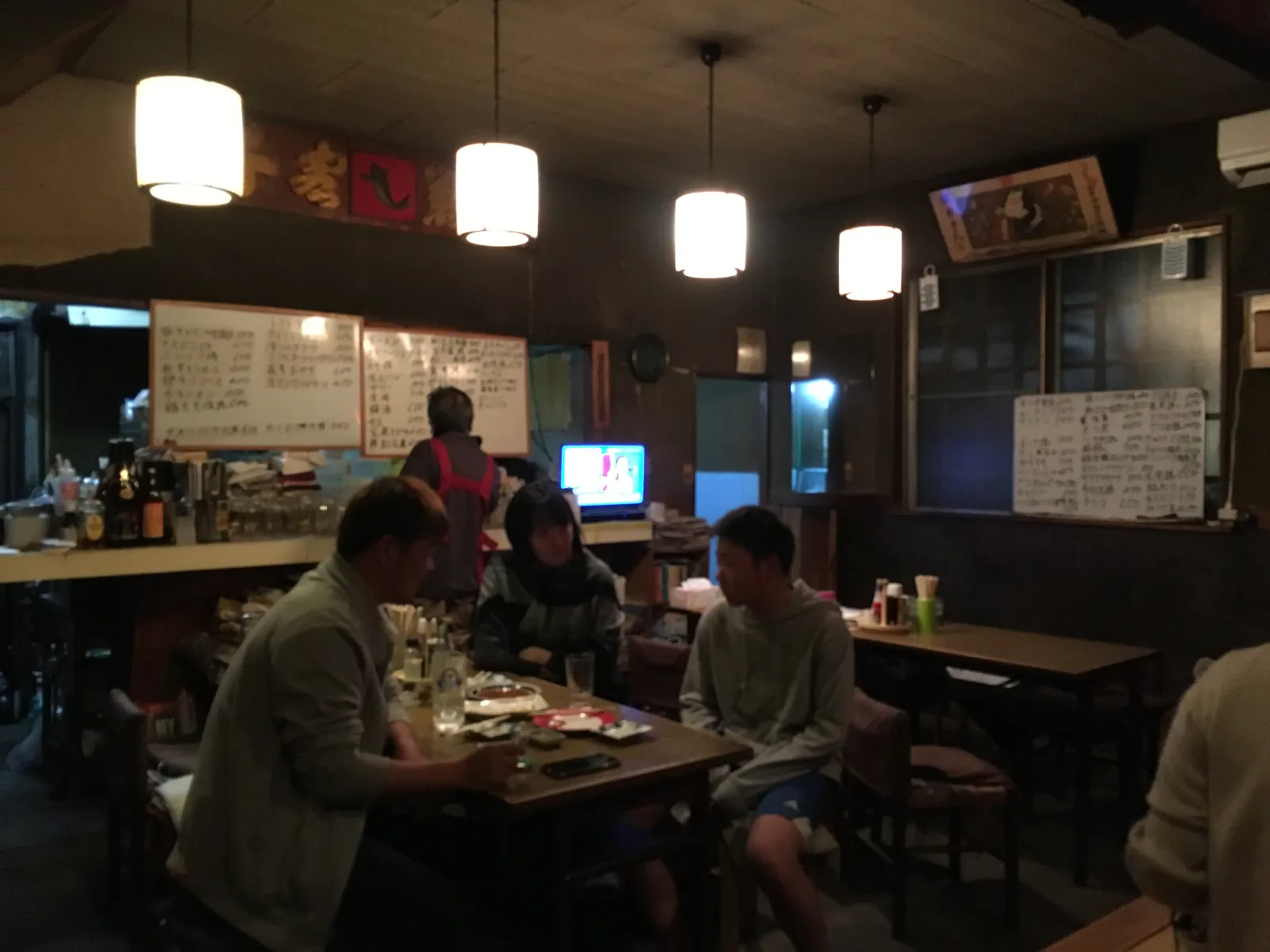
Often, some of the items written on the menu board are not available.
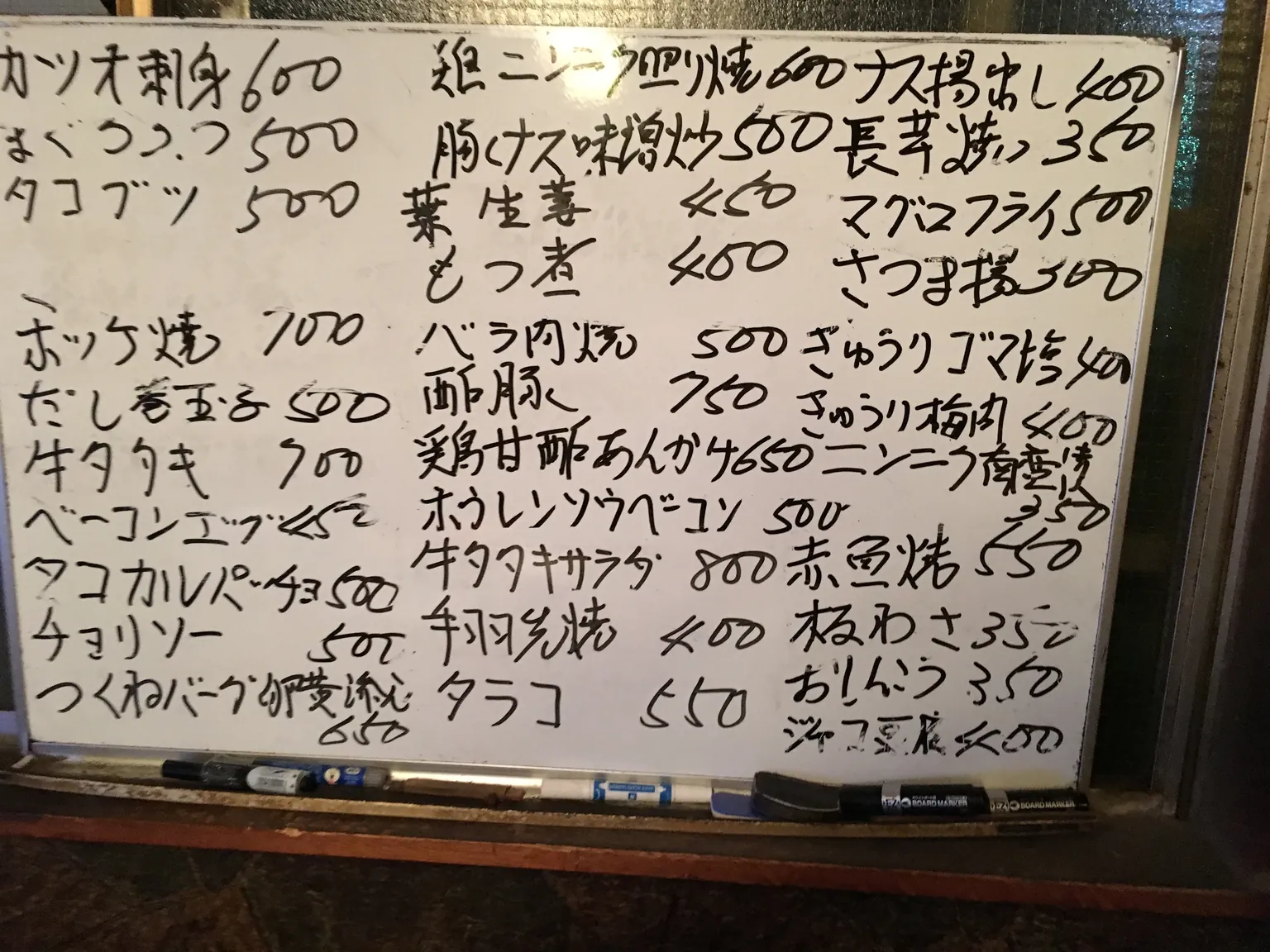
Why?
Who knows.
And that’s the joy of Negishi, the absent minded Master who loves to make food, but doesn't really like to clean up.
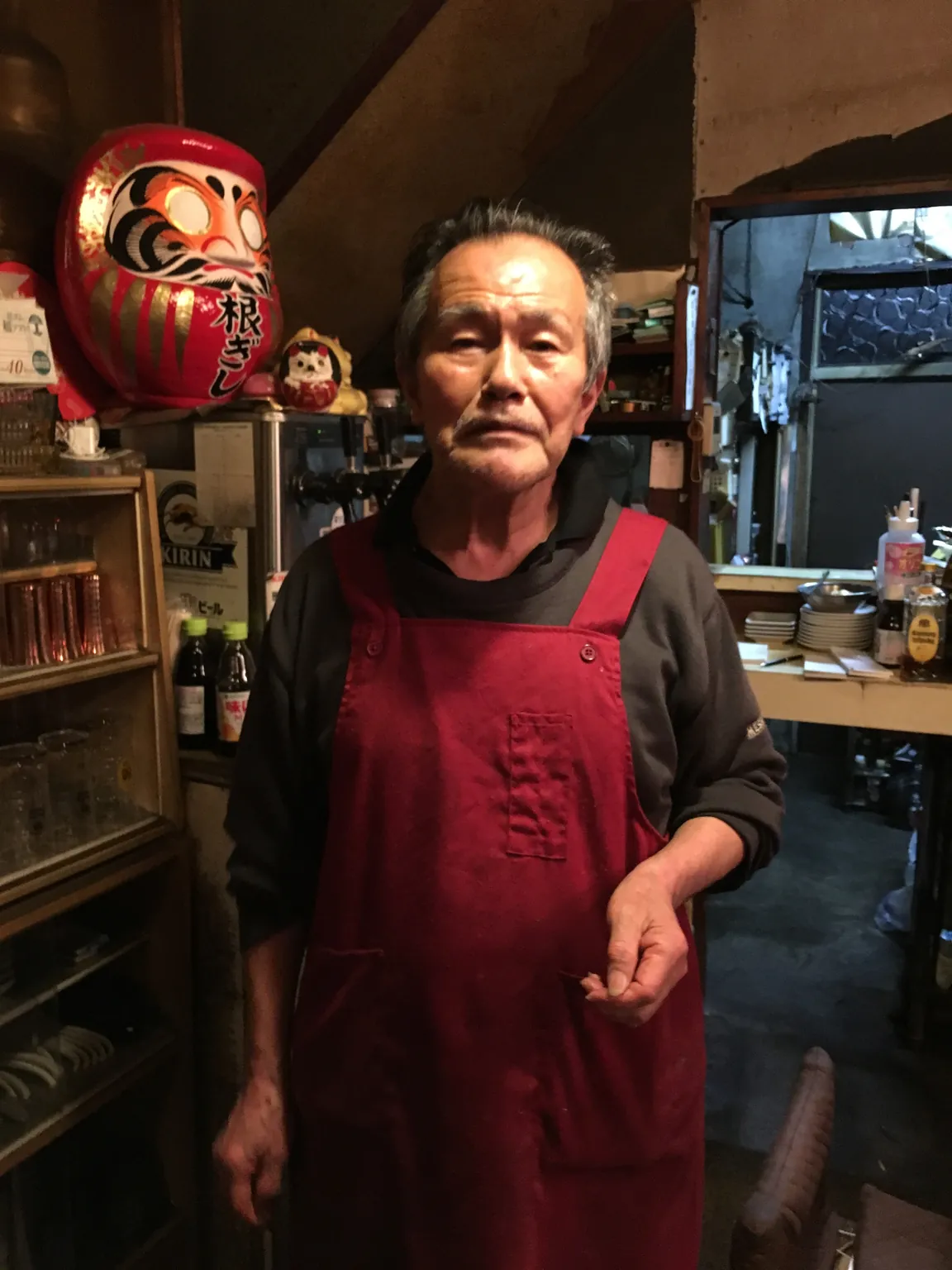
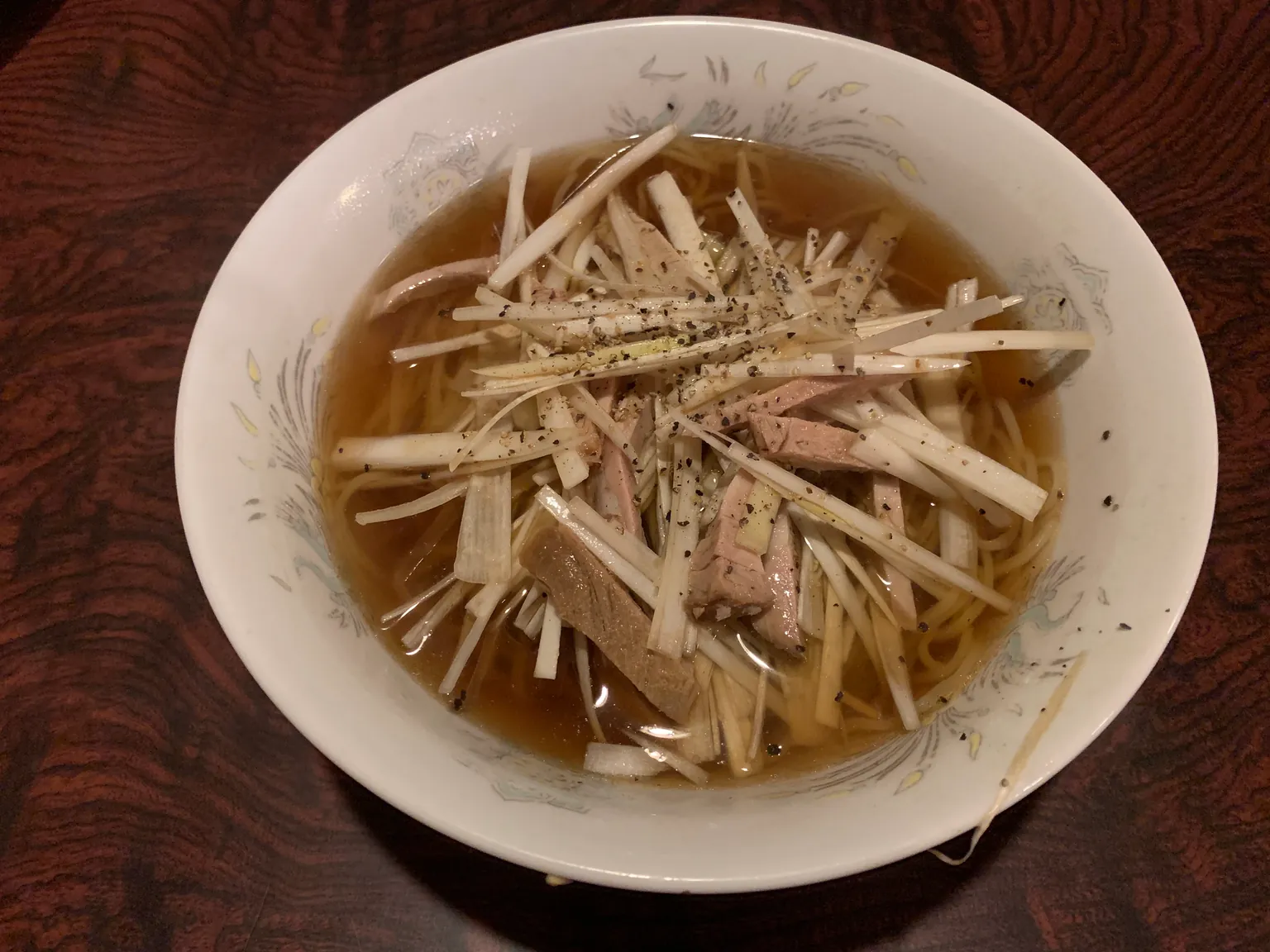
Serving the absolute best salt flavoured ramen on the planet, the Master of Negishi takes pride in his food, and we can always see him smiling as he watches his patrons enjoying their meal.
These type of places are ubiquitous in Japan, and I suppose you could say in Asia generally. These shops have their regulars, and they are the grassroots of Japanese drinking culture.
Drinking with colleagues and bosses in well worn and establishments in these long sessions are referred to as junkatsu yu, which means social lubricant. A very important concept to understand while here in Japan.
Now, as you may have noticed by the pictures; The health inspectors, it's been a while since the they paid a visit.
We used to go to one of the best yakitori (chicken on a stick) places on the planet and it was similar.
The master was cooking his chicken on a stick, as the old open fans clicking away it was plugged in just overhead of the grill and was caked with grease.
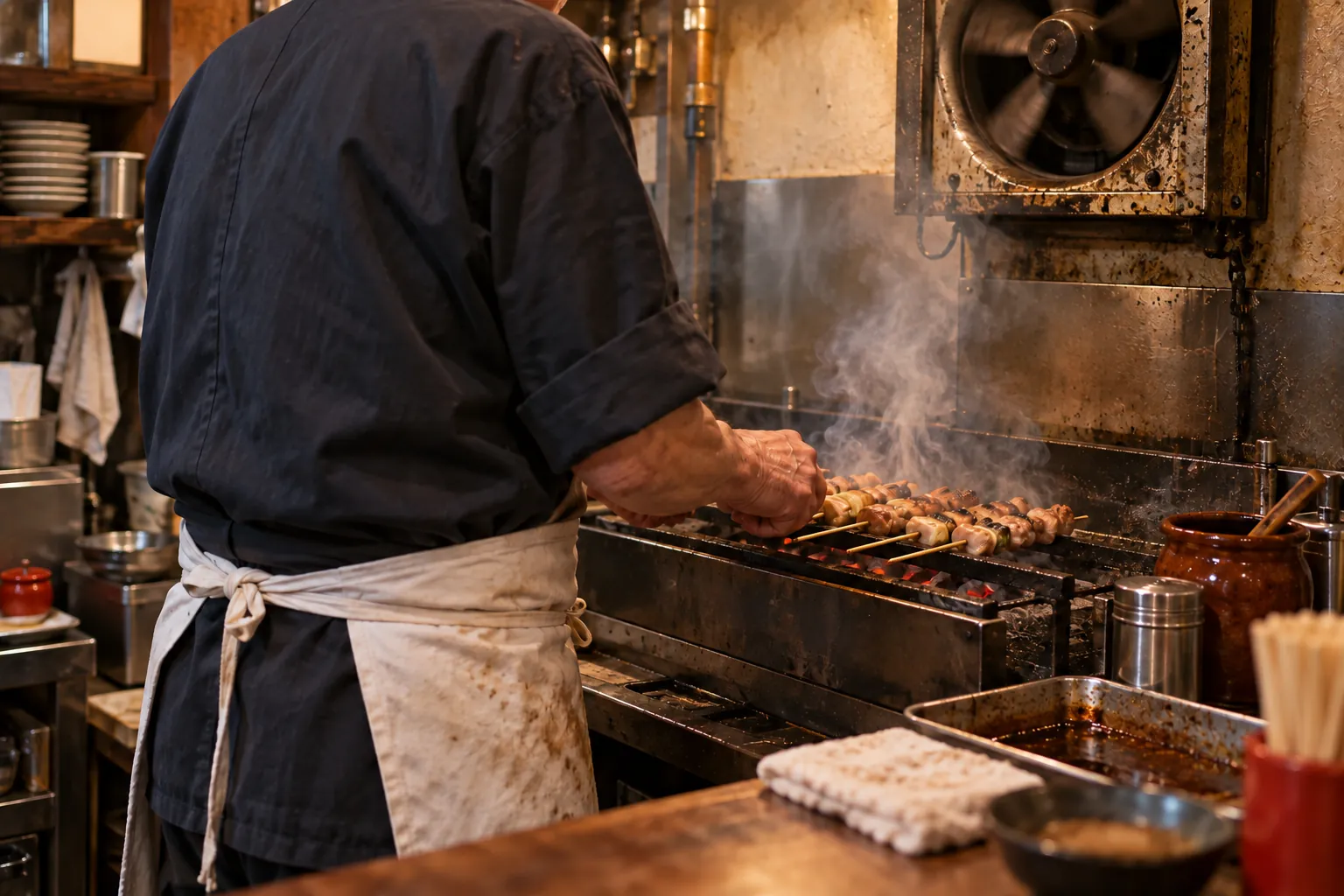
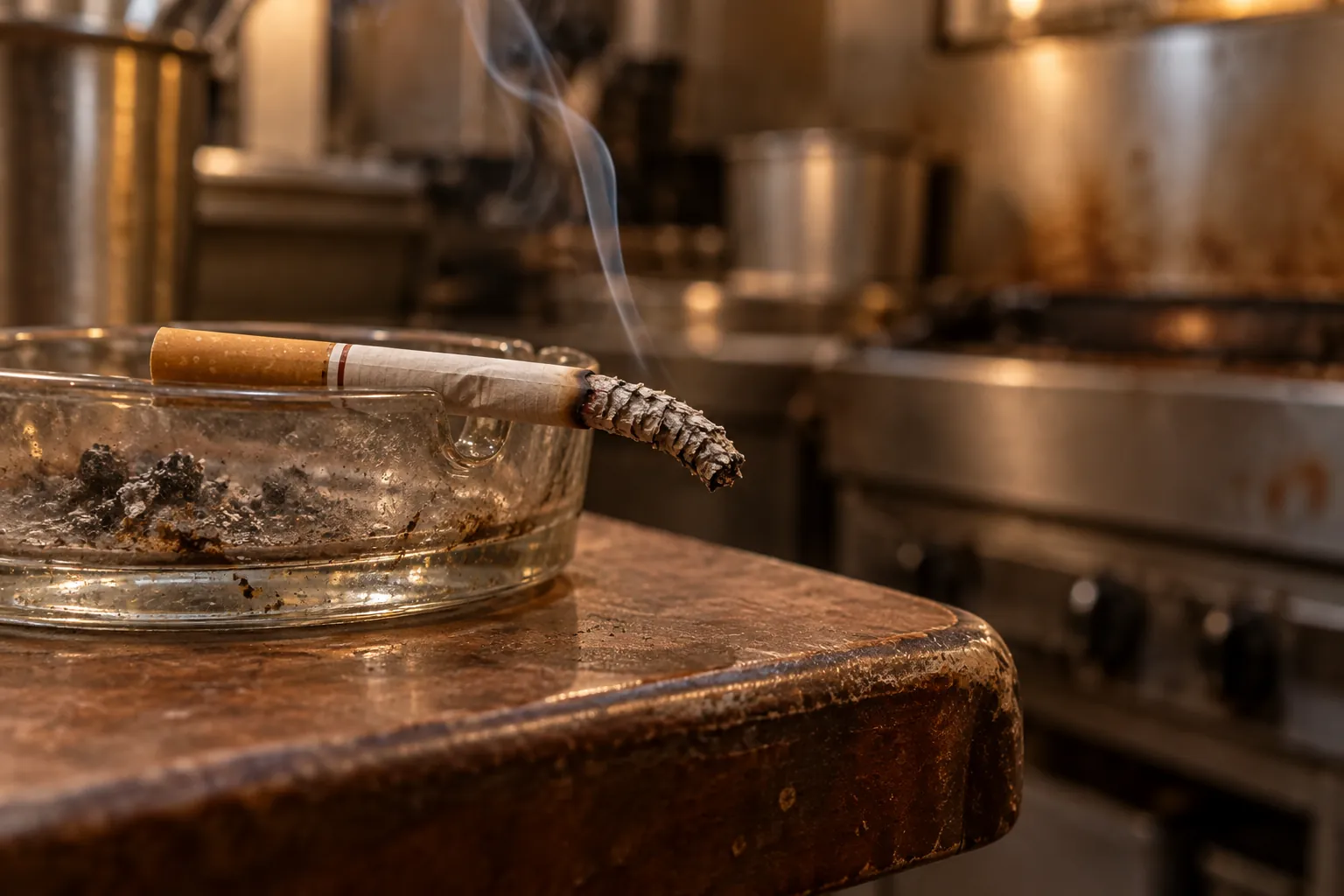
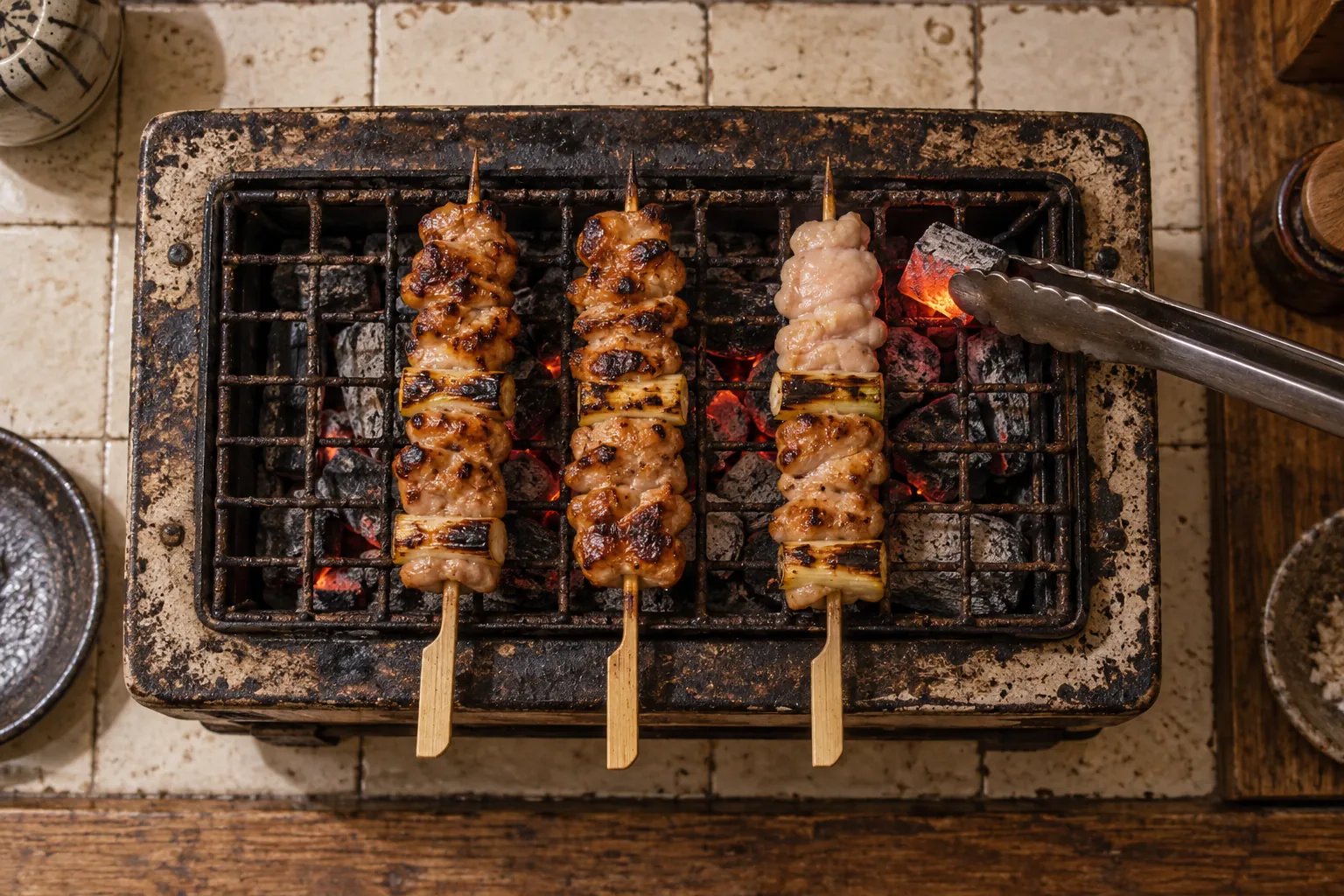
Regardless, I asked this now deceased master who usually smoke a cigarette while turning the yakitori what is the secret of this amazing yakitori, and he said to me "cook the parts that are not".
This is a profound statement full of sage advice, even if this was not the intent while being said.
Indeed, you could look at you own life though the lens of this metaphor.
For me anyway, "cook the parts that are not" is about picking up those lost things for which I had thought would have been done many yesterdays ago.
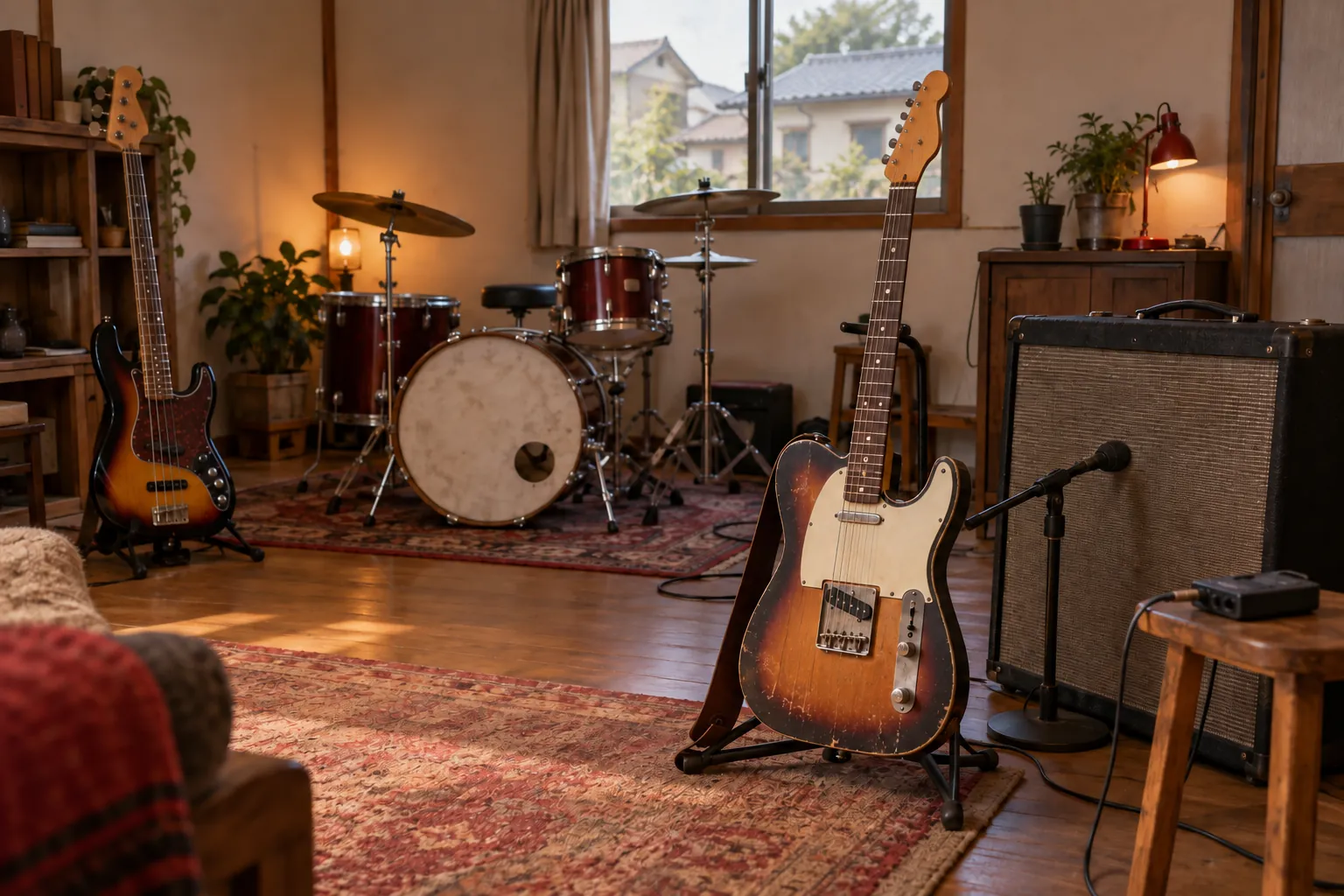
For example, I have played on a Blues Rock trio for 18 years and have written over 30 original songs with my brilliant best friend and guitar player. So, making the Cranky Old Bastards first album is certainly one of my "cook the parts that are not" items that need attention for certain.
The first album is now in pre-production and has been scheduled for release in Spring of 2020.
So, I say to you dear reader, as we part ways for another day and until next week on Wednesday:
Which uncooked parts of your life are in need of you attention today?