Nothing like the stark realization of having become deaf and dumb, as well as illiterate, having moved to a country in which the communication system is vastly more complex than the familiarity of the English alphabet soup.
When having a deeper ponder on the meaning of the necktie—remember its origins are due to a mandate of a long dead seven-year old boy—the reach of his influence stifling the spirit of the necktie tribes even now in this modern day.
For those cultivated under the 26-letter alphabet soup used as the communication mechanism of English, the initial shock upon discovering Japanese students must go through 2,136 mandatory characters at the behest of the Ministry of Edification can not be denied.
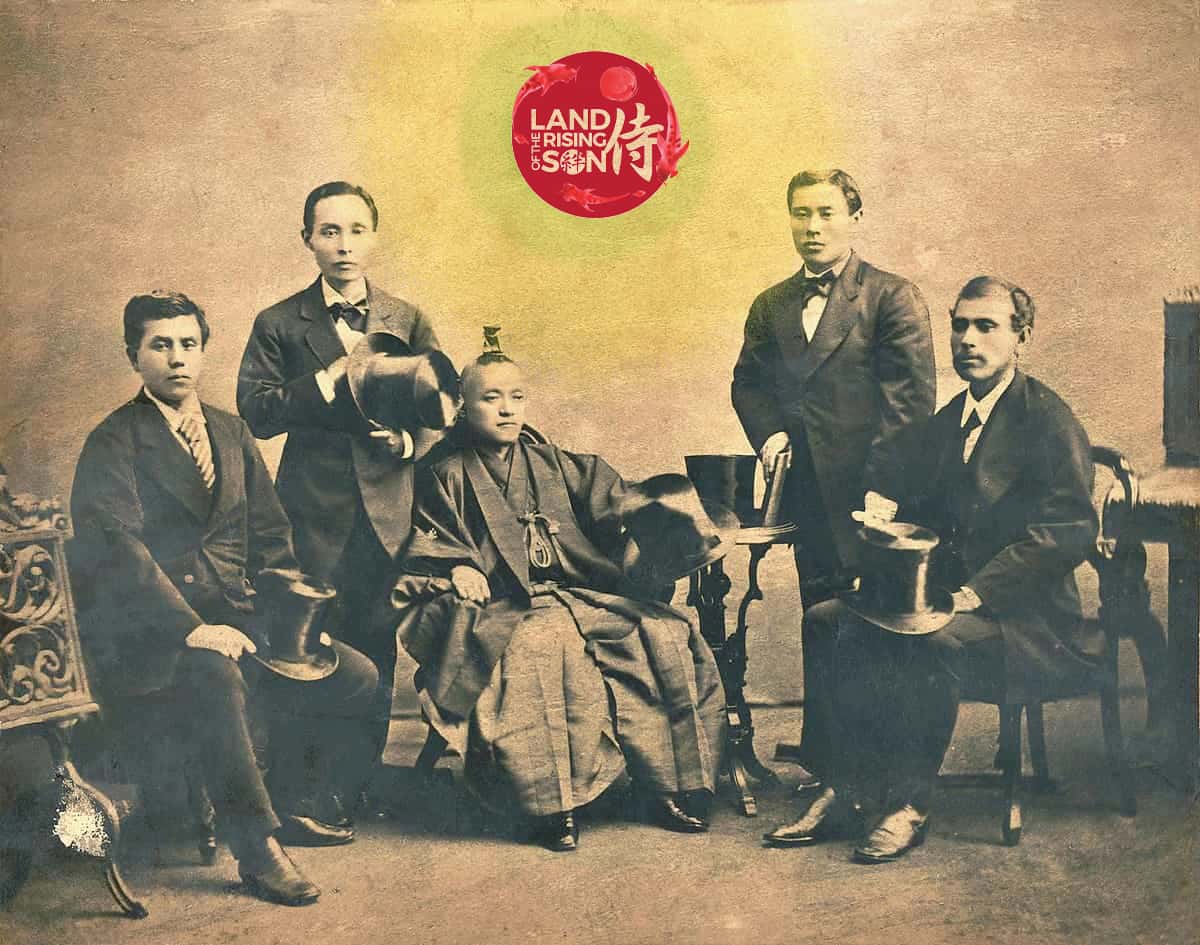
Born into the Satsuma clan twenty-one years before the 1868 Meiji Restoration ended the Tokugawa Shogun’s rule, very few Japanese could have ever foreseen such an abrupt end to over two centuries of peace, or the crucial role the Satsuma clan would play in the transition to Westernized Industrialization.
Not only is her comprehension of Japanese language extensive, she is also a highly skilled mahjong player—meeting weekly with her girlfriends who are also soul-mates—living a full vibrant life in the suburbs of Yokohama—83 years-young, spirited, and spry.
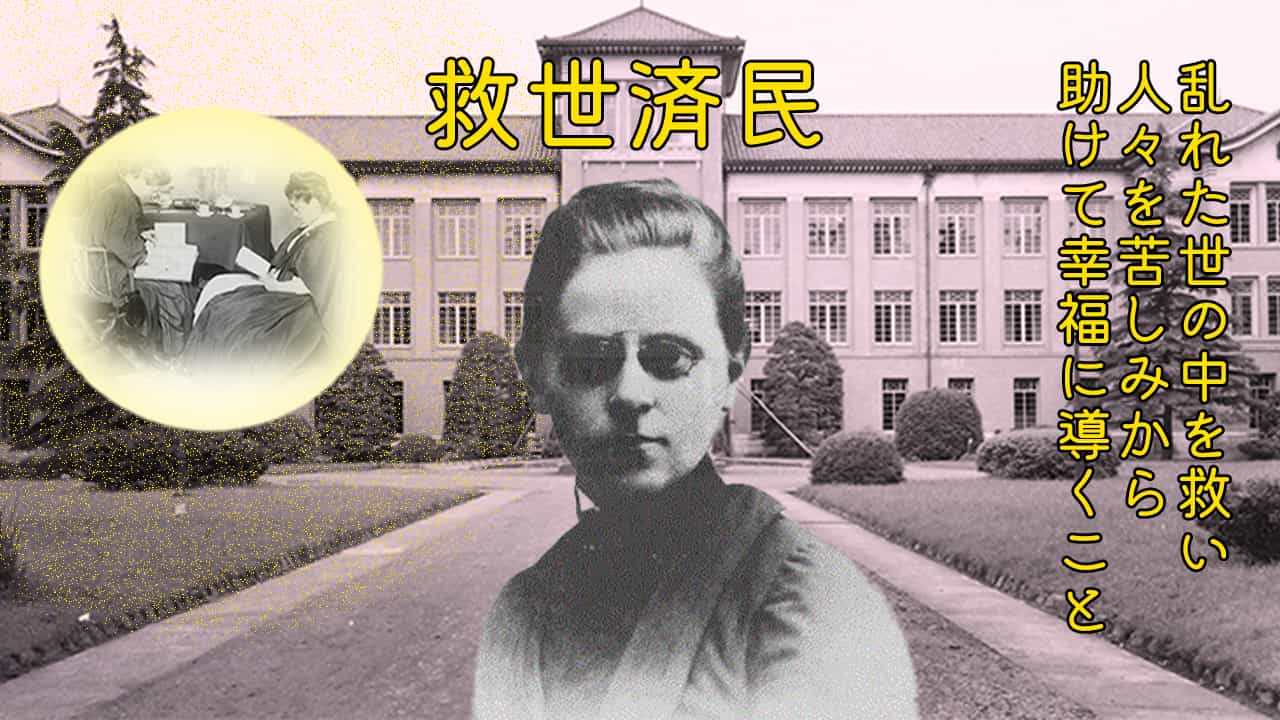
Ms. Bacon is truly a remarkable figure in the spectrum of Enlightened Education—reflecting her altruistic pedagogical notion—enlightened Emerita Professor, in alliance with Tsuda Umeko having created a powerhouse civilized union.
Incessant churring of unpleasant murky past narration, remains the antithesis of the benevolent heart and rock solid constitution—the unshakable foundation of the Maggie May Way.
Regardless of the inevitable growing pains during the coming-of-age ceremony of the nation of Japan, it is now clearly understood—Japan has given birth to civilization 3.0—having never wavered from its foundational principals—Form Order Process.
For even though he was accepted in kindergarten as a valuable friend, it was at this early stage of age, where that fantasy came to an abrupt end.
When one of the most successful basketball players to ever walk the talk, offered up a worthy philosophy for practical usage as a guidebook somewhat akin to decision support. Once a decision has been made, it is not necessary think about it ever again—Don’t Touch It.
All language, verbal or otherwise, embody culture, heritage, and traditions of their respective native speakers, in particular, this phenomena is reflected in the cohesiveness of Japanese culture and society.
Coloring books given to Little People by BigPeople, hitherto have someone else's construction-paper world already filled in and then thoroughly glossed over.
Japanese have specific roles to play, when deadwood does not pull weight (productivity), lethargic slugs find their chair, has been moved in sideways motion, to arrive then reside beside the window—becoming a shamed member of the dreaded Window Tribe.
In Asian societies, the mental wellbeing of One’s clan members, particularly in domain of mental stability, is never responsibility of State.
It was here inside extreme adverse weather and impoverished attitudes of those living under frozen icy conditions, where the Noble Notion of color blindness was hardwired into One’s electrical circuitry via Maggie May, the matriarch of our Clan.
The frequency of Japan embodies the essence of what it means to be Japanese, imprints of ancient protocol, which are embodied in four-ideogram-compounds which is the key into the psyche of the Japanese and their deeply ingrained Notion of Motion
A most important, yet simple book—initiating fate of this wandering Son under the Sun—invoking courage—to take paths—into the multiverse, and the Notion Of Motion, and what infinity entails.
One can observe this Universal Truth in the timeless branches of Japanese eternity, which is represented by the lives of all Japanese people—living—dead—unborn—and in the lives of those whose final destination is enlightenment into the Japanese Way.
The highly worthwhile compounded effects, were somewhat akin to a miracle at the time, but when in fact, merely an accumulation of small intentional acts, culminating in a significant change, over immeasurable moments of time
In Old Japan, right and wrong were based on the universal concept of "might is right," and this established law-of-the-jungle still sets the rules and remains firmly in place today. This truth is clearly reflected in the language protocol of the Japanese—particularly the predominate communication conventions of honne and tatemae.
An unprecedented time to be alive, growing old offers a plethora of opportunity for the mature and wise to formulate, create, and build a strong and powerful clan with peaceful, thriving, knit communities.
Depending on the place of birth, and whether born with a silver spoon in the mouth or not, the material sludge is profoundly different and each situation as unique as a snowflake.
Perhaps the most famous of the master Japanese swordsman, the example set by Musashi Miyamoto was by no means rare during that particular era. Before the rapid industrialization of Japan from the 1870s, effectively all Japanese, in whatever art or craft, spent most of their lives in pursuit of perfection in their fields.
All guest, no matter what class or status, were there united in a common purpose—to consume the masterful cooked Toricho chicken-on-a-skewer—among many other home-style cooking of the Japanese country kitchen.