One can observe this Universal Truth in the timeless branches of Japanese eternity, which is represented by the lives of all Japanese people—living—dead—unborn—and in the lives of those whose final destination is enlightenment into the Japanese Way.
The highly worthwhile compounded effects, were somewhat akin to a miracle at the time, but when in fact, merely an accumulation of small intentional acts, culminating in a significant change, over immeasurable moments of time
In Old Japan, right and wrong were based on the universal concept of "might is right," and this established law-of-the-jungle still sets the rules and remains firmly in place today. This truth is clearly reflected in the language protocol of the Japanese—particularly the predominate communication conventions of honne and tatemae.
An unprecedented time to be alive, growing old offers a plethora of opportunity for the mature and wise to formulate, create, and build a strong and powerful clan with peaceful, thriving, knit communities.
Depending on the place of birth, and whether born with a silver spoon in the mouth or not, the material sludge is profoundly different and each situation as unique as a snowflake.
Perhaps the most famous of the master Japanese swordsman, the example set by Musashi Miyamoto was by no means rare during that particular era. Before the rapid industrialization of Japan from the 1870s, effectively all Japanese, in whatever art or craft, spent most of their lives in pursuit of perfection in their fields.
All guest, no matter what class or status, were there united in a common purpose—to consume the masterful cooked Toricho chicken-on-a-skewer—among many other home-style cooking of the Japanese country kitchen.
Certainly in Japanese, the concept of face embodies significantly deeper implications than conceptually available to Occxies who only communicate using Latin based languages—particularly those featuring singular and plural and countable and non-countable nouns.
The Occxies only see innocence and naivety as characteristics that are appropriate only for the very young. In Japan, on the other hand, innocence and naivety had traditionally been regarded as highly admired traits in people of all ages, and something that was especially admired in adults.
The Japanese have realized there is a spiritual element in all worthy achievement, the greater the achievement, the greater the contribution of spirit.
To the Japanese the world is in a constant state of flux thus the ultimate life philosophy of flowing with the wind. Occxies, on the other hand, have look upon the world as fixed in place and relationships and human activities as unchanging.
By virtue of living in Japan, the opportunity to meet people from diverse cultures and life experiences has deeply enriched one’s own life in ways too profound to be express in mere words.
Despite long periods of virtual isolation from China, the Japanese are still in the process of purging themselves of innermost feelings that they were little more than imitation the Chinese, which they clearly are not.
Much to one’s surprise, the heating system consisted of a worn out kerosene heater, that had seen better days sitting in the back of the classroom. Unfazed by the icy cold, the pupils carried on about their day in a most routine manner—some of the boys in short pants.
The protocol of shame originated from Shinto, in which all Japanese are direct earthly descendants of gods and goddesses, and that any behaviour displeasing their godly ancestors was shameful and discourage.
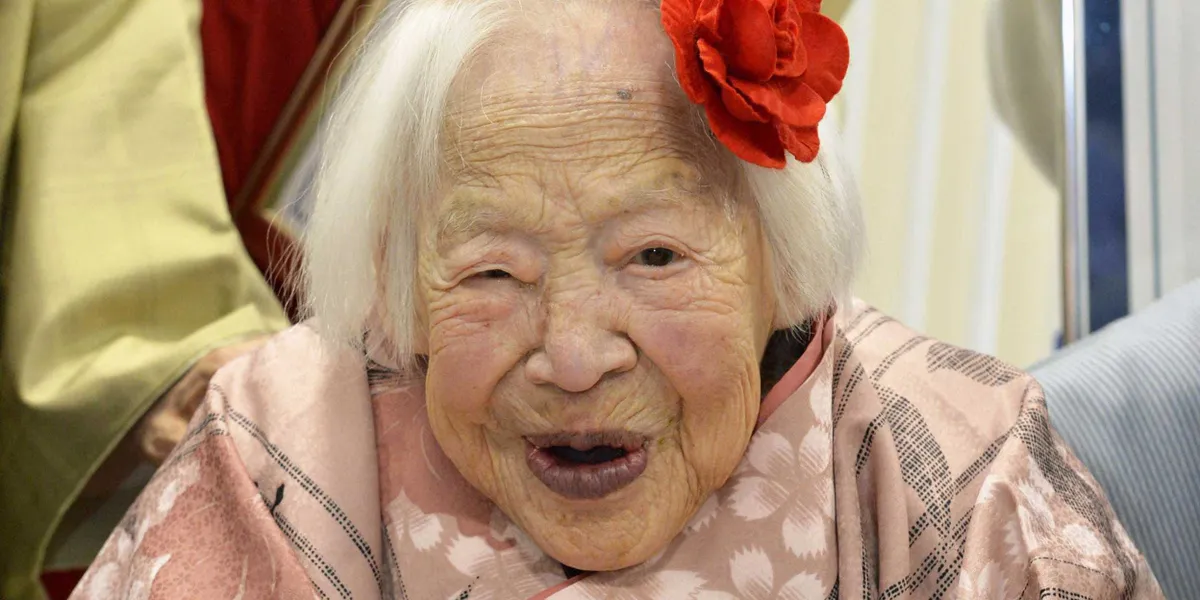
Ms. Hanako not only runs her farmhouse like a well oiled glove, at 82 she also swings her lawnmower with the skill of a master mower.
Dennis would travel great distances around North America to see all the contemporary music acts of the 70. He was also so very kind as to take a 14-year-old boy to the record store to buy Led Zeppelin IV.
The never ending flow of enchanting four-character compounds—yojijukugo—is a source of endless fascination. Frequently, these salient phrases are embedded with profound wisdom, moral lessons, and cautionary decrees—which are to be ignored at one’s own peril.
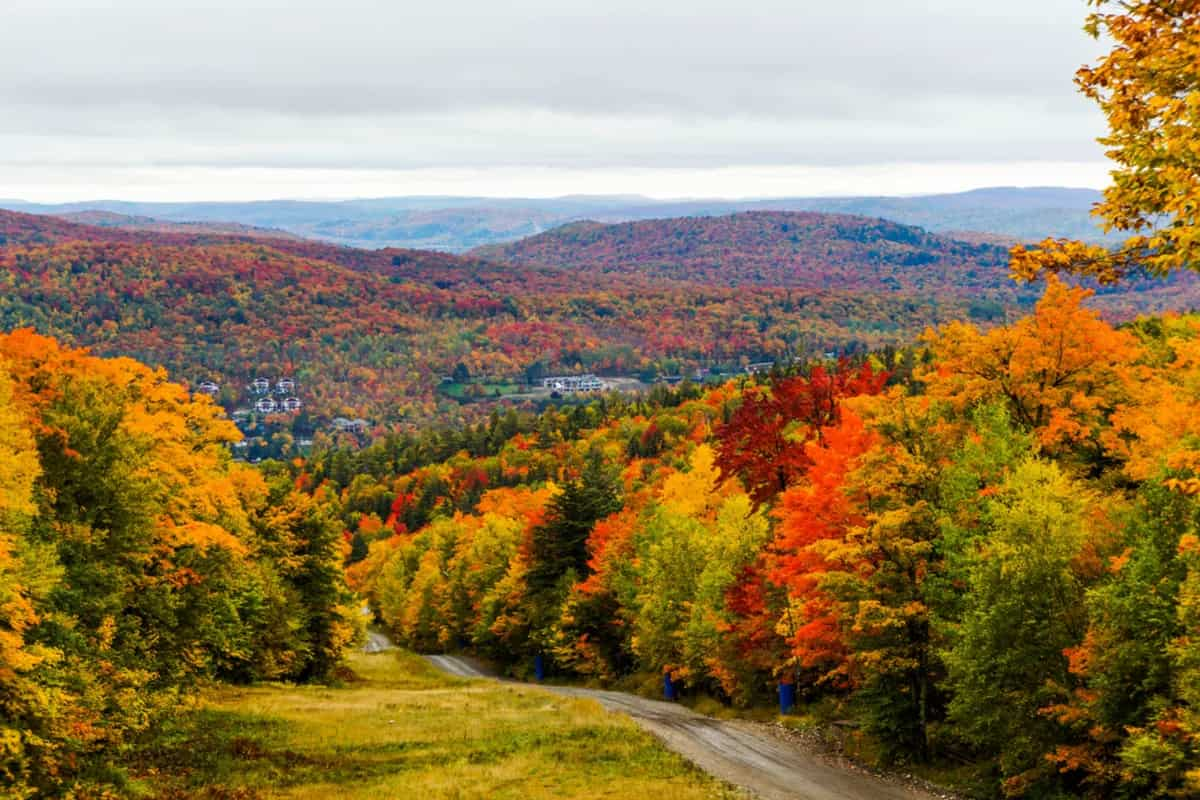
One can see the Japanese in droves at the airport—dutifully line up in strict order waiting for the start of their 5 nights/6 day whirlwind tour of the pristine Rocky Mountains of Canada—the turning of the leaves in what is arguable the most spectacular natural phenomena in Mother Nature.
She perches on ‘Rose Throne’ preening and posing as she view the subjects of her domain with steely eyes. Never one to back down from a fight, she is capable of icy stares, which would make the Satan himself retreat to safer grounds.
Seeing these traditional shops when first coming to Japan in the late 80s brought back fond memories of days growing up in central Central British Columbia in the 60s and 70s.
When about to win, with only one last squares remaining the Japanese will shout out—REACH, which means “almost there.” In Japanese, the handy word REACH can be use in many situations, and this particular case of REACH is particularly salient for the author of this article.
The look of shock and horror on the faces of the Japanese when observing this affront to Japanese cultural sensibilities served as a point of amusement, if not some times a bone of contention—soy sauce is used for cooking and to dip sashimi—never to be poured onto rice directly.
Most of the Japanese are packed together in big cities where their highly complex social skills developed—this is a phenomenon of a society based upon mutual dependency.