⛩️Katori Jingu⛩️
Having lived for over 40 years near this extraordinary shrine, one cannot help but feel the pull of the tutelary deities and the magnitude of the vibrations that surround this ancient pillar of Japanese society.
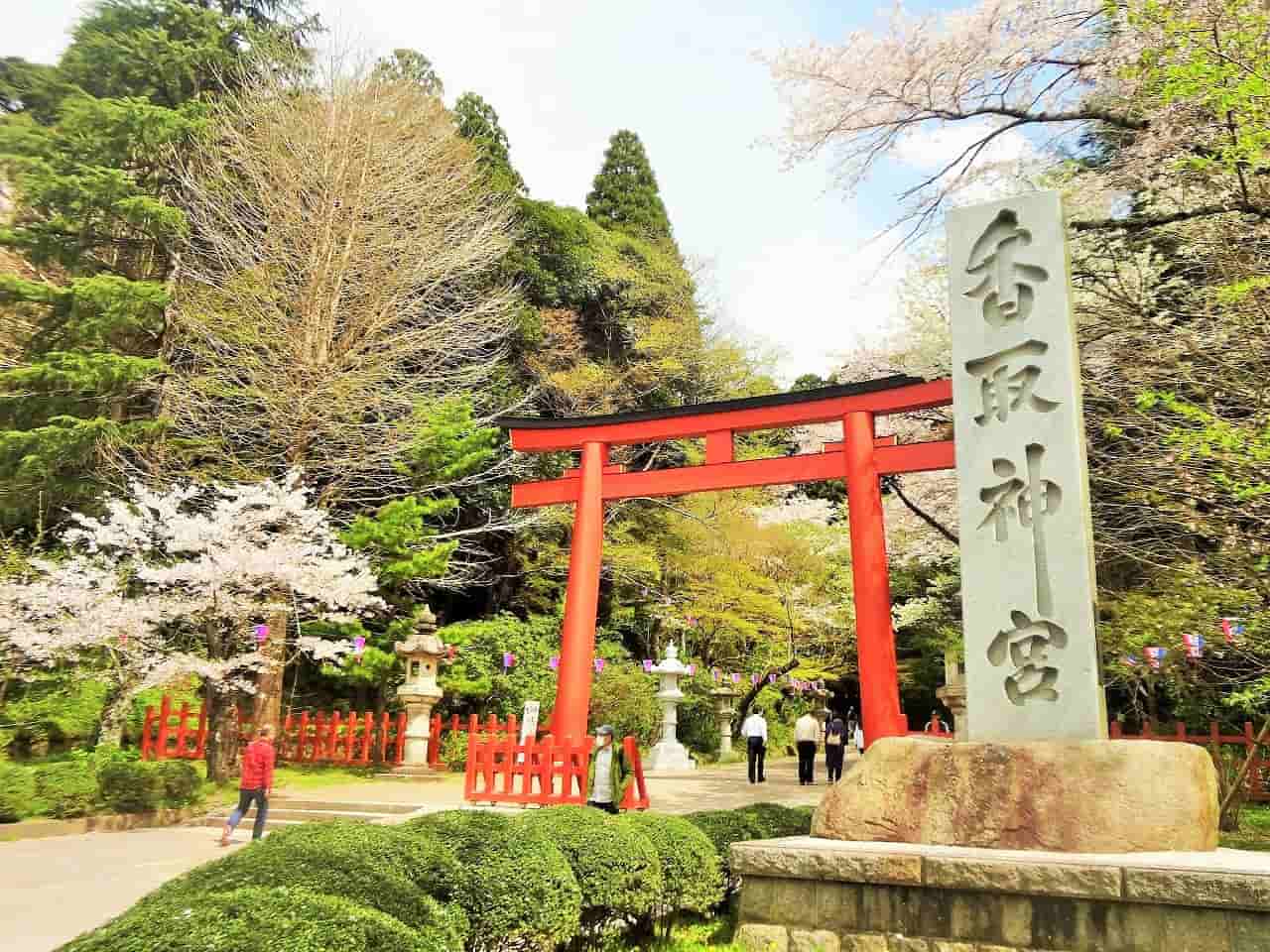
Katori Jingu―香取神宮―in Chiba Prefecture is one of Japan’s oldest and most important Shinto shrines. It serves as the head shrine (sōhonsha) for approximately 400 Katori shrines across the country.
The main deity is Futsunushi no Ōkami (経津主大神), a powerful warrior god associated with martial arts, swords, and the pacification of the nation.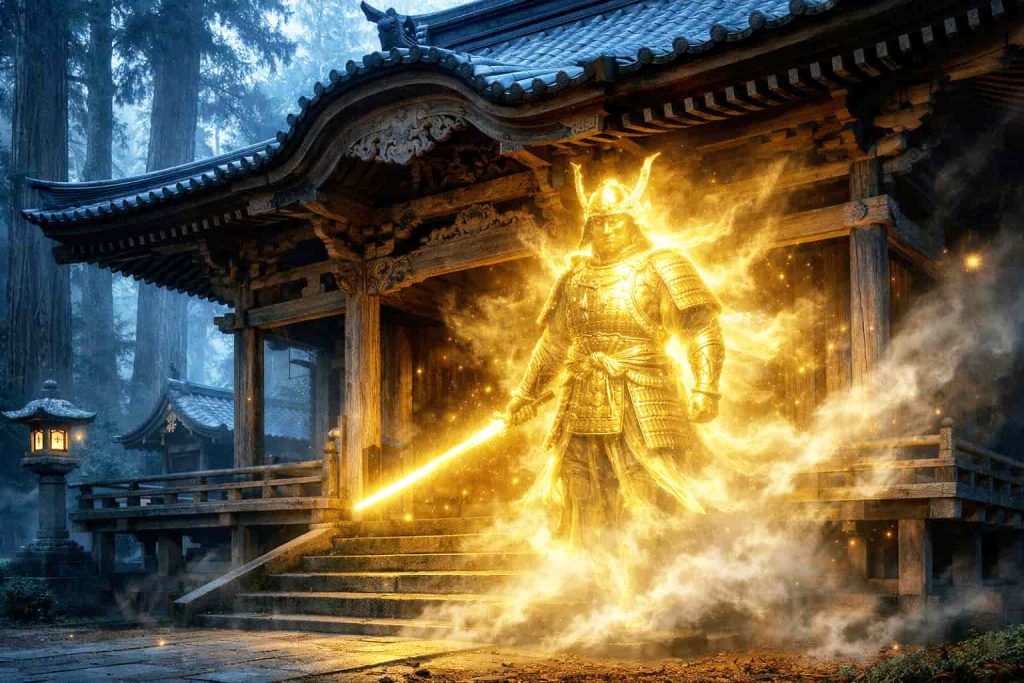 Together with Takemikazuchi no Ōkami (建御雷大神) of Kashima Jingu, he was dispatched by Amaterasu to subdue and civilize the eastern lands of Japan in ancient mythology.
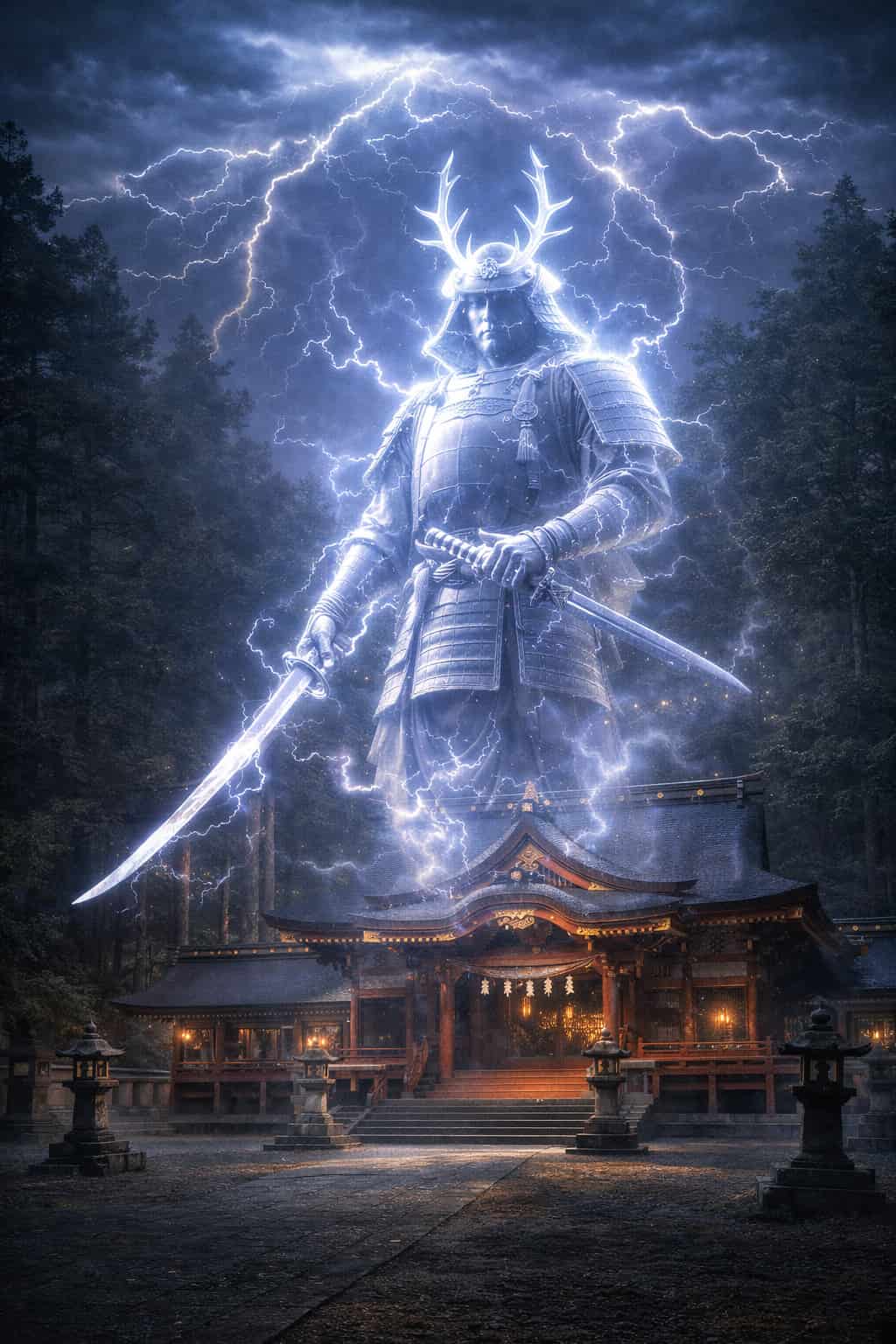 Katori Jingu celebrates its grand Shikinen Taishai (式年大祭) and Shikinen Shinkosai (式年神幸祭)―a festival held only once every 12 years, in the Year of the Horse.
2026 is such a year―a Fire Horse year in the zodiac―making this a rare, once-in-a-lifetime event for most visitors.
The festival traces its origins back over 800 years to the Kamakura period.
It reenacts Futsunushi no Ōkami’s legendary pacification of the eastern provinces and his sacred journey by boat to settle in Katori.
In ordinary years, a smaller annual Shinkosai is held on April 15.
However, the Shikinen version expands into a two-day spectacle with thousands of participants, transforming both land and water into a living historical scroll.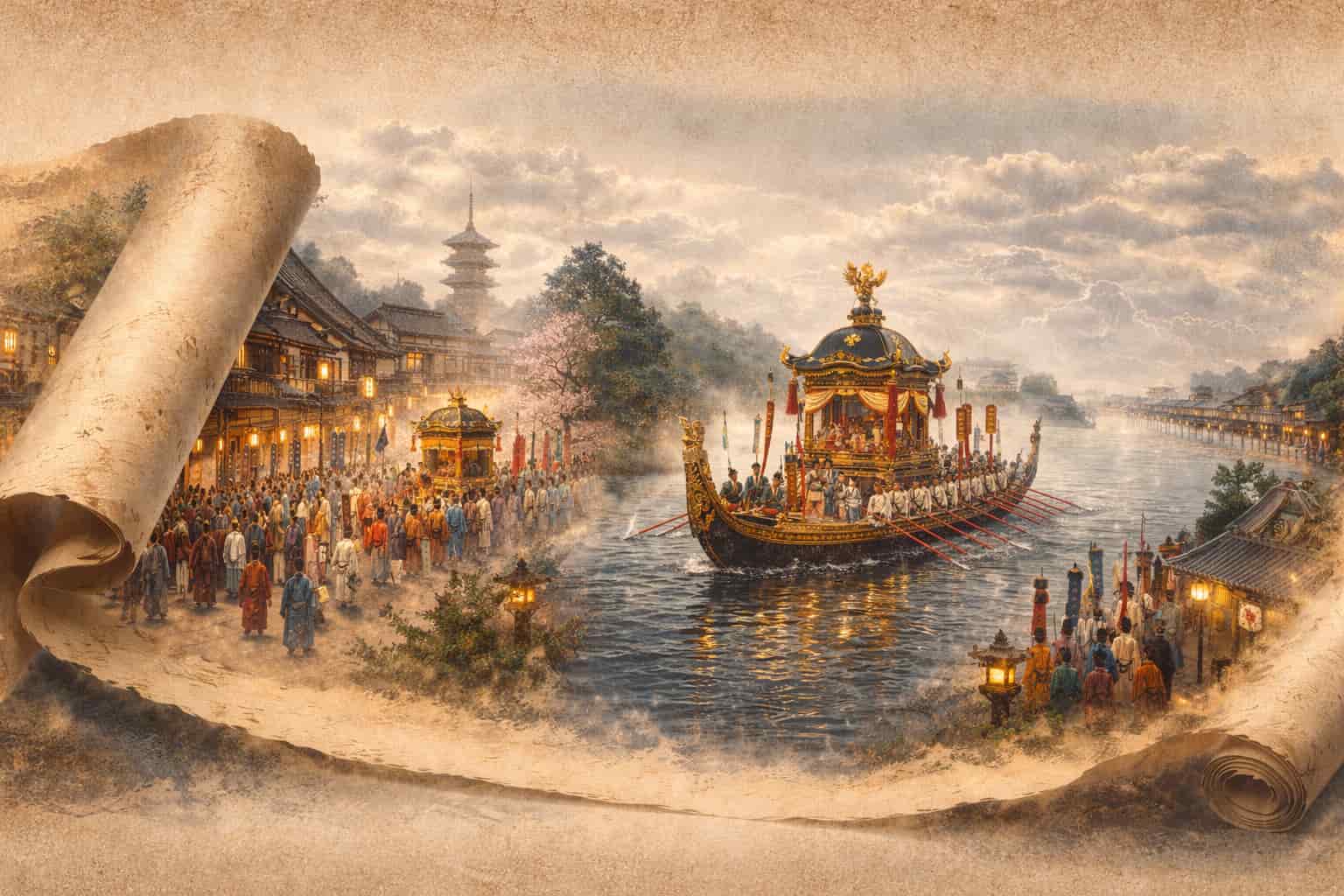 Historical & Cultural Significance
This is not merely a parade―it is a profound Shinto ritual preserving Japan’s mythological foundations.
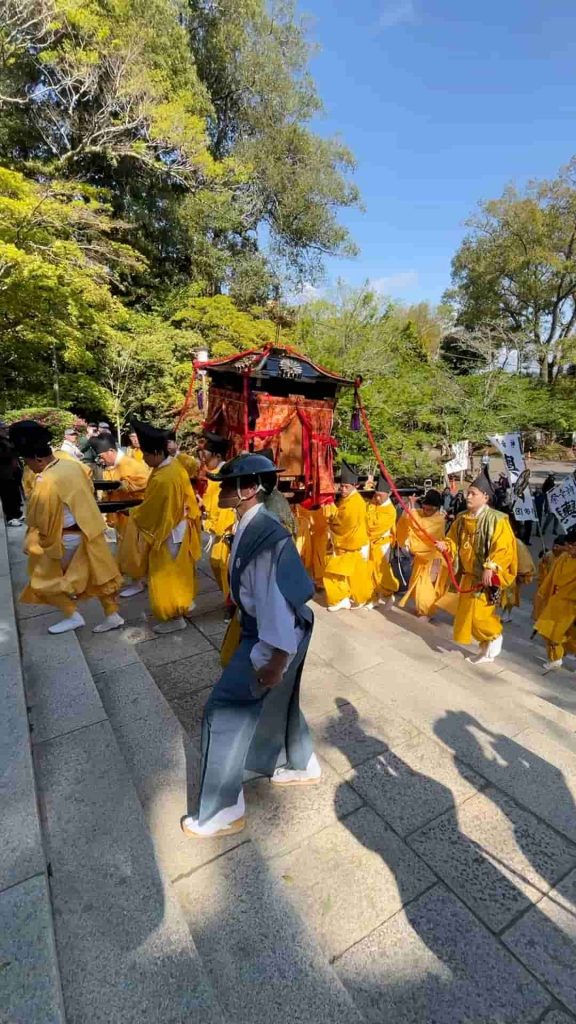
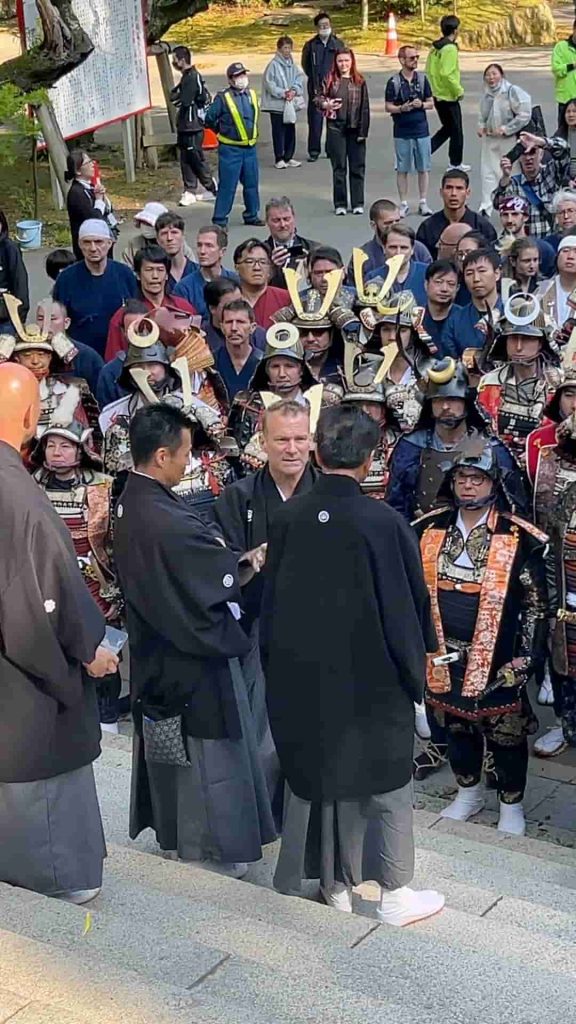
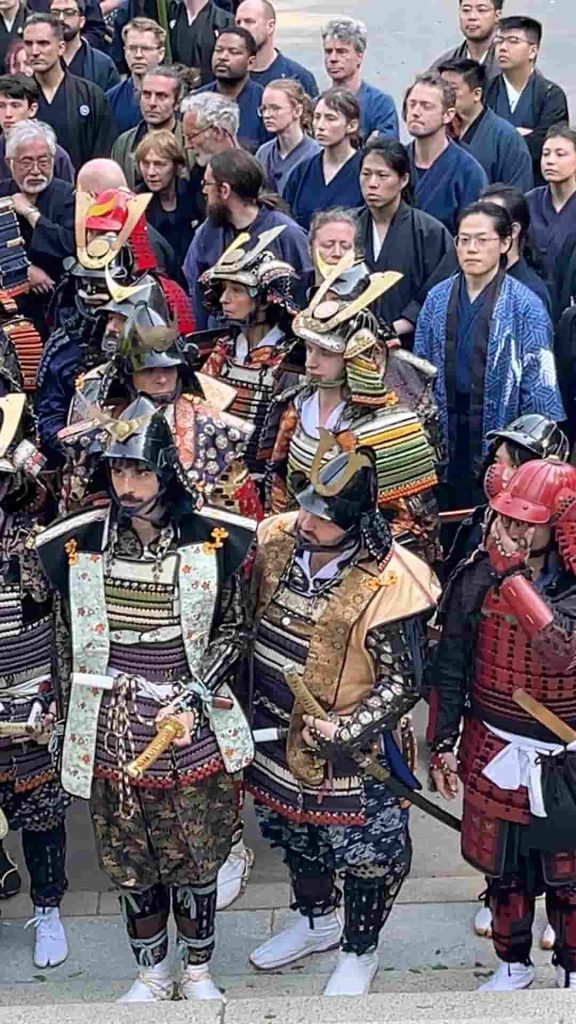
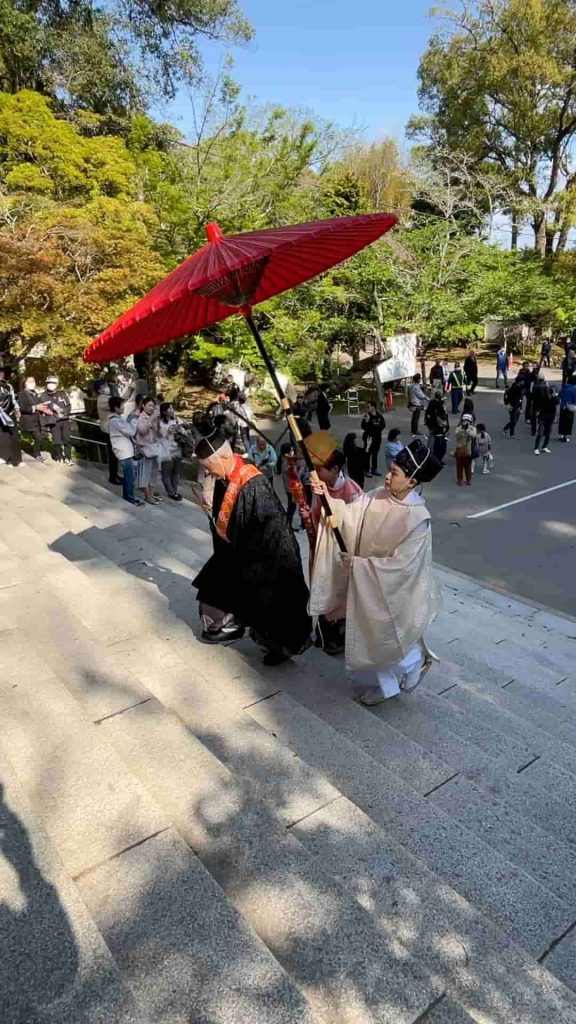
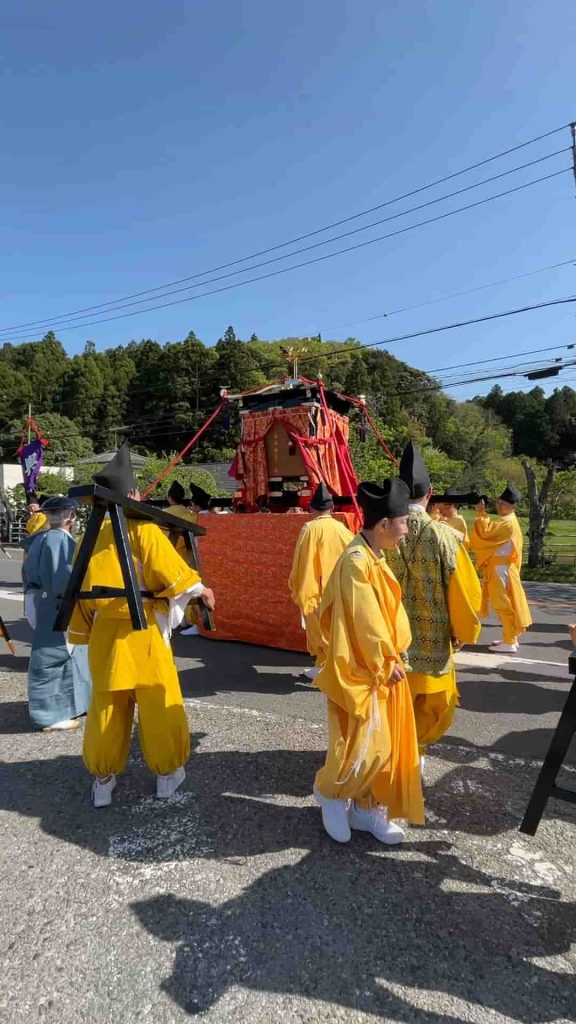
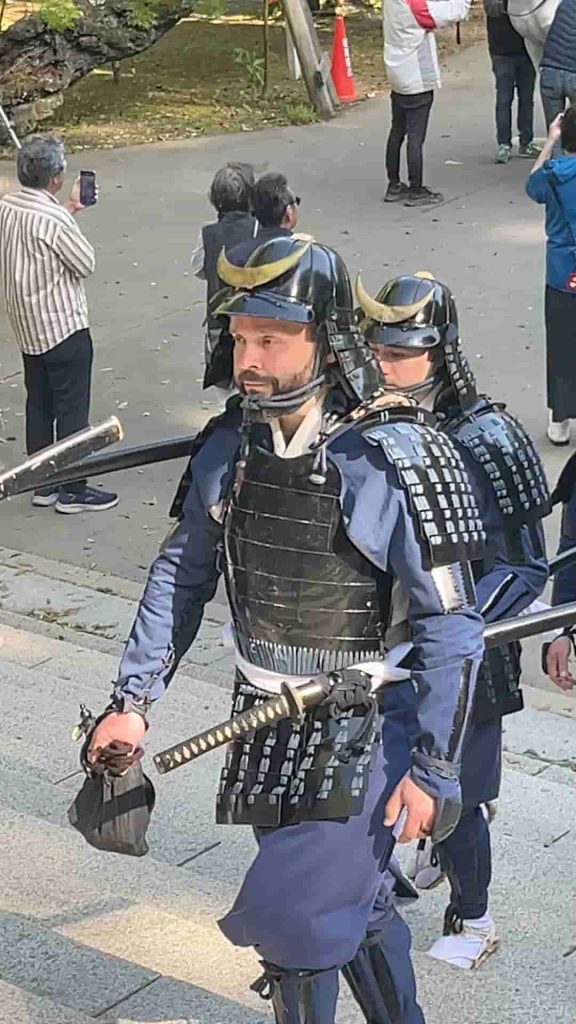
The procession reenacts the deity’s triumphant return after pacifying the east, complete with armor, weapons, and a sacred palanquin (mikoshi).
The waterborne procession along the Tone River―often called the “First Great River of the East”―symbolizes the god’s journey by boat to Katori.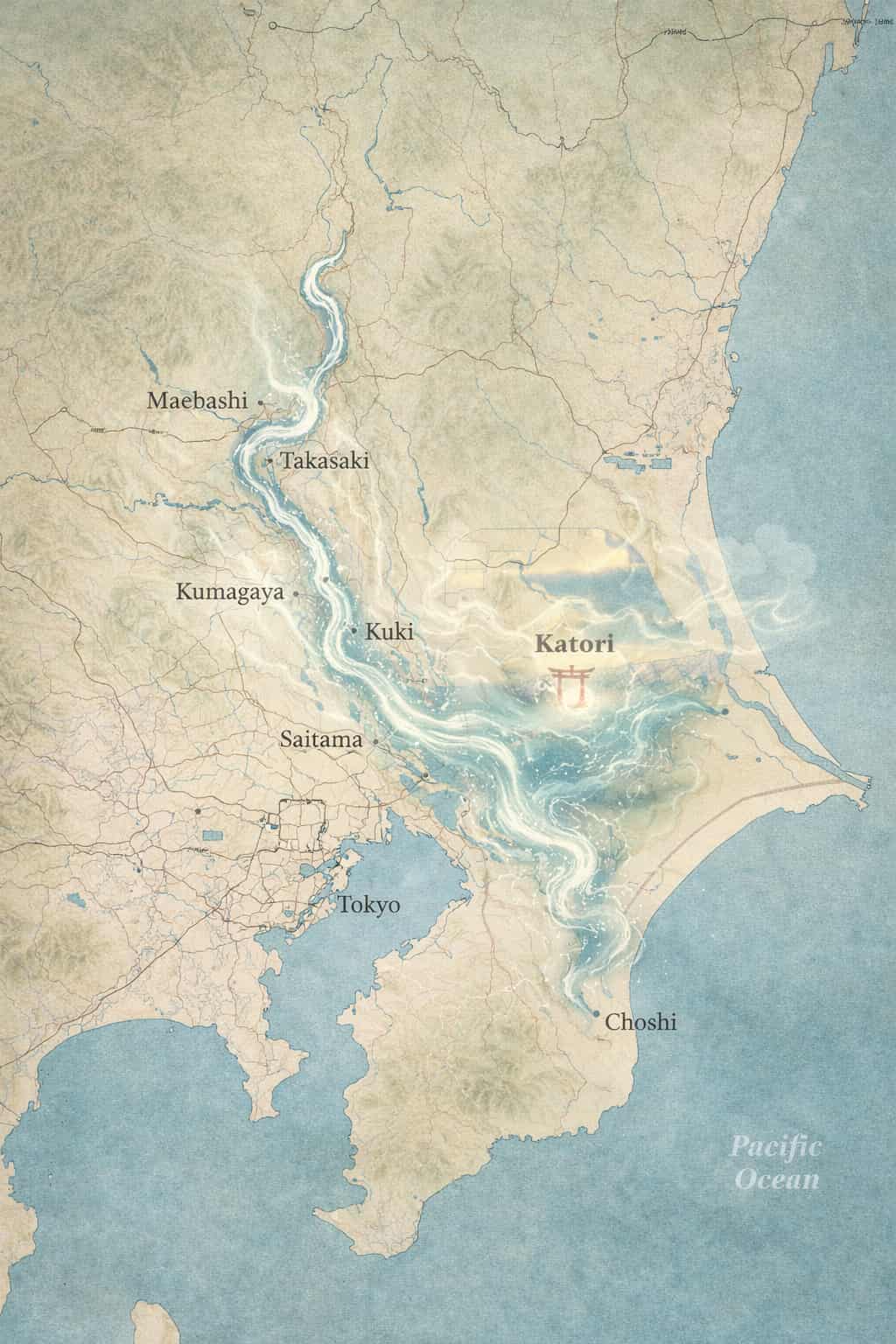 Historically, this festival was known as Mifune-asobi (divine boat play) or Sangatsu Miyuki (March procession) under the old lunar calendar.
Following the Meiji Restoration, it was revived as Jinkō Gunjinsai (Military God Procession).
It is deeply connected to imperial tradition: Katori Jingu is one of only sixteen Chokusaisha shrines in Japan to receive imperial envoys (Chokushi) every six years.
In Horse years, the Taishai ritual reaches its most magnificent expression.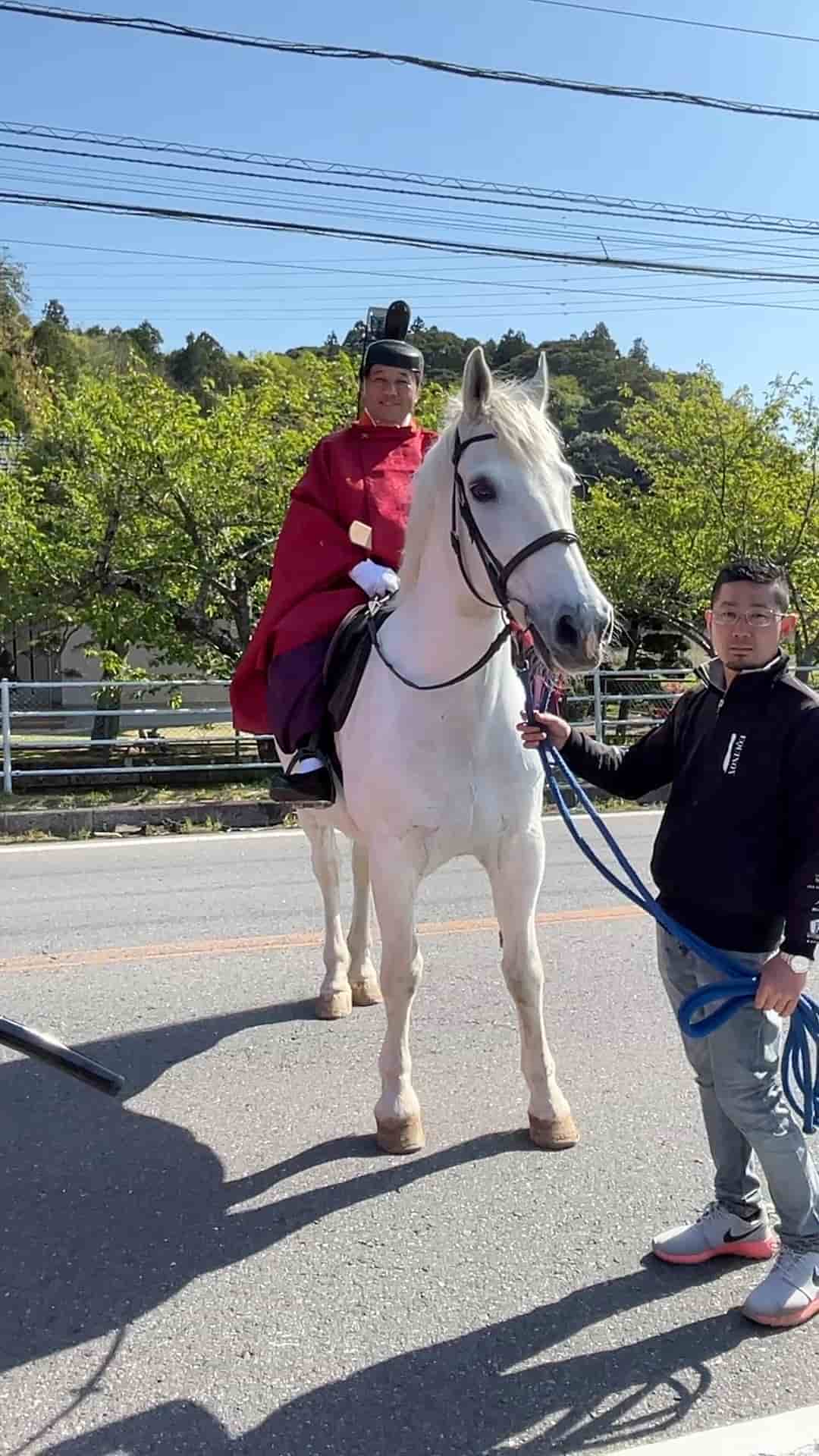 Local Culture & Setting
The event also showcases local culture.
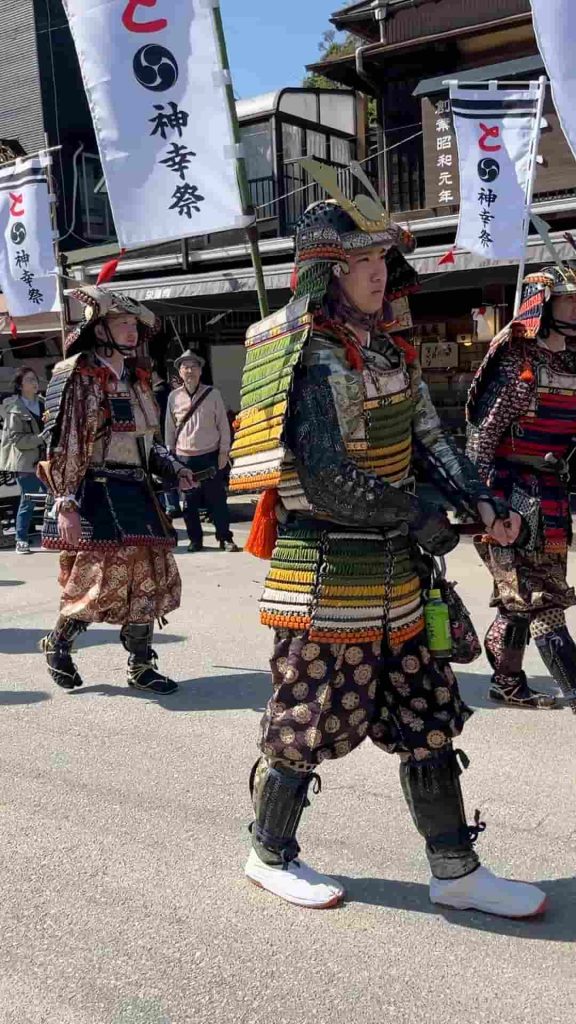
Sawara―often called the “Little Edo of North Sō”―is a nationally preserved historic district, lined with Edo-period merchant houses along the Ono River.
The festival weaves together Shinto ritual, martial heritage―such as Katori Shinto-ryū, recognized as a Chiba Prefecture intangible cultural property―and the distinctive water-town aesthetic of the Suigo region.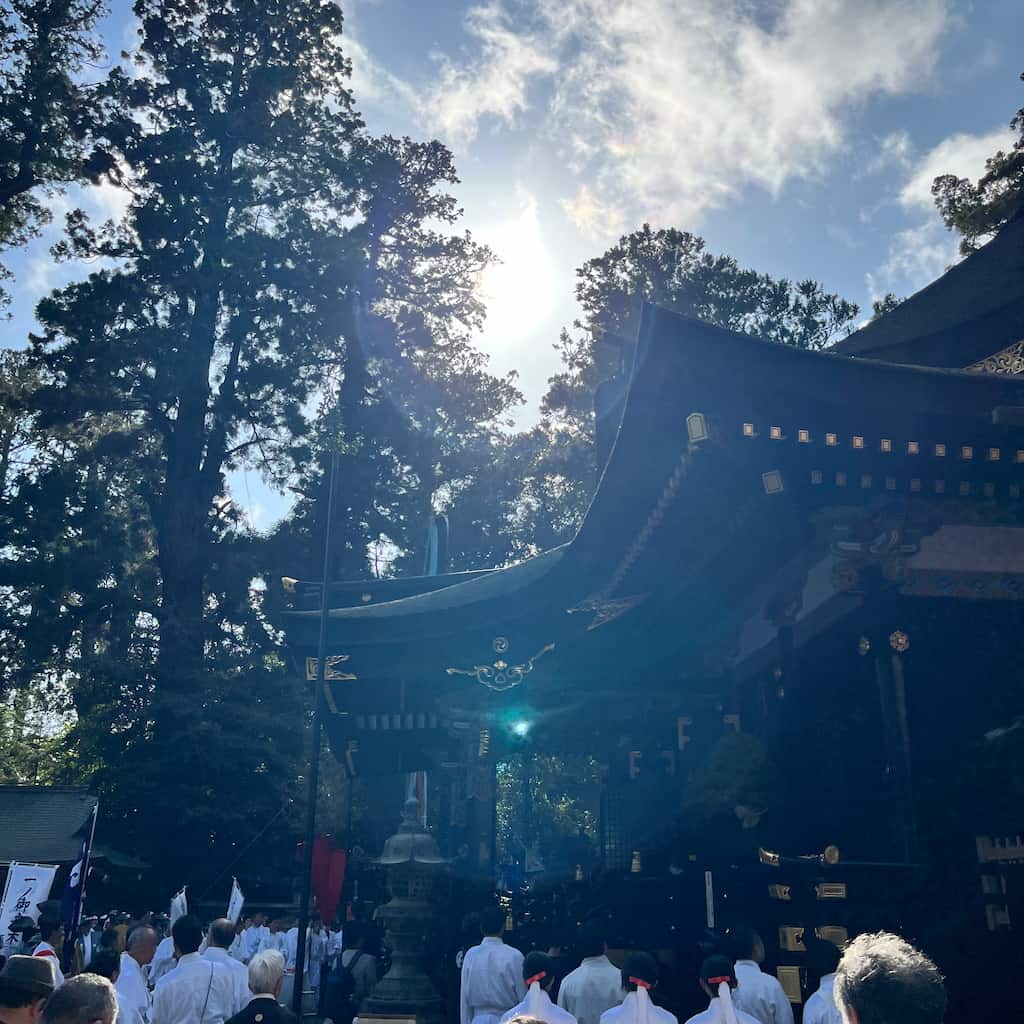 Key Visual & Atmospheric Highlights
⛩️ The river procession, featuring the majestic Gozabune, moving along the Tone River.
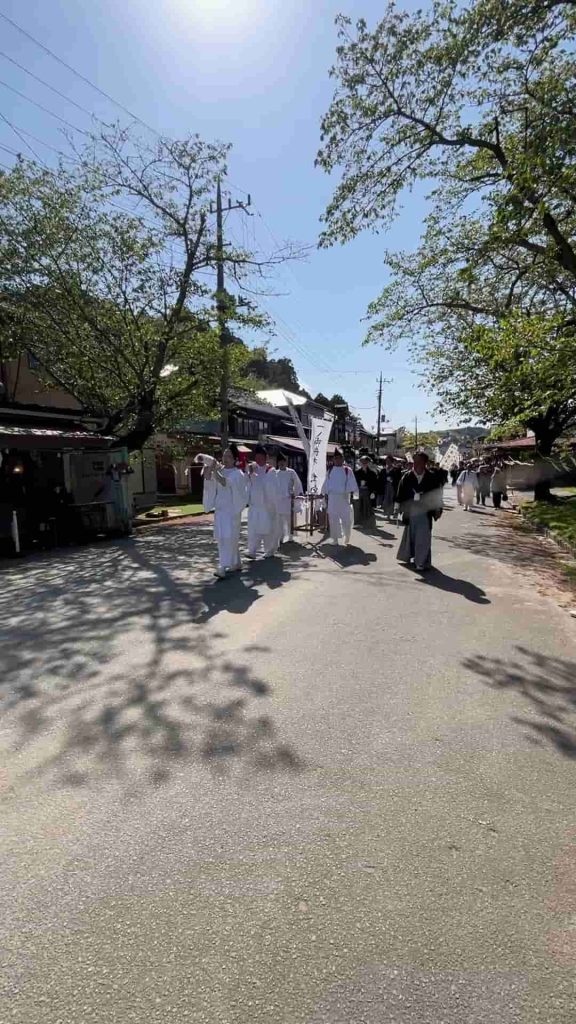
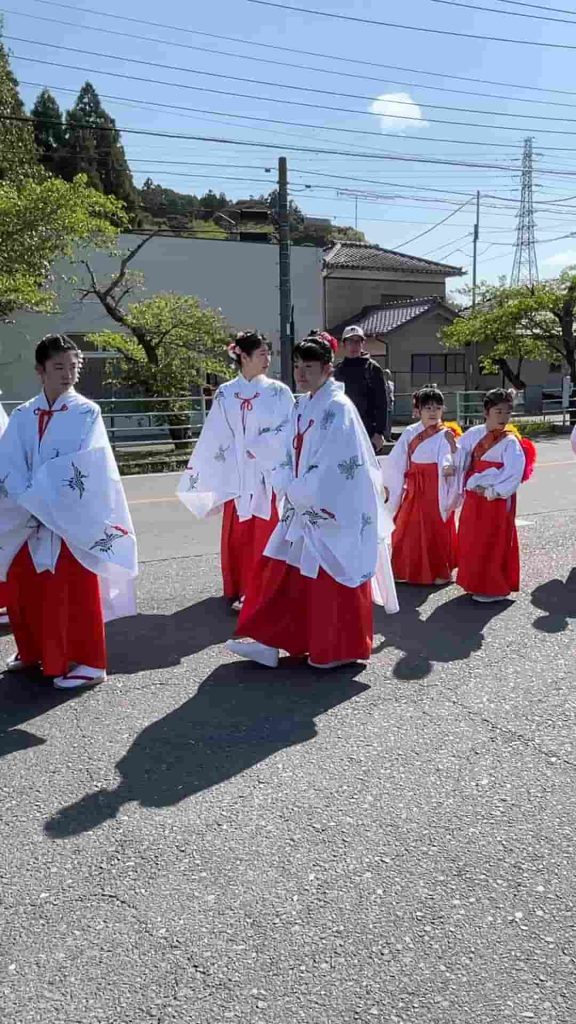
⛩️ Thousands dressed in vibrant historical garments, marching through Sawara’s preserved Edo streets.
⛩️ Kagura dances and sacred ritual performances.
⛩️ Community energy―over 3,000 local parishioners participating.
⛩️ The atmosphere evokes a living historical scroll―an epic scene reminiscent of the Kojiki chronicles.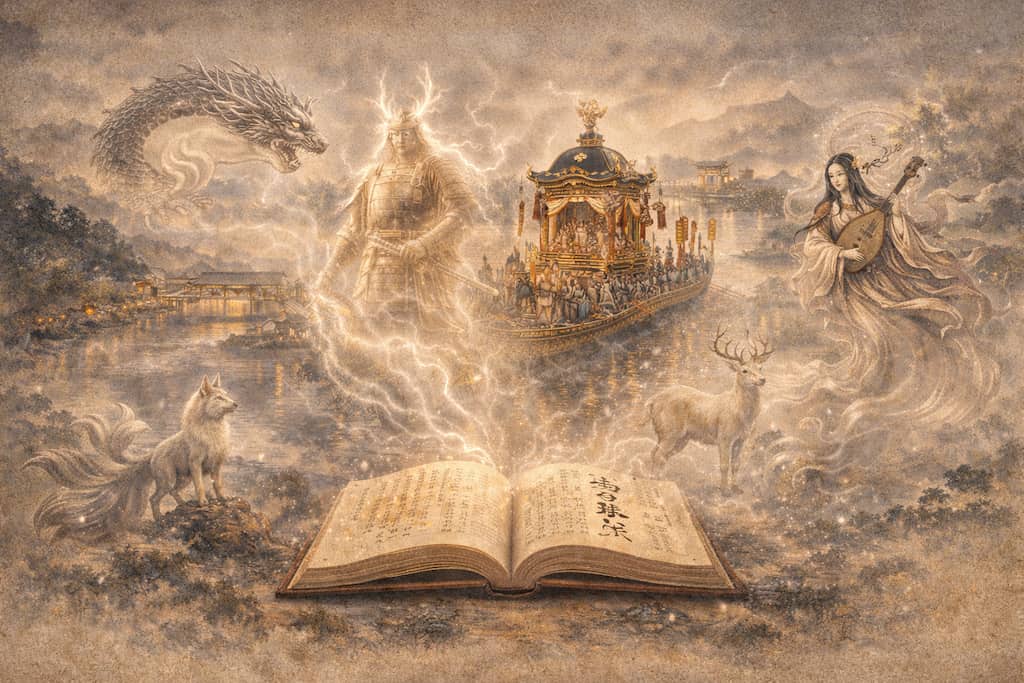 This is the ultimate “once-in-12-years” experience―intimate, majestic, and deeply rooted in Japan’s ancient mythology and local pride.
Indeed, Japan’s living legend comes alive in Chiba’s water country―over 800 years of history unfolding through “Little Edo.”
Living within an ancient civilization has allowed the Incidental Occxie not only to experience life in Japan as an integrated member of the community, but also to understand what it means to venerate one’s ancestors as an intricate part of an infinite journey. Or, as expressed in Japanese thought―the way of Ban Butsu―instantiated within this unique civilization, serving as a gateway into the quantum field of lived experience, where one may step forward and participate in the unfolding continuum of Japanese culture.