2 min read日本語

Welcome to Ise Jingu

Welcome to Ise Jingu

In the beginning there was a beautiful star, which shines her life-giving rays of hope upon all living creatures of Mother Earth.

In Japan, the Sun Goddess Amaterasu is regarded as the main Shinto Deity, and according to Japanese mythology, the Japanese Imperial family is the direct descendant of Amaterasu.
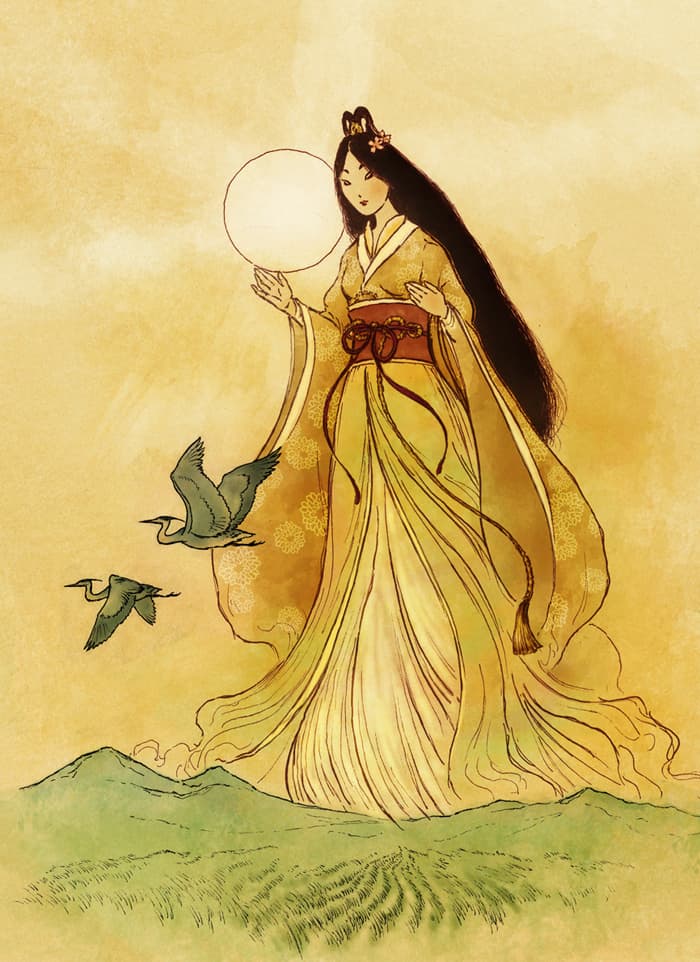
Illustration of Amaterasu Omikami in flowing yellow robes, holding a glowing white orb, with cranes in flight beside her above a green hill

Having most recently visited the most venerable sanctuary in Japan, Ise Jingu (jingu = shrine), one was struck by the majesty and deep sense of the ancient exuding from this incredible network of shrines.
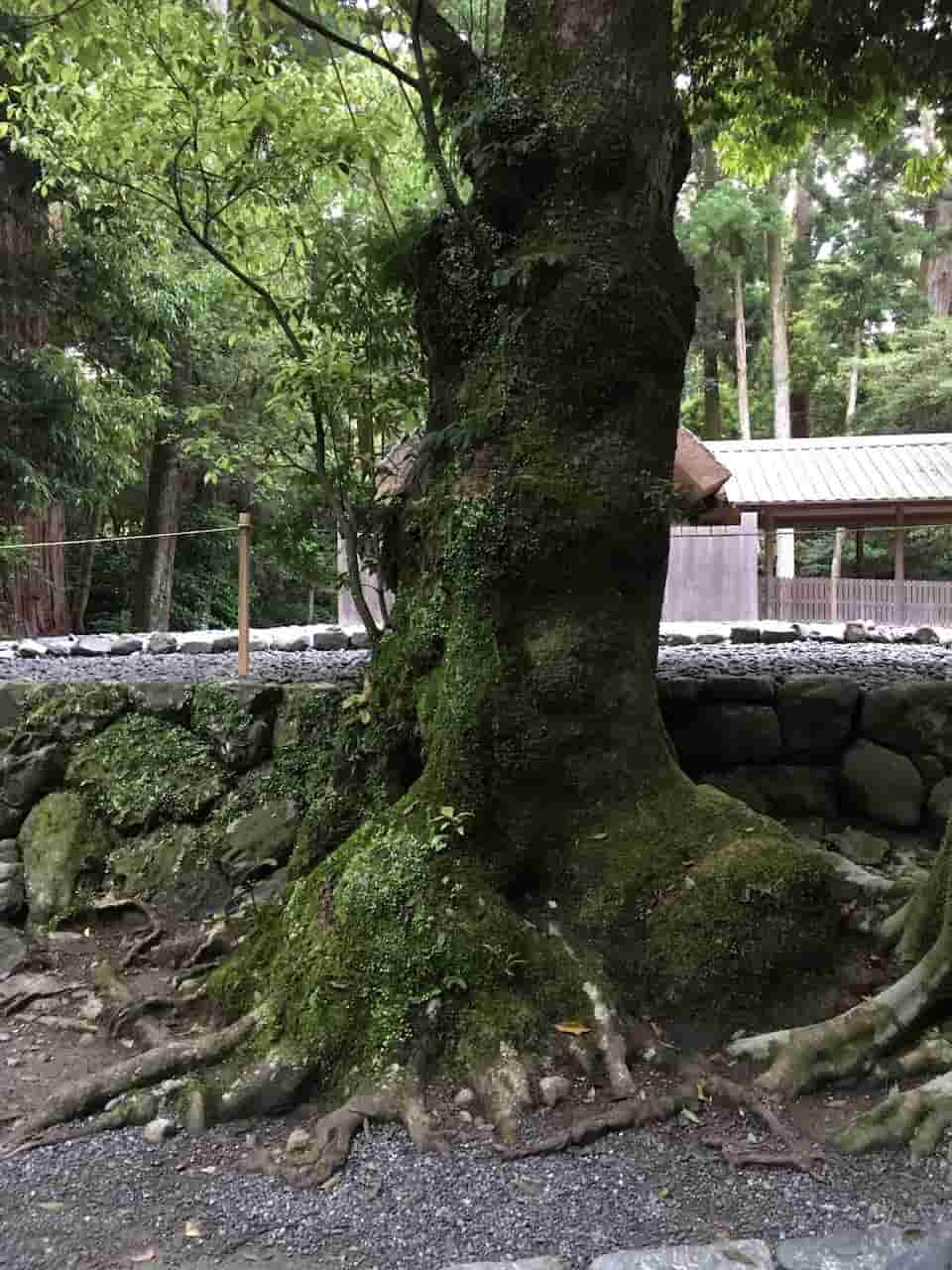
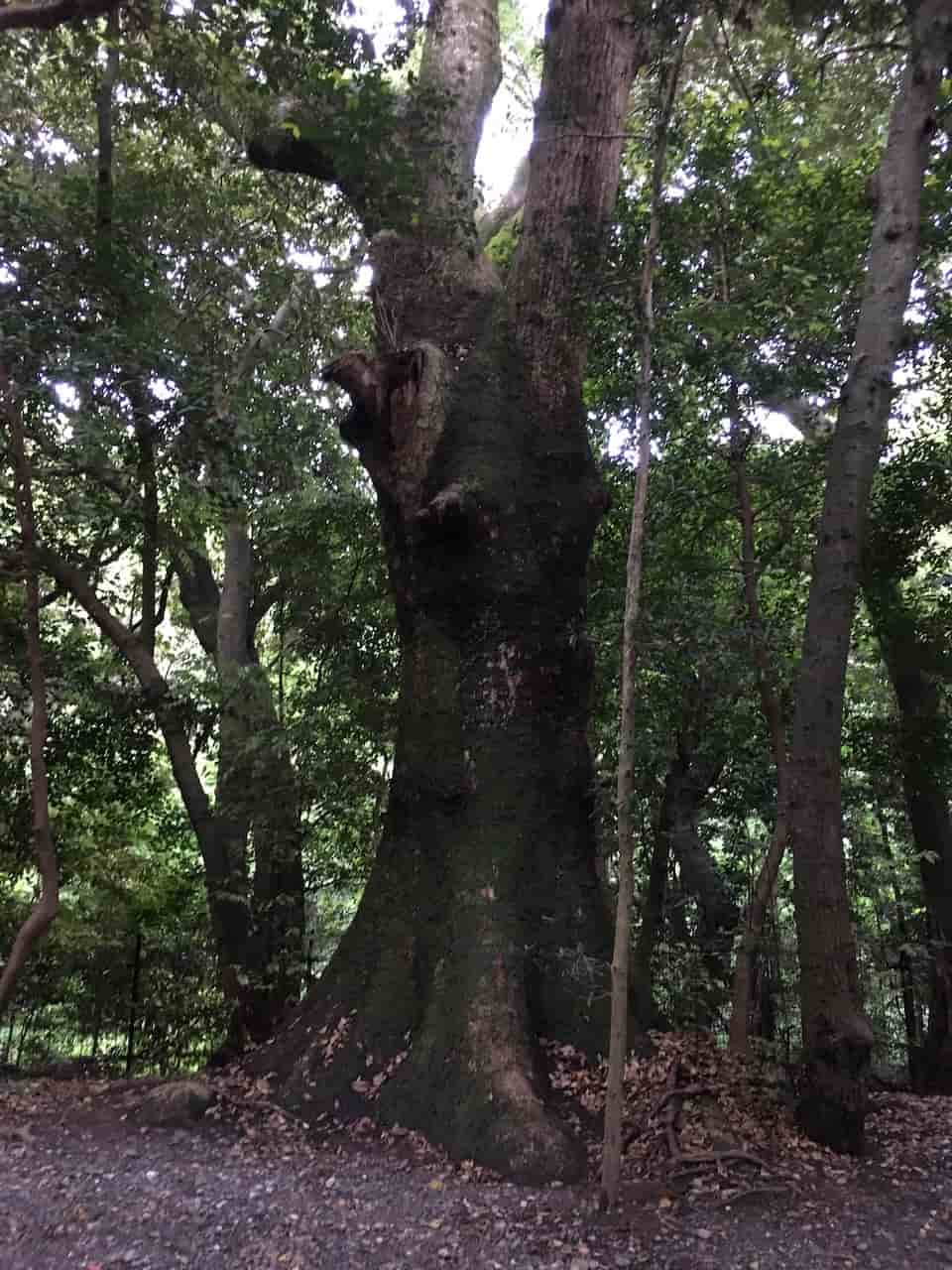
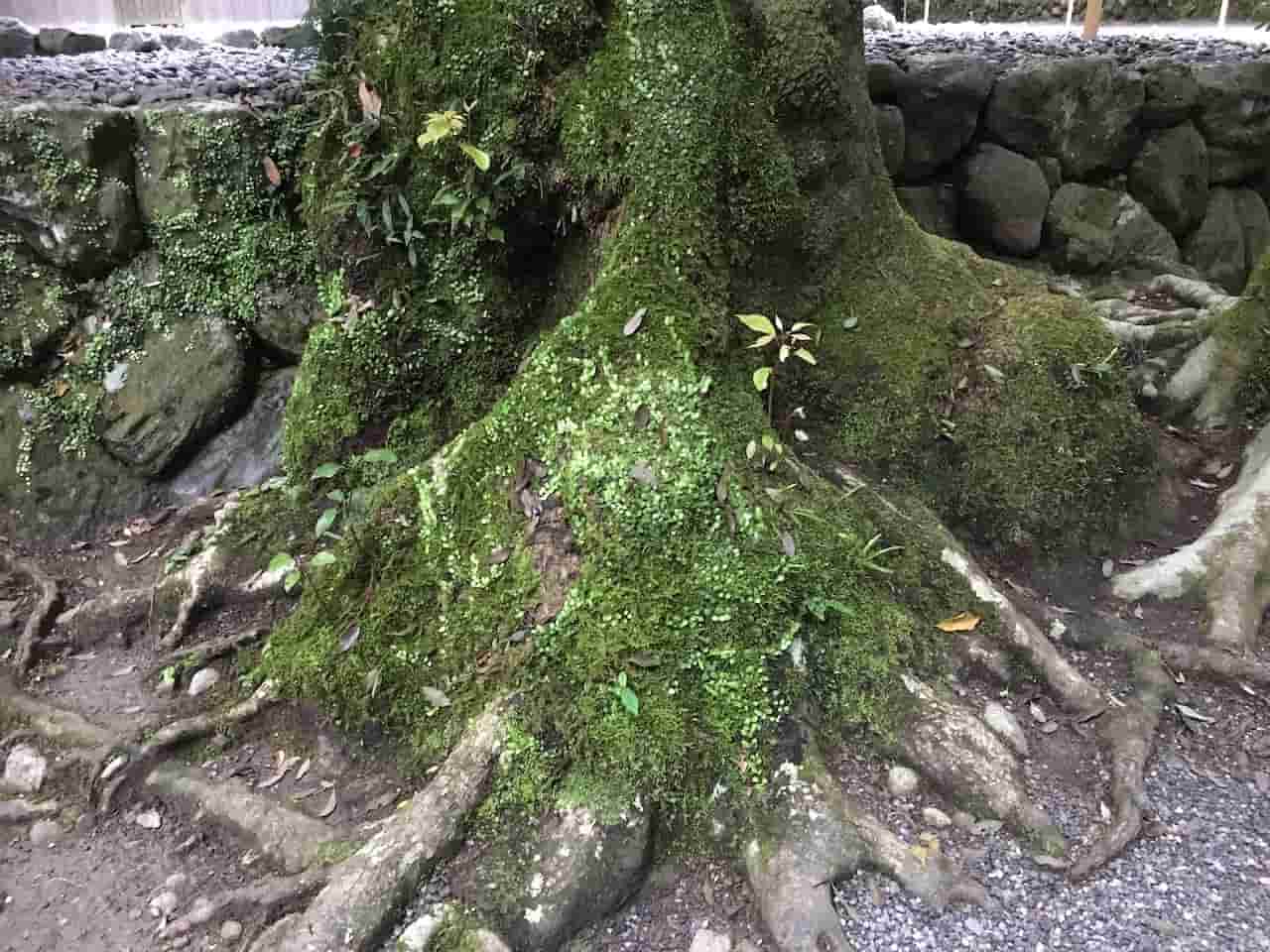
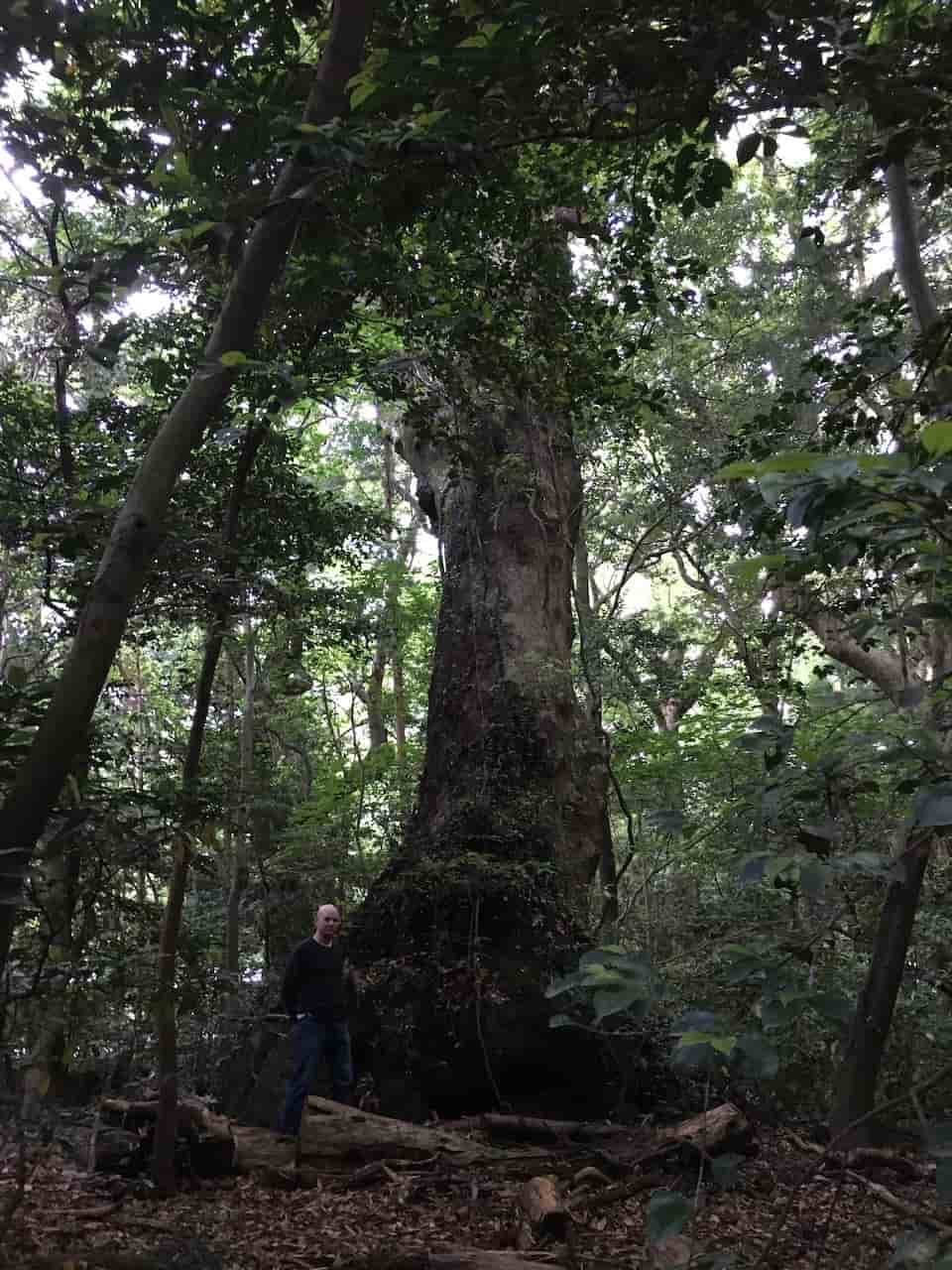
Ancient Tree at Ise Jingu

Indeed Ise Shrine is considered to be the most solemn sanctuary in Japan.

The main Shinto shrine at Ise Jingu is Kotai Jingu and is dedicated to Amaterasu-Omikami, the ancestral kami (Shinto deity) of the Imperial family.

She was enshrined about 2,000 years ago and is revered as the guardian of Japan.

Truly, Ise Jingu is revered by the Japanese as the "Soul of Japan”, and as one walked these hallowed ground, also felt so very deeply that this is true.
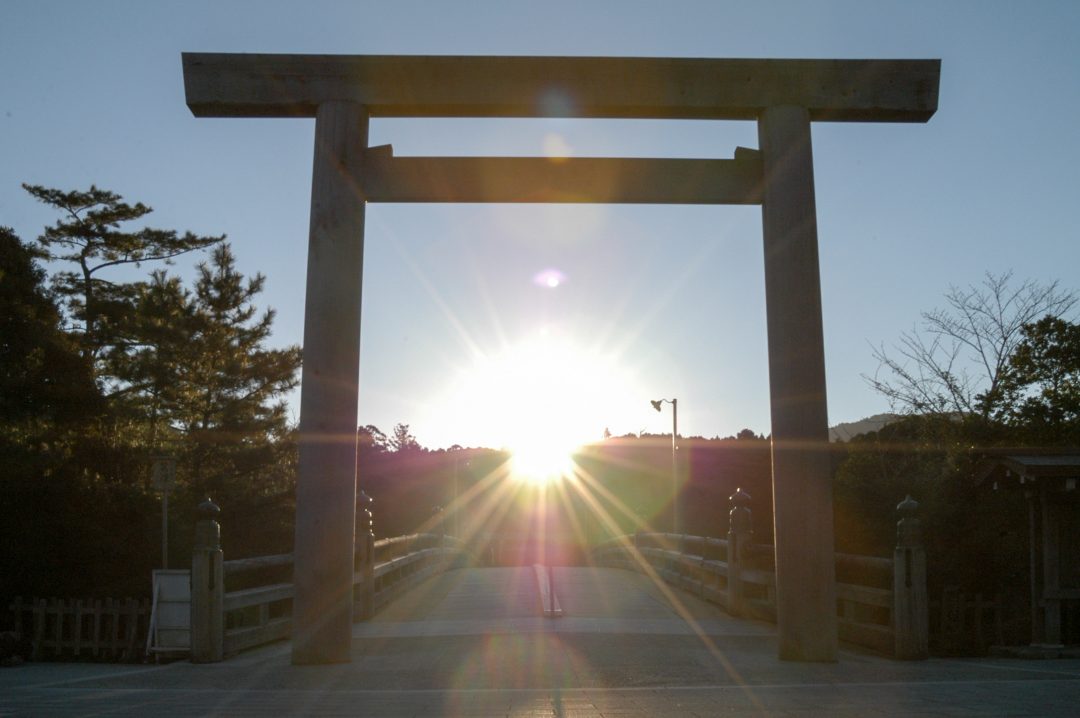
A large plain wooden torii with the sun rising directly beneath it, a bridge and pines beyond

This incredible complex of shines is roughly the same size as the Center of Paris and includes 125 jinja, and more than1,500 rituals are conducted every year to pray for the prosperity of the Imperial family, peace upon the world, and a bountiful harvest.

For most overseas visitors, Ise Jingu is not on the list of sites to see, which is most unfortunate, as the depth of the Japanese soul can be felt at Ise Jingu, and all should make the pilgrimage to experience the majesty and dignity of this incredible labyrinth of historic shrines.
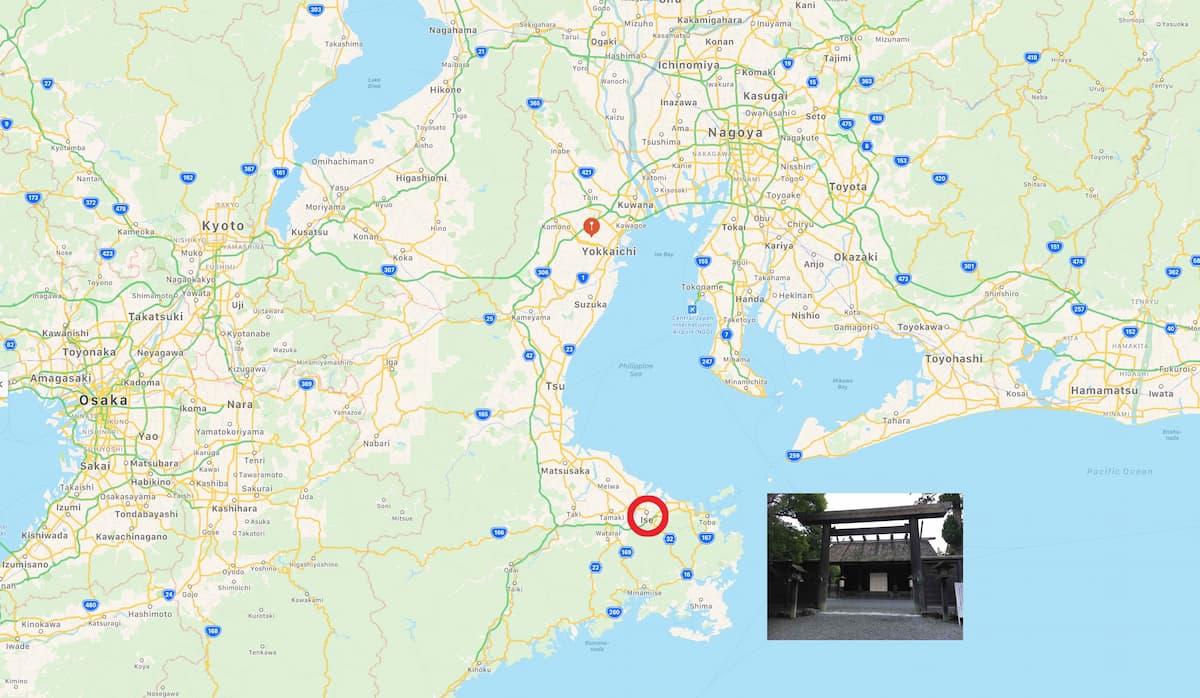
A road map of central Japan with a shrine location circled in red on the coast, an inset photograph of a wooden shrine gate at the lower right.

While wandering the sacred grounds of Ise Jingu, one thought about humanity and the very most important thing for all, our shared Sun.

Indeed, as the Sun Goddess Amaterasu shines equally upon all living creatures of Mother Earth, and it is even more so now important to remind oneself of that which unites, not the differences which divide.

Rows of raised hands painted with the flags of many different nations

Bonus: This smart crow was very playful.

https://youtu.be/j554J5kUjYM
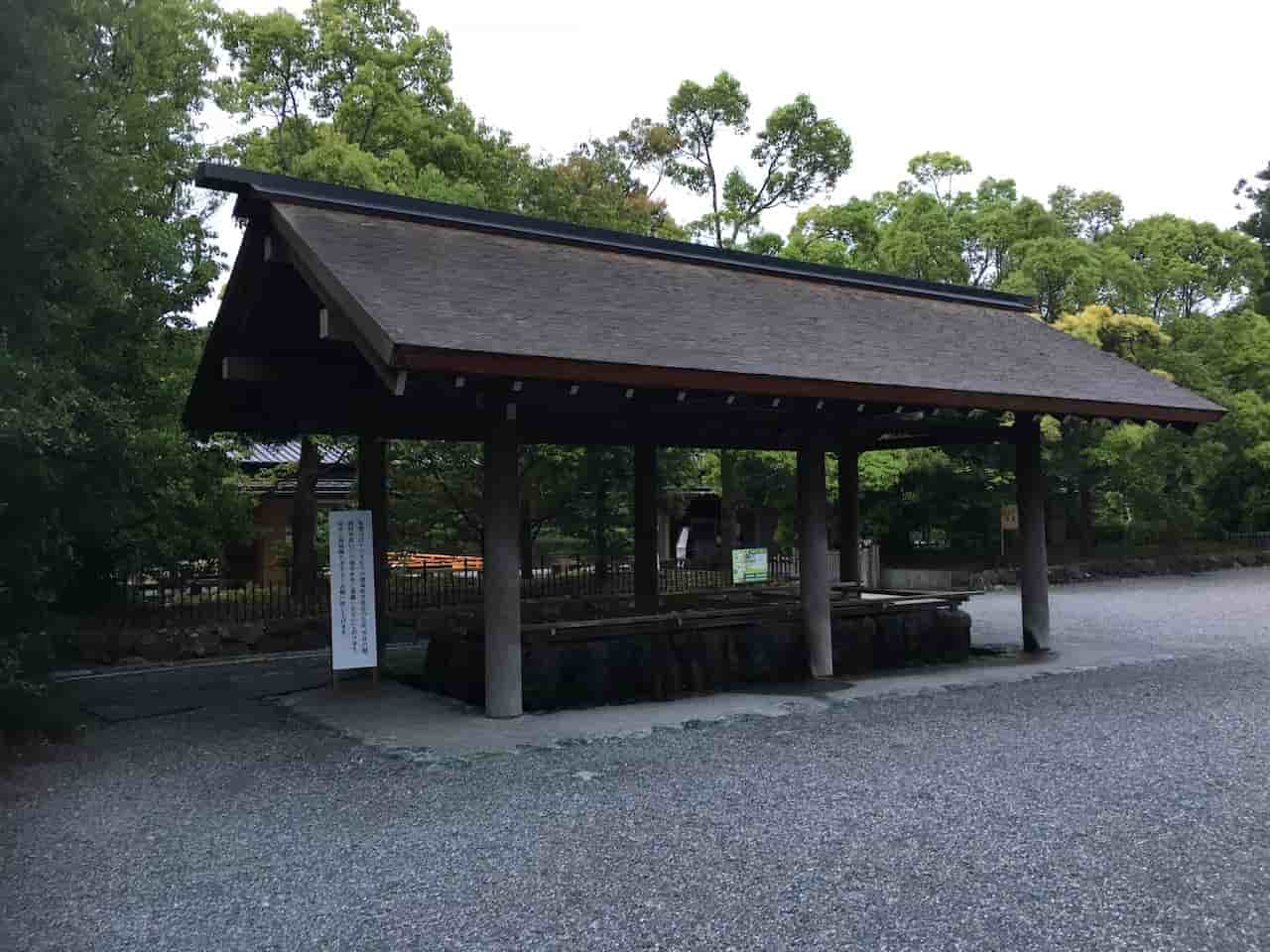
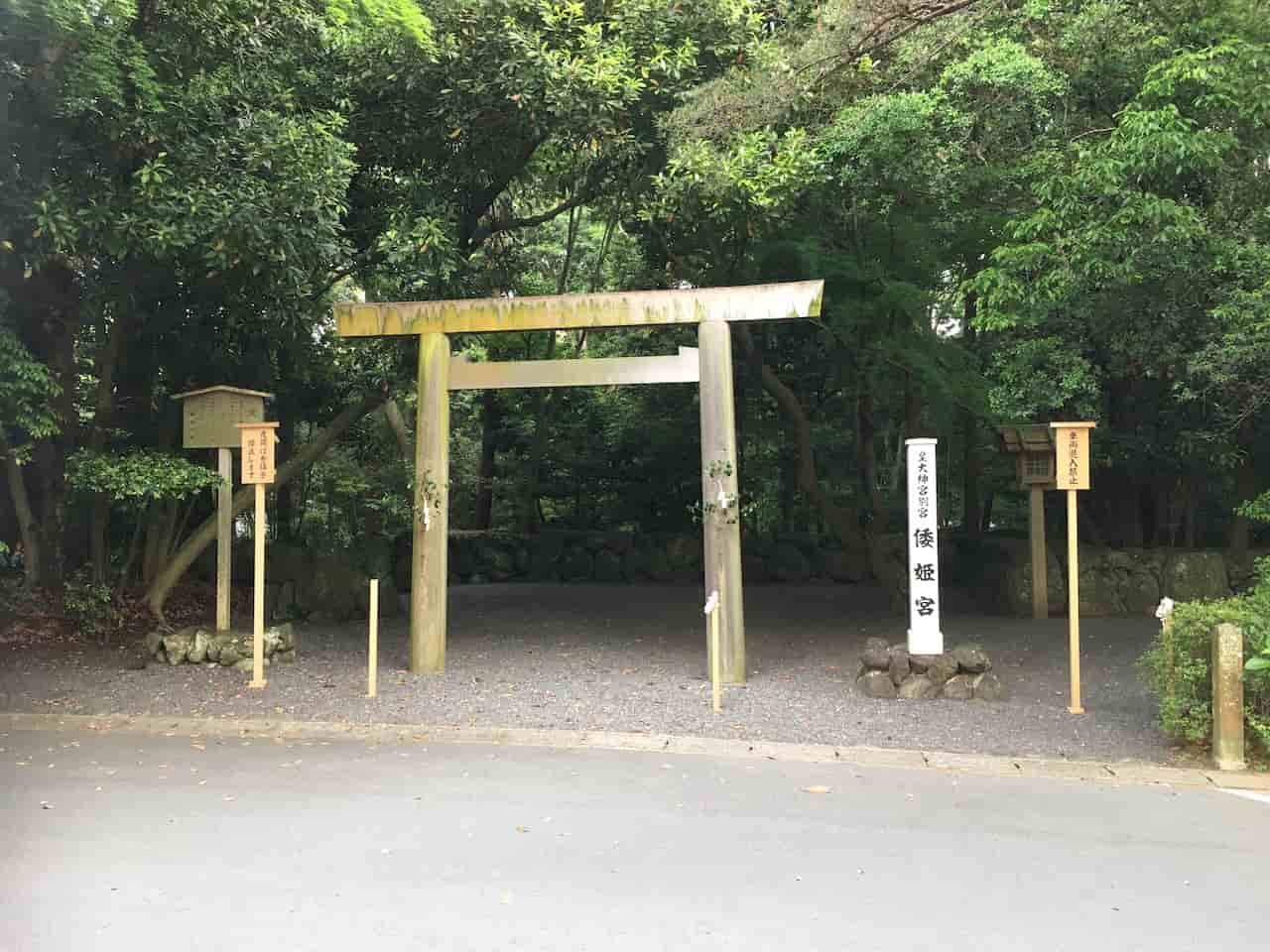
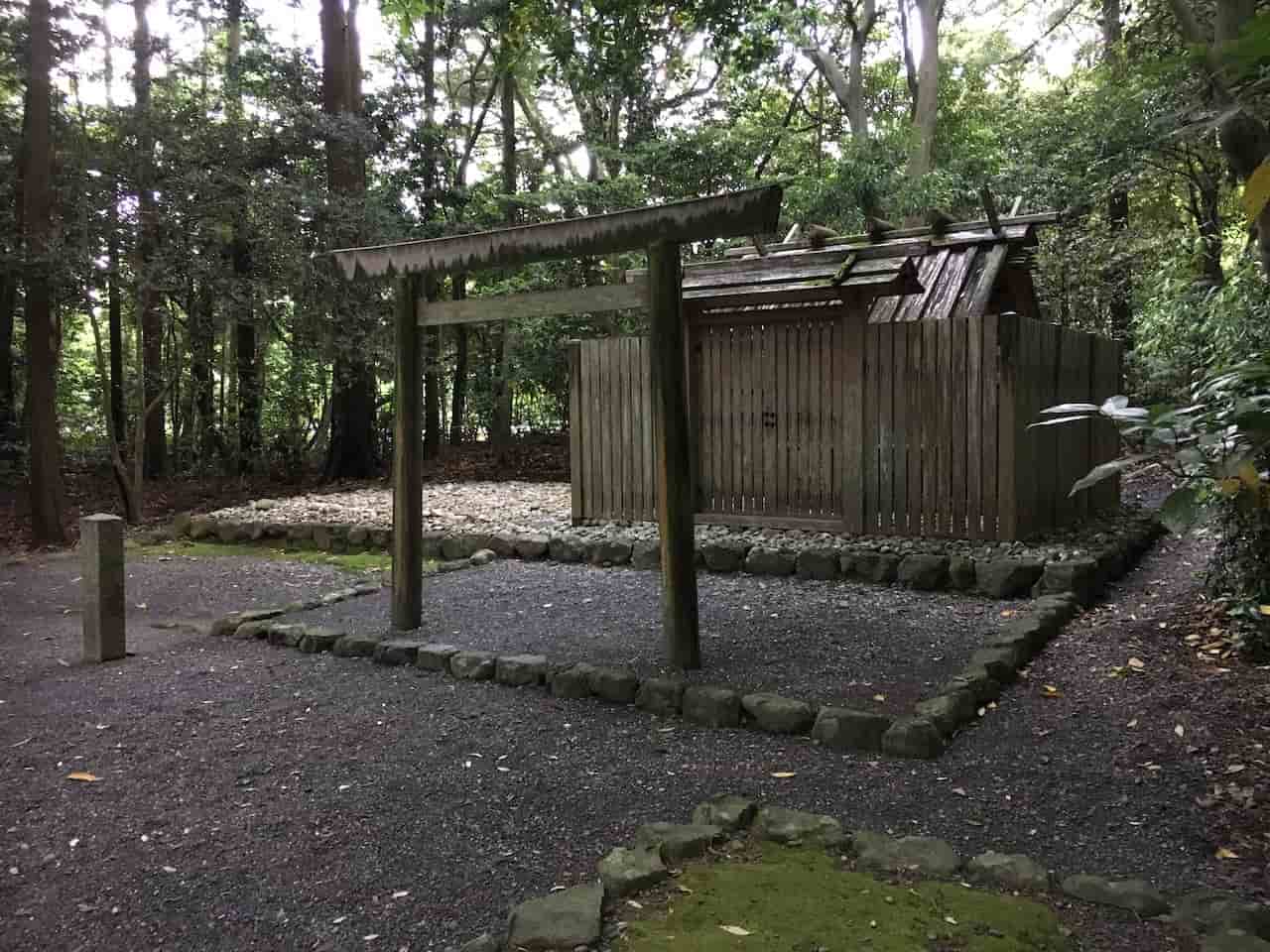
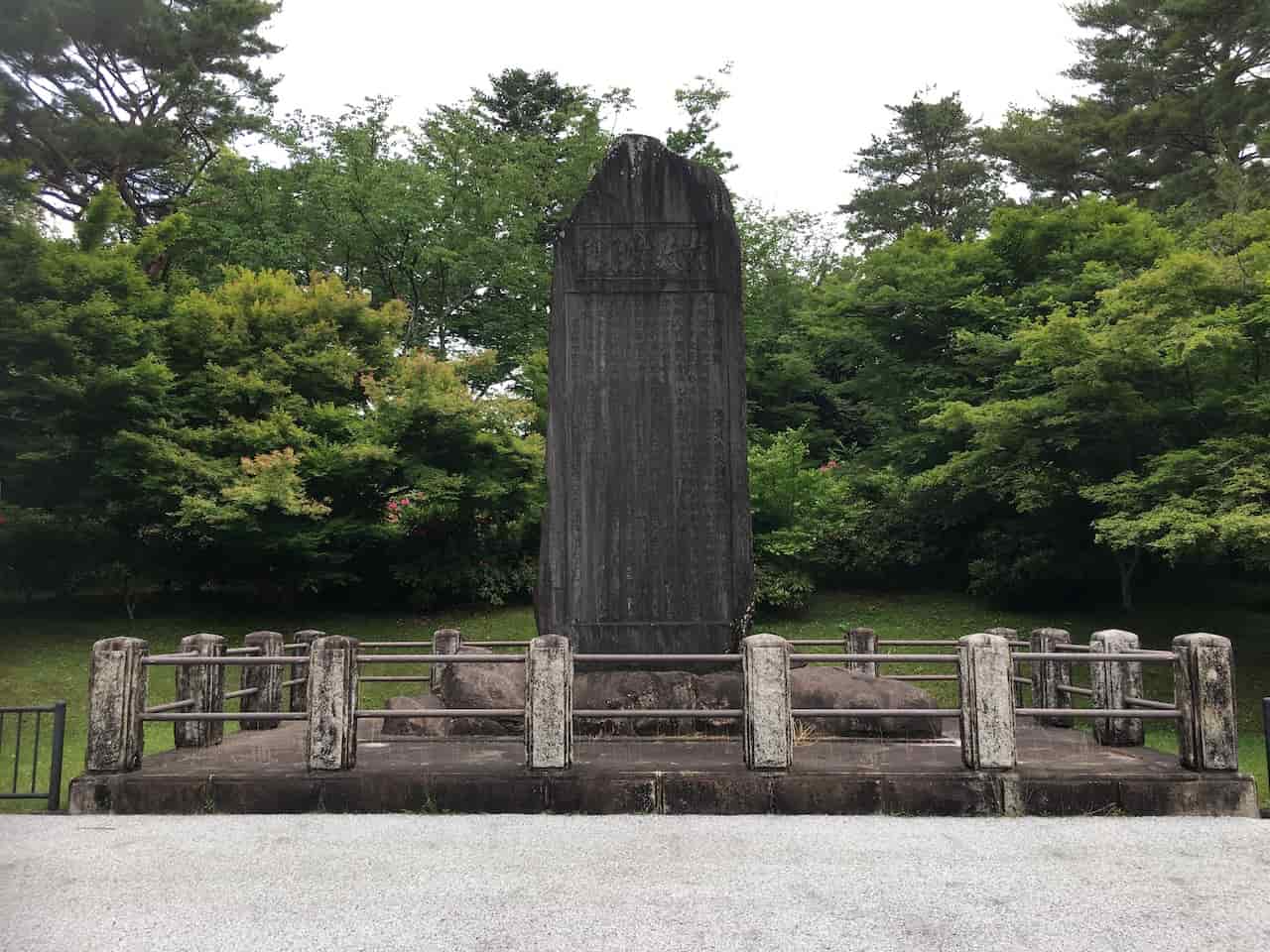
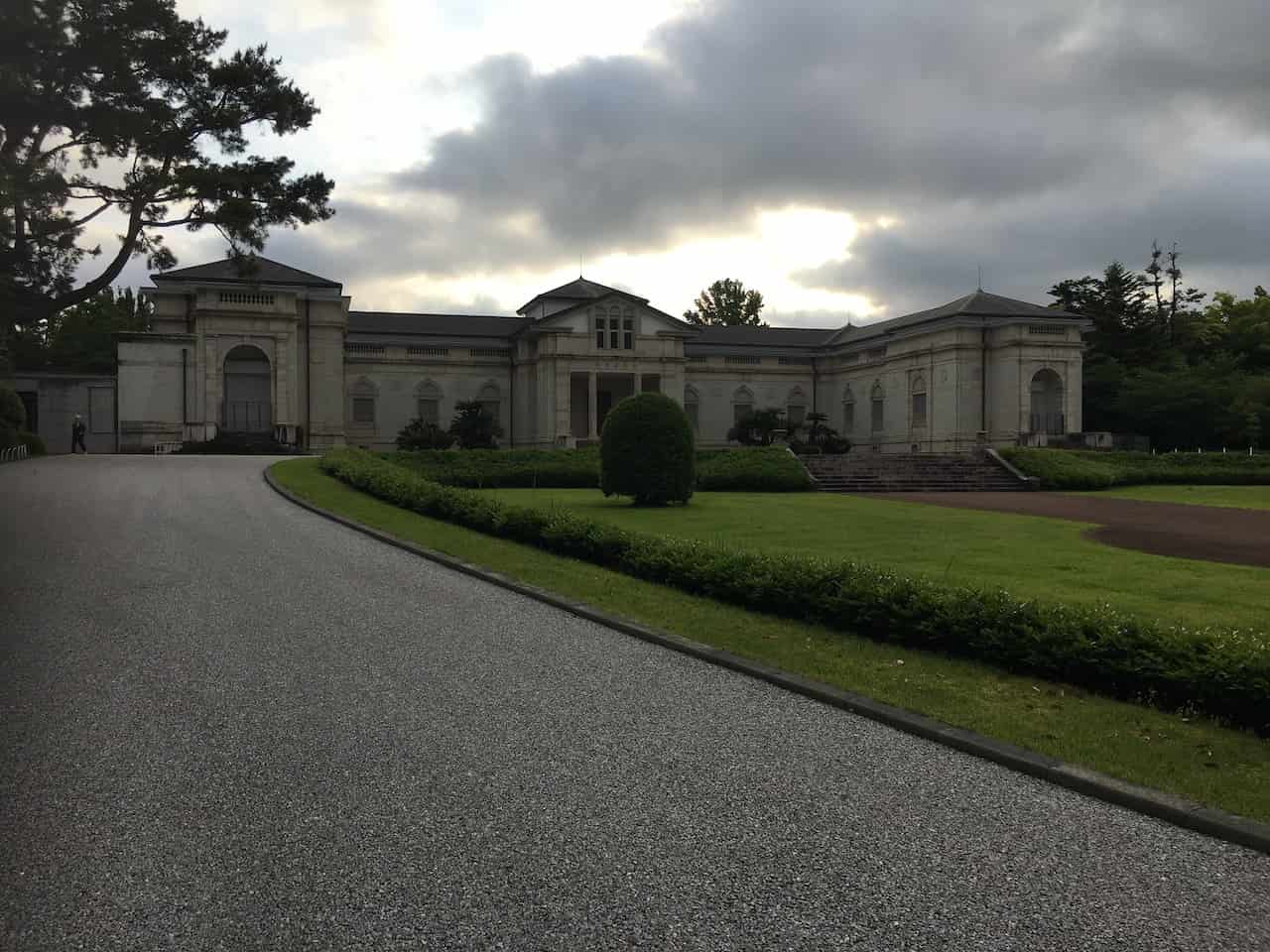
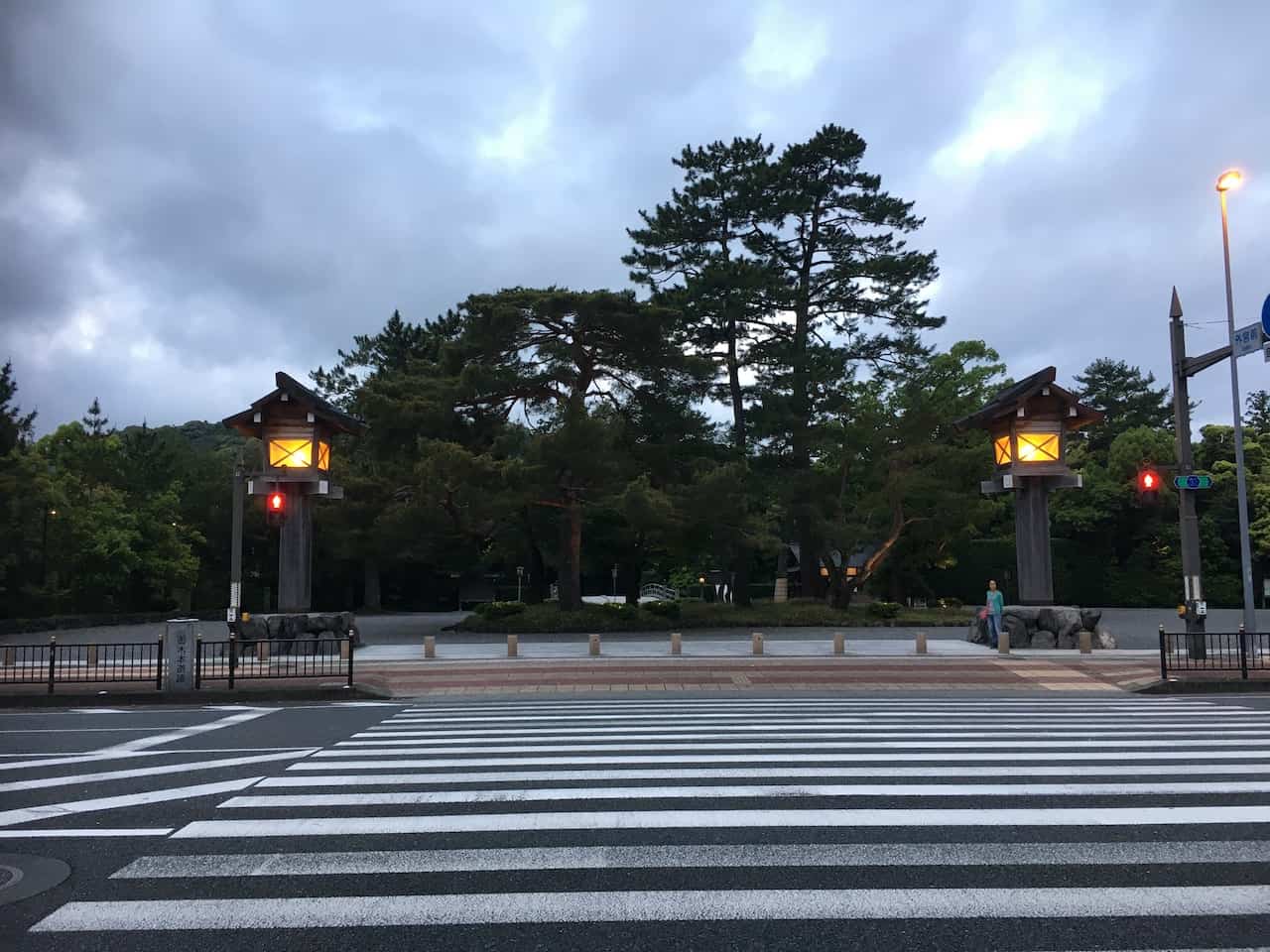
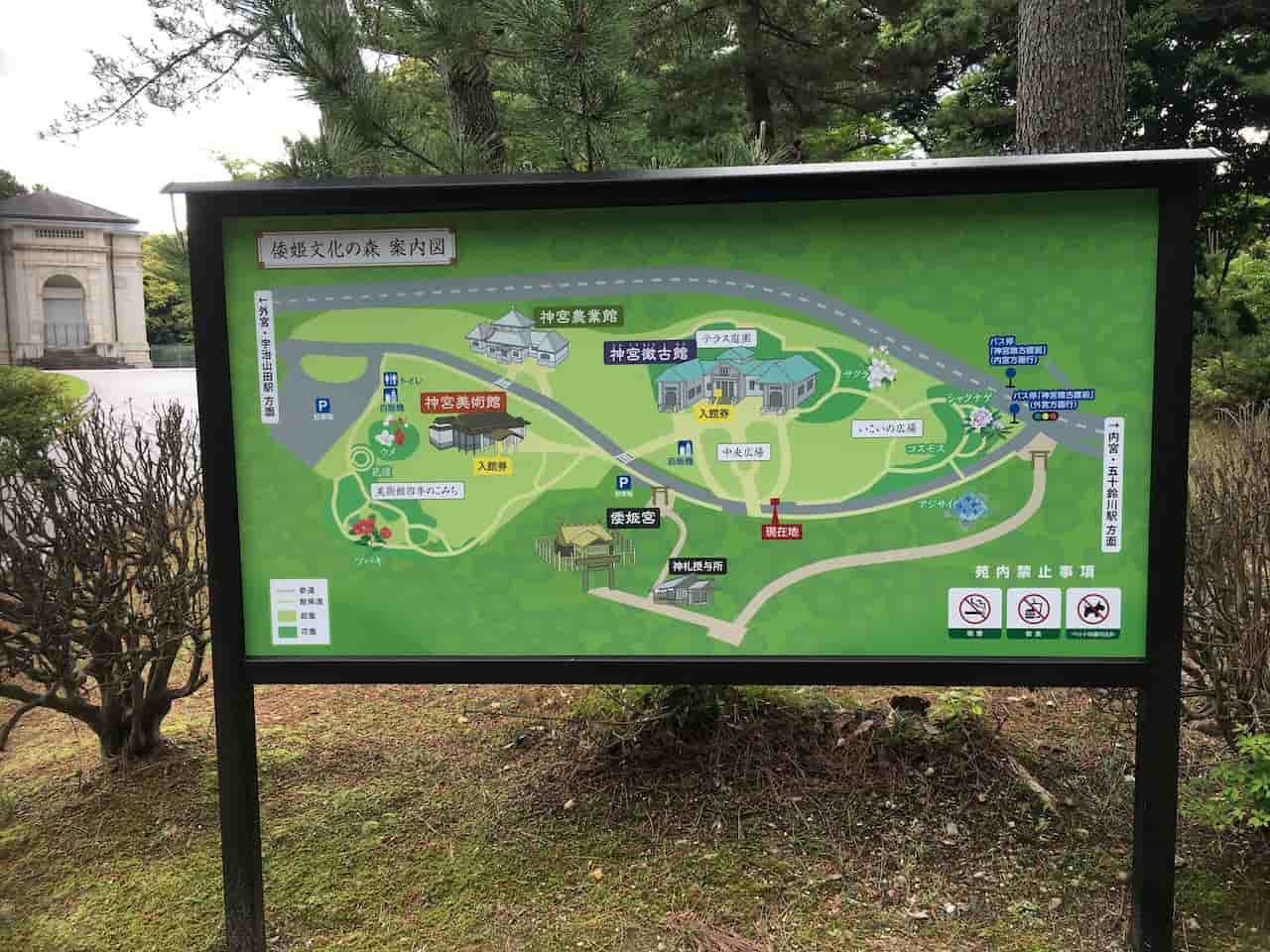
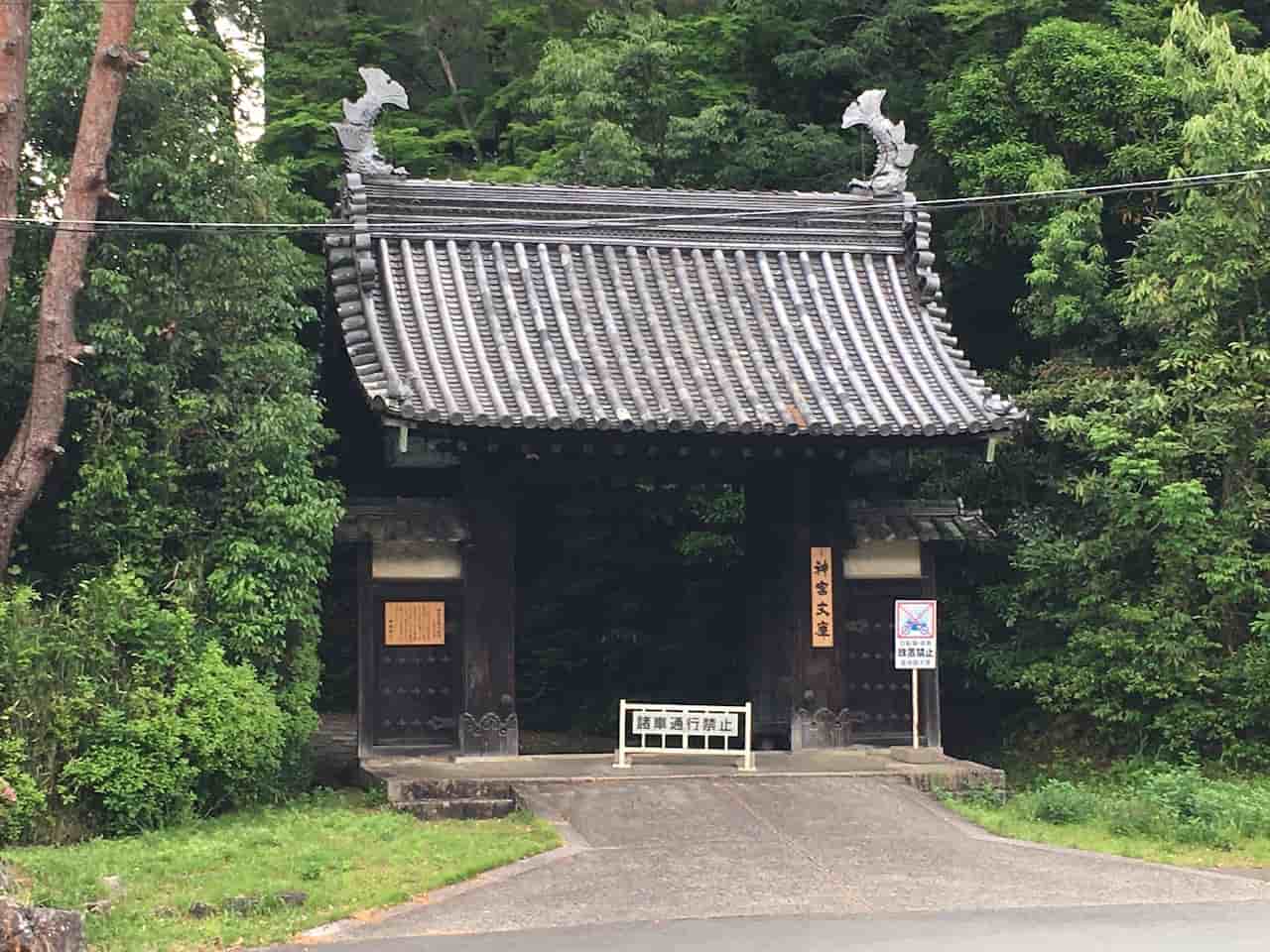
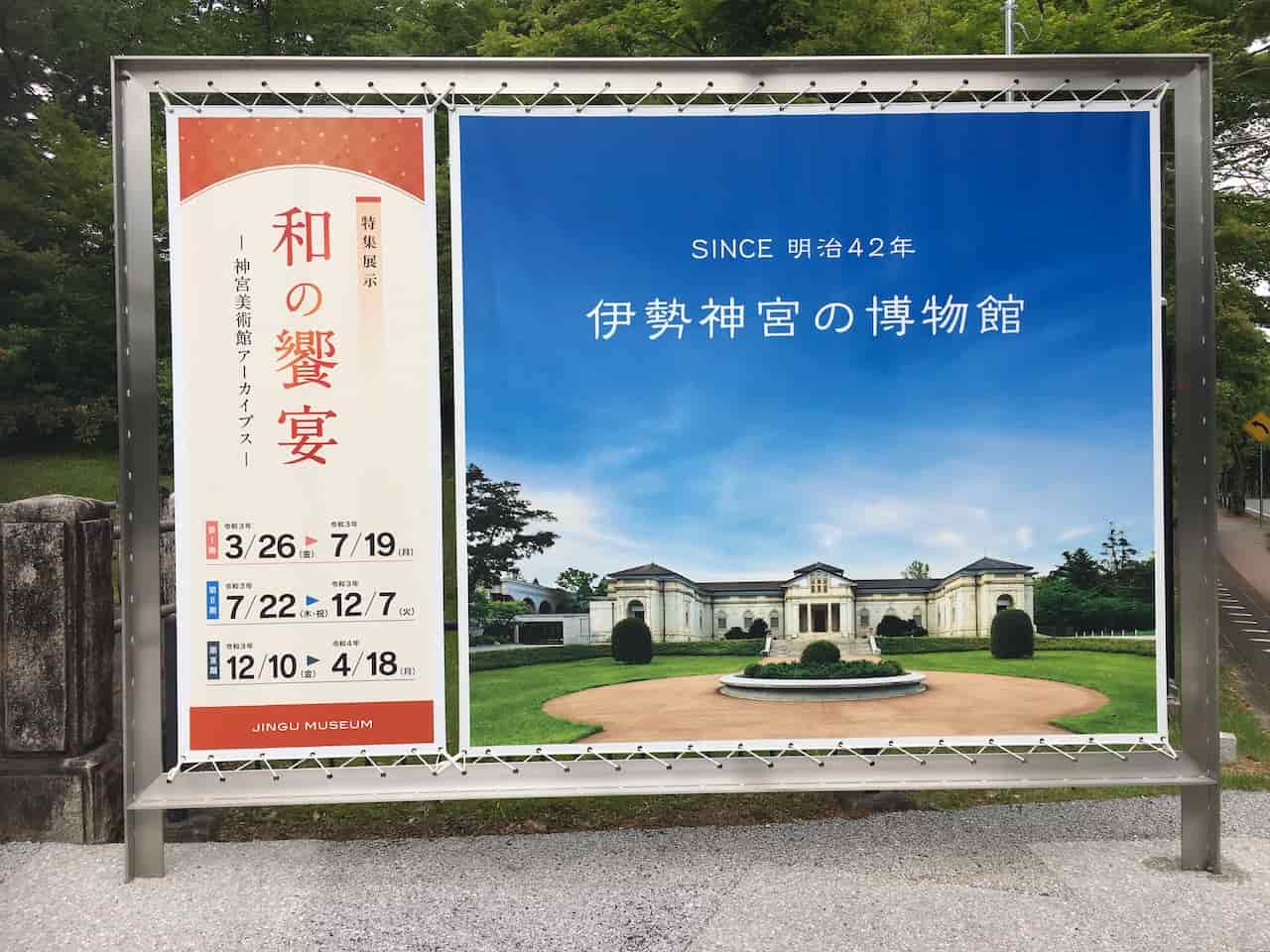
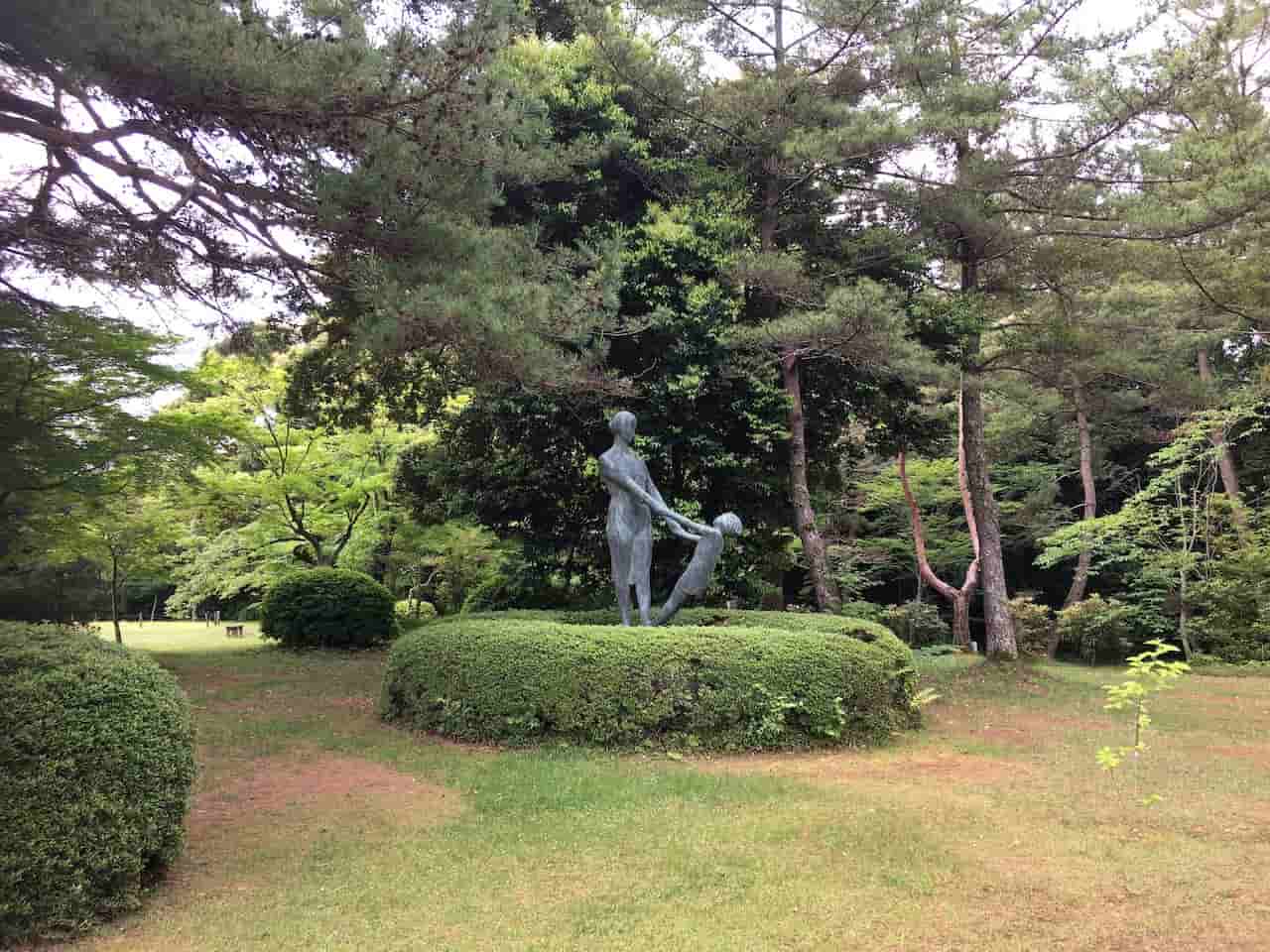
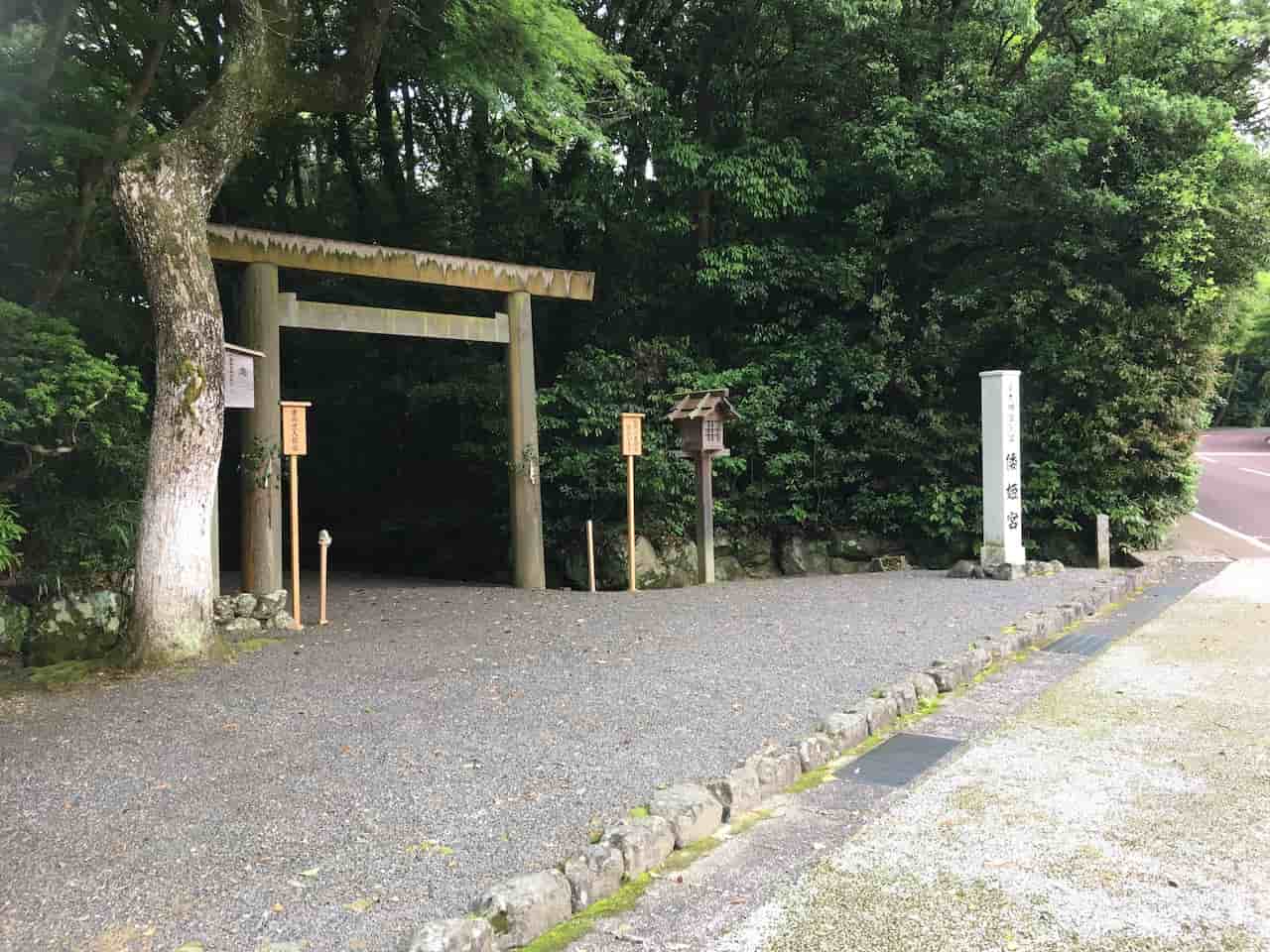
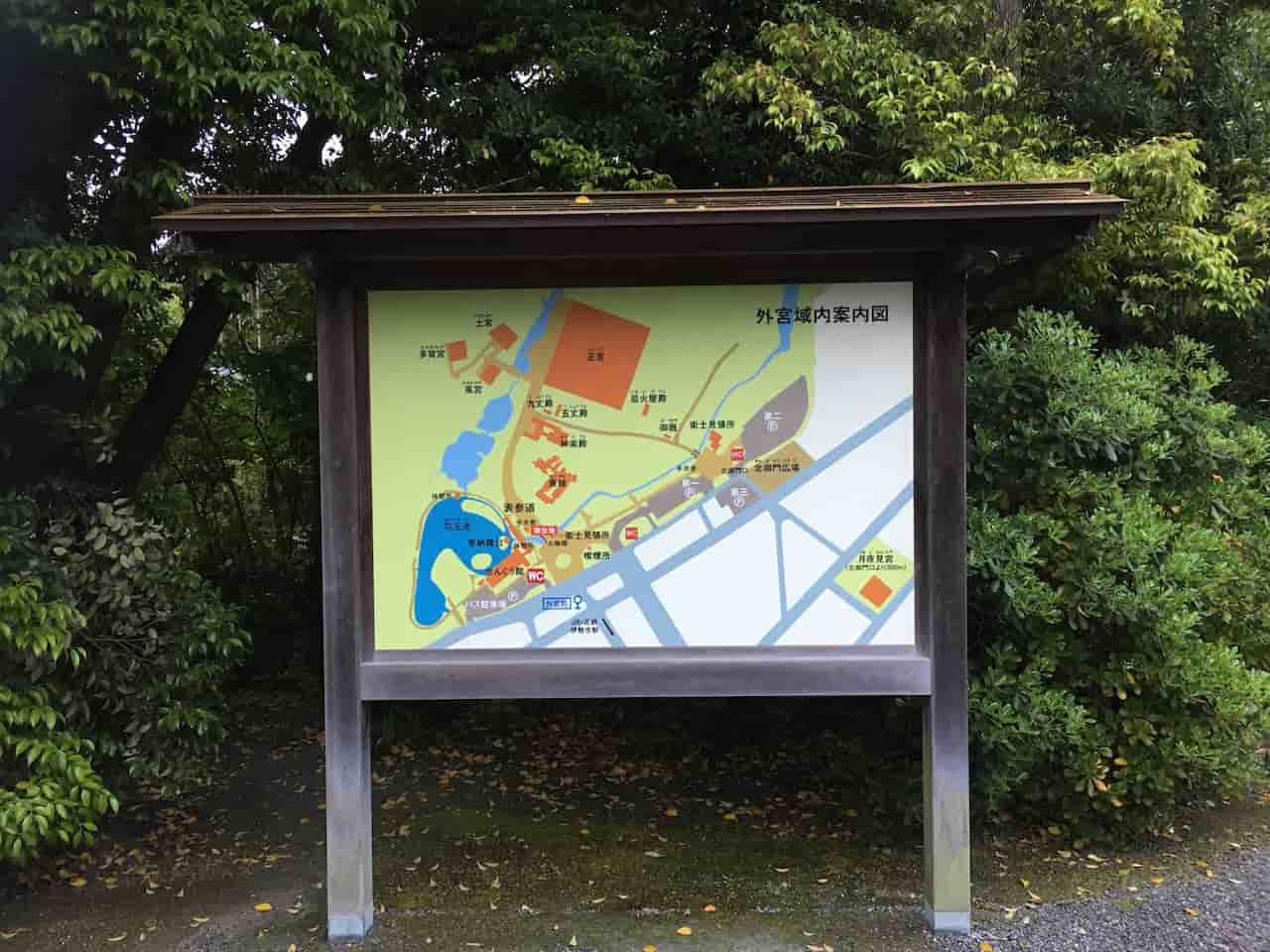
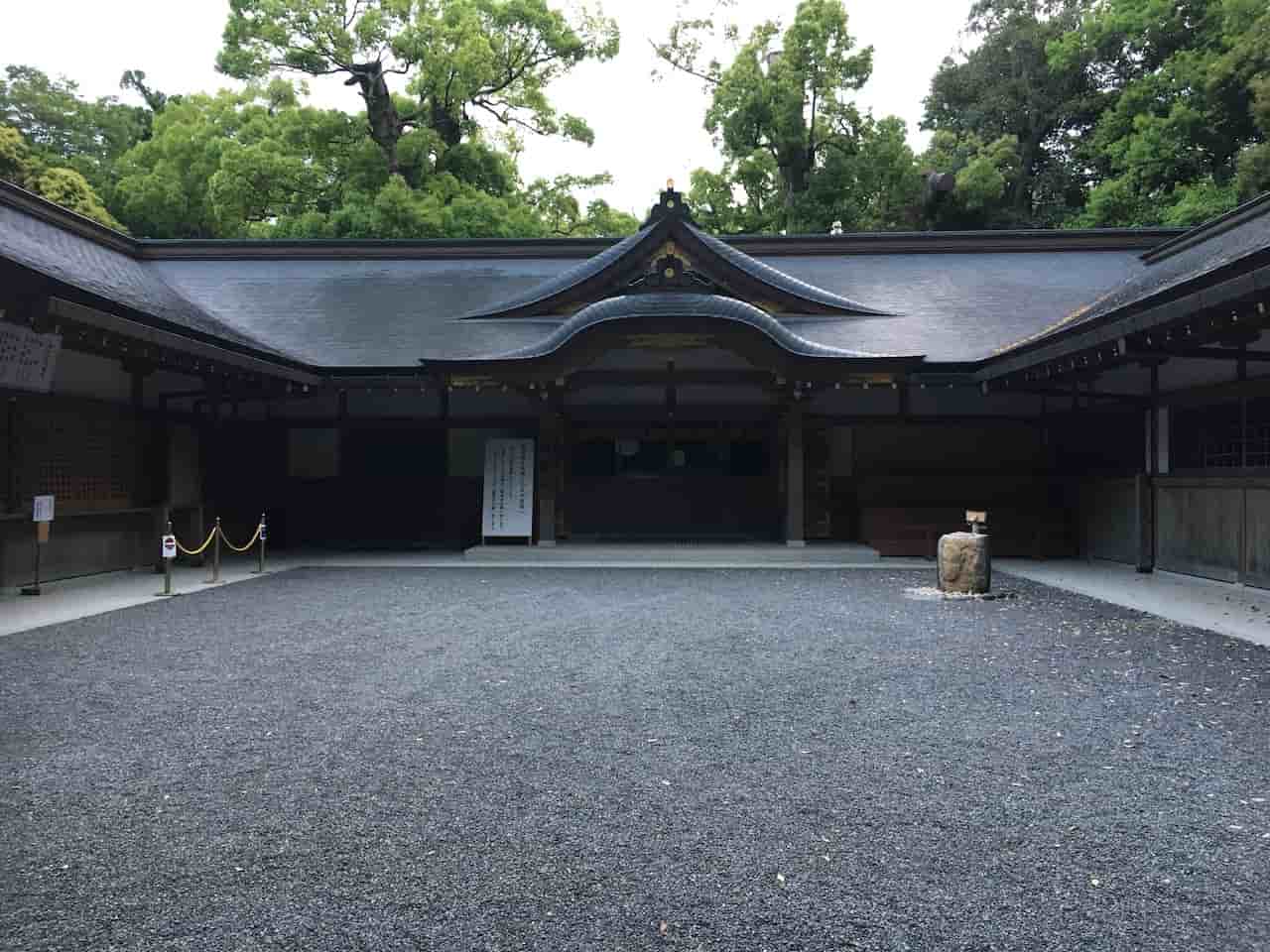
A large open-sided wooden purification pavilion with a broad shingled roof, standing on a gravel forecourt A plain unpainted wooden torii at a shrine entrance, with wooden noticeboards and an inscribed stone pillar beside the gravel path A small unpainted wooden shrine building behind a plain torii and slatted fence, set on gravel among the trees A tall dark stone monument on a stepped platform enclosed by a low stone railing, with trees behind A long neoclassical stone building with a columned entrance, behind a curving driveway and clipped lawn under a grey sky A massive ancient tree with a deeply furrowed trunk rising among slimmer trees in dense woodland A wide gravel path running beside a long wooden fence, towering cedars rising along it A roofed wooden signboard with a Japanese inscription, set on a stone base against a clipped hedge A broad wooden bridge with railings leading toward a plain torii among the trees A pedestrian crossing at dusk flanked by two lit shrine-style lanterns, with tall pines behind The moss-covered base of a large tree, its roots spreading over a stone retaining wall An outdoor map board showing a green site plan of the grounds, in a wooded park setting A tile-roofed wooden gate with ornamental ridge-end figures and closed doors, a noticeboard beside it A large outdoor poster board advertising the Jingu Museum, showing the museum building against a blue sky A dark bronze statue of a standing figure on a low clipped hedge mound, surrounded by pines and lawn A person standing at the foot of an enormous old tree in dense forest, showing its scale A plain wooden torii on a gravel forecourt, with an inscribed stone pillar and wooden noticeboards A large wood-framed map board showing a coloured site plan of the shrine grounds A dark-roofed shrine hall enclosing three sides of a raked gravel courtyard