Blog / Blog
When one of the most successful basketball players to ever walk the talk, offered up a worthy philosophy for practical usage as a guidebook somewhat akin to decision support. Once a decision has been made, it is not necessary think about it ever again—Don’t Touch It.
All language, verbal or otherwise, embody culture, heritage, and traditions of their respective native speakers, in particular, this phenomena is reflected in the cohesiveness of Japanese culture and society.
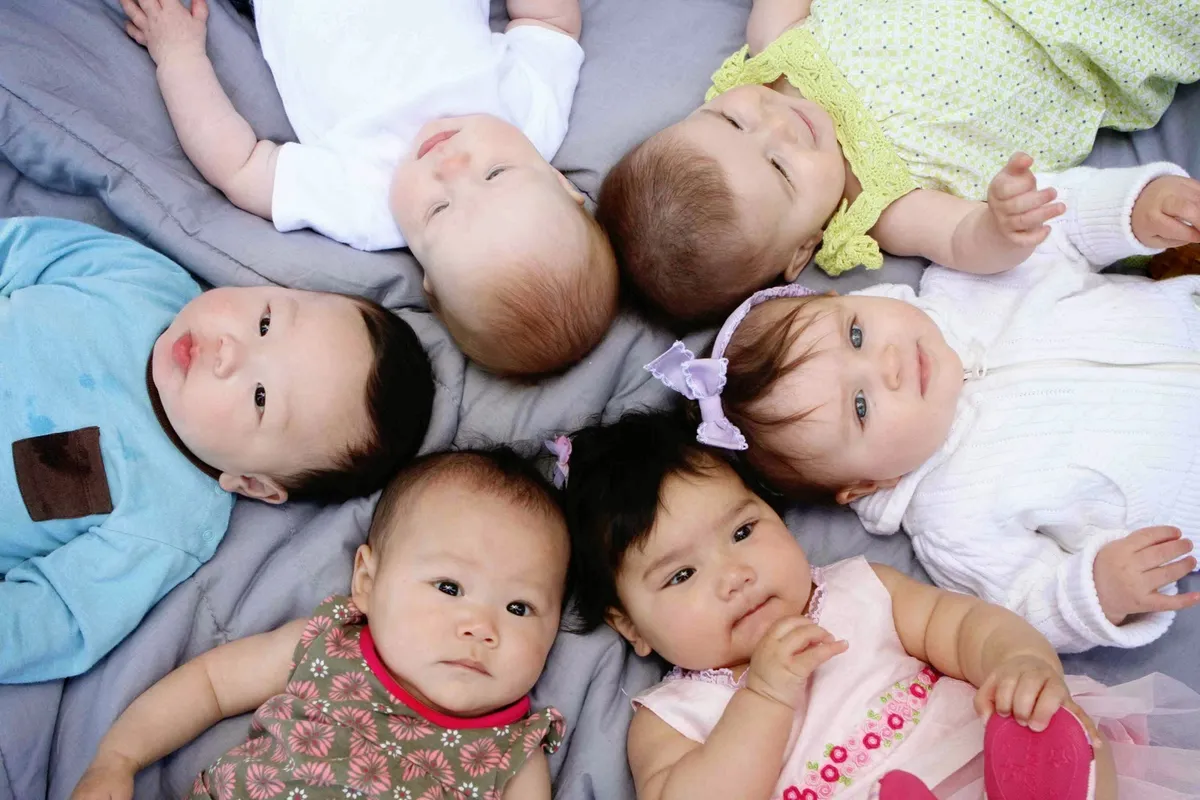
Coloring books given to Little People by BigPeople, hitherto have someone else's construction-paper world already filled in and then thoroughly glossed over.
Japanese have specific roles to play, when deadwood does not pull weight (productivity), lethargic slugs find their chair, has been moved in sideways motion, to arrive then reside beside the window—becoming a shamed member of the dreaded Window Tribe.
In Asian societies, the mental wellbeing of One’s clan members, particularly in domain of mental stability, is never responsibility of State.
It was here inside extreme adverse weather and impoverished attitudes of those living under frozen icy conditions, where the Noble Notion of color blindness was hardwired into One’s electrical circuitry via Maggie May, the matriarch of our Clan.
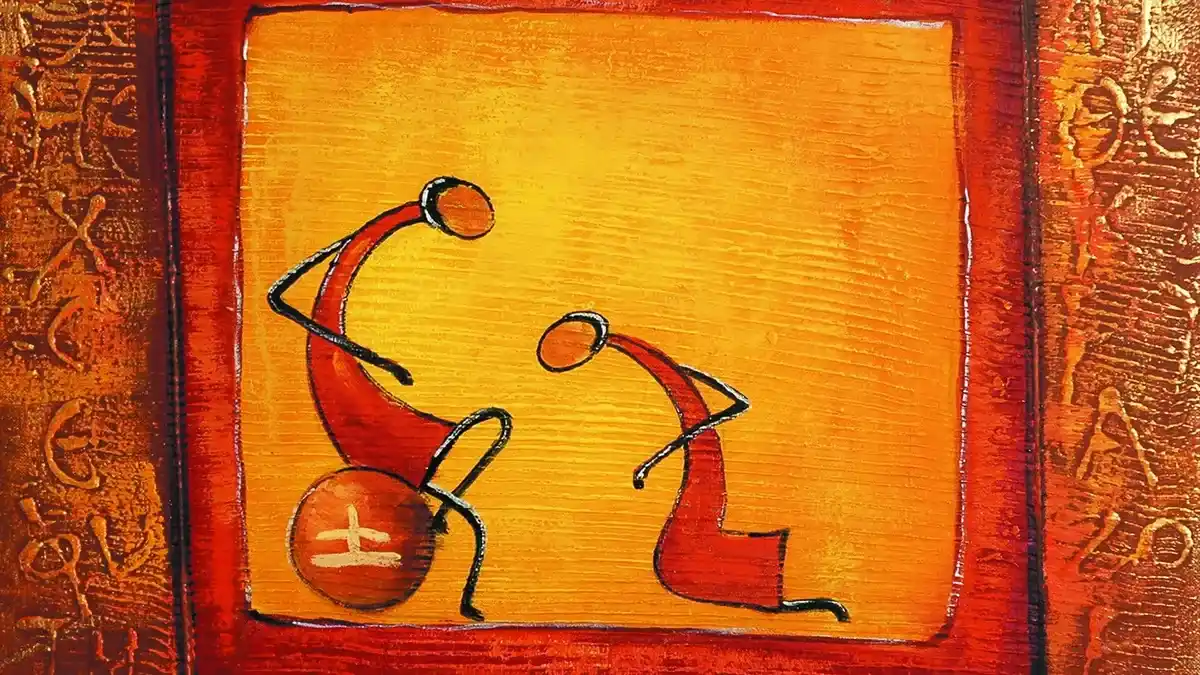
The frequency of Japan embodies the essence of what it means to be Japanese, imprints of ancient protocol, which are embodied in four-ideogram-compounds which is the key into the psyche of the Japanese and their deeply ingrained Notion of Motion
A most important, yet simple book—initiating fate of this wandering Son under the Sun—invoking courage—to take paths—into the multiverse, and the Notion Of Motion, and what infinity entails.
One can observe this Universal Truth in the timeless branches of Japanese eternity, which is represented by the lives of all Japanese people—living—dead—unborn—and in the lives of those whose final destination is enlightenment into the Japanese Way.
The highly worthwhile compounded effects, were somewhat akin to a miracle at the time, but when in fact, merely an accumulation of small intentional acts, culminating in a significant change, over immeasurable moments of time
In Old Japan, right and wrong were based on the universal concept of "might is right," and this established law-of-the-jungle still sets the rules and remains firmly in place today. This truth is clearly reflected in the language protocol of the Japanese—particularly the predominate communication conventions of honne and tatemae.
An unprecedented time to be alive, growing old offers a plethora of opportunity for the mature and wise to formulate, create, and build a strong and powerful clan with peaceful, thriving, knit communities.
Depending on the place of birth, and whether born with a silver spoon in the mouth or not, the material sludge is profoundly different and each situation as unique as a snowflake.
Perhaps the most famous of the master Japanese swordsman, the example set by Musashi Miyamoto was by no means rare during that particular era. Before the rapid industrialization of Japan from the 1870s, effectively all Japanese, in whatever art or craft, spent most of their lives in pursuit of perfection in their fields.
All guest, no matter what class or status, were there united in a common purpose—to consume the masterful cooked Toricho chicken-on-a-skewer—among many other home-style cooking of the Japanese country kitchen.
Certainly in Japanese, the concept of face embodies significantly deeper implications than conceptually available to Occxies who only communicate using Latin based languages—particularly those featuring singular and plural and countable and non-countable nouns.
The Occxies only see innocence and naivety as characteristics that are appropriate only for the very young. In Japan, on the other hand, innocence and naivety had traditionally been regarded as highly admired traits in people of all ages, and something that was especially admired in adults.
The Japanese have realized there is a spiritual element in all worthy achievement, the greater the achievement, the greater the contribution of spirit.
To the Japanese the world is in a constant state of flux thus the ultimate life philosophy of flowing with the wind. Occxies, on the other hand, have look upon the world as fixed in place and relationships and human activities as unchanging.
By virtue of living in Japan, the opportunity to meet people from diverse cultures and life experiences has deeply enriched one’s own life in ways too profound to be express in mere words.
Despite long periods of virtual isolation from China, the Japanese are still in the process of purging themselves of innermost feelings that they were little more than imitation the Chinese, which they clearly are not.
Much to one’s surprise, the heating system consisted of a worn out kerosene heater, that had seen better days sitting in the back of the classroom. Unfazed by the icy cold, the pupils carried on about their day in a most routine manner—some of the boys in short pants.
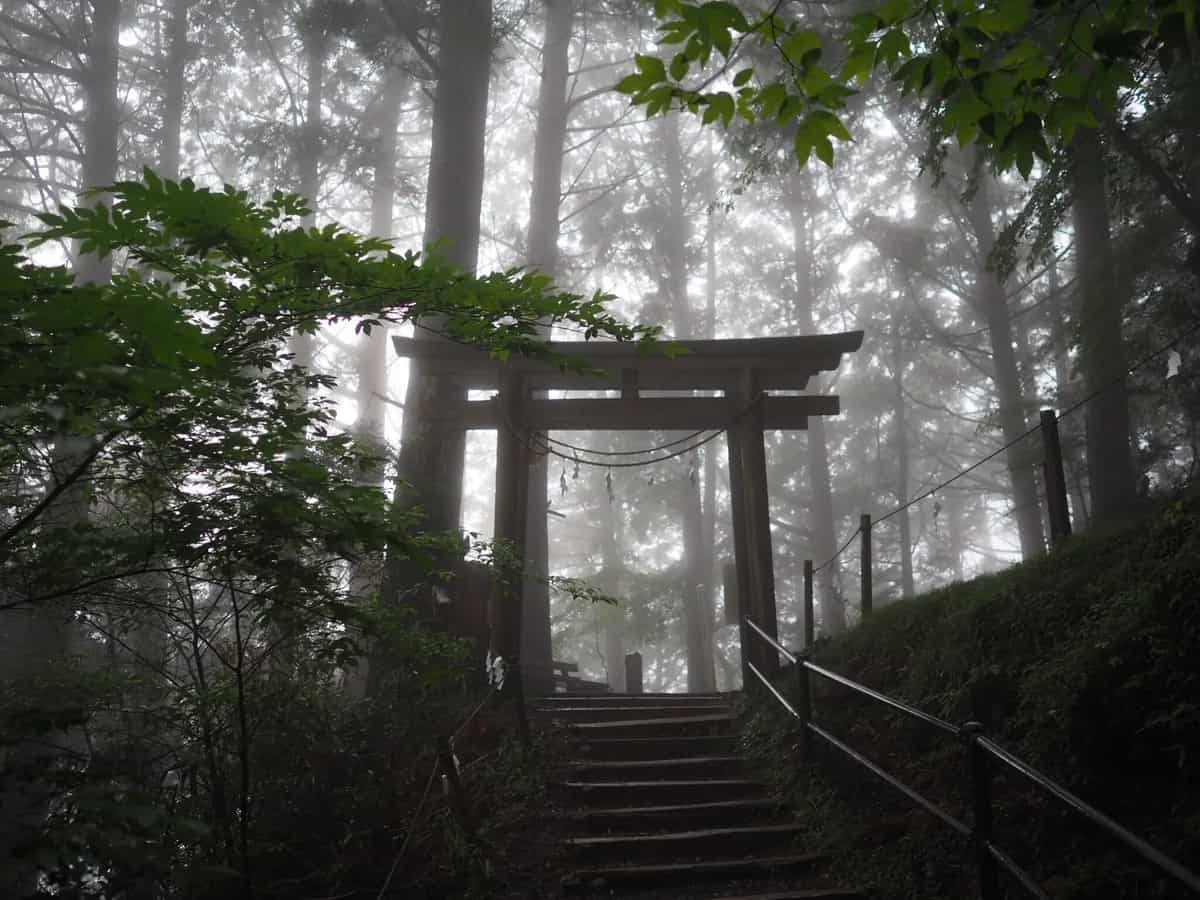
The protocol of shame originated from Shinto, in which all Japanese are direct earthly descendants of gods and goddesses, and that any behaviour displeasing their godly ancestors was shameful and discourage.
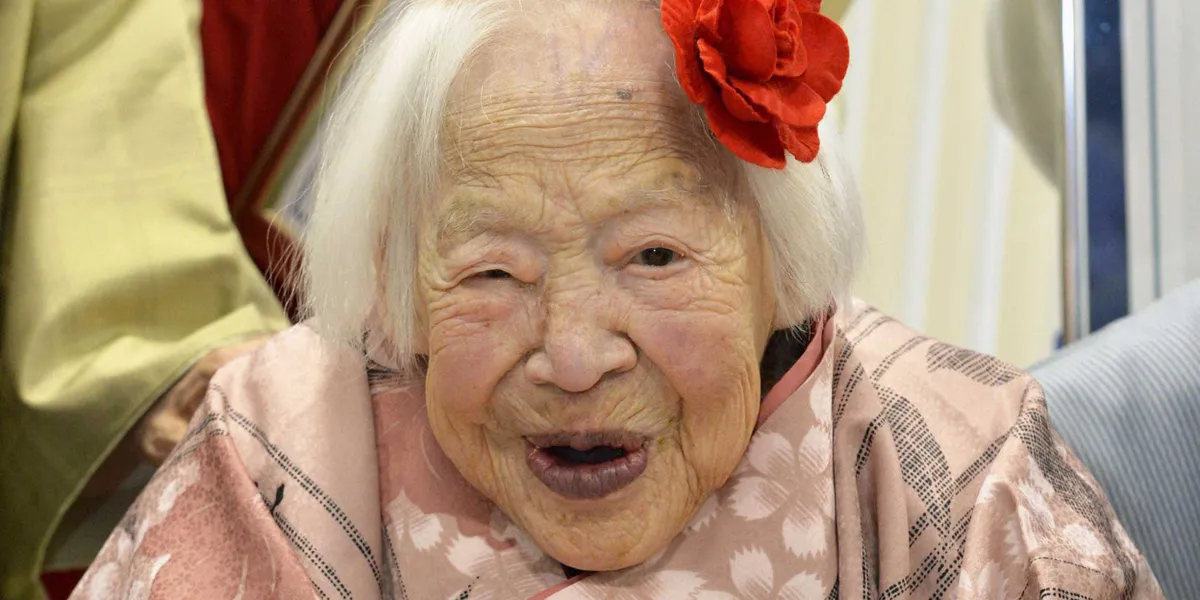
Ms. Hanako not only runs her farmhouse like a well oiled glove, at 82 she also swings her lawnmower with the skill of a master mower.