Maggie May’s Magical Garden

Maggie May’s Magical Garden

Maggie May’s Magical Garden

Maggie May’s Magical Garden

One is fortunate to have grown up in Central British Columbia, and having living one’s adult life in Japan.

Indeed, when first arriving in the Land Of The Rising Son, it was charming to see the small local supermarkets and the classic speciality mom-and-pop shops dotting the landscape of Japan, mostly filled with fresh food.

Often their wares were piled high to the ceilings through the narrow isles, boxes strewn about.

old Japanese super market - Land Of The Rising Son

Traditionally, the Japanese housewife would go out daily to forge for fresh food and prepare it for the family that day—this is the tradition way of Japanese life.

Living in Japan has lead to many foods experiences when travelling throughout Asia.
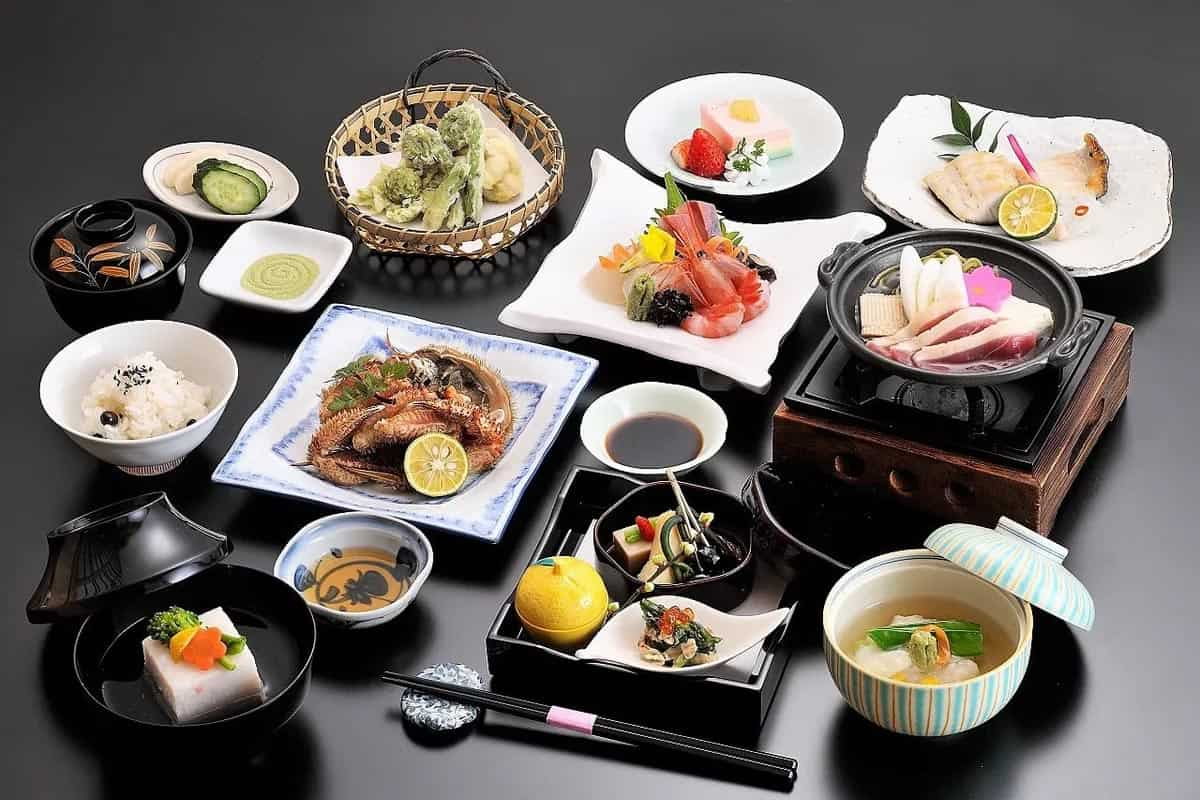
宴会コース料理 - Land Of The Rising Son

This has lead to a deep respect for food culture and and understanding of how it will always play a critical role in communal bonding in almost all cultures.

Seeing these traditional shops when first coming to Japan in the late 80s brought back fond memories of days growing up in central Central British Columbia in the 60s and 70s—ahh, the aroma of fresh alpine mountain air!

Revelstoke mountains - Land Of The Rising Son
Five decades ago, logistics systems were still in infancy—during the long months of Grandfather Winter—sometime hovering around -30°—the fresh vegetable deliveries were non-existent over the long winters for many years.

Grandfather Winter - Land Of The Risg Son

Those were certainly different time.

One saw Mother Maggie May growing her own garden every year during the short summers, and canning the fruits of her labour in anticipation of the long icy winter ahead.

he long icy winter ahead - Land Of The Rising Son
Also, one had the privilege to live in an immaculate fruit belt in the Okanagan Valley during one’s formative years.

A fun summer activity was picking fruit and helping can these delightful treats to eat as morning food throughout the frigid winters—peaches, pears, apricots, cherries, and an assortment of berries.
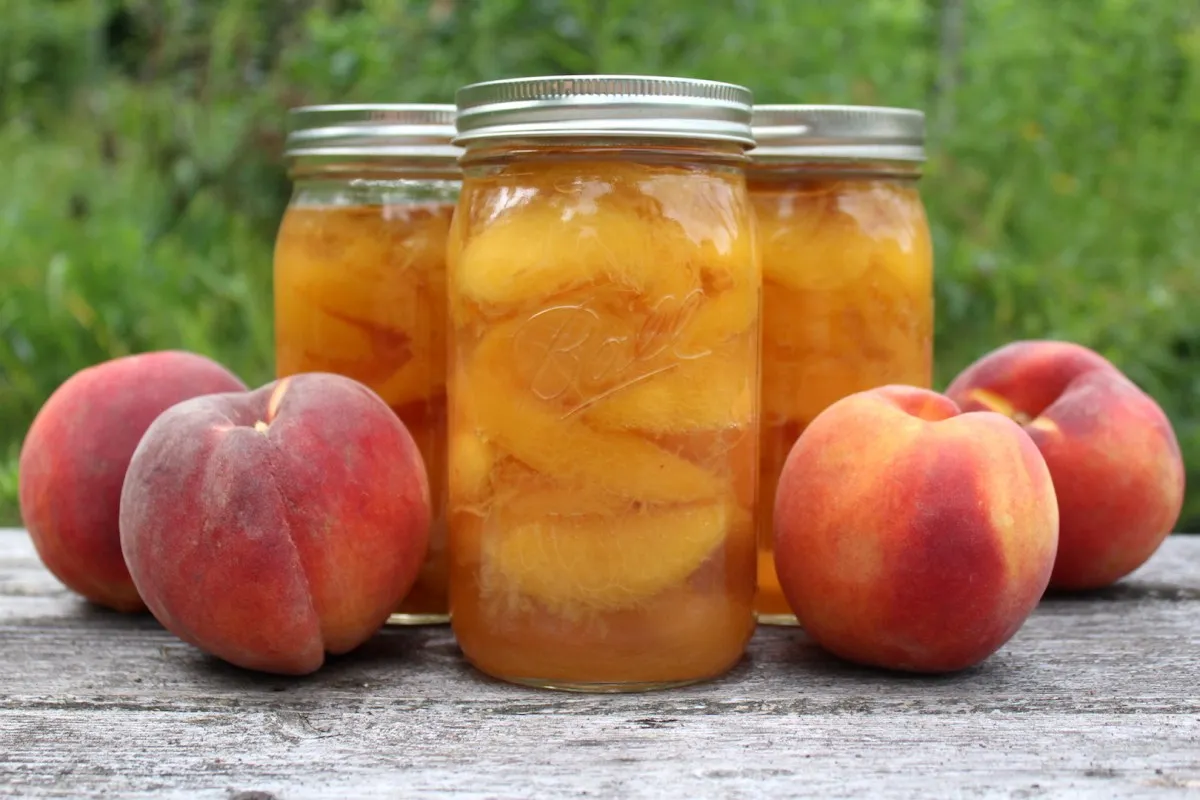
Canning-Peaches- Land Of The Rising Son

During the food gathering season, one’s would purchase 1/2 a cow and 2 pigs on the hoof from the local butcher.

The merry butcher would then bring back wheelbarrows full of freshly processed meat—bound for the massive freezer in the ancestral home basement to last the chilly winter months.

In the autumn, chickens were butchered and shared among friends as our families gathered and did the hard work to secure sustenance fortifying our clans against the long, cold, harsh British Columbia winters.
A Little Sapling - Land Of The Rising Son

An excellent baker extraordinaire from the beginning—Matriarch Maggie May would get piles done—butter tarts, apple pie, among other delectable pastries—she also delivered big-time on lots of bread—sourdough and rye among her specialties—the was no-end to the goodies in Maggie’s Marvellous Magic freezer.
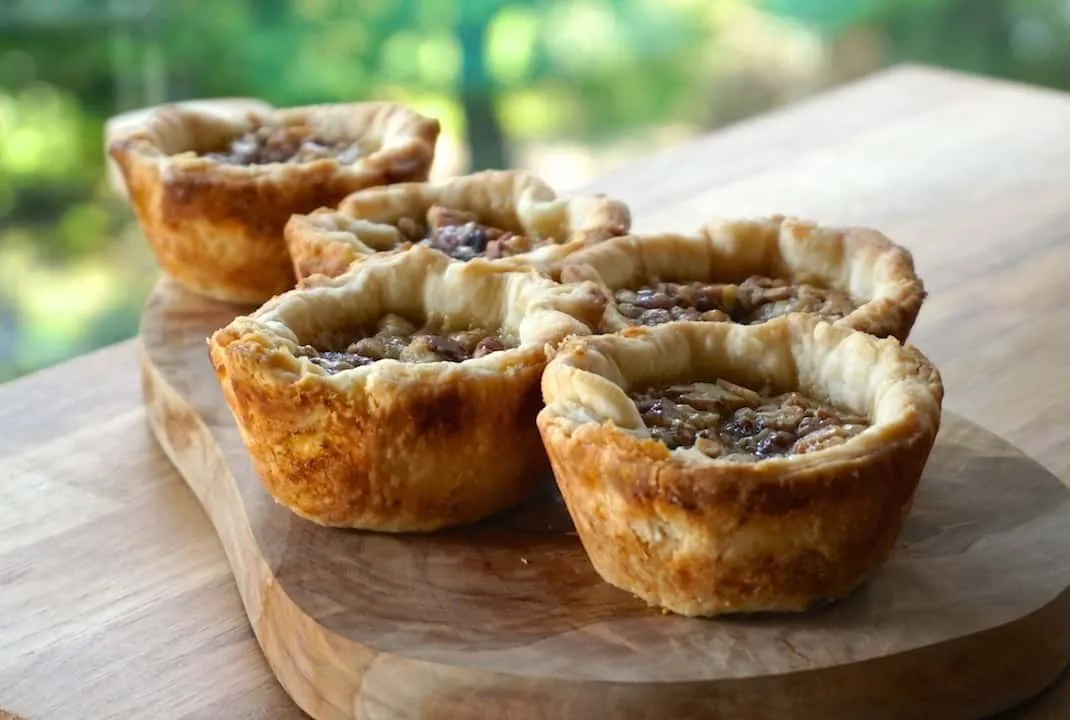
ButterTarts - Land Of The Rising Son

The massive freezer also had plenty of room for dozens upon dozens of plump rainbow trout caught throughout the summer inside the nooks and crannies of the pristine lakes and river in what is commonly referred to as … paradise.
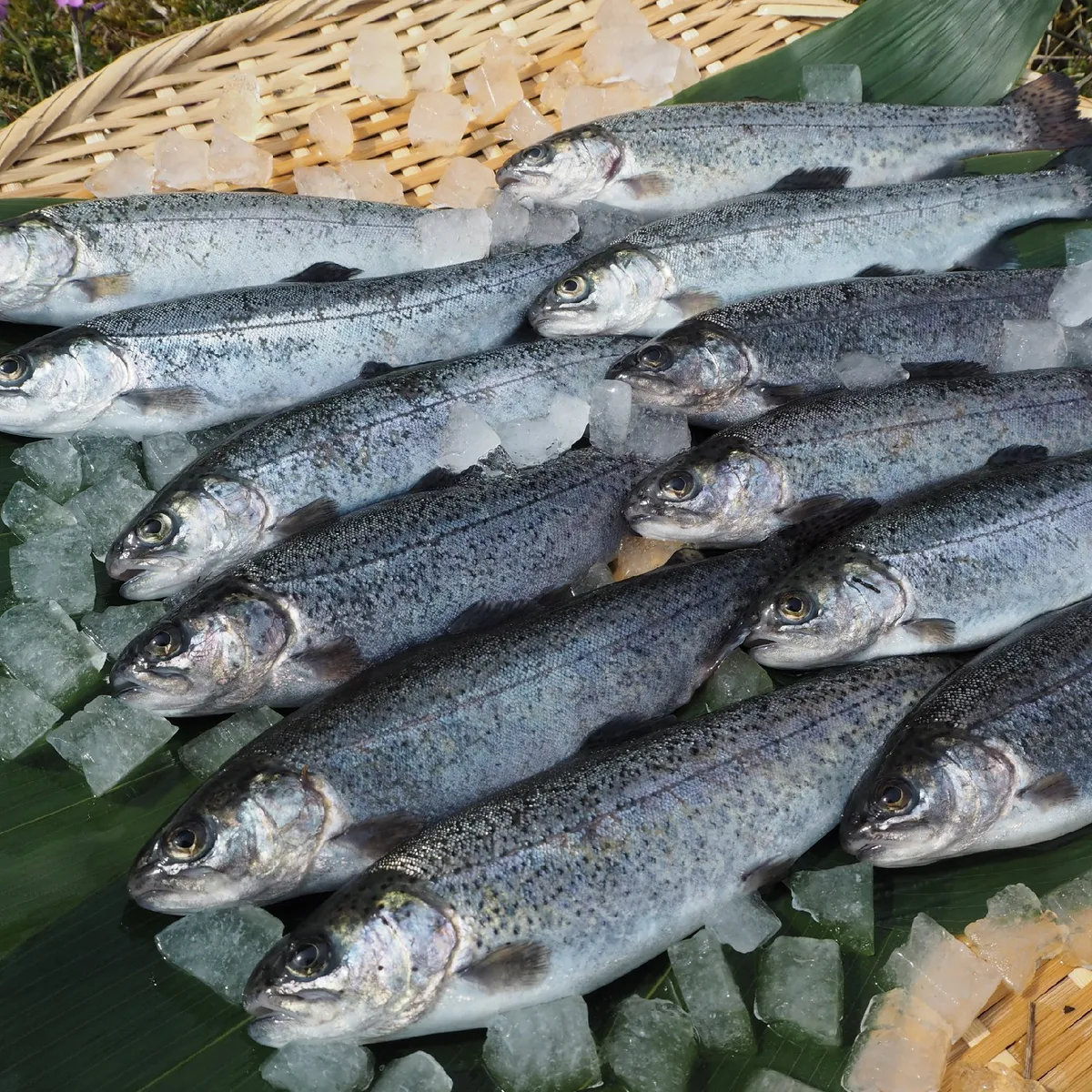
虹鱒- Land Of The Rising Son

Alas, as all time must pass, these thing to fade away, into the modern future, which has some how turned into today, and these arduous task of yesterday have been rendered for the most part unnecessary today.

In the name of convenience and indeed in practically, Japanese agricultural products are being slowly manipulated with sweeteners, chemicals, and preservatives.

hamburger-junk-food-box ButterTarts - Land Of The Rising Son

Convenient to be sure, but what will the long term consequences of eating highly preserved foods bring to the Japanese.

Judging by the abject failure of the American dietary model, consuming such highly-processed products may be worthy of reconsideration, or to avoid all together.

Obese American Couple - Land Of The Rising Son

Surely in this time of change and uncertainty, one’s own personal health and wellness must be of primary concern each day.

Maggie May’s Magical Garden reminded one of the now slowly-fading-away Japanese Way of Food of old.

The Japanese with the highest life expectancy in the world have a rich food tradition of fresh seasonal vegetable, incredible offerings from the sea, and sticky Japonica rice.

Make sure to take the time away from busy modern food—taste fresh and delectable delicacies—farmed with tender loving care—by the dedicated Japanese farmers throughout the regions of agrarian Japan.


天皇陛下田植 - Land Of The Rising Son


Reach 59

Reach 59

Reach 59

Reach 59

One has always had the image of bingo being played by elderly folks chain-smoking cigarettes while chugging black coffee in the basement of the church just down the street from one’s ancestral home.

The Japanese are also avid bingo players, but not in the churches and smoky bingo halls dotting the landscape of America.

In Japan, Bingo is played during a party where it is a popular game.

Bingo - Land Of The Rising Son

When about to win, with only one last squares remaining the Japanese will shout out—REACH, which means “almost there.”

In Japanese, the handy word REACH can be use in many situations, and this particular case of REACH is particularly salient for the author of this article.

Why so?

On October 24, 1963 one entered the earth’s atmosphere via the extraordinary awesome super Mother’s birth canal at 14:20.

And so began one’s long life long journey chasing the sun, and this coming year represents one’s 59th trip around beloved .

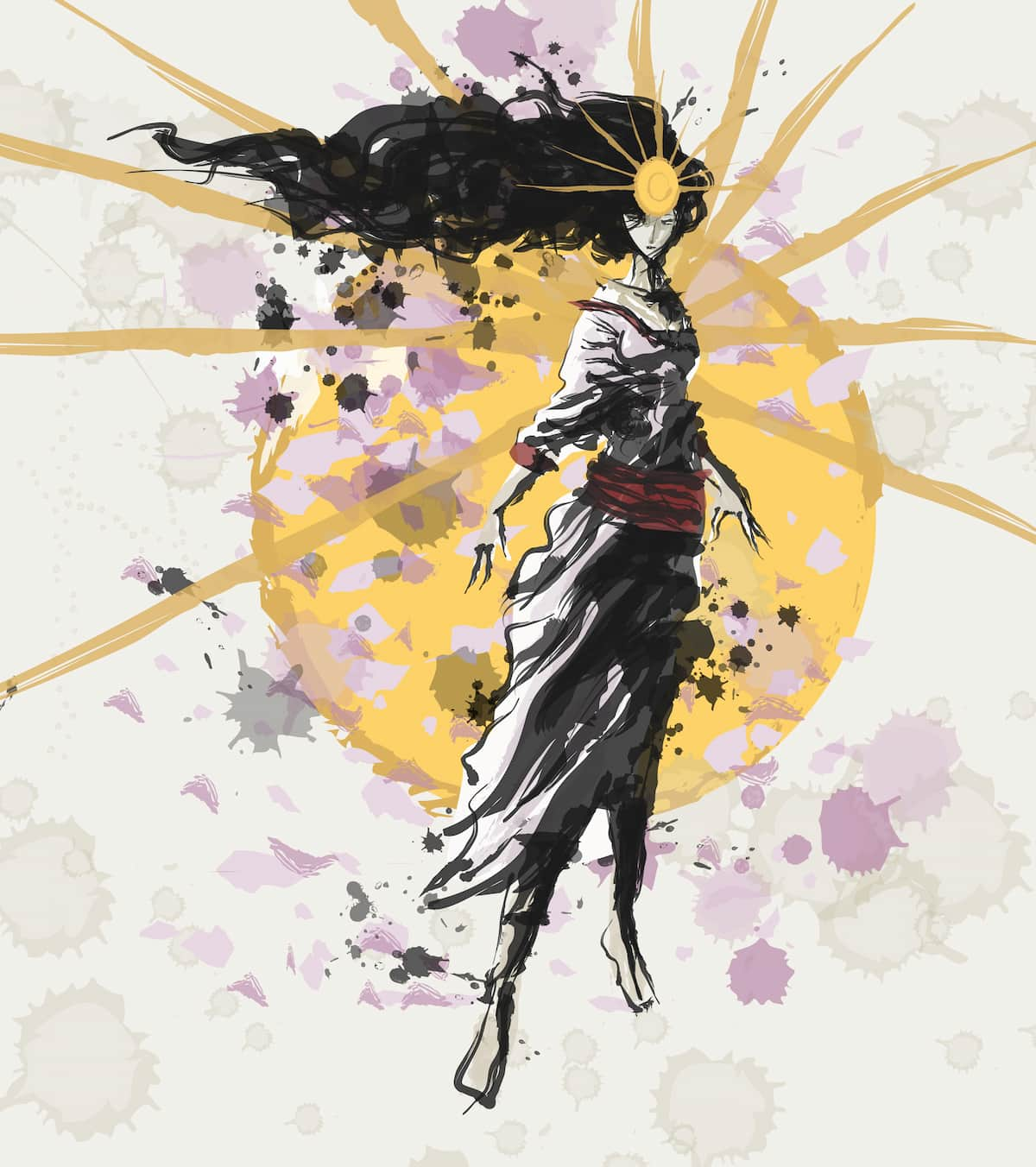
Amaterasu Shinto Sun Goddess - Land Of The Rising Son

Here the magic number 60 is looming on the near horizon, and this is where it can truly be said:

“It’s one’s 59th birthday—REACH!”

There’s also a fun event which happens at the all important turning point of life—know as kanreki (還暦).還暦の衣装 - Land Of The Rising Son

Kanreki is where one dons a red costume to be honoured and venerated by one’s clan in a festive celebration, wonderful way to express deep gratitude to the leaders of on’s clan.

還暦 - Land Of The Rising Son

Thinking deeply about the passage of time and how it feels in the different stages throughout life.

Recall back to the days one was sitting in the elementary school daydreaming out window thinking:

“When will this tedious adult ever say something interesting?”

Here the time crawled at a snail’s pace, and felt like it would never end in what seemed like a waste of one’s precious time and life.

bored school children - Land Of The Rising Son

Indeed, as one was waiting for the first plane trip to Japan January 11, 1987, the excitement leading up to the departure was palpable.

However, just like all things in life, and with the passage of the abstract notion of time, that event came and went in the blink of an eye, which is now over 35 years ago.

For certain, one need not dwell to heavily on the ultimate equalizer—death—it will be at everyone’s doorstep soon enough, and your own life will have come and gone.

time moving quickly - Land Of The Rising Son

In this particular case, one could actually say the decades of one’s years over the 60s will really start to get interesting.

All mundane and stressful duties of adult life such as raising children and all things in between have drawn to a close.

Here is the opportunity to looks towards fulfilling ambitious desires that were put on the back burner of a busy life in the modern world over three decades.

If the future looks daunting and the decades of the 60s is staring at the face—do not despair.

despair - Land Of The Rising Son

Another powerful way to think about the second stage of life—normally starts at 60 after a career and then retirement lasting until 80 and even well beyond.

Fundamentally there is one more adult life time to be filled with one’s own heart’s desire.

Thinking about time in such a manner gives hope and purpose for the future—to bring visions which have been floating around the attention they need to realize material fruition.

One’s favourite Japanese four-character-compounds is yugen jiko (有言実行)—keeping the promise to oneself.

As REACH 59 birthday present, one has committed to two projects for the rest of the time upon Mother Earth.

Earth at night was holding in human hands - Land Of The Rising Son

Both hands and heart are full of promise each day to growth, learning, and feel vibrant and alive during the secondary stage of adult life.

Often it is said you are only as old as you feel, and when taking on new project with the talent and experience accumulated over the years of a career, will serve one well over the coming years.

Realize the full expression of one’s own life—it will come to fruition as marked by the final event for which are all destine—as one’s own short time upon Mother Earth will have soon run out.Hourglass countdown - Land Of The Rising Son

Venerable Rice

Venerable Rice

Venerable Rice

Venerable Rice

In the Occxie world, rice (brown) was eaten only on occasion—always paired with fish.

White rice only encountered in Western style Chinese buffets, and considered somewhat of a treat.

Furthermore, the other Asian staple, soy sauce was only used for one purpose and one purpose only—to drizzle onto the rice.

Of course, this benign custom continued for years after coming to Japan, and the look of shock and horror on the faces of the Japanese when observing this affront to Japanese cultural sensibilities served as a point of amusement, if not some times a bone of contention.

生卵ライス - Land Of The Rising Son

Culture note: In Japan, soy sauce is used for cooking and to dip sashimi—never to be poured onto rice directly.

Little did one understand the significance of rice, not only as a staple of the Asian nations, but as an substance to be revered and venerated while being an offering to the Gods in ancient customs and rights.

Yet it would not be until after arriving in Japan in 1987, where the almighty Japanese sticky rice was first encountered.

This is what is known as mochi, and is sacred to the Japanese.

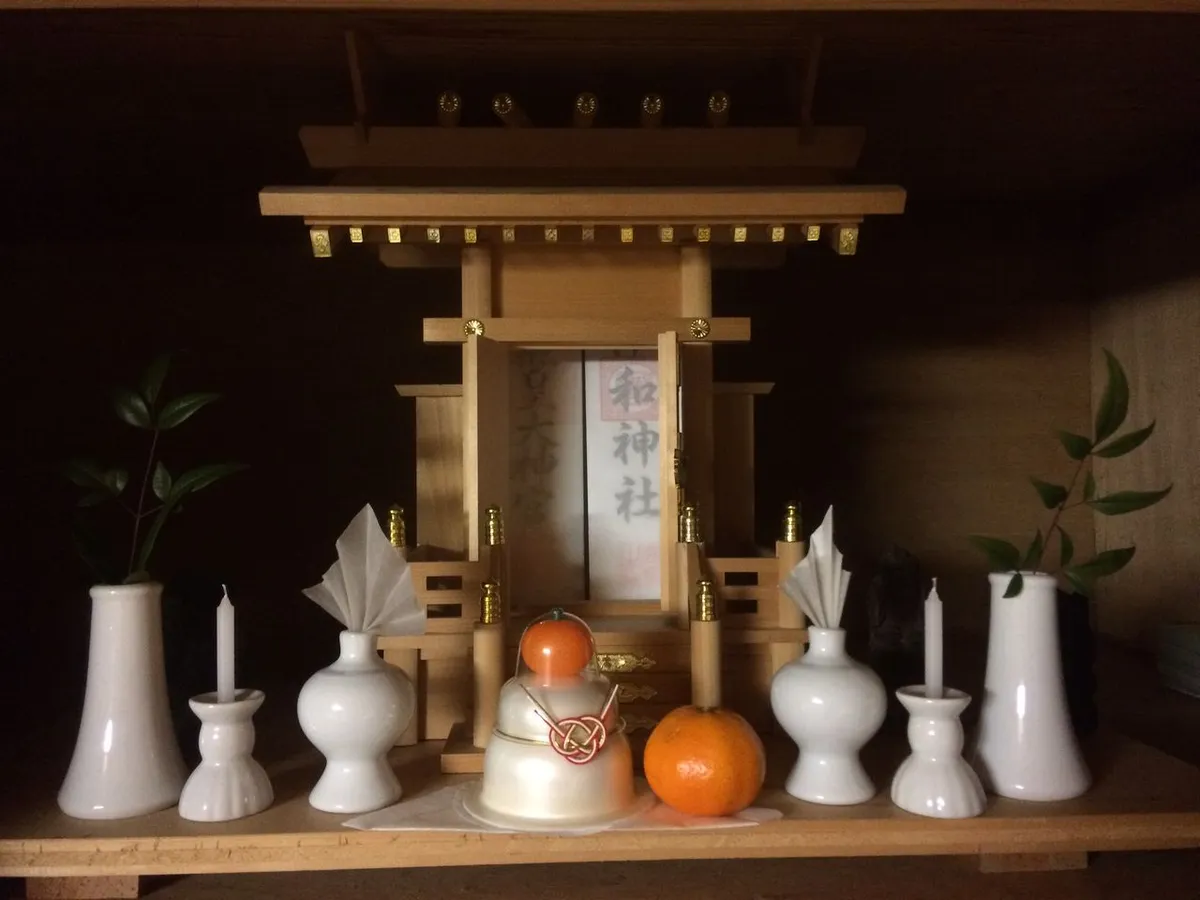
One can observe mochi cakes on the God shelf of the Japanese being offered as sustenance to the of the .

餅神棚 - Land Of The Rising Son

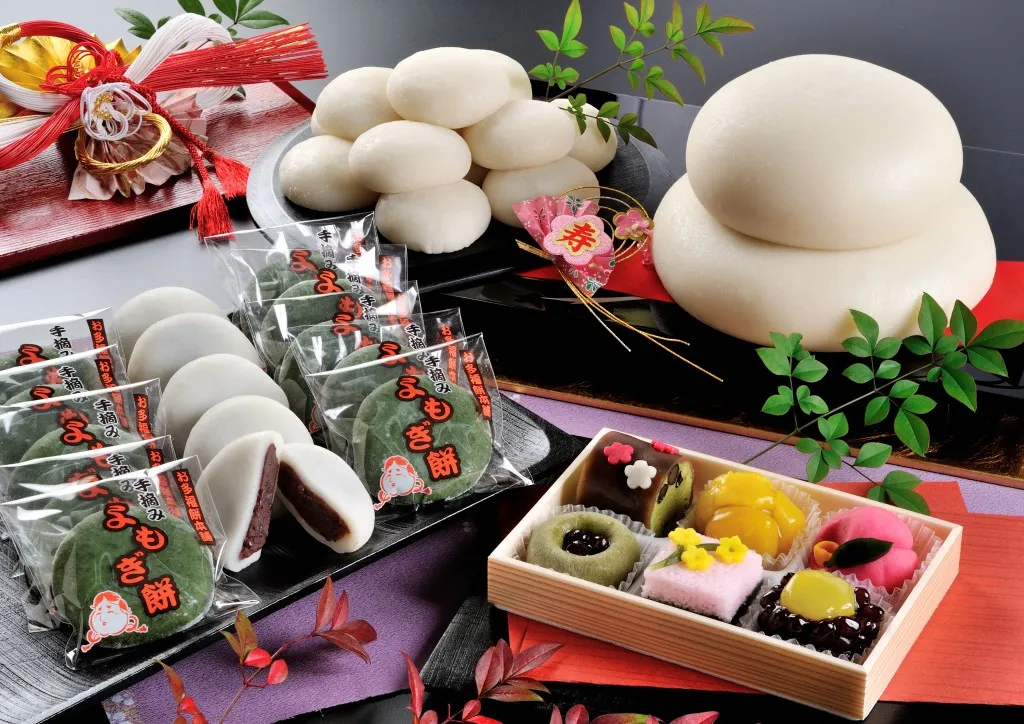
Made from pounded and molded rice dough, mochi is squishy, elastic, and creamy—ubiquitous throughout Japan—in a plethora of forms.

Typically, mochi is enjoyed around New Year, and is used as a customary New Year decoration—as well as creating the dreaded mochi-bara over the holiday.

正月餅 - Land Of The Rising Son

Living in rural Japan the opportunity often arouse to experience farm-fresh mochi cake, deep fried, with a sprinkle of soy sauce to finish.

Not for sale anywhere, one must befriend a farmer and offer one’s service to pound the rice cakes.

Then, and only then you may be gifted with a covert bag of —good luck on this quest.

かき餅出来揚げ - Land Of The Rising Son

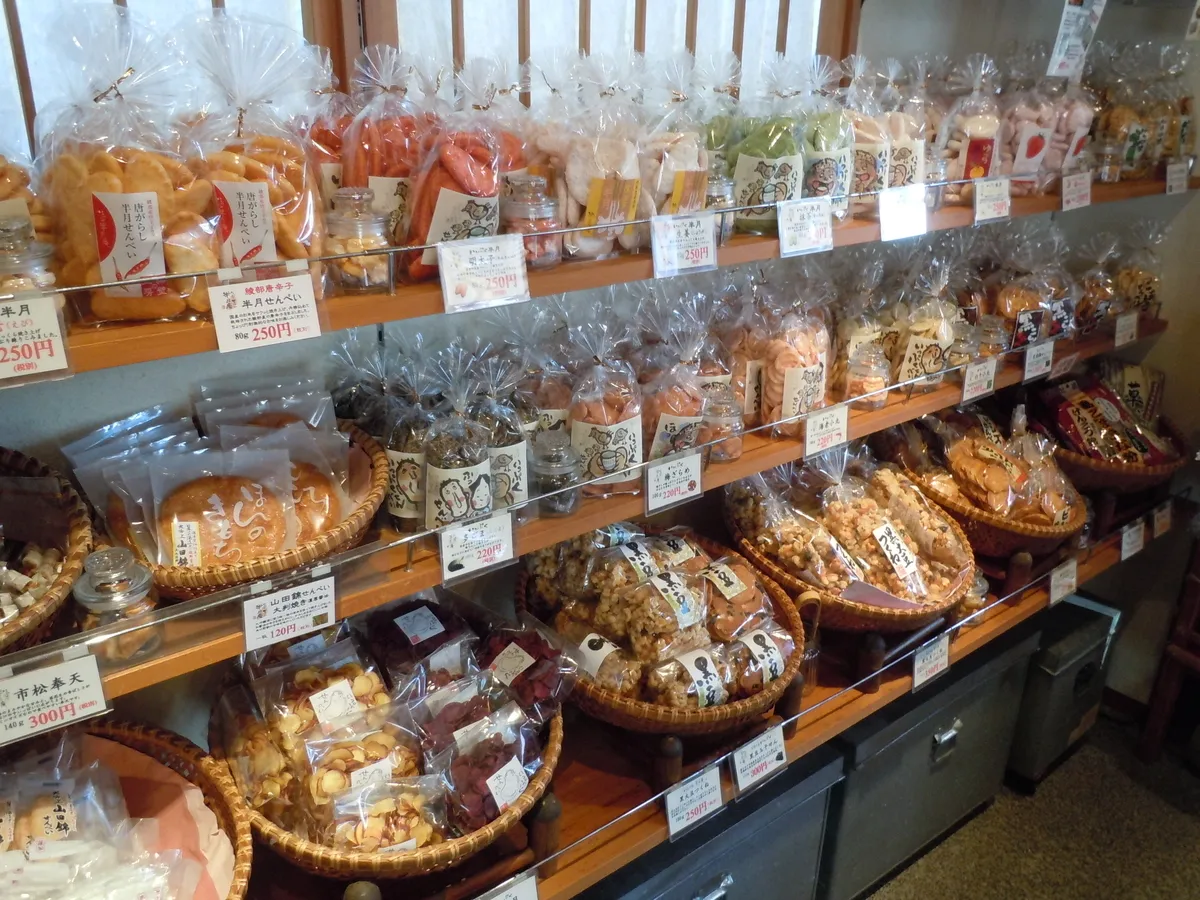
Who really needs potatoes chips when the Japanese confectionary are makers trying to out do each others all the time—with new endless flavour and mouth-feel crunch battles raging—the base ammunition being the venerated rice.

Senbei Party- Land Of The Rising Son

Often mochi is turned into sweet rice-cake treats coming in a variety of colours and flavours while offering up a slightly sticky, delightfully chewy quality.

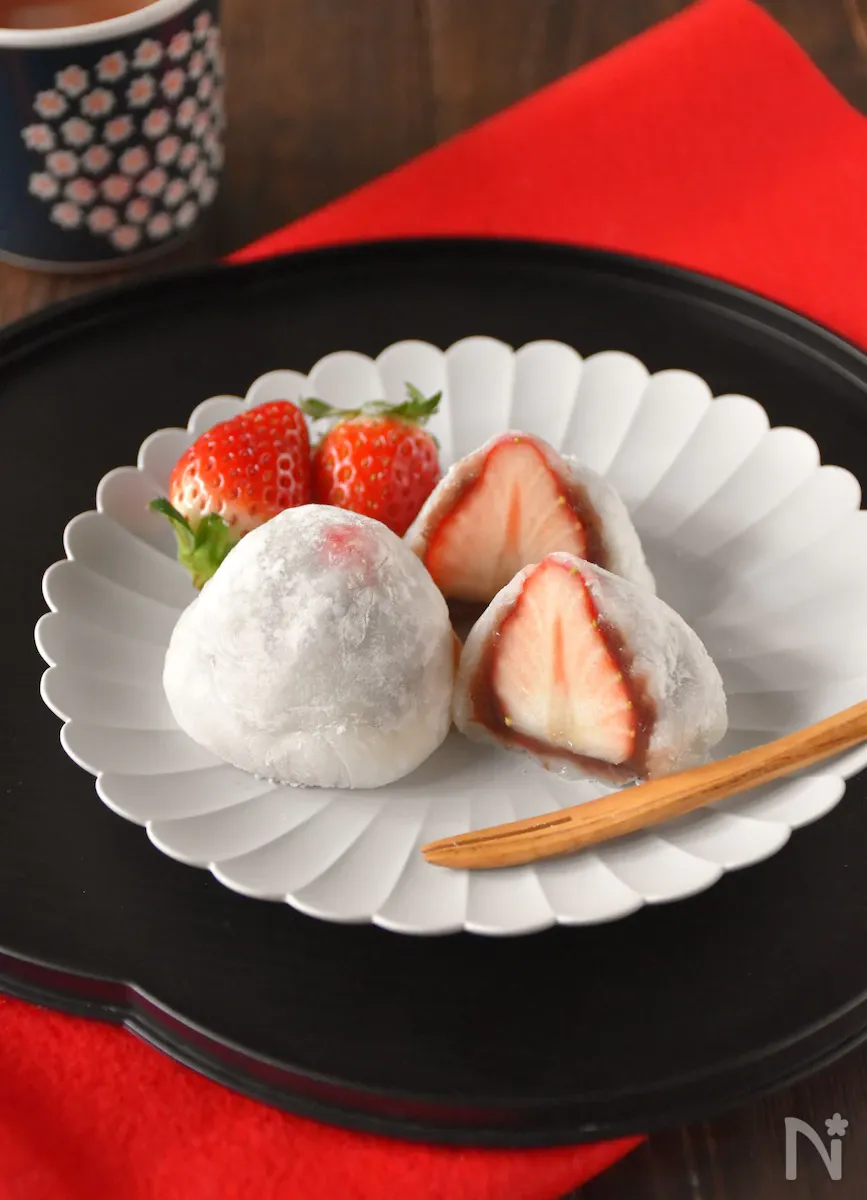
All the more wonderfully so, mochi is highly versatile, malleable into many forms, such as stuffed mochi treats called daifuku.

大福 - Land Of The Rising Son

These tender morsels are impregnated with sweet fillings such as anko, or, even better still—and when in season—juicy deep-crimson strawberries—directly from the farm—in what can only be described as one of the most extraordinarily delight mouthfuls of wonderment ever to be experienced since the day of entering into earth’s atmosphere.

Strawberry Mochi Delight - Land Of The Rising Son

There are the ever vibrant green kusa mochi, made with yomogi (Japanese mugwort) that’s kneaded into the dough—presenting an earthy-leafage flavour—luscious.

草餅 - Land Of The Rising Son

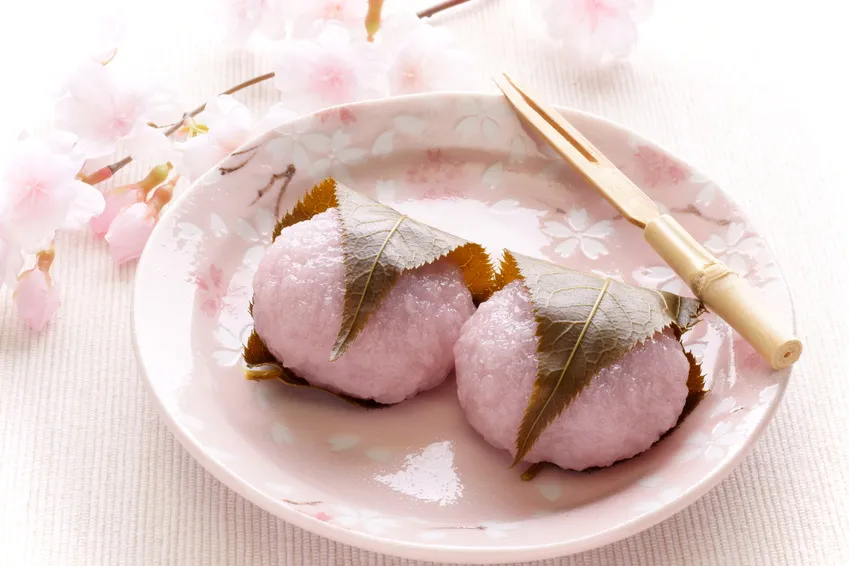
Truly it is always a delight when the sakura mochi season rolls around, just in time to view the cherry blossoms in the hanami season.

These delectable treats are stuffed with anko, dyed pink, and wrapped in a pickled cherry blossom leaf—succulent!

桜餅 - Land Of The Rising Son

Who would have thought something as plain as rice could be the foundation for an entire segment of Japanese food culture.

Remember as one wanders through the nooks and crannies of Japan—keep the eyes peeled for unusual delectable delicacies sprinkles throughout the shops of .

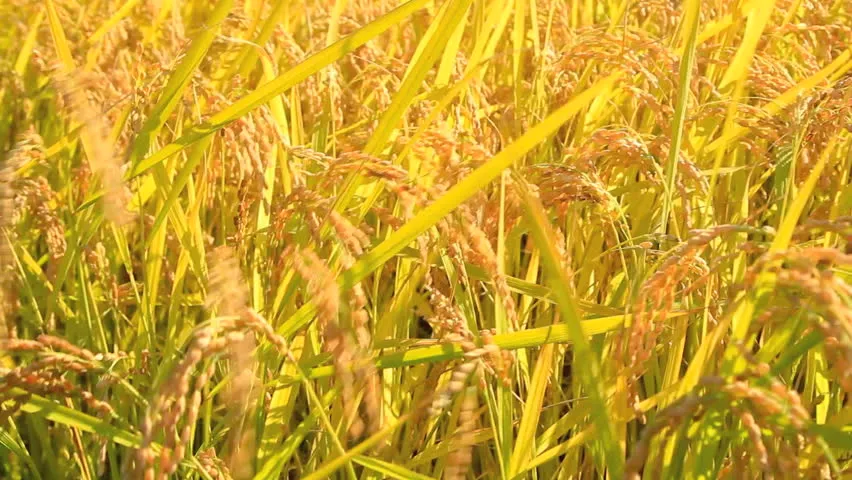
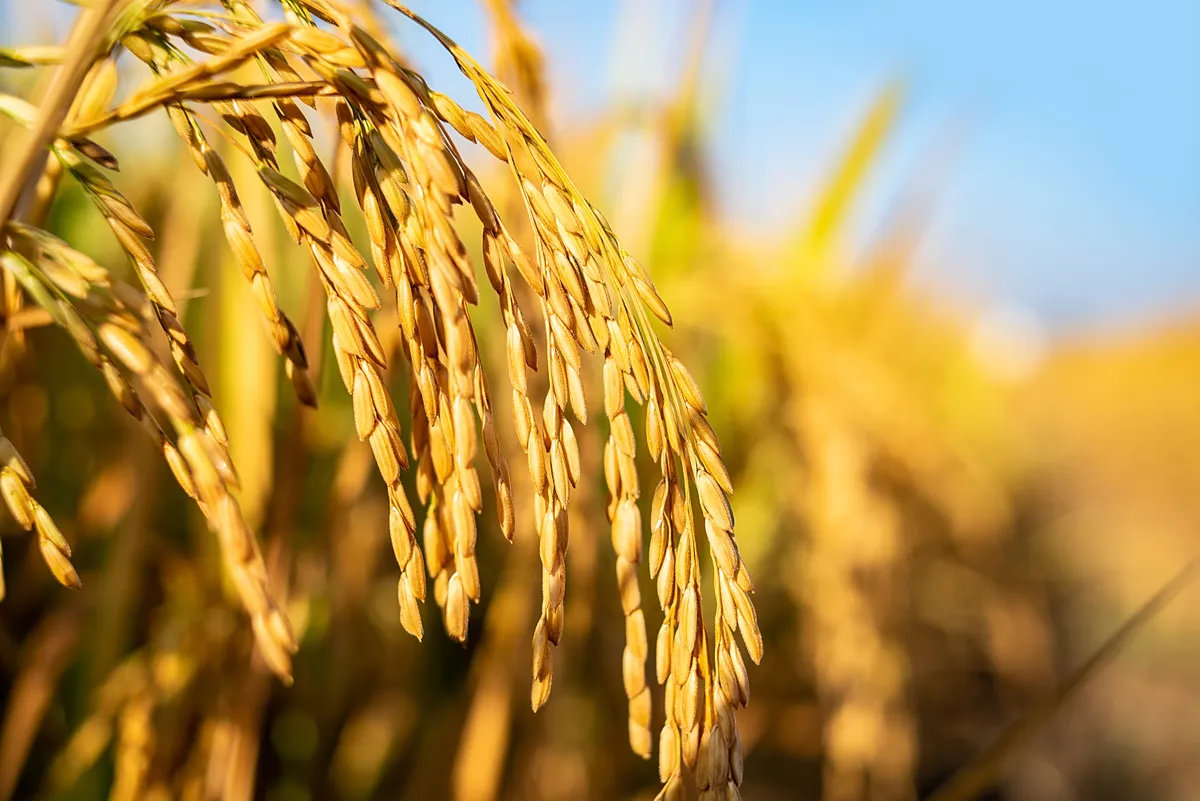
Golden yellow rice ear of rice growing in autumn paddy field - Land Of The Rising Son

Mutual Dependency

Mutual Dependency

Mutual Dependency

Mutual Dependency

There are three principal factors formulating the psyche of the Japanese.

1. Japanese history of isolationism
2. Crowded conditions due to geography
3: Japanese language itself

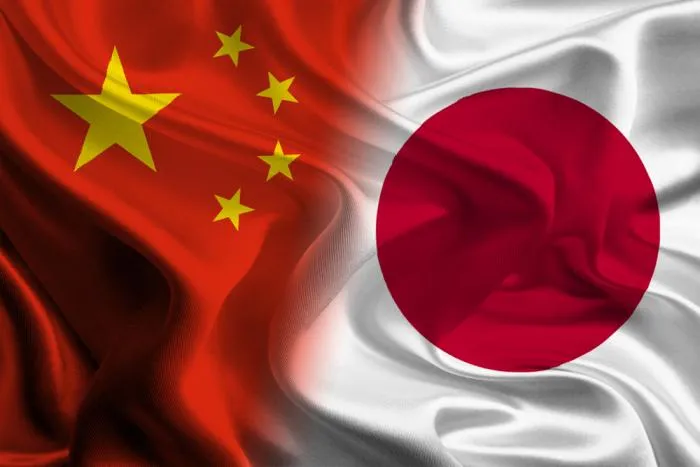
Historically, Japan has a deep cultural connection with China—based upon shared Confucius values—the fundamental values of stable society shared by all Asian nations.

Japan and China - Two nations growing upon the foundation of Confucianism - Land Of The Rising Son

However, the Tokugawa rule, beginning in 1603 was the start of the isolationist protocol.

This led to almost complete isolation from the rest of the world until the black ships of Commander Perry of the USA came to “open up ” in 1853.

Imaging for more than 250 years Japan was totally cut off from almost all foreign stimulus.

鎖国 2.0 - Land Of The Rising Son

It was during this period of isolation (Edo 1603 to 1867), where the Japanese developed many of its modern social and economic structures.

Furthermore, a distinct society and culture with no equal in terms of group cooperation blossomed under the watchful eyes and razor sharp blade of the Tokugawa Shogun.

For certain, the organisational features developed over the 250 years of isolation remain a distinct characteristic of Japanese society today, regardless of the profound changes experienced in the twentieth century.

distinct characteristic of Japanese society - Land Of The Rising Son

Most of the Japanese are packed together in big cities where their highly complex social skills developed—this is a phenomenon of a society based upon mutual dependency.

A mutual dependent society is one where there is great interdependence between all members of a group, and an abundance of moral and social obligations both vertically and horizontally.

日本ネットワーク - Land Of The Rising Son

Naturally, this all begins at birth.

The separation of a child from the Western parent start in earnest from birth, as the babies are soon separated from their mothers and put in a separate room.

Here, the Westernized children quickly develops an initiative of their own and gain early experience in problem solving.

Caucasian baby escaping the crib - Land Of The Rising Son

Perhaps this can also be considered an “isolationist policy.”

On the other hand, Japanese children are kept close to their parents’ side day and night for two or three years.

Japanese baby sleeping with parents - Land Of The Rising Son

Therefore, Japanese children, by contrast, are encouraged to be completely dependent on the human beings close to them.

This is where they develop a sense of interdependence which stays with them for a lifetime.

This is also the beginning of one’s preordained place in the mutual dependent society of the Japanese.

The first group any child belongs to is the family, but later it becomes high school, then university, then the company.

全員社員写真 - Land Of The Rising Son

Remember, loyalty to one’s group runs deep and strong.

For example, there is rarely job hopping, particularly in the world of large corporations, where changing companies in mid-stream is looked upon as treasonous.

Also, age and seniority have priorities in Japanese society, but also encompasses ominous obligations within these strict societal protocols, which are embedded into the Japanese language.

For instance, Japanese has separate words for elder brother and younger brother.

兄さんと弟さん - Land Of The Rising Son

Why is this so?

Since the duties of one to the other are radically different according to one’s position in the family and society, conventions and protocol must be sharply defined and adhered to.

Coming to a practical understanding of these societal conventions took many years and many tears—being able to think like a Japanese has allowed for a remarkable perspective into the psyche of the Japanese, and how they view their place in the world.

Furthermore, Japanese behaviour protocol is strongly affected by the nature of the language itself, and for certain the language(s) we speak conceptually determines one’s way of thinking.

Japanese is often described as a vague or ambiguous language.

曖昧 - Land Of The Rising Son

The vagueness of Japanese is frequently used on purpose when wishing to absolve anyone of possible blame and to demonstrate politeness.

The well-known honorific terminology in Japanese enhance this politeness, while often adding to the vagueness.

Everything must be placed in context in Japan, therefore, blunt language is much too brief and out of place as well as being considered boorish and rude.

No Japanese boss would bark out an order to “Clean up the office.”

Angry Boss - Land Of The Rising Son

They have an obligation to couch the request in a certain way such as:

“Some visitors are coming today—let’s give them the best impression of our company—perhaps we could improve the orderliness around here”—creating a layer of harmony.

会社仲間 - Land Of The Rising Son

In the mutual dependent society, the Japanese are conditioned by their exceptional historical and geographical constraints.

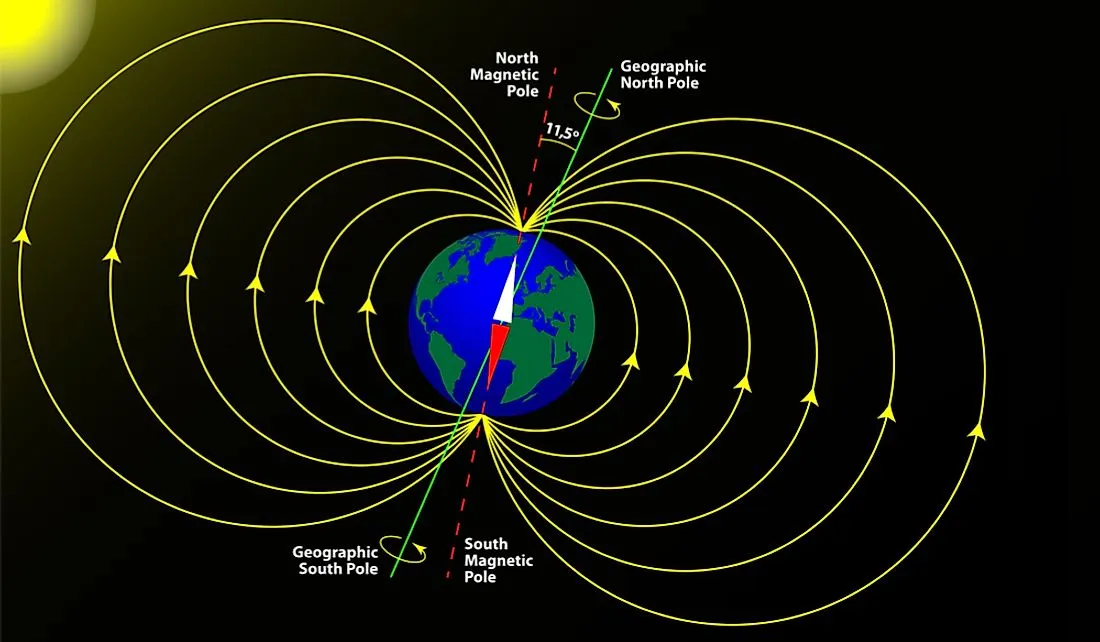
Even more so, the Japanese are held captive by their thought processes—rooted in the ancient esoteric language of Japanese—in which one could accurately say—is the polar opposite of the others.

Opposite poles of the language spectrum - Land Of The Rising Son

Way-Station No. 9

Way-Station No. 9

Way-Station No. 9

Japan is the last stop before exiting the atmosphere of Mother Earth to reside as a God—one foot in this material world—the other in Nirvana.

Nirvana is a Buddhist term embodying the transcendent state.

In Nirvana, there is neither suffering, desire, nor sense of self—a place where Gods hang out.

Keep in mind—within indigenous Japanese mythology (Shinto)—all who pass from this particular world to ΩNE become a —venerated by descendants of the .

ロレンス氏神の神棚 - Land Of The Rising SonThe tenet in this pragmatic Shinto wisdom indicates the newly departed as embodying their worldly personality traits in the land of the dead.

Also, keep in mind—the emperor of Japan is a descendent and current representative of the Sun Goddess Amaterasu.

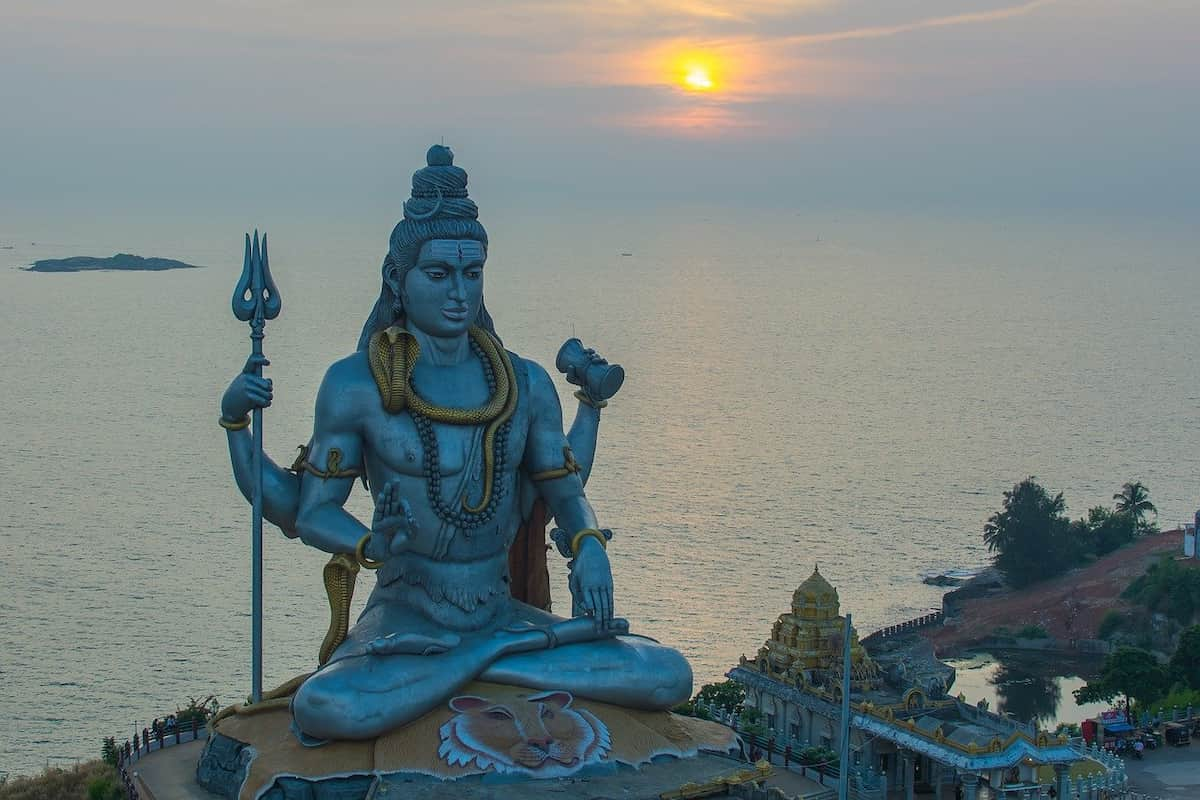
This fundamentally puts the currently living Japanese emperor (Naruhito) in the same status as the idol of Christian worship, as well as the other plethora of Gods and their images worshiped by the faithful throughout the globe.

Shiva - Land Of The Rising Son

Moreover, the Japanese exhibit breathtaking flexibility with the notion of all becoming god upon death and the memory of the departed will truly be a reflection of the life lived—good and bad—the full spectrum in between—and the lives they touched are molecular imprints lasting for infinity.

10 Iconic Japanese Gods - Land Of The Rising Son

So, why Japan as the last stop on Earthly paradise before the final departure into Infinity—also known as

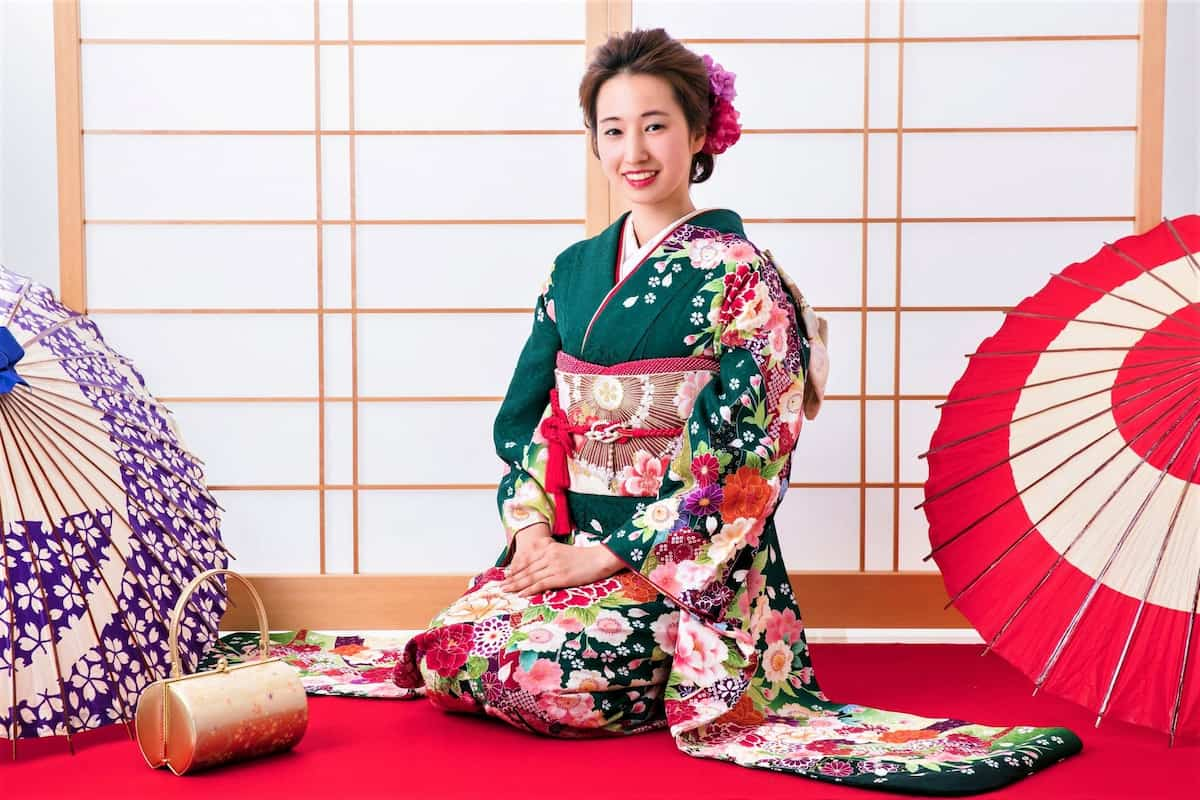
First and foremost, the Japanese people themselves and the society created over millennia.

Traditional Japanese Lady - Land Of The Rising Son

Many people have often asked over the decades—why remain in Japan?

The stable and peaceful society the Japanese have built after the severe growing pains of industrialization remains the exemplarily model for all societies to follow with a key element of Japanese society embodied within the word chitsujo.

秩序

There is no direct concept in the Anglophone world as the notion of chitsujo has developed over the millennia of Japanese community evolution.

Roughly translated as “order,” chitsujo is commonly used when referring to a harmonious society with social order.

Emphatically, social order is one of the sacred tenet immortalized in the original Japanese constitution written in the Asuka period (CE 604) by Shotoku Taishi.

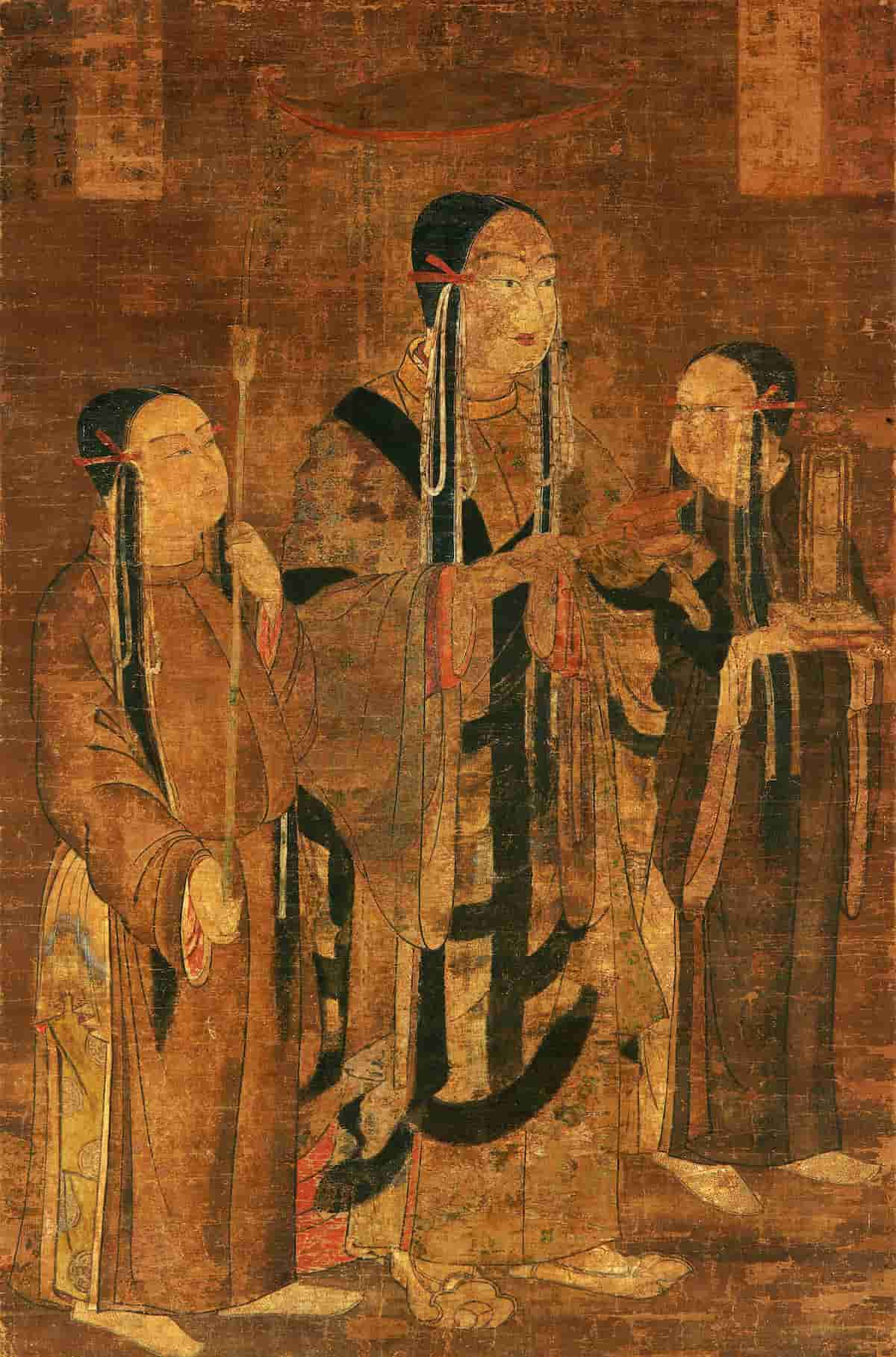
Prince Shotoku with Attendants - 13th century - Land Of The Rising Son

Chitsujo is also an integral component of the core Japanese system of ☀︎☀︎.

This has lead Japan to the peaceful and prosperous nation of today, which can be held up as a model society to be emulated and commended for overcoming insurmountable obstacles—including the unprecedented nuclear cataclysm event perpetrated by the Anglo-American empire upon countless innocent Japanese civilians just a few short decades ago.

Hiroshima Devastated by Atomic Bomb - Land Of The Rising Son

Viewing the outside world from the comfort of rural Japan, it seems that more now than ever, so many other countries could use a health dose of chitsujo to alleviate the suffering of the general population.

Any day is the right day to do one’s individual part creating chitsujo in the neighbourhood and larger community— living in this world the way it has been constructed—creating a world of emerging neo clans and Civilization Three.

ΩNE World Civilisation Three-Land Of The Rising Son-Japan

Uniqueness

Uniqueness

Uniqueness

Uniqueness

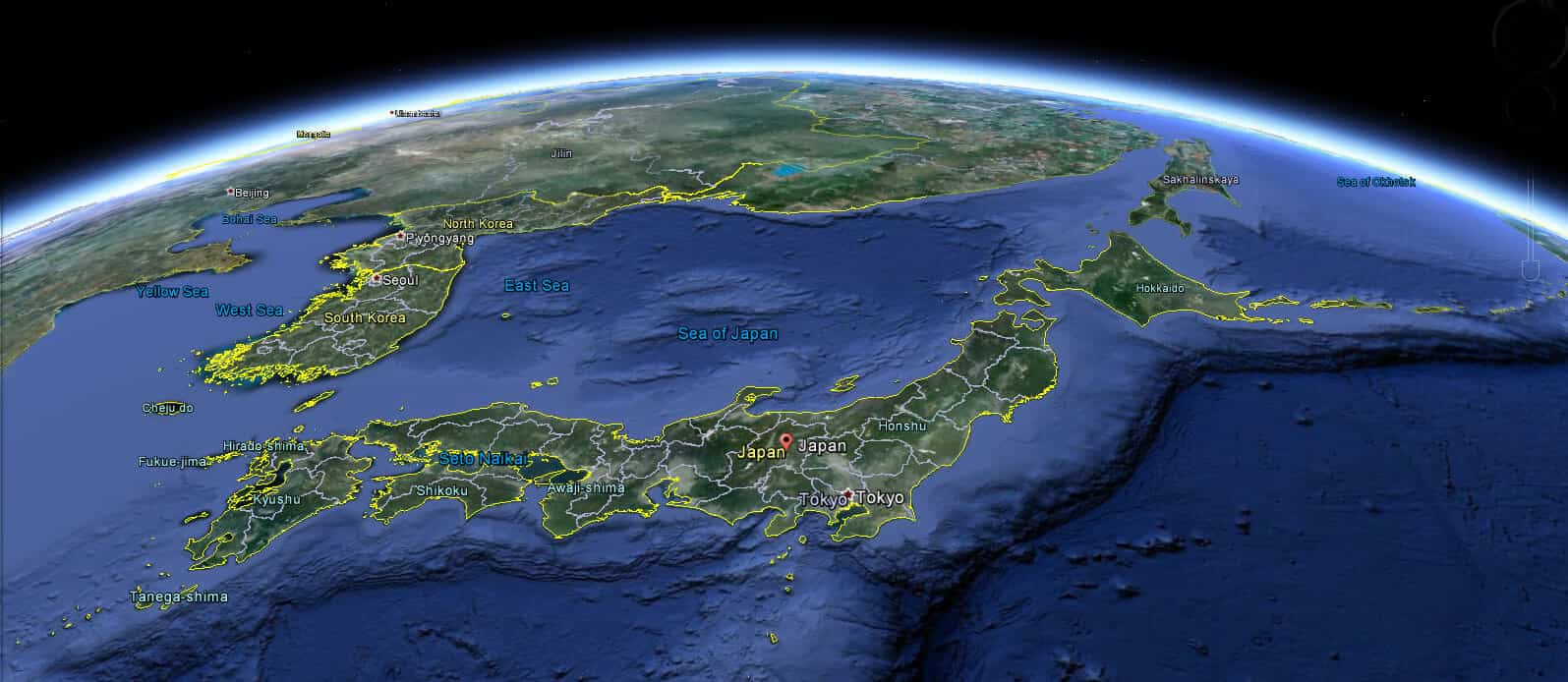
The Japanese have existed on a series of small volcanic islands over millennium, formulated in the way of Kata:

☀︎☀︎

Over the centuries, ordinary Japanese were rarely exposed to other ways of life or thinking.

Nor have the majority of modern Japanese experienced any other way of life except life within the cloistered world of Japan.
This naturally leaves the Japanese acutely sensitive to deviations from the Japanese way of doing things, especially in the light of the severity of Japanese history, and the mandated ☀︎☀︎.

Samurai Executing Prisoner - Land Of The Rising Son

The constricted evolution of the Japanese has contributed significantly to their developing especially strong feelings of being unique in the world—a feelings of uniqueness which still persist today—influencing the behavior of the Japanese toward the others—sometime in a negative way.

In light of this evolution the Japanese will often refers to themselves as:

shimaguni konjo
島国根性
island country mentality

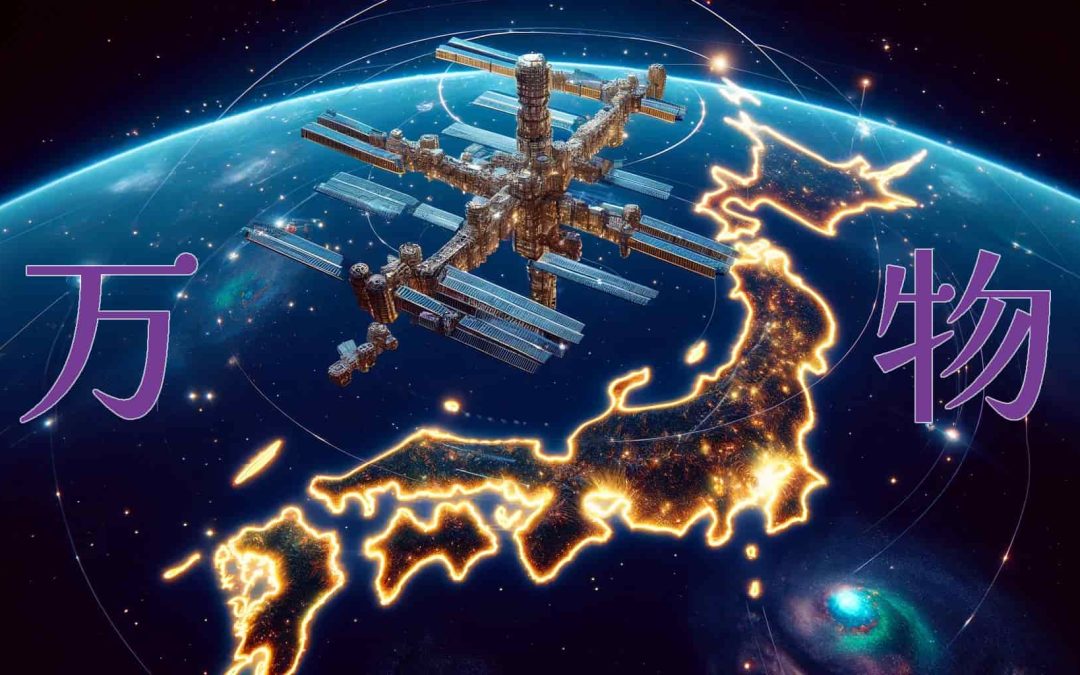
Satellite Map of Japan - Land Of The Rising Son

It very difficult, if not impossible for ordinary Japanese to relate to non-Japanese—as for the most part, the Japanese do not speak a second language—nor do the majority of foreigners speak Japanese to any meaningful degree.

Moreover, the Japanese are innately averse to contact with those from outside their circle and this goes to include other Japanese as well.

Proof in pudding.

Proof - Land Of The Rising Son

Chit chatting to my local friendly farmer, one pointed to the sole neighbourhood restaurant mentioning the owner move here from Tokyo.

To which he replied:

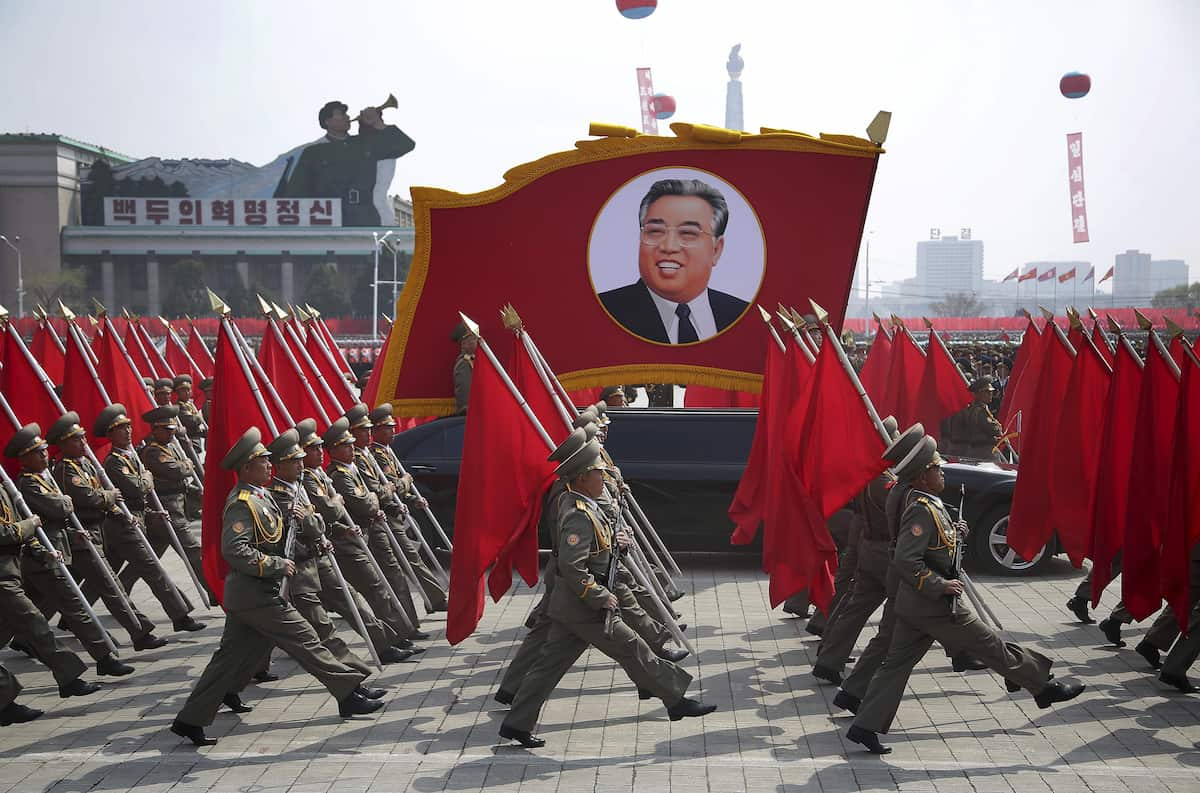
“That idiot is not Japanese, he is a North Korean,” which is considered a grave insult when used on a Japanese citizen.
North Korea military parade - Land Of The Rising Son

Indeed, the local friendly farmer was not so welcoming or amicable to this Japanese outsider—nor did any other neighbours in this rural town consider the new face on the block from Tokyo as anything but an outsider and unwelcome.

One could actually say in general the Japanese are unique in their uniform suspicion of all outsiders.

村八分 - Land Of The Rising Son

Who would have ever thought that some as simple as fish could be turned into such an extraordinary work of art—not only gustatorily, but ocularly as well.

Sashimi is uniquely Japanese, embraced globally, not only for the extraordinary menagerie of flavours within the fruits of the sea, but in healthy eating protocol as well.

One can only wonder in amazement at the mind it takes to look at ordinary fish in its natural state, then visualizing it into something remarkably marvelous—such as one of the three power pillars of flavourful happiness—sashimi moriawase—oshinko moriawase—rei shu (chilled rice wine).

刺身船 - Land Of The Rising Son

If one would like to truly understand Japanese society on a deeper level while exploring deep inside the nooks and crannies of the Japanese spirit—it’s time to hit the books.

Kanji in context - Reference Book - Land Of The Rising Son

Upping one’s own language ability, no matter from where one may have started in the Japanese language journey is the key to a success living among the Japanese.

After a period of time and reaching a certain communication level, life in Japanese society is routine, if not somewhat mundane.

Nevertheless, one’s pink shinny face serves as a daily reminder—regardless of the depth of one’s Japanese language skills, there is always much farther to go.

All the while, in the attitude of gratitude, reminding oneself how fortunate to be living here in the Land Of The Rising Son, among the Japanese, as one is reminded along each step of one’s own Way.

Japan—speak Japanese—do as Japanese—be Japanese

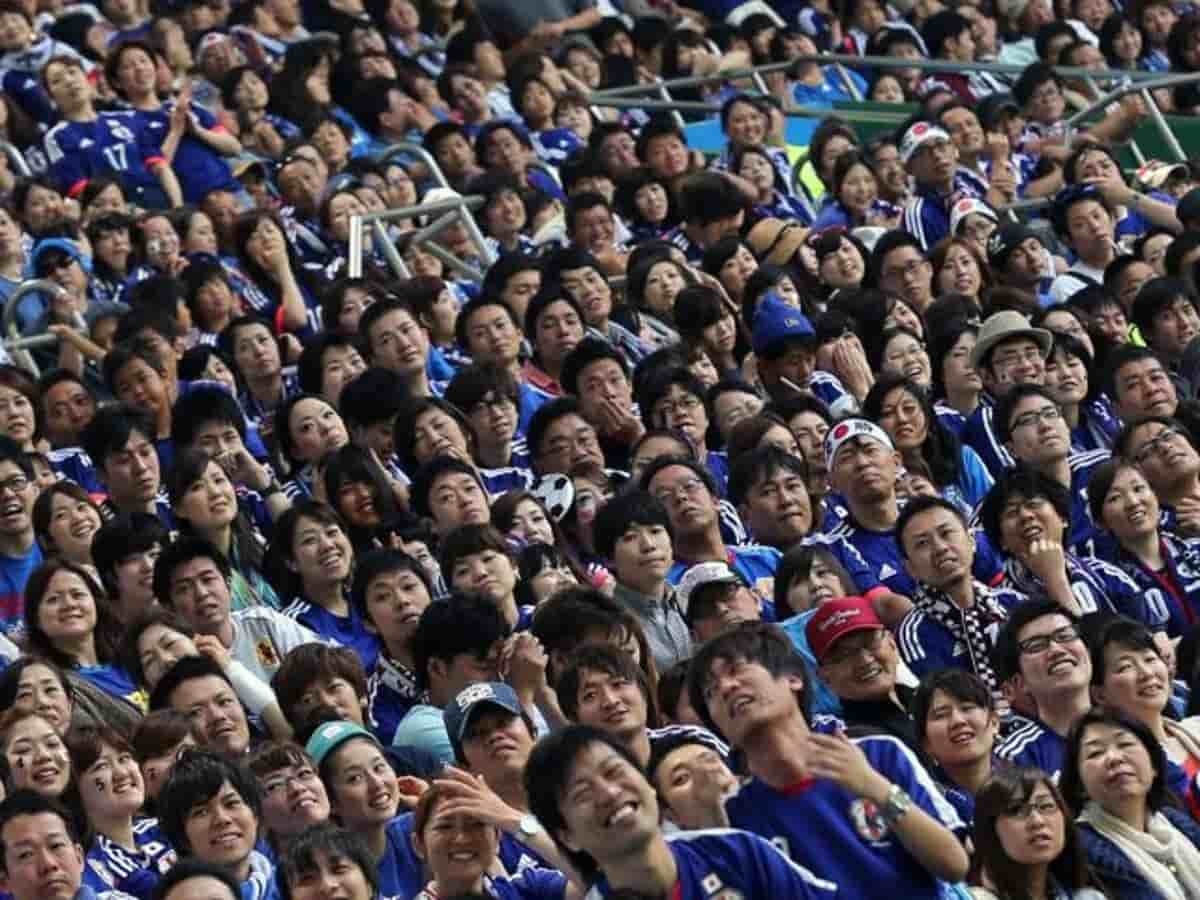
Japanese fans cleaning up the stadium after soccer match - Land Of The Rising Son