Chopsticks and Fork

Chopsticks and Fork

Chopsticks and Fork

The Chopsticks And The Fork

When looking at the difference between occidental and Japanese eating style, I am always struck by the contrast. 

Picture a participant using knife and fork with the quivering and seared flesh firmly pinned down by the fork, the participant then saws off a large hunk of meat, raises the trident-like utensil, and then forks the flesh into the participants gapping maw. 

SteakWithFork

On the other hand, in Japanese style dinning, the meat is already portioned into bite sized pieces. One takes the chopsticks, chose the perfect morsel, elegantly pinches the food and then flows it gracefully passed one’s lips. 刺身と箸

The concept around eating is fundamentally different between cultures and is reflected in the utensils, or lack there of, used to eat. 

In the traditional occidental style, one has their entire meal on a plate and tend to be consumed over a short time period with the focus on consuming the meal as opposed to socializing.

In contrasts, the sense of community when taking meals is much more prevalent here in Japan. For example, when sharing a plate of raw fish, everyone picks from the same dish. Evening meals tend to be drawn out and the eating and drinking over a long period. 

Chopsticks protocol plays an important role in the spiritual realm of the Japanese as well, in particular concerning dearly and recently departed relatives.

Make sure you observe these important chopstick protocols when you are in Japan. or in front of Japanese people anywhere, and you can avoid having them look upon you as a barbarian.

First of all, never take food directly from someone’s chopsticks to your own chopsticks. 

This kind of chopstick action evokes an extremely solemn Buddhist funeral ceremony protocol, where the bereaved family gather around the recently cremated and dearly departed. The family gathers on either side over the skeletal remains of the newly cremated ancestor. At the head, there are two special sets of chopstick. The relatives then take turns two-by-two using the chopsticks to take a piece of the bone together and place it in the urn at the head of the deceased. ChopstickToChopstick

I observed the finishing where the bones were capped with the top of the skull and then pushed down making a scrunching sound. Grandfather’s glasses where then placed on top of that and the urn sealed and then wrapped up in a box with a neat bow.

The take away: Do not take any objects or food from another person chopstick directly.

Also, make sure not stand one’s chopsticks in a bowl of rice straight up.

When giving an incense stick to the recently departed, there is a special picture of the deceased, and a bowl of rice before them. There is a pair of chopsticks sticking straight up this bowl of rice.FuneralPictureFrameChopsticksStickingStraightUpInRice

Make sure NOT do this when “resting” your chopsticks at your Japanese relatives house, or anywhere for that matter, for you will be looked upon as a vulgar savage who stinks of butter.

Always keep in mind pointing ones chopsticks at someone, or waving them around while talking is extremely poor etiquette, and should be avoided.

Imagine what it looks like if you were pointing at somebody with your knife and fork while talking? 

I remember my father after coming back from Japan in 1969, he brought the family chopsticks and chopstick rests as a souvenir (My Fathers Hats Came Back To Japan Blog Here). 

He told us, “I was taught how to hold and use chopsticks properly by the general manager of Datsun”.

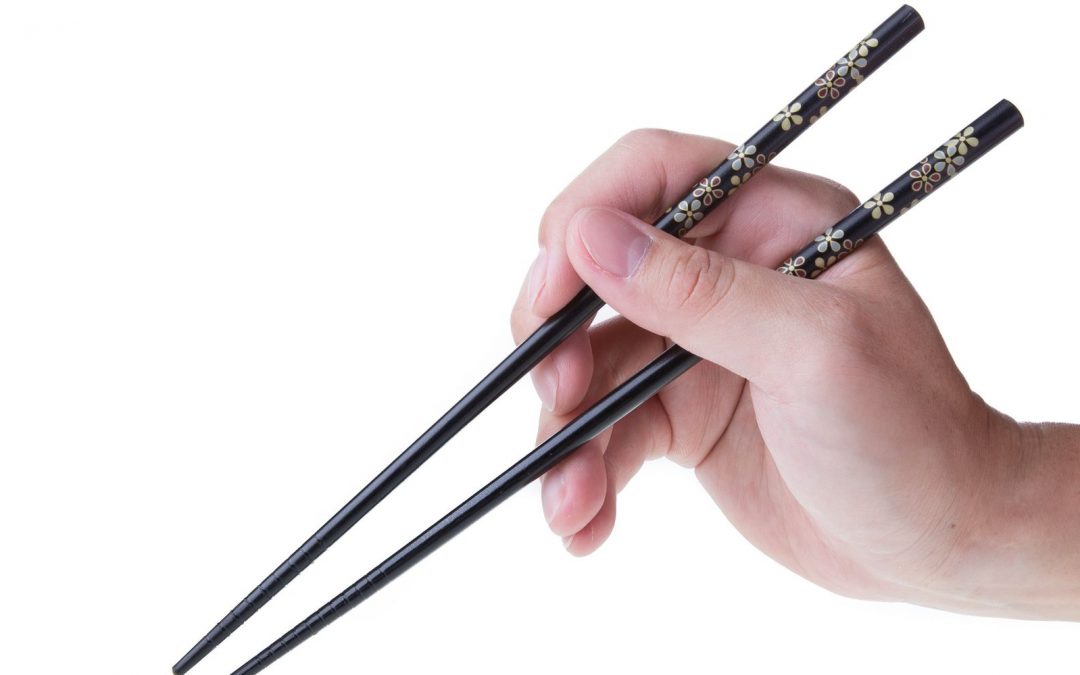
He then showed us the proper way to use chopsticks: I have been using chopsticks since I was six.How-to-use-chopsticks

I get a chuckle when the Japanese complimenting me on my chopstick technique, that even after living here for over three decades, people still say to me, “oh my, your chopstick technique is very very excellent”, to which I bow my head slightly and reply, “and your fork technique is equally extraordinary”. 

Learning proper chopstick technique and etiquette is highly recommended before visiting Japan, or anywhere in Asia, in fact where these versatile utensils may be used.
Japan and the Shackles of the Past, by Emeritus Professor R. TAGGART MURPHY

Japan and the Shackles of the Past, by Emeritus Professor R. TAGGART MURPHY

Japan and the Shackles of the Past, by Emeritus Professor R. TAGGART MURPHY

Japan and the Shackles of the Past, by Emeritus Professor R. TAGGART MURPHY

Having lived in Japan for over three decades, one has come across many facinating books about Japan. 

Perhaps the most valuable book until now is called: Japan and the Shackles of the Past, by Emeritus Professor R. TAGGART MURPHY.

japan and the shackles of the past

Professor-R-TaggertMurphy-HeadShot

Published in 2014, this splendid book answered so many of the questions about Japan and this society, even when having lived here for decades.

If one needs a good place to start, Shackles of the Past is the top of the list to start one’s own journey into Japan and this extraordinary society.

Being such an exceptional work on Japan, I sent Japan and the Shackles of the Past to one of the most influential podcasters in the world; the creator of Hardcore History, the visionary Master of story-telling, Dan Carlin.

Dan Carlin has an incredible series of podcasts called; Supernova In The East, and focuses on Japan and the Pacific during the Second World War.

By the way, part 6 the final segment was released on June 9th, 2021.

Dan Carlin does a remarkable job and his commentary is always objective and fair.

I strongly recommend the extraordinary Dan Carlin’s Hardcore History.

Listening to the first podcast in this series, I was tickled to hear him making references to Japan and the Shackles of the Past in his inaugural podcast of the Supernova In The East series.

Here is an overview of Japan and the Shackles of the Past:

Japan is one of the world’s wealthiest and most technologically advanced nations, and its rapid ascent to global power status after 1853 remains one of the most remarkable stories in modern world history. Yet it has not been an easy path; military catastrophe, political atrophy, and economic upheavals have made regular appearances from the feudal era to the present. Today, Japan is seen as a has-been with a sluggish economy, an aging population, dysfunctional politics, and a business landscape dominated by yesterday’s champions. Though it is supposed to be America’s strongest ally in the Asia-Pacific region, it has almost entirely disappeared from the American radar screen. 

In Japan and the Shackles of the Past, R. Taggart Murphy places the current troubles of Japan in a sweeping historical context, moving from early feudal times to the modern age that began with the Meiji Restoration. Combining fascinating analyses of Japanese culture and society over the centuries with hard-headed accounts of Japan’s numerous political regimes, Murphy not only reshapes our understanding of Japanese history, but of Japan’s place in the contemporary world. He concedes that Japan has indeed been out of sight and out of mind in recent decades, but contends that this is already changing. Political and economic developments in Japan today risk upheaval in the pivotal arena of Northeast Asia, inviting comparisons with Europe on the eve of the First World War. America’s half-completed effort to remake Japan in the late 1940s is unraveling, and the American foreign policy and defense establishment is directly culpable for what has happened. The one apparent exception to Japan’s malaise is the vitality of its pop culture, but it’s actually no exception at all; rather, it provides critical clues to what is going on now. 

With insights into everything from Japan’s politics and economics to the texture of daily life, gender relations, the changing business landscape, and popular and high culture, Japan and the Shackles of the Past is the indispensable guide to understanding Japan in all its complexity.

ForOsamuSama

Obon: Bring Back Our Dead

Obon: Bring Back Our Dead

Obon: Bring Back Our Dead

Obon: Bring Back Our Dead

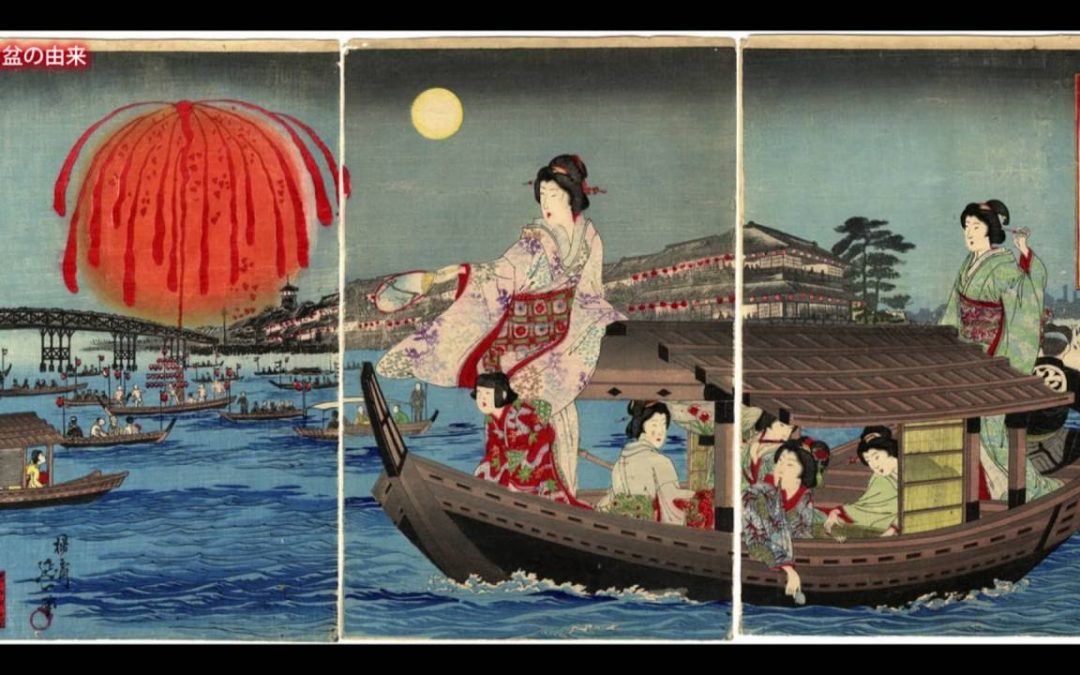
One of the most important holidays in Japan is smack dab in the middle of sticky and humid August, and this is known as “OBON”.

Coming from an occidental society, I thought these custom to be strange at first, but as I came to understand more and more about the meaning of OBON, I found the concept deeply fascinating as I do many things here in the Land Of The Rising Son.

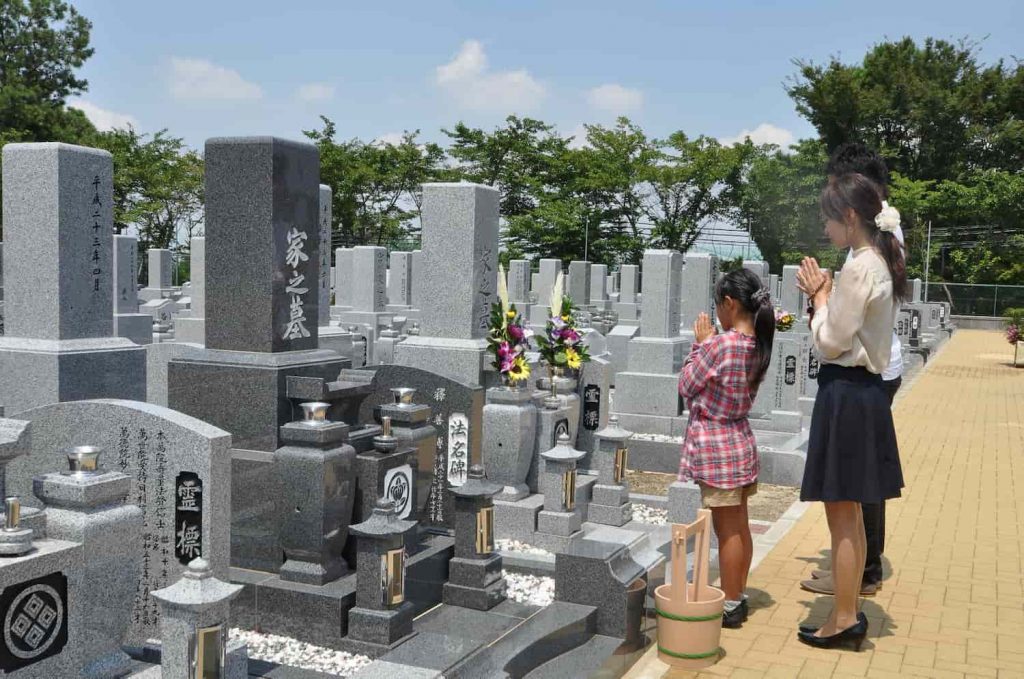
The Japanese worship their ancestors, which is also common in many other Asian countries. For example in Cambodia, I found a high correlation between the Cambodians and Japanese in regards to their ancestor worship belief systems.お墓The Japanese traditionally return to their hometown (furusato or kokyo), in which they still feel a deep attachment, unlike what one may think about their own hometown when looking at it from an occidental perspective. 
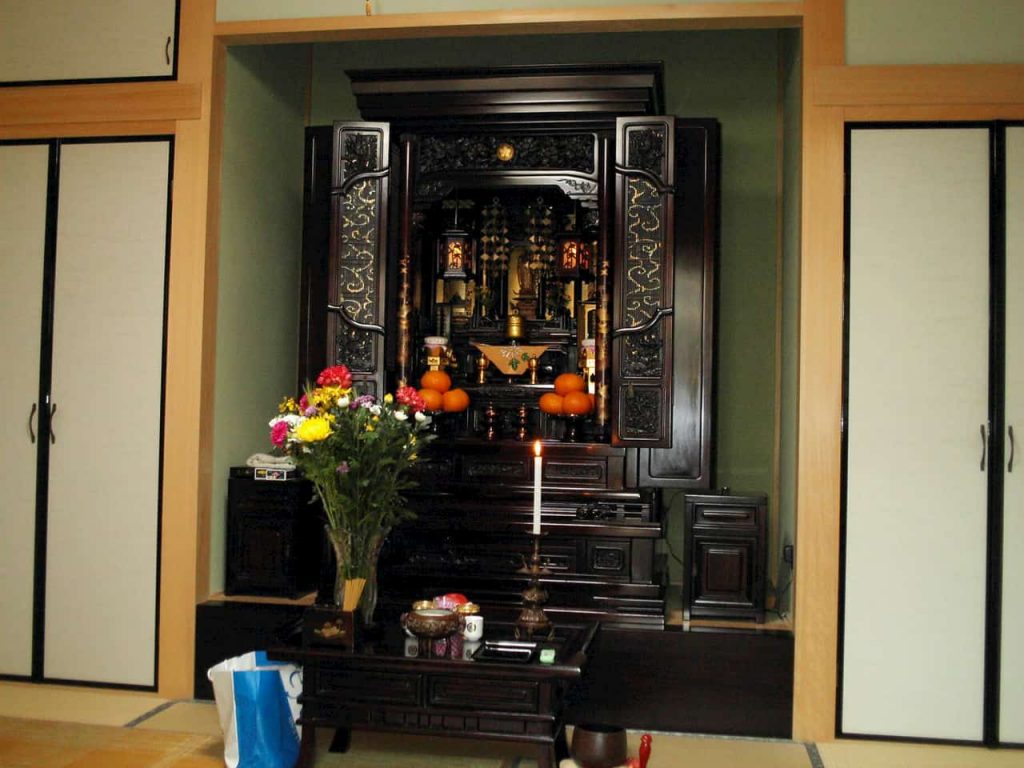
There, the souls of the ancestors are brought back from the family graveyard to the ancestral home, where they are celebrated with food and sake offerings upon the family altar, for which their spirit will reside during this three day festival.仏壇The descendants will offer incense upon the alter as they pray to their ancestors, thanking them for their sacrifice and perseverance. 
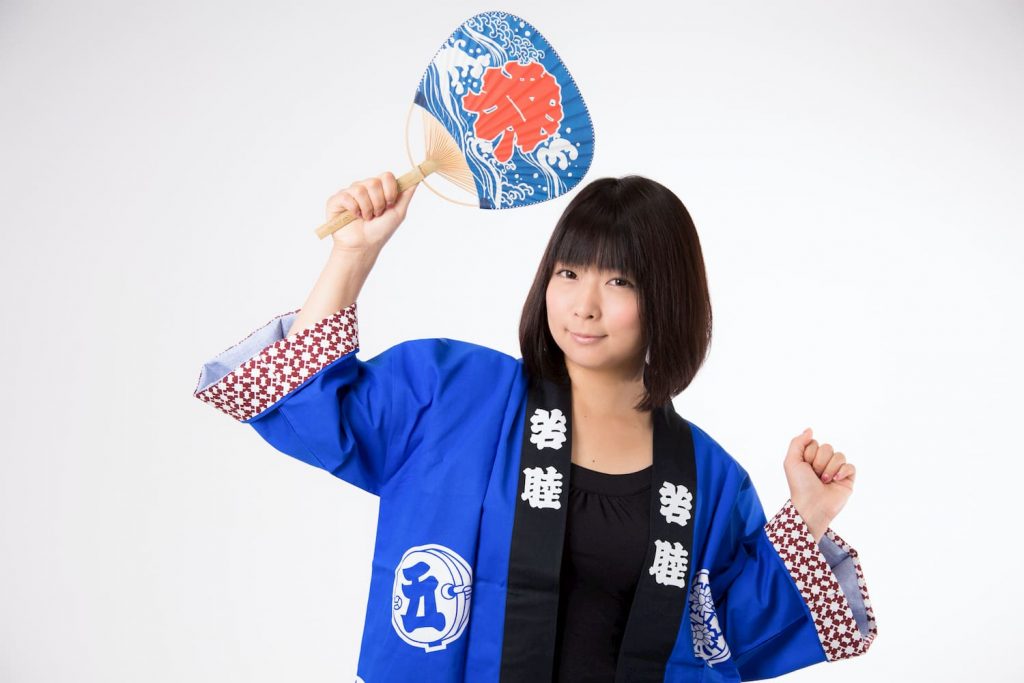
Culture point: Remember never to blow out the incense you are about to offer to your ancestors, you must wave them in the air to extinguish the flame, blowing them out like a birthday candle is extremely poor etiquette.

I recall, when visiting someone’s ancestral home for the Obon holiday, the children of the neighbourhood dressed in happi coats and fundoshi, would go to each door and pounding the taiko and chanting for the ancestral spirits of the household. Obon traditions vary from region to region and this particular unique experienced occurred in the rural hinterland of Ibaraki prefecture.ハッピThere is also exquisite dancing during this period know as “Bon Odori, which dates back some 600 years. It is during this dancing where the ancestors and the sacrifices they made for us are remembered and appreciated. 盆踊り-02
I truly believe if you worship anything, it should be your own ancestors, who, by virtue of you dear reader reading this post, persevered under extraordinary circumstances to pass their DNA along to you. Now this is something to really be thankful for, don’t you think so?

Why not celebrate one’s own ancestors and the unique heritage right here and now. 

You can reach out to your elderly, who are sooner rather than later going to become one’s ancestor. You can tap into their depth of experience, while you still have time to share with them in the flesh. 

I’d like to give a shout out to my ancestors on both my occidental and Japanese side, for persevering and passing their incredible gift along; one’s one and only life. 

Bonus: I wrote a blog about how the Japanese view death.

https://landoftherisingson.org/how-the-japanese-view-death/

Here’s how to dance Bon Odori

Forgotten Samurai: Onna-bugeisha

Forgotten Samurai: Onna-bugeisha

Forgotten Samurai: Onna-bugeisha

Forgotten Samurai: Onna-bugeisha

While most Japanese women were subject to rigid social expectations of domesticity, onna-bugeisha women warriors were known to be every bit as strong, capable, and courageous as their male counterparts.

It never ceases to amazing me, some of the long forgotten stories in Japan.

I also find it very curious that something as extraordinary as the history of the onna-bugeisha was almost relegated to forgotten annals of history.

Fortunately, many of the stories of these extraordinary women have been found, and we can now see the fantastic tales of bravery and sacrifice of these female warriors.

Indeed, even the Japanese when asked if they know of the onna-bugeisha, one will more often than not draws blank stares.

Try it with your Japanese friends, ask them if they know of the onna-bugeisha.

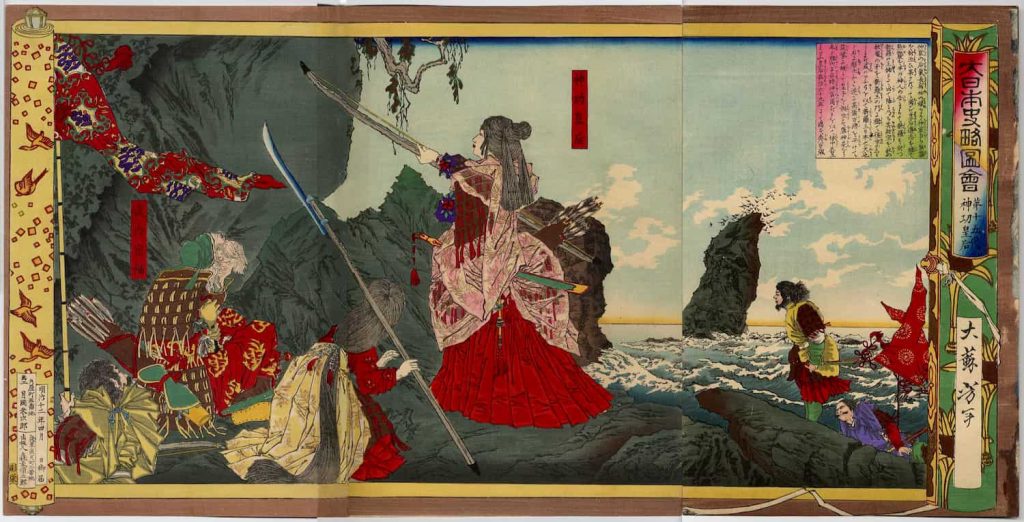
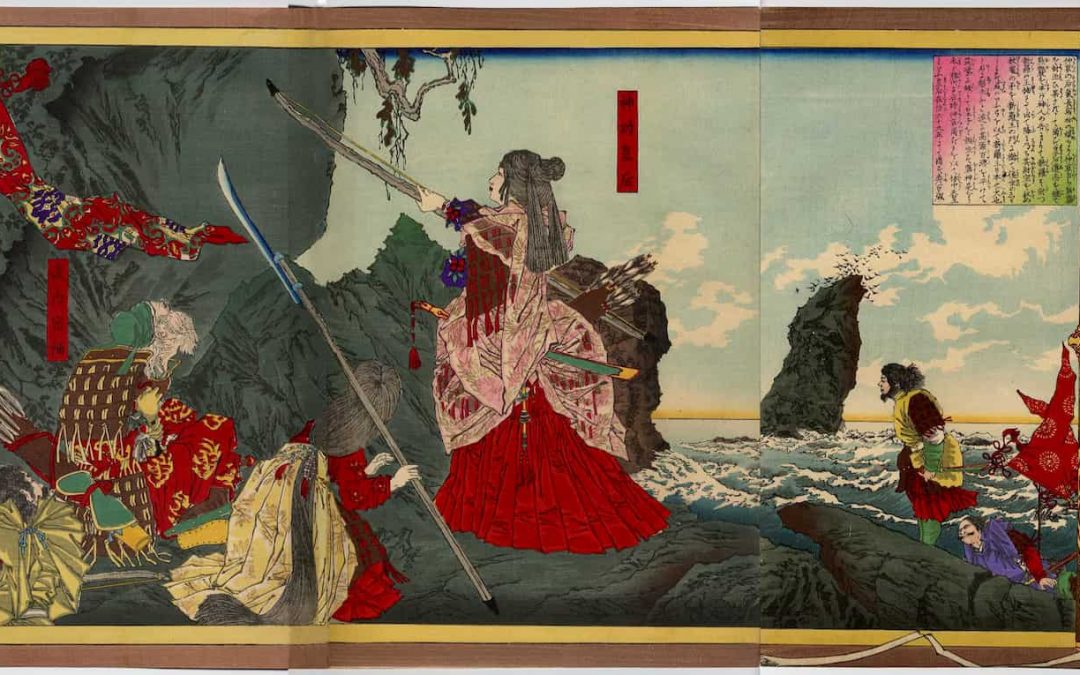
One could say the very first onna-bugeisha was Empress Jingu, who reigned over Japan 201 to 269 CE.EmpressJinguInKorea-01The onna-bugeisha learned to use naginata (polearm sword), kaiken (20-25 cm dagger), and the art of tantojutsu (a traditional Japanese knife fighting) in battle. This training also ensured protection of the communities that lacked male fighters.

Meanwhile, Westerners rewrote the history of Japanese warring culture after the end of the Second World War, and omitted the heroic quests of the onna-bugeisha and elevating, instead, the exaggerated representations of swaggering male Samurai and subservient Japanese women, clad in kimono and tightly-bound obi, as their official narrative of the history of Japan.

One can say the exploits of Japanese female warriors is the greatest untold story in samurai history, as throughout history, most Japanese women were subject to rigid social expectations of marriage, domesticity, and motherhood.

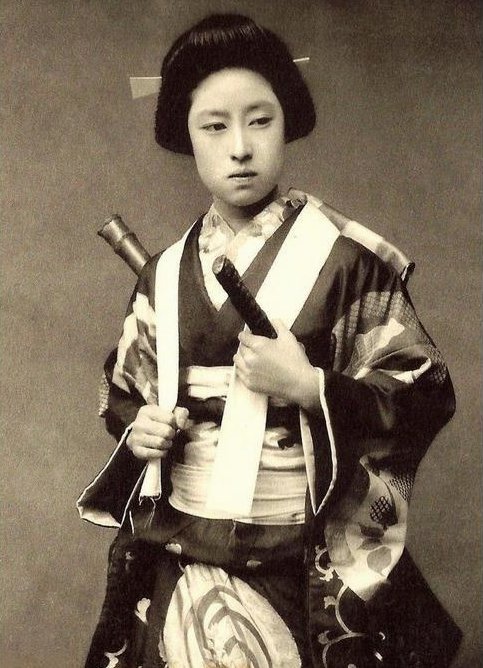
However, there also existed women warriors like Nakano Takeko who were known to be to be every bit as strong, capable, and courageous as their male counterparts. They belonged to the bushi class, a noble class of feudal Japanese warriors, and helped settle new lands, defend their territory, and even had a legal right to supervise lands.Nakano TakekoCenturies before the rise of the samurai class in the 12th century, these women would fight in times of war to protect their homes, families, and to maintain their deep sense of honour.
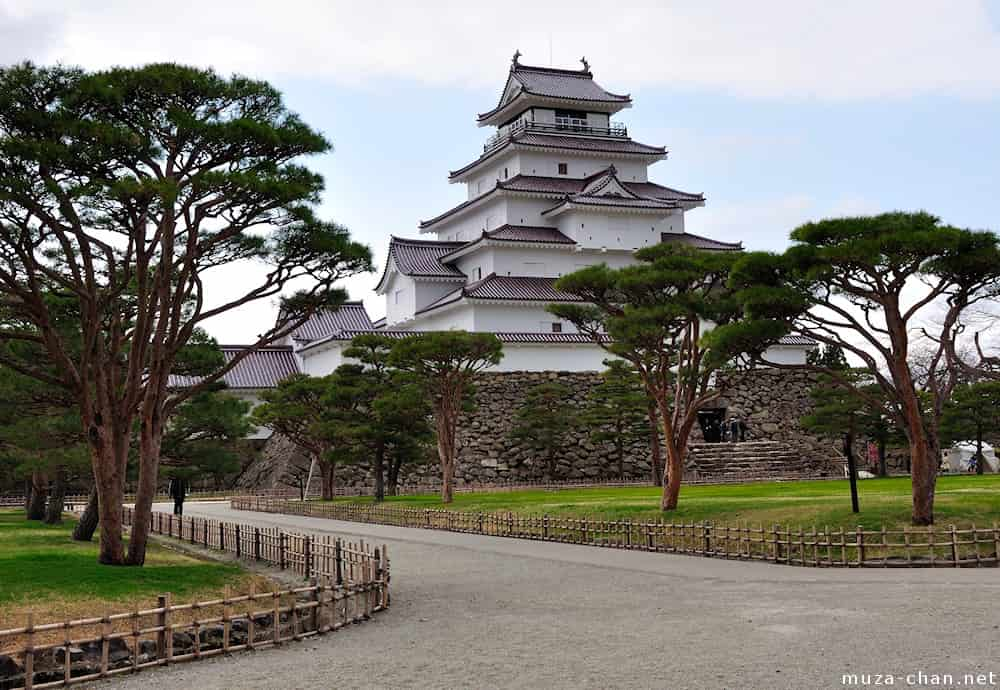
Historically, the Battle of Aizu is widely considered to be the last stand of the onna-bugeisha, though their legacy lives on today in small but significant ways.

In the autumn of 1868, and for the samurai warriors of the Aizu clan in northern Japan, battle was on the horizon. Earlier in the year, the Satsuma samurai had staged a coup, overthrowing the Shogunate government and handed power to a new emperor, 15-year-old Mutsuhito (Emperor Meji), who wasted no time in replacing the feudal ways of the ruling Tokugawa with a radically modern state. This period is known as the Meji Restoration.

After a long summer of fighting, the imperial forces of Emperor Meiji reached the gates of Wakamatsu castle in October to quash the resistance, besieging the stronghold with 30,000 troops.

Tsuruga-joBeyond its walls, 3,000 defiant warriors readied themselves for the final stand.

Most of the women remained behind the scenes, cooking, bandaging, and extinguishing the cannonballs which pounded the castle day and night.

However, for Nakano Takeko, an onna-bugeisha, front line defence was the only course of action for her and her warrior sisters.

Faced with the destructive gun-power of Emperor Meiji’s powerful and westernized imperial army, Takeko led an unofficial unit of 20-30 women in a counter-attack against the enemy, felling at least five opponents with her naginata blade before taking a fatal bullet to the chest.

With her dying breaths, Takeko asked her sister to behead her, so that her body wouldn’t be taken as a trophy.
Onna_bugeisha_-_ritratto_sedutoHow about that for a rock solid constitution?
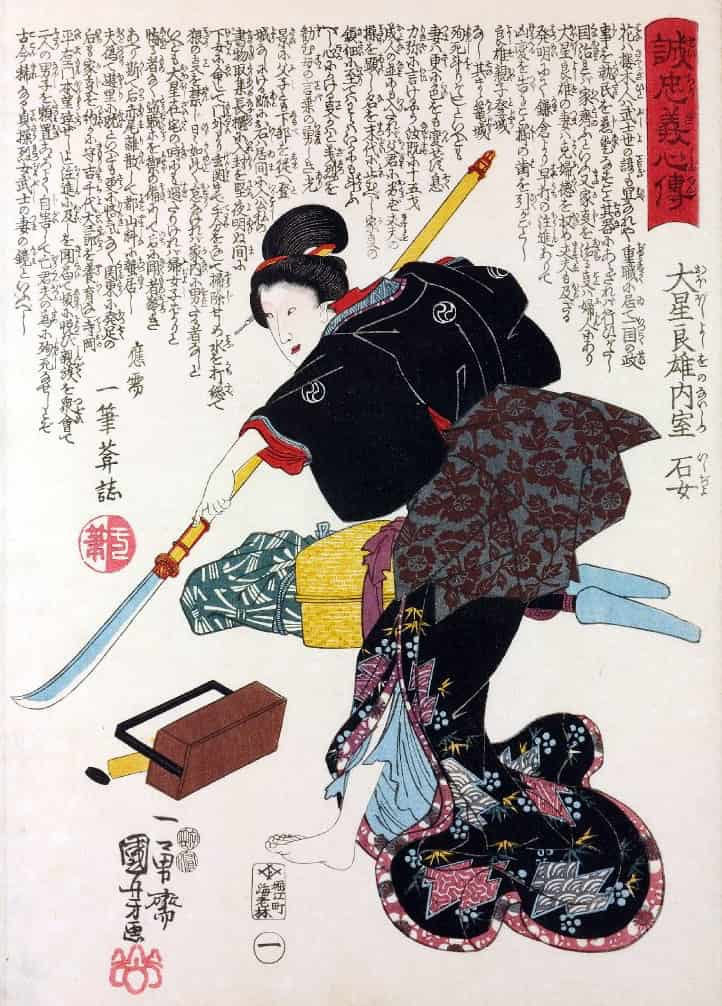
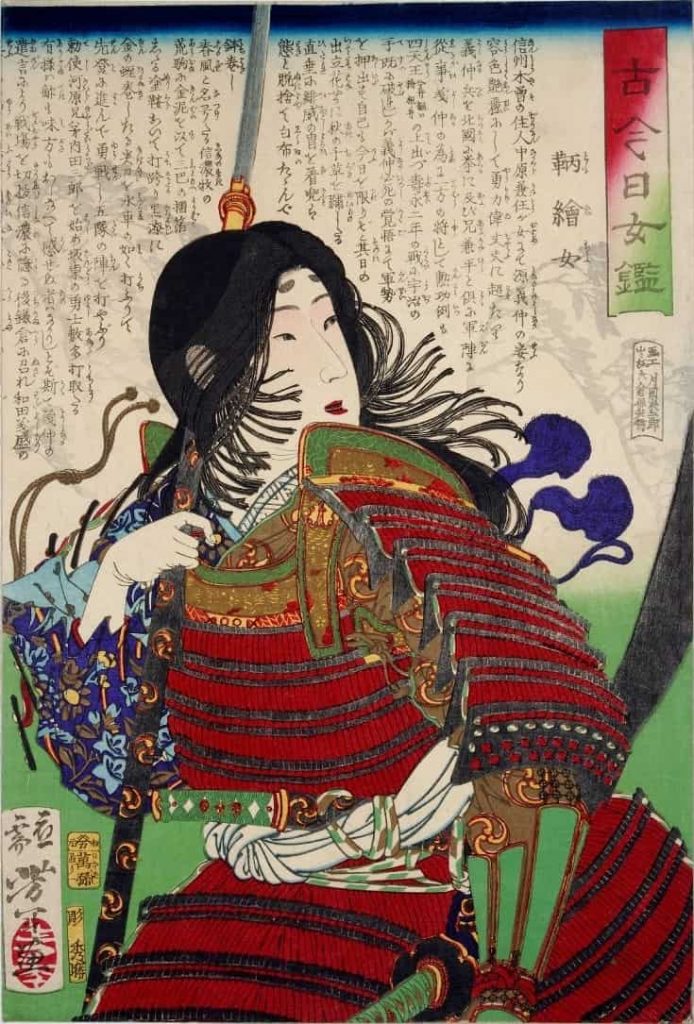
She was buried under a tree in the courtyard of the Aizu Bangmachi temple, where a monument now stands in her honor.

There is also an annual Aizu Autumn Festival, where Japanese girls take part in a procession to honor the memory of Nakano Takeko.

Regardless of the outside image of Japanese women, the power of our Japanese sisters can never be underestimated!

This is evidenced by the incredible story of valour and honour of the powerful onna-bugeisha.Onna_bugeisha_Ishi-jo_wife_of_Oboshi_Yoshio Kokon_hime_kagami_Tomoe_onna_by_Tsukioka_Yoshitoshi

Bonus.

Here is a wonderful infographic of Nakano Takeko from the “Rejected Princesses” home page (English only).

Wabi-Sabi

Wabi-Sabi

Wabi-Sabi

Coming to Japan in 1987, there was wonderment, awe, and, sometime dismay about these strange new things and customs, that having been surrounding this incidental Occxie for decades.

Wabi-sabi resides in the rare “air.”

空気を読め - Land Of The Rising Son

Like many unspoken protocols and conventions of the Japanese, awareness of wabi-sabi is an innate trait, embodied within the spirit of Yamato.

In traditional Japanese aesthetics, wabi-sabi is a world view centred on the acceptance of the transience and imperfection of universal truth.

Wabi-sabi is sometimes described as one of beauty that is imperfect, impermanent, and incomplete.

wabi-sabi-aesthetics

Wabi-sabi is derived from the Buddhist teaching of the three marks of existence:

sanbōin―the delineation of the three marks of existence

1. mujō―impermanency
2. ku―suffering
3. kū―emptiness or absence of self-nature

Characteristics of the wabi-sabi aesthetics include:

1. asymmetry
2. roughness
3. simplicity
4. economy
5. austerity
6. modesty
7. intimacy

 三宝院 - Land Of The Rising Son

Once one has recognized and understood wabi-sabi, a deep and meaningful appreciation of the ingenuous integrity of natural objects and processes.

Wabi-sabi does not translate into any other languages, as these notions are unique to the civilization of the Japanese.

Wabi embodies rustic simplicity, freshness, or quietness, and can be applied to both natural and human-made objects, or understated elegance.

It can also refer to quirks and anomalies arising from the process of construction, which add uniqueness and elegance to the object.

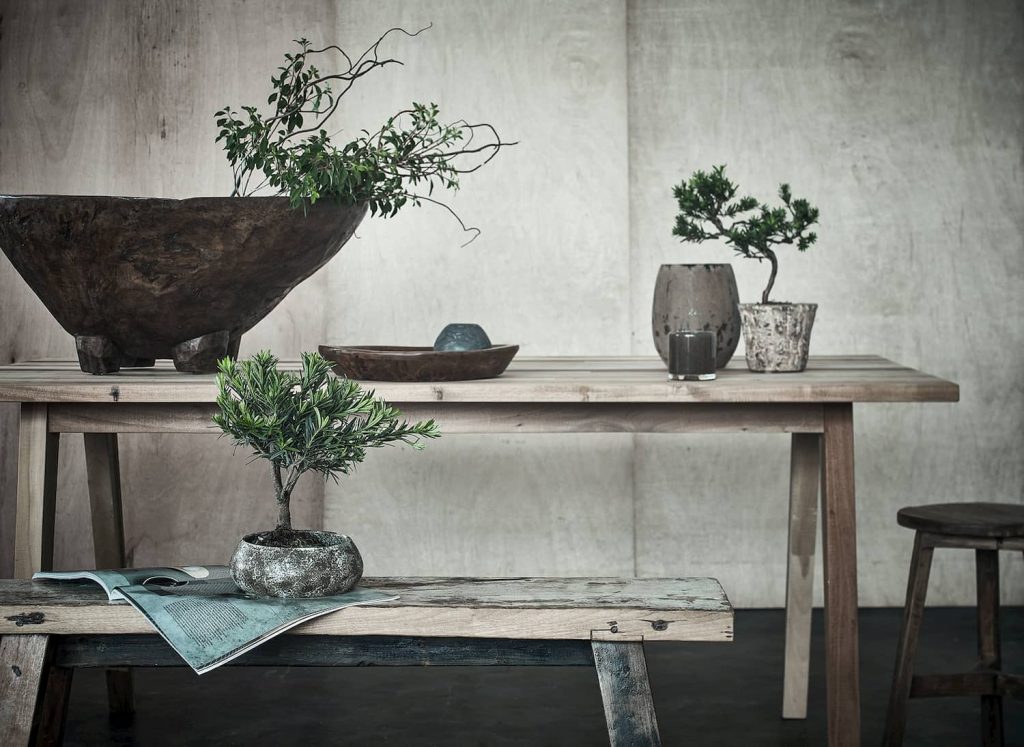
wabi-sabi-bamboo and water

Sabi is beauty or serenity that comes with age, when the life of the object and its impermanence are evidenced in its wear and tear.

With its roots in Buddhist influences from China, wabi-sabi has now evolved into a distinctly Japanese cultural touchstone.

wabi-sabi-Japanese-rock-garden

From around 700 years ago, understanding emptiness and imperfection was honoured as tantamount to the first step to enlightenment.

In modern Japan, the meaning of wabi-sabi embodies “wisdom in natural simplicity”.

It can also hold the connotation of “flawed beauty” in particularly in the sphere of art.

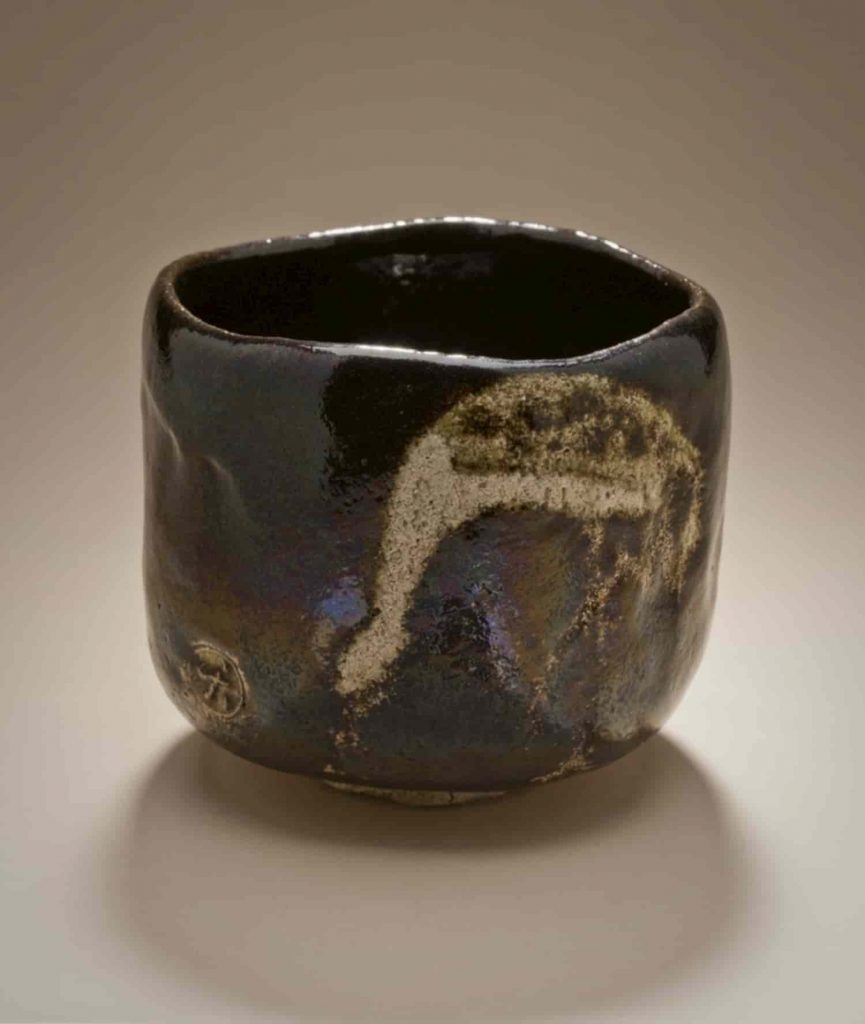
One can see wabi-sabi in certain styles of Japanese pottery.

In the Japanese tea ceremony, the pottery items used are often rustic and simple-looking.

wabi-sabi-pottery

Hagiware is an example of this, with shapes that are not quite symmetrical, and colours or textures that appear to emphasize an unrefined or simple style.

It is up to the knowledge and observational ability of the observer to notice and discern the hidden signs of truly excellent design.

One can see wabi-sabi in most things, if one opens the eyes and heart.

Wabi and sabi both suggest sentiments of desolation and solitude.

In the Mahayana Buddhist view of the universe, these may be viewed as positive characteristics, representing liberation from a material world, and transcendence to a simpler life, or what is know in Buddhism as “satori” or “enlightenment.”

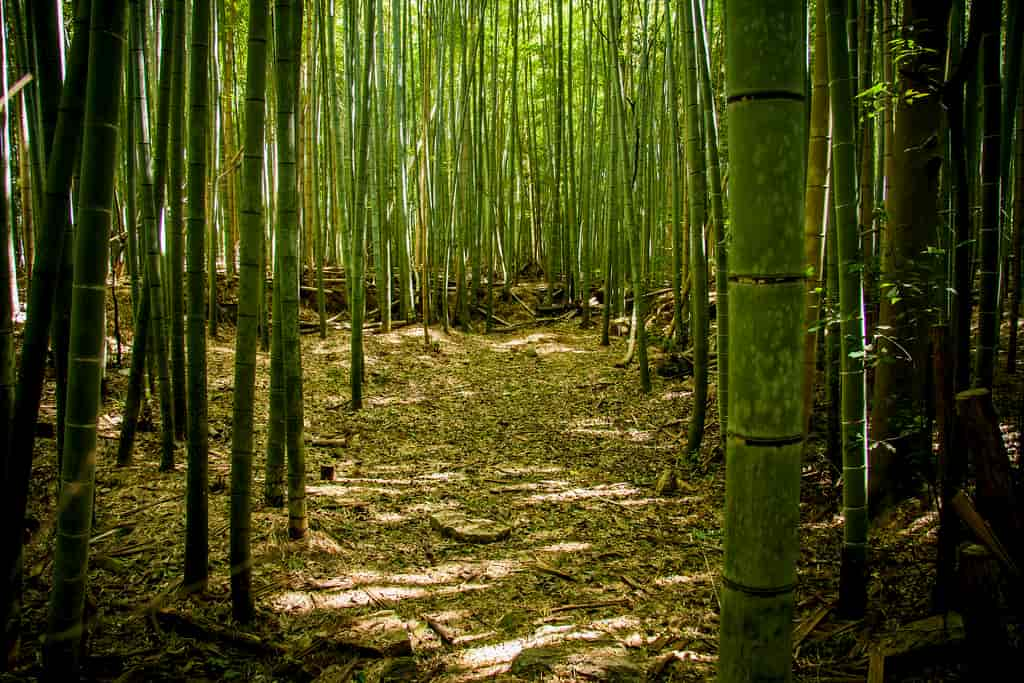
wabi-sabi-bamboo-forest

Keep in mind as one ponders the meaning of life―genuine understanding of wabi-sabi cannot be achieved through words or language.

Therefore, one must accept wabi-sabi on nonverbal terms, and this may be the most appropriate approach to understand the meaning of wabi-sabi.

In fact, one could say—wabi-sabi describes the meaning of life, and the essence of being a human.

Here, one can learn to live through the senses, and better engage in this mortal sludge in real time, rather than be caught up in unnecessary thoughts, and the incessant chatter of the monkey brain, the root causing of human suffering and pain.

In this sense wabi-sabi, is the material representation of Zen Buddhism.

wabi-sabi-bonsai-tree

The universal truth is:

Being surrounded by natural, changing, and unique objects, helps us connect to the real world, and escape one’s chattering “monkey brain.”

In wabi-sabi, one learns to find the most basic, natural objects interesting, fascinating, and beautiful―which is in fact, the true essence of life.

Look around more deeply and pensively at the world that surrounds you, and then one will have begun the wabi-sabi journey into the Sun.

Clarity Over Time - cybersensei - Land Of The Rising Son

The Almighty Chop

The Almighty Chop

The Almighty Chop

The Almighty Chop

Like so many things in Japan, back in the early days, there were many many surprises, here and there.

One of the interesting things about Japan is that they very rarely use checks, which is something I look back upon now as relic of a far away land. 

No dear listener indeed no, one uses something much older, which carries great weight, here in Japanese and elsewhere in Asia.

I’m talking about the personal seal, or also know as a “chop”.

Chop05

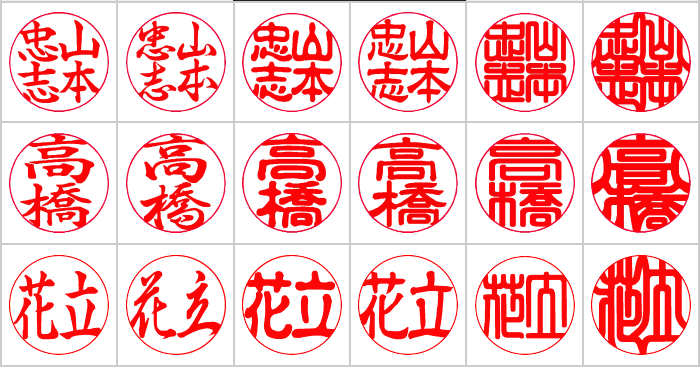
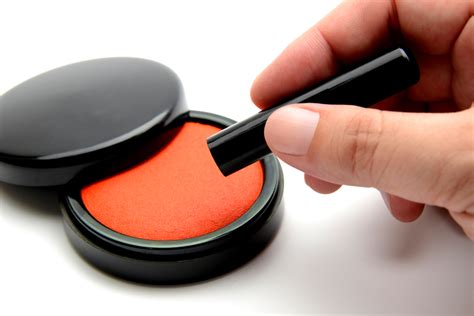
The personal seal is a piece of stone engraved with your family’s ideogram, or in my case the first three initials of my name.

Company chops have elaborate engraving of the company’s name, and these designs are complex and extremely difficult to duplicate.

Chop04

Seals are necessary in order to do many official things here, in Japan. For example, opening a bank account, or going to the city office to do necessary things, such as registering marriages or adding you newborn child to your family register. 

It was interesting to see how these seals could be used.

Known to me personally, there is a sad, sad tale of my simple farmer neighbour, who was also my friend. He grew old and gave the rights to the farm to his only grandson. The diligent farmer not only was a farmer, but he was also a scrap metal dealer. And that is where he accumulate a handsome sum of money into the farms bank account. Now, the grandson and his father thought they should have a little of fun at the horse race track, and so they did, ¥120 million yen worth of fun. Unfortunately for my then old, now dead friend, he could not get one yen when he asked his grandson on the phone for a little living money, not much at all, as this wonderful simple farmer lived a frugal life. The grandson said “there is no more money left in the bank”. 

競馬

Therein lies the power of the seal, and I guess, that’s why the seals are, yes, sealed away in secret places, know only to the owners, and one can now see the importance of this small object.

In corporations, the workers personal seals are used, and this can some times can lead to bureaucratic quagmires here and there. 

Chop02

Let’s have a look: In order to get a project to the next stage, one might have to get the personal chops of 5, 6 or even 7 people, who knows?, more… Now, if even one of owners of a necessary seal, and for some reason has not bitten off on the program, that piece of paper and the project stands-still.

As negative as this may seem at first glance, there is also the flip side. Everyone must come to a consensus, and one must cajole, or other wise persuade the resistant coworker into joining the group, so they can go into the next phase with a united front.

TwistTheArm

And in that, they all feel to have had a hand in the project, and a sense of unity and cohesiveness with their coworkers and their companies.

Victory

Accountability comes into our story as well. These”chopped” document have a record of the participants, so when reviews are necessary, look to see whose seal is on the document, there, you will know who to talk to.

Alas, the mighty chop is under grave threat in this new environment of expanding telework. Ahhh, the changing times, perhaps we will no longer need the almighty chop, as the Japanese adapt to new ways of working together. 

Personally, I look upon the seal as an object of beauty. This unique way of making transactions and putting ones special mark on the official document of one’s life in Japan, is truly unique.

Chop03

Update 2021-01-14

Wandering through the mall, one happened upon the chop shop. This particular set is on sale at a 30% discount and the new price is, ready, wait for it:

¥142,740, which is:

USD $1,360

CDN $1,717

EUR €1,122

GBP £981

RUB 100,119

Very expensive hanko

Very expensive hanko