Akitaya – Japanese Style Family Restaurant

Akitaya – Japanese Style Family Restaurant

Akitaya – Japanese Style Family Restaurant

Akitaya; Japanese Style Family Restaurant

Anybody who has been in Japan for a couple of days, understands this is the food capital of our shared earth.

Now, I’ve come across many many unique and delicious restaurants, or what we refer to as “shops” in my journey here in the .

Way back in the day, when I commuted a couple of days a week to Tokyo, I found myself waiting for the bus to take me back to the countryside.

As I was walking along the street near the bus terminal I saw a big open window with large puffy billows of white smoke pouring out, and diligent men in white uniforms grilling skewers of pork. There were also several customers standing at the outside counter enjoying themselves, which along with a line up at the entrance was a very good sign.
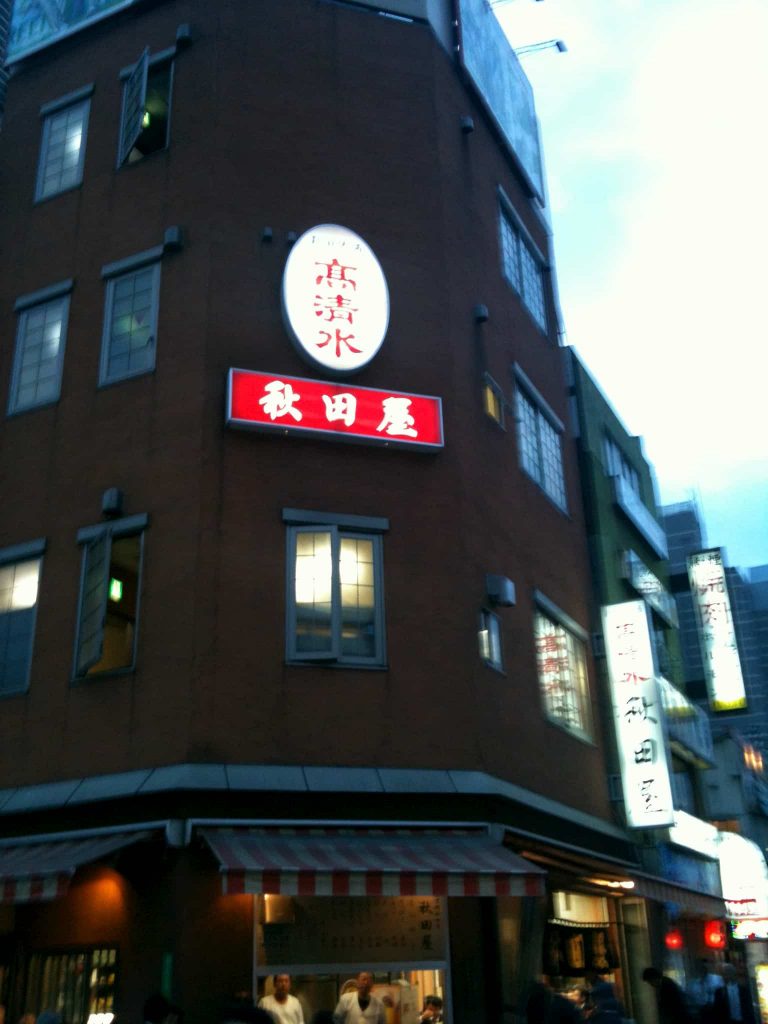
秋田屋外Oh my gosh, I thought to myself, is this my lucky day or what?! 

Thus, I went into Akitaya, and there started a long and meaningful relationship that lasts up to this very day.

Needless to say, I was looked upon with suspicion as this shiny white face doesn’t shout out, “I know how to speak Japanese or read it either” as there of course was no English menu. 

秋田屋のメニュー01

The server gruffly pointed to a seat at the very narrow counter where the patrons were elbow-to-elbow, snarfing skewers and quaffing drinks. This is where a cheap wet towel was then slapped in front of me and I was tersely asked “what da ya wanna drink!

To which I replied, in highly polite Japanese, “a bottle of beer for this hungry and weary resident of Japan, if you please”. 

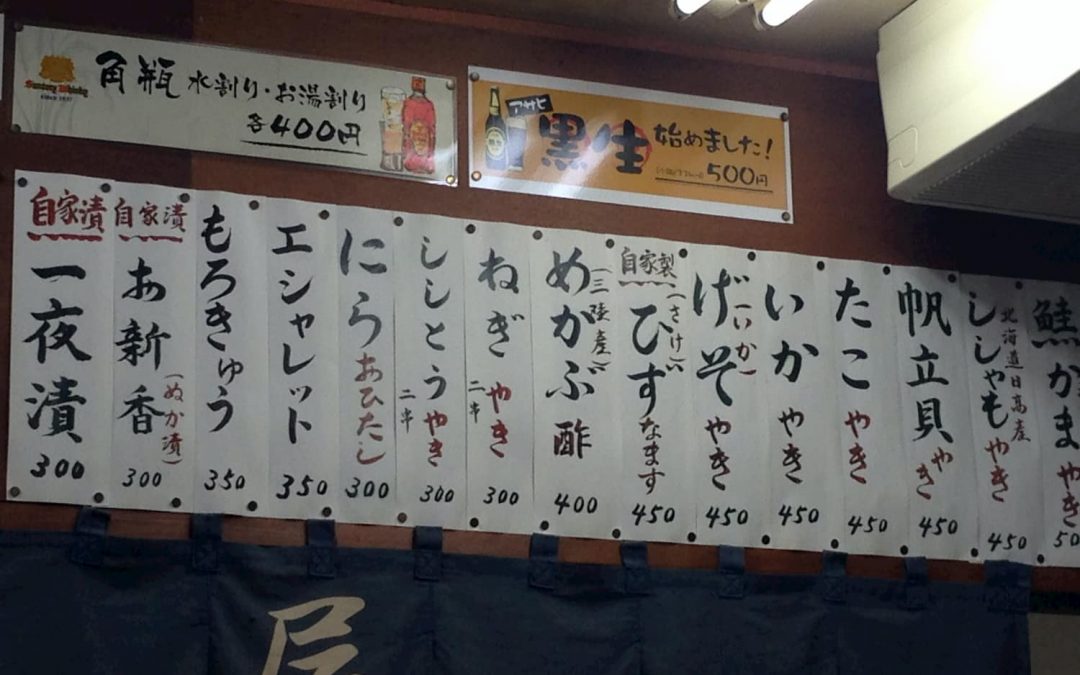
Well, things got smoother after that, I could read the menu, and my gosh there so were so many delectable items there, I can even taste them now. 

First of all, they have what is known as motsu nikomi, which is pork tripe in miso sauce. 
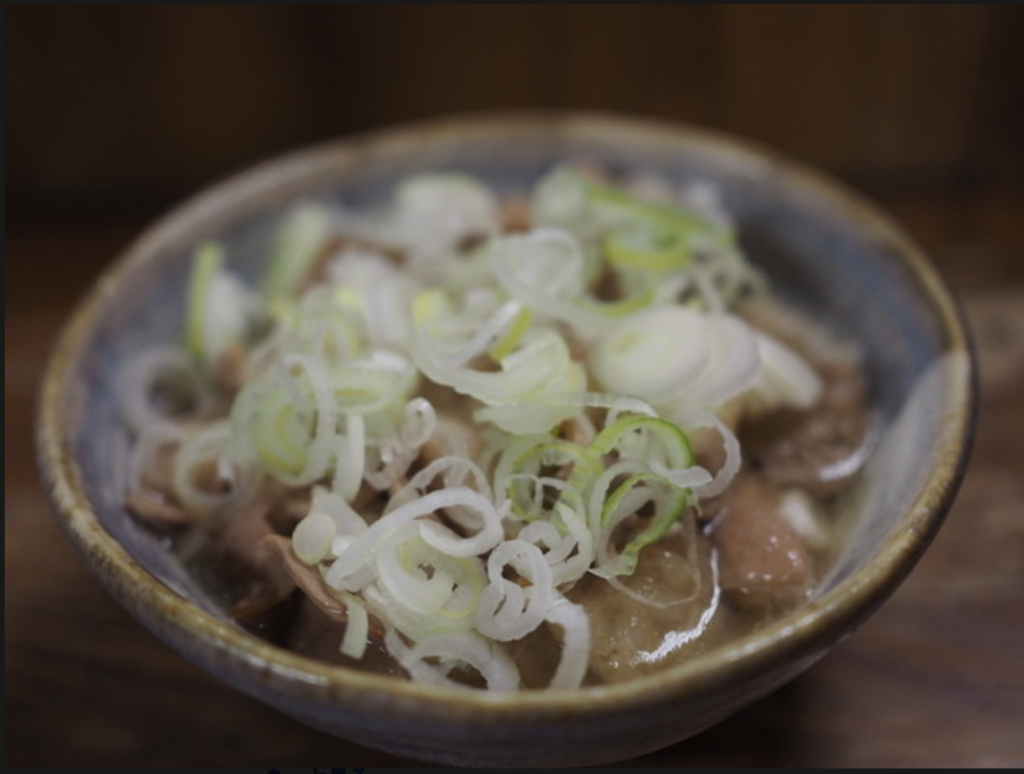
もつ煮込み

By the way, any Japanese shop worth their miso, always has a worthy motsu nikomi.

Of course, I ordered that along with some tongue and cheek meat and buta nankotsu (pork trachea) on a skewer.

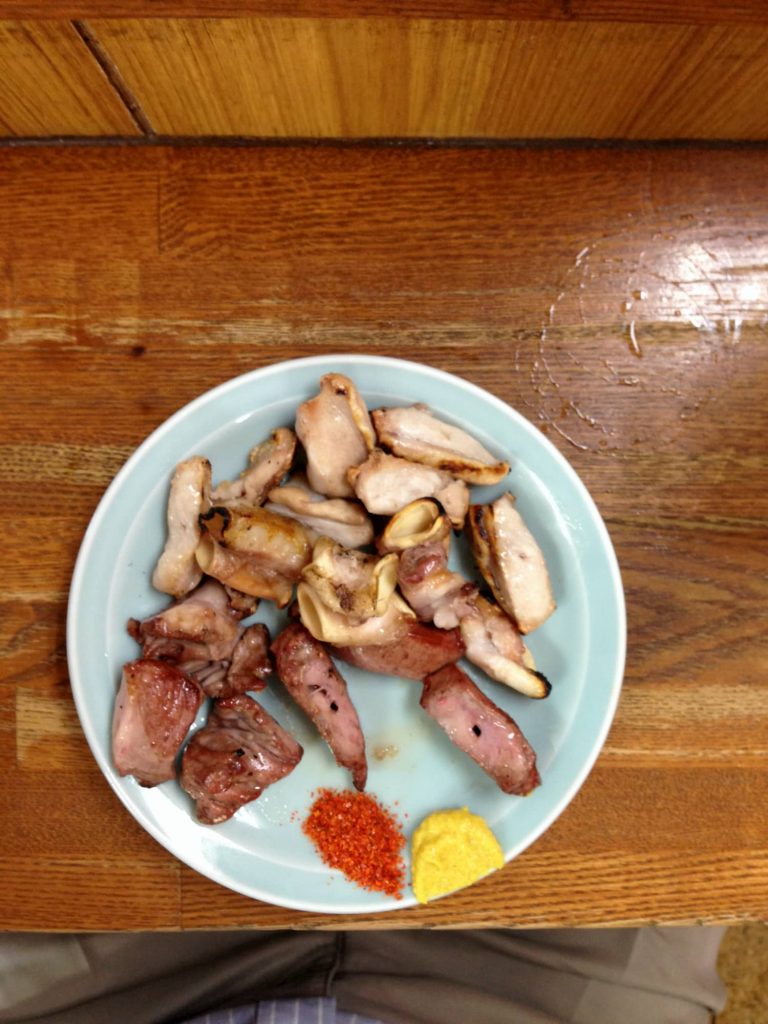
焼き豚 ガツ盛り合わせ02With the very first mouthful of motsu nikomi, I could hear the angels singing hallelujah, and I knew I had at last found the elusive perfect motsu nikomi. This was simply the most outstanding motsu nikomi dish I had ever experienced up until that very moment in my entire life, with each bit of pork tripe melting in my mouth. 

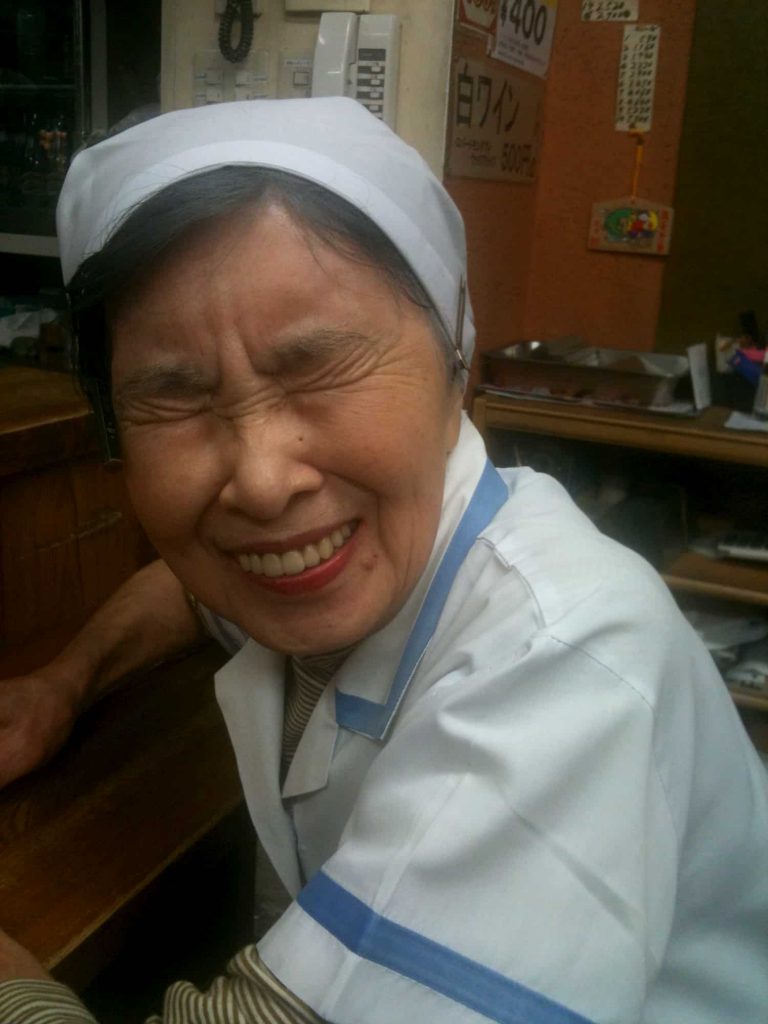
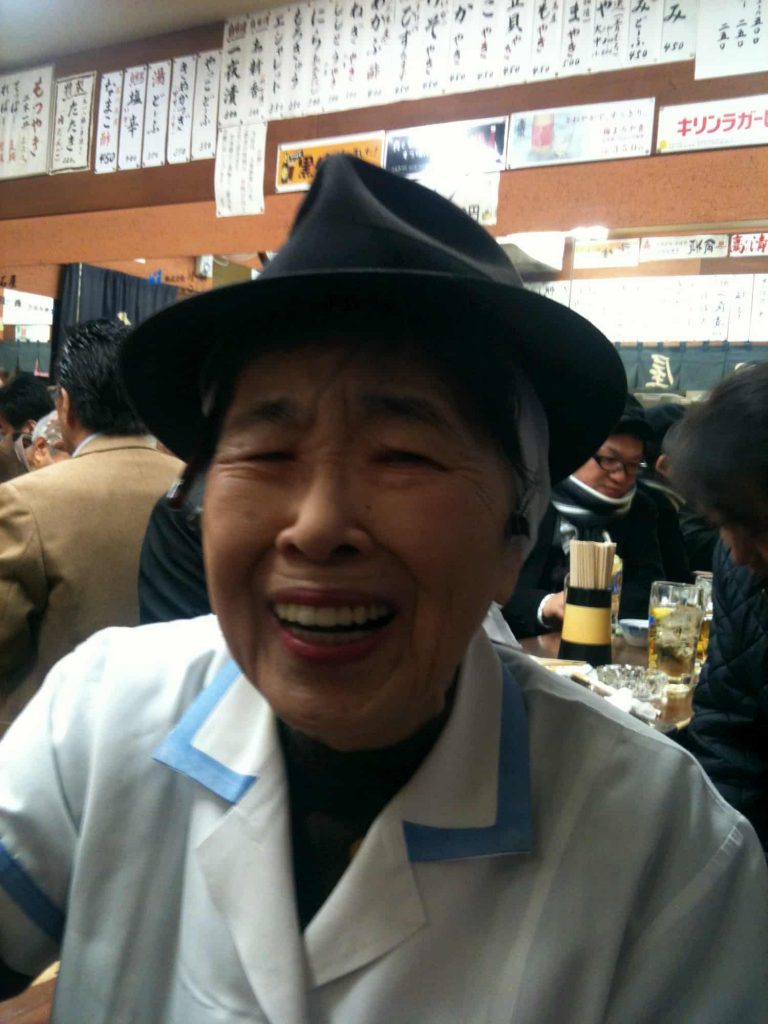
It got even better, as there was this old lady roaming around serving the customers and chitchatting them up like they were her very own children, which in essence they may very well have been.
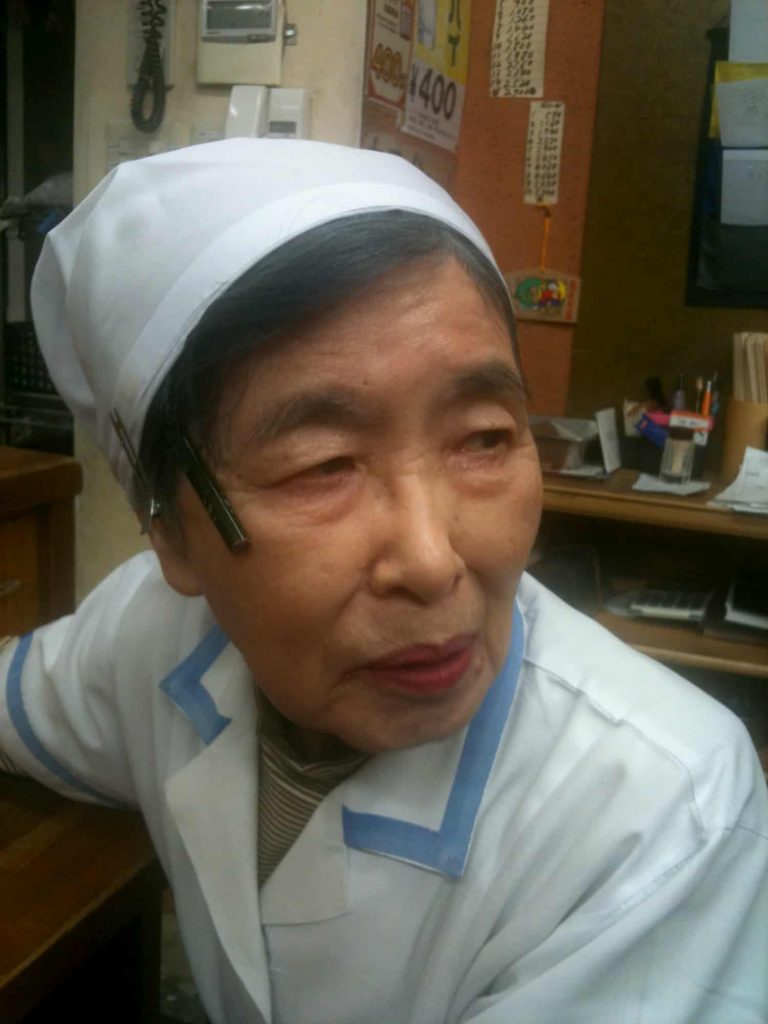
老婦人04Having never married, she worked her entire life in just this one shop serving the hungry and tired salary men who run the system which is Japan. 

Imagine that!

She also handed out her special homemade pickles only to the select customer that are regulars and that she liked, of which I was one.

老婦人07


She used to like to wear my hat.

I loved her sense of humour.

I was going to go to Akitaya one day at the end of December, it was closed, but I ran into her coming out the door. I said “ I am so disappointed that you are closed today, and I can not have your wonderful food”, to which she replied “well you can line up here until we reopen after the New Years holiday on January 4th”. 
老婦人02

It was December 29th on that sad and hungry day.
老婦人08

She was the last remaining sibling of the family that established this shop after coming down from the far away northern prefecture of Akita, where these siblings opened up this pork guts shop in Hamamatsucho near my bus terminal for which I am grateful.  As time marches on, she too has passed away, and her mischievous spirt lives on here in this blog and in the .

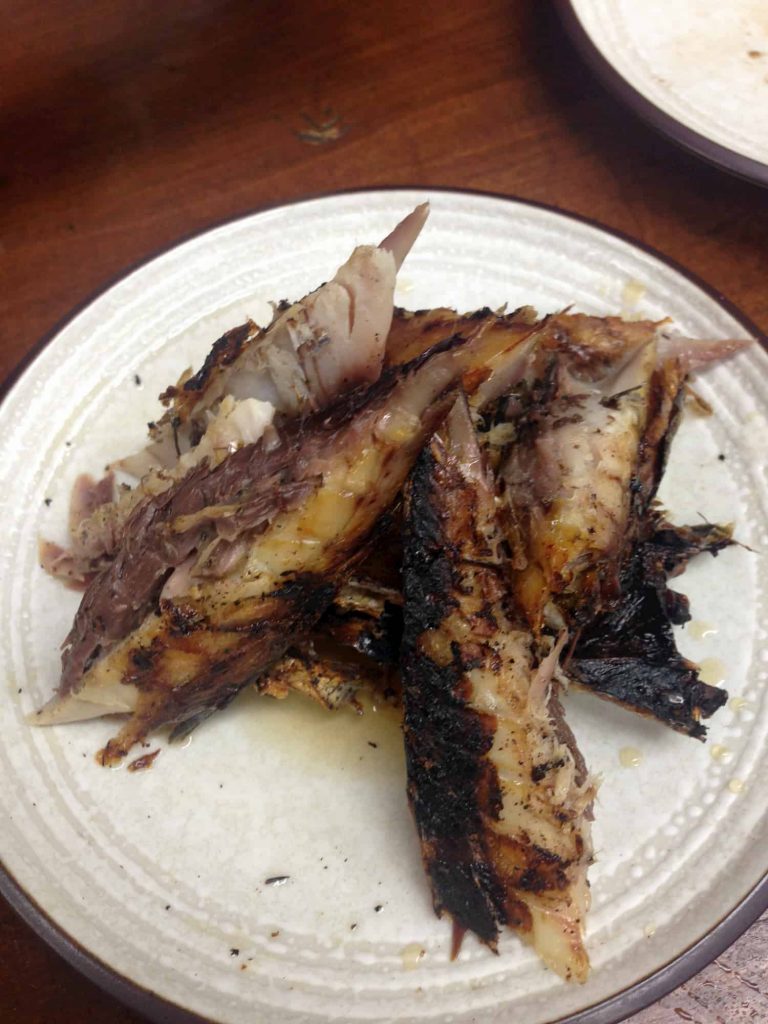
There were so many delightful dishes there such as kusaya, which is fermented fish that stinks when being cooked, but oh is it amazing when it melts in ones mouth as the sweet savoury meat of this fermented fish complements your favorite alcoholic beverage of choice.

くさや02くさや01I recall ordering an oolong-high (Chinese tea with shochu), there back in early days. Now remember oolong-high is a staple drink in these types of establishments, and I just though they would also have it as well. No sirree, not at Akitaya! The dry reply from the surly server was “we don’t have that here” Well, lemon-high it was from then on, as there is no at this shop whatsoever.

The staff members of Akitaya are also such very nice people on top of being diligent and dedicated to serving the hungry salary-people of Japan.  

秋田屋スタッフ01焼き豚マスター https://bit.ly/2Zw7xLVThere you have it; a true Japanese family restaurant in the heart of Tokyo, why don’t you go?

Nagaharu Yodogawa

Nagaharu Yodogawa

Nagaharu Yodogawa

Nagaharu Yodogawa

One of the most important film critics of all time.

Nagaharu Yodogawa devoted his life to the cinema. 

From 1962, a year before I was born, up until the week of his death in November of 1998, he never missed a single appearance on the Television Asahi Sunday Night Western Movie Theatre.

My first television set in Japan in 1987, was a gift from a friend, and at that time, there was no bilingual functionality on the TV.

I found myself watching TV in Japanese, and, every Sunday night there was an extraordinarily interesting older Japanese effeminate man hosting this movie program.

Mr. Yodogawa’s zeal and passion for movies was indeed a sight to behold. One could see he loved movies with every fibre of his being. 

Remember back in 1987, I could not speak or understand Japanese that time, but I found this unique and somewhat campy film critic to be very enchanting.

I fondly recall Mr. Yodogawa interviewing Arnold Schwarzenegger many years later.

At the end of the interview, the petite Mr. Yodogawa stood on a chair and was squeezing Mr. Schwarzenegger massive biceps, also the while mentioning how wonderful and hard these muscles were. It was at that time, I had the aha moment where it seemed like perhaps Mr. Yodogawa drank from the other side of the tap.

Nagaharu Yodogawa with Arnold Schwarzenegger

Mr. Schwarzenegger, always being a very funny guy, suggested they stop the interview right then and there and go out for dinner!

And in another interview, Mr. Yodogawa also said to Mr, Schwarzenegger” Let’s take a bath together.”, to which Mr Schwarzenegger humorously replied; “You demand a lot don’t you, okay, let’s take a bath together,”

Mr. Yodogawa was that rare phenomenon, a Japanese male who never married. “I am married to the movies,” he said. “That is my punishment for not taking a wife.”

Interestingly enough, one of his books was an early defence of homosexual themes in film. He gently advised audiences “not to be frightened” of them, but to appreciate their courageous, independent spirit.

Sounds like he was a visionary before his time.

I can recall getting a really good a chuckle out of the way he ended his wonderful movie show. He said “make sure to come here next week so we can meet again, and then he said “sayonara, sayonara, sayonara”

As an homage to this extraordinary iconic Japanese  film critic, I too end all of my podcasts with “sayonara, sayonara, sayonara”

Nagaharu Yodogawa, film critic: born Kobe, Japan 12 April 1909; died Tokyo 11 November 1998.

Nagaharu Yodogawa 淀川長治

Bonus: I discovered Cecil B. De Mille’s The Cheat (1915), via Mr. Yodogawa, and found it on YouTube. This black and white silent film is vastly superior to much of the rehashed trash coming out from the movie studios for quite some time now.

Reason For Being

Reason For Being

Reason For Being

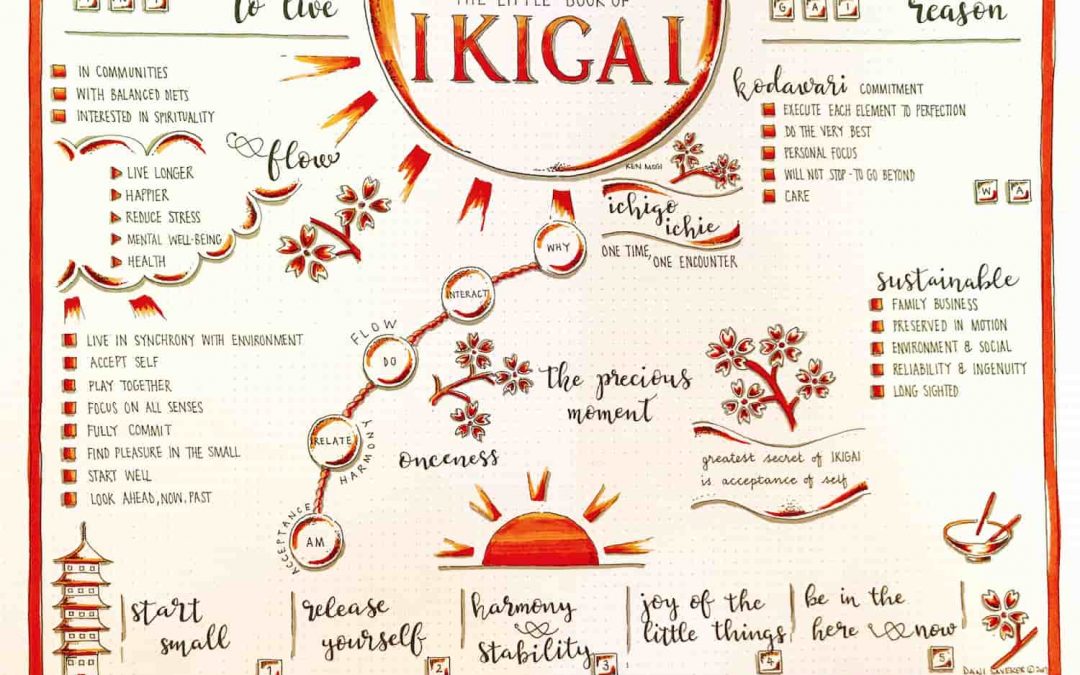
Ikigai is the Japanese concept meaning—a reason for being.

Ikigai refers to having a direction or purpose in life, making life worthwhile, and to take spontaneous and willing actions giving satisfaction, and a sense of meaning to life.

Ikigai consists of  iki (to live [生き]) and gai (reason[甲斐]).

This elegant concept is deeply rooted in the Japanese Waydescribed in a blog post entitled: Finding One’s Way.

Ikigai can be describe as having a sense of purpose in life, as well as being motivated.

Internalizing the concept of ikigai leads to happiness and well-being, and ikigai entails the important intent and actions of devoting oneself to pursuits one enjoys, and is associated with feelings of accomplishment and fulfilment.

Indeed, understanding ikigai will lead to ΩNE’s own fulfilment, as all search for, and discover the meaning to one’s own life.

For certain, you can serve yourself by understanding and internalizing this significant Japanese concept.

Have you found you ikigai?

If not quite yet, keep looking, as it is sure to be there.


Japanese School Lunch

Japanese School Lunch

Japanese School Lunch

Japanese School Lunch

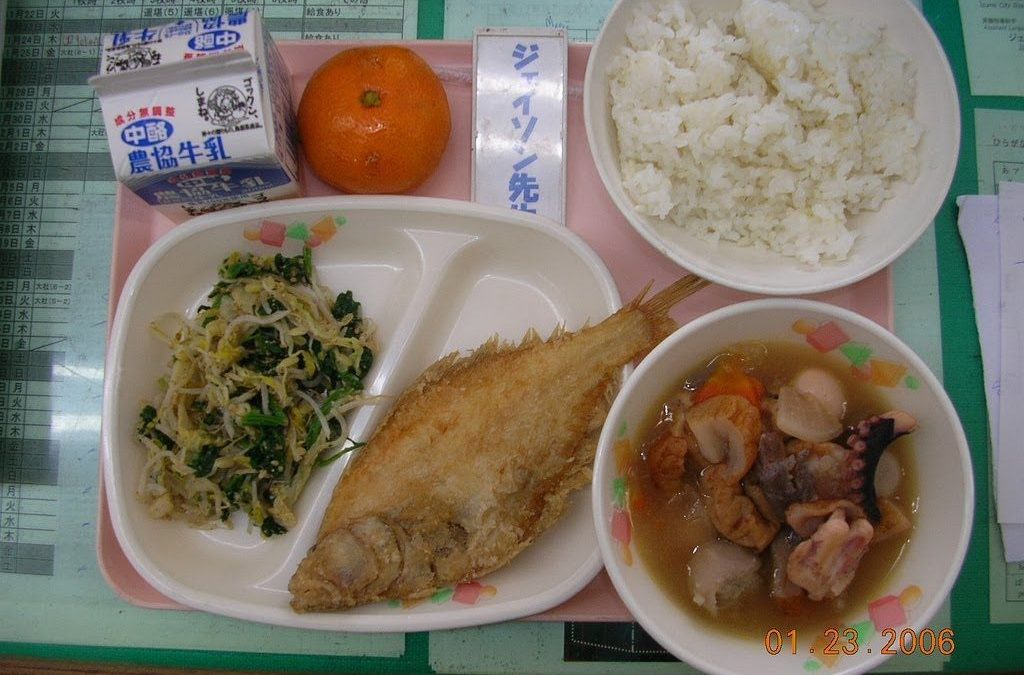
I fondly remember the first time I was invited to an elementary school as a guest, it was my very first experience for the school lunch in Japan.

Wow, having never seen anything like Japanese school lunch, I found what unfolded in front of my eyes to be extraordinary.

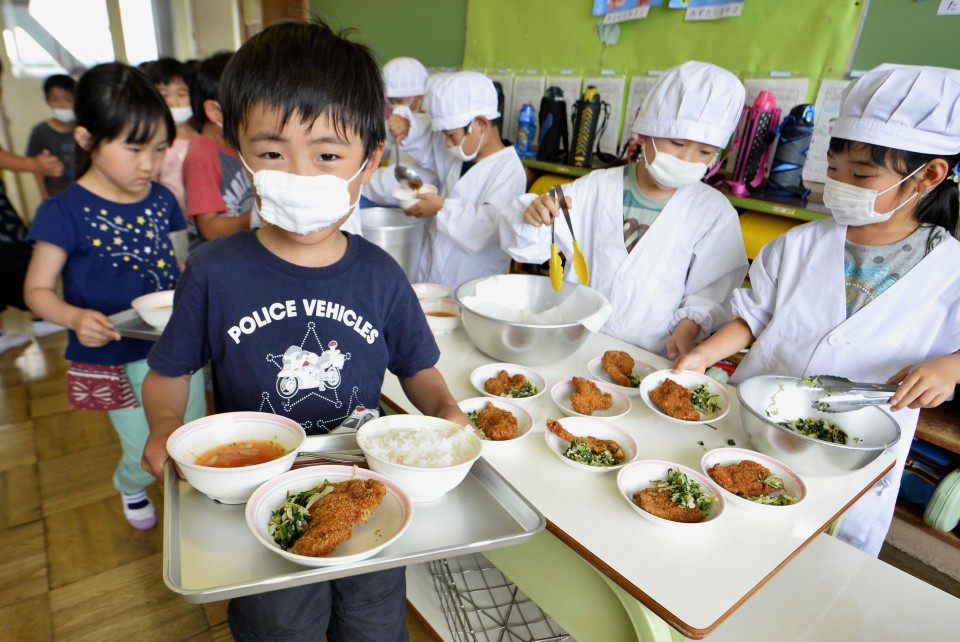
First of all, the students on duty would go to the lunch preparation room where they pick up the equipment necessary to serve lunch. They were all dressed in white smocks with white caps.

They would then bring the food back to their classroom, and serve it up to the other students who were lined up.

I found this incredible, to see these children, serving their fellow students.

Isn’t this an excellent way to train your citizens to be thoughtful members of society, where everyone takes turns serving each other.

Of course the homeroom teacher took part in this ritual by overseeing the entire operation.

One more thing I found indeed wonderful about Japanese school lunches was the nutritional value and the deliciousness of these school lunches, which were always well thought out.

Remembering back to the day when I was going around teaching at several different junior high schools, I was always delighted to share in the school lunches with the children, and they were indeed delighted to have this novelty from a distant land sharing their lunch with them.

Surely you will admit, or maybe you’re thinking that your country might welcome Japanese style school lunch protocol.

I firmly believe, this is the way the Japanese are formulated to become meaningful members of our society, while building an innate sense of belonging to your own group, and this is done by serving others.

It is also delightful to see the Japanese children start eating all at the same time with a boisterous “itadakimasu“ (this is polite language to be used before eating)

On a side note: Did you know that in the first 3 years in school in Japan, they have no exams or tests? It’s all about discipline, social, hygiene and health lessons.

I hope we can take some lessons away from the Japanese school lunch and apply this mindset to one’s own life.

Finding One’s “WAY”

Finding One’s “WAY”

Finding One’s “WAY”

Finding one’s “WAY”

Japan’s natural religion, Shinto (神道), consist of 2 ideograms: “God (神)” and “Way (道)”.

Note that Shinto (神道) is polytheistic, therefore there are countless Gods and Ways.

I noticed there are many different Japanese disciplines contain “Way (道)”.

(Judo) 柔道 Way of Flexibility
(Sado) 茶道 Way of Tea
(Kendo) 剣道 Way of Sword
(Shodo) 書道 Way of Calligraphy
(Yado) 弓道 Way of Bow
(Aikido) 合気道 Way of Self-defence
(Iaido) 居合道 Way of Drawing Sword
(Kado) 花道 Way of Flower
(Bushido) 武士道 Way of Warriors

One could also think of “Way (道)” as “Art (術)”, in a way; for example, one could refer to Aikido as “the art of self defence”, or Sado as “the art of tea”.

I find it interesting in the West one often hears them say “life imitates art”.

Here in the Land Of The Rising Son, I would have to say life IS art.

I am certain visitors to Japan will have found this most extraordinary country full of art, from the presentation of Japanese food to the lavatory’s cleanliness and our highly sophisticated toilet systems, and to include the quaint and quirky shops one will encounter along ones way, whether here in person, or virtually.

Perhaps one has had the pleasure of entering a small and charming coffee shop, where the master takes 30 minutes to brew one’s cup of coffee, after having carefully handpick and roasted one’s beans, all the while being served in a formalized “Way (道)”.

Indeed, after this experience, one could truly consider the Master of this small coffee shop to have found their “Way (道)”, and one can now consider this to be the “Way of Coffee”.

I wrote a blog post about the Japanese cake shop, and for certain the title is apt

The ideogram “Way (道)” also makes an appearance in the Japanese for “principle” or “morality” (dotoku 道徳).

It would seem the “Way (道)” also encompasses the characteristic of morality and principles.

Perhaps we can look upon the Japanese and our polite society to have had the “Way (道)” ingrained into the Japanese DNA over the millennia.

Yes indeed, in light of this, and for your edification dear reader, one can now consider the “Way (道)” to be the most important thing in ones own life, and the quest for all is to find ones own “Way (道)”.

Am I An Alien?

Am I An Alien?

Am I An Alien?

Am I An Alien?

My lovely spouse called me an alien the other day (Anata wa uchijin desu ne!).

Now what she didn’t know when she called me an “alien”, is we “foreigners” used to be categorized as “aliens” on an official Japan government document.

And the word “alien” is exactly what it said on my original residence card, in what used to be known as the “CERTIFICATE OF ALIEN REGISTRATION”.

Frankly, I was kind of disappointed when the government of Japan change the “CERTIFICATE OF ALIEN REGISTRATION” to a more internationally acceptable standard, and this card is now know by a much more mundane name; “RESIDENCE CARD”.

It gets better; back in the day we were also fingerprinted and the index fingerprint also appeared on that card.

This was somewhat of a controversy among some of the restless “aliens” in Japan.

Me?

No issues!

These are also the same “aliens” who further complained about being called a “gaijin”, which means outside person, and make total sense to me.

If one are not originally from these islands (Japan), then would one not consider oneself to be a person from the outside?

They now have chided the Japanese into calling foreigners “gaikokujin”, which basically means the same thing, and is slightly more “”honorific”.

I can not see their point.

I also find it extremely annoying these “aliens” come to Japan and then kicking up a fuss about the way things are here.

These people come from distant lands to be among the Japanese, and have the most absurd notion that they are going to “change Japan”.

I smile to myself, as I know they are in for a very very long, confusing, and difficult time, as they try to impose their view of the world upon the Japanese.

My good friend Jordan and I refer to these types of foreigner as “chalk”. .

Most of them only last a year or two, and the ones who remain and feel “trapped” have been drained of their life force and are a mere bitter shell of what was once a human.

There is one particular thing I learned very early, which has served me well over three decades of living in the Land Of The Rising Son.

“Go ni itte wa go ni shitage”; when in Rome, do as the Romans.