Maneki Cat

Maneki Cat

Maneki Cat

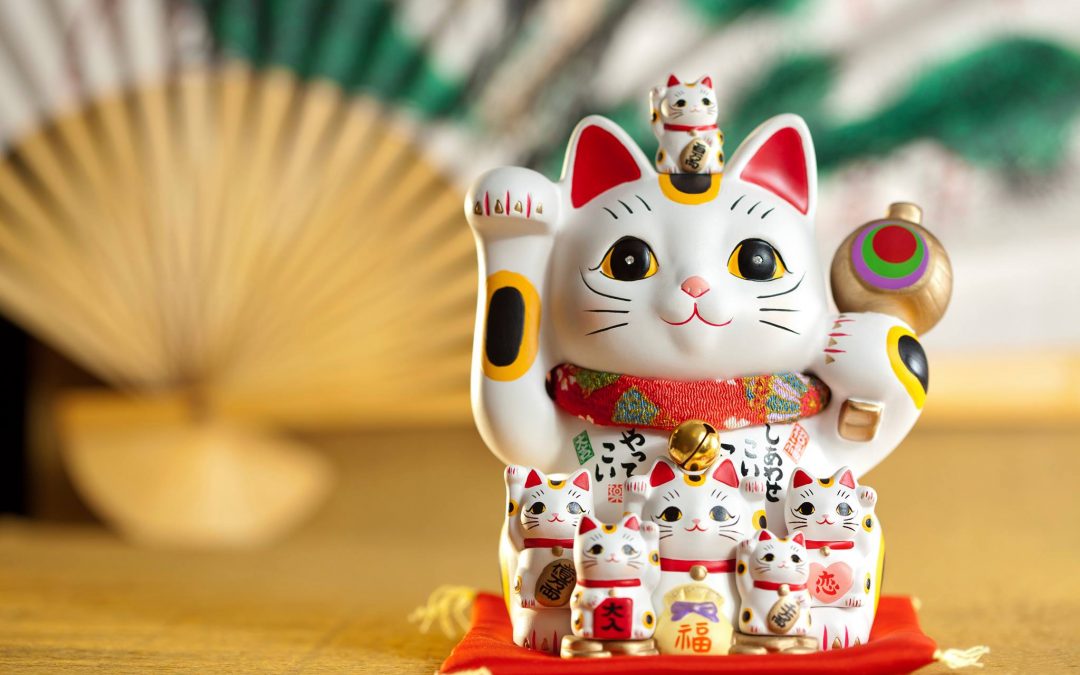
The Beckoning Cat (maneki-neko)

Often times, when you are going into a shop, you will see a cat with a paw raised up beckoning you into their store.

The maneki-neko is usually displayed in, and often at the entrance of shops, restaurants, pachinko parlors, laundromats, dry cleaners, salons, and other businesses.

The maneki-neko first appeared during the later part of the Edo period in Japan, and the earliest records of the beckoning cat appear in the a document entitled “a chronology of Edo” entry dated 1852.

You can also see here an early example of the maneki-neko in Utagawa Hiroshige’s ukiyo-e “Joruri-machi Hanka no zu,”, which was also in painted 1852.

By the time 1902 rolled around there were advertisement for maneki-neko indicates that by the turn of the century they were popular.

Japan is full of these delightful cultural nuggets which tends to makes one smile as we continue on our journey in Land Of The Rising Son.

Love Of Crab

Love Of Crab

Love Of Crab

For The Love Of Crab

No one can accuse the Japanese of doing thing halfway.

When they engage, they really engage.

And their willingness to on occasion  pay exorbitant amount of money for what one would think is ordinary seafood, is, well, alive and well.

You would think that paying ¥5 million for a ONE itsukiboshi (five shinning stars) crab is absolutely absurd.

Think again!

That is exactly what happened just the other day here in the Land Of The Rising Son, in Tottori prefecture to be exact.

An itsukiboshi caught in Tottori Prefecture attracted the highest-ever bid for a crab at auction of 5 million yen.

A local Tottori crab seller, Kanemasa Hamashita Shoten was the successful bider at ¥5 million.

Last year this company also bought the prized itsukiboshi crab for a mere ¥2 million, and has now smashed its own Guinness book of World Records for the highest price ever paid for a crab.

Not surprisingly, this poor fella is heading off to a restaurant in the Ginza district, where it will be a novelty for some well heeled patrons and  staff and indeed, the jubilant owner of the restaurant.

Let’s see if in a year, at the first crab auction in Tottori what the surreal story will be when it’s time to bid once again on the king of crabs: itsukiboshi.

You can see the video of the happy winner of this incredible auction here.

Seven-Five-Three

Seven-Five-Three

Seven-Five-Three

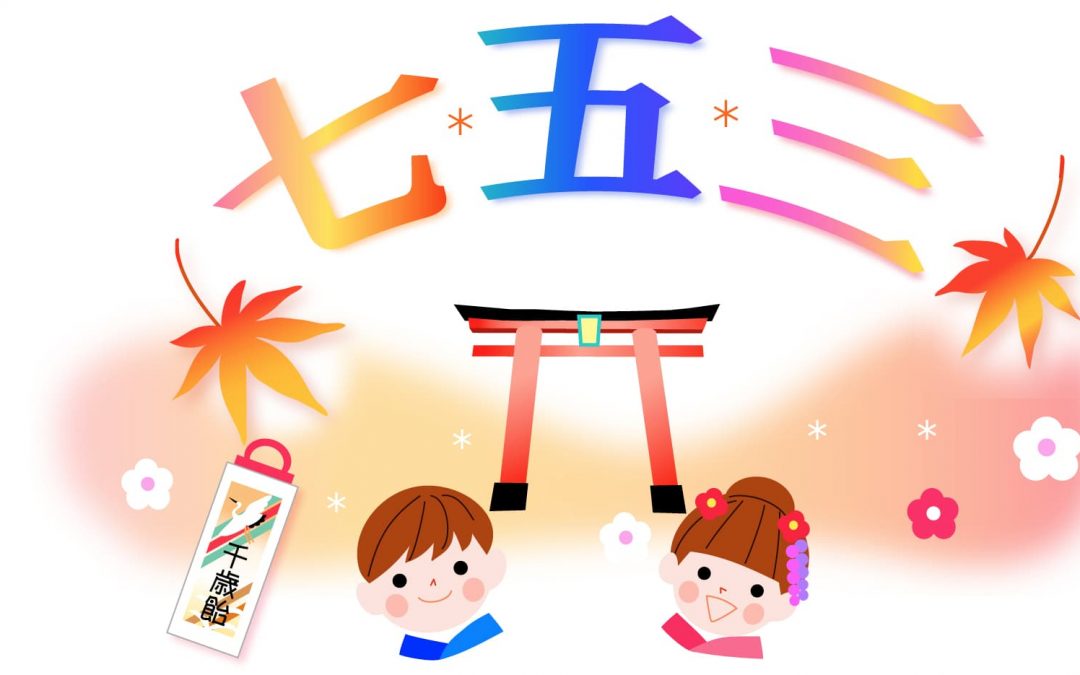
Shichi-Go-San (Seven-Five-Three)

Right around this time of year there is an amazing ritual carried out throughout Japan.

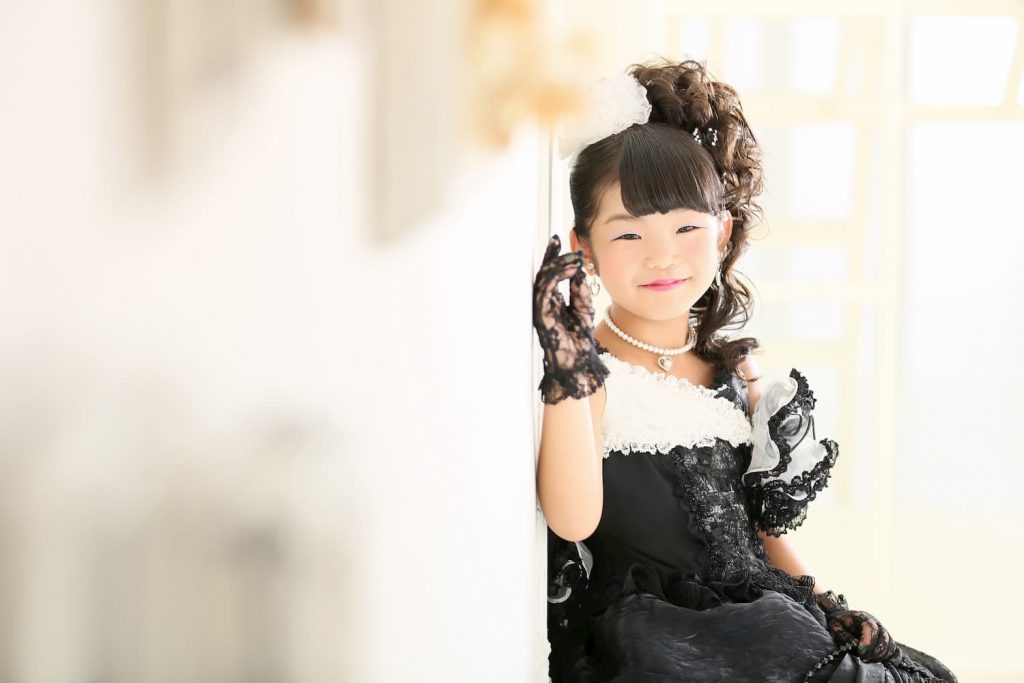
You can see the Japanese parents taking their children dressed in colourful kimono, or in dapper suits and fine dresses, going off to the Shrine to offer thanks to the Japanese Gods and Goddesses.

There are often wonderful photo-shoots at the profession photograph studios and these delightful and precious moments being captured in cherished family pictures, destine to delight the Japanese families as they gather on special occasions over the years and decades.

The boys usually celebrate Shichi-Go-San at the age of 5, and the girls either at 3 or 7 years of age.

Therefore, until the age 7, Japanese children were thought to be offspring of the Japanese Gods.

The meaning of this important event is to celebrate the survival of their children, because as we all know historically understand, the mortality rate for young children in most parts of the world was very high. They pray to the Shinto Gods for the continuing healthy growth of their children in the coming years of youth into adulthood.

Don’t you think that it is delightful that the hard working Japanese take the time and effort of create these once-in-a-lifetime experiences to honour their ancestors and the Japanese heritage?

(I wrote a blog post about the “once-in-a-lifetime experience and you can read to here if you care to do so)

PS: This ancient ritual originated in the Heian period; 794 to 1185 (Read about the Heian era here).

Really Scary Ghosts

Really Scary Ghosts

Really Scary Ghosts

Really Scary Ghosts

One attended a high school cultural festival and was highly intrigued by the haunted house assembled by the one of the grade 12 classes.

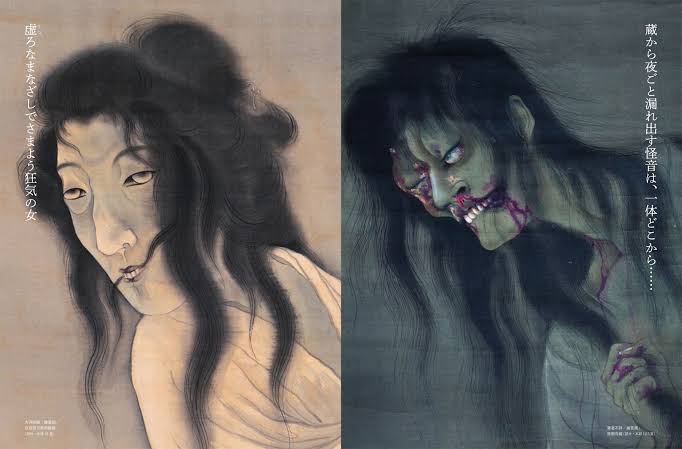
Now the difference between the Western ghosts and goblins and the spirits of the dead Japanese is profound.

This difference was made clear, oh so very clear after entering the haunted house, and at first there was a dead fisherman.

Drowning while angling in the stormy seas of Japan, this unfortunate fisherman was bubbling and gurgling, all the while complaining about the poor fishing.

Okay, so not really all that scary per se, but a fairly realistic example of a distressed ghost, and a harbinger of things to come, in this incredible haunted house.

Speaking of a distressed ghost, and what prompted this post, is the dead young mother holding her blood dead baby imploring me to “Please hold my baby.”

Maybe it was the realistic bloody white maternity smock, or the thought of this incredible unfortunate and distraught mother who died during child birth, along with the her baby, that left me deeply shocked and impressed.

This was the year my then, 8 year-old daughter went to Canada, and it happened to be around Halloween.

Myself already having returned to the Land Of The Rising Son, I left my daughter in the care of my warm and fuzzy Canadian earth mother.

I though it would be fun for one’s mother and daughter to replicate the dead mother and the dead baby for a meaningful Halloween costume.

Needless to say, this excellent suggestion was vetoed by Grandmother as she said “We don’t want to freak out the neighbourhoods”.

A drag to say the least, as who wouldn’t want such a thoughtful costume to really get into the spirit of Halloween and go trick or treating.

Imagine dear reader, opening your door on Halloween night to the sight of a 8-year old in a bloody smock with a dead baby imploring you to:

“please hold my baby”

Enthronement Ceremony of Emperor Naurhito

Enthronement Ceremony of Emperor Naurhito

Enthronement Ceremony of Emperor Naurhito

Enthronement Ceremony of Emperor Naurhito

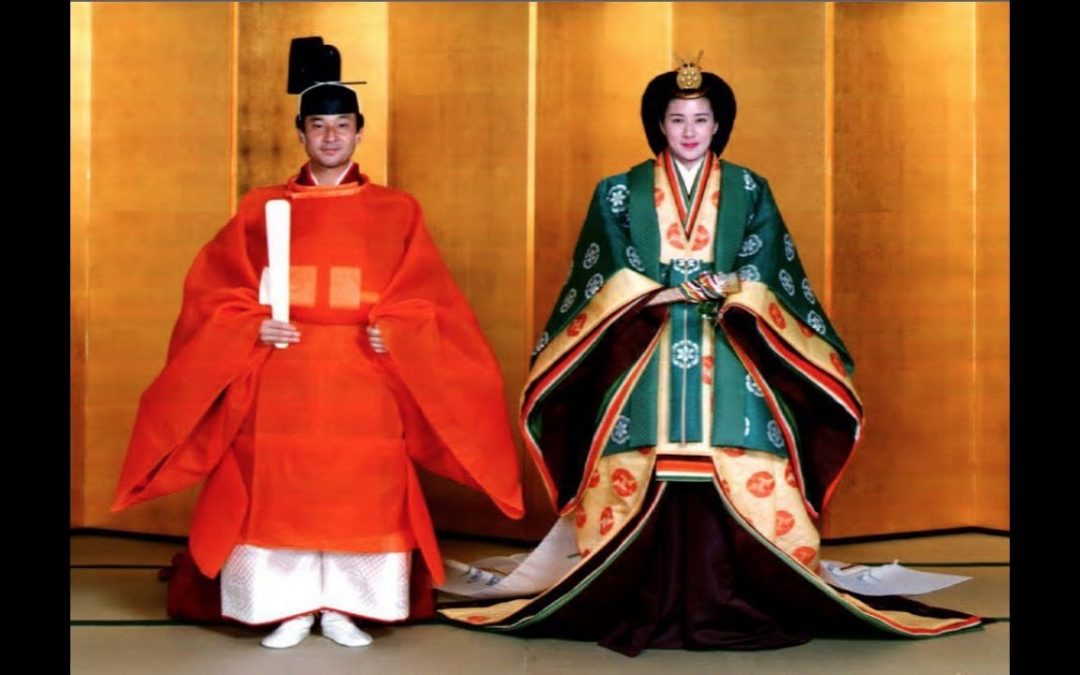
The enthronement ceremony for Emperor Naruhito took place on October 22, 2019 ().

I talked about the importance of the emperor to the Japanese in my first podcast back in May.

If you care to listen to this podcast you can do so here ().

Six months ago, Naruhito, the new emperor of Japan, received a sword, a jewel and official seals in a sacred ceremony that heralded his succession to the throne after his father, Akihito, became the first emperor to abdicate in more than 200 years.

The second ceremony which took place the other day, proclaims the new emperor before the rest of the world. 

Over 2000 guests and dignitaries from 190 countries were invited to witness this auspicious occasion, a rare once-in-a-lifetime event for these guests for certain.

Emperor Naruhito gave a short speech and this speech relays the desire of our new Emperor to continue the work of his father Emeritus Emperor Akihito to work as a symbol of peace and unity not only for the Japanese people but for all humankind.

Here is Emperor Naruhito’s speech:

Having previously succeeded to the imperial throne in accordance with the Constitution of Japan and the Special Measures Law on the Imperial House Law, I now perform the ceremony of enthronement at the Seiden State Hall and proclaim my enthronement to those at home and abroad.

I deeply reflect anew that for more than 30 years on the throne, his majesty the emperor emeritus constantly prayed for the happiness of the people and world peace, always sharing in the joys and sorrows of the people, and showing compassion through his own bearing. I pledge hereby that I shall act according to the Constitution and fulfill my responsibility as the symbol of the state and of the unity of the people of Japan, while always wishing for the happiness of the people and the peace of the world, turning my thoughts to the people and standing by them.

I sincerely hope that our country, through our people’s wisdom and unceasing efforts, achieves further development and contributes to the friendship and peace of the international community and the welfare and prosperity of humankind.

I sincerely hope these guest will return to their own countries with a renewed sense of duty towards the betterment of their own countries and the welfare for the citizens in the context of a harmonious global community.

In my next podcast, I discuss the roots of Japan, and shed more light on this enigmatic society and how it was formulated to become the most misunderstood society in our world. 


Hanafuda Card Game

Hanafuda Card Game

Hanafuda Card Game

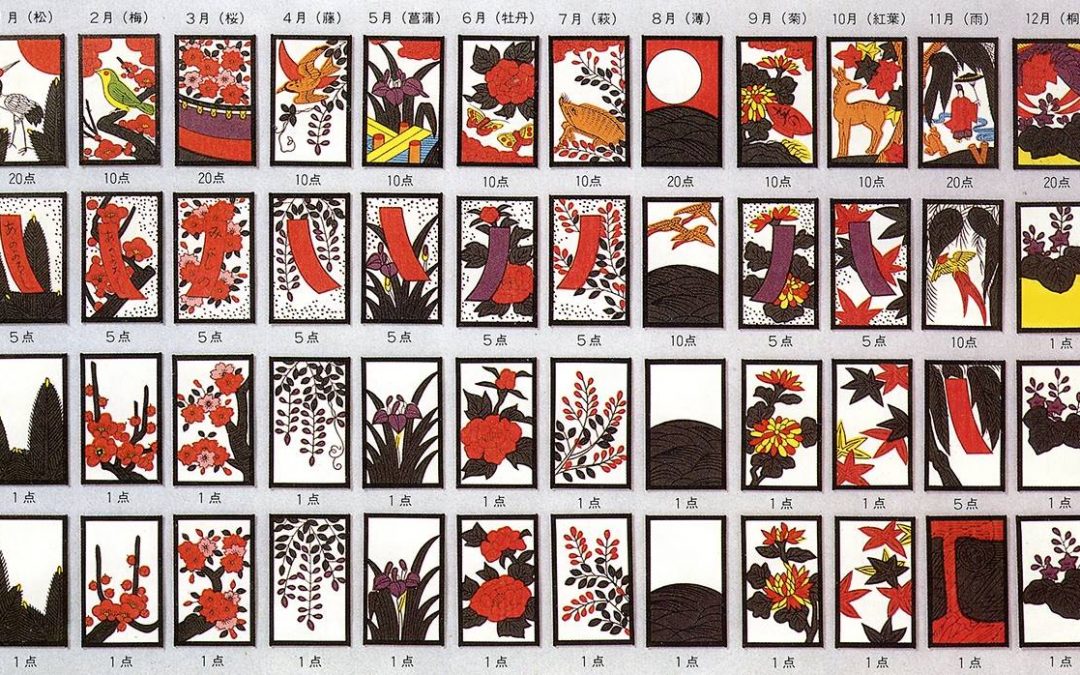
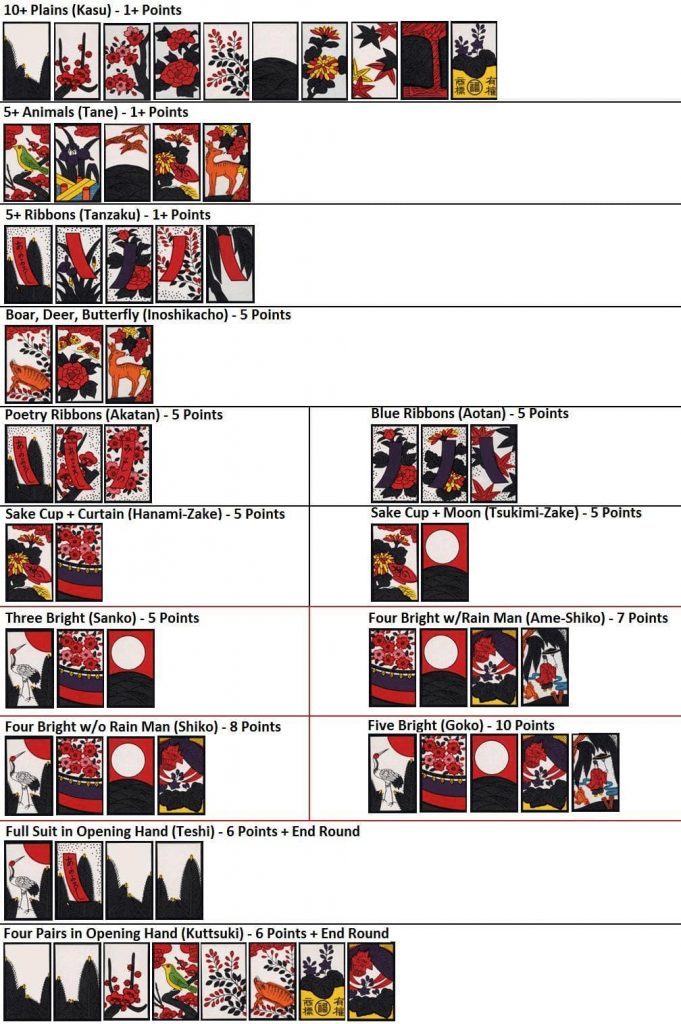
Japanese Flower Card Game: Hanafuda

Just around the time I came to Japan, I met a man 10 years older than I, and he became my best friend. 

Unusual for Japan, he was one of the top race horse trainers in Japan.

Having just landed on the Land Of The Rising Son, I barely spoke any Japanese, and my new friend’s English was basically zero. 

He invited me over to his house for my very first sukiyaki experience. 

In a recent post I talked about the incredible deliciousness of wa gyu, and the marbled beef in this exquisite sukiyaki dish melted in my mouth (you can see wagyu X amegyu here). 

Communicating with my friend was difficult those days,2 and we didn’t want to sit around being bored, so he pulled out this unique card game and taught me how to play. 

Strange to see card with the flowers on them, but after getting the rules, this card game is incredibly fun, and I played it often back in the day. 

You have to hand it to the Japanese, not only is this an incredible game, but how could I resist these “flower cards”. 

These card are also used for gambling, and picturing the Japanese mafia members sitting around smoking and drinking while playing the flower card game for high stakes is kind of like a contradition.

Oh, and by the way, the major manufacture of these cards is Nintendo.