Language is a Concept: Wa-Harmony

Language is a Concept: Wa-Harmony

Language is a Concept: Wa-Harmony

Language is a concept: Wa-Harmony

Understanding concept of “wa”, is to gain an understanding into the Japanese way.

All languages are a reflection of the emotional, spiritual and intellectual characteristics of the people who created them. One could say language is embedded into the speakers DNA.

In essence, all languages are social concepts.

The older, more structured and more exclusive a society and its language, the more expressions and terms it has that are embodied with cultural nuances which fundamentally control the attitudes and behaviour of the people.

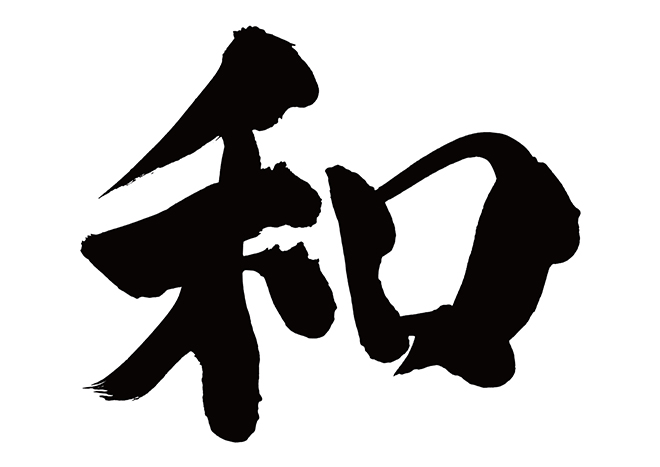
The word “wa” (和) or harmony expresses an essential Shinto concept of harmony between humans, nature, and all things within nature.

This is what the Chinese called Japan long before the emergence of Japan as a unified country.

In the seventh century, Japan’s reigning imperial regent issued a series of edicts that can be though of as Japan’s first “constitution”. The first of these proclamations was that “wa” was to be the foundation of Japanese society.

While “wa” has traditionally been translated to English as “harmony”, it had a much deeper and indeed more profound meaning in the Japanese context. 

In short, it means not doing anything that causes friction or upsets people or nature. On the other hand, it encourages actively doing things that ensure and sustain peaceful, cooperative, and harmonious relationships.

In other words, “wa” means “Japanese style” harmony, not harmony in the western English sense of the word.

As is often the case with Japanese specific cultural words, there really is no translation.

One has to understand “wa” by feeling it in the air and in the ether of Japan.

During the 1960s and 70s Japan’s economy “wa”s growing in to the second largest economy in the world, and the Japanese attributed their amazing growth to the existence of “wa” in business, government, the education system, and throughout society.

Furthermore, all of Japan’s traditional arts and crafts, etiquette, formal speech, cultural practices, and so on, are infused with the essence of “wa” or, of Japanese style harmony. 

When one comes to understands “wa”, one can gain a much more meaningful experience, when visiting the Land Of The Rising Son. 

And based upon one’s deeper understanding of “wa”, one can then see different layers in the Japanese society with the all important social construct of “wa”, in so many aspects of the Japanese life.

Ask anyone who has been to Japan what they found intriguing and perhaps a little mysterious about Japan, and they will inevitable answer; the Japanese seem to have a harmonious and peaceful society, with polite and courteous people.

This is “wa”.
Wa-Harmony

People You Meet: Joe Palermo

People You Meet: Joe Palermo

People You Meet: Joe Palermo

People You Meet: Joe Palermo

Who would have ever thought before the Internet, one could come across a kindred spirit, via a social media platform, and discover so very much in common, based upon our experiences in Japan, now decades ago.

I saw a post to a group about Japan by Joe Palermo, and it resonated deeply with me.

He posted about an experience in Japan back in the early 80’s, while in the employment of the Japanese Ministry of Education.

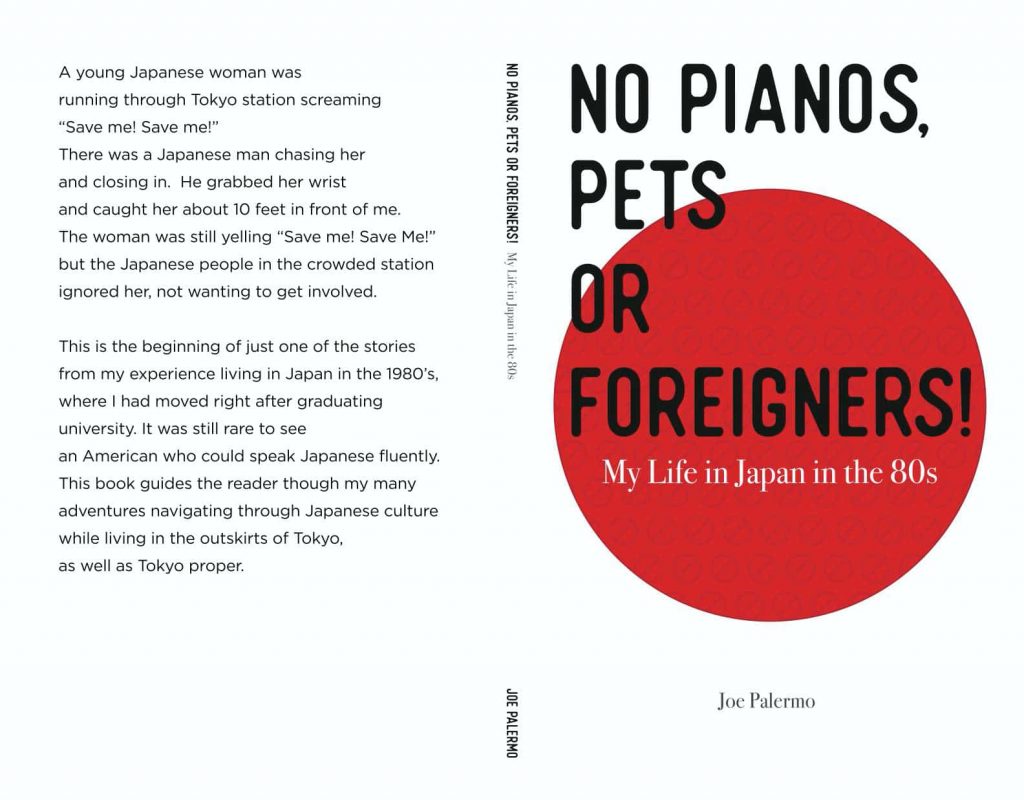
In fact, Joe wrote a book about his experience in Japan starting from the early 80s and it was incredible to read of the profound similarities of so many of the experiences we both had back in the 80s in Japan.

No Pianos, Pets or Foreigners! My Life in Japan in the 80’s, by Joe Palermo.NoPianosPetsOrForeignersCover

Remember, Japan was not considered to be a tourist destination at all back then, and the only foreigners who came here were either on business temporarily, or here to work on yearly contracts.

Back then the go-to destination in Asia was the Kingdom of Thailand, formerly know as Siam, which is also known as “The Land of a Thousand Smiles.

Being a caucasian foreigner in Japan, especially in the rural areas in the 80s, was still quite rare, thus the people like Joe and I coming to Japan in the Showa era can be considered somewhat pioneer like.

Joe came to Japan in Showa 57 (1982), and I came 5 years later in Showa 62 (1987).

I refer to people like us as “Showa Boys”, and Joe can be considered my “senpai”.

Although Joe found himself returning to his home country for work after a few years, he made sure to take an important part of Japan back with him, and her name is Taeko.

I thoroughly enjoyed reading No Pianos, Pets or Foreigners!, bringing back so many fond and meaningful memories of life back in the 80s.

If one would like a glimpse into Japan in the 80s, and picking up some important cultural points along the way, I highly recommend checking out No Pianos, Pets or Foreigners!

Some of the fascinating topics you will read about in No Pianos, Pets or Foreigners!

What’s a Gunma?

How to Become Japanese (Or Not)

Risking My Life and Being a Star

The Great Cultural Divide

Experiences on the Wrong Side of the Law

Meeting my Manga Hero

Encounters with Suicide Chapter

The Magic of Company Trips Chapter

Thanks Joe for this engaging and entertaining book!

JoePalermo


You can check out Joe Palermo at Facebook here:
You can get your copy of No Pianos, Pets or Foreigners! here.

Massage My Soul

Massage My Soul

Massage My Soul

Massage My Soul

Ever since my mother gave me a face massage when I was just a child, I understood the importance of relaxation and rejuvenation therapy for one’s body and soul.

Travelling in Thailand with my beloved friend Jion-Jion, who I actually met in the Narita airport while waiting for a plane to Taiwan decades ago, is where this tale of massage begins.

He suggested that we get a massage at Wat Pho, an extraordinary Buddhist temple in Bangkok. Wat Pho is also known as the birthplace of traditional Thai massage which is still taught and practiced at the temple to this very day.

We arrived at this magnificent temple, we entered a large open room with mats laid out side-by-side upon its vast floor. A surreal experience to say the least, with row upon row of people lined up, strangers side-by-side, all receiving an authentic Thai style massage and entering into bliss.

Perhaps one could say we were all united as one in humanity at that particular place and time (See ICHIGO ICHIE ~ ONCE IN A LIFE TIME) .

But wait, there’s more to this story, much more.

That night we took an evening flight to Rangoon, Myanmar, where we stayed at a beautiful rest house made of teak in the heart of Rangoon.

The name of this delightful and exquisitely appointed teak rest house was “Three Seasons.”

After coming back from our first day trek in the fascinating city of Rangoon, I said to the very lovely and charming Burmese lady of Chinese ancestry, whose name was Mimi, “I now understand what the three season of Myanmar are:

Hot
Hotter
Hottest

The night we arrived, and even though the air conditioner was on in the extreme heat and humidity, I was sweating throughout the entire night and into the early morning.

Waking up drenched, I mentioned this to John, as I was slightly worried that I may have come down with some kind of tropical bug.

He said “Well, how does one actually feeling anyway?”

“Absolutely fantastic” was the sheepish reply.

My wise and dear friend John said to me “there were toxins released from one’s system during the Thai massage at Wat Pho, and these toxins have been dismissed by sweating them out throughout the night.

Now that small scare was out of the way, we ask Mimi, the wonderful proprietress of the exceptional rest house, Three Seasons (what are the three seasons of Myanmar?), if she could arrange for us to have an excellent Burmese style massage.

Mimi said she’d be delighted to call her go-to woman, and she will meet us back here after lunch.

As we entered the Three Seasons, there was an old lady standing in the lobby with a large smile on her face.

I asked Mimi, “Where is our masseur”?

With knowing eyes, she pointed to the old smiling granny waiting for us in the lobby.

We looked at each other with puzzled eye, and wondered what could possible be in store for us with this petite woman, whose wisdom and experience exuded from her weathered and beautiful face.

She spread her mat out on the floor of our room and John went first.

Now, as I observed her massaging John in what could only be described as seeing his painful grimacing, this obviously highly skilled massage therapist was working on a man one and a half time her own size, and getting deep into his tissue.

Well, it was my turn, and I soon found out exactly what the story was.

It was when she lifted my leg up and crushed her heel into my groin is where the ice cold fire started to shoot from my groin into my brain, that I came to realize she was a master of Burmese style massage.

After this experience, we anointed this remarkable woman “Needle Fingers Granny.“

Regardless of these extraordinary massages in Southeast Asia, nothing can rival the extraordinary massage I stumbled upon in my very own hometown here in the Land Of The Rising Son.

Randomly entering the massage salon, I signed up for a 90 minute course including 30 minutes on my feet.

I was assign the next available massage therapist, and I was greeted by a smiling and gregarious woman.

Little did I to know then, this was to be the beginning of a lifelong relationship with the best masseur I’ve ever experienced in my life.

She understand at an extraordinary deep level where my work needed to be done, like my elbow joint which I dislocated 30 years ago.

She never lets up one second as she reached her masterful fingers not only into the depth of my tissue and joints, reliving them from years of wear and tear, but indeed, into the very depths of my soul.

Every time I go there, it is never without trepidation of the uncomfortableness that I will be experiencing for the next 90 minutes.

However, being comfortable is not why I go!

I go to experience her exceptional massage technique, which leave me refreshed and somewhat wiser as I ponder life’s mysteries while enduring what can only be described as the deepest tissue massage here on earth.

Remember, there are three kinds of tissue massage, just as there are three seasons in Myanmar:

Deep
Deeper
Deepest

One would have to come here and experience it for oneself, to understand the true meaning of the “deepest tissue massage”.

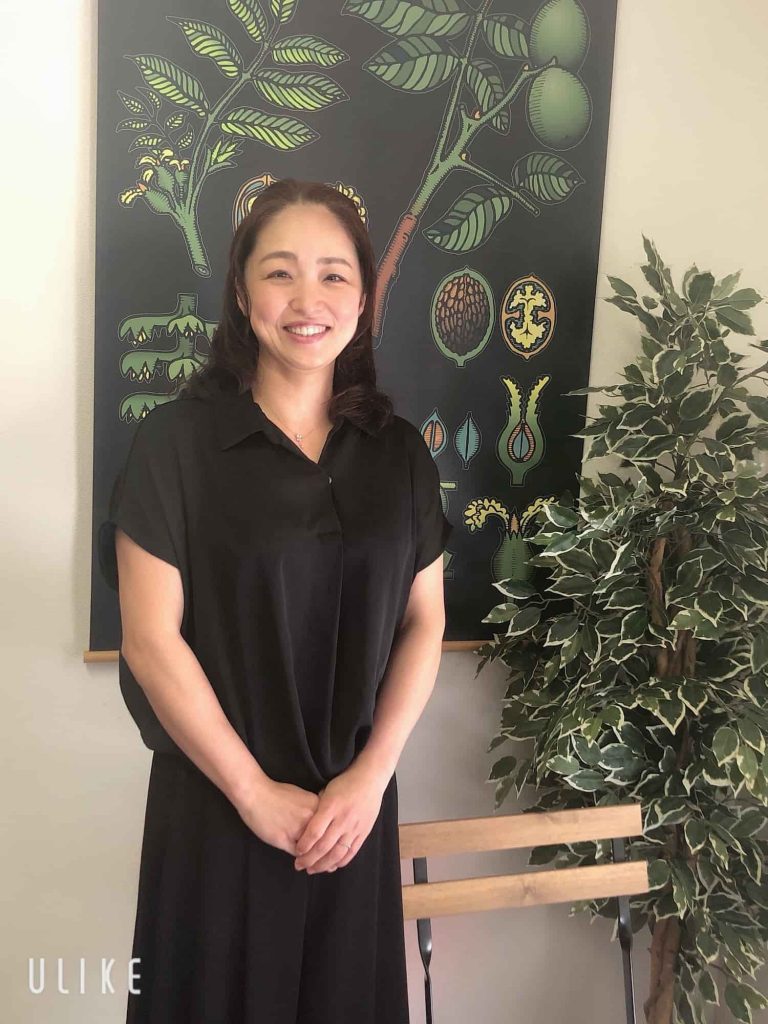
Thank you so very much Ms. Kondo, we appreciate your prodigious massage technique and for your wonderful disposition.

Ms.FumiKondo

ほっと佐原店-04

ほっと佐原店-02

ほっと佐原店-05

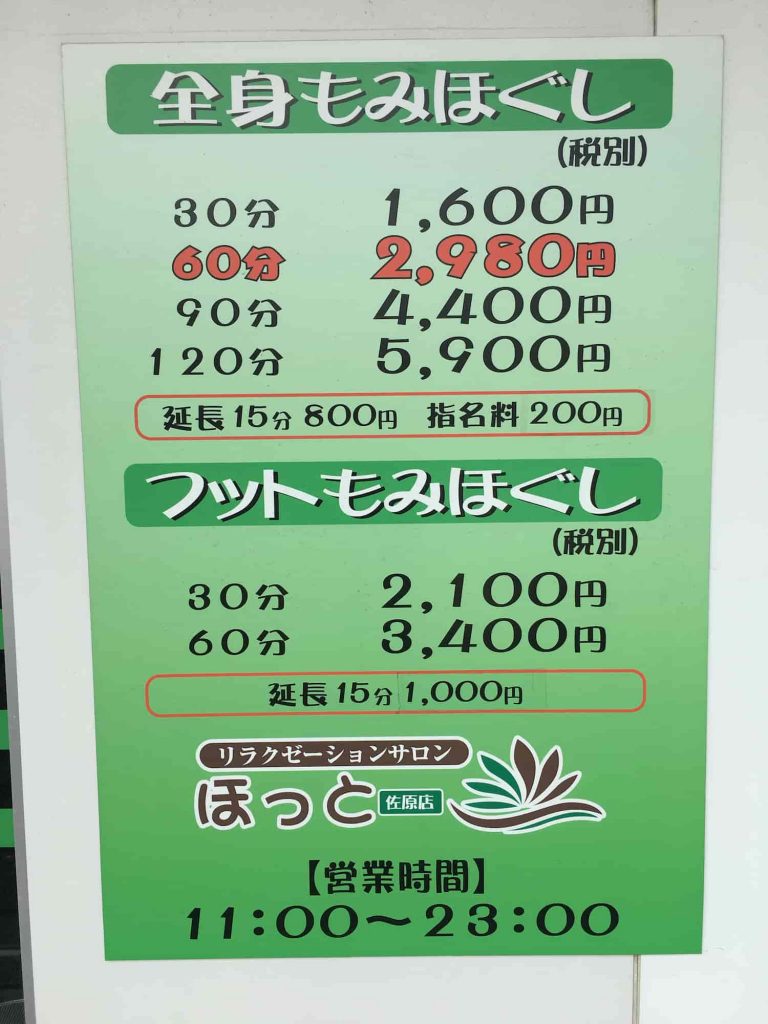
Bonus: If you would like to experience this incredible massage, you can do so here.


Forgotten Samurai: Onna-bugeisha

Forgotten Samurai: Onna-bugeisha

Forgotten Samurai: Onna-bugeisha

Forgotten Samurai: Onna-bugeisha

While most Japanese women were subject to rigid social expectations of domesticity, onna-bugeisha women warriors were known to be every bit as strong, capable, and courageous as their male counterparts.

It never ceases to amazing me, some of the long forgotten stories in Japan.

I also find it very curious that something as extraordinary as the history of the onna-bugeisha was almost relegated to forgotten annals of history.

Fortunately, many of the stories of these extraordinary women have been found, and we can now see the fantastic tales of bravery and sacrifice of these female warriors.

Indeed, even the Japanese when asked if they know of the onna-bugeisha, one will more often than not draws blank stares.

Try it with your Japanese friends, ask them if they know of the onna-bugeisha.

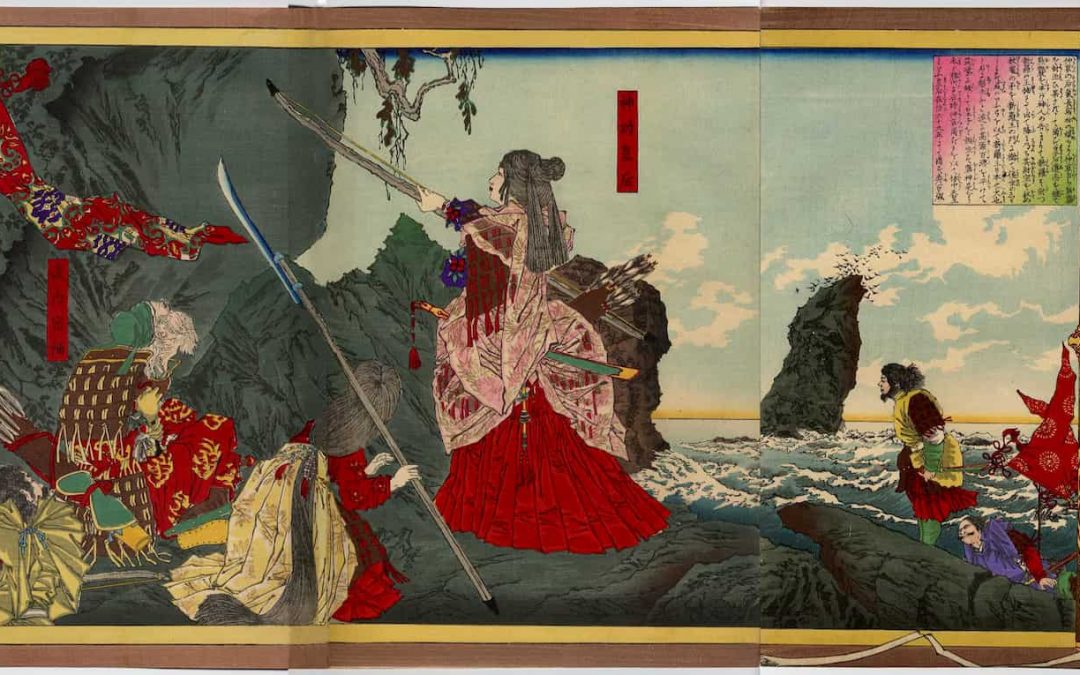
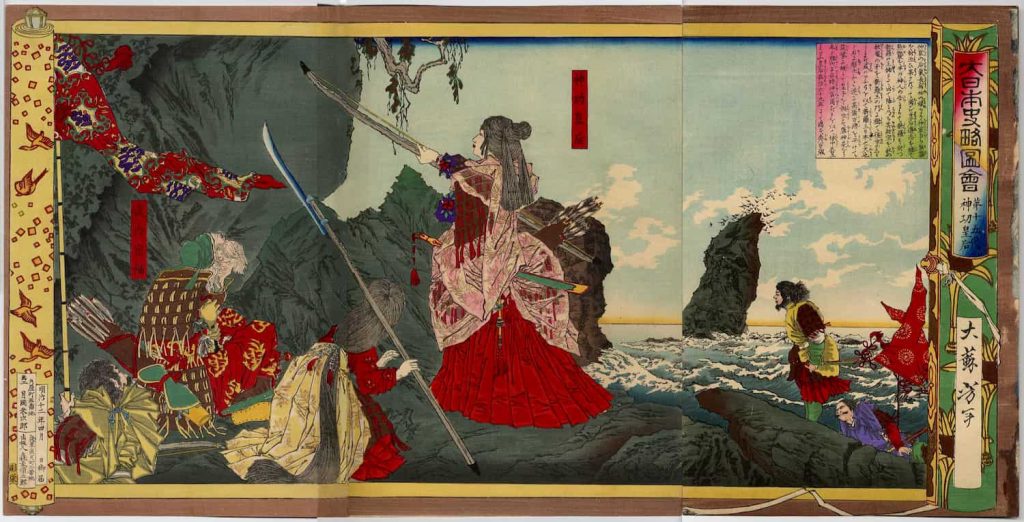
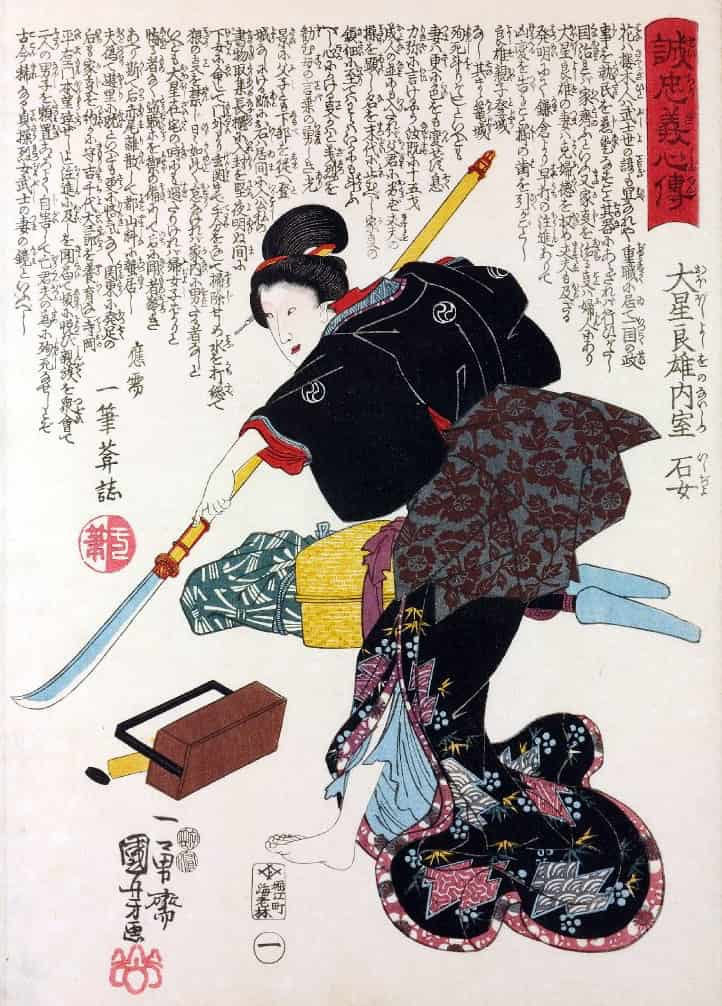
One could say the very first onna-bugeisha was Empress Jingu, who reigned over Japan 201 to 269 CE.EmpressJinguInKorea-01The onna-bugeisha learned to use naginata (polearm sword), kaiken (20-25 cm dagger), and the art of tantojutsu (a traditional Japanese knife fighting) in battle. This training also ensured protection of the communities that lacked male fighters.

Meanwhile, Westerners rewrote the history of Japanese warring culture after the end of the Second World War, and omitted the heroic quests of the onna-bugeisha and elevating, instead, the exaggerated representations of swaggering male Samurai and subservient Japanese women, clad in kimono and tightly-bound obi, as their official narrative of the history of Japan.

One can say the exploits of Japanese female warriors is the greatest untold story in samurai history, as throughout history, most Japanese women were subject to rigid social expectations of marriage, domesticity, and motherhood.

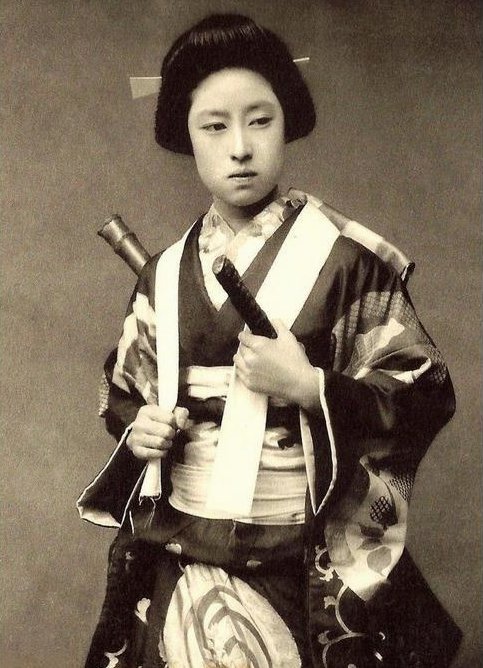
However, there also existed women warriors like Nakano Takeko who were known to be to be every bit as strong, capable, and courageous as their male counterparts. They belonged to the bushi class, a noble class of feudal Japanese warriors, and helped settle new lands, defend their territory, and even had a legal right to supervise lands.Nakano TakekoCenturies before the rise of the samurai class in the 12th century, these women would fight in times of war to protect their homes, families, and to maintain their deep sense of honour.
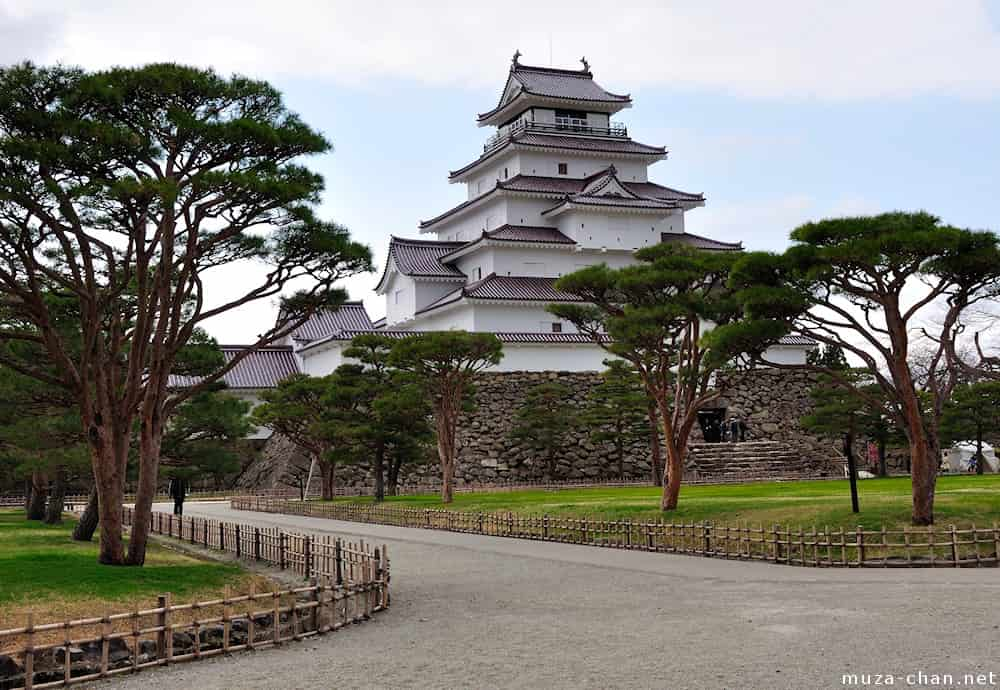
Historically, the Battle of Aizu is widely considered to be the last stand of the onna-bugeisha, though their legacy lives on today in small but significant ways.

In the autumn of 1868, and for the samurai warriors of the Aizu clan in northern Japan, battle was on the horizon. Earlier in the year, the Satsuma samurai had staged a coup, overthrowing the Shogunate government and handed power to a new emperor, 15-year-old Mutsuhito (Emperor Meji), who wasted no time in replacing the feudal ways of the ruling Tokugawa with a radically modern state. This period is known as the Meji Restoration.

After a long summer of fighting, the imperial forces of Emperor Meiji reached the gates of Wakamatsu castle in October to quash the resistance, besieging the stronghold with 30,000 troops.

Tsuruga-joBeyond its walls, 3,000 defiant warriors readied themselves for the final stand.

Most of the women remained behind the scenes, cooking, bandaging, and extinguishing the cannonballs which pounded the castle day and night.

However, for Nakano Takeko, an onna-bugeisha, front line defence was the only course of action for her and her warrior sisters.

Faced with the destructive gun-power of Emperor Meiji’s powerful and westernized imperial army, Takeko led an unofficial unit of 20-30 women in a counter-attack against the enemy, felling at least five opponents with her naginata blade before taking a fatal bullet to the chest.

With her dying breaths, Takeko asked her sister to behead her, so that her body wouldn’t be taken as a trophy.
Onna_bugeisha_-_ritratto_sedutoHow about that for a rock solid constitution?
She was buried under a tree in the courtyard of the Aizu Bangmachi temple, where a monument now stands in her honor.

There is also an annual Aizu Autumn Festival, where Japanese girls take part in a procession to honor the memory of Nakano Takeko.

Regardless of the outside image of Japanese women, the power of our Japanese sisters can never be underestimated!

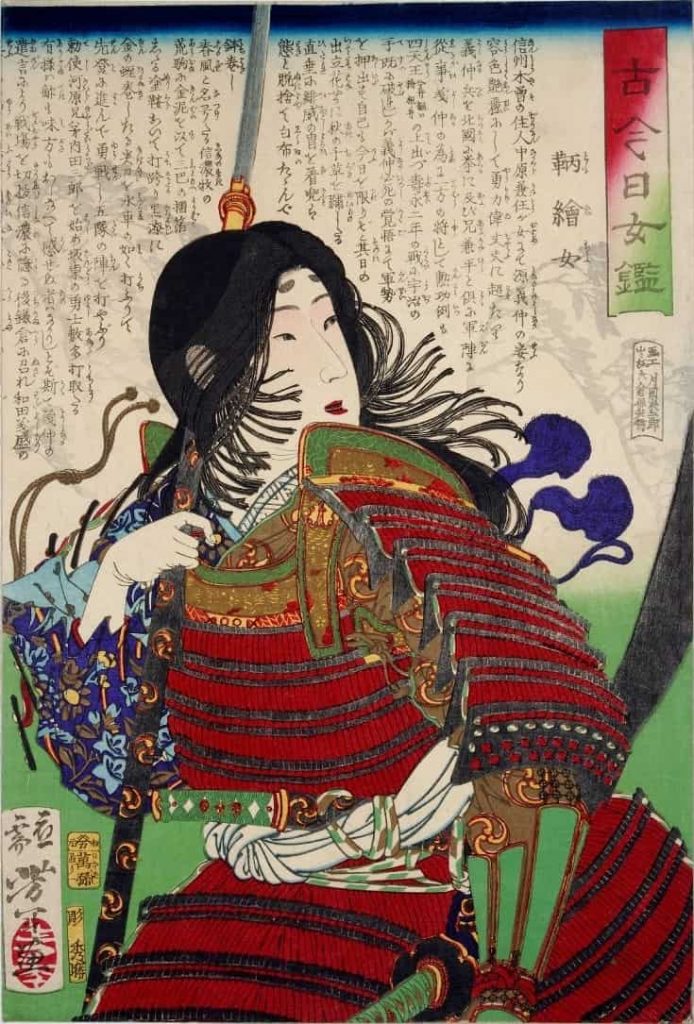
This is evidenced by the incredible story of valour and honour of the powerful onna-bugeisha.Onna_bugeisha_Ishi-jo_wife_of_Oboshi_Yoshio Kokon_hime_kagami_Tomoe_onna_by_Tsukioka_Yoshitoshi

Bonus.

Here is a wonderful infographic of Nakano Takeko from the “Rejected Princesses” home page (English only).

Japanese Women Power: Mercedes Benz Mechanic

Japanese Women Power: Mercedes Benz Mechanic

Japanese Women Power: Mercedes Benz Mechanic

Japanese Women Power: Mercedes Benz Mechanic

For 10 weeks in the summer, I’ve been a guest lecturer for over 30 years at a university, which educates student for entry into the vast Japanese automotive industry.

For only the 5th time in 30 years, there was female student in the advanced 4 year course. 

Women make up only 3% of the student body at this university.

In Japan, students start looking for jobs in earnest at the start of their 4th and final year of university. 

I asked this young woman, “Did you find employment yet?”.

She said “yes”, and I asked her, “Where are you going to work?”.

She answered “I’m going to work for Mercedes Benz”.

Mercedes-Benz as a gullwinged coupe (1954-1957)Well I thought to myself this is very excellent, and I then asked, “Are you going into sales?”.

To which she replied, “No, I’m going to be a Mercedes-Benz mechanic”.

Well this just tickled me pinker than I already am!

I was so very delighted to see this young women persevering throughout four years of what is basically an all male university, and her thriving among the young men and their testosterone fueled environment. 

And then, she lands a coveted job as a prestigious Mercedes Benz mechanic.

I asked “Are you going to be working on Maybach Mercedes Benz?”.Maybach Mercedes Benz

“Yes indeed, I will be working on all kinds of Mercedes Benz”.

Absolutely fantastic!

This young women dream to become a Merceds Benz mechanic has turned into reality. Next year from April she starts out on her special journey fixing Mercedes Benz, with not only high level mechanic skills, but with the warm and tender touch that can only be brought to the job by a motivated and subtly powerful woman.

Best wishes to this young woman for all the success in her new life as a Mercedes Benz mechanic.

Mercedes-Benz Mechanic

Wabi-Sabi

Wabi-Sabi

Wabi-Sabi

Coming to Japan in 1987, there was wonderment, awe, and, sometime dismay about these strange new things and customs, that having been surrounding this incidental Occxie for decades.

Wabi-sabi resides in the rare “air.”

空気を読め - Land Of The Rising Son

Like many unspoken protocols and conventions of the Japanese, awareness of wabi-sabi is an innate trait, embodied within the spirit of Yamato.

In traditional Japanese aesthetics, wabi-sabi is a world view centred on the acceptance of the transience and imperfection of universal truth.

Wabi-sabi is sometimes described as one of beauty that is imperfect, impermanent, and incomplete.

wabi-sabi-aesthetics

Wabi-sabi is derived from the Buddhist teaching of the three marks of existence:

sanbōin―the delineation of the three marks of existence

1. mujō―impermanency
2. ku―suffering
3. kū―emptiness or absence of self-nature

Characteristics of the wabi-sabi aesthetics include:

1. asymmetry
2. roughness
3. simplicity
4. economy
5. austerity
6. modesty
7. intimacy

 三宝院 - Land Of The Rising Son

Once one has recognized and understood wabi-sabi, a deep and meaningful appreciation of the ingenuous integrity of natural objects and processes.

Wabi-sabi does not translate into any other languages, as these notions are unique to the civilization of the Japanese.

Wabi embodies rustic simplicity, freshness, or quietness, and can be applied to both natural and human-made objects, or understated elegance.

It can also refer to quirks and anomalies arising from the process of construction, which add uniqueness and elegance to the object.

wabi-sabi-bamboo and water

Sabi is beauty or serenity that comes with age, when the life of the object and its impermanence are evidenced in its wear and tear.

With its roots in Buddhist influences from China, wabi-sabi has now evolved into a distinctly Japanese cultural touchstone.

wabi-sabi-Japanese-rock-garden

From around 700 years ago, understanding emptiness and imperfection was honoured as tantamount to the first step to enlightenment.

In modern Japan, the meaning of wabi-sabi embodies “wisdom in natural simplicity”.

It can also hold the connotation of “flawed beauty” in particularly in the sphere of art.

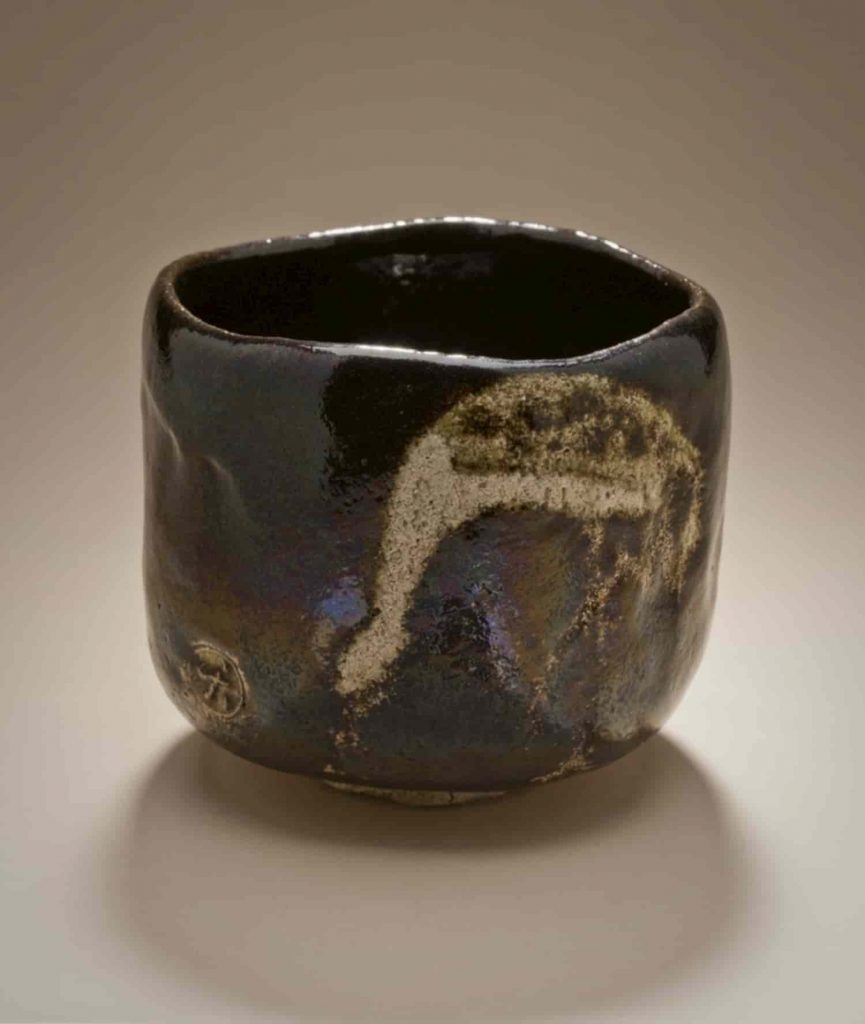
One can see wabi-sabi in certain styles of Japanese pottery.

In the Japanese tea ceremony, the pottery items used are often rustic and simple-looking.

wabi-sabi-pottery

Hagiware is an example of this, with shapes that are not quite symmetrical, and colours or textures that appear to emphasize an unrefined or simple style.

It is up to the knowledge and observational ability of the observer to notice and discern the hidden signs of truly excellent design.

One can see wabi-sabi in most things, if one opens the eyes and heart.

Wabi and sabi both suggest sentiments of desolation and solitude.

In the Mahayana Buddhist view of the universe, these may be viewed as positive characteristics, representing liberation from a material world, and transcendence to a simpler life, or what is know in Buddhism as “satori” or “enlightenment.”

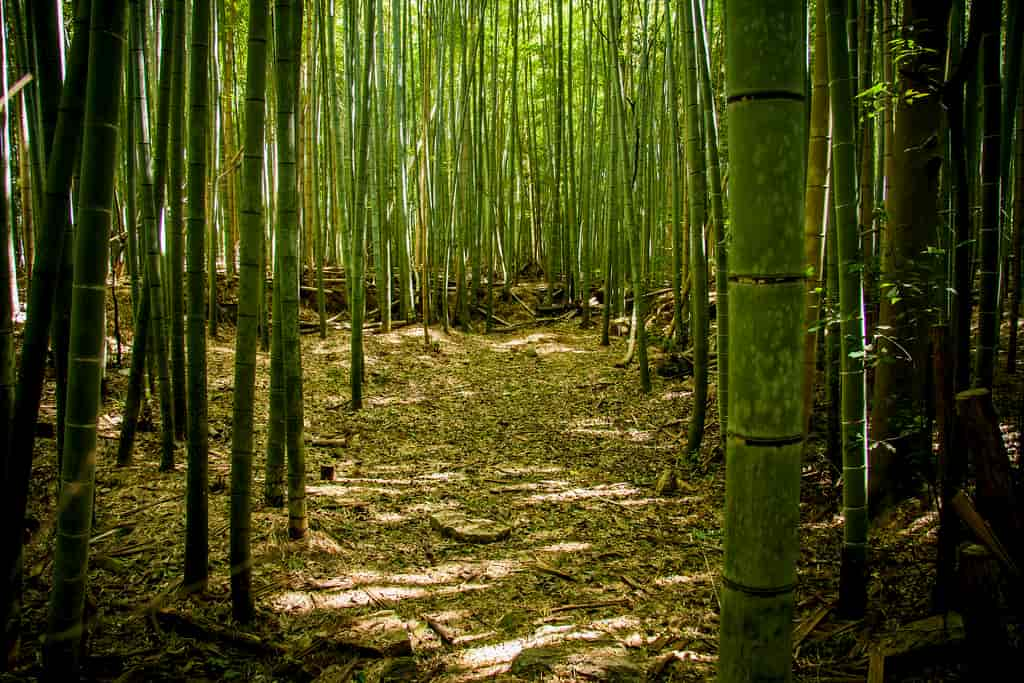
wabi-sabi-bamboo-forest

Keep in mind as one ponders the meaning of life―genuine understanding of wabi-sabi cannot be achieved through words or language.

Therefore, one must accept wabi-sabi on nonverbal terms, and this may be the most appropriate approach to understand the meaning of wabi-sabi.

In fact, one could say—wabi-sabi describes the meaning of life, and the essence of being a human.

Here, one can learn to live through the senses, and better engage in this mortal sludge in real time, rather than be caught up in unnecessary thoughts, and the incessant chatter of the monkey brain, the root causing of human suffering and pain.

In this sense wabi-sabi, is the material representation of Zen Buddhism.

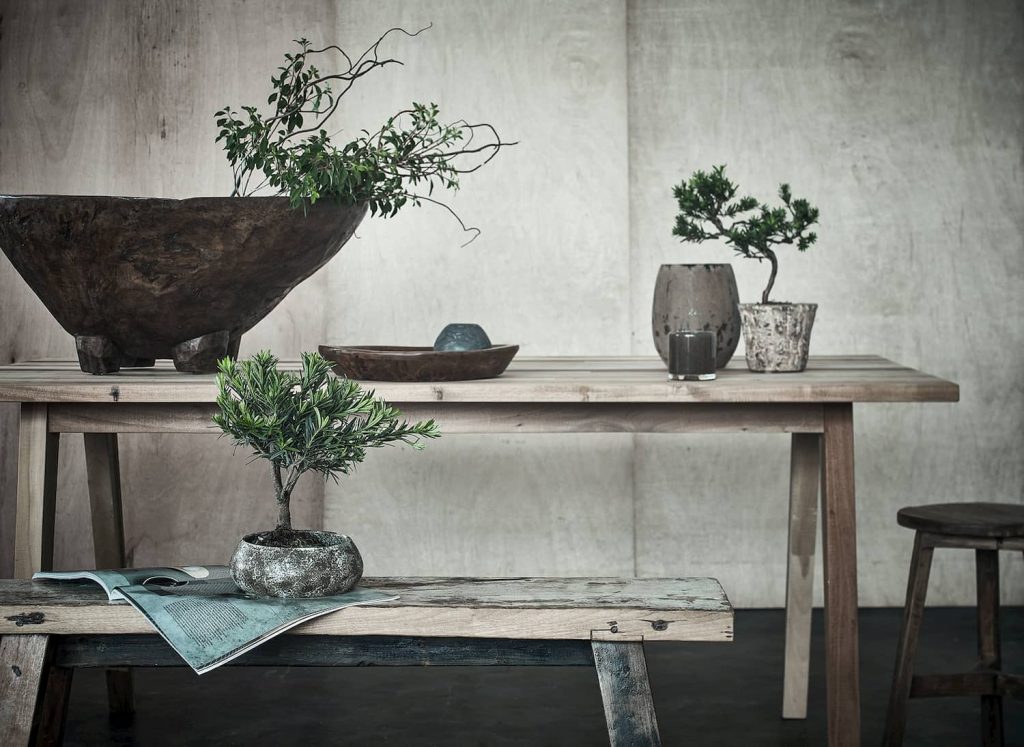
wabi-sabi-bonsai-tree

The universal truth is:

Being surrounded by natural, changing, and unique objects, helps us connect to the real world, and escape one’s chattering “monkey brain.”

In wabi-sabi, one learns to find the most basic, natural objects interesting, fascinating, and beautiful―which is in fact, the true essence of life.

Look around more deeply and pensively at the world that surrounds you, and then one will have begun the wabi-sabi journey into the Sun.

Clarity Over Time - cybersensei - Land Of The Rising Son