Heavier Rice – Deeper Bow

Heavier Rice – Deeper Bow

Heavier Rice – Deeper Bow

Heavier Rice – Deeper Bow

minoru hodo kōbe wo tareru inaho kana

One has only actually heard this phrase spoken twice over a span of 35 years.

The first exposure to this elegant phrase was sitting in an izakaya which is renowned for their decliciuos sashimi with my cherished doctor friend, who is originally from Kyoto.

Sitting at the counter thoroughly enjoying the three pillars of Japanese  culinary life, (raw fish – assorted pickles – rice wine) were three other men, two in their late 30s and an older gentlemen.

刺身船 - Land Of The Rising Son

The sake flowed and the party at the counter got underway in earnest, and during this party, each individual character was laid bare for all to see.

While the two younger Japanese men became rambunctious and boisterous, often in praise of themselves, the older gentleman remained composed and dignified.

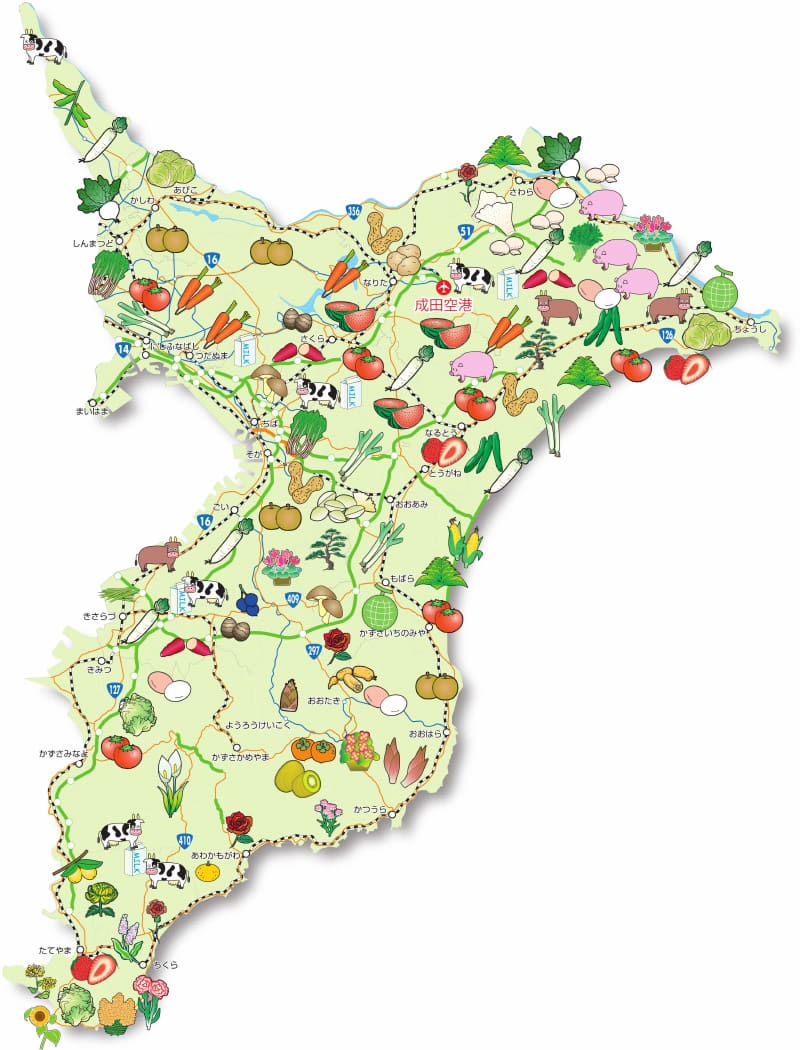
It turned out these people were prefectural bureaucrats, with the two rowdy boys being low-level underlings, and the composed gentleman being a senior Chiba Prefectural government official.
Chiba Ken Fun Map - Land Of The Rising Son

It was in this setting, rural Japan circa 1990, this important lesson in humility was instilled by my beloved doctor friend after observing these bureaucrats.

This divine phrase embodies true strength and value which accompany those who exhibits a sense of dignity and humility.

minoru hodo kōbe wo tareru inaho kana

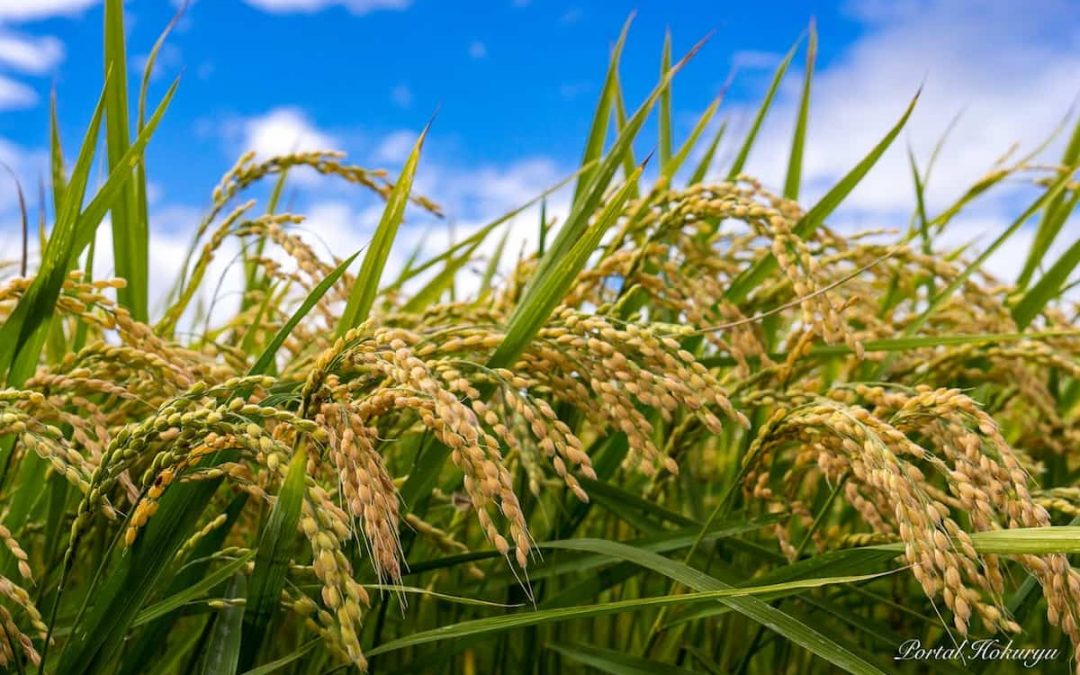
The more fruitful the ears of rice, the more humble the posture.

As the rice grows, the ears droop and one can compare the rice to a growing person.

“The way to be a person” is represented as ears of rice.

The young green rice plants grow straight up to the sky, and eventually grow into ears of rice that bear fruit. 

As the fruit (rice kernel) inside the ears grows, the ears of rice naturally droop under the weight of the heavy fruit and turn a beautiful golden hue. 

豊作天照大御神ありがとう - Land Of The Rising Son

Over the life-cycle of rice, it is exposed to strong winds and rain, and must overcome cold and hot days in order to grow into a magnificent rice plant while bearing abundant fruit.

The metaphor of this exquisite phrase is what it means to become a well rounded human being possesing dignity, humility, and honour.

A person grows up magnificently by looking only straight up when young, and to overcome various rough seas and hardships to form a splendid personality over the growing season.

It is here where one becomes more humble and bows more deeply with a rich robust bounty of rice as a treasure to be cherished on one’s own journey to greatness.

On the other hand, if the rice has not grown into plump rice kernels, the fruit is scant, and the rice will be without substance. 

Such rice may look like fine, but it does not have any weight for the ear to bow low, thus, its head will not bow low.

Japanese Bowing To Each Other - Land Of The Rising Son

This elegant analogy to the ecology of rice shows that a person who has a splendid appearance and title, but no substance, is just a small person with a lot of bravado, and is far from a person of character.

The second time minoru hodo kōbe wo tareru inaho kana was encountered was during an online lecture just recently, and the speaker was from…that’s right, Kyoto.

ようこそ京都へ - Land Of The Rising Son

Onomatopoeia

Onomatopoeia

Onomatopoeia

Onomatopoeia

A delightful arrow in the linguistic quiver is to sprinkle one’s Japanese with onomatopoeia.

These most flavourful sounds and phrases always add special sauce to the esoteric Japanese language. 

Perhaps it is the ancient Japanese way of animism that has lead to a plethora of these interesting sounds as the Japanese language developed over the millennia, based upon life in all things (ban butsu 万物).  

Spirits and Animism in Japan - Land Of The Rising Son

One can draw upon a wealth of onomatopoeia to express subtle feelings and images, sounds and actions, and allows one to express ideas in an animated and stimulating way.

For certain one must have a solid grasp of the fundamentals when on the quest to master any language, and this is where the traditional systems of language acquisition can not be replaced. 

For many foreigners, the start of the Japanese language journey starts with the JLPT (Japanese Language Proficiency Test).

Japanese Language Proficiency Test - Land Of The Rising SonThis language proficiency standard is an important tools for anyone coming to Japan with the intent of intergrating into the community.
Reflecting back to the start of one’s own reading journey, after mastering hiragana and katakana, the next step should have been to immediately start to study the Ministry of Education Primary Education Grade 1 Japanese language curriculum.

Studying at the level of 6 and 7 year-old Japanese elementary school children also has a tendency to instill one with some humility and perspective as well.

小1年国語教材書ワーク - Land Of The Rising Son

Here one not only builds critical reading skills, but gains exposure to the Japanese cultural motif, which is fundamental to understand the ancient culture of the Japanese, and is a second order effect of studying Japanese primary school kokugo.

While on one’s own Way to Japanese language proficiency and life-mastery, it is always beneficial, and personally edifying to explore the plethora of nooks and crannies lurking within the esoteric Japanese language.

Another great place to find linguistic gems along with onomatopoeia phrases is inside four-character-compounds (yon moji juku go 四文字熟語).

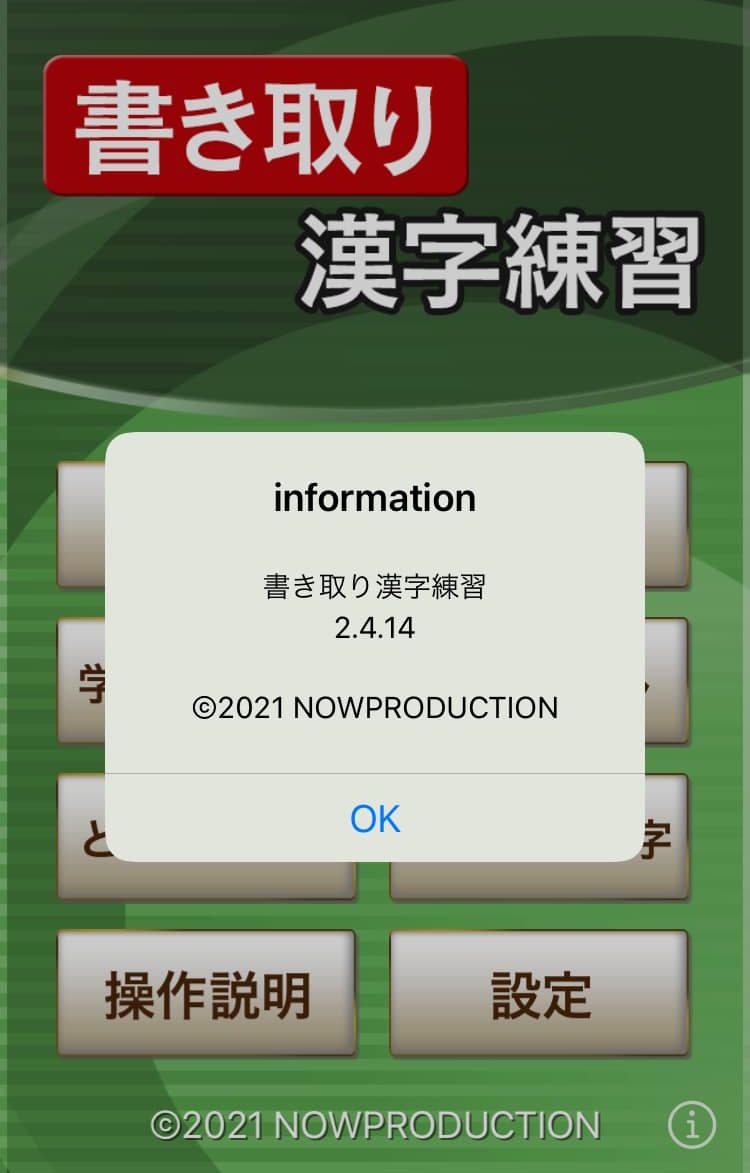
All those seeking Japanese language proficiency will also benefit considerably from this particular app, which will probably keep one occupied for a very long time, courtesy of the generous people at NOWPRODUCTION.

NOWPRODUCTIONS - 書き取り漢字練習 - Land Of The Rising Sun.png

So, what exactly is an onomatopoeia?

An onomatopoeia can be described as the formation of a name or word by an imitation of the sound associated with a thing.

Onomatopoeia can also be a word imitating the sound of the thing or action that it signifies.

One could say onomatopoeia words bring a kind of poetry and life to the basic and monotonic speech pattern of the abstruse Japanese language.

Ever lived in Japan? 

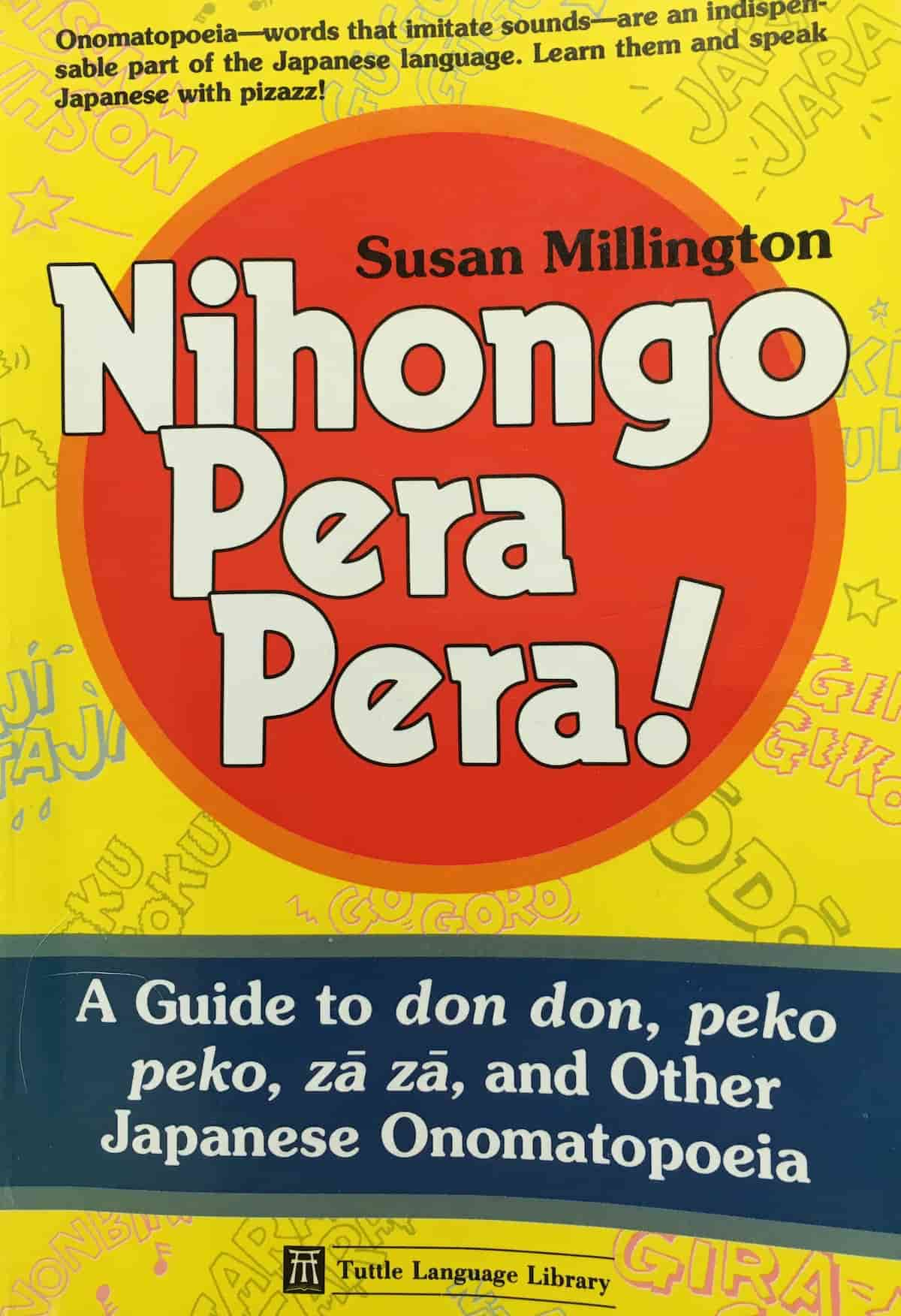
Here one has undoubtedly come across the phrase pera pera.

Onomatopoeia- Nihongo pera pera- Land Of The Rising Son

This common onomatopoeia can be heard in praise and encouragement of any attempt foreigners make to communicate in Japanese. 

In fact, pera pera means language-fluency, and the Japanese will use this onomatopoeia liberally as it is in their nature to be especially complimentary to those attempting to speak Japanese. 

Alas, with this particular compliment, one may also be experiencing what is known as shakojirei, or “saying something for politeness sake,” which is also an unwritten social convention and protocol, and these compliment on one’s language ability must always be taken with a grain of salt.

However, skillfully inserting one or two onomatopoeia into one’s spoken Japanese will have Japanese friends and colleagues in awe of your incredible language skills, and how quickly you have become pera pera, and this time, they will really mean it. 

In general, the Japanese language is rich in words expressing feelings.

Thus, there are many onomatopoeia phrases to describe the touch and feel of something, even how food feels in the mouth. 

assari – light delicate flavour: Use when saying something nice about food that has no taste

kote kote or kotteri– smother, rich food, paint makeup on thick

shaki shaki – crisp like fruits or vegetables

hoka hoka – nicely steaming, hot food, feeling warm and pleasant

neba neba – sticky (not necessarily unpleasant), natto is neba neba

Natto- Land Of The Rising Son

There are many words and phrases to describe what is important to the speaker, or what sticks out in their perception of their environment. 

Anyone who spend any amount of time in Japan will not be surprised to know that there are numerous ways to talk about Japanese seasons. 

kan kan – blazing heat or sun, clanging sound, very angry

karatto – weather clears up, crisp

don yori – overcast, gloomy, dull

soyo soyo – light breeze

jittori – moist with sweat

Beads of Sweat - Land Of The Rising Son

The Japanese workers are diligent and loyal company employees, and famous for long hours and deep dedication to their company and work. 

So, of course there is a bouquet of onomatopoeia to related to feelings, attitudes, and approaches to work.

dogimagi – flustered, loose composur

kiri kiri – so busy you seem to be spinning, sharp continuous pain

zuba zuba – straight talking, directly

chakkari – shrewd, planning, having sound business sense

unzari – fed up, sick and tired

うんざり - Land Of The Rising Son

Onomatopoeia expressions are the musical notes of Japanese, and bring charm and creativity to everyday encounters and transactions among the Japanese, and to those who have taken the time to explore the nooks and crannies of the Japanese.

There it is!

No matter what one’s own Japanese language ability, today is always the best day to improve, and the almighty onomatopoeia is certain to be an important ally in the quest for mastery of Japanese. 

目標達成

Meta-Cognition Master Timmothy

Meta-Cognition Master Timmothy

Meta-Cognition Master Timmothy

Meta-Cognition Master Timmothy

Arguably Master Timmothy is the most important American to set foot in Japan since Commodore Perry in 1852.

Why is this so?

First and foremost, consider Master Timmothy as the Ultra-Master of Meta-Cognition, similar to Master Seth Godin, who is the Ultra-Master of Permission.

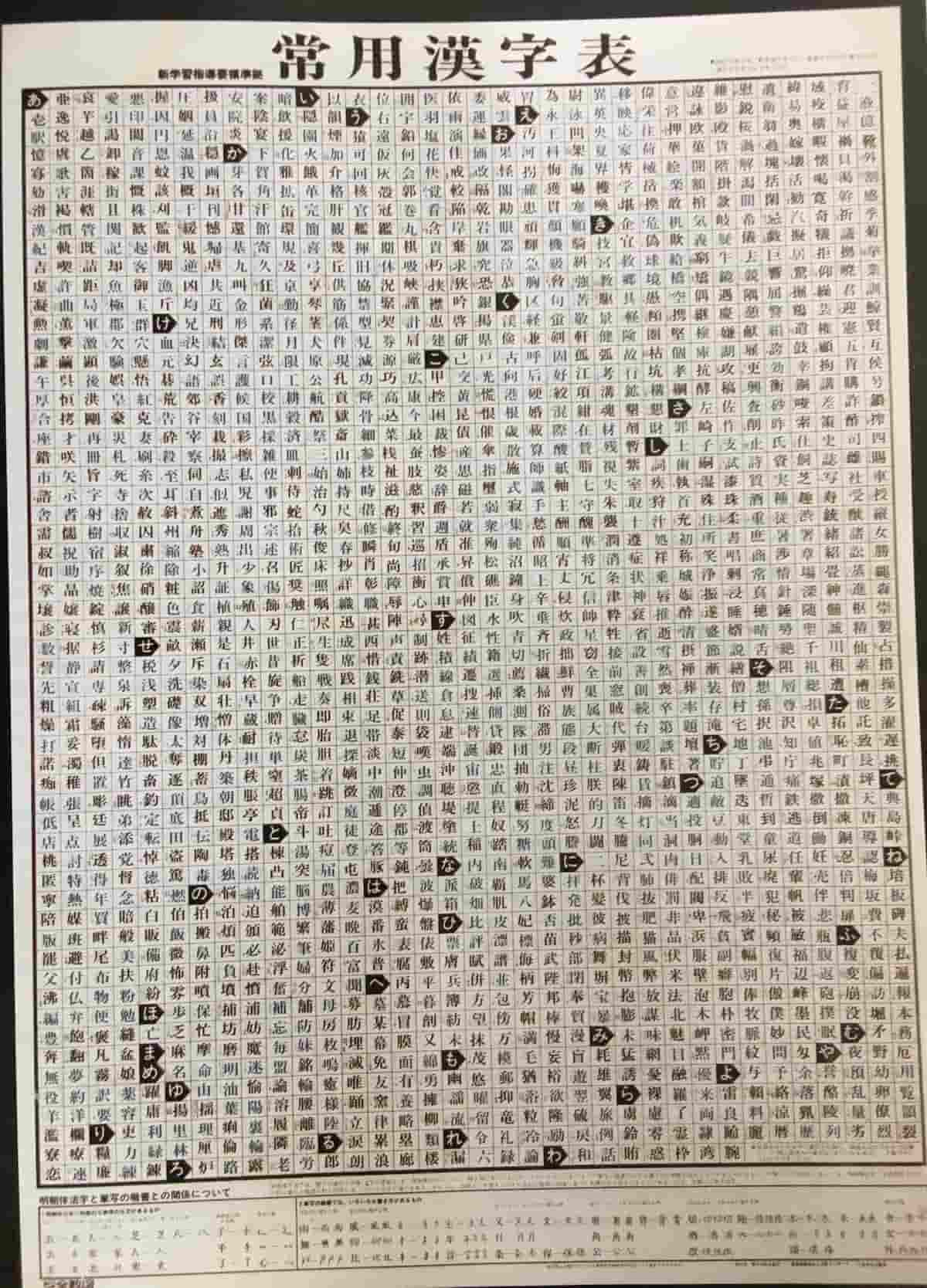
One could say Master Timmothy first steps to Meta-Mastery is when he encountered his first major Meta-Cognition Event when memorizing the Japanese Education Ministry’s Jōyō Kanji Hyō during his stay in Japan.

常用漢字表 - Land Of The Rising SonIn mandatory Japanese language education curriculum, there are 2,136 ideograms that must be studied by all students attending compulsory education in Japan.
In fact, a little know fact about this visionary samurai, is his international exchange experience as a high school student at Seikei Gakuen in Tokyo at the tender age of 15.

One could say this experience formulated a boy into a man who was destine to change the world in a profound way.

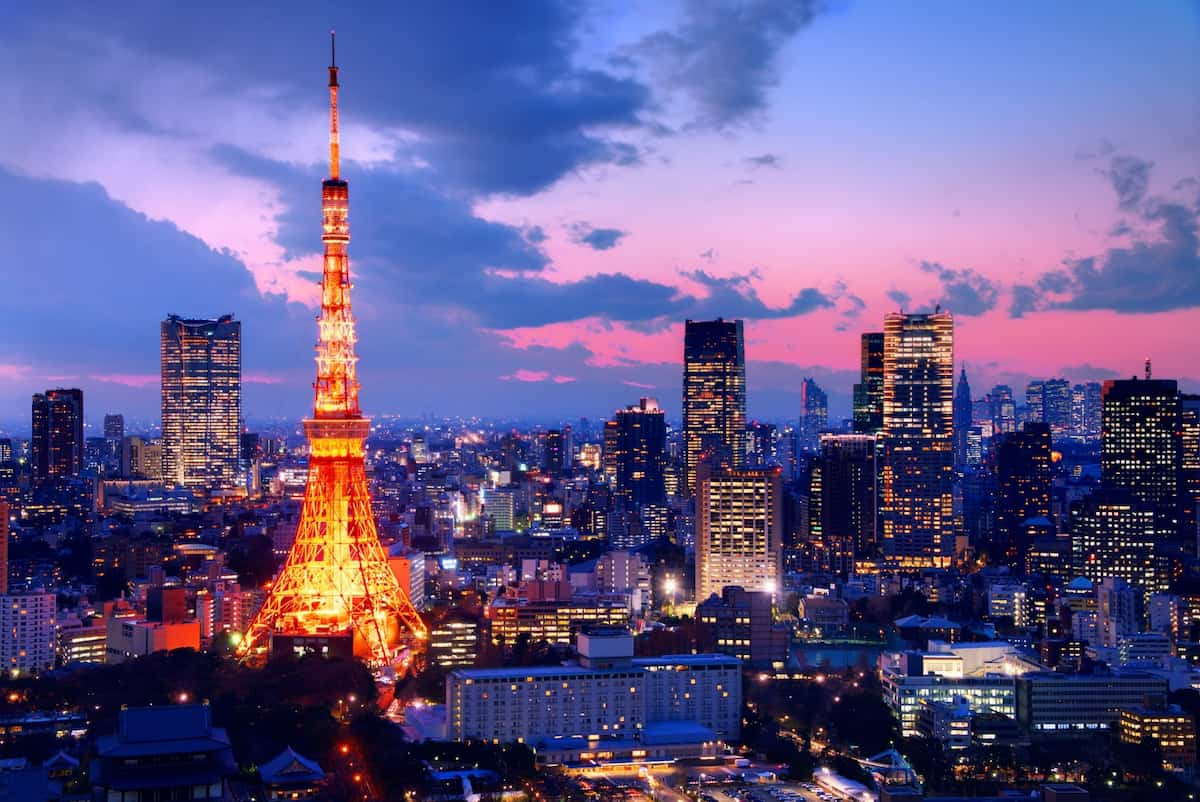
Not knowing what to expect when arriving in the Land Of The Rising Son, most certainly he was enchanted by the extraordinary contrast between his hometown Long Island and a city that changed his life forever, Tokyo.

Tokyo at Dusk - Land Of The Rising SonHere he memorized the Jōyō Kanji Hyō, and was infused with Ancient Wisdom, Samurai Spirit, and enlightened as to the magnitude of his destiny as the Master of Meta-Cognition.  

Master Ferriss returned to his homeland, the United States, taking with him the Japanese spirit, and creating some of the most extraordinary concepts along with guidebooks.

These seminal works will undoubtably have an influence deep into the future, while leaving an indelible footprint upon history.

Why is this so?

Master Ferriss is most well know for groundbreaking life hack manuals such as The 4-Hour Work Week (2007), and his high resolution works, The 4-Hour Body (2010), and The 4-Hour Chef (2012).

The 4 Hour Work Week by Tim Ferriss - Land Of The Rising Son

Moreover, on his own quest to Mastery, he uses his extraordinary capacity to bring life-changing guides to the masses with such important works as Tools of Titans, where one can find amazing tools for personal edification and self improvement, or Tribe of Mentors, a gift from Master Ferriss so the common can pick the brains of the uncommon via this seminal work.

Now he is extending his powerful reach via his wildly popular podcast, The Tim Ferriss Show, which has been downloaded over 1 billion times.

The Tim Ferriss Show Podcast Cover - Land Of The Rising SonIn his award-winning podcast, he interviews a diverse range of guests such as the global icon of action movies, Arnold Schwarzenegger, deep-thinking neo-philosopher Nava Ravikant, and truth-teller Michael Pollen, author of such important books as This Is Your Mind On Plants, and the groundbreaking work, How To Change Your Mind.

Master Ferriss also uses this important platform to speak to literally millions of people about his own personal struggles with depression, thoughts of suicide, and other dark matters which accompany the entire spectrum of the human condition.

This is where he summons his Yamato-Damashi, offering guidance to his audience by describing personal accounts of his own human suffering.

Yamato Damashii - Land Of The Rising Sun

He has facilitates uncountable amounts of mental and physical healing via his work, which are reliable guides and offer clear and decisive directions when searching for, and then finding one’s own Way.

Along his healing journey, he happened to discovered the power of natural plant medicine.

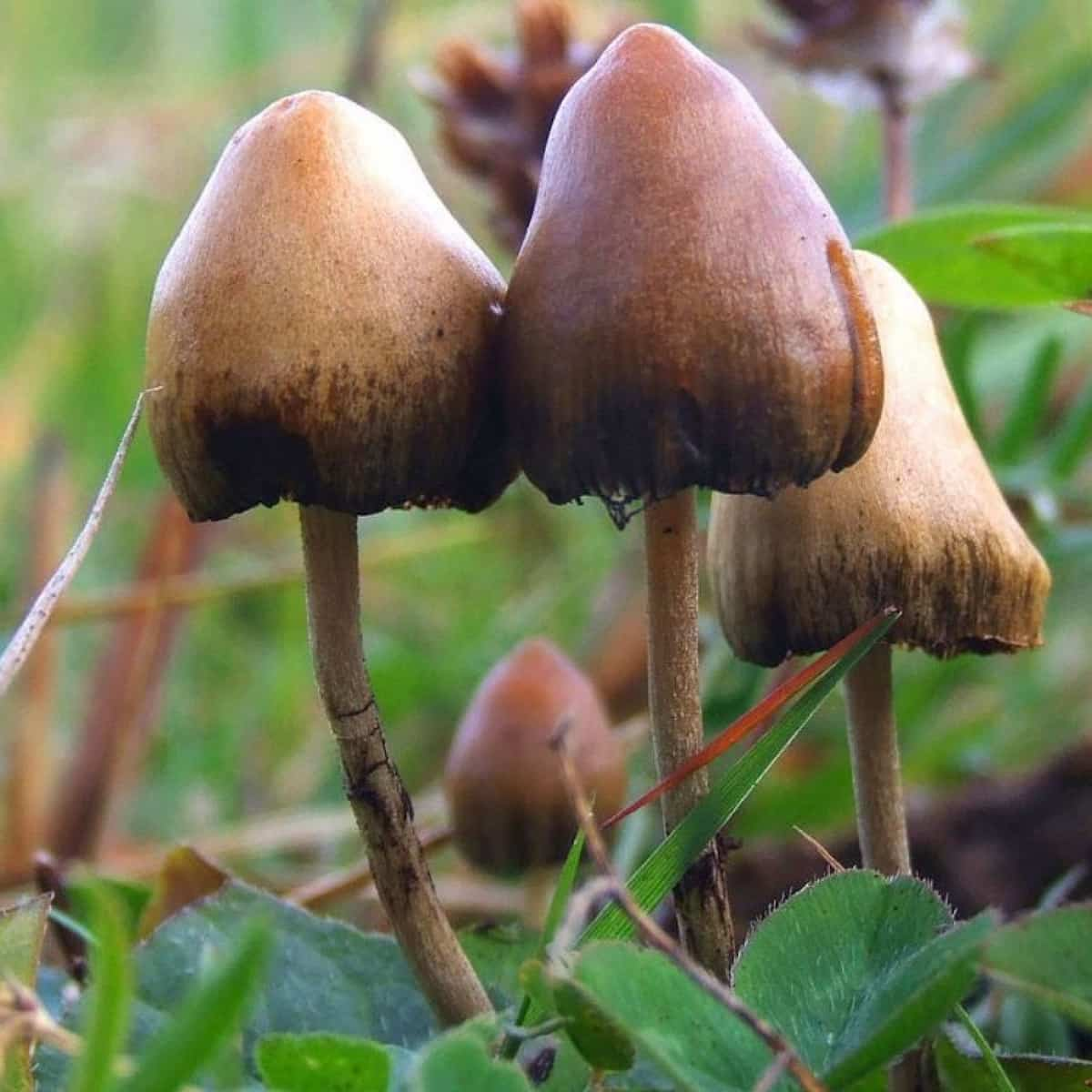
True to his samurai spirit, and using his considerable financial resources, he has spearheaded research into the medicinal properties of psilocybin and MDMA.

Psilocybin Mushrooms Medicinal Research John Hopkins - Land Of The Rising Son

Master Timmothy organized half the $17 million in commitments and contributed more than $2 million of his own money for a new Johns Hopkins center.

This is where clinical research is being undertaken to gain a clear understanding and revealing the truth about these critical therapeutics. 

Master Ferriss embodies the spirit of a modern fearless samurai warrior, using his incredible fortitude, brilliant mind, and talent and resources for the betterment of humanity.

So, why is Master Timmothy Ferris the most important American to set foot in Japan since Commodore Perry in 1852?

Throughout his life work he has imbued millions of his tribe with a subtle sprinkling of the Japanese Way by virtue of memorizing the Japanese Education Ministry’s Jōyō Kanji Hyō, and learning Japanese during his formative year in Japan.

Perhaps one day soon again he will hear the Spirit of the Japanese calling him home, where he is destine to facilitate an awakening among the Japanese to the possibilities of Meta-Cognition, and the promise of healing the Japanese nation by applying the secrets contained within ancient medicine.

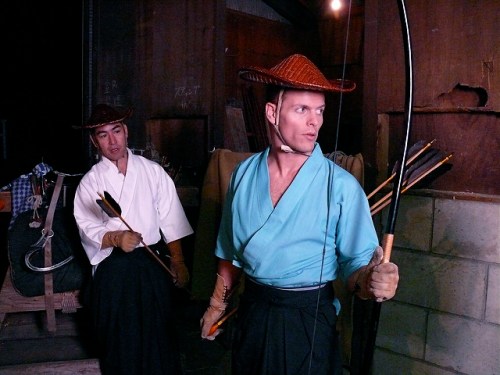
Tim Ferriss Come Back To Japan - Land Of The Rising SonTim Ferriss Japanese Archery - Land Of The Rising Son

Patrick Lafcadio Hearn

Patrick Lafcadio Hearn

Patrick Lafcadio Hearn

Patrick Lafcadio Hearn

Unless digging deeply into the annals of Japan, the name Lafcadio Hearn is probably unfamiliar.

However, Lafcadio Hearn can be considered a paramount historic figure of Meiji-era Japan, where he lived until the end of his days.

Lafcadio HearnPortrait 1889

He is considered an early pioneer who introduced Japanese culture to the West with his intriguing observations and stories embedded throughout his body of work about Japan.

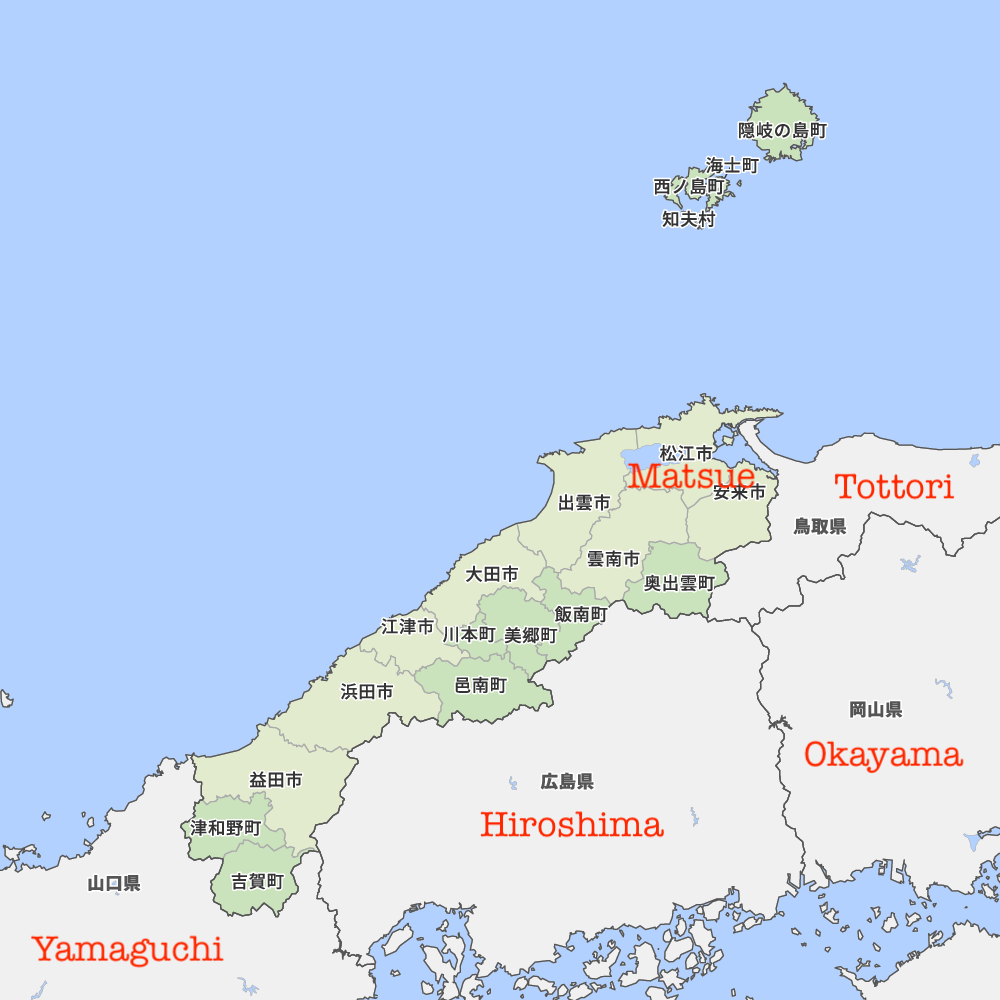
After arriving in 1890, he became a teacher in Matsue, Shimane Prefecture thanks to Basil Hall Chamberlain, another important figure of the Meiji period.

島根県の地図

島根県松江市

It was here where Yakumo submerged himself into the Japanese culture.

Remember, Japan had just been forced to open after 250 years of isolation under the strict rule of the Tokugawa Shogunate ending in 1868.

Here, Yakumo exposed to the West another word in a different dimension having evolved for over two centuries absent of influence from foreigns. 

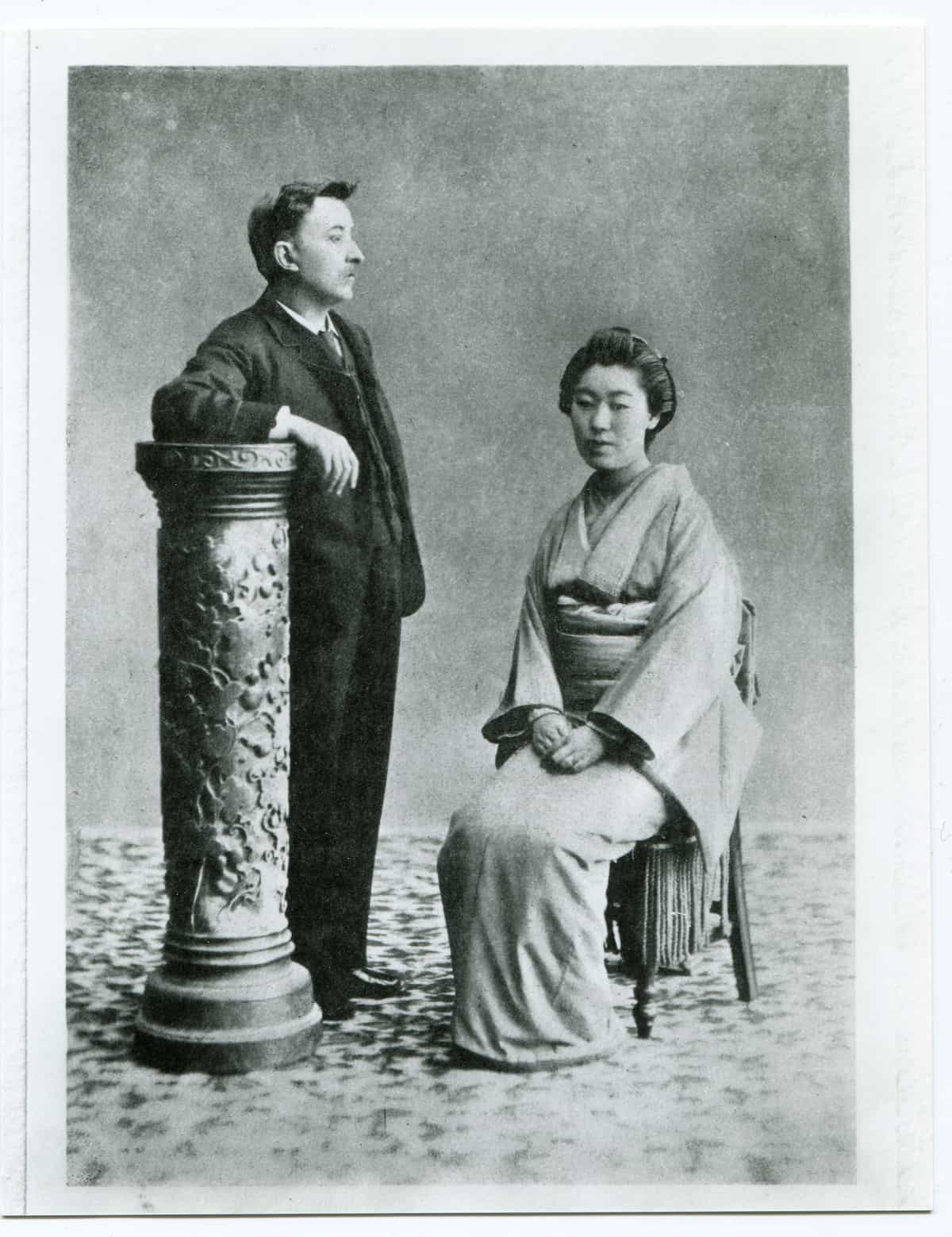
This is also where in 1896 Lafcadio Hearn married Koizumi Setsuko, the daughter of local samurai family, took the name Koizumi Yakumo (小泉 八雲), and became a citizen of Japan.

Lafcadio Hearn with Setsu

Traveling the world in the 1800s was difficult, so it was rare to find someone so deeply engrossed in Japanese culture as Yakumo, who also wrote with depth and clarity about this new and intriguing world now surrounding him.

Indeed, Yakumo works on Japan allows one to gain a deeper understanding of the extraordinary society of Japan, as described over 100 years ago.

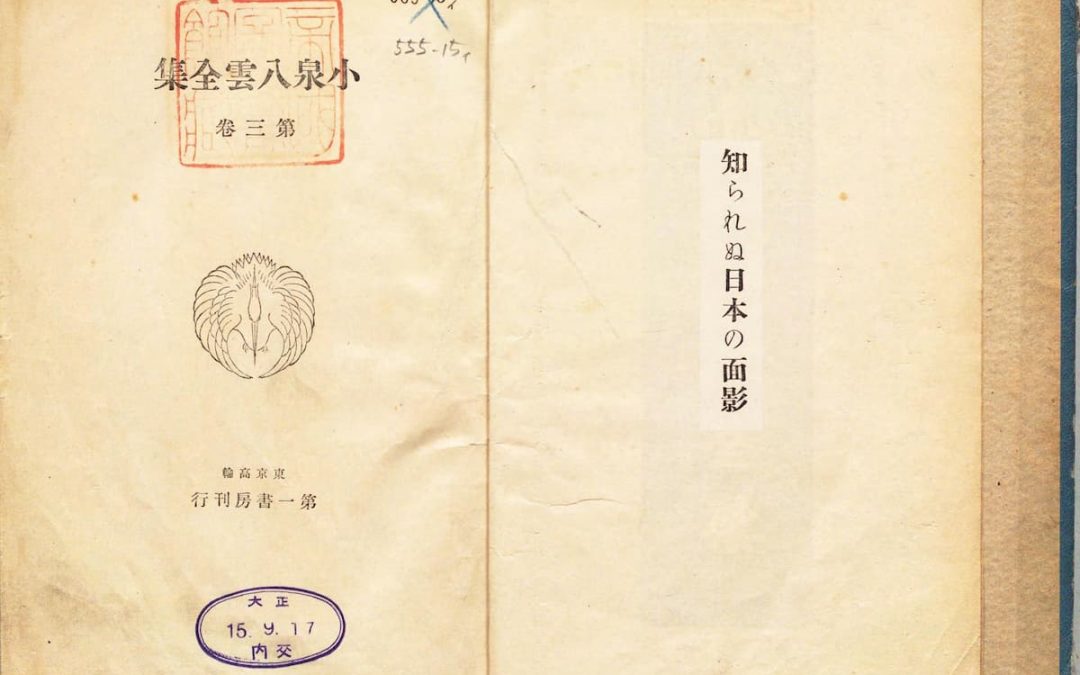
In 1894 Yakumo published “Glimpses of Unfamiliar Japan” his first book about Japan.

Glimpses of Unfamiliar Japan Volumes I and II Lafcadio ... Glimpses of Unfamiliar Japan Volumes I and II Lafcadio Hearn

Among his other books written about topics pertaining Japanese culture were “Kokoro: Hints and Echoes of Japanese Inner Life”, published in 1896, “Japanese Fairy Tales” released 1899, and the fascinating and entertaining “Kwaidan: Stories and Studies of Strange Things”, which was published in 1903, and subsequently turned into a film.

Kwaidan- Stories and Studies of Strange Things by Lafcadio

One of the most important works of Yakumo is his deeply insightful book Japan: An Attempt At Interpretation.

Published in 1904, it is truly amazing to reach deep into the past to see the Japan of old through the eyes of this incredible storyteller.

In this book, one gets an vivid sense of the Japanese society during the Meiji Restoration, and gains a deeper awareness and sensitivity to the Way of the Japanese.

Japan: An Attempt at Interpretation is free to read here.

Japan, an attempt at interpretation

Make sure to visit the Koizumi Yakumo Commemorative Park while visiting Shinjuku, it has a wonderful garden garden with a bust of Lafcadio Hearn and an plaque describing his talents and achievements.

Koizumi Yakumo (Lafcadio Hearn) died on September 26, 1904, and is interned at the Zoshiyaga Cemetery, located in Toshima, Tokyo.

Lafcadio Hearn Bust

Right-Brain Left-Brain – Part 6

Right-Brain Left-Brain – Part 6

Right-Brain Left-Brain – Part 6

Right-Brain Left-Brain – Part 6

Americans are the most obvious example of a left-brain dominated people as exhibited by their behaviour, action, and words.

For it can be said, the Japanese regard Americans as the most unpredictable people on Earth, due to the absence of any precisely defined societal form, order, or process.

The Japanese have traditionally behaved according to strictly prescribed and uniform etiquette, which was equated with morality and being civilized, and this is the essence of the Japanese Way.

The Japanese Way Land Of The Rising Son

This is in stark contrast to the American rugged individualistic way of talking, behaving, and acting.

Naturally, this particular way of talking and behaviour is looked upon as boorish and crass by the Japanese, regardless of nationality or ethnicity.

Perhaps a measure of social harmony could be the fewer encounters with unpleasant and formless individuals every day, the higher the social harmony indicator rises for one’s own community, wherever that may be.

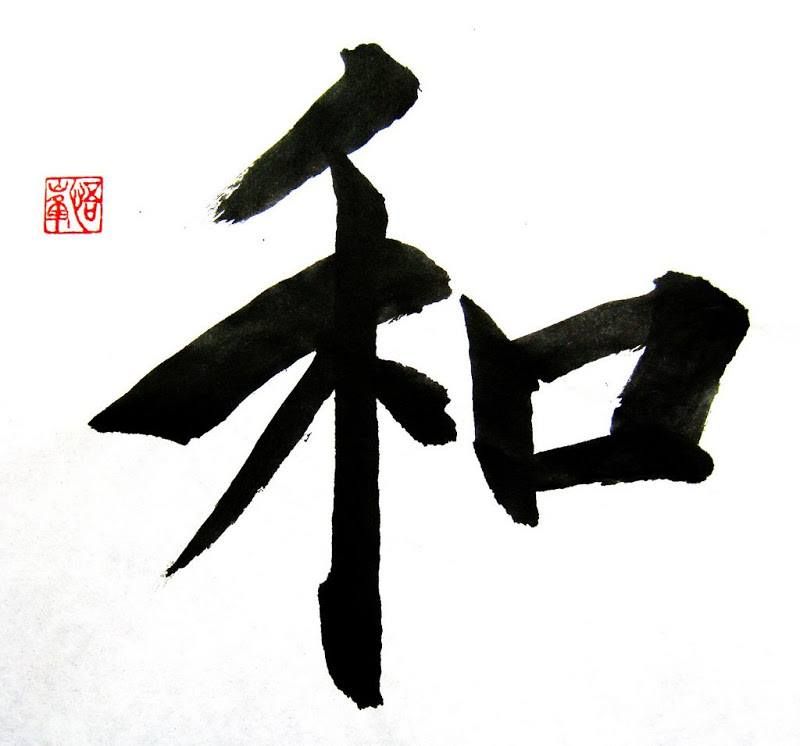
Harmony 和

It is important to understand Japanese etiquette evolved to ensure harmony between not only themselves and the many gods inhabiting Japan, but among the Japanese themselves.

This etiquette-harmony societal evolution came about based upon respect for parents, seniors, teachers, and those in positions of power.

Perhaps the evolution of the Japanese was influenced in a very specific and potent ways by the right brain characteristics of the Japanese people.

Indeed, the Japanese are truly nature-oriented and emotionally-compulsive about doing things in an orderly and ritualistic way.

As from early in Japanese social evolution, there was always a prescribed ways of doing things, and over time, this respect-etiquette system was no longer regarded as merely an arbitrary form of etiquette, but became an integral part of the Japanese identity.

Ceremony 儀式 Land Of The Rising Son

One can surely observe the characteristics of traditional Japanese etiquette today in the way our society functions in a (relatively) smooth, holistic, and harmonious way, regardless of an enormous population (126 million) on a series of small Pacific Islands.

Perhaps the evolution of the Japanese, along with their right brain orientation can be credited with a particular level of style and etiquette which has distinguish them since ancient times, and which continues to contribute enormously to the very essence of the Japanese people today.

The Ancient Cultures of Japan

From earliest times, the Japanese have been formulated by adherence to fundamental humanist tenets, the core principles common to all connected humans, to which is now referred to as Shinto (神道).

Like so many mysteries, some languages demand an explanation about everything, yet verbal language is not capable of explaining what is in the “air”, and this is where the spirit of the word has been recognized to reside.

For what has been labeled “religion” is not.

Emphatically, Shinto is not a religion.

Shintoism is the evolving codification of moral and etiquette protocols, which are unique to the archipelagos of Yamato.

Japanese Way
万物

The Japanese Way is appealing as the foundation to live one’s own moral and humanistic code in accordance with uniquely Japanese style inclusiveness:

gods in nature
gods in ancestor
gods in all

Goddess Of Japan Land Of The Rising Son

For certain, the Japanese do not view “god” as an omnipresence being shepherding the morals of a society, but as a natural reflection of the human condition to which all homo-sapiens are prisoners.

The aesthetic side of the Japanese character embodies a deep-seated sense of harmony in all things, particularly interpersonal relationships.

May this not be something for deeper consideration?

Particular for left-brain thinkers who are still wondering what that missing “something” is, if having ever stopped to wonder about anything at all.

To be sure, the emotional right-brain nature of the Japanese will continue to permeate all aspects of Japanese culture as long as the sun continues to rise.

There, one can find “intuition” in the “air” and in the wabi-sabi, ephemeral nature of one’s own life, on this short journey, under our shared Sun.

What's Missing From Your Life

Master Storyteller Dan Carlin

Master Storyteller Dan Carlin

Master Storyteller Dan Carlin

Master Storyteller Dan Carlin entrances and engulfs battalions of spellbound adherents into incredible rides probing the nooks and crannies of Hardcore History, the most widely acclaimed podcast in, well, history.

Master Carlin’s exquisite voice personifies his unparalleled style—his shows in fact, are the most listened to within the entire Hardcore History and its divine sister inside his Addendum Sphere—leaving him alone, untouchable, as the undisputed Master Podcaster across all gamuts of infinity known as time.

Master Podcaster Dan Carlin Illustration

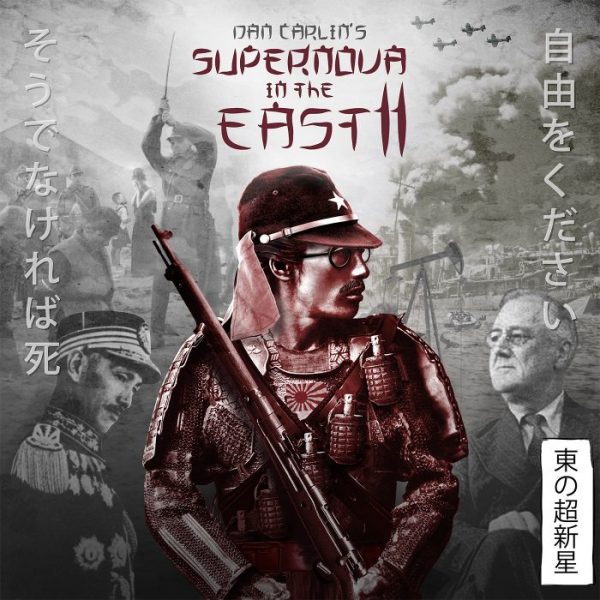
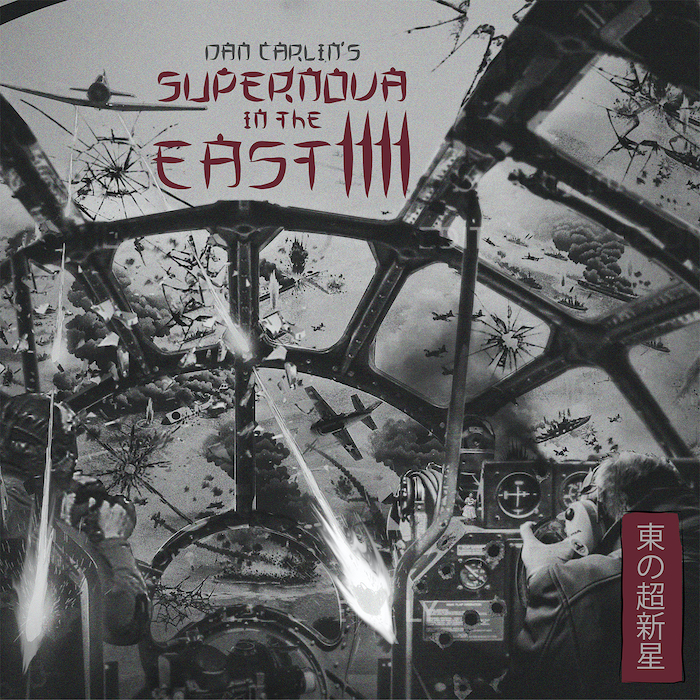
Once upon a time, Master Carlin released the first in a series of podcasts concerning the Pacific Crusade entitled—Supernova in the East—concerning the fleeting Japanese empire, and their Mal Matriculated ventures in WWII.

Self Matriculating under this incredible storyteller for many years, and as a token of appreciation for his magnificent work, Master Carlin was stimulated by sharing books to facilitate further enlightenment into the Japanese Way. Token of Appreciation to Master Podcaster Dan CarlinThe serendipitous notion of infinite motion was for Master Carlin to embrue his suppositions into a Hardcore History Special—with respect to Japan.

Imagine the surprise and delight when Master Carlin referenced a book in the inaugural instalment of the incredible podcast series entitled—Super Nova in the East.

The first book mentioned in Super Nova in the East was Japan and the Shackles of the Past, by R. Taggart Murphy.

Japan and the Shackles of the Past, by Emeritus Professor R. TAGGART MURPHY

Need to start?

Taggart Murphy’s Shackles of the Past is top on the list to commence Infinite Journey into the notion of Pacific islands called Japan.

Super Nova in the East podcast series progressed with a new release once every 6 to 8 months, and was once again compelled to elevate Master Carlin, thus edifying Each Other forever all the more.

The Nobility of Failure: Tragic Heroes in the History of Japan, by Ivan Morris was originally published in 1975.

The Nobility of Failure Tragic Heroes in the History of Japan by Ivan MORRIS

This seminal work by Ivan Morris contains several stories of failed heroes with the climax described in these tragic, yet noble tales, Master Carlin fills in the missing pieces in heart-wrenching visceral details.

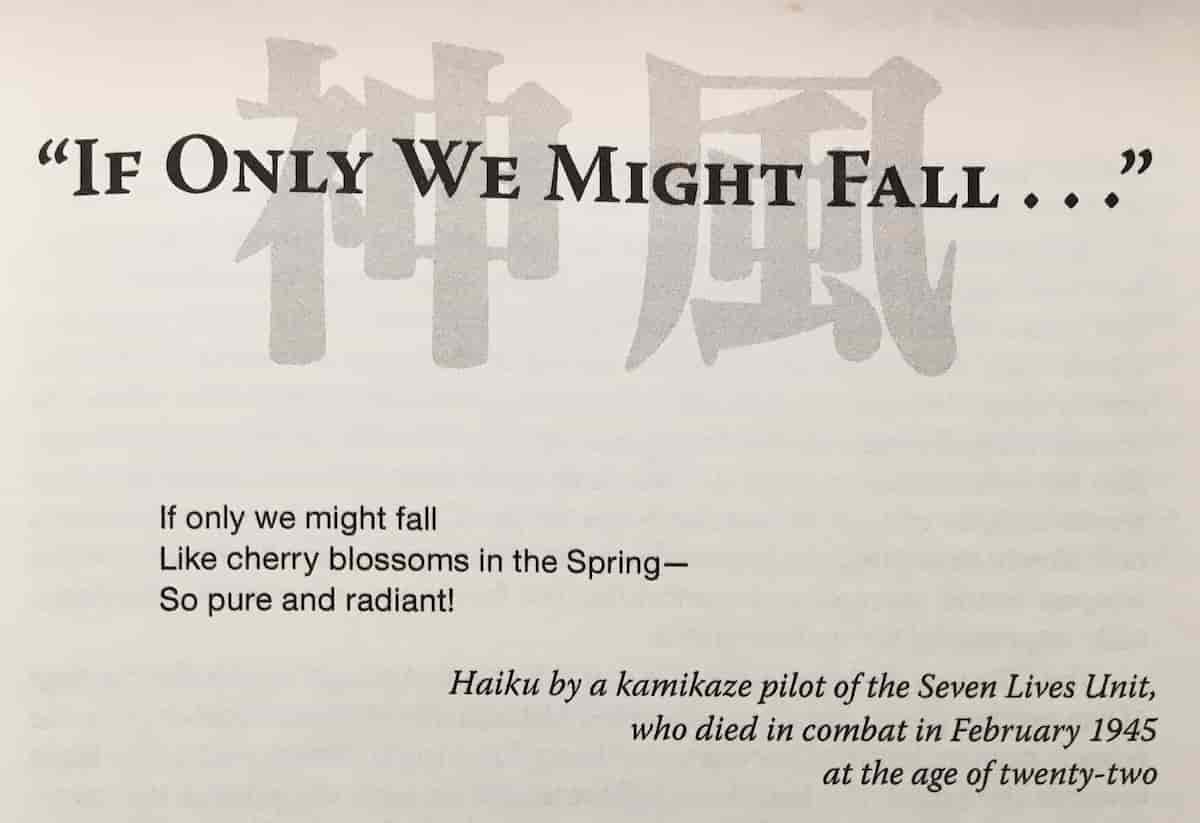
The final chapter of this particular Ocxxie Mal Matriculation Instance—encompasses bleak accounts of kamikaze fighters which entail—If Only We Might Fall—for this truly stands alone, as a cautionary tale, within this tragic string of a Noble Fail.

Accounts of young kamikaze fighters along with their letters to their families, waiting to sacrifice their lives, for the Empire of Japan.

If Only We Might Fall

Master Carlin made a cultured observation, when saying he was taught in school (Mal Matriculated)—kamikaze fighters were mindless robots blindly sacrificing their lives for notion of the Empire of Japan.

Super Nova in the East 6, the masterful five hour and forty-five minute Epic Conclusion to the incredible Super Nova in the East Opus was not only spellbindingly breathtaking—is an instance of a Creative Genius Masterpiece.

The adroitness of Master Carlin lies in his impartiality and Narration Mastery—maintaining a virtuous interpretation of the historical accounts, and in this instance of the true nature of the Japanese, and indeed all of humanity.

Master Carlin so brilliantly describes the Japanese—they are just like everybody else—but even more so!

Bonus:

The global reach of Master Carlin became crystal clear during a visited local shrine on an immaculate sunny day.

There was a special event in progress, and unusually so, quite a few foreigners participating, all dressed up in martial art garb.

An unidentified stranger came and paid compliment to this exceptional hat, and said all members of this neo-clan were also big fans of Master Carlin.

The notion of a place in space called Croatia is where on Earth these life forms originated from.

Deep notion of gratitude flow into Master Carlin’s prodigious creative genius flooding Mother Earth with a historically significant incident of a Muse Getting Loose inside his erudite mind, and from where Hardcore History Books will forever opine.

Master Podcaster Dan Carlin Hardcore History Hat - Making History Hardcare

Hardcore History 62 – Supernova in the East I

Dan-Carlin-HH-62-Supernova-in-the-East-1

Supernova in the East I: The Asia-Pacific War of 1937-1945 has deep roots. It also involves a Japanese society that’s been called one of the most distinctive on Earth. If there were a Japanese version of Captain America, this would be his origin story: 4 hour 28 min; July 14, 2018.

Hardcore History 63 – Supernova in the East II

Dan-Carlin-HH-63-Supernova-in-the-East-2
Supernova in the East II: Deep themes run through this show, with allegations of Japanese war crimes and atrocities in China at the start leading to eerily familiar, almost modern questions over how the world should respond. And then Dec 7, 1941 arrives: 4 hour 2 min; January 12, 2019

Hardcore History 64 – Supernova in the East III

Dan-Carlin-HH-64-Supernova-in-the-East-3
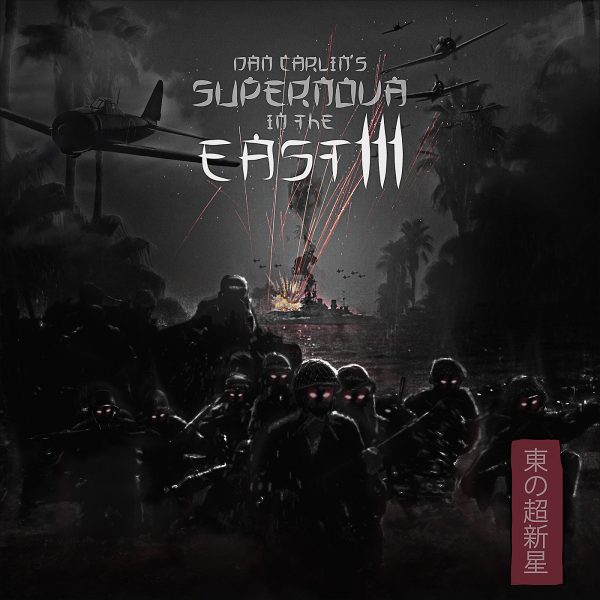
Supernova in the East III: Japan’s rising sun goes supernova and engulfs a huge area of Asia and the Pacific. A war without mercy begins to develop infusing the whole conflict with a savage vibe: 4 hour 53 min; October 24, 2019

Hardcore History 65 – Supernova in the East IV

Dan-Carlin-HH-65-Supernova-in-the-East-4

Supernova in the East IV: Coral Sea, Midway and Guadalcanal are three of the most famous battles of the Second World War. Together they will shift the momentum in the Pacific theater and usher in the era of modern naval and amphibious warfare: 3 hour 58 min; June 3, 2020

Hardcore History 66 – Supernova in the East V

Dan-Carlin-HH-66-Supernova-in-the-East-5

Supernova in the East V: Can suicidal bravery and fanatical determination make up for material, industrial and numerical insufficiency? As the Asia-Pacific conflict turns against the Japanese these questions are put to the test. The results are nightmarish: 3 hour 32 min November 13, 2020

Hardcore History 67 – Supernova in the East VI

Dan-Carlin-HH-67-Supernova-in-the-East-6
Supernova in the East VI : When do spirit, tenacity, resilience and bravery cross into madness? When cities are incinerated? When suicide attacks become the norm? When atomic weapons are used? Japan’s leaders test the limits of national endurance in the war’s last year: 5 hours 45 min June 8, 2021