Why Ancestor Worship?

Why Ancestor Worship?

Why Ancestor Worship?

What does it actually mean to worship one’s ancestors?

First of all, there are different ideas about the word “worship” and what it encompasses in a “religious” context. 

The preferred word veneration can be translated nicely into Japanese as sonkei (尊敬), which is more, “down-to-earth.”

While thinking about the Japanese society, and the social conventions to which the Japanese adhere, one came to the realization that venerating the ancestor, along with the Sun is the best way to express gratitude toward our world and what it gives us. 

By the way, Amaterasu Oomikami is the Japanese Sun Goddess.
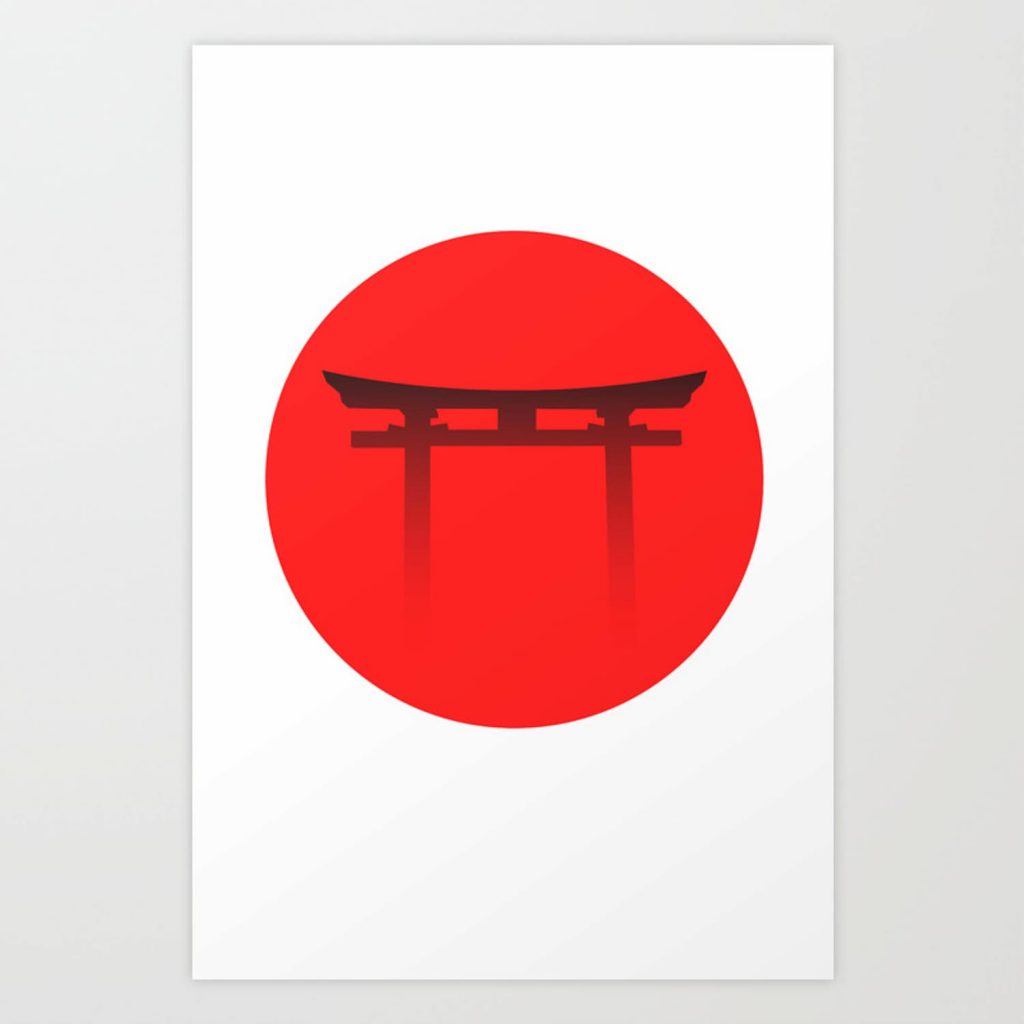
Blazing Sun Upon Japan - Land Of The Rising Son

This notion of expressing gratitude to those who came before and the life giving energy of the Sun embodies a sense of unity with all people of the world, for we all share the Sun and each has ancestors. 

One has very fond memories of one particular ancestor—maternal grandfather.

Grandfather Richardson - Yukiko Akimoto -Land Of The Rising Son

As a child he had tuberculosis and was cared for in a small room for a year where ones Really Great Grandmother and Great Grandfather were simply waiting to see if he lived or died. 

Helen Otta Kean -Inglis-Richardson- Stephen Kean Filiatrault Great Grandmother

Fortunately for my mom and I, he lived (Dad is happy about this as well).

It was during this time in sickness where he read 100s of books which left him a very well read and enlightened man. 

One’s heart fills with fondness when recalling the time spent together with grandfather and his spirit being manifested.

This leaves feeling the spirit of grandfather as partially residing in the material world. 

One could say—once the last of the people directly touch by this extraordinary man pass away, this spirit of grandfather will also fade away. 

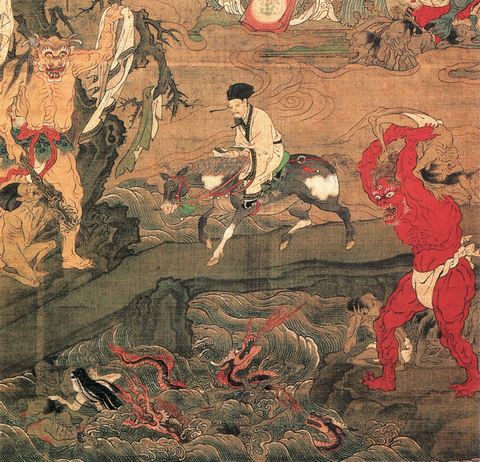
Even if this may be so, the spirits of the ancestors lives on in our alter along with all relatives who have already crossed the SANZU NO KAWA into the afterlife. Mitsunobu_Sanzu_River
Here in Japan, ancestors are remembered on specific holidays.

For example, the Autumn Equinox (Shūbun no Hi), usually occurring on September 22 or 23.

On this day, people will reconnect with their families by tending to the graves of ancestors, and visiting shrines and temples. 
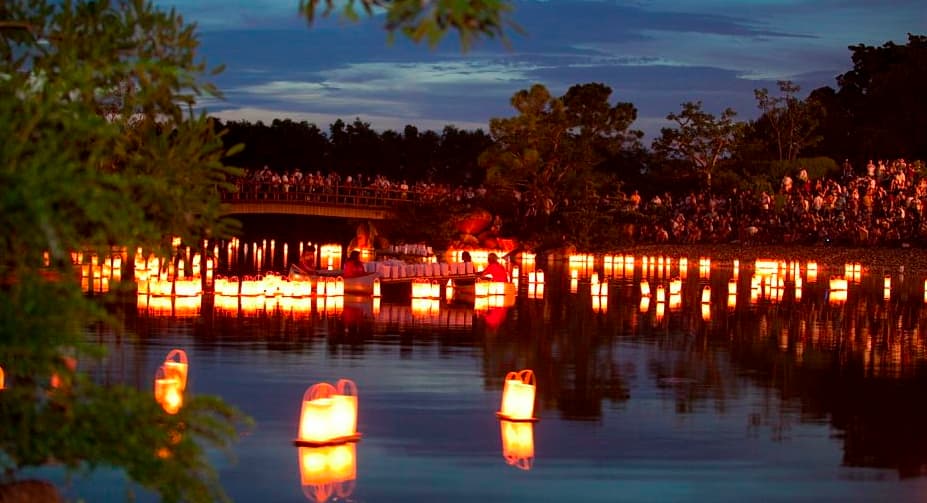
WorshipingDuringObon

Pragmatically so, the Japanese believe all virtue and frailty of being human are natural, and look upon all of the dearly departed as some kind of Gods, representing the entire spectrum of the human experience. 

One finds the inclusiveness of this way of thinking rather refreshing, and indeed to be a much more practical way to think about and live one’s own life.

Looking at ancestor veneration from a different lens, one also likes to celebrate present relatives who will one day become “ancestors.”

As when taking the in-laws on an overnight trip, and saying to the cherished and beloved mother-in-law.

“I believe we should also venerate our ancestor while still here on earth, so you also can celebrate this wonderful world you have sacrificed for your descendants while ya’ll are still here.”

She had a good laugh and concurred with these sentiments. 

Why not take some of one’s precious time now, and give thanks to our shared Sun Goddess while venerate one’s own ancestors, both living and dead, and let them know.

Kokoro yori kansha moshi agemasu
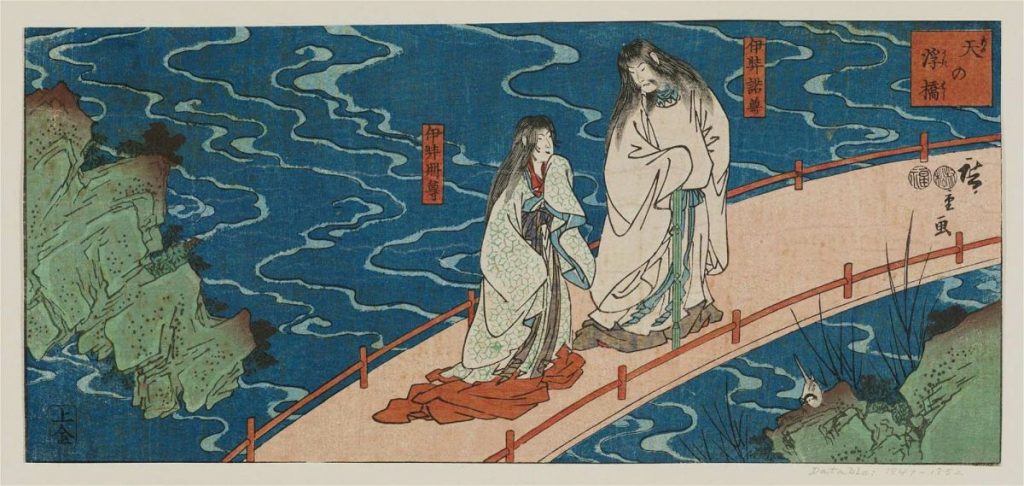
Izanagi-Izanami

Finding One’s “WAY”

Finding One’s “WAY”

Finding One’s “WAY”

Finding one’s “WAY”

Japan’s natural religion, Shinto (神道), consist of 2 ideograms: “God (神)” and “Way (道)”.

Note that Shinto (神道) is polytheistic, therefore there are countless Gods and Ways.

I noticed there are many different Japanese disciplines contain “Way (道)”.

(Judo) 柔道 Way of Flexibility
(Sado) 茶道 Way of Tea
(Kendo) 剣道 Way of Sword
(Shodo) 書道 Way of Calligraphy
(Yado) 弓道 Way of Bow
(Aikido) 合気道 Way of Self-defence
(Iaido) 居合道 Way of Drawing Sword
(Kado) 花道 Way of Flower
(Bushido) 武士道 Way of Warriors

One could also think of “Way (道)” as “Art (術)”, in a way; for example, one could refer to Aikido as “the art of self defence”, or Sado as “the art of tea”.

I find it interesting in the West one often hears them say “life imitates art”.

Here in the Land Of The Rising Son, I would have to say life IS art.

I am certain visitors to Japan will have found this most extraordinary country full of art, from the presentation of Japanese food to the lavatory’s cleanliness and our highly sophisticated toilet systems, and to include the quaint and quirky shops one will encounter along ones way, whether here in person, or virtually.

Perhaps one has had the pleasure of entering a small and charming coffee shop, where the master takes 30 minutes to brew one’s cup of coffee, after having carefully handpick and roasted one’s beans, all the while being served in a formalized “Way (道)”.

Indeed, after this experience, one could truly consider the Master of this small coffee shop to have found their “Way (道)”, and one can now consider this to be the “Way of Coffee”.

I wrote a blog post about the Japanese cake shop, and for certain the title is apt

The ideogram “Way (道)” also makes an appearance in the Japanese for “principle” or “morality” (dotoku 道徳).

It would seem the “Way (道)” also encompasses the characteristic of morality and principles.

Perhaps we can look upon the Japanese and our polite society to have had the “Way (道)” ingrained into the Japanese DNA over the millennia.

Yes indeed, in light of this, and for your edification dear reader, one can now consider the “Way (道)” to be the most important thing in ones own life, and the quest for all is to find ones own “Way (道)”.

Way Of Bath

Way Of Bath

Way Of Bath

Way Of Bath

Bathing is truly a unique experience in Japan.

I never thought about the art of bathing while growing up in Central British Columbia, when as a child, I was taking my weekly bath on Sunday evening. Jump in, scrub up, wash off the soap (yes, while in the same water one soaped up in is where one also rinsed)

No showers in those old Canadian houses.

The concept of bathing in Japan is significantly different from those long-ago and distant memories from Canada.

First of all, the Japanese always wash themselves BEFORE getting into the clean bath water; Make sense to me.

After one has scrubbed all one’s grub off outside the tub, it’s time to soak in the Japanese style tub, which is considerably deeper than those in the west.

A different concept from the west, often the mother and fathers bath along with their children, even into elementary school ages.

Bathing Japanese style can also be a communal event.

Actually, just the other day, I was visiting my friend, and he also happened to have a couple of guest from Kyushu as well.

Now, I had never met these people before, but in the next morning, it was decided to jump in the car and go to a Japanese style inn where they have a big public bath.

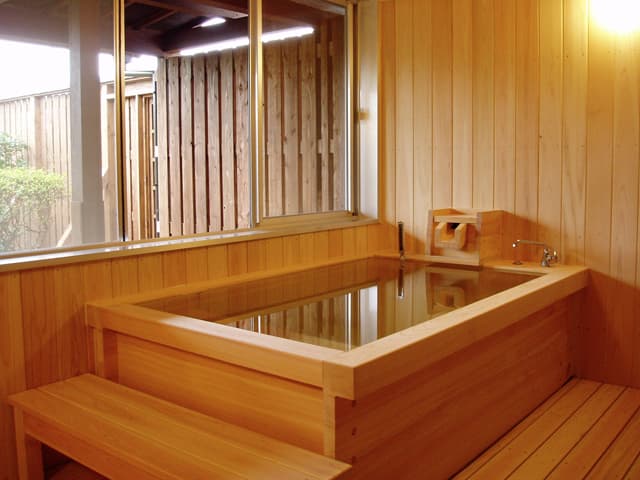
Stripped down, and off we go the three of us, having a great time scrubbing up, and then chit chatting while lounging in the outside wooden bath while viewing the surrounding mountains.

Nothing quite like a bonding session with a new acquaintance while sitting stark naked with the other men in a bath tub!

This old Japanese inn also had some delicious items on their menu and we all enjoyed an excellent lunch of blowfish and fresh mountain vegetables after our bath.

You can see the public baths around Japan, in hotels, traditional inns, and new super spas where they have party facilities and entertainment as these places continue the Japanese Way of Bath.

Dear reader, as one experience the Japanese bath, one will understand the ritual of bathing in Japan entails much more than just the mundane task of washing oneself. Bathing is an event and experience to be appreciated as an aesthetic daily act, with the byproduct of that is to become clean, not only physically, be indeed, with a cleaning of ones own heart and soul.

I hope one will have the opportunity to experience that Japanese bath in the Land Of The Rising Son.

Check out this historic inn and their historic bath.

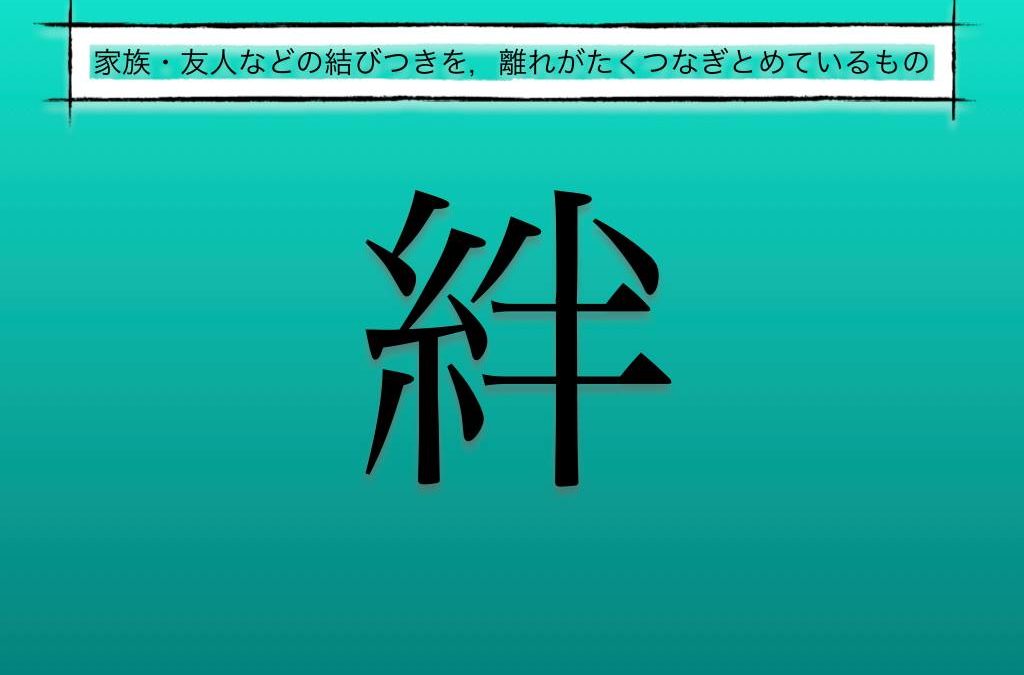
The beauty of kizuna (絆)

The beauty of kizuna (絆)

The beauty of kizuna (絆)

The beauty of kizuna (絆)

I believe this to be one of the most important concepts the Japanese continue to subconsciously practice throughout their lives; it’s in their DNA.

No way to express this in English, as, likely many other things Japanese, it remains unexplainable to the Western mindset, as it is not a concept which can manifested itself in the aural world.

One could say that kizuna is a feeling of connectedness and bonding.

This is something the Japanese understand without verbalizing. This is something in their own psychology, where the Japanese may not be able to put their finger on it, but is something that is there, somewhere in the Japanese “air”.

Interestingly enough, the term “air” or “kuuki” is used in a part of a not-so-endearing phrase about someone who is absolutely clueless.

“Kuki ga yomenai”, or one who can not read the “air”.

We can see this reflected in the fundamental difference between Western Society and the Japanese Way.

The Western-mind being more along the lines of “individualism” as opposed to the Japanese mindset of being “group” oriented.

The direct translation of kizuna into English and give one a reference point would be:

Bond (between people)

Emotional

Relationship

Connection

Ask one’s Japanese friend “What is kizuna?”, and you are in for an interesting conversation as this simply can not be explained in words but must be understood from within.

PS: This concept is so important it ideogram appears in the Land Of The Rising Son logo.

Can you see ?

Walk With Me

Walk With Me

Walk With Me

Walk With Me

More often than not, I think the neighborhood I live in is sublime.

I walked around my neighborhood with my new found friends the other day and one of them turned to me and said “you have such a opulent walking course” and I had to agree.

Join me on a small walkabout around my neighborhood, so one can also experience to joy of a rural Japan neighborhood.

Amaterasu Oomikami shinning her life on us.
天照大御神様の輝きが私たちを照らす

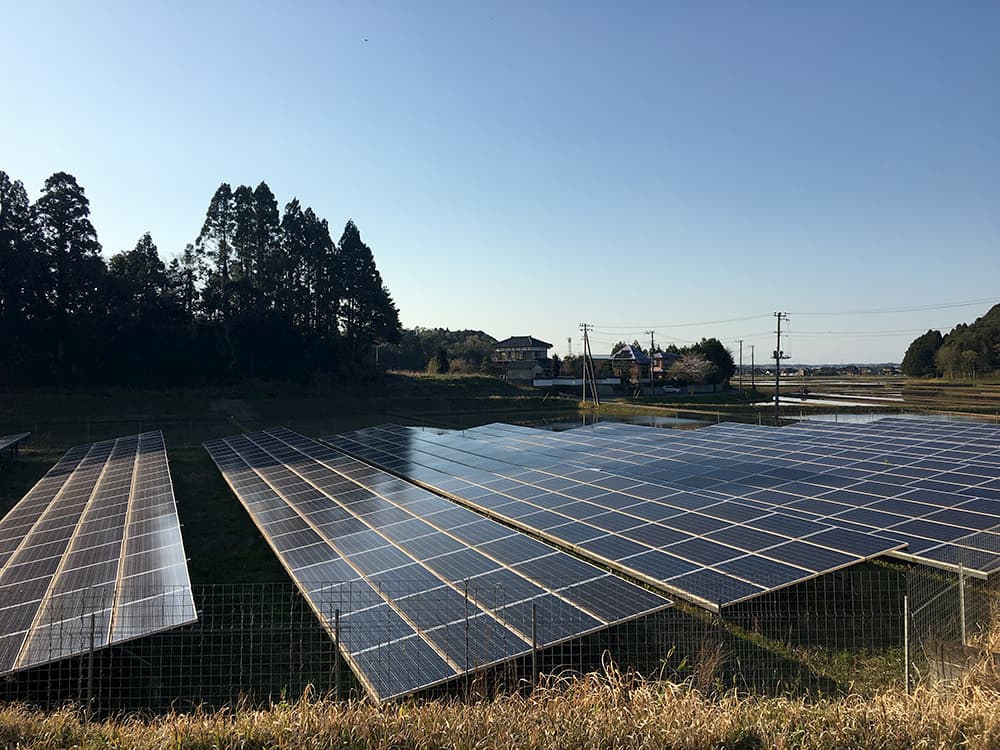
Working in tandem with the Japanese government, specifically after the great Tohoku disaster to store her precious energy
特に東日本大震災以降、天照大御神様に日本政府が協力して、彼女の貴重なエネルギーを蓄えるために働く

Which one is real, the shadow or the ego
影か自分か?どちらが本物

I appreciate the hard work our farmers put into growing rice for Japan
日本のために米を作って下さる農家の皆さんに心から感謝

Lot’s of fertile land in Japan
日本の肥沃な大地

Clear soaring in the pristine blue sky
澄み渡った手付かずの青空

Shine on one
そして照らし続ける

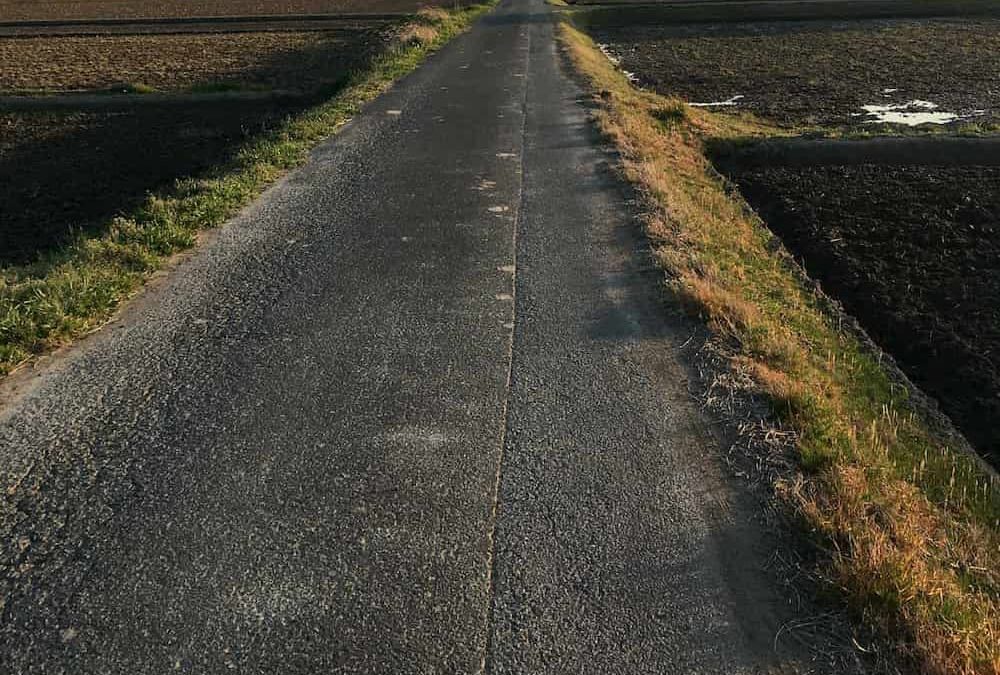
The road going somewhere
どこかに続く道

Reflecting upon the reflection
心深く反射を見る

Soon to plant seedlings
まもなく始まる田植え

Before the entrance
鳥居がかくれんぼ

The entrance to my adopted shrine
私の崇拝する神社への入り口

Exquisite road
-神への道

Peeking though to you
天照大御神様が木の影から覗く

Mystic forest
神秘の森

Tough hill
険しい丘

Tough hill continued
更に続く険しい丘

Narrow pathway to the shrine
神社への小道

Mossy
苔むした坂道

Entrance to Tamada shrine
玉田神社の入り口

Serenity is now closer
自分の中の調和がすぐそこに

Old man stone
老人の石

One of the deities
神の一人

Cleans oneself before giving thanks
感謝の前に自分を清める

Power in simplicity
質素の中に力を感じる

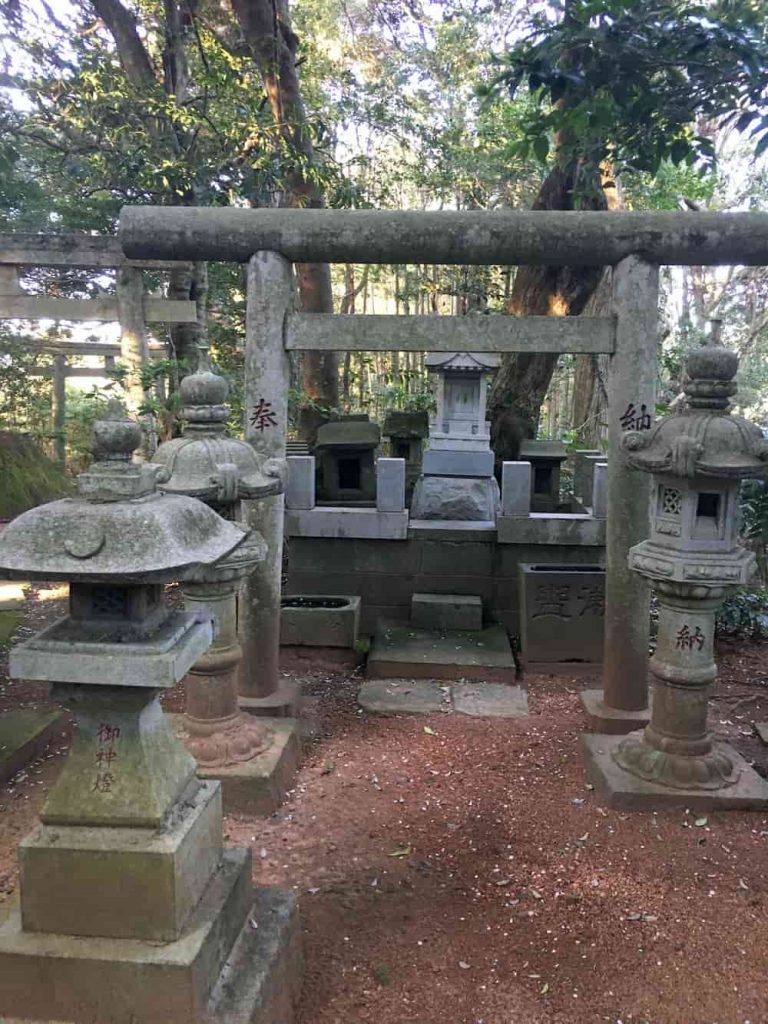
Side shrine with more deities
神社の脇にもう一つ小さな神社

Beautiful torii back
美しい鳥居の後ろ姿

Beautiful torii front
美しい鳥居の正面

My favorite travels deities
私のお気に入りの神々

On the way out
帰り道で

Amaterasu Oomikami saying hello again
天照大御神様再び

Blue sky
青い空

Heaven and Earth
天と地と

Herons in the paddy
水田の鷺

Rustic
趣ある廃墟

Poke through the trees
木を貫く天照大御神様

The moon

The road home
帰り道

Humanity’s common Sun Goddess, Amaterasu Oomikami going down to rest one more time; she’ll be back
私たちの天照大御神様は、再び休むために隠れ、そして再び戻って来る


Three Cold Four Warm (san kan shi on)

Three Cold Four Warm (san kan shi on)

Three Cold Four Warm (san kan shi on)

Three Cold Four Warm (san kan shi on)

A new concept of those of the western mindset.

The Japanese have an interesting 4-character compound used to describe the weather just around Cherry Blossom season, “san kan shi on”.

What happens is you get 4 nice warm days in a row, and are mislead by Mother Nature into thinking “spring has sprung”.

Not so dear reader, the cold comes back, yes it does, and one would think one had gone all the way back to February! Burrrrrr!!!!!

It is during this time as well, the spring winds really pick up.

There is a bamboo forest behind our house, and I love it when I can hear the bamboo forest rustling, creaking, and groaning under the divine breath of “Fuujin” the god of the winds.

One thing I find more and more, is these marvelous old phrases are now not so well known.

I mentioned “san kan shi on” to my friendly neighborhood farmer, and she said “what’s that?”

Sometimes I find myself explaining the Japanese language, well, to the Japanese themselves.

Nonetheless, I am always extra cheerful when the “san kan shi on” season is upon us here in Japan.

It allows us to understand that spring is near, and we knows in our hearts, as sure as shines her life giving ray on us, we will soon be planting rice, the sustenance of the Japanese, and Land Of The Rising Son will continue on day be day as it has for millennia.