Strangeness and Charm

Strangeness and Charm

Strangeness and Charm

Strangeness and Charm

One of Yakumo’s dearest friends said to him:

“When you find, in four or five years more, that you cannot understand the Japanese at all, then you will begin to know something about them.” 

These astute words from a Meiji Era Japanese citizen to his Occidental friend, are as true today as they were back then, and these sentiments continues to ring in one’s own ears to this very day.

Yakumo Koizumi lived in Japan for 14 years until his death on September 26, 1904. 

Here, he does a brilliant job with his, Attempt At Interpretation, allowing a glimpse into the society of Japan during the Meiji Restoration.

“At first perceived, the outward strangers of things in Japan produces a queer thrill impossible to describe, a feeling of weirdness which comes to us only with the perception of the totally unfamiliar.”
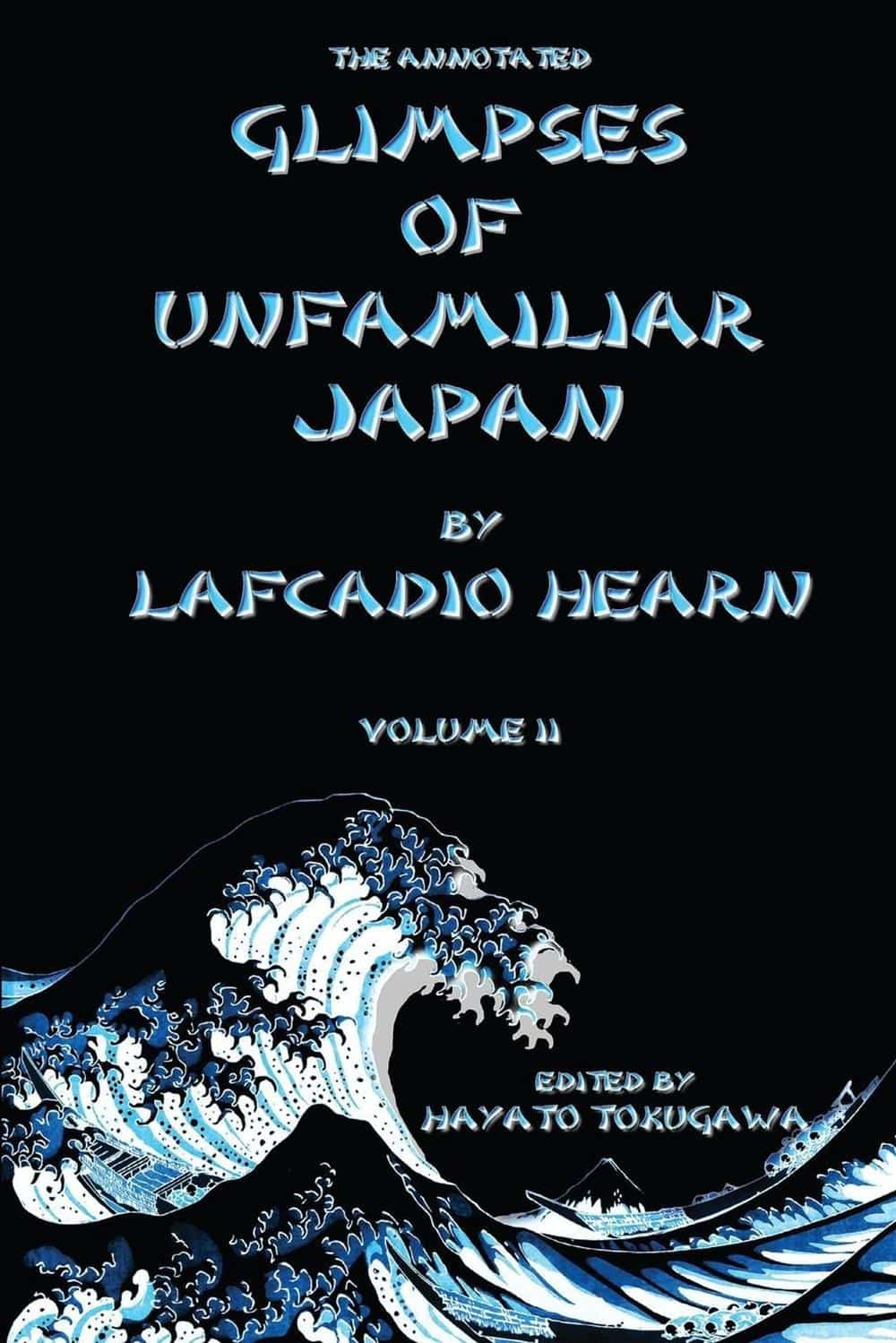
The Annotated Glimpses of Unfamiliar Japan by Lafcadio ... The Annotated Glimpses of Unfamiliar Japan by Lafcadio Hearn

Surely this feeling of weirdness also washes over and engulfs one after entering Japan for the first time, stepping into another dimension.

“You find yourself moving through queer small streets full of odd small people, wearing robes and sandals of extraordinary shapes, and you can scarcely distinguish the sexes at sight.”

Vintage- Japan in the late XIX Century - Meiji era

“Food-stuffs of unimaginable derivation; utensils of enigmatic forms; strange masks and toy that commemorate legends of gods or demons.”
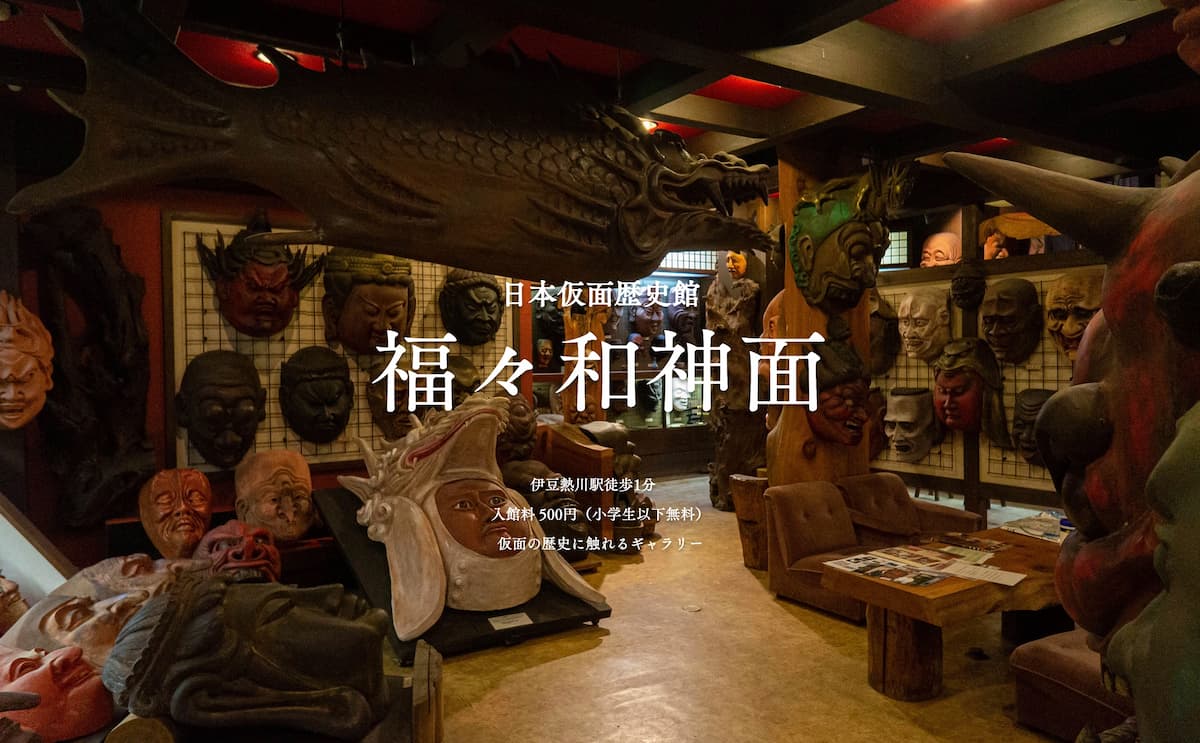
日本仮面歴史館 福福和神面

Thanks to the digital revolution, one can see Japan from the comfort of a favorite chair from anywhere in the world. 

There one can enjoy the visual and audio aspects of Japanese cultural charm.

However, as charming and delightful as this may be, one can only truly understand the essence of Japan by coming here to bath in the Japanese “air” and feel Japan in one’s very own spirit and soul.

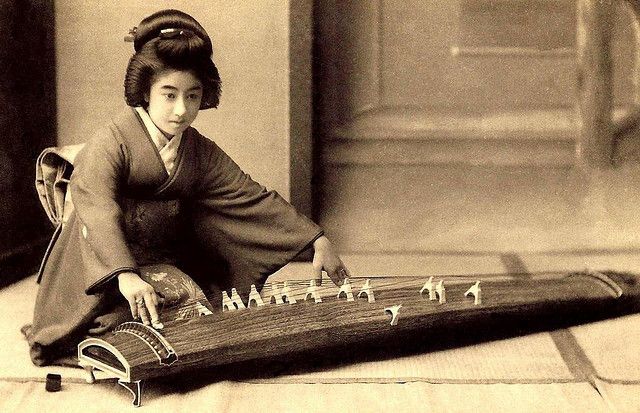
Japanese girls wearing kimono

“Everywhere on signs and hangings, on the backs of people passing by, you will observe wonderful Chinese characters, and the wizardry of all these texts makes the dominant tone of the spectacle.”

Japanese Street in the Meiji Era

Indeed, the complexity of Chinese ideograms permeating the country only adds to the otherworldliness charm one experiences here.

In fact, one of the most formidable life challenges was to address one’s own illiteracy in Japanese, and commit a lifetime to understand and absorb these complex and magnificent ideograms.

Daily Practice Example - Land Of The Rising Son

As Yakumo continued to contemplate the extraordinary surreal nature of Japan, he noted: 

“The delicate perfection of workmanship, the light strength and grace of objects, the power manifest to obtain the best results with the least material, the achieving of mechanical ends by the simplest possible means, the comprehension of irregularities as aesthetic value, the shapeliness and perfect taste of everything, the sense displayed of harmony in tints or colours.”

Japanese Basket Merchant Meiji

 “All this must convince you at once that our Occidental has much to learn from this remote civilization, not only in matters of art and taste, but it matters likewise of economy and utility.”

Japan in the late 19th Century Meiji

Indeed these sentiments still ring true today, as the Japanese have created a modern society to be looked upon a desirable model of civility and harmony, having evolved from this very culture.

Yakumo spoke English, Greek, and Japanese, and made the following observation about the difference between English and Japanese.

“Any one of their ordinary phrases, translated into Western speech, makes hopeless nonsense, and the literal rendering into Japanese of the simple English sentence would scarcely be comprehended by any Japanese who have never studied a European tongue.”

Miscommunication - A Case of Mistaken Identity

“Could you learn all the words in a Japanese dictionary, your acquisition would not help you in the least to make yourself understood in speaking, unless you had learned also to think like a Japanese.”

Find Your Ikigai

The secret to meaningful cultural understanding is in the language, when one can think and conceptualize in Japanese. 

Then, and only then, can one start to read the “air” where the unspoken social conventions and protocols reside.
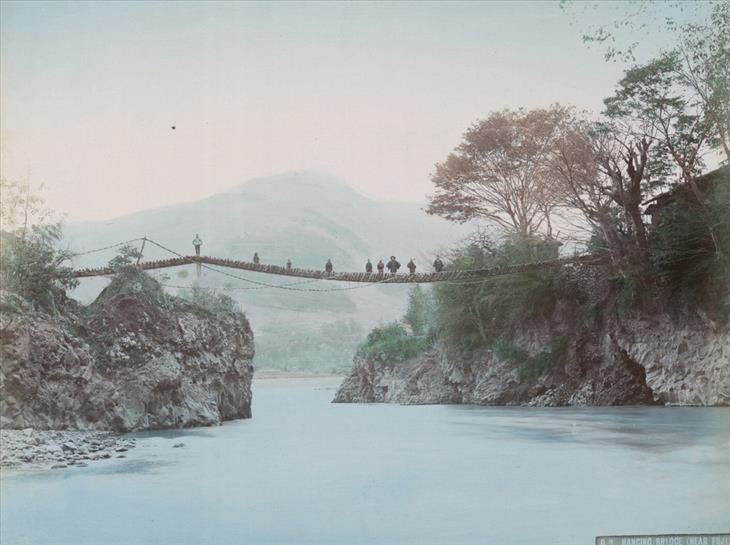
Hark Back to Meiji-Era Japan

The Japanese have evolved under strict laws and societal protocols which mandate harmony.

Life was particular rigid when the Japanese were isolated from the rest of the world for centuries during Tokugawa Bakufu, which preceded the Meiji Restoration.

Here these ingrained societal courtesies still continue to characterize the way the Japanese interact and behave among each other today.  

“Everybody greets everybody with happy looks and pleasant words, faces are always smiling, the commonest incident of every day lives are transfigured by a courtesy at once so artless and so faultless that it appears to spring directly from the heart, without any teaching.”

Japanese Bowing To Each Other

Japan’s crime rate is the lowest in the industrial world (here), as when breaching the laws of our land, the accompanying punishment can be harsh. 

Remember, Japan still has capital punishment, with the vast majority of the Japanese citizens in full support of this ultimate punishment. 

Historically the Japanese view death very differently than Occidentals, and this form of punishment remains here to reminder wayward Japanese citizens, when one disrupts harmony and breaches social conventions, you will be punished.

“I have lived in districts were no case of theft occurred for hundreds of years.” 

“Where newly-built prisons of Meiji remain empty and useless.” 

“Where people left their doors unfastened by night as well by day.”

“In such a district, you might recognize that kindness shown to you, as a stranger, is the consequence of official command.”

“But how explain the goodness of these people to each other?” 

“When you discover no harshness, no rudeness, no dishonesty, no breaking of law, and learning that this social conditions have been the same for centuries, you’re tempted to believe that you have entered into the domain of a morally superior humanity.” 

“You cannot help being delighted by such conditions, or feel indignant and hearing them denounced as ‘heathens’.”
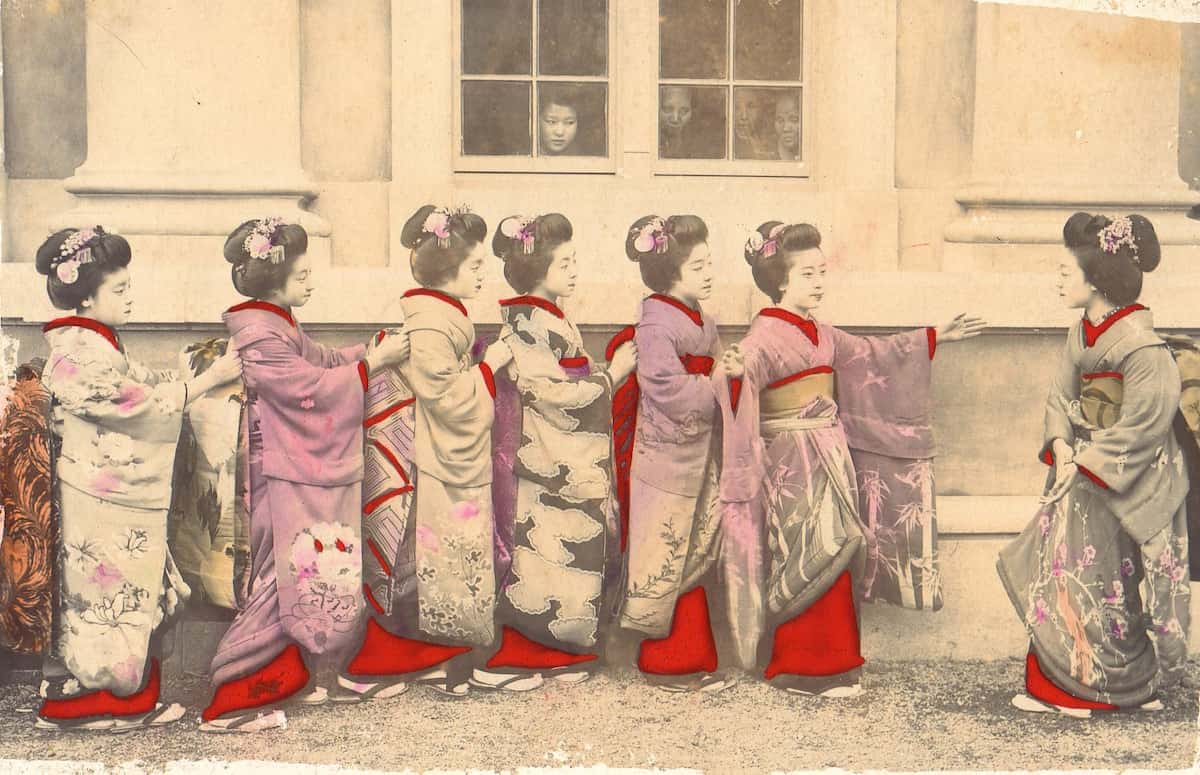
Maikos in the Meiji era, Japan 1868-1912

Why was Yakumo able to experience Japan in such a profound way, where he was able to feel the multilayered society of Japan and recognizing the concept of life as being ephemeral? 

Moreover, he deeply felt the presence of the ghosts as ancestors turn into deities, and regarded all thing as instilled with life. 

Life in all things ~ ban butsu (万物).

Kwaidan Ghost Stories and Strange Tales of Old Japan ... Kwaidan Ghost Stories and Strange Tales of Old Japan

“Really you are happy because you have entered bodily into Fairyland, into a world that is not, and never could be your own.” 

“You have been transported out of your own century, over spaces enormous of perished times, into an era forgotten, into a vanished age.”

“This much more archaic civilization of Old Japan attained an average of aesthetic and moral culture well worthy of our wonder and praise.” 

“Only a shallow mind, a very shallow mind will pronounce the best of that culture inferior.”

“But Japanese civilization is peculiar to a degree for which there is perhaps no Western parallel, since it offers as a spectacle of many successive layers of alien culture superimposed above the simple indigenous basis, and forming a very bewilderment of complexity.”

Layer upon layer upon an ancient civilization from an ancient time, continuing to add layer upon layer still now in these modern times.

Based Upon
Japan,  An Attempt At Interpretation
Published 1904
Patrick Lafcadio Hearn
STRANGENESS AND CHARM
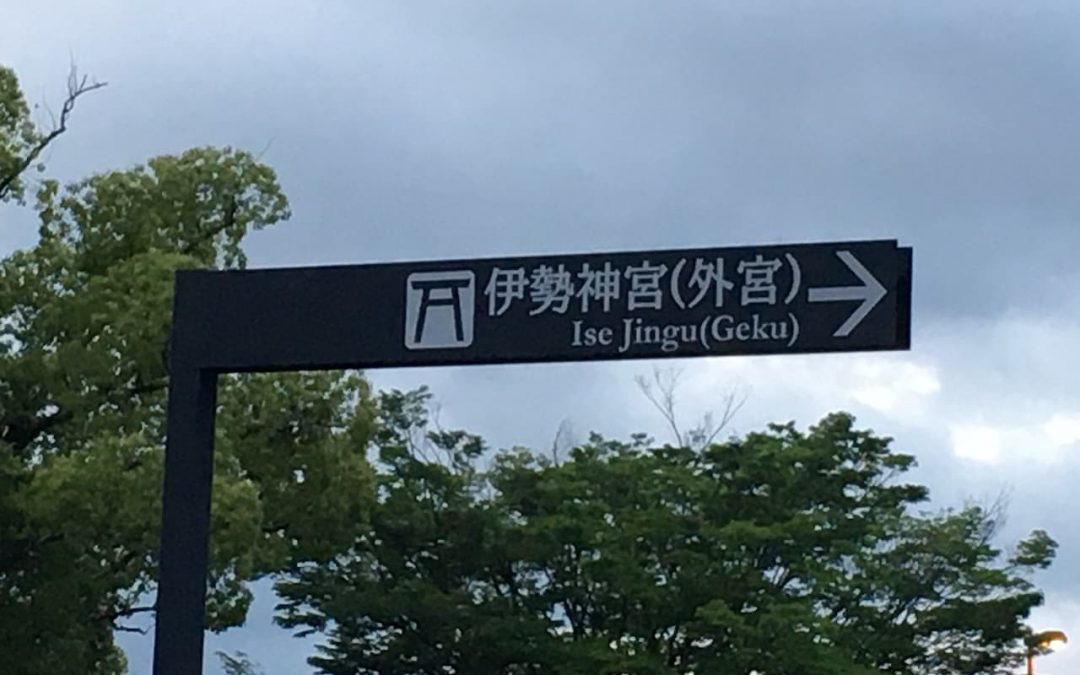
Welcome to Ise Jingu

Welcome to Ise Jingu

Welcome to Ise Jingu

Welcome to Ise Jingu

In the beginning there was a beautiful star, which shines her life-giving rays of hope upon all living creatures of Mother Earth.

In Japan, the Sun Goddess Amaterasu is regarded as the main Shinto Deity, and according to Japanese mythology, the Japanese Imperial family is the direct descendant of Amaterasu.

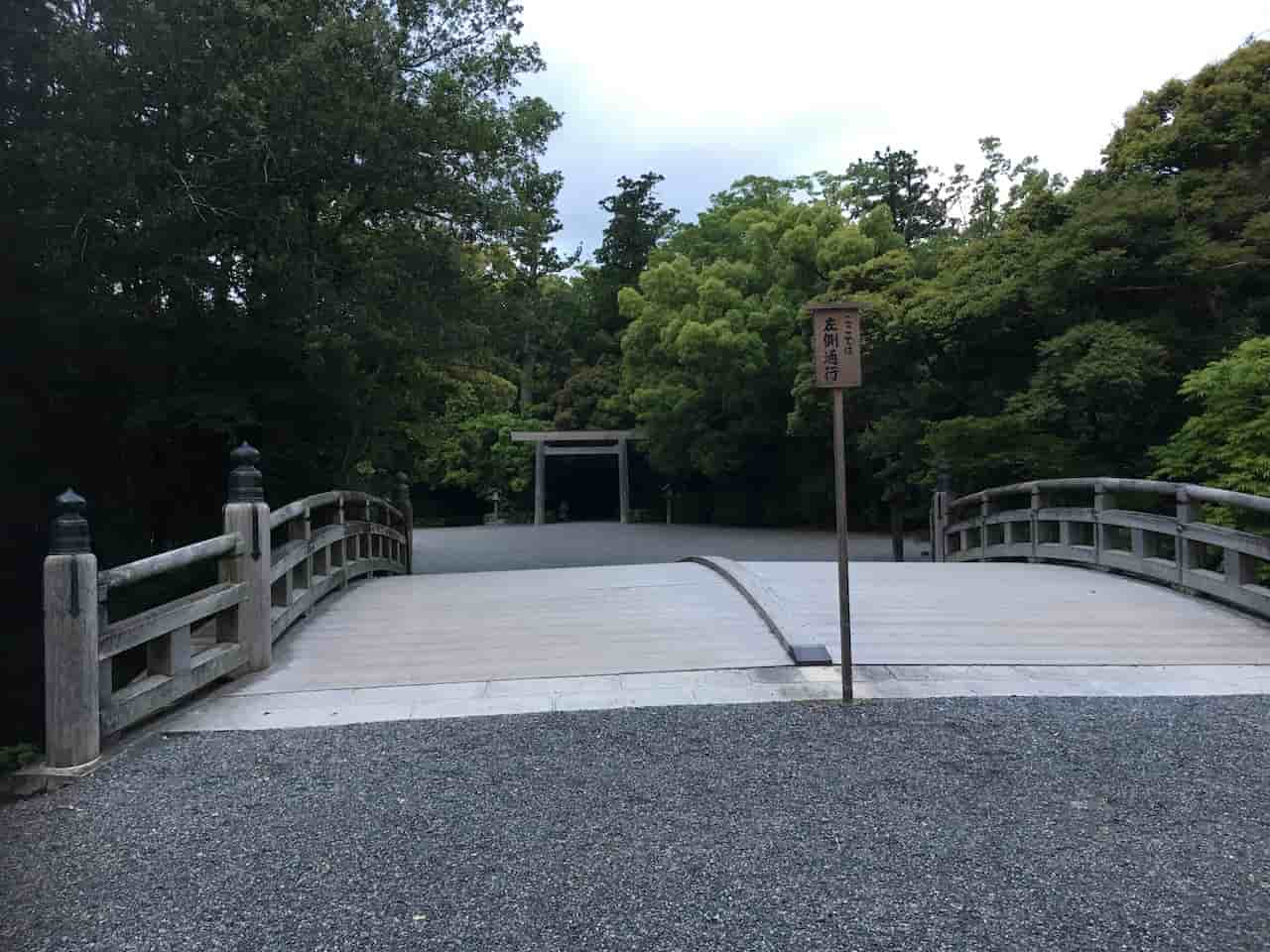
Having most recently visited the most venerable sanctuary in Japan, Ise Jingu (jingu = shrine), one was struck by the majesty and deep sense of the ancient exuding from this incredible network of shrines.

Ancient Tree at Ise Jingu

Indeed Ise Shrine is considered to be the most solemn sanctuary in Japan.

The main Shinto shrine at Ise Jingu is Kotai Jingu and is dedicated to Amaterasu-Omikami, the ancestral kami (Shinto deity) of the Imperial family.

She was enshrined about 2,000 years ago and is revered as the guardian of Japan.

Truly, Ise Jingu is revered by the Japanese as the “Soul of Japan”, and as one walked these hallowed ground, also felt so very deeply that this is true.

Ise Jingu at Sunrise

This incredible complex of shines is roughly the same size as the Center of Paris and includes 125 jinja, and more than1,500 rituals are conducted every year to pray for the prosperity of the Imperial family, peace upon the world, and a bountiful harvest.

For most overseas visitors, Ise Jingu is not on the list of sites to see, which is most unfortunate, as the depth of the Japanese soul can be felt at Ise Jingu, and all should make the pilgrimage to experience the majesty and dignity of this incredible labyrinth of historic shrines.

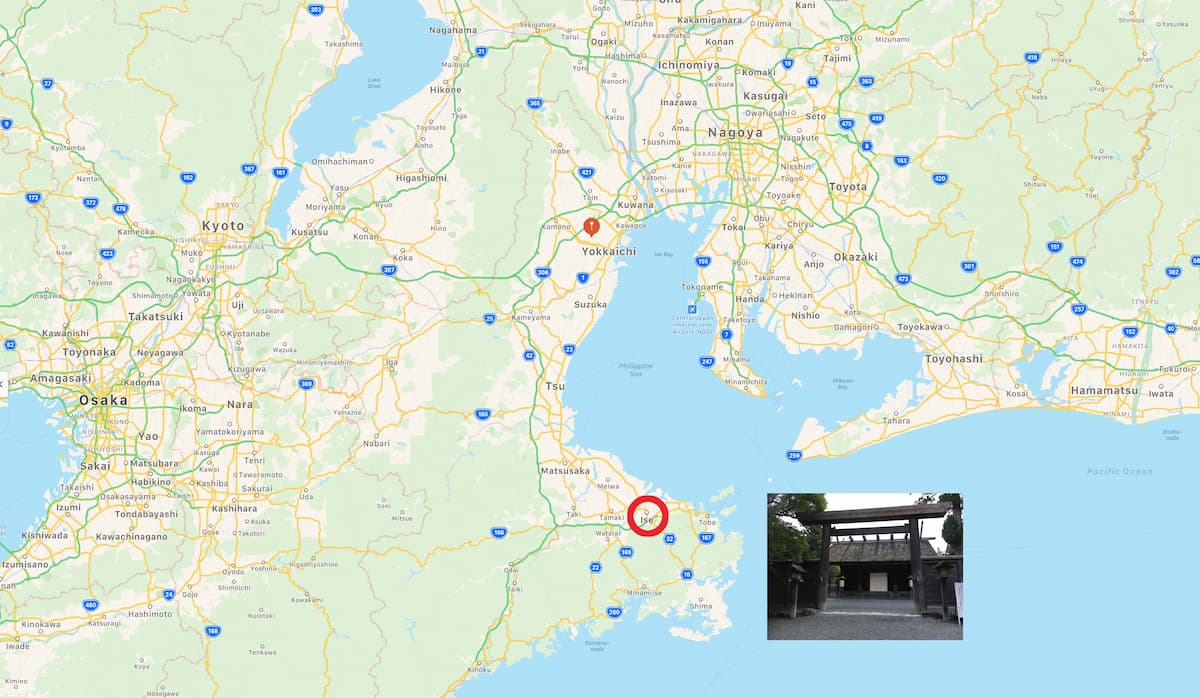
Ise Jingu Map

While wandering the sacred grounds of Ise Jingu, one thought about humanity and the very most important thing for all, our shared Sun.

Indeed, as the Sun Goddess Amaterasu shines equally upon all living creatures of Mother Earth, and it is even more so now important to remind oneself of that which unites, not the differences which divide.

Humanity United Through Our Commonality

Bonus: This smart crow was very playful.

Jomon or Yayoi?

Jomon or Yayoi?

Jomon or Yayoi?

Jomon or Yayoi?

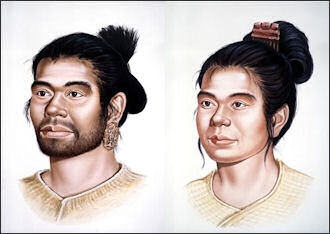
One’s friend jokingly (or not), asked whether one is Jomon or Yayoi.

Image of Jomon People

Somewhat taken aback, one had to look into this question more deeply, and ponder it carefully, as these ancient eras at the dawn of Japanese civilization are not something that comes to mind naturally.

These two periods, Jomon and Yayoi are truly most fascinating in the history of the Japanese.

Jomon long house

Jomon and Yayoi each possess distinctive DNA-level characteristics to which a Japanese will posses both, with one of them being stronger than the other.

Jomon is regarded as the dawn of civilization on the archipelagos of Yamato. This is where the indigenous population as hunter gatherers came into full fruition.

Hunter gatherer civilizations live a seasonal lifestyle, entailing collecting buds in the Spring, fishing in the Summer, gathering nuts and grains during the Autumn, and hunting during the Winter.

Jomon hunter gatherer

There is evidence of animism having started during Jomon, and families being buried in clan groupings, suggesting the very earliest roots of the ceremonial veneration of one’s ancestors.

Cultural note: Veneration of one’s ancestors is the foundation of Japanese culture and society, and these conventions can be observe in action throughout Japan into this modern day.

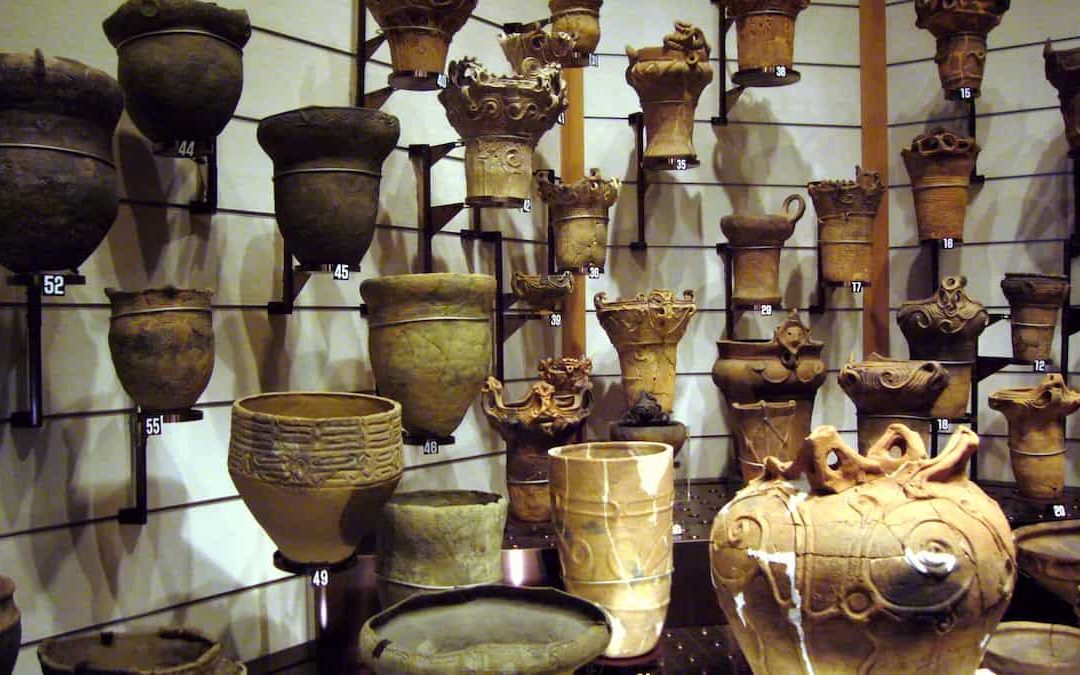
Moreover, there are some important historical artifacts such as a certain pottery style, which was characteristic of the first phases of the Jōmon culture.

Jomon Pottery Example-01

These ancient objects were decorated by impressing hemp cords into the surface of wet clay, and these remnants of an ancient civilization are generally accepted to be among the oldest in the world.

Jomon Pottery Example-02

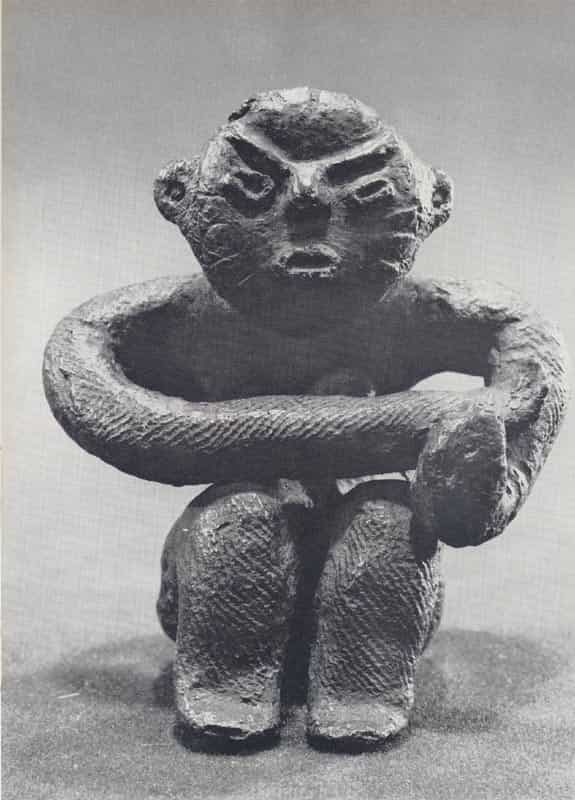
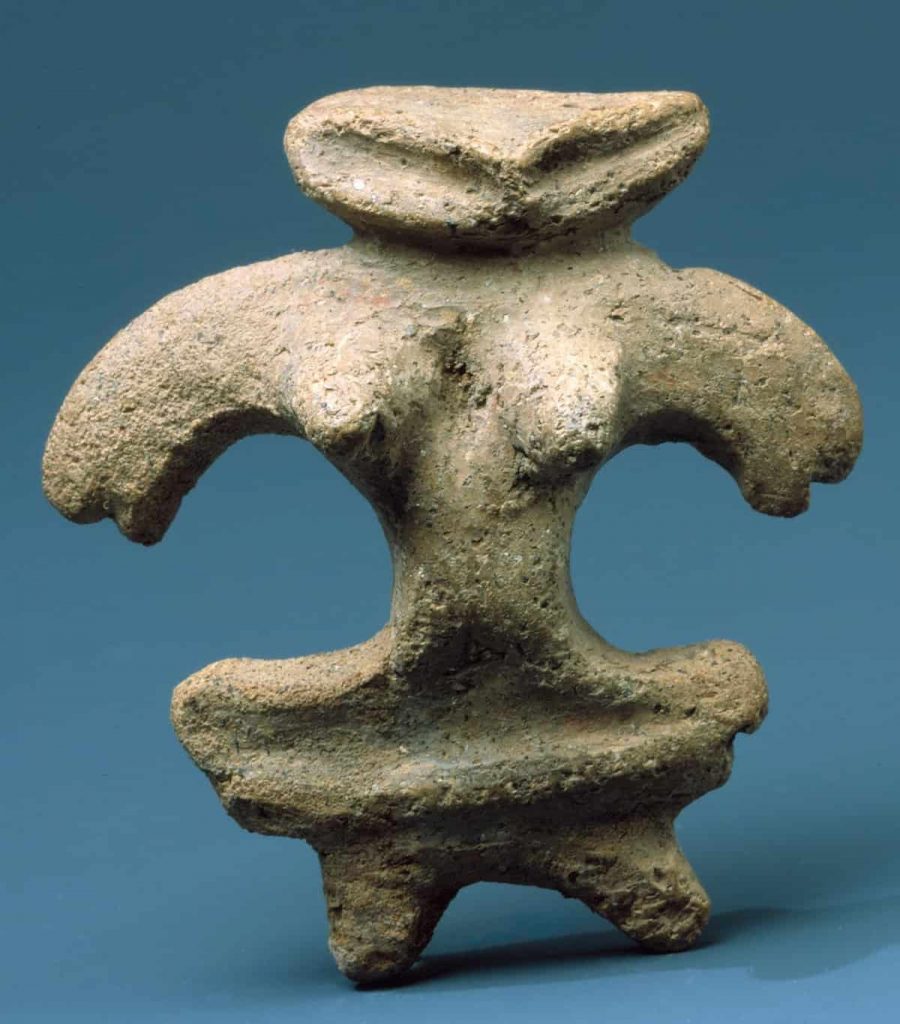
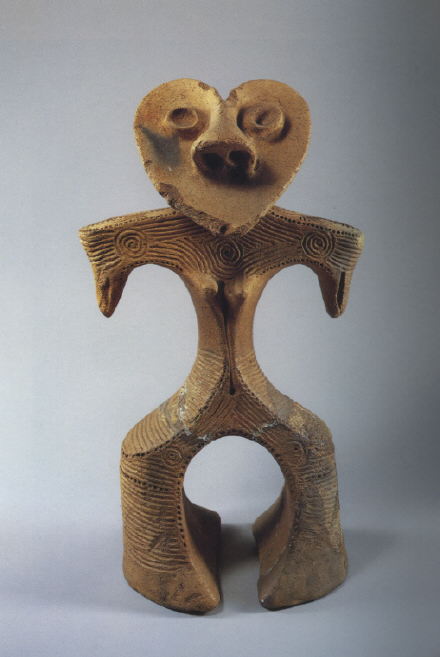
Interestingly enough, one can also see Jomon period clay figurines on display, and these figurines were assumed to have been used in fertility rites.

jomon fertility rights pottery

Indeed, old customs die hard here in the Land Of The Rising Son, and one can still see fertility rituals being carried on even now in modern Japan.

Honen Sai Matsuri (Fertility Festival) of Tagata Shrine in Komaki-City, Japanese here.

Yayoi is where a major influx of others came from the big land mass over yonder, and through this meaningful connecting with the outside world, the Bronze age occurred from around the beginning of Yayoi.

Yayoi Pottery 02

In fact, one could actually say these travelers from afar were the very first “gaijin” to land upon the shores of Japan, no visa necessary.

Not clear on what a “gaijin” is?

Translation: “outside person”

The Japanese language uses this two-character compound (外人) to discern people who are not original from the archipelagos of Japan, post Yayoi.

These newly arriving immigrants were racially different from the citizens of Jomon, and the intermarriage between the Korean and Chinese immigrants, and the original Jomon residents have resulted in the Japanese of today.

The population also expanded dramatically during this period to around 1 million inhabitants.

Note: It really looks like the fertility rituals worked!

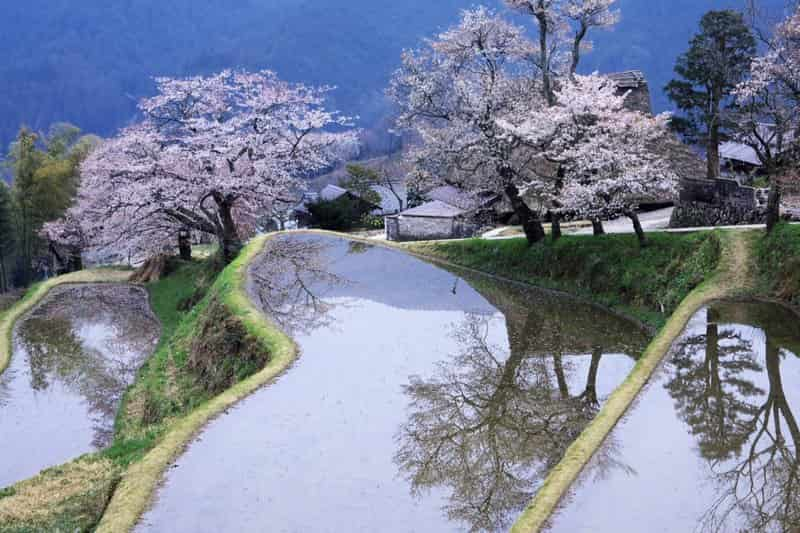
This is also where along with the wide-spread implementation of wet-rice farming culture came seasonal rituals based on planting and harvesting.

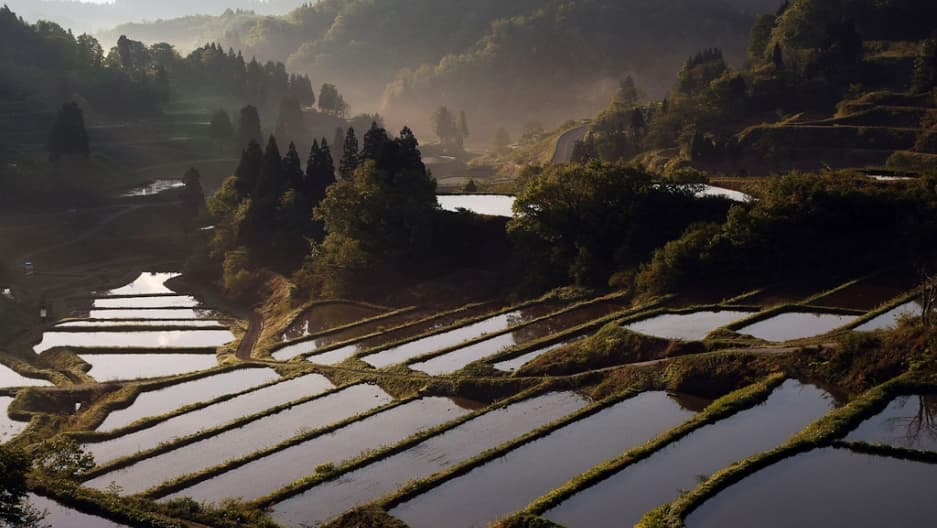
apan's Vanishing Terraced Rice Fields

This could very well be considered the dawn of Shintoism, as there is evidence these citizens were the first to leave artifacts that can reasonably be linked to the development of Shinto.

So, a hunter gatherer (Jomon) or a wet rice farmer (Yayoi)?

My beloved and dear friend is definitely Jomon!

He has 7 children and a deep rooted hunting spirit. He leaves his dwelling daily and hunts for deals and treasure, and bringing home the bacon for his hungry clan at the end of the day.

The author of this story, however, is most defiantly Yayoi, as one came from afar away distant land, metaphorically still sometimes stinks of butter, and will always be unable to hide the fact of being born of a different skin tone than the Japanese.

Here one submits:

Do not judge a book by its cover..

One can not change birth circumstances, but can only make the choice to free oneself from the shackles of the past, as all join in commonalty and build a shared future as one.

Join other like-spirited fellow travelers where contributions are made to each others journey, as all travel one’s own unique journey

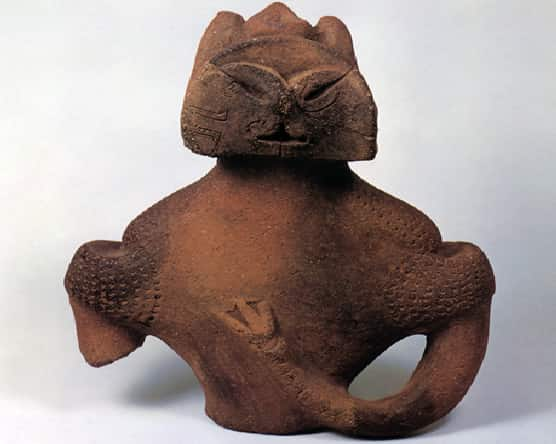
Heart-Head Dogu Heart Head Dogu, Gunma Prefecture, Important Cultural Property-Jomon

​Bonus: More Pottery Examples Here

Kata – Way Forward – Part 6

Kata – Way Forward – Part 6

Kata – Way Forward – Part 6

Kata – Way Forward – Part 6

What does the future hold for Japan?

Seeing the Japanese as katified throughout the evolution of this ancient civilization, one would have to say there are some bright spots, not only for the future of Japan, but for the shared future of an advancing civilization based upon ancient moral codes.

These codes bind members of a society through accountability, a shared purpose, and a common vision, along with obligations to one another based upon the desire for a peaceful, harmonious, and healthy society.

Japanese Cultural Code Words

Even though the Japanese are looked upon as insular people, one could honestly say, based upon over 3 decades of living in the countryside of Japan, the Japanese are understanding and accepting people. 

kimono clad girl covering mouth while laughing-01

It is the mask which one must wear here which perhaps leaves those in the outside world with no exposure to the Japanese in any meaningful way as them being somewhat “mysterious”.

Indeed, the Japanese will take what has been brought, and make it better, much much better, as this is the Way of the Japanese.

So why are the Japanese able to take such good ideas and process them into something anew along with the special Japanese touch?

This is because the Japanese are still, and will always be, instilled with order, process, and form, throughout one’s life as a matter of being Japanese.

Indeed, the true wonders of our advanced civilizations has been a collaborative effort, and all must continue to strive toward to deeper understanding of others, and a deeper understanding of one’s own-self, as all reach in unity to create a harmonious future, for children, grandchildren, and those who are to come after this chapter is long dead and gone.

Here, one submits.

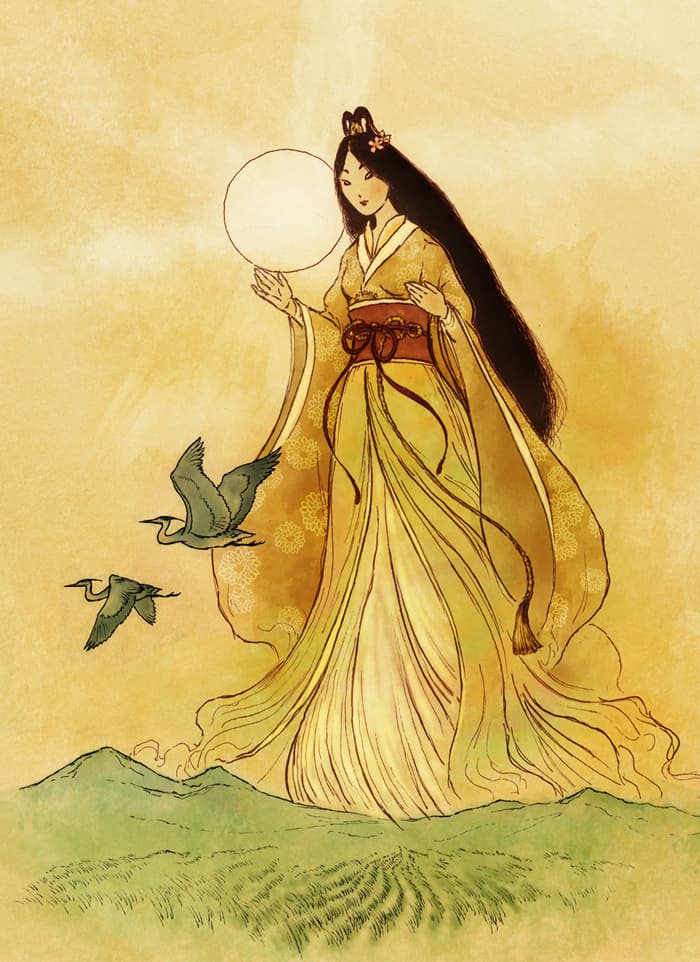
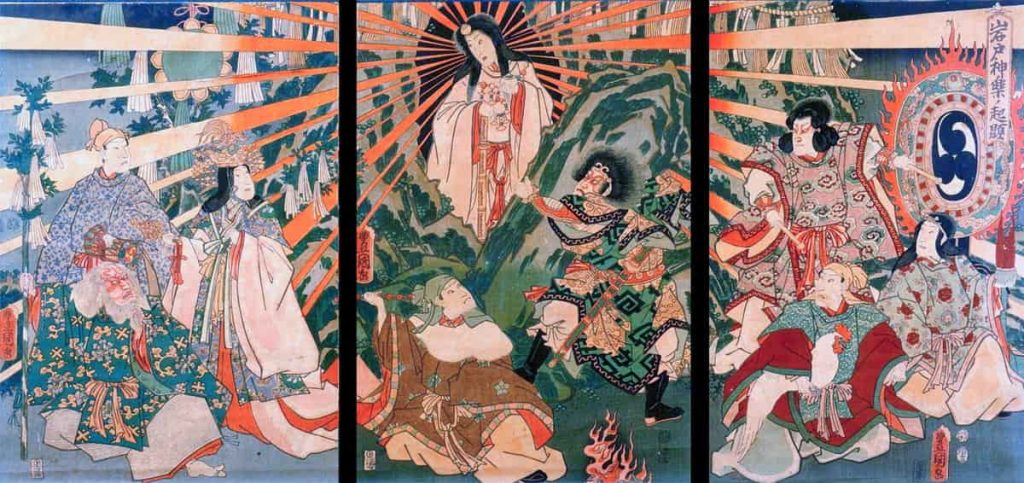
Known by many different names since the dawn of civilization, Amaterasu Oomikami is the Japanese Sun Goddess.

Amterasu Oomikami-01

Let us all be thankful for our shared Mother Earth’s Star illuminating our common existence each day, and beaming life to all of our shared earth.

While one gives thanks every day to the Sun for her life giving rays of warmth and hope, let us also give thanks to one’s Ancestors for the hardship and perseverance they endured as they walked a treacherous journey bringing us to this extraordinary point in civilization.

We are all citizens under the Sun, and products of our Ancestors. Now is the time to look toward the future and create a new paradigm in unity for the sake of our shared earth and the future of life on our planet.

Mother Earth

Thank you so very much for stopping by the Land Of The Rising Son. If one finds this blog interesting and informative, please share it with your friends and anyone who may be interested in Japan, and as one does so, our beloved sun Goddess Amaterasu Oomikami Sama, will continue to shine her brilliant rays of life on you, as she does on everyone of our shared earth.

Amterasu Oomikami-02

Kata – Part 4 – Katafication

Kata – Part 4 – Katafication

Kata – Part 4 – Katafication

Kata – Part 4 – Katafication

Keep in mind the social harmony one see in Japan is based upon following proper kata etiquette in daily behaviour, and remains the guiding constitution in all Japanese relationships.

To understand this further one must look back into the indigenous belief system of the Japanese, known as Shintoism, and then one can see from whence this all came. 

Shintoism is an animistic believe system based upon cosmic oneness among god’s, spirits, people in the physical world, and nature. 

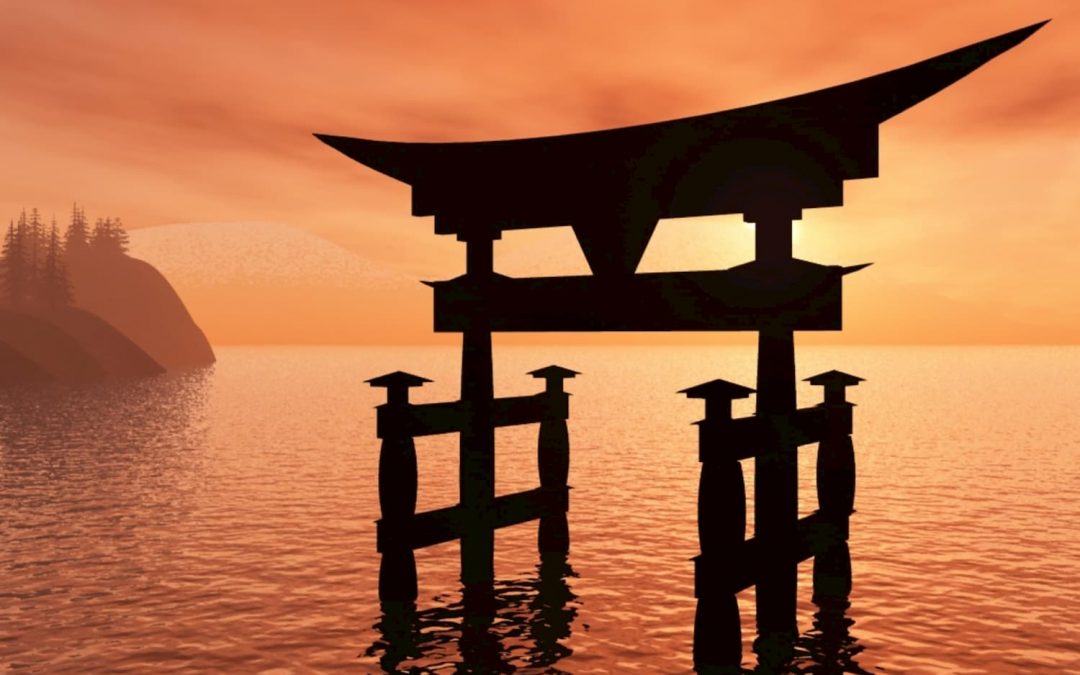
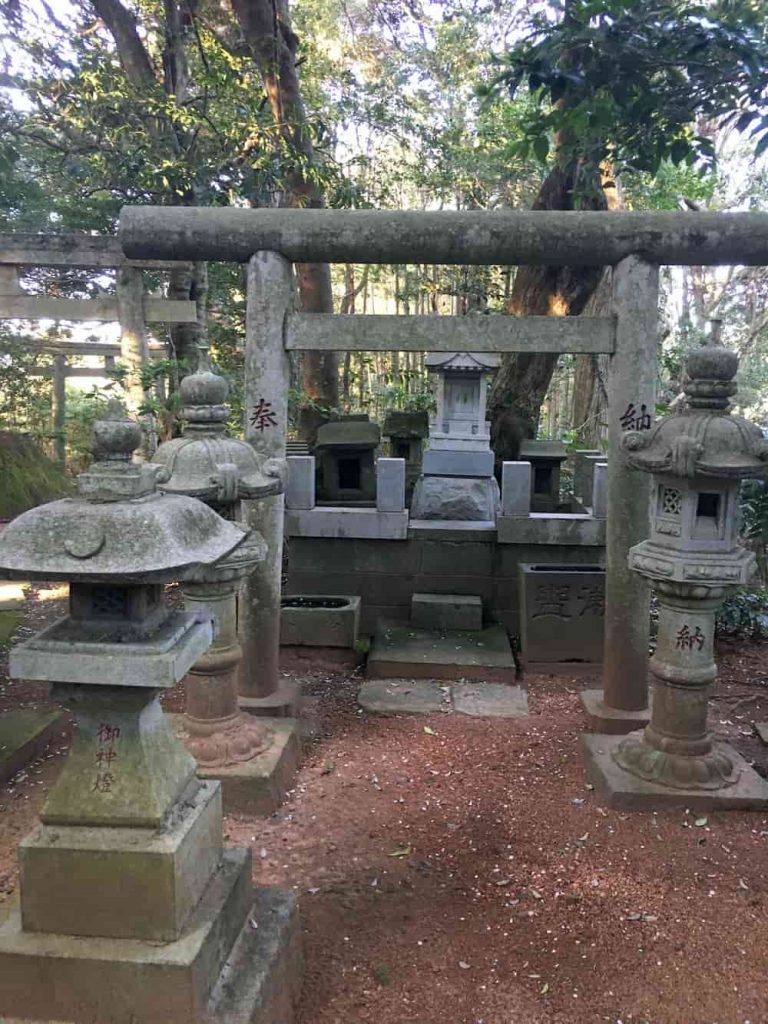
Small Shinto Shrine

Indirect, but culturally permeative, it is the genesis for the attitudes and customs that distinguish the Japanese from all other people.

It was under the influence of Shintoism that led the Japanese to refer to themselves as the people of Wa (harmony), substantiating the very early commitment by the Japanese to the principles of Wa as the foundation of Japanese society.

Early in Japan’s history the function of religious and secular leaders were combined, and these combined entities were equally concerned with both form and essence, with the overriding principle adopted from Confucianism, which is harmony between heaven and earth, and between those who ruled and the ruled.

heaven earth harmony

From this there evolved a highly controlled behaviour system prescribing subservience and respect towards superior beings, with stylized ceremonies associated with worship infused into the conduct of daily affairs of Japanese life.

From the dawn of Japanese history, stylized rituals were preformed dozens of times throughout each year, and made up an intricate part of routine Japanese life, even so now now unto this very day.

Even if one is simply but a casual observer of Japan, one can see the Japanese have a deep affinity for formalizing and institutionalizing procedure and processes. 

Perhaps one cannot say this stylized behaviour originated in Shintoism wholly, but surely these characteristic Japanese behaviours have been infused with these pervasive ceremonial practices, which were indeed prevalent from early on in Japanese life as related to the evolution of Shintoism.

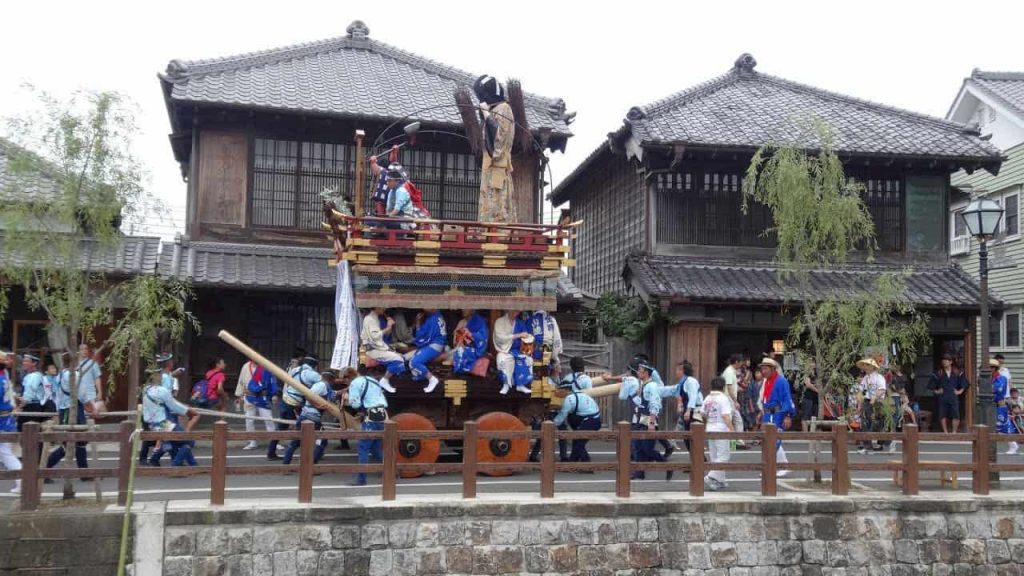
香取祭山車

In order to have a deeper understanding of Japanese society and the foundation of Wa, one can always consider Wa to be the central pillar of Japanese cultural, influencing Japan in its texture, essence, spirit, and in the continuing evolution of the Japanese Way.

An important point to note when examining kata is when wet rice farming was introduced to Japan from China sometimes between 1000 and 300 BCE. This lead to a profound effect on the country social system and subsequent character and behaviour of the Japanese.

rice fields in japan

The process of rice farming was prescribed down to the last detail, and the lifestyle accompanying wet rice farming instilled the Japanese with an extraordinary degree of patience, perseverance, diligence, cooperativeness, and group dependence.

The whole economy became based upon the way of rice and made group behaviour, cooperation, self-sacrifice and harmony obligatory.

Along with the introduction of wet rice farming and also having a profound influence on the evolution of the Japanese was the introductions of the kochikomin system. 

This means the land and the people belong to the emperor, with no right to private property, or to be independent. 

This was the catalyst for virtually absolute control over the people by the state and the evolution of many of the cultural traits that make up Japanese society.

With Wa firmly established as the essence of the Japanese social system, the ruling class of Japan fashion all of their social rules and institution as well as their language to contribute to the cultural goals of Wa.

See you again next week for Part 5 of Kata as we peel away the mystery of kata and the continuing influence on the Japanese.

Shintoism, the way of the Japanese

Akemashite Omedetogozaimasu Reiwa 3

Akemashite Omedetogozaimasu Reiwa 3

Akemashite Omedetogozaimasu Reiwa 3

Akemashite Omedetogozaimasu

One grew up in the occidental tradition in central British Columbia, Canada.

When recalling the way New Year’s Eve was celebrated so many years ago now, the images of these New Years Eve parties were very boisterous and rollicking, ringing in the Happy New Year with drink, dance, song, mirth, merriment, and gaiety. 

On January 1, one’s family would gather and have one’s mother’s homemade traditional New Year’s Day buffet, then back to work on the 2nd, and life would continue on in the sameness as in the previous year.

One always found a deep and stark contrast between this and the celebration in Japanese New Year tradition.

The Japanese view the turning of the year with more solemn eyes. They take this period as a time for reflection on what had transpired in the previous year, and look toward what is to come. 

Traditionally, families gather in the ancestral home and watch the NHK Red and White song contest, an important feature of the Japanese New Year tradition to be certain (about kōhaku uta gassen here).

Snacking on osechi ryori (about osechi ryori here), and sipping the night away with excellent sake; this tickles the fancy. 

お節料理

Always included on the celebratory table (about kotatsu here), is a delicious array of raw fish and crab (delights of the sea; sashimi here). I am particularly fond of the brains of the hairy crab, an exquisite and delightful treat.

毛カニ味噌

Chiba prefecture, where I have lived for the last 34 years, is also renowned for their extraordinarily delicious locally grown peanuts, and one is always delighted to taste the incredible pea-nutty peanuts over the course of the evening, as well as slowly nibbling on the above mentioned hairy crab brains and the delightful assortment of raw fish.

Chiba Prefecture

千葉産落花生

Continuing along with the Japanese New Year’s Eve tradition, the song contest ends at 23:45, and the government run NHK then goes to different scenes all around Japan of people lining up at Shrines and Temples for the first pray of the year. 

Hatsumode is one of many Japanese New Year’s Customs, and the most important custom of the many of the “first of the year” rituals, in one’s humble opinion. 

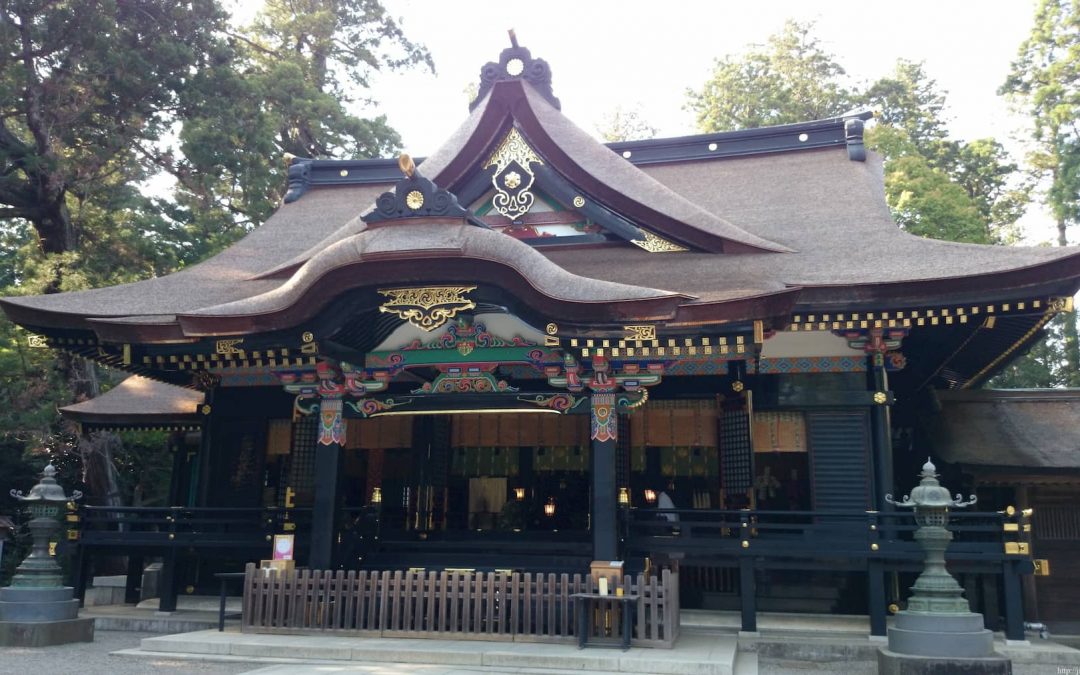
香取神宮初詣

Whatever the customs and rituals are in one’s own family traditions among the rich and diverse peoples of our shared earth, all must reflect upon 2020 as the time when the planet experienced a seismic paradigm shift into an new reality.

The wish for the coming year, and into the shared future to which we all belong, is for the citizens of the world to look to the examples described in the first constitution of Japan, established in the 7th century, which codified the idealized virtues of the Japanese. 

Honesty, integrity, goodwill, trust, confidence, and selflessness.

One believes all agree (unless you are a psychopath), that these are all things to aspire to, as we set examples to each other of tolerance and goodwill, noble aims to be certain.

Dearest readers, thank you so very much for coming by this last year and being a part of the Land Of The Rising Son as we continue the journey together into the future of Japan, one’s society, and our world. 

PS: Please come again next week as one continues the exploration of kata and how kata continues to influence the Japanese and our society. If you missed the beginning of kata one can discover it here.

丑年