Spirit Of The Word

Spirit Of The Word

Spirit Of The Word

Spirit Of The Word

One’s wise wife often chides when the Occxie savage, who stinks of butter, has unthoughtful things to say.

Swear Words

In where she always reminds me of kotodamashi or “the spirit of the word.”

Most of us (unless you are a psychopath), know the power of language, and what it can do both in the positive, and for certain, and in a much more powerful sense, negativity.

One can commit to someone for the rest of one’s life by saying a vow to only them.

On the other hand, one can crush someone’s heart by a few flippant words, leaving emotional scars that may never heal.

This becomes much more problematic when you are speaking a different language, especially Japanese in which the words carry so much weight.

Japan is ridged hierarchal system, and even something as seemingly innocuous as not adding a title to someones name, or misreading the social status of someone, and using the incorrect level of Japanese when addressing them is traumatic experience for all involved.

trauma

One’s wife also mentions hitokoto ooi or “saying something extra and unnecessary.”

And after reflecting on what was said, she is right, again.

The interesting thing about the Japanese is they are really prefer, in as much as possible, to communicate non-verbally, and this is written into their DNA from millenia ago when ones loose lips could get the head slices off in an instant.

Here is a post about Japanese communication called shin denshin, or, “Japanese telepathy”.

This describes how the Japanese use non-verbal communication based upon unwritten social conventions.

Telepathy

Moreover, there is a fascinating phrase kotodamashi no sakiwau kuni, or “the land where the spiritual power of language brings happiness to life.”

Remind oneself daily of the power of the word, and to use this power today while we citizens of our shared earth spread the spirit of goodwill and our common humanity inside the very important realm of kotodama.

Setsubun: Throw Some Beans

Setsubun: Throw Some Beans

Setsubun: Throw Some Beans

Setsubun: Throw Some Beans

Setsubun is the day before the beginning of spring in Japan, and has its origins in a Chinese custom introduced to Japan in the eighth century.

The name literally translation is “seasonal division”, and usually refers to the spring Setsubun, which is celebrated yearly on February 3 as part of the Spring Festival.

Associated with the Lunar New Year, the spring Setsubun can be and was previously thought of as a sort of New Year’s Eve, and so was accompanied by a special ritual to cleanse away all the evil of the former year and drive away disease-bringing evil spirits for the year to come.

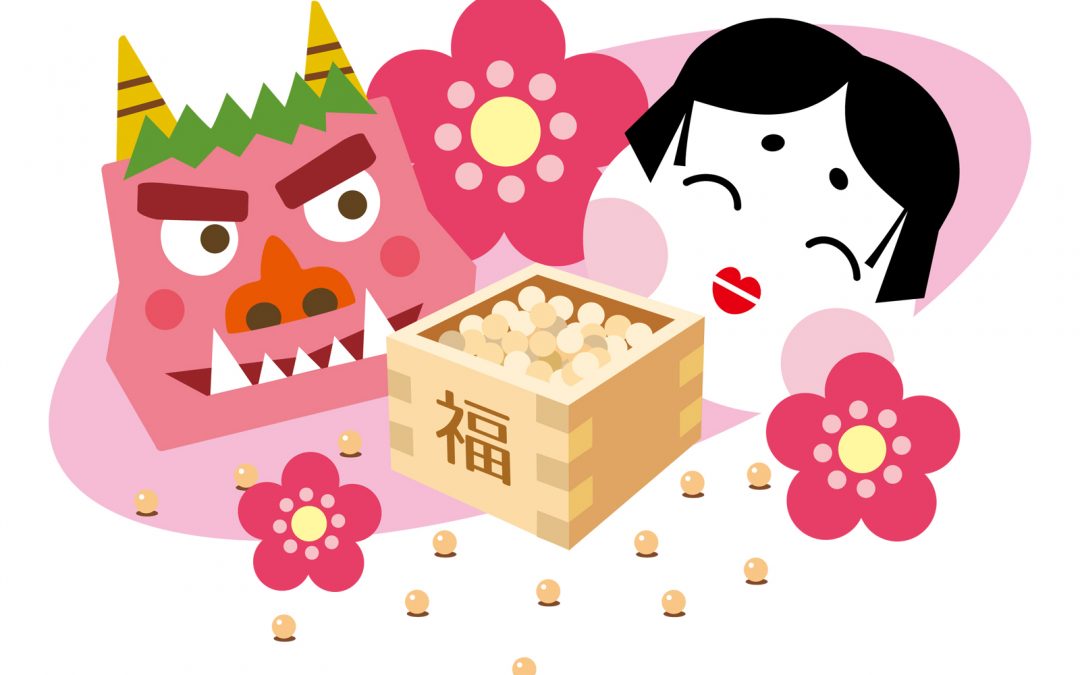
This special ritual is called mamemaki or “bean scattering”.

The custom of mamemaki first appeared in the

Roasted soybeans (called “fortune beans” (fuku mame) are thrown either out the door or at a member of the family wearing an Oni (demon or ogre) mask, while the people say “Demons out! Luck in!” Oni wa soto! Fuku wa uchi!) and slam the door.

Indeed, this is still common practice in households, and many people will attend a shrine or temple’s spring festival where this is done. The Narita temple near my home has a grand event every year and many famous sumo wrestlers and celebrities attend to “throw the beans”

The beans are thought to symbolically purify the home by driving away the evil spirits that bring misfortune and bad health with them. Then, as part of bringing luck in, it is customary to eat roasted soybeans, one for each year of one’s life, and in some areas, one for each year of one’s life plus one more for bringing good luck for the year to come.

Make sure to throw some beans on February 3 to drive away evil spirits and bring in the good ones, and have a banner year.

Sobataka Jinja Moustache Festival

Sobataka Jinja Moustache Festival

Sobataka Jinja Moustache Festival

Sobataka Jinja Moustache Festival

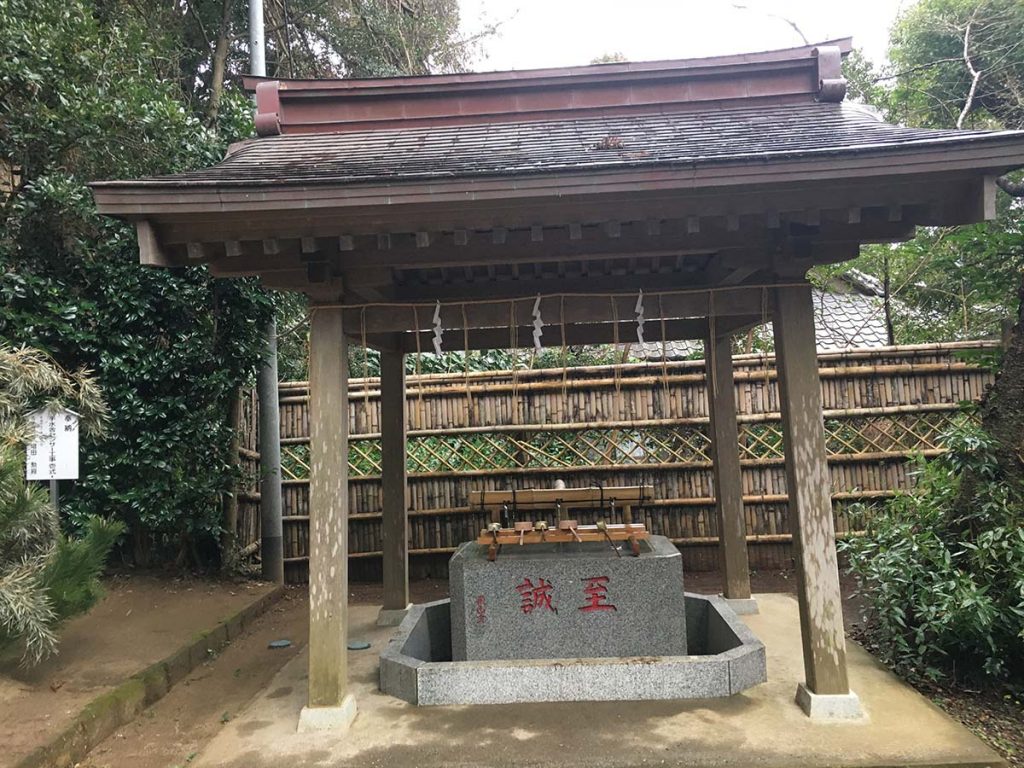
Every year near our house there is a very interesting, if not somewhat bizarre festival ,which takes place at a historic shrine, .

This shrine was established in year eighteen of the Jinmu-tennō reign, which began in 660 BCE. Keep in mind Jinmu-tennō is said to be a descendent of not only our cherished Sun Goddess Amaterasu, but of the Storm God Susanoo as well.

Just to give you some perspective this is 2,532 years ago.

The name of the festival is higenadematsuri (literally stroking the whiskers festival), it takes place on the second Sunday every January.

The festival was established to honour the great Japanese Samurai of the , who happened to wear a moustache

was the founder and the first shōgun of the shogunate of Japan. He ruled from 1192 until 1199

Back to the festival.

There are two rival teams, and one of these teams puts on a fake moustache.

They then proceed to have a drinking contest.

They count how many (large) cup of sake the teams consume, and they count the number of sake cups drank by putting long bamboo sticks with pieces of fish on the end into a bamboo vessel.

Some of these guys drink 7 or 8 cups (large) until one side gives up.

These ladies gave me .

In the video below He says, “these guys are now working on cup (large) number 5.

Please come and join us here in the Land Of The Rising Son on the second Sunday of January and you can enjoy this incredible spectacle as one of your many unique experience in Japan. 

First Visit To The Imperial Palace

First Visit To The Imperial Palace

First Visit To The Imperial Palace

First Visit To The Imperial Palace

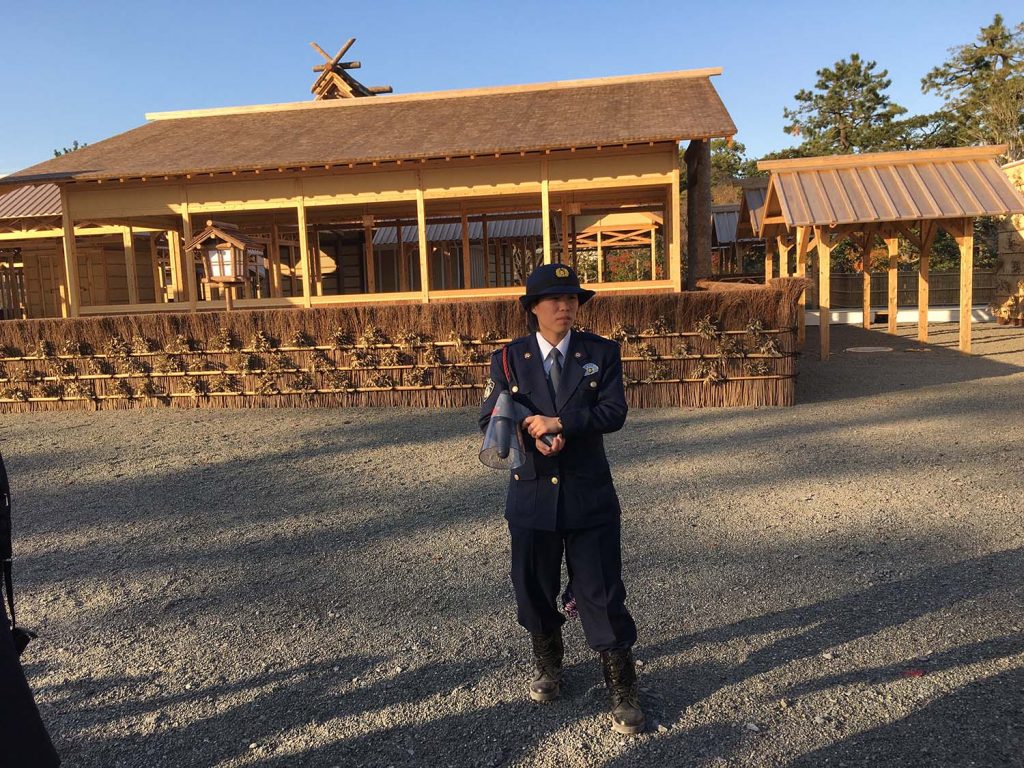
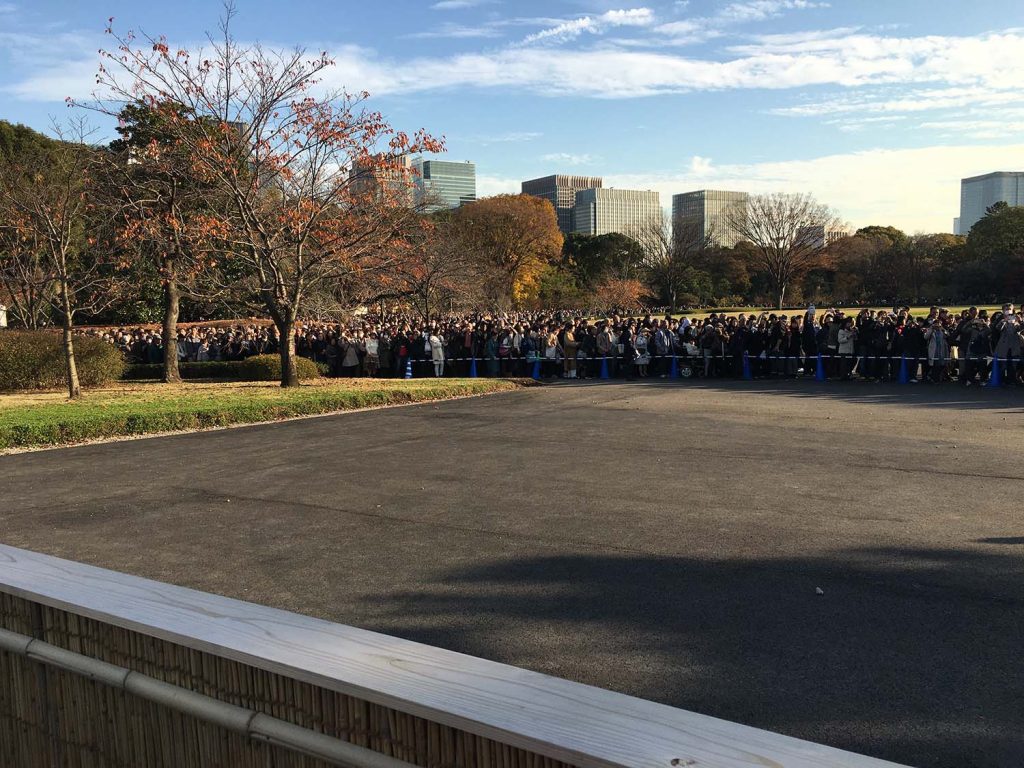
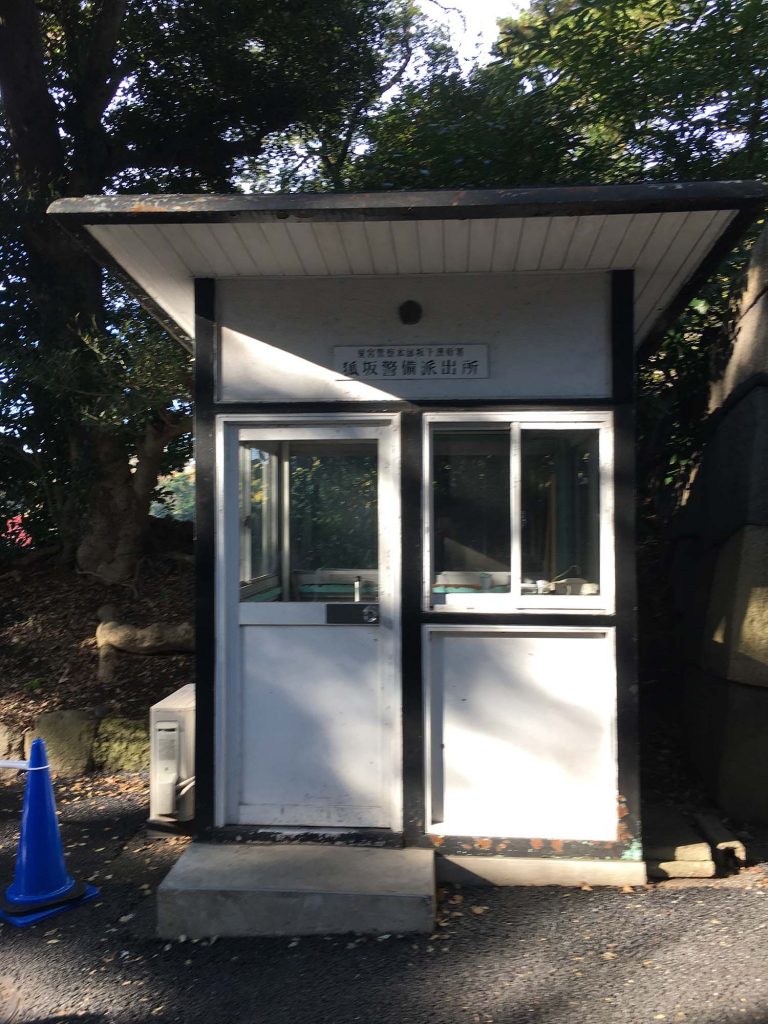
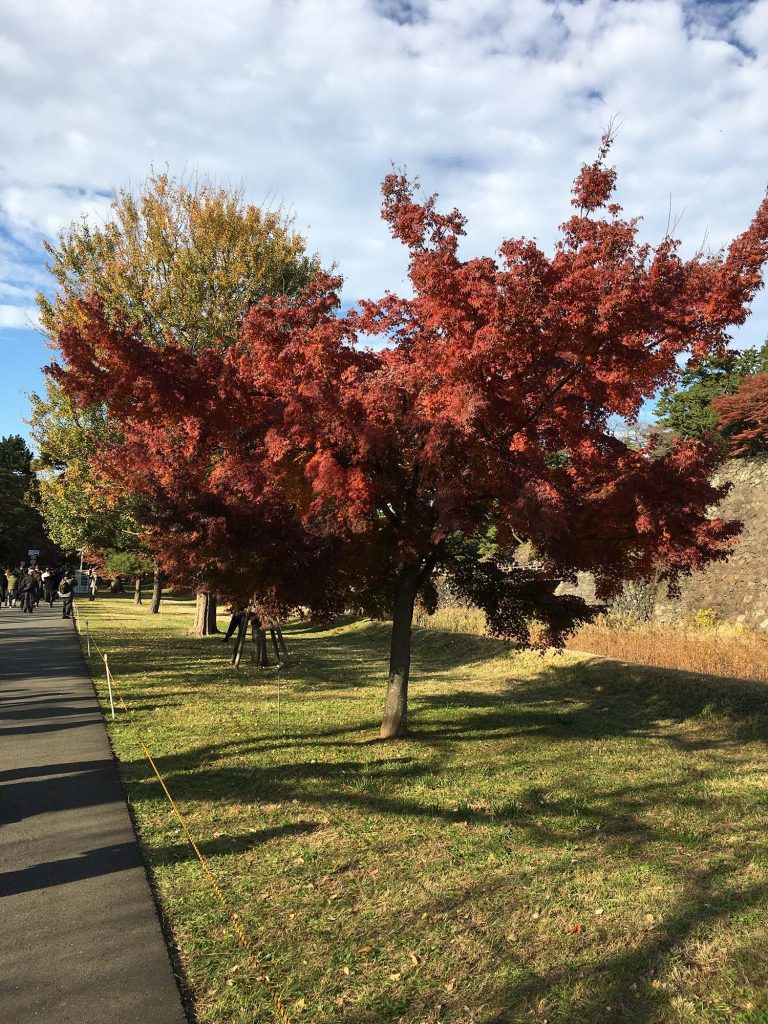
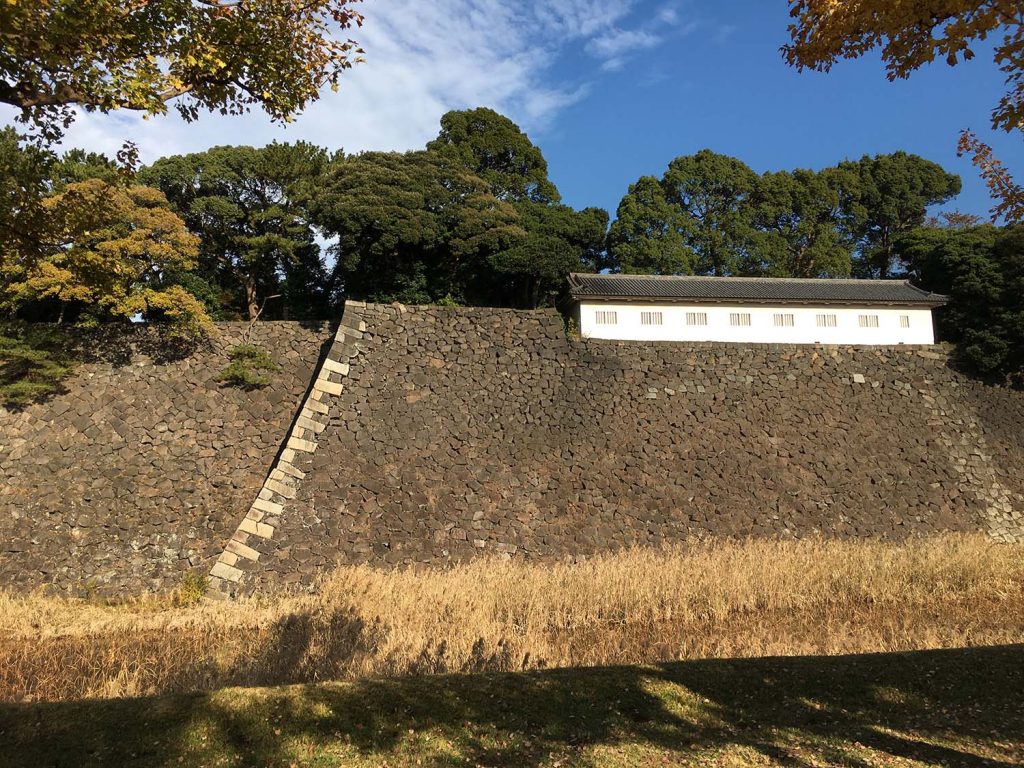
We had the once in a life time opportunity to enter the Imperial Palace Grounds and see the incredible structure assembled for this rare event know as “Daijōsai”. These structures were recently constructed and then used in a centuries-old ceremony related to the enthronement of Emperor Naruhito.

These incredible structures were constructed by Shinto priest carpenters, and is considered to be one of the very most sacred rituals in Shintoism, which is the foundation of the Way of Japan.

Remember, Emperor Naruhito is the head of Shinto, and represents the Japanese people as a symbol of their peace and unity.

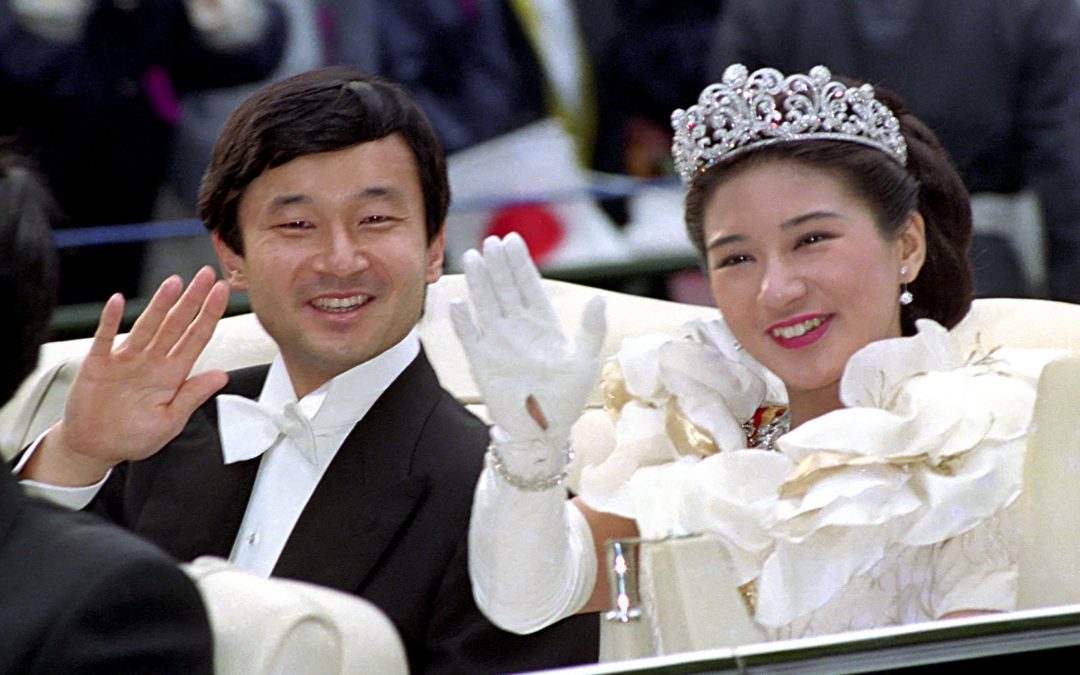
Best wishes to Emperor Naruhito and Empress Masako for a long reign over the health, peace, and prosperity of the Japanese people.


Seven-Five-Three

Seven-Five-Three

Seven-Five-Three

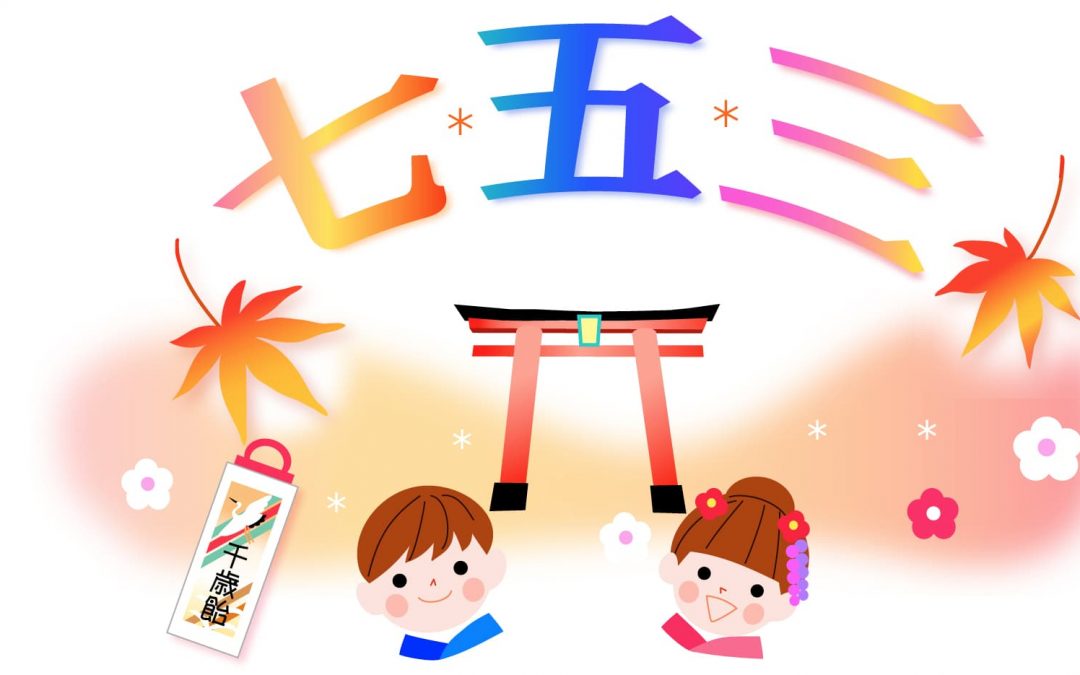
Shichi-Go-San (Seven-Five-Three)

Right around this time of year there is an amazing ritual carried out throughout Japan.

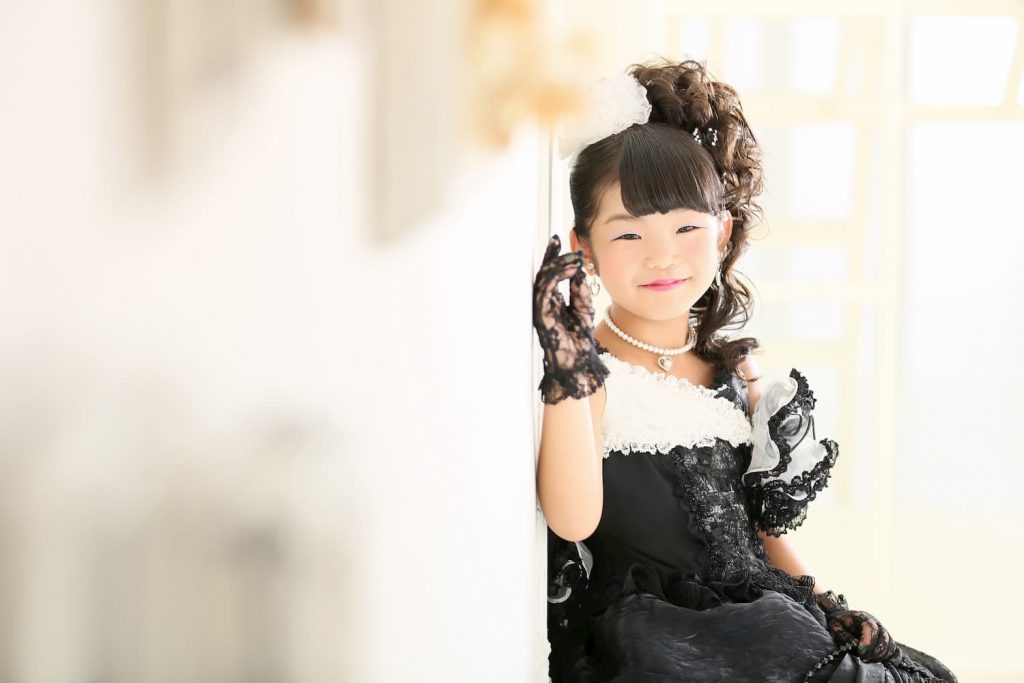
You can see the Japanese parents taking their children dressed in colourful kimono, or in dapper suits and fine dresses, going off to the Shrine to offer thanks to the Japanese Gods and Goddesses.

There are often wonderful photo-shoots at the profession photograph studios and these delightful and precious moments being captured in cherished family pictures, destine to delight the Japanese families as they gather on special occasions over the years and decades.

The boys usually celebrate Shichi-Go-San at the age of 5, and the girls either at 3 or 7 years of age.

Therefore, until the age 7, Japanese children were thought to be offspring of the Japanese Gods.

The meaning of this important event is to celebrate the survival of their children, because as we all know historically understand, the mortality rate for young children in most parts of the world was very high. They pray to the Shinto Gods for the continuing healthy growth of their children in the coming years of youth into adulthood.

Don’t you think that it is delightful that the hard working Japanese take the time and effort of create these once-in-a-lifetime experiences to honour their ancestors and the Japanese heritage?

(I wrote a blog post about the “once-in-a-lifetime experience and you can read to here if you care to do so)

PS: This ancient ritual originated in the Heian period; 794 to 1185 (Read about the Heian era here).