Each Other

Each Other

Each Other

Each Other

A wonderful Japanese sentiment expressed in a simple, yet powerful ideogram.

Notice there are two of the same forms inverted upon each other.

互 - Land Of The Rising SonWithout each other, meaning ceases to exist, thus, each other is dependent upon the other to be whole.

The importance of trust in each other, and trust in one’s own community is embodied in the spirit of this magnificent ideogram.

Indeed, when wet rice farming was introduced to Japan at the beginning of the Yayoi period the necessity to cooperate with each other for the survival of the community took president over the fickle needs of selfishness.

日本水田歴史 - Land Of The Rising Son

The profound nature of tagai is embedded in the psyche of the Japanese, and the emotion and feeling attached to tagai can not be explained to, nor understood by those indoctrinated into the tenets of the Occidental.

Indeed, the Occidental tenets cleave the individual away from one’s own roots and ancestry, leaving a primitive jungle winner take all mentality.

Survival of the fittest - Land Of The Rising Son

Here soulless wolves in sheep cloth feed off, and draining away the charming world of traditions, national treasures, and ways of life. 

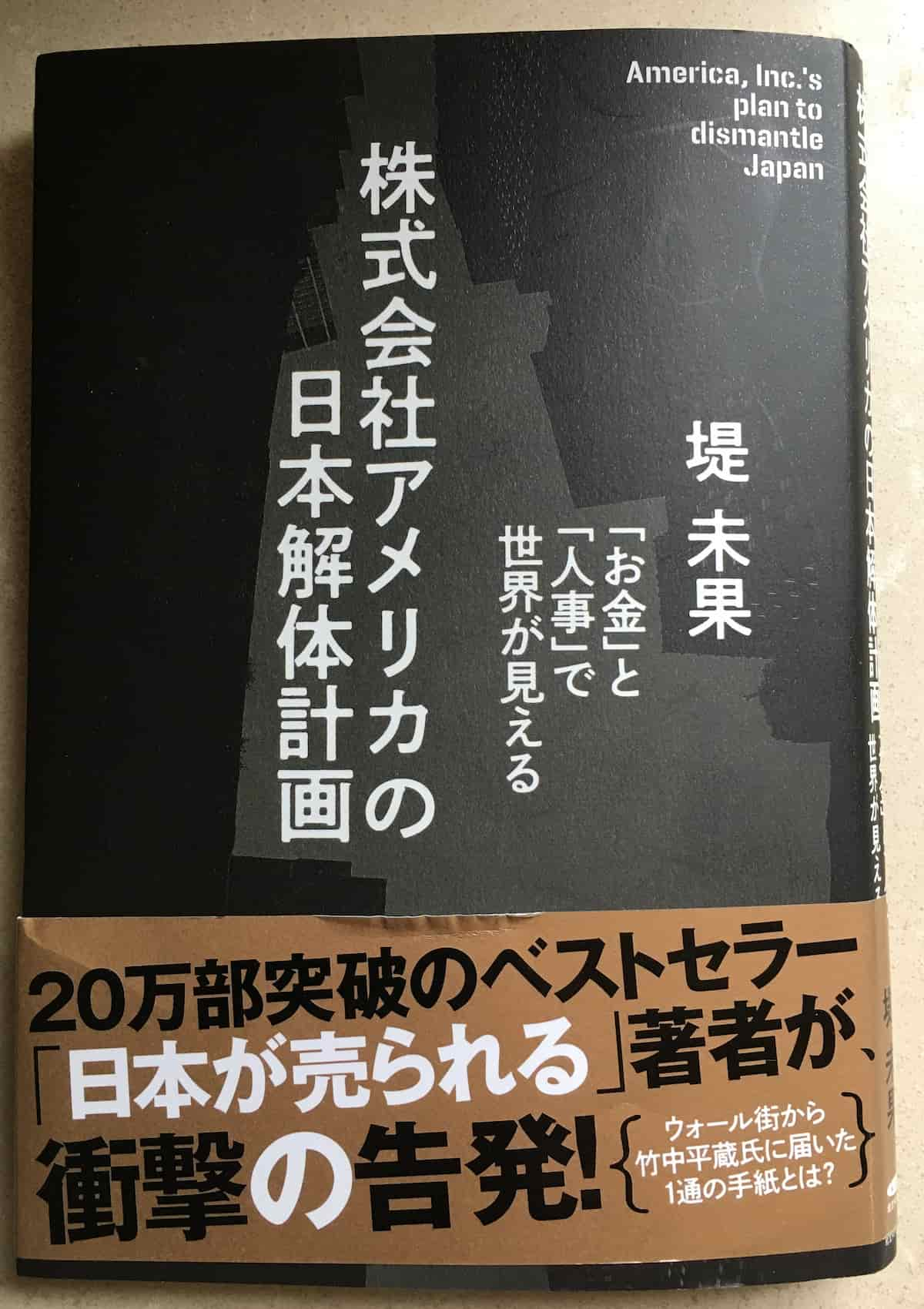
A deeper insight into the meaning of tagai came after running across a very informative book in Japanese entitled “Kabushikigaisha Amerika No Nihon Kaitai Kikaku” (America, Inc’s plan to dismantle Japan).

株式会社アメリカの日本解体計画 - Land Of The Rising Son

The take-away from this enlightning book by Mika Tsutsumi is the necessity for the Japanese to recognize a true enemy and marshal the Yamato spirit of tagai, to unite, and defeat this sinister and grave menace to the integrity of the Japanese and our way of life.

株式会社アメリカの日本解体計画-堤未果 - Land Of The Rising Son

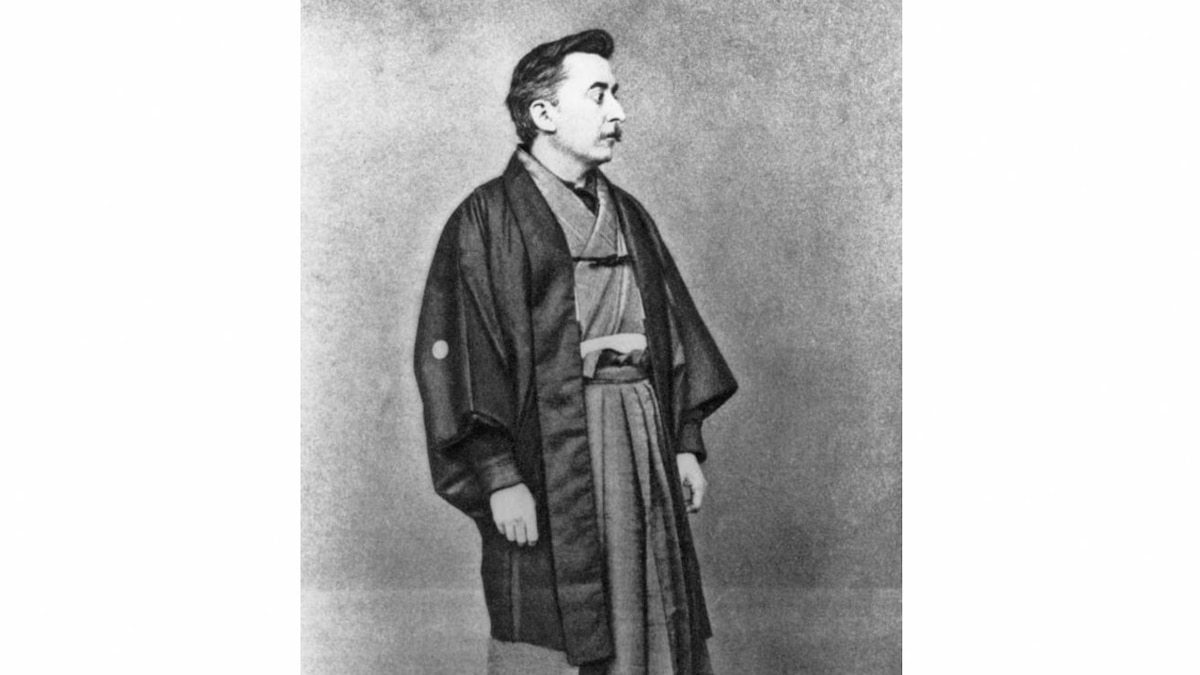
All the more interesting, the roots of this consequential peril was astutely described by Patrick Hearn (Koizumi Yakumo), in the chapter entitled “Industrial Danger” of his deeply insightful book; An Attempt At Interpretation, published in 1904. 

Lafcadio Hearn - Land Of The Rising Son

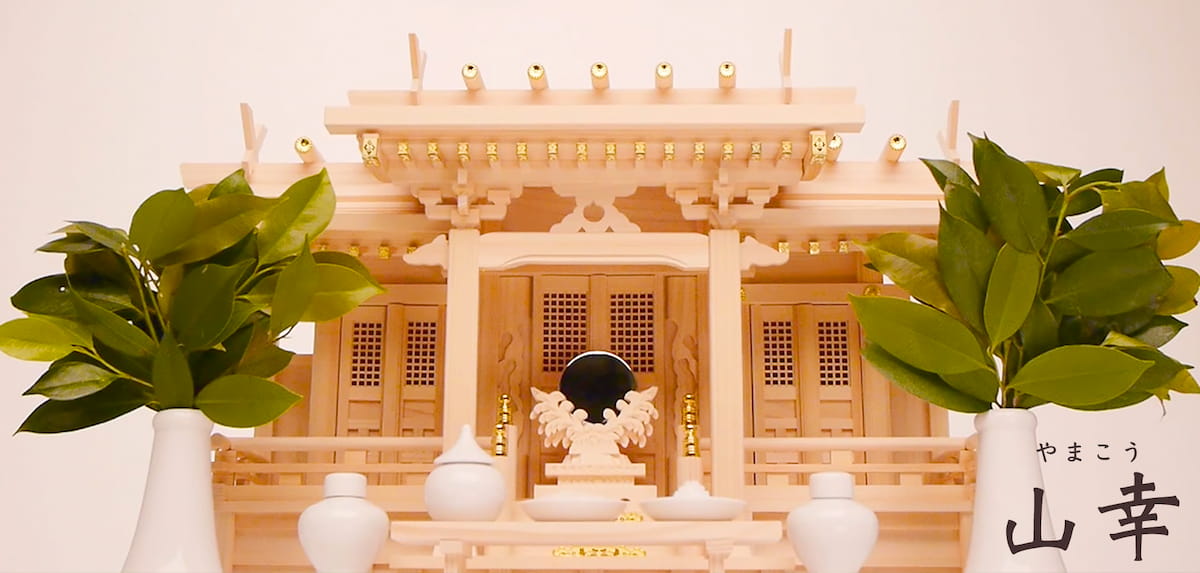
As the Japanese take time for reflection in these turbulent times, we see the way to the future is based upon our past, and our modern reflection is that of the ancient Japanese civilization connecting each other by ancestor worship. 

神棚- Land Of The Rising Son

The ancient past still rules Japan today and the unspoken social conventions of the Japanese are held within a plethora of concepts, which can not be described nor explained, and can only be understood if one reads Japanese and has lived in Japan for any length of time.

It is here in the “Land of the Gods” the Japanese now manifest the power of tagai, and the potency of social trust, community dignity, and honour between, and among, each other.

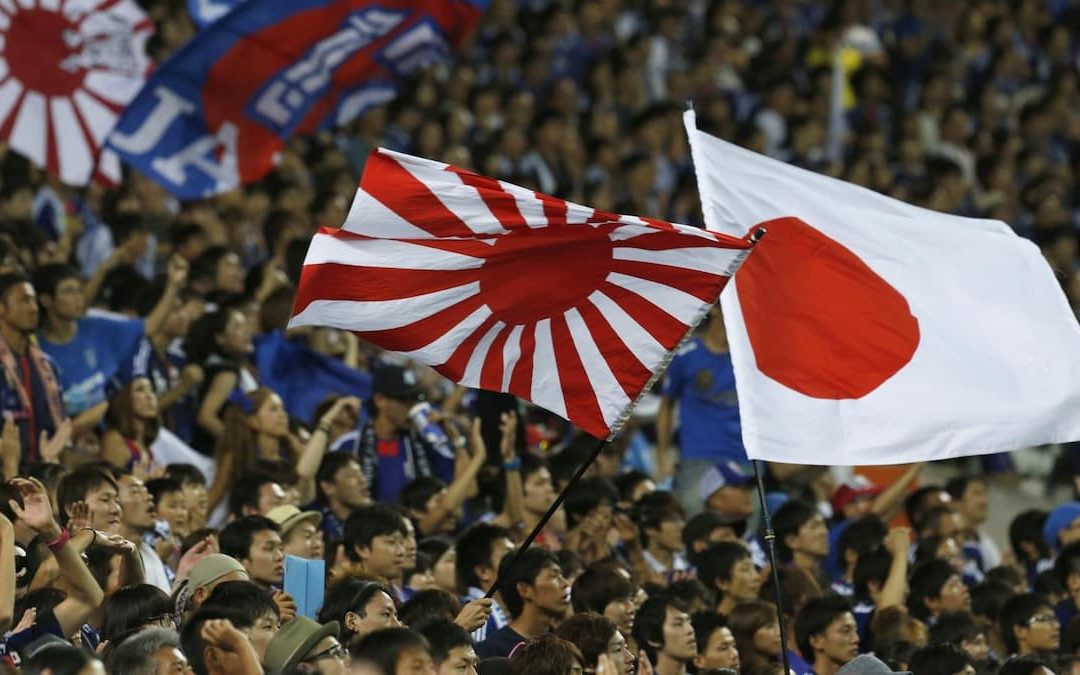
Global Unity - Land Of The Rising Son

This Is Japan

This Is Japan

This Is Japan

The mantra to repeat when facing obstacles, navigating the nooks and crannies of the ancient system of Japan.

Use the philosophy of ichi go ichi e.

It is always best, to take each encounter as an extraordinary moment in time, regardless of the tone, timbre, or hue, contained within the encounter.

When the inevitable frustration wells up when confronted with unfamiliarity, and uncomfortableness and one needs to “change things” is where this mantra comes in very handy.

This Is Japan

This is Japan - Land Of The Rising Son

As one figured out along the way, encountering breathtaking bureaucracy and red tape, stress is a choice.

The endless requests of faceless bureaucrats, to present pointless papers to be approved by surly and vacuous bureaucrats, who have to yet conjure up an original thought, or a novel idea.

This is a Universal Truth, valid through the multiverse, wherever bureaucrats are encountered.

The protocol of “This Is Japan” needs to kick in.

Put on a mile-wide smile while bowing deeply, and know inside the nooks and crannies of your own soul:

The only available explanation of abject institutionalized piffle in which the only, yet bad explanation could be:

This Is Japan

Mt. Fuji Cherry Blossom - Land Of The Rising Son

Why are things done a certain way, and why is it necessary for several salaried clerks stamp their personal seals onto mundane documents before being allowed to proceed to the next corporate step.

One will never be able to know for sure, so repeat:

This Is JapanTorii-gate-Itsukushima-Shrine-Miyajima-island-Japan - Land Of The Rising Son

Over the years one has observed Occidentals Anglophones coming to Japan with an attitude that they can, change Japan.

These naive children do not last very long, and this immature and objectionable attitude toward the Japanese and our society soon wear extremely thin, with the ordinary citizens of Japan and the residents.

Sure, make one own important voice heard at the local PTA meeting, or perhaps making a suggestion for improvement in the community garbage disposal protocols, is surely in order.

For certain, these are examples of valuable contribution to one’s own community, facilitating necessary and positive changes for the future of Japan, and these constructive suggestions should always be encouraged to maintain chitsujo in our society.

One also must always seek to make progress in one’s own sphere of influence, and accept all things beyoned one’s own control.

For example, equality is a noble concept, but one that does not exist inside the psyche of the Japanese for we live in a tate shakai (vertical society), and (mostly) everyone, knows their role and place in society.

This Is JapanOld Japan - Land Of The Rising Son

Moreover, in the Japanese mind, there is nothing equal about men and women. 

Each has their respective roles in Japanese society, and this is a fact, the Japanese would never find a reason to think about. nor to entertain such a a nonsensical notion such as thing to even be considered.

Why do the Japanese think like this?

This Is JapanKago Traveling Chair - Land Of The Rising Son

We live in a harmonious society, distinctly because the Japanese are formulated from the very beginning of their lives to live in the real world of the mask, face, and role, all dependent upon the place in society from where one came.

For even the Japanese are somewhat mystified, by some of the ancient protocols guiding the Japanese society, into the future for no other reason other than:

This Is Japan

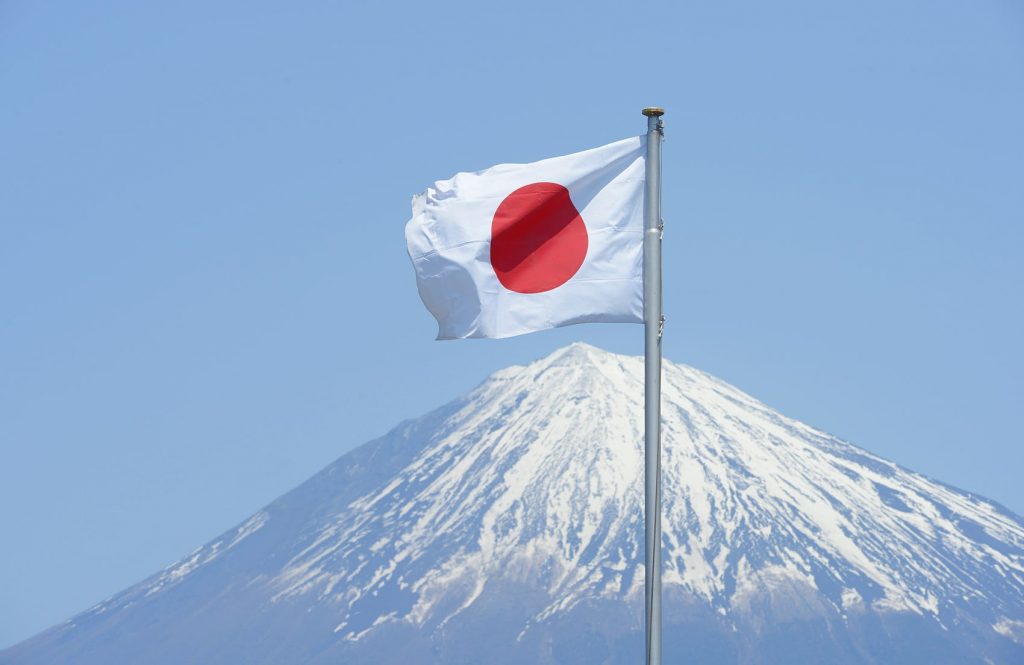
Japanese Flag - Mount Fuji- Land Of The Rising Son

Sword – Jewel – Mirror

Sword – Jewel – Mirror

Sword – Jewel – Mirror

Sword – Jewel – Mirror

All cultures have meaningful symbolism strewn throughout the spectrum of their respective religions and cultures.

BuddhaGreat Buddha of Japan - Land Of The Rising Son

ShivaShiva - Land Of The Rising Son
Christ
christ hanging on the cross- Land Of The Rising Son

As well as countless other symbols represented in the mythology of ancient times.

religious symbols in peace - Land Of The Rising Son

Many of these old stories remain very much alive, continuing to influence countless masses of adherents, immersing generational obedience to deep dogma of long gone but not forgotten distant times.

A major industrial nation and world power, the roots of Japan, and what the Japanese believe as the moral tenets and foundations of Japanese society can be accurately described based upon the three foundational symbols of Japan.

These three sacred symbols of the Japanese accurately reflect the three fundamental necessities connected to the human condition, and can be looked upon as the three pillars of a meaningful life.

Sword – Jewel – Mirror

Three Sacred Symbols Of Japan - Land Of The Rising SonSword
As harsh life lesson are taught to all, the importance of being a good judge of character can not be underestimated.

This is where the sword comes in and ruthlessly cuts away everything that does not serve the purpose of one’s own family and greater community.

Indeed, the sword can be used in many ways.

To slice away one’s slavery to a chosen addiction (the mirror is for discovery).

Can be used to vanquish the fear of the unknown as you leave your house for the very last time after getting divorced.

One can not choose their relatives, but one can slice them away into distant unpleasant memories now long forgotten. 

Here one can also use this new and precious empty space to recommit to one’s own life, family, and community.

日本刀 - Land Of The Rising Son

Jewel
Building a stable family and community takes a mature understanding of wealth and how it can be prescribed to build a rock solid foundation upon the shifting sand and turning tides in the Age Of Corona.

Here and now, we have the opportunity to connect our common lives while globally building likeminded communities, wherever those communities may be under our shared sun.

Sharing Prosperity - Land Of The Rising Son

Mirror
Is this the same person today as yesterday.

Or was one timeless day lost forever and wasted away, by somebody else?

Inside this mirror one can view the souls of all creation.

Indeed the world surrounding us is the mirror.

Here it will reflect back the truth, regardless of the mask each wear every day.

mirror into the soul - Land Of The Rising Son

The Japanese, for all intent and purpose, live life pragmatically, according to the rules of the dead, who still sway Japan up until this very day. 

One could almost say the Japanese are religious by nature just without the “religion.”

Why not make sure and check on the status of one’s own family’s Sword – Jewel – Mirror, for this is the compass to guide one along the way.

Clarity Over Time - Land Of The Rising Son

Reflections

Reflections

Reflections

Reflections

In this historic work, Japan, An Attempt At Interpretation, Patrick Hearn (Koizumi Yakumo) endeavoured to suggest a general idea of the social history of Japan, and a general idea of the nature of those forces which shaped and tempered the character of the Japanese people. 

Japan, An Attempt At Interpretation - Land Of The Rising Son

But the fact that Japan can be understood only through the study of her religious and social evolution has been sufficiently indicated. 

She affords us the amazing spectacle of an Eastern society maintaining all the outward forms of Western civilization using, with unquestionable efficiency, the applied science of the Occident.

Accomplishing, by prodigious effort, the work of centuries within the time of three decades, yet sociologically remaining at a stage corresponding to that which, in ancient Europe, preceded the Christian era by hundreds of years.

But no suggestion of origins and causes should diminish the pleasure of contemplating this curious world, psychologically still so far away from us in the course of human evolution. 

The wonder and beauty of what remains of the Old Japan cannot be lessened by any knowledge of the conditions that produced them. 

The old kindliness and grace of manners need not cease to charm us because we know that such manners were cultivated, for a thousand years, under the edge of the sword. 

Common politeness almost universal, and the rarity of quarrels, should not prove less agreeable because we have learned that, for generations and generations, all quarrels among the people were punished with extraordinary rigour, and that the custom of the vendetta, which rendered necessary such repression, also made everybody cautious of word and deed. 

Japanese Bowing To Each Other

The popular smile should not seem less winning because we have been told of a period, in the past of the subject-classes, when not to smile in the teeth of pain might cost life itself. 

What remains of this elder civilization, Old Japan is full of charm, charm unspeakable, and to witness its gradual destruction must be a grief for whomsoever has felt that charm. 

However intolerable may seem, to the mind of the artist or poet, those countless restrictions which once ruled all this fairy-world and shaped the soul of it, he cannot but admire and love their best results.

The simplicity of old custom.

The amiability of manners.

The daintiness of habits.

The delicate tact displayed in pleasure-giving.

The strange power of presenting outwardly, under any circumstances, only the best and brightest aspects of character. 

Are we really charmed by the results of a social discipline that refused to recognize the individual? 

Enamoured by a cult that exacted the suppression of personality?

Japanese Woman of Dignity and Honour - Land Of The Rising Son

No.

The charm is made by the fact that this vision of the past represents to us much more than past or present, that it foreshadows the possibilities of some higher future, in a world of perfect sympathy.

After many a thousand years there may be developed a humanity able to achieve, with never a shadow of illusion, those ethical conditions prefigured by the ideals of Old Japan.

Instinctive unselfishness, a common desire to find the joy of life in making happiness for others, and a universal sense of moral beauty. 

And whenever men shall have so far gained upon the present as to need no other code than the teaching of their own hearts, then indeed the ancient ideal of Shinto will find its supreme realization.

Old Japan came nearer to the achievement of the highest moral ideal than our far more evolved societies can hope to do for many a hundred years.

秋の霧の朝の橋での日本のカエデ木 - Land Of The Rising Son

No people so ruled by altruism as to lose its capacities for aggression and cunning could hold their own, in the present state of the world, against races hardened by the discipline of competition as well as by the discipline of war. 

The future Japan must rely upon the least amiable qualities of her character for success in the universal struggle, and she will need to develop them strongly.

The veritable strength of Japan still lies in the moral nature of her common people, her farmers and fishermen, artisans and labourers, the patient quiet folk one sees toiling in the rice-fields, or occupied with the humblest of crafts and callings. 

At no time was the ancient faith stronger than in this hour of struggle, and Russian power will have very much more to fear from that faith than from repeating rifles or Whitehead torpedoes.

WHITEHEAD TORPEDO - Land Of The Rising Son

Shinto, as a religion of patriotism, is a force that should suffice, if permitted fair-play, to affect not only the destinies of the whole Far East, but the future of civilization. 

No more irrational assertion was ever made about the Japanese than the statement of their indifference to religion.

Religion is still, as it has ever been, the very life of the people, the motive and the directing power of their every action.

A religion of doing and suffering, a religion without cant and hypocrisy. 

And the qualities especially developed by it are just those qualities which have startled Russia, and may yet cause her many a painful surprise.

Before the Russian menace, the Soul of Yamato revives again. 

Japan Russia - Land Of The Rising Son

Japan has incomparably more to fear from English or American capital than from Russian battleships and bayonets. 

Behind her military capacity is the disciplined experience of a thousand years, behind her industrial and commercial power, the experience of half-a-century. 

She was able to keep strong because, under the new forms of rule and the new conditions of social activity, she could still maintain a great deal of the ancient discipline.

But even thus it was only by the firmest and shrewdest policy that she could avert disaster, could prevent the disruption of her whole social structure under the weight of alien pressure. 

It was imperative that vast changes should be made, but equally imperative that they should not be of a character to endanger the foundations.

It was above all things necessary, while preparing for immediate necessities, to provide against future perils. 

Never before, perhaps, in the history of human civilization, did any rulers find themselves obliged to cope with problems so tremendous, so complicated, and so inexorable.

And of these problems the most inexorable remains to be solved.

It is furnished by the fact that although all the successes of Japan have been so far due to unselfish collective action, sustained by the old Shinto ideals of duty and obedience, her industrial future must depend upon egoistic individual action of a totally opposite kind!

Commodore Perry Black Ship - Land Of The Rising Son

What then will become of the ancient morality and the ancient cult?

It seems certain that there will be a further gradual loosening of the old family-bonds, and this would bring about a further disintegration.

By the testimony of the Japanese themselves, such disintegration was spreading rapidly among the upper and middle classes of the great cities, prior to the present war. 

Among the people of the agricultural districts, and even in the country towns, the old ethical order of things has yet been little affected. 

And there are other influences than legislative change or social necessity which are working for disintegration. 

Old beliefs have been rudely shaken by the introduction of larger knowledge.

A new generation is being taught, in twenty-seven thousand primary schools, the rudiments of science and the modern conception of the universe. 

Under any circumstances a religion decays slowly, and the most conservative forms of religion are the last to yield to disintegration. 

It were a grave mistake to suppose that the ancestor-cult has yet been appreciably affected by exterior influences of any kind, or to imagine that it continues to exist merely by force of hallowed custom, and not because the majority still believe. 

No religion, and least of all the religion of the dead, could thus suddenly lose its hold upon the affections of the race that evolved it.

神棚- Land Of The Rising Son

There is indeed a growing class of young men with whom scepticism of a certain sort is the fashion, and scorn of the past an affectation, but even among these no word of disrespect concerning the religion of the home is ever heard. 

Protests against the old obligations of filial piety, complaints of the growing weight of the family yoke, are sometimes uttered, but the domestic cult is never spoken of lightly. 

As for the communal and other public forms of Shinto, the vigour of the old religion is sufficiently indicated by the continually increasing number of shrines.

In 1897 there were 191,962 Shinto shrines, in 1901 there were 195,256.

It seems probable that such changes as must occur in the near future will be social rather than religious, and there is little reason to believe that these changes, however they may tend to weaken filial piety in sundry directions will seriously affect the ancestor-cult itself. 

The weight of the family-bond, aggravated by the increasing difficulty and cost of life, may be more and more lightened for the individual, but no legislation can abolish the sentiment of duty to the dead. 

When that sentiment utterly fails, the heart of a nation will have ceased to beat. 

Belief in the old gods, as gods, may slowly pass, but Shinto may live on as the Religion of the Fatherland.

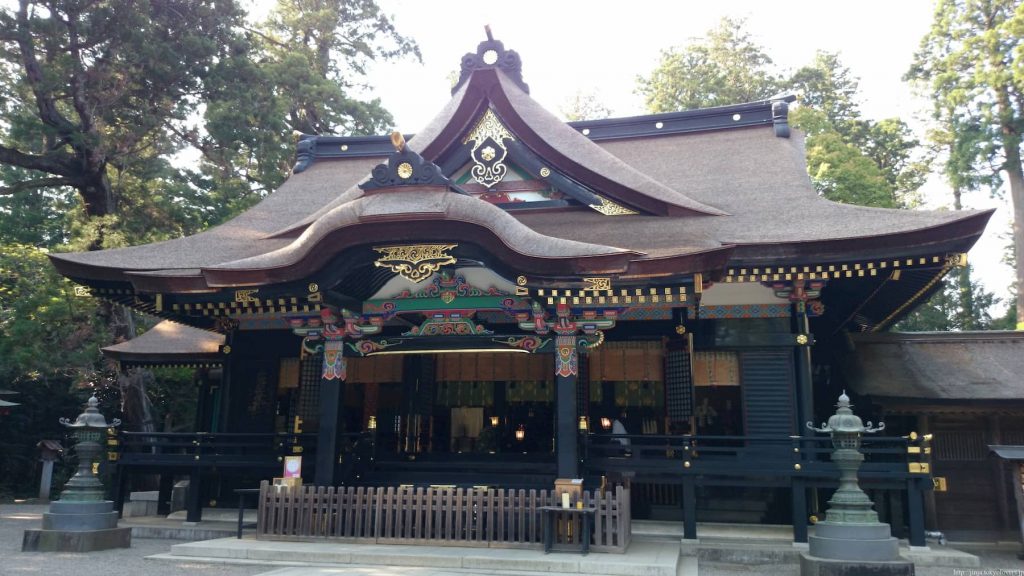
香取神宮へようこそ - Land Of The Rising Son

A religion of heroes and patriots, and the likelihood of such future modification is indicated by the memorial character of many new shrines.

It has been much asserted of late years that Japan is desperately in need of a Gospel of Individualism, and many pious persons assume that the conversion of the country to Christianity would suffice to produce the Individualism.

This assumption has nothing to rest on except the old superstition that national customs and habits and modes of feeling, slowly shaped in the course of thousands of years, can be suddenly transformed by a mere act of faith. 

Since the declaration of the Anglo-Japanese alliance, there has been a remarkable softening in the attitude of safe conservatism which the government formerly maintained toward Western religion. 

But as for the question whether the Japanese nation will ever adopt an alien creed under official encouragement, I think that the sociological answer is evident. 

Any understanding of the fundamental structure of society should make equally obvious the imprudence of attempting hasty transformations, and the impossibility of effecting them. 

For the present, at least, the religious question in Japan is a question of social integrity, and any efforts to precipitate the natural course of change can result only in provoking reaction and disorder. 

Jesuit Tyranny - Land Of The Rising Son

I believe that the time is far away at which Japan can venture to abandon the policy of caution that has served her so well. 

I believe that the day on which she adopts a Western creed, her immemorial dynasty is doomed, and I cannot help fearing that whenever she yields to foreign capital the right to hold so much as one rood of her soil, she signs away her birthright beyond hope of recovery.

Consider a few general remarks upon the religion of the Far East, in its relation to Occidental aggressions, this attempt at interpretation may fitly conclude.

All the societies of the Far East are founded, like that of Japan, upon ancestor-worship.

This ancient religion, in various forms, represents their moral experience, and it offers everywhere to the introduction of Christianity, as now intolerantly preached, obstacles of the most serious kind. 

Attacks upon it must seem, to those whose lives are directed by it, the greatest of outrages and the most unpardonable of crimes. 

A religion for which every member of a community believes it his duty to die at call, is a religion for which he will fight. 

His patience with attacks upon it will depend upon the degree of his intelligence and the nature of training. 

None the races of the Far East have the intelligence of the Japanese, nor have they been equally well trained, under ages of military discipline, to adapt their conduct to circumstances. 

The East has been tolerant of all creeds which do not assault the foundations of its societies.

Great Buddha of Japan - Land Of The Rising Son

And if Western missions had been wise enough to leave those foundations alone, to deal with the ancestor-cult as Buddhism did, and to show the same spirit of tolerance in other directions, the introduction of Christianity upon a very extensive scale should have proved a matter of no difficulty.

That the result would have been a Christianity differing considerably from Western Christianity is obvious.

The structure of Far-Eastern society not admitting of sudden transformations, but the essentials of doctrine might have been widely propagated, without exciting social antagonism, and much less race-hatred. 

Today it is probably impossible to undo what the sterile labour of intolerance has already done.

The hatred of Western religion in China and adjacent countries is undoubtedly due to the needless and implacable attacks which have been made upon the ancestor-cult. 

To demand of a Chinese that he cast away or destroy his ancestral tablets is not less irrational and inhuman than it would be to demand of an Englishman or a Frenchman that he destroy his mother’s tombstone in proof of his devotion to Christianity.

Montmartre-Cemetery - Land Of The Rising Son

From old time these attacks upon the domestic faith of docile and peaceful communities have provoked massacres, and, if persisted in, they will continue to provoke massacres while the people have strength left to strike. 

How foreign religious aggression is answered by native religious aggression, and how Christian military power avenges the foreign victims with tenfold slaughter and strong robbery, need not here be recorded. 

It has not been in these years only that ancestor-worshipping peoples have been slaughtered, impoverished, or subjugated in revenge for the uprisings that missionary intolerance provokes.

From the sociological point of view the whole missionary system, irrespective of sect and creed, represents the skirmishing-force of Western civilization in its general attack upon all civilizations of the ancient type, the first line in the forward movement of the strongest and most highly evolved societies upon the weaker and less evolved. 

The conscious work of these fighters is that of preachers and teachers; their unconscious work is that of sappers and destroyers. 

Yet Christianity does not appreciably expand. 

They perish, and they really lay down their lives, with more than the courage of soldiers, not, as they hope, to assist the spread of that doctrine which the East must still of necessity refuse, but to help industrial enterprise and Occidental aggrandizement.

The real and avowed object of missions is defeated by persistent indifference to sociological truths, and the martyrdoms and sacrifices are utilized by Christian nations for ends essentially opposed to the spirit of Christianity

Needless to say that the aggressions of race upon race are fully in accord with the universal law of struggle, that perpetual struggle in which only the more capable survive.

Inferior races must become subservient to higher races, or disappear before them.

And ancient types of civilization, too rigid for progress, must yield to the pressure of more efficient and more complex civilizations. 

Tokyo from SkyTree with Fuji San - Land Of The Rising Son

Human progress has been achieved by denying the law of the stronger, by battling against those impulses to crush the weak, to prey upon the helpless, which rule in the world of the brute.

All virtues and restraints making civilization possible have been developed in the teeth of natural law. 

Those races which lead are the races who first learned that the highest power is acquired by the exercise of forbearance, and that liberty is best maintained by the protection of the weak, and by the strong repression of injustice.

Unless we be ready to deny the whole of the moral experience thus gained, unless we are willing to assert that the religion in which it has been expressed is only the creed of a particular civilization, and not a religion of humanity, it were difficult to imagine any ethical justification for the aggressions made upon alien peoples in the name of Christianity and enlightenment.

The plain teaching of sociology is that the higher races cannot with impunity cast aside their moral experience in dealing with feebler races, and that Western civilization will have to pay, sooner or later, the full penalty of its deeds of oppression.

War Crimes Unpunished - Land Of The Rising Son

Nations that, while refusing to endure religious intolerance at home, steadily maintain religious intolerance abroad, must eventually lose those rights of intellectual freedom which cost so many centuries of atrocious struggle to win. 

Perhaps this book will convince some thoughtful persons that the constitution of Far-Eastern society presents insuperable obstacles to the propaganda of Western religion.

These obstacles now demand, more than at any previous epoch, the most careful and humane consideration, and that the further needless maintenance of an uncompromising attitude towards them can result in nothing but evil. 

Whatever the religion of ancestors may have been thousands of years ago, today throughout the Far East it is the religion of family affection and duty, and by inhumanly ignoring this fact, Western zealots can scarcely fail to provoke a few more Boxer uprisings.

Never will the East turn Christian while dogmatism requires the convert to deny his ancient obligation to the family, the community, and the government and further insists that he prove his zeal for an alien creed by destroying the tablets of his ancestors, and outraging the memory of those who gave him life.

香取神宮 - Land Of The Rising Son

Akemashite Omedetō-Reiwa 4

Akemashite Omedetō-Reiwa 4

Akemashite Omedetō-Reiwa 4

Akemashite Omedetogozaimasu: Reiwa 4

The New Year holiday in Japan starts on December 30th and finishes on Jan 3rd.

For the Japanese, the ringing-in of the New Year is the most important holiday in the Land Of The Rising Son, along with Obon where the ancestor worshiping Japanese honour their dead.

For the most part, the Japanese celebrate this special occasion in a solemn and reserved manner.

The yearly opportunity for deep reflection, and to ponder what the New Year will bring.

This is in contract to the image of revelry and mirth of the Occidental New Year’s Eve tradition. 

The New Year’s Eve tradition of Time Square in New York comes to mind at first, and is the basis for a broad assumption about how the Occidental celebrate New Year.

New York Time Sqaure New Year Clean Up - Land Of The Rising Son

Growing up in Canada, the New Year party was full of dancing and signing and boisterous merriment. 

One is often asked by naive Japanese in a very generalized way about “Canada” and the New Year’s Eve traditions thereof. 

They ask:

“How do Canadians celebrate New Year?”

The answer is always the same:

Canada is a melting pot of cultures, religions, and ideas, so there is no one particular way “Canadians” in general celebrate New Year. 

Diverse-Multicultural-Group - Land Of The Rising Son

For certain, the way of celebrating New Year varies in every culture.

However, one could say the Orientals and Japanese have the common thread of ancestor worship integrated into the ringing-in of the New Year as a matter of ancient custom.

Keep in mind, the Japanese look at other countries as concepts to be studied and analyzed, and naively think there is one common traditions for all Canadians, shared by all citizens.

Here is where the Japanese find internalizing the concept of a melting pot conceptually incomprehensible.

Never forget, most of the Japanese have never lived outside the motherland, and are shielded by the potent and formidable language barrier. 

Language Barrier - Land Of The Rising Son

Traditionally the Japanese return and gather at the family’s ancestral home to reconnect with their family, and with their great community clan at the obliquitous shrine and temple strewn throughout Japan.

Often the pilgrims leave the great metropolises of Japan and travel great distances to be with family in the countryside.

Snuggling down into the tatami room, the family gather beneath the kotatsu, and watch TV, while enjoy umi no sachi (delights of the sea), a variety of pickles, and some of the nectar of the gods otherwise known as reishu. 

Kotatsu - Land Of The Rising Son

Very early on one was intrigued by the Red and White song contest (Kohaku Uta Gassen), brought to you by the Japanese Broadcasting System, otherwise know as NHK (Nihon Hoso Kyokai), every New Year’s Eve since 1953.

紅白歌合戦 2021- Land Of The Rising Son

Indeed, the top Japanese “talent” form into red and white teams.

Here they battle it out in song, with extravagant stage shows, along with gorgeous costumes, the sheer glamour and effort put into this spectacle is breathtaking to say the least.

At the end of the program the Red and White teams sing Auld Lang Syne together in a show of good will and unity and then it’s back to the New Years TV programming, which tends to become a lot zanier after midnight.

After Kohaku Uta Gassen ends, NHK switches the broadcast feed to different shrines and temples throughout Japan bringing a variety of images of pensive families, young smiling couples, groups of men and women, all waiting in chilly December 31st weather waiting for the stroke of midnight.

Hatsumode (first prayer) will be carried out throughout Japan by millions of citizens flocking to their shrines and temples.

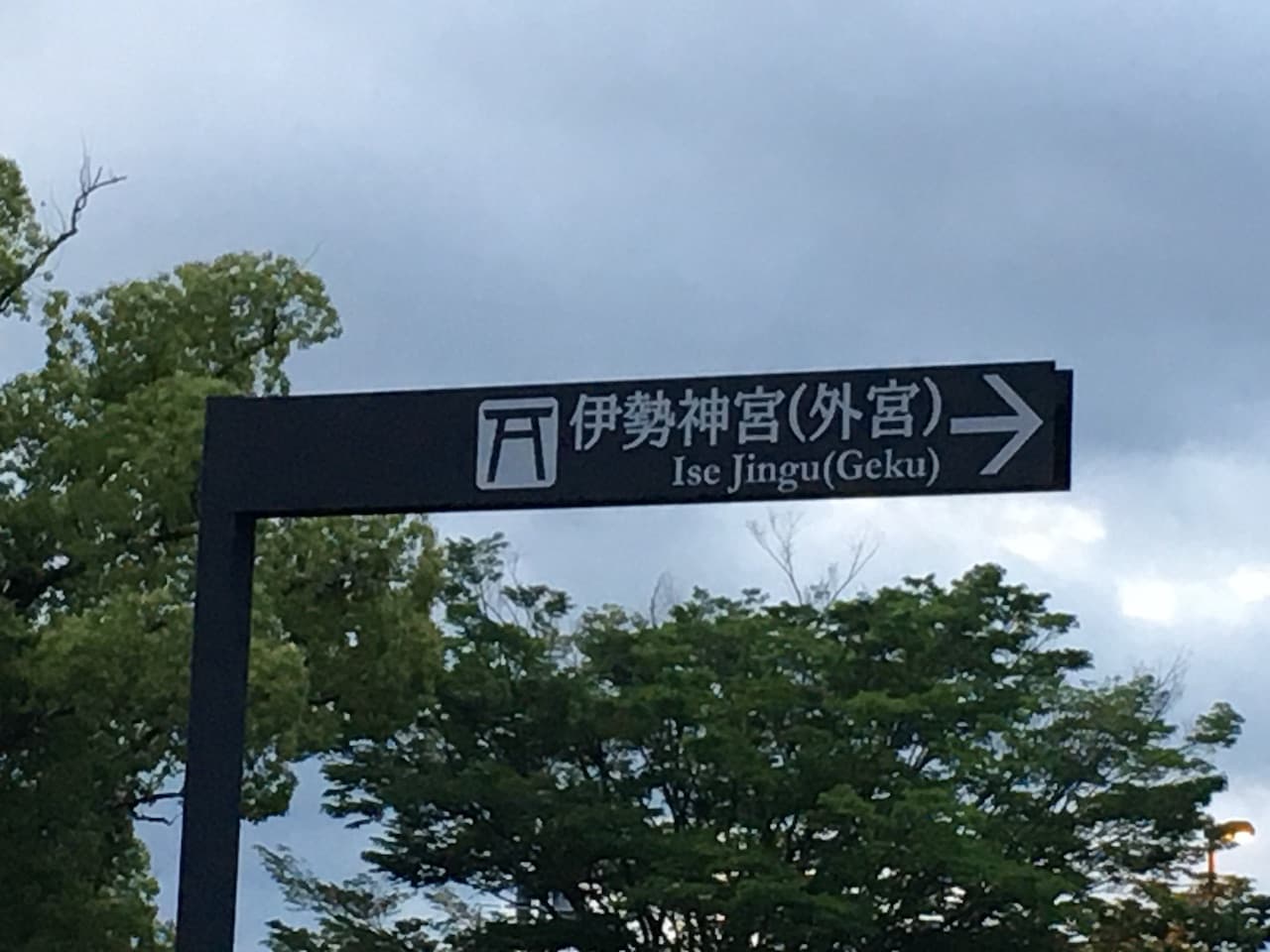
Ise Jingu at Sunrise

Here the Japanese will earnestly make a prayer speaking to what is in their heart for the consideration of the dead.

Japanese New Year TV programing mode starts from ealy on New Year day, the one day of the year, where one is allowed to have a drink of sake in the morning.

冷酒 - Land Of The Rising Son

Now is the time to fill up on mochi, ozoni being one’s favourite, while grazing on the osechi ryori tray, to sacrifice the day to the TV gods and the sprites of laziness and sloth.

Osechi Ryori - Land Of The Rising Son

Years ago, when the TV was much less toned-down during the day, one could observe programs from famous onsen resorts.

Here is where there were women’s splashing contests broadcast from the konyoku (open-air hot spring).

The ladies would soaked themselves in a splashing contest in what could be considered in the Occidental world as a “wet tee-shirt contest.” 

Same concept, different angle.

Alas, the puritanical censors put a stop to this joyful nonsense, but not before moving such content over to the pioneer of satellite TV in Japan, Wowow. 

Regardless of how one chooses to celebrate ringing in the new year, or even not ringing it in at all, according to the Gregorian calendar, it now is 2022.

Year-of-the-Tiger - Land Of The Rising Son

However, here in Japan, it is now the year of Reiwa 4, which signifies the 4th year of the reign of emperor Naruhito, the symbol the Japanese.

Here one leaves the dear reader with a heartfelt wish this year to believe in the goodness of our common humanity, and use each day to create goodwill, peacefulness, and harmony towards all under our shared sun.

AKEMASHITE OMEDETOGOZAIMASU

香取神宮 - Land Of The Rising Son

Industrial Danger

Industrial Danger

Industrial Danger

Industrial Danger

Everywhere the course of human civilization has been shaped by the same evolutional law.

The earlier history of the ancient European communities can help us to understand the social conditions of Old Japan, so a later period of the same history can help us to divine something of the probable future of the New Japan.

The history of all the ancient Greek and Latin communities included four revolutionary periods.

  • The first revolution had everywhere for its issue the withdrawal of political power from the priest-king, who was nevertheless allowed to retain the religious authority. 
  • The second revolutionary period witnessed the breaking up of the gens, and the enfranchisement of the client from the authority of the patron, and several important changes in the legal constitution of the family.
  • The third revolutionary period saw the weakening of the religious and military aristocracy, the entrance of the common people into the rights of citizenship, and the rise of a democracy of wealth, presently to be opposed by a democracy of poverty. 
  • The fourth revolutionary period witnessed the first bitter struggles between rich and poor, the final triumph of anarchy, and the consequent establishment of a new and horrible form of despotism, the despotism of the popular tyrant.

World War 2 Allied Powers - Land Of The Rising Son

To these four revolutionary periods, the social history of Old Japan presents but two correspondences.

The first Japanese revolutionary period was represented by the Fujiwara usurpation of the imperial civil and military authority.

After which the aristocracy, religious and military, really governed Japan down to our own time (Meiji Era).

All the events of the rise of the military power and the concentration of authority under the Tokugawa Shogunate properly belong to the first revolutionary period.

At the time of the opening of Japan, society had not evolutionally advanced beyond a stage corresponding to that of the antique Western societies in the seventh or eighth century before Christ.

The second revolutionary period really began only with the reconstruction of society in 1871.

But within the space of a single generation thereafter, Japan entered upon her third revolutionary period.

Already the influence of the elder aristocracy is threatened by the sudden rise of a new oligarchy of wealth, a new industrial power probably destined to become omnipotent in politics.

Tanaka Kakue With Richard Nixon - Land Of The Rising Son

The disintegration of the clan, the changes in the legal constitution of the family, the entrance of the people into the enjoyment of political rights, must all tend to hasten the coming transfer of power. 

There is every indication that, in the present order of things, the third revolutionary period will run its course rapidly, and then a fourth revolutionary period, fraught with serious danger, would be in immediate prospect.

Consider the bewildering rapidity of recent changes, from the reconstruction of society in 1871 to the opening of the first national parliament in 1891. 

Down to the middle of the nineteenth century the nation had remained in the condition common to European patriarchal communities twentysix hundred years ago.

Society had indeed entered upon a second period of integration, but had traversed only one great revolution.

Then the country was suddenly hurried through two more social revolutions of the most extraordinary kind.

Japan had not even approached that stage of industrial development which, in the ancient European societies, naturally brought about the first political struggles between rich and poor. 

Japan’s social organization made industrial oppression impossible.

And under the new order of things, forms of social misery, never before known in the history of the race are developing.

Prior to the accumulation of wealth in the hands of a minority there was never any such want in any part of Japan, except as a temporary consequence of war.

The early history of European civilization supplies analogies.

Early European Civilization - Land Of The Rising Son

In the Greek and Latin communities, up to the time of the dissolution of the gens, there was no poverty in the modern meaning of that word.

Slavery with some few exceptions, existed only in the mild domestic form.

Under any patriarchal system, based upon ancestor-worship, there is no misery, as a consequence of poverty, except such as may be temporarily created by devastation or famine.

If want thus comes, it comes to all alike. 

In such a state of society everybody is in the service of somebody, and receives in exchange for service all the necessaries of life.

There is no need for any one to trouble himself about the question of living.

Also, in such a patriarchal community, which is self-sufficing, there is little need of money.

Barter takes the place of trade.

物々交換 - Land Of The Rising Son

In all these respects, the condition of Old Japan offered a close parallel to the conditions of patriarchal society in ancient Europe. 

While the uji or clan existed, there was no misery except as a result of war, famine, or pestilence.

 Throughout society, except for the small commercial class, the need of money was rare, and such coinage as existed was little suited to general circulation. 

Taxes were paid in rice and other produce.

As the lord nourished his retainers, so the samurai cared for his dependents, the farmer for his labourers, the artisan for his apprentices and journeymen, the merchant for his clerks. 

Everybody was fed, and there was no need, in ordinary times at least, for any one to go hungry.

It was only with the breaking-up of the clan system in Japan that the possibilities of starvation for the worker first came into existence. 

Hotaruno No Haka - Land Of The Rising Son

And as, in antique Europe, the enfranchised client-class and plebeian-class developed, under similar conditions, into a democracy clamouring for suffrage and all political rights.

And so it is in Japan where the common people developed the political instinct for self-preservation.

It will be remembered how, in Greek and Roman society, the aristocracy founded upon religious tradition and military power had to give way to an oligarchy of wealth.

At a later day, the results of popular suffrage were the breaking up of the democratic government, and the initiation of an atrocious struggle between rich and poor. 

After that strife had begun there was no more security for life or property until the Roman conquest enforced order.

Now it seems likely that we will soon witness in Japan a strong tendency to repeat the history of the old Greek anarchies. 

With the constant increase of poverty and pressure of population, and the concomitant accumulation of wealth in the hands of a new industrial class, the peril is obvious.

The Primitive Man, finding that the Moral Man has landed him in the valley of the shadow of death, may rise up to take the management of affairs into his own hands, and fight savagely for the right of existence. 

The absence of individual liberty was the real cause of the disorders and the final ruin of the Greek societies.

Freedom And Liberty Have a Black Eye Today - Land Of The Rising Son

Rome suffered less and survived, and dominated, because within its boundaries the rights of the individual had been more respected.

Now the absence of individual freedom in modern Japan would certainly appear to be nothing less than a national danger. 

For those very habits of unquestioning obedience and loyalty and respect for authority, which made feudal society possible, are likely to render a true democratic regime impossible, and would tend to bring about a state of anarchy.

Only races long accustomed to personal liberty, liberty to think about matters of ethics apart from matters of government, liberty to consider questions of right and wrong, justice and injustice, independently of political authority are able to face without risk the peril now menacing Japan.

For should social disintegration take in Japan the same course which it followed in the old European societies, unchecked by any precautionary legislation, and so bring about another social revolution, the consequence could scarcely be less than utter ruin. 

In the antique world of Europe, the total disintegration of the patriarchal system occupied centuries.

It was slow, and it was normal not having been brought about by external forces. 

In Japan, on the contrary, this disintegration is taking place under enormous outside pressure, operating with the rapidity of electricity and steam.

古い日本汽車 - Land Of The Rising Son

Yet already the danger of anarchy is in sight, and the population astonishingly augmented by more than ten millions already begins to experience all the forms of misery developed by want under industrial conditions.

This immense development has been effected at serious cost in other directions.

The old methods of family production, and therefore most of the beautiful industries and arts, for which Japan has been so long famed now seem doomed beyond hope.

Instead of the ancient kindly relations between master and workers, there have been brought into existence with no legislation to restrain inhumanity all the horrors of factorylife at its worst. 

The new combinations of capital have actually reestablished servitude, under under harsher forms than ever were imagined under the feudal era.

The misery of the women and children subjected to that servitude is a public scandal, and proves strange possibilities of cruelty on the part of a people once renowned for kindness, kindness even to animals.

If the future of Japan could depend upon her army and navy, upon the high courage of her people and their readiness to die by the hundred thousand for ideals of honour and of duty, there would be small cause for alarm in the present state of affairs. 

Unfortunately, Japan’s future must depend upon other qualities than courage, other abilities than those of sacrifice, and her struggle hereafter must be one in which her social traditions will place Japan at an immense disadvantage. 

The capacity for industrial competition cannot be made to depend upon the misery of women and children, it must depend upon the intelligent freedom of the individual.

And the society which suppresses this freedom, or suffers it to be suppressed, must remain too rigid for competition with societies in which the liberties of the individual are strictly maintained. 

While Japan continues to think and to act by groups, even by groups of industrial companies, so long Japan must always continue incapable of her best. 

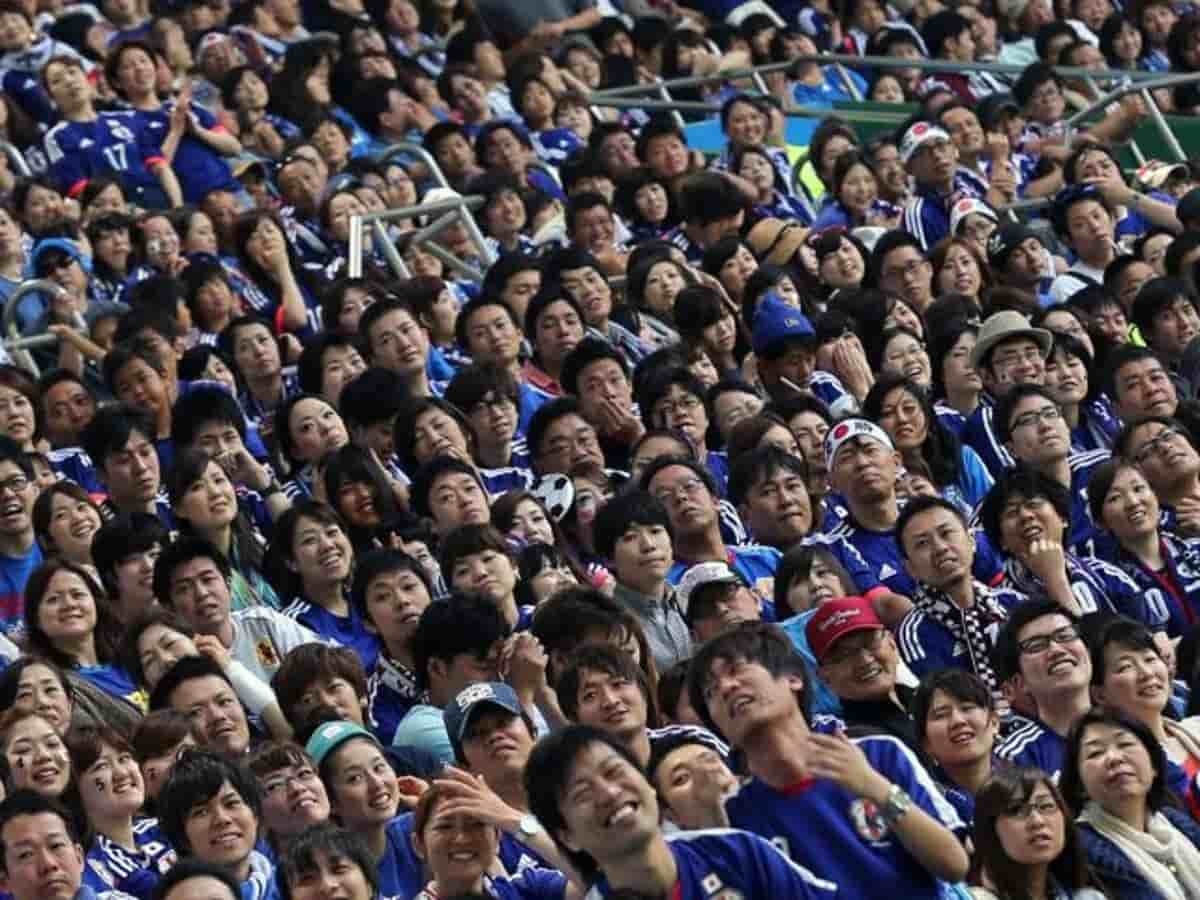
Japanese fans cleaning up the stadium after soccer match - Land Of The Rising Son

Her ancient social experience is not sufficient to avail her for the future international struggle, rather it must sometimes impede her as so much dead weight. 

Dead, in the ghostliest sense of the word, the viewless pressure upon her life of numberless vanished generations. 

Japan will have not only to strive against colossal odds in her rivalry with more plastic and more forceful societies, Japan will have to strive much more against the power of her phantom past.

Yet it were a grievous error to imagine that Japan has nothing further to gain from her ancestral faith. 

All her modern successes have been aided by it.

All her modern failures have been marked by needless breaking with its ethical custom.

Japan could compel her people, by a simple fiat, to adopt the civilization of the West, with all its pain and struggle, only because that people had been trained for ages in submission and loyalty and sacrifice, and the time has not yet come in which Japan can afford to cast away the whole of her moral past. 

More freedom indeed Japan requires, but freedom restrained by wisdom, freedom to think and act and strive for self as well as for others, not freedom to oppress the weak, or to exploit the simple.

And the new cruelties of her industrial life can find no justification in the traditions of her ancient faith, which exacted absolute obedience from the dependent, but equally required the duty of kindness from the master. 

In so far as Japan has permitted her people to depart from the way of kindness, Japan herself has surely departed from the Way of the Gods.

伊勢神宮 - Land Of The Rising Son

And the domestic future appears dark. 

Born of that darkness, an evil dream comes oftentimes to those who love Japan.

The fear that all her efforts are being directed, with desperate heroism, only to prepare the land for the sojourn of peoples older by centuries in commercial experience.

That her thousands of miles of railroads and telegraphs, her mines and forges, her arsenals and factories, her docks and fleets, are being put in order for the use of foreign capital.

That her admirable army and her heroic navy may be doomed to make their last sacrifices in hopeless contest against some combination of greedy states.

Provoked or encouraged to aggression by circumstances beyond the power of Government to control.

But the statesmanship that has already guided Japan through many storms should prove able to cope with this gathering peril.

Perry's Black Ship - Land Of The Rising Son

Based Upon

Japan,  An Attempt At Interpretation

Published 1904

Patrick Lafcadio Hearn