Mr. Big Tree

Mr. Big Tree

Mr. Big Tree

Mr. Big Tree

In the depths of despair, from out of the blue, came an angel in the form of an ordinary Japanese businessman.

After parting ways with one’s first employer in Japan, there was a very short stint in as the export manager of a construction machinery rental company.

This was the last real “job” one would ever have.

With limited Japanese language skills, and a confused and very nervous new young wife (the marriage lasted 23 years), one was left one with a deep sense of aloneness.

For it was at this time one thought, “Here you are truly on your own.”
Lonely boy all alone

This was reinforced by the new wife, who said in her own sadness, and to one’s deep consternation, “I am miserable.”

Fortunately, there was still one private lesson remaining from where good fortune arose.

Mentioning my dilemma to Mr. Big Tree, the father of the private student, he was so very kind to point me in the right direction.

He had a building near the station in a mid-sized rural city and this charming old building has an empty 2nd floor.

He said “I will make you a pamphlet to distribute through this city, and you can make this into your own English school.”

For this he charged just a small percentage of the gross sales, which was so very reasonable.

Great deal Mr. Big Tree

After the school got going in about 6 months, he switched the payment to a monthly rental fee that was significantly below the monthly sales volume, thus giving one another boost up.

Always looking for interesting things to do, there was a rental business boom going on Japan at that time.

The second floor of the building had a very unique charm to it, and there and then it was decided to imported limited edition Canadian art from my father’s frame shop and gallery.

There, an art gallery was created and these wonderful limited editions were also rented out to businesses including dentist and doctors offices, boutiques, and restaurants, among others.
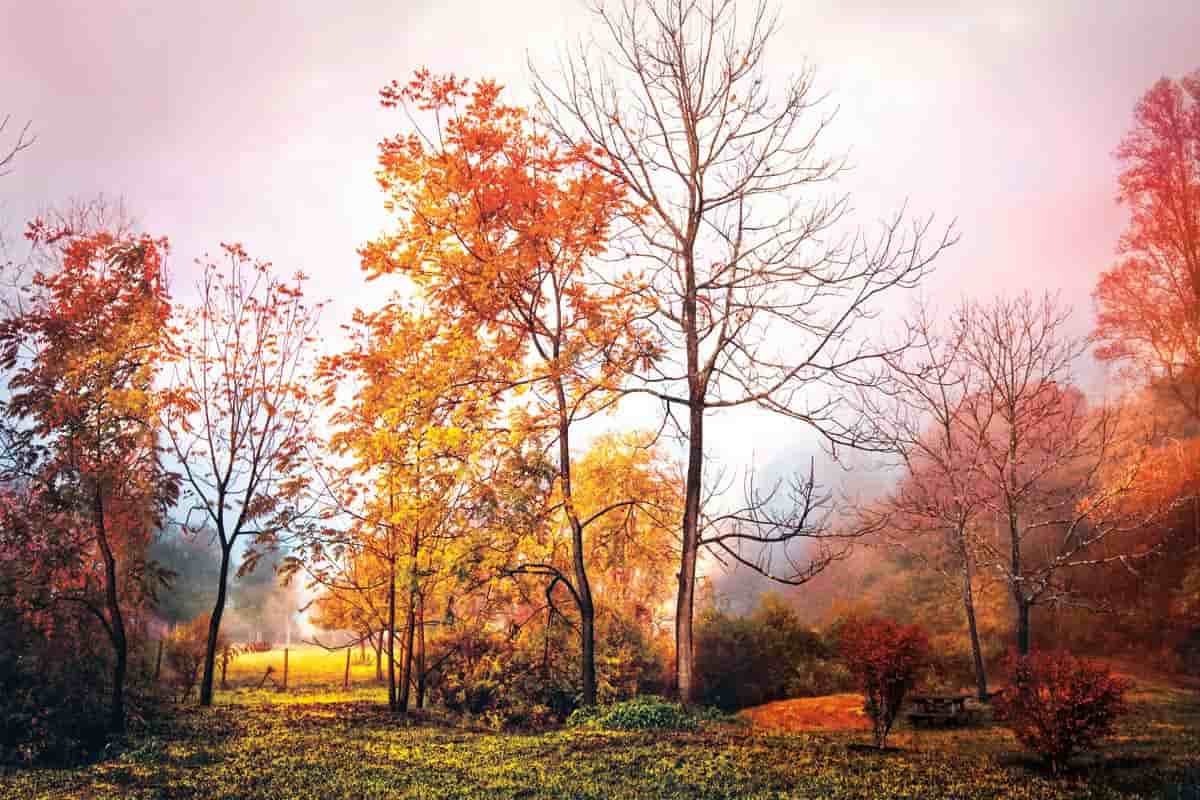
 

Sunset Canadian Forest British Columbia

Eventually this old building was simply too old and was scheduled for demolition.

Perfect timing for certain, as life had become much busier with corporate classes, as well as a nascent import-export business, and it was time to move on from that chapter of life.

Here I say to you Mr. Big Tree
Wherever today you may be
Appreciated so very much
Your kindness and generosity

Helping a wandering stranger
Into a life-long journey
Cherishing Japanese people
In this exceptional society
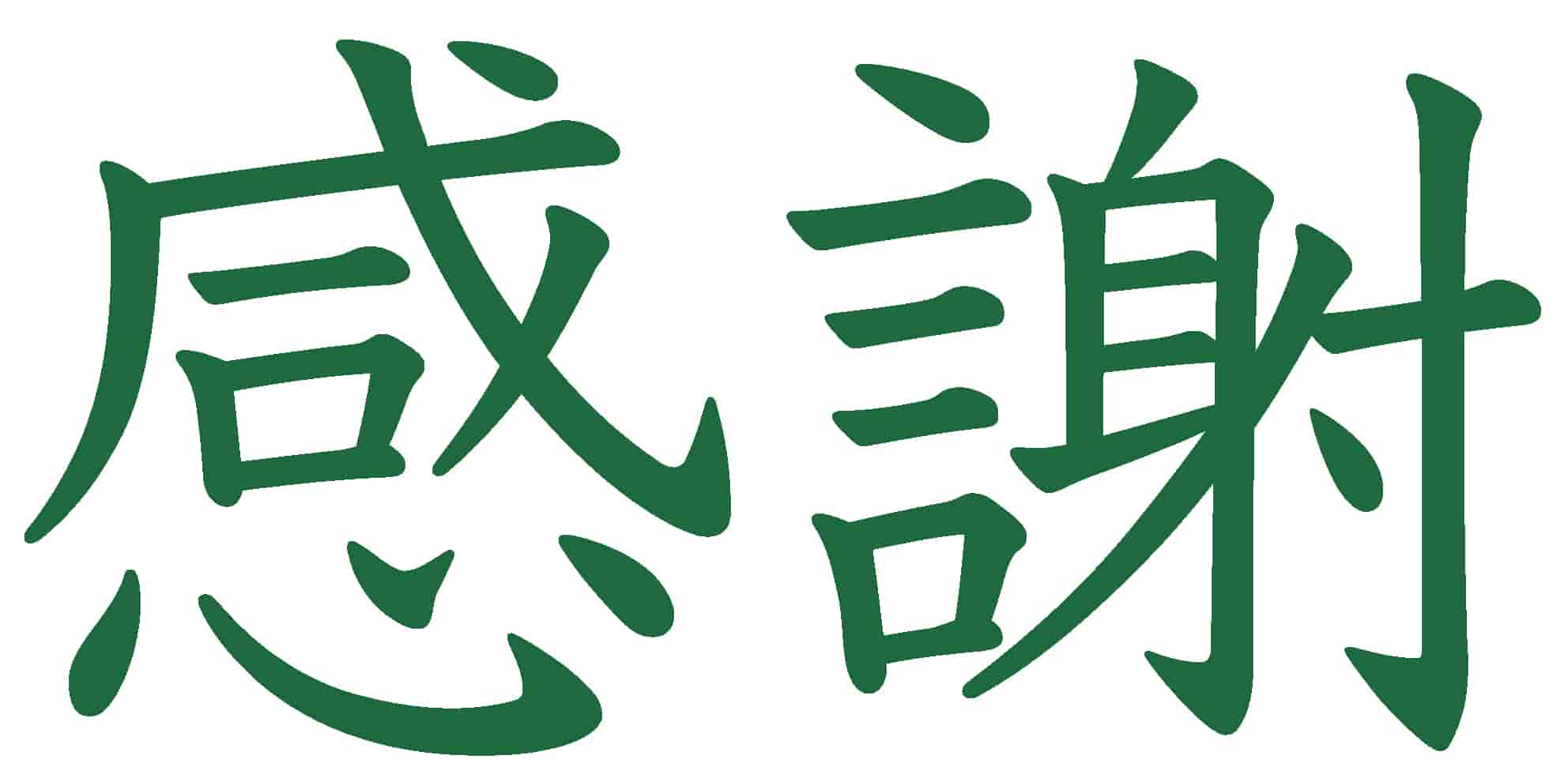
感謝-大木様

The Lecture

The Lecture

The Lecture

The Lecture

One has been a guest lecturer for students studying to join the Japanese automotive industry.

Over the decades of lecturing, the landscape of the Japanese student and their attitudes has changed in a significant manner.

With the first wave of students from the early 1990’s into the 2000s, one really felt a deep affinity and a kind of camaraderie in the classroom with these young people.

Camaraderie with Japanese and Canadians

As time marched on things gradually changed.

Perhaps due to the collapse of economic bubble in the early 90s, which lead to a societal decline, and, as a by-product, produced a lost generation of Japanese.

The gradual fraying of the “lifetime employment” system.

The proliferation of “convenient” processed foods poisoning the body, mind, and soul of the Japanese.

コンビニジャンクフード

A break down in the family structure leading to a significant increase in the divorce rate, thus many more children from broken homes.

A sense of hopelessness and lack of purpose now prevalent throughout large swaths of society.

Read about the Mickey Mousification Of Japan here.

Then came the next wave of students.

These are the children of this lost generation.

Japanese poverty

Often in the Japanese culture, parents place the onus of discipline on the teachers.

However, when observing poor chopstick manners, one always regards this as a reflection of the household where they were raised.

Hold Chopsticks Correctly Please

Therefore, one can not totally blame these children for poor manners and disrespect towards people in authority, perceived or otherwise.

This being so, keep in mind, all adults are solely responsible for their own attitude and behaviour.

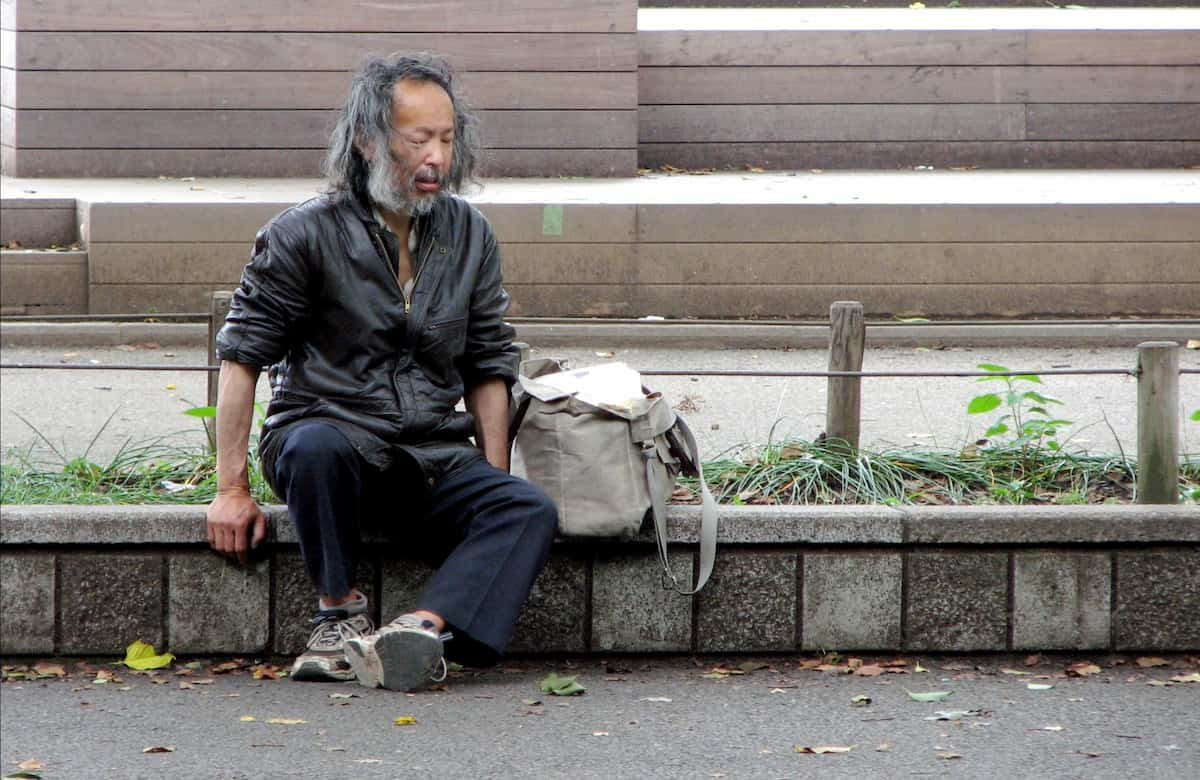
Two snotty little brats received a growing opportunity to help them along into adulthood just the other day.

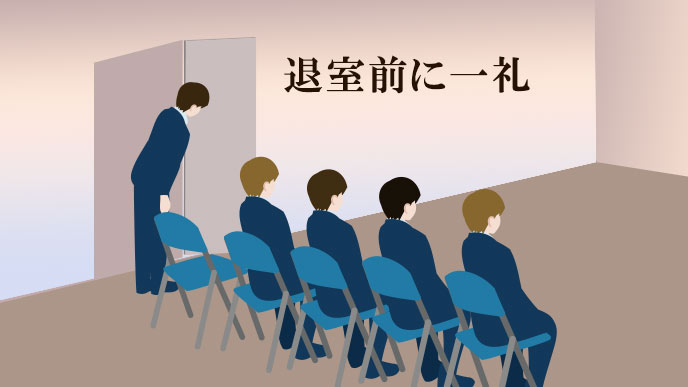
Very rarely are people asked to remove themselves from the classroom, this was a rare day.

退室前に一礼

Wanting to send these troubled children on their way fully edified, the entire class of twenty-eight pupils served as the captive audience for the “lecture.”

First, they were asked if they were aware of the present problems concerning the South China Sea.

Silence.

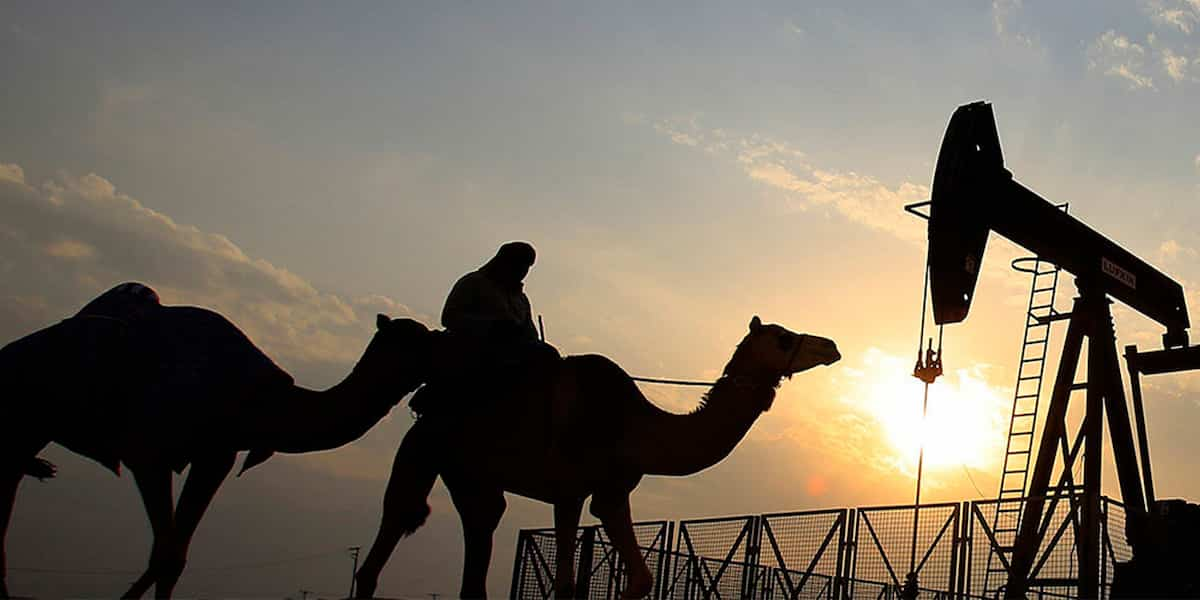
Then, asked if they knew where petroleum products come from.

There was some kind of murmurings: “Doesn’t oil come from the Middle East???“

Oil development in the Middle East Institution of Civil ... Oil development in the Middle East

Progress!

Now, how does the oil, which is the lifeblood of civilization, especially the automotive industry, come to Japan.

That’s right!

Oil tankers.

Oil Tankers Fuel Japan

The next question was more of a statement.

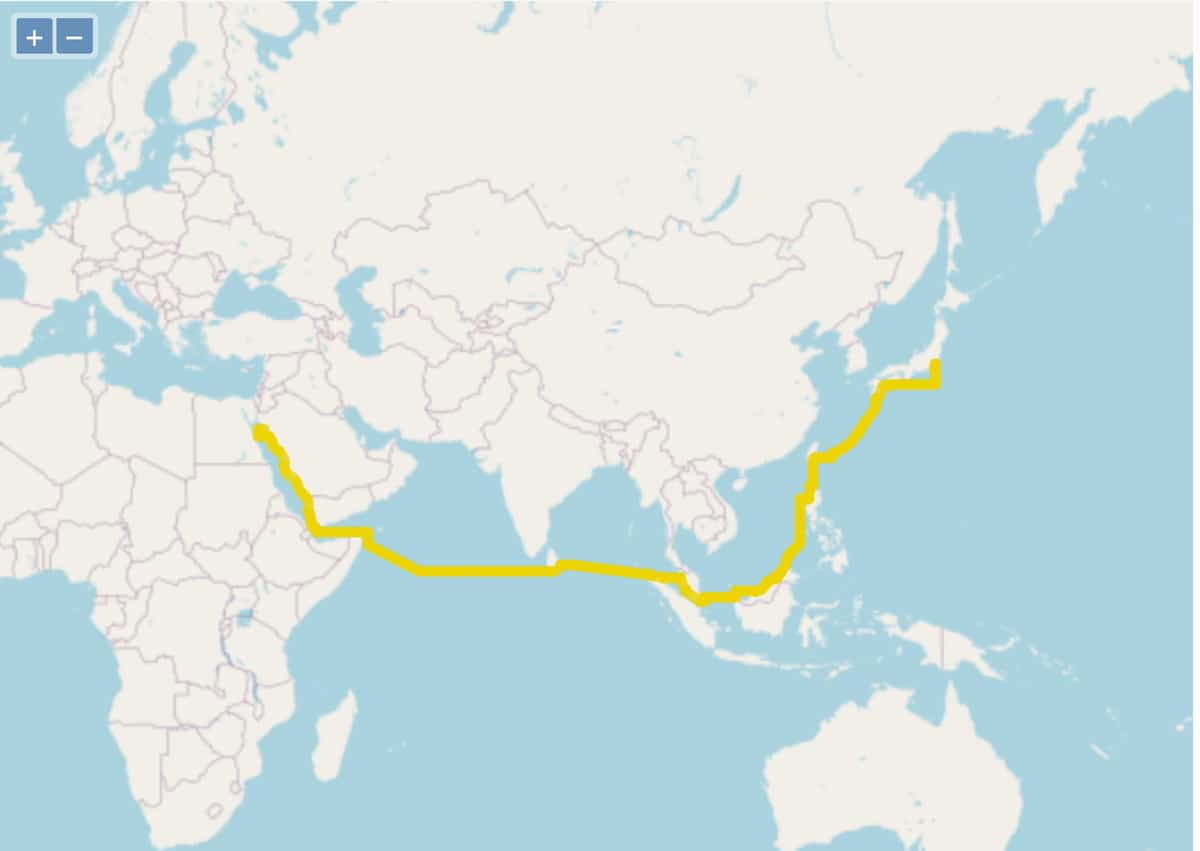
Ever wonder about the shipping route from the Middle East to Japan?

Correct, through the South China Sea.

Middel East To Japan Via South China Sea

Has anyone here ever wondered what would happen if this oil stopped coming to Japan?

Of course not.

The clear answer is you will no longer have a job, or indeed a bright future whatsoever, especially with a poor attitude and obnoxious behaviour.

Gas station runs out of gas during oil embargo - The ... Gas station runs out of gas during oil embargo

The “lecture” was concluded by letting them know (with a heart full of love and empathy) that someone of my amicable disposition is most likely to be the easiest interaction they will ever have in their sheltered lives.

Best wishes to all who have a desire to make a meaningful life with purpose, whether as a Mercedes Benz mechanic, or a diligent proprietor of a successful automobile dealership.

Bonus:

Someone missed the memo!

Being ignored after addressing someone is unacceptable.

One has to be reminded sometime the voice must be raised in order to capture their attention.

That reminder came today for an insolent boy.

The protocol is to open your book, and then do whatever you want after that.

It’s called tatemai, or better yet shakojirei.

One also had the class repeat the following at the beginning of the second period, for their own personal growth and edification.

千里の道も一歩から ~ senri no michi mo ippo kara
thousand-mile journey starts with first step

実るほど頭を垂れる稲穂かな ~ minoru hodo kobe wo tareru inaho kana
the more noble the more humble

自業自得 ~ jigyo jitoku
suffer consequences of own action

身から出た錆 ~ mi kara deta sabi
reap what you sow

自ずと明確になります ~ onozuto meikaku ni narimasu
clarity over time

Divine Diva Marian Anderson

Divine Diva Marian Anderson

Divine Diva Marian Anderson

Divine Diva Marian Anderson

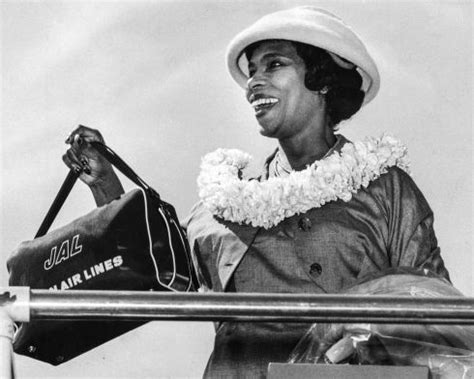
Marian Anderson sang for the Empress of Japan in 1953.

This prodigious forgotten heroine of human rights must be lauded and recognized for her incredible impact on the American society as one of the first person of colour to reach worldwide fame and acclaim based upon her sensation voice and dignity as an agent of change in the racially segregated United States.

Marian Anderson Divine Beauty

On January 7, 1955, Ms. Anderson became the first African-American to sing with the Metropolitan Opera in New York, which was after performing for Empress Nagako (Kojun) in Japan.

Even in 1953, Ms. Anderson had experienced difficulties finding accommodations in segregated America, however, in Japan, she stayed in a suite at the Imperial Hotel, and was treated as royalty.

Indeed, the Japanese Broadcasting Corporation (NHK), the sponsor of her trip, made sure to take care of her as an honoured and dignified guest of the Japanese people.

NHK Logo

Marian-Andersons-Japanese Concert Schedule

All who have experienced Japanese hospitality can attest to the meticulous care taken by the host to make sure their guests are left with a favourable impression of Japan and her people.

Incidentally, one’s own father experienced this incredible hospitality in 1968 at the invitation of Nissan (My Father’s Hat Came Back To Japan).

Ms. Anderson noted, “When we left Tokyo we found ourselves traveling as a party of eight.”

“A young woman was provided as an interpreter, and there were four men to serve us in other capacities. One young man was sent along to be banker and cashier; he carried the money and paid bills at hotels, restaurants, and shops.”

Ms. Anderson also observed how the Japanese staff around her were “energetic planners,” and “carried out a schedule as rigid as a railroad timetable.”

JR時刻表 株式会社交通新聞社

Ultimately it was her humility (also a noble Japanese trait), and desire to keep the soul of a song as the primary focus that brought her universal acclaim and the attention of Empress Nagako, who invited Ms. Anderson to perform at the Imperial Palace on May 23, 1953.

The Divine Diva Marian Anderson made the following observation about the Japanese audience.

“The way the Japanese listened was extraordinary. The concentration was intense and the quietness almost uncanny. No one seemed to stir, and at first I was conscious of the deep silence and immobility. They were not upsetting in any way, but they made me feel that a similar intensity was expected of me.”

Marian Anderson, the Philadelphia singer and civil rights

True Heroes Do Not Arise Incidentally

Marian Anderson Statue

They are anointed visionaries driven by an inner guiding light, where their predetermined destiny is to shed the light of truth onto the demoralized and troubled corners of the human soul.

Along with classic staples, the achingly powerful “Deep River,” was at the top of the Japanese sponsors wish list.

This spiritual, written by an unknown African American in the 19th century is one of Ms. Anderson’s greatest interpretations, and undoubtedly tugged the heartstrings of the still-recovering nation of Japan.

Her voice captures the pain and longing embedded in the song’s history and surely resonated so very deeply within the Japanese soul.

Ms. Anderson stated:

“It is so true that no matter how big a nation is, it is no stronger than its weakest people. And as long as you keep a person down some part of you has to be down there to hold them down. So that means you cannot soar as you might otherwise.”

This is ever more so true these days.

These extraordinary words of profound wisdom shall ring eternally true into the hearts and minds of all racists, bigots, and jingoist, whichever narrow stripe or cross they choose to bear.

 Super suprise bonus: Ms. Anderson getting some nice, and well deserved publicity here.

Not Peanut Butter

Not Peanut Butter

Not Peanut Butter

Not Peanut Butter

Many moons ago, there were several Canadian carpenters building 2 x 4 houses in sunny Chiba Prefecture.

Anyway, meeting these Canadian carpenters was most fortuitous.

2 x 4 house wall going up

The head carpenter returned to Ontario Canada after the small local housing company went bankrupt, and the Canadian carpenters were let go.

He was then engaged to send over two containers full of housing material and 3 Canadian carpenters to build one’s very own Canadian 2×4 house in beautiful sunny Chiba, where one resides with the honourable wife and 5 beautiful cats to this very day.

It was interesting to meet these skilled craftsman here in Japan, in which to their shock, surprise, and sometimes dismay offered a significantly different experience from their hometowns in the Eastern part of Canada.

One particular Canadian carpenters was having significant issues adjusting to Japanese food, and was longing for some good old Canadian comfort food, peanut butter!

Peanut Butter

Now, peanut butter is something relatively recent to the Japanese and is still not really so widely available in regular supermarkets.

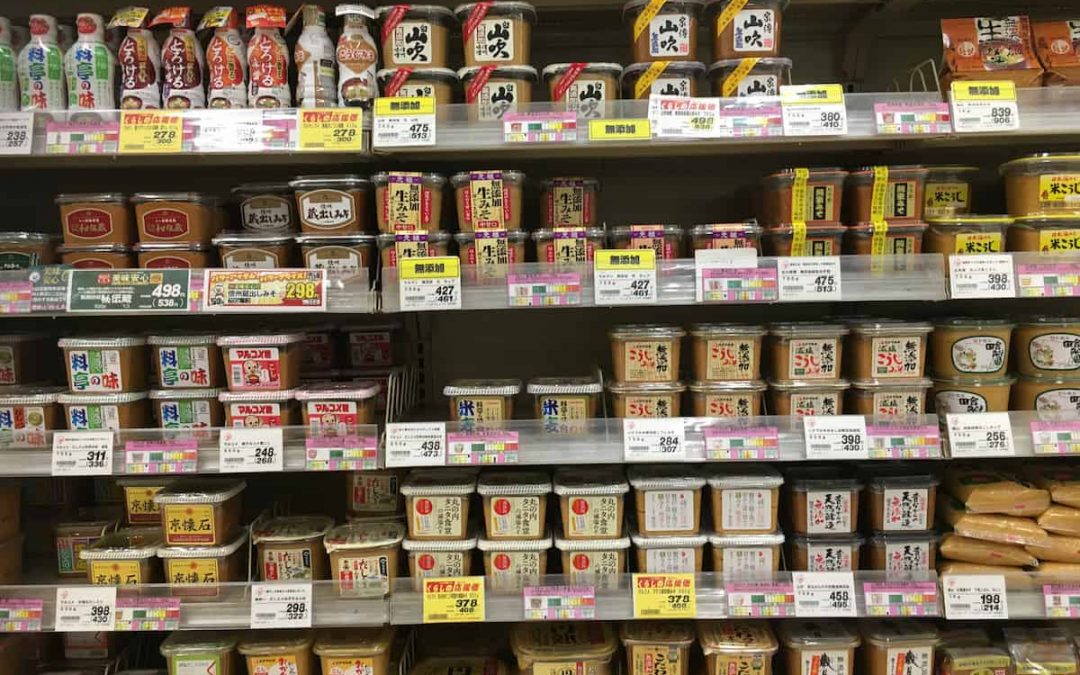
However, to this homesick country Canadian boy, he saw an entire wall full of what looked like peanut butter, hallelujah!

Thinking he has found peanut butter paradise, he purchased a unit and excitedly brought it home, dreaming of peanut butter and jelly sandwiches (PB&J).

One happened to be visiting the Canadian carpenters on that very day, and he held up the yet unopened container saying in a hopeful voice “this is peanut butter, right?”

His hope of a delicious peanut butter and jelly sandwiches to soothe his homesick soul was crushed under the boot-heal of reality when told gently, “no, this is miso (soybean paste).”

味噌の種類

To which he replied with a deep melancholy look in his eyes, “what’s that?”

One informed him that miso is one of the main staples of the Japanese diet.

Miso is a versatile paste which can be mixed into sauces, dressings, batters, vegetable dips, and soups (or whatever tickles one’s fancy).

One of the very best things about miso is that it is a cultured food, and a natural source of healthy probiotics (also known as “good bacteria”), which is beneficial for digestion (nothing quite like a healthy bowl movement).

An all time personal favorite, the traditional Japanese breakfast is always accompanied by a hearty bowl of miso soup as the companion to the rice, fish, natto and pickles.

和風朝食セット焼き魚 おひたし みそ汁

Often miso is a feature in the ramen shop, where one can choose between soy sauce, salt, pork broth (tonkotsu), or miso flavor.

The first experience one had eating ramen back in January 1987, was a hearty bowl of miso ramen on a cold winter day. This delightful meal included spring onions and slabs of pork (kakuni), and the most delicious miso ever, and when eating this incredible dish it was love at first bite.

Miso Ramen with Kakuni

However, much to the chagrin of the Japanese companion, the entire bowl of soup was drained of all liquid with abject delight.

Along with being chastised for these poor manners, the lecture was also accompanied by the phrase, “if you drink all the ramen miso soup you will die of high blood pressure one day.”

Slurping up the soup is now looked upon as better manners as it helps the environment by eliminating food waste.

Moreover, as of this writing, one is not dead yet, so it looks like it’s okay to swill the ramen broth.

Wall Of Miso

Bonus Peanut Butter: When interpreting for American engineers at the world’s largest synthetic paper factory, this outstanding Japanese company always prepared a delicious lunch box for them. However, one engineer was not adventurous whatsoever in their eating habits, and brought a peanut butter and jelly sandwich to the factory every day. It is here where he washed down the PB&J sandwich with a coke, every day. When inquiring each day as to how PB&J sandwich was, his answer was always the same, “predictable.”

Welcome to Ise Jingu

Welcome to Ise Jingu

Welcome to Ise Jingu

Welcome to Ise Jingu

In the beginning there was a beautiful star, which shines her life-giving rays of hope upon all living creatures of Mother Earth.

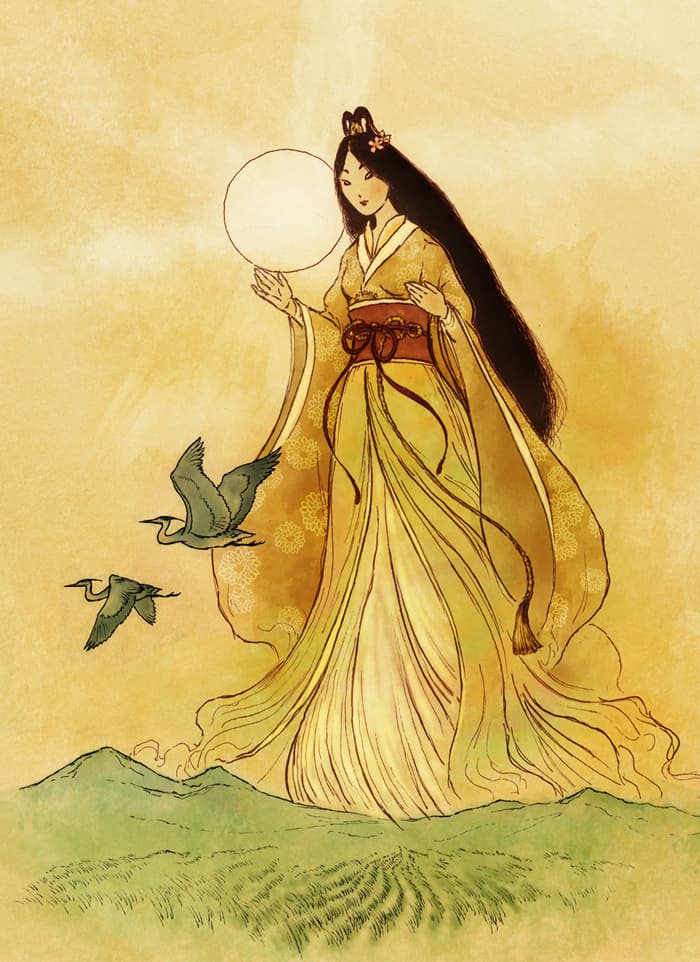
In Japan, the Sun Goddess Amaterasu is regarded as the main Shinto Deity, and according to Japanese mythology, the Japanese Imperial family is the direct descendant of Amaterasu.

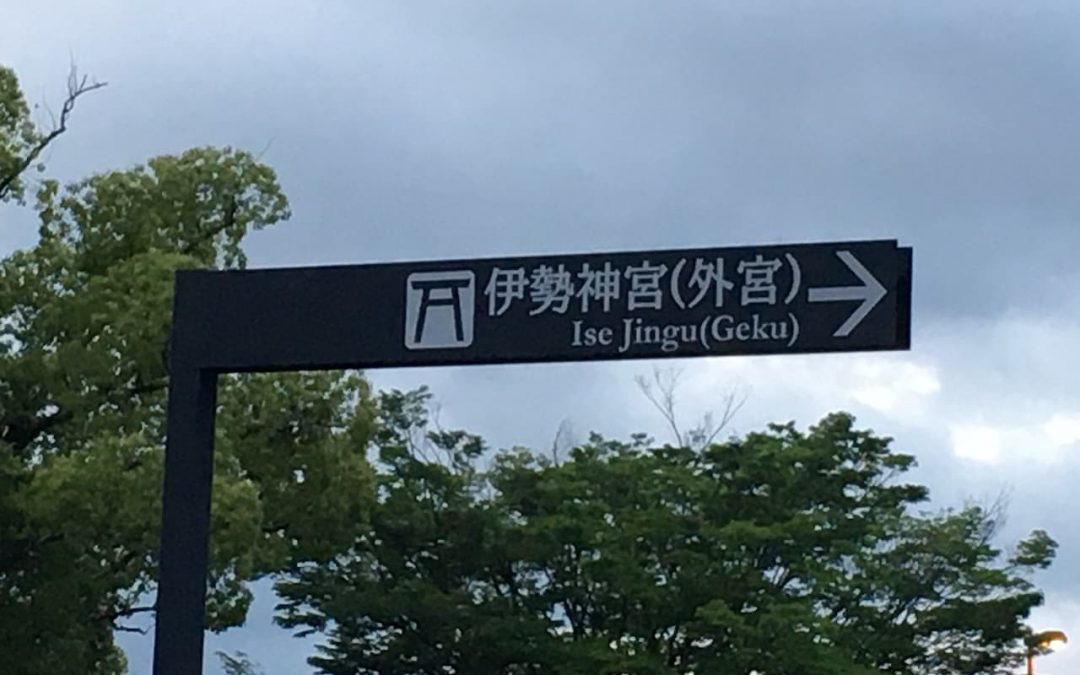
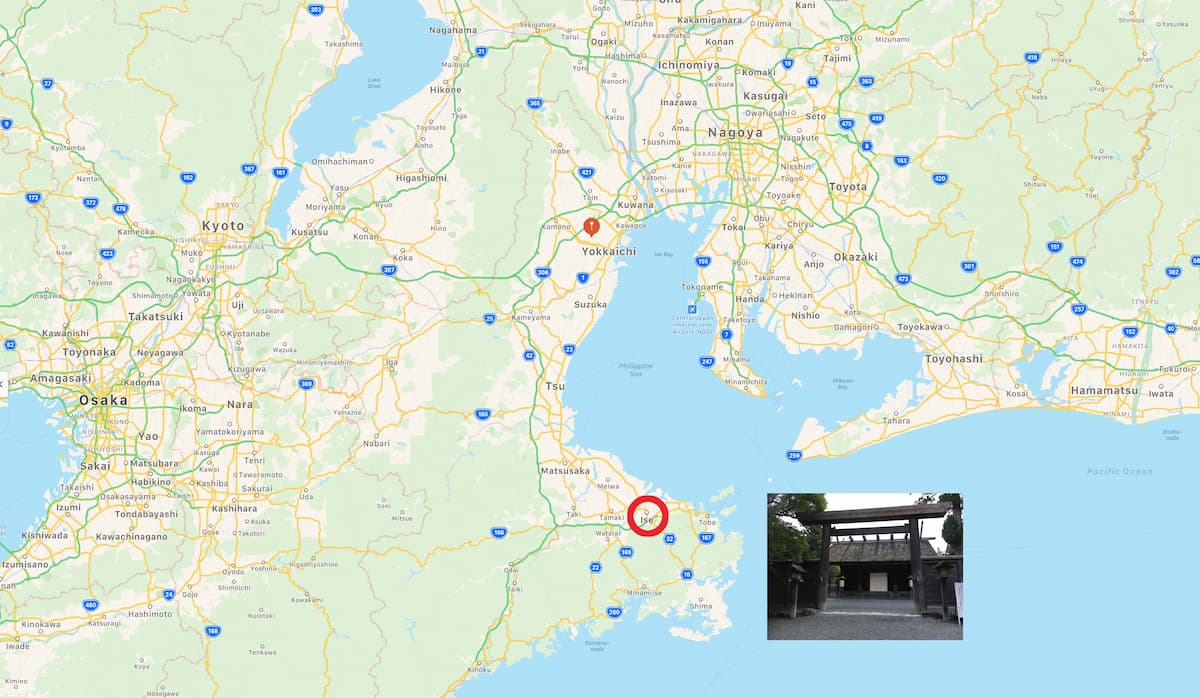
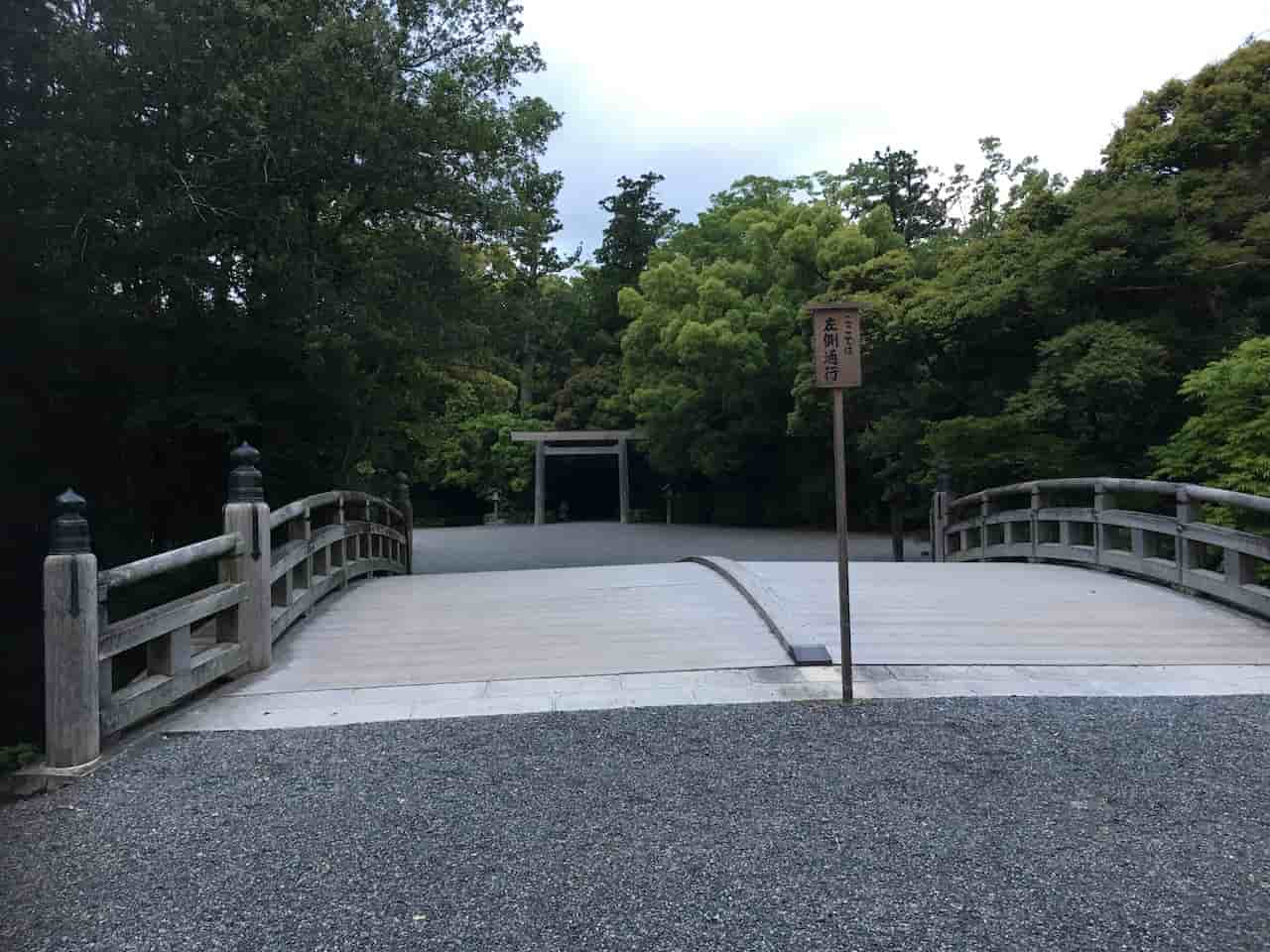
Having most recently visited the most venerable sanctuary in Japan, Ise Jingu (jingu = shrine), one was struck by the majesty and deep sense of the ancient exuding from this incredible network of shrines.

Ancient Tree at Ise Jingu

Indeed Ise Shrine is considered to be the most solemn sanctuary in Japan.

The main Shinto shrine at Ise Jingu is Kotai Jingu and is dedicated to Amaterasu-Omikami, the ancestral kami (Shinto deity) of the Imperial family.

She was enshrined about 2,000 years ago and is revered as the guardian of Japan.

Truly, Ise Jingu is revered by the Japanese as the “Soul of Japan”, and as one walked these hallowed ground, also felt so very deeply that this is true.

Ise Jingu at Sunrise

This incredible complex of shines is roughly the same size as the Center of Paris and includes 125 jinja, and more than1,500 rituals are conducted every year to pray for the prosperity of the Imperial family, peace upon the world, and a bountiful harvest.

For most overseas visitors, Ise Jingu is not on the list of sites to see, which is most unfortunate, as the depth of the Japanese soul can be felt at Ise Jingu, and all should make the pilgrimage to experience the majesty and dignity of this incredible labyrinth of historic shrines.

Ise Jingu Map

While wandering the sacred grounds of Ise Jingu, one thought about humanity and the very most important thing for all, our shared Sun.

Indeed, as the Sun Goddess Amaterasu shines equally upon all living creatures of Mother Earth, and it is even more so now important to remind oneself of that which unites, not the differences which divide.

Humanity United Through Our Commonality

Bonus: This smart crow was very playful.

Really Great Grandmother

Really Great Grandmother

Really Great Grandmother

Really Great Grandmother

Ancestor veneration, the way forward.

Being raised in the Occidental tradition, including sporadically attending a variety of churches, did not prepare one for the experience in Japan when fully understanding exactly why the Japanese venerate their ancestors.

Some time ago now, one’s cherished mother began putting together the family tree while digging deep into her European roots.

Family Tree

The interesting stories mother told about her grandmother both intrigued and tickled the funny bone.

Now there is a clear understand of where one’s grandfather got his incredible sense of humour and his sharp tart wit.

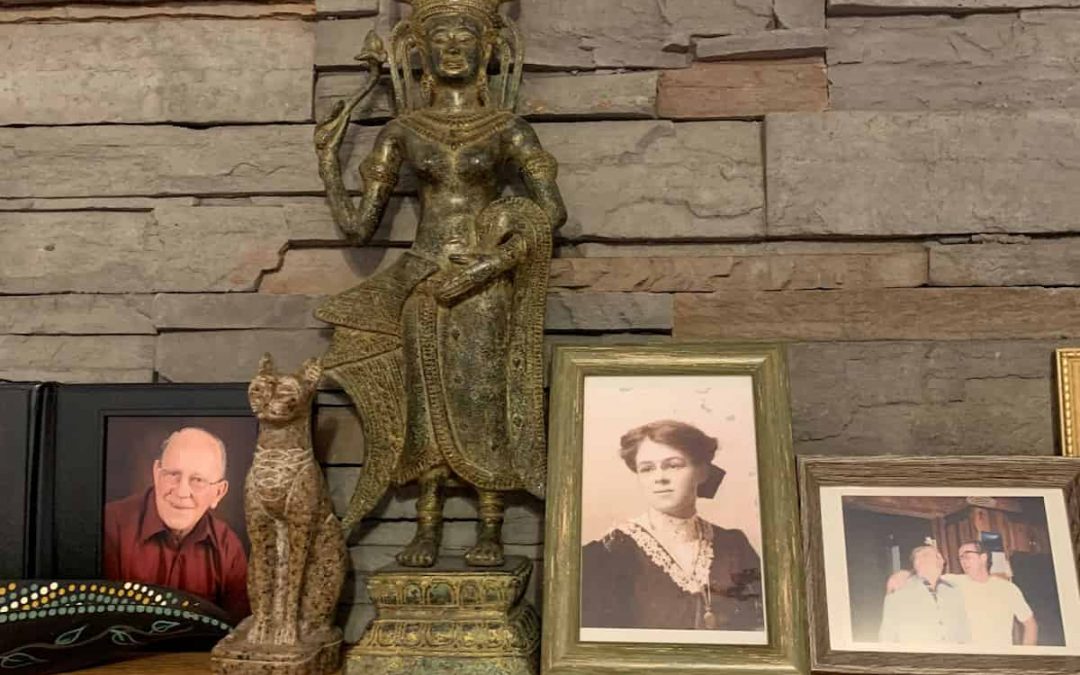
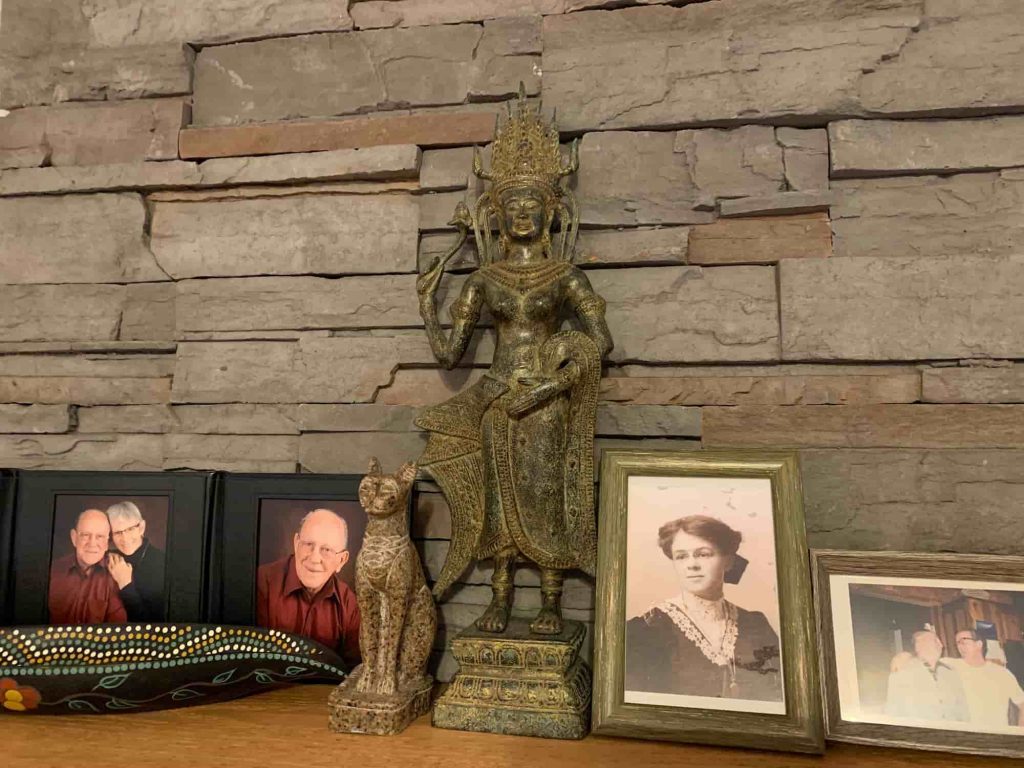
Helen Olga Kean Inglis-Richardson is one’s paternal Great Grandmother, and she bore 10 children.

The first four, including Grandfather from the paternal Great Grandfather (Inglis), and six from her second husband (Richardson).

Having rejected her first husband after coming back from World War I, as apparently he was a gambler and philanderer.

WW1 soldier

She told him outright, “I raised these four children by myself for the last four years, and can do so into the future, so just keep moving on.”

Along with the tale of a Victorian-era food fight, including breakfast condiments such as peanut butter, I can only surmise what a fun and fascinating lady she was after hearing her incredible stories.

She also joked to my juvenile mother that, “Whenever Mr. Richardson hung his pants on the bed post I became pregnant.”

An interesting statement from a woman born in the late 19th century, and as one can see by her picture was a product of the Victorian era (Born 1896-Meiji 29).

Helen Otta Kean -Inglis-Richardson- Stephen Kean Filiatrault Great Grandmother

Researching the family lineage extensively, our matriarch gathered many intriguing stories including the migration from Europe across to the East Coast of the United States, and up to the west coast of British Columbia.

Quite the trip to say the least in the early part of the 20th century, nothing short of perseverance and endurance in what could only be surmised as an arduous life.

Covered Wagon From East to West

Which brings all back the ancestor veneration.

Thank you so very much to Really Great Grandmother Richardson.

Here is to let you know now, in one’s eyes you are a magnificent deity and now regarded as the Goddess of Playful Mischief.

Now venerated on the family’s kami dana, you must be somewhat surprised your incredible journey has continued up until this very day, and is now firmly planted in the extraordinary nation of Japan.

神棚-Kami Dana-03

The Way of Gods from which the Japanese evolved is the belief all dead becoming deities with one foot inside this mortal coil, and the other in the heavens.

And in this, one can feel her spirit as passed down by grandfather where many happy childhood memories reside.

Indeed, the Japanese believe the ancestors watch over their clan, and retain influence over the behaviour and actions of their decedents throughout time.

Really, one must avoid shaming the family at all costs as one’s ancestors are keeping watch over the past, present, and future.

神棚-Kami Dana-04