Right-Brain Left-Brain – Part 1

Right-Brain Left-Brain – Part 1

Right-Brain Left-Brain – Part 1

Right-Brain Left-Brain – Part 1

Many years ago now one read a book by the eclectic writer Boyé Lafayette De Mente entitled, “ Why The Japanese Are A Superior People”, which explores the advantages of using both sides of the brain.

Keep in mind that Boyé Lafayette De Mente was among the first writers to introduce the Japanese terms wanemawashikaizentatemae-honneshibui, and wabi-sabi to the Western world.
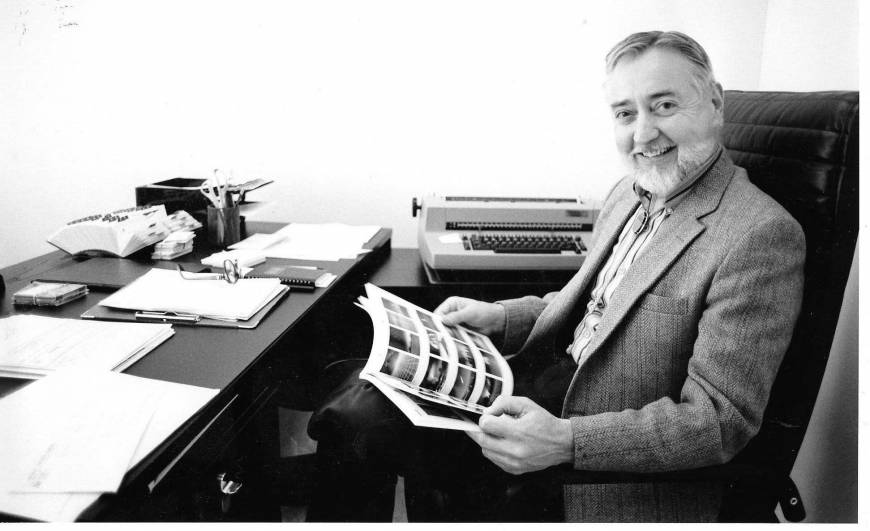
Boye De Mente eclectic author on Japan a LOTRS favorite

Interestingly, many of the observations in this book rang so very true, particularly after being immersed in the Japanese culture and society for over three decades.

Inside the ancient roots of the Japanese culture is a built-in condition lurking in their DNA, known as “kiga suma nai (気が進まない), where one could think of as “my spirit is not satisfied“

In other words, the Japanese have been culturally programmed to be dissatisfied with any thought, action, or product that is less than perfect.

Perhaps one could say this is where the spirit of kaizen comes from.

Kaizen - The Art of Continuous Improvement

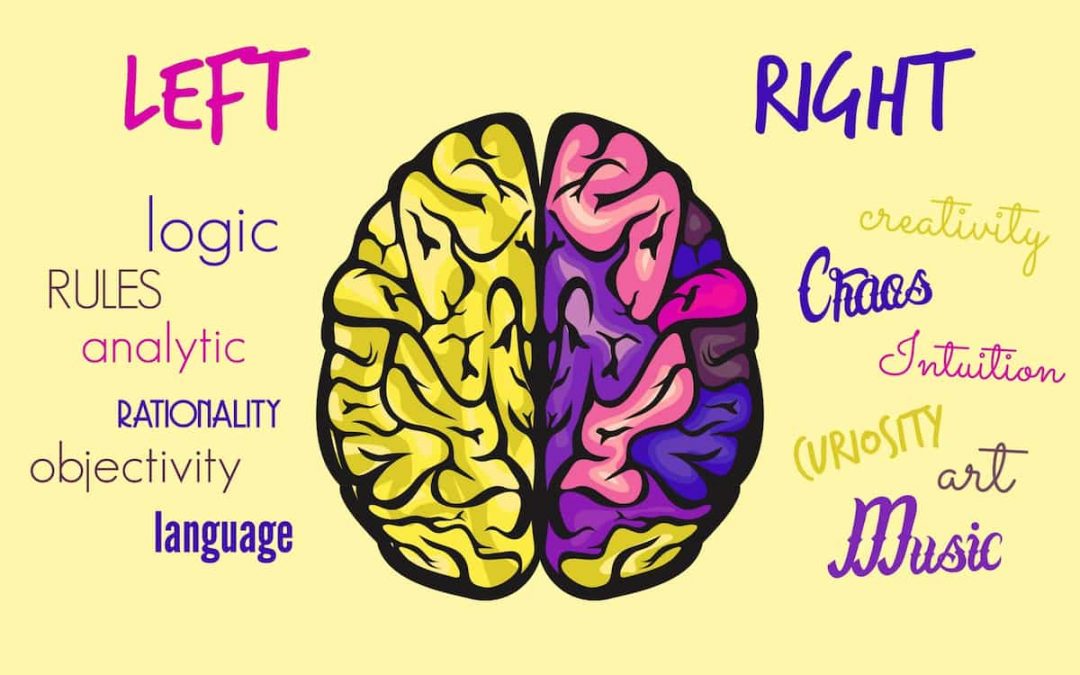
Science has ascertained that there are basic differences in the function and role of the left and right side of the brain.

It seems that the left sphere is programmed for linear or straight line thinking, and directs routine, repetitive physical actions, logic, direct verbal communication, and for making objective, fact based decisions.

On the other hand, the right side sphere is said to directs emotions, intuition, personal relations, aesthetics, mutual corporation, group orientation, and maintaining harmony throughout nonverbal communication and indirect speech.

Of course there is crossover between the right and left-brain, but the basic function of the two sides are different, with people behaving and reacting differently, depending on which side of the brain is engaged.
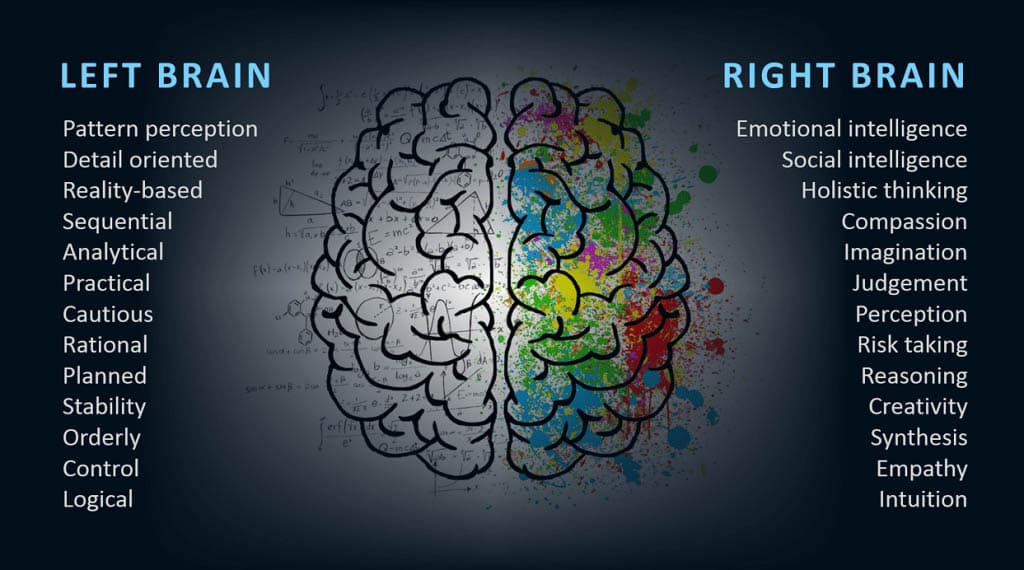
Difference Between Left Brain and Right Brain

In left-brain cultures the right sphere is active when contemplating matters of religion, aesthetics, and other esoteric subjects, which are not based on hard, objective facts.

This can be evidenced as discussions of these types of subjects tend to become very emotional.

Some people in fundamental right-brain cultures are capable switching to left-brain thinking when pursuing practical manner such as engineering, math, and scientific research, which can be looked upon as an advantage.

Indeed these kinds of thinkers are able to benefit from using both sides of the brain in tandem a process known as holistic thinking.

Moreover, there’s also a significant difference in the basic brain orientation of men and women.

In predominantly left-brain cultures, women tend to be more right-brained in thinking and behavior. In other words, female attitudes and behaviour are more emotional and intuitive than males.

Clearly women are wired to be more caring, nurturing, and aesthetically inclined than men, and any observation of a nurturing mother confirms this point.

nurturing Japanese mother

In predominantly right-brain cultures, women tend to be less right-brain oriented than men.

While they are more caring and nurturing than men of the right-brain culture, they are typically more direct and practical in their attitudes and behaviour as a survival trait.

Many cultures are left-brain oriented such as China, the U$A, Germany, England, Russia, and Israel.

One can consider the cultures of all Spanish-speaking countries, as well as France and Italy, to have combinations of left-brain and right-brain thinking and behavior.

The two most right-brain oriented cultures on the planet are those of Japan and the Polynesian speaking nations of the South Pacific.

In fact, there is ample evidence that the right-brain orientation of the Japanese is the main source of many positive cultural Japanese traits.

It can also be considered the right-brain orientation of the Japanese played a major role in transforming Japan, which remains a tiny, resource poor country into an economic superpower in less than 30 years after the end of the second world war.

There is a reason for this astounding economic achievement, and this remains an advantageous trait that will serve the Japanese well into the uncertain future.

In the next several post, one will explore the left-brain right-brain phenomena and why the great writer Boyé Lafayette De Mente, thinks, “The Japanese are Superior People.”
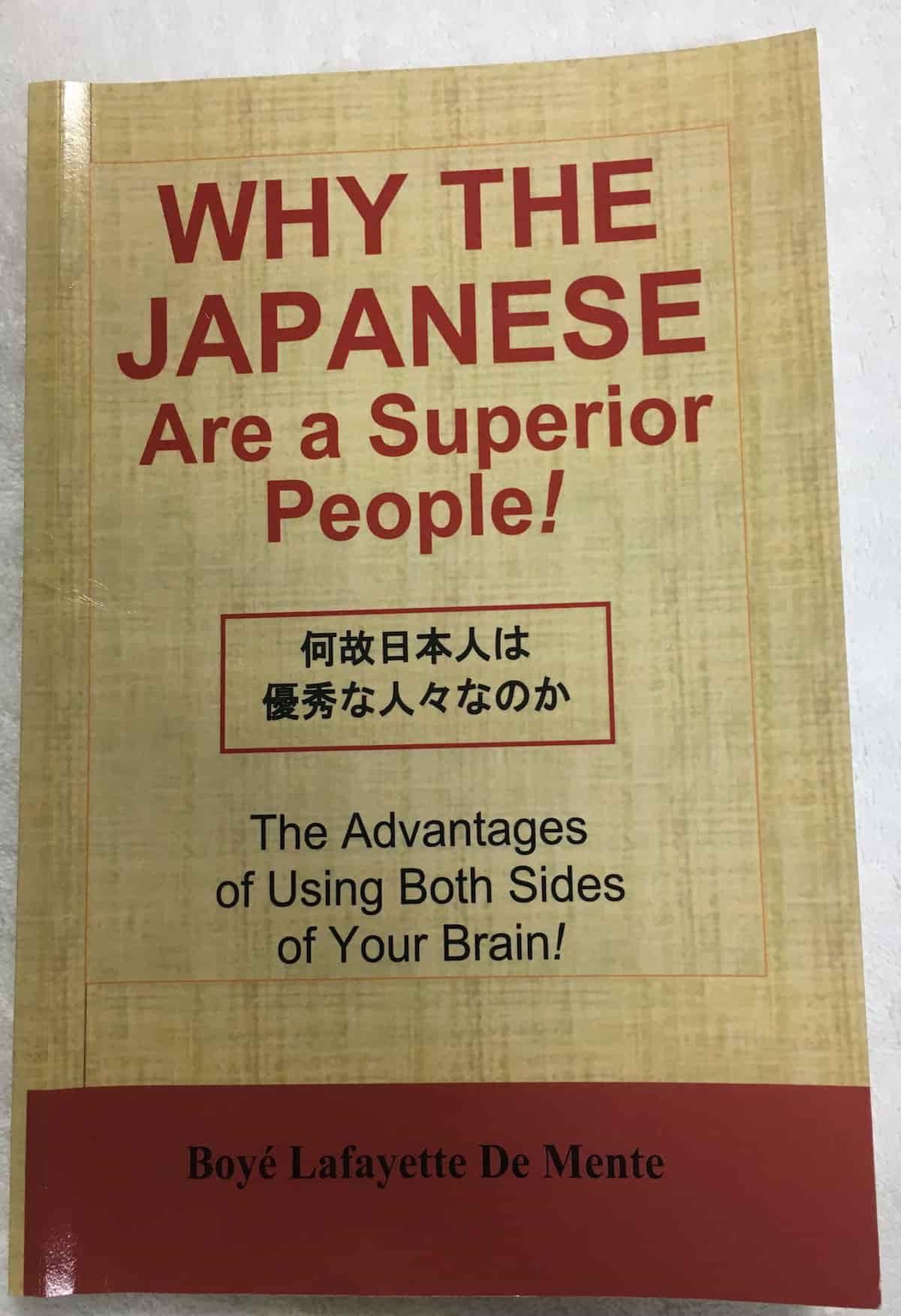
Why the Japanese are superior people - the advantage of using both sides of your brain


Not Peanut Butter

Not Peanut Butter

Not Peanut Butter

Not Peanut Butter

Many moons ago, there were several Canadian carpenters building 2 x 4 houses in sunny Chiba Prefecture.

Anyway, meeting these Canadian carpenters was most fortuitous.

2 x 4 house wall going up

The head carpenter returned to Ontario Canada after the small local housing company went bankrupt, and the Canadian carpenters were let go.

He was then engaged to send over two containers full of housing material and 3 Canadian carpenters to build one’s very own Canadian 2×4 house in beautiful sunny Chiba, where one resides with the honourable wife and 5 beautiful cats to this very day.

It was interesting to meet these skilled craftsman here in Japan, in which to their shock, surprise, and sometimes dismay offered a significantly different experience from their hometowns in the Eastern part of Canada.

One particular Canadian carpenters was having significant issues adjusting to Japanese food, and was longing for some good old Canadian comfort food, peanut butter!

Peanut Butter

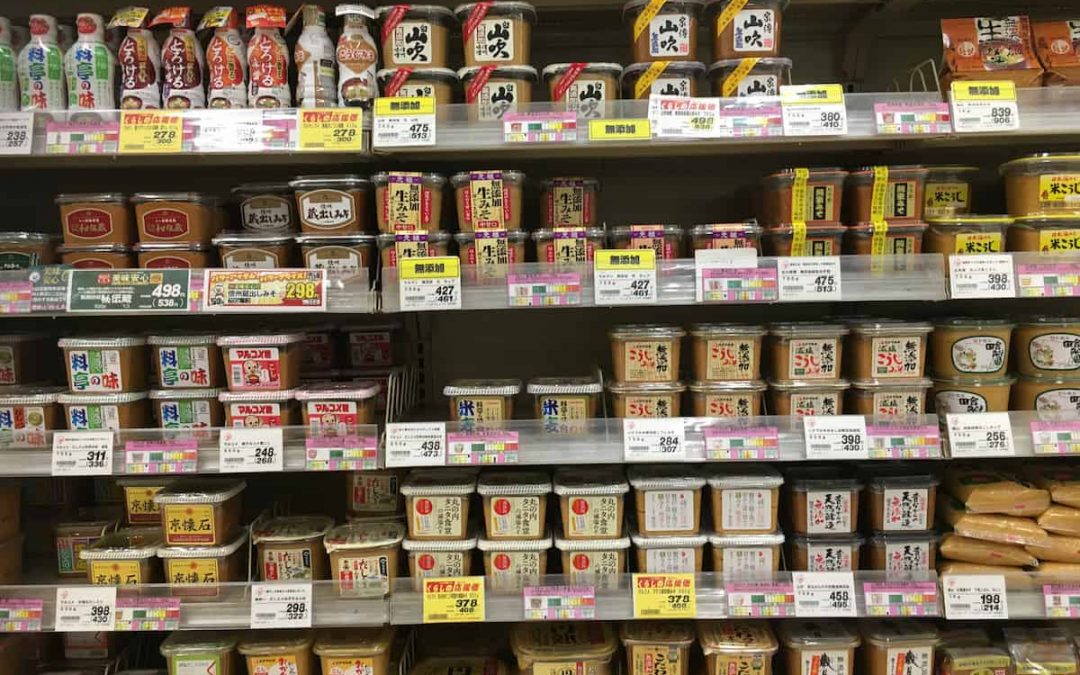
Now, peanut butter is something relatively recent to the Japanese and is still not really so widely available in regular supermarkets.

However, to this homesick country Canadian boy, he saw an entire wall full of what looked like peanut butter, hallelujah!

Thinking he has found peanut butter paradise, he purchased a unit and excitedly brought it home, dreaming of peanut butter and jelly sandwiches (PB&J).

One happened to be visiting the Canadian carpenters on that very day, and he held up the yet unopened container saying in a hopeful voice “this is peanut butter, right?”

His hope of a delicious peanut butter and jelly sandwiches to soothe his homesick soul was crushed under the boot-heal of reality when told gently, “no, this is miso (soybean paste).”

味噌の種類

To which he replied with a deep melancholy look in his eyes, “what’s that?”

One informed him that miso is one of the main staples of the Japanese diet.

Miso is a versatile paste which can be mixed into sauces, dressings, batters, vegetable dips, and soups (or whatever tickles one’s fancy).

One of the very best things about miso is that it is a cultured food, and a natural source of healthy probiotics (also known as “good bacteria”), which is beneficial for digestion (nothing quite like a healthy bowl movement).

An all time personal favorite, the traditional Japanese breakfast is always accompanied by a hearty bowl of miso soup as the companion to the rice, fish, natto and pickles.

和風朝食セット焼き魚 おひたし みそ汁

Often miso is a feature in the ramen shop, where one can choose between soy sauce, salt, pork broth (tonkotsu), or miso flavor.

The first experience one had eating ramen back in January 1987, was a hearty bowl of miso ramen on a cold winter day. This delightful meal included spring onions and slabs of pork (kakuni), and the most delicious miso ever, and when eating this incredible dish it was love at first bite.

Miso Ramen with Kakuni

However, much to the chagrin of the Japanese companion, the entire bowl of soup was drained of all liquid with abject delight.

Along with being chastised for these poor manners, the lecture was also accompanied by the phrase, “if you drink all the ramen miso soup you will die of high blood pressure one day.”

Slurping up the soup is now looked upon as better manners as it helps the environment by eliminating food waste.

Moreover, as of this writing, one is not dead yet, so it looks like it’s okay to swill the ramen broth.

Wall Of Miso

Bonus Peanut Butter: When interpreting for American engineers at the world’s largest synthetic paper factory, this outstanding Japanese company always prepared a delicious lunch box for them. However, one engineer was not adventurous whatsoever in their eating habits, and brought a peanut butter and jelly sandwich to the factory every day. It is here where he washed down the PB&J sandwich with a coke, every day. When inquiring each day as to how PB&J sandwich was, his answer was always the same, “predictable.”

Welcome to Ise Jingu

Welcome to Ise Jingu

Welcome to Ise Jingu

Welcome to Ise Jingu

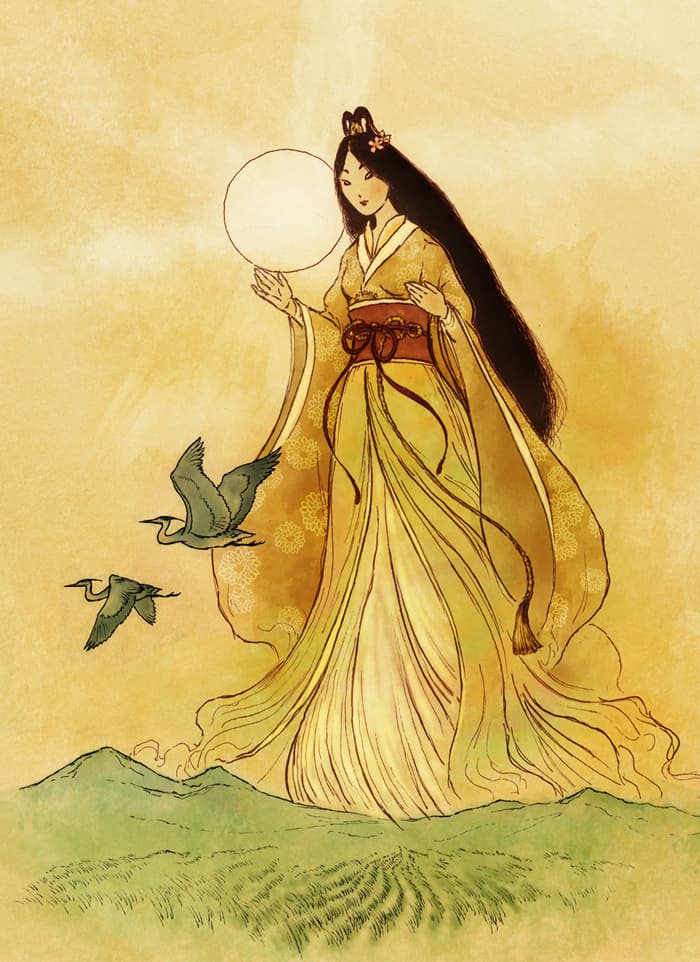
In the beginning there was a beautiful star, which shines her life-giving rays of hope upon all living creatures of Mother Earth.

In Japan, the Sun Goddess Amaterasu is regarded as the main Shinto Deity, and according to Japanese mythology, the Japanese Imperial family is the direct descendant of Amaterasu.

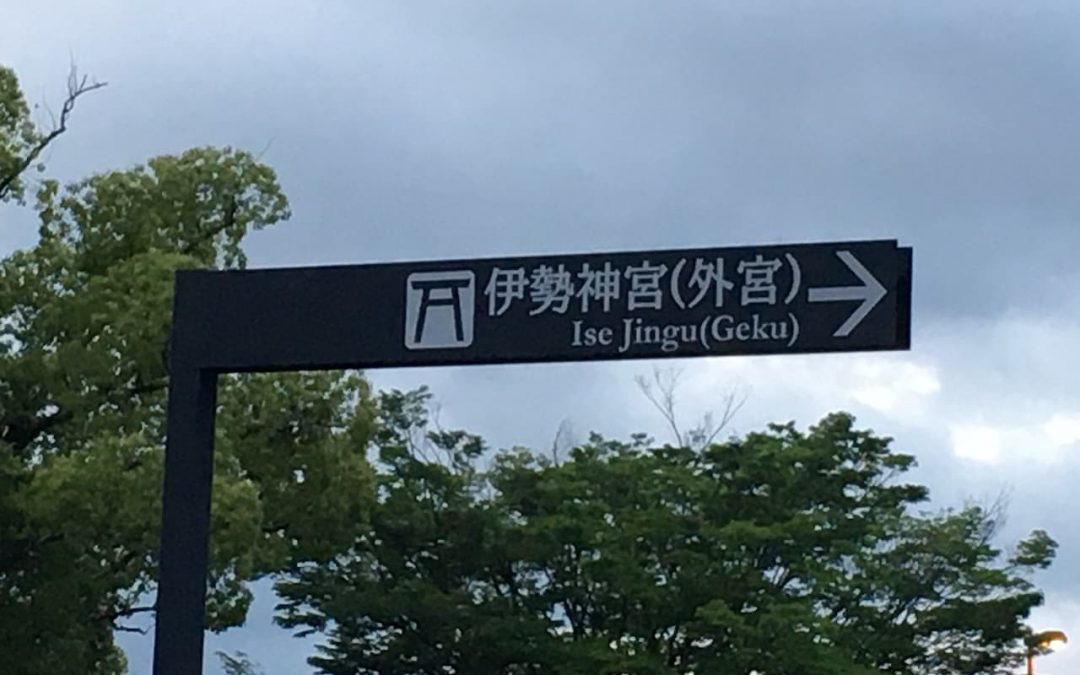
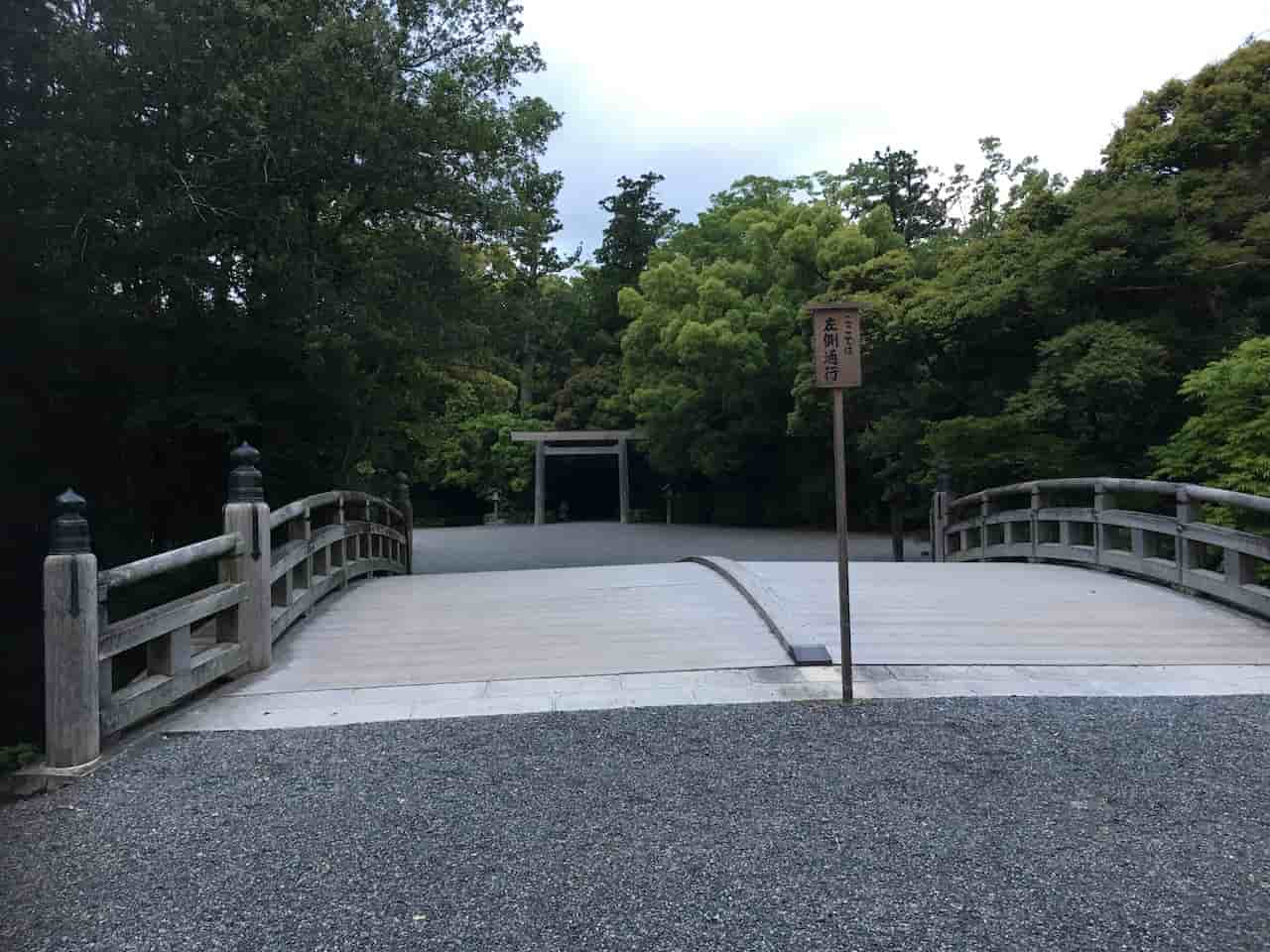
Having most recently visited the most venerable sanctuary in Japan, Ise Jingu (jingu = shrine), one was struck by the majesty and deep sense of the ancient exuding from this incredible network of shrines.

Ancient Tree at Ise Jingu

Indeed Ise Shrine is considered to be the most solemn sanctuary in Japan.

The main Shinto shrine at Ise Jingu is Kotai Jingu and is dedicated to Amaterasu-Omikami, the ancestral kami (Shinto deity) of the Imperial family.

She was enshrined about 2,000 years ago and is revered as the guardian of Japan.

Truly, Ise Jingu is revered by the Japanese as the “Soul of Japan”, and as one walked these hallowed ground, also felt so very deeply that this is true.

Ise Jingu at Sunrise

This incredible complex of shines is roughly the same size as the Center of Paris and includes 125 jinja, and more than1,500 rituals are conducted every year to pray for the prosperity of the Imperial family, peace upon the world, and a bountiful harvest.

For most overseas visitors, Ise Jingu is not on the list of sites to see, which is most unfortunate, as the depth of the Japanese soul can be felt at Ise Jingu, and all should make the pilgrimage to experience the majesty and dignity of this incredible labyrinth of historic shrines.

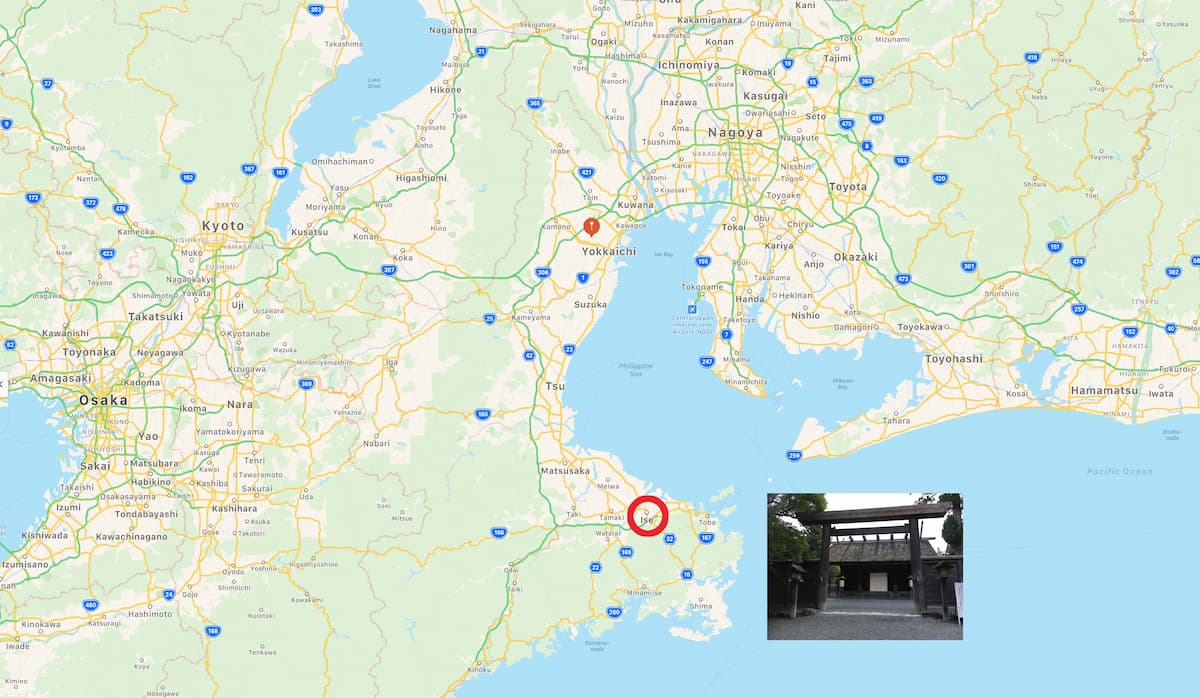
Ise Jingu Map

While wandering the sacred grounds of Ise Jingu, one thought about humanity and the very most important thing for all, our shared Sun.

Indeed, as the Sun Goddess Amaterasu shines equally upon all living creatures of Mother Earth, and it is even more so now important to remind oneself of that which unites, not the differences which divide.

Humanity United Through Our Commonality

Bonus: This smart crow was very playful.

Really Great Grandmother

Really Great Grandmother

Really Great Grandmother

Really Great Grandmother

Ancestor veneration, the way forward.

Being raised in the Occidental tradition, including sporadically attending a variety of churches, did not prepare one for the experience in Japan when fully understanding exactly why the Japanese venerate their ancestors.

Some time ago now, one’s cherished mother began putting together the family tree while digging deep into her European roots.

Family Tree

The interesting stories mother told about her grandmother both intrigued and tickled the funny bone.

Now there is a clear understand of where one’s grandfather got his incredible sense of humour and his sharp tart wit.

Helen Olga Kean Inglis-Richardson is one’s paternal Great Grandmother, and she bore 10 children.

The first four, including Grandfather from the paternal Great Grandfather (Inglis), and six from her second husband (Richardson).

Having rejected her first husband after coming back from World War I, as apparently he was a gambler and philanderer.

WW1 soldier

She told him outright, “I raised these four children by myself for the last four years, and can do so into the future, so just keep moving on.”

Along with the tale of a Victorian-era food fight, including breakfast condiments such as peanut butter, I can only surmise what a fun and fascinating lady she was after hearing her incredible stories.

She also joked to my juvenile mother that, “Whenever Mr. Richardson hung his pants on the bed post I became pregnant.”

An interesting statement from a woman born in the late 19th century, and as one can see by her picture was a product of the Victorian era (Born 1896-Meiji 29).

Helen Otta Kean -Inglis-Richardson- Stephen Kean Filiatrault Great Grandmother

Researching the family lineage extensively, our matriarch gathered many intriguing stories including the migration from Europe across to the East Coast of the United States, and up to the west coast of British Columbia.

Quite the trip to say the least in the early part of the 20th century, nothing short of perseverance and endurance in what could only be surmised as an arduous life.

Covered Wagon From East to West

Which brings all back the ancestor veneration.

Thank you so very much to Really Great Grandmother Richardson.

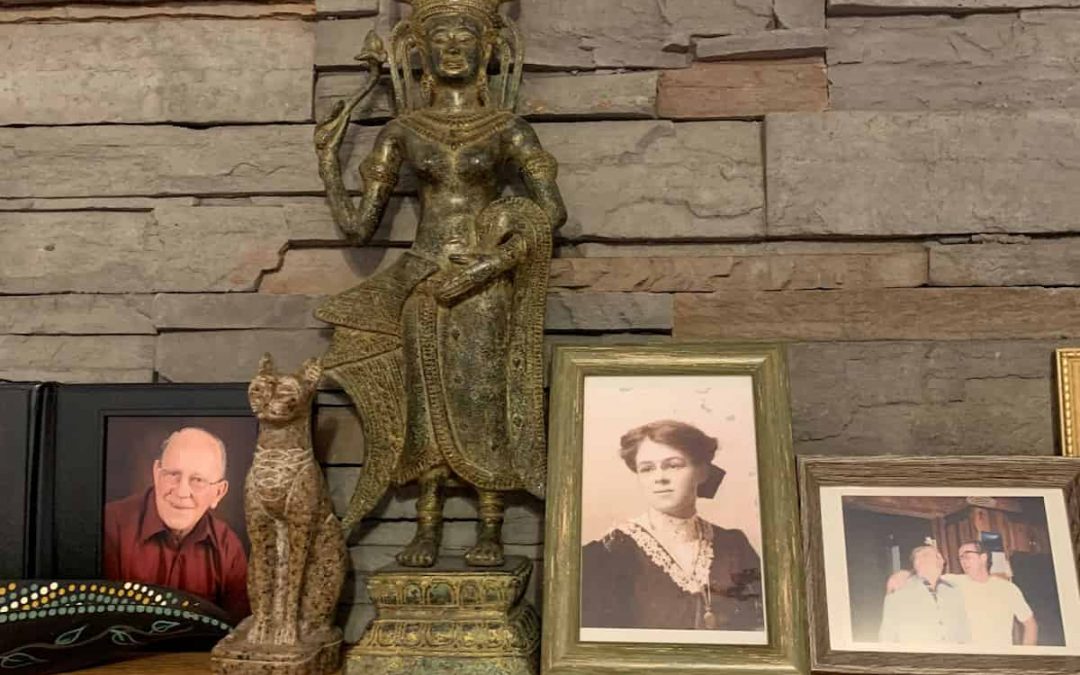
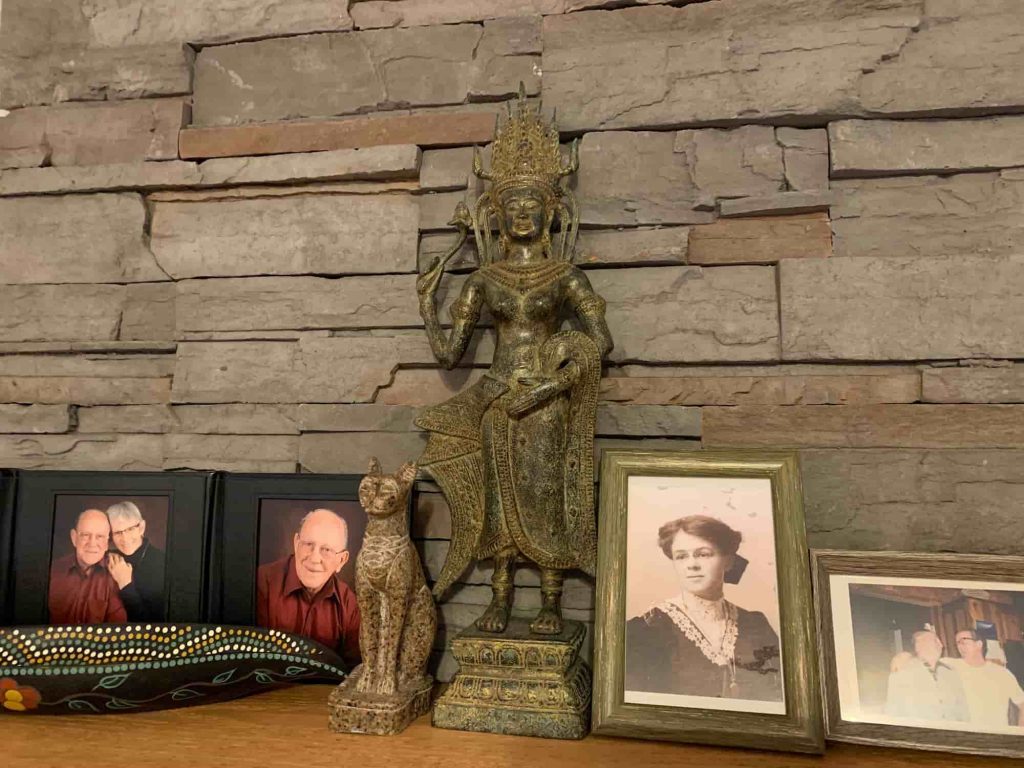
Here is to let you know now, in one’s eyes you are a magnificent deity and now regarded as the Goddess of Playful Mischief.

Now venerated on the family’s kami dana, you must be somewhat surprised your incredible journey has continued up until this very day, and is now firmly planted in the extraordinary nation of Japan.

神棚-Kami Dana-03

The Way of Gods from which the Japanese evolved is the belief all dead becoming deities with one foot inside this mortal coil, and the other in the heavens.

And in this, one can feel her spirit as passed down by grandfather where many happy childhood memories reside.

Indeed, the Japanese believe the ancestors watch over their clan, and retain influence over the behaviour and actions of their decedents throughout time.

Really, one must avoid shaming the family at all costs as one’s ancestors are keeping watch over the past, present, and future.

神棚-Kami Dana-04


Tale of Two Princesses

Tale of Two Princesses

Tale of Two Princesses

Tale of Two Princesses

It’s always interesting to observe the contrasting behaviour between different  royal households.

Recently there has been somewhat of a kerfuffle in the house of Windsor.

Serious allegation have been made by a new member of the House of Windsor against the royal family.

meghan markle in a tiara

Prince Harry, being the product of a broken home, looks to still be having a tough go, regardless of the obvious privilege that comes along with being a prince.

Having one’s beloved mother, Princess Dianna dying at the vulnerable age of 13, undoubtedly has left deep and lifelong scars on the heart and soul of this melancholy prince.

Prince Harry military uniform

Furthermore, with these unpleasant family dynamics playing out in the gossipy world media, he must be thinking just as his mother said as she was taking her last breath’s at the Pitié-Salpêtrière Hospital in Paris, after her assassination, she said “just leave me alone!”

Princess Diana

In Japan as well there has been somewhat of a mini scandal recently.

Thankfully, this issue greatly pales in comparison to the systemic problems facing the house of Windsor.

The fiancé of princess Mako, Kei Komuro’s mother had some type of financial dispute with her former fiancé, concerning the education fees he shouldered for Mr. Komuro’s education.

Princes Mako with Komuro Kei

When this issue came to light, the marriage was quickly postponed while this family’s issue was resolved in private.

The word dignity comes to mind when contemplating how the younger generation of the royal family should conduct themselves as public figures.

One would think, a royal family member would carry out their duties with dignity and honour, regardless of how they happen to feel.

Life is full of choices, and luckily for princess Mako, she gets to exit the cloister world of the Japanese imperial household, and become a commoner after her marriage to Mr. Komuro.

I’m sure she is anxiously awaiting her departure from the Japanese imperial household agency, which is known for its extremely strict protocols, just ask Empress Masako.

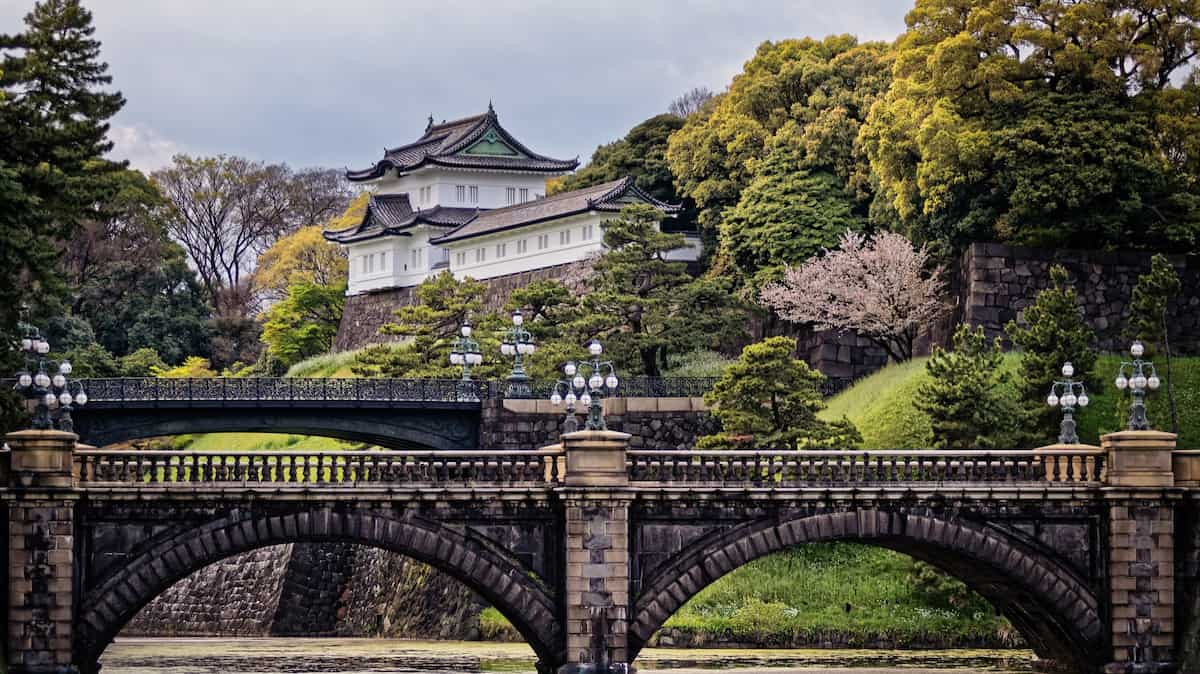
Imperial palace of Japan

Alas, the same thing cannot be said for princess Meghan, as she signed up to enter the House of Windsor when she married prince Harry, and all things such a marrriage entails.

Windsor Castle, The Oldest Castles in The World

Regardless of one’s position in society, one does not just marrying the object of mutual love, but one also marries the entire family, crazy or otherwise.

Let’s examine what the meaning of dignity is:

Our beloved Empress Masako for example, was a very promising diplomat, destined for important positions inside the Ministry of Foreign Affairs.

But no, she sacrificed her career to marry the emperor and by extension also married Japan, and become our Empress.

How this woman’s life would have been so vastly different if she had not become the empress one can only imagine.

However, bound by a deep sense of duty towards the nation of Japan, she indeed sacrificed her life, and has lived most of her adult days under the thumb of the hidebound Imperial Household Agency.

Furthermore, in any other circumstance, even having just one child is looked upon as a family blessing.

This is not the case for Empress Masako, as she and  Emperor Naruhito have one daughter, Princess Aiko.

The problem lies with a law imposed by the GHQ after the war decreeing only male heirs can succeed the Chrysanthemum Throne.

However, the male heirs to the Chrysanthemum throne has dwindled to just three.

Practically speaking, in terms of age, there is only one other person, Prince of Akishino, the Emperor’s younger brother to take the throne.

Recently, a real dialogue about gender equality in Japan has been stirred up again, and one believes this is an excellent opportunities for Japan to shake off the GHQ edict and make its own rules in what is strictly a private Japanese matter.

Why not princess Aiko taking a husband in the Japanese tradition known as “mukoiri”, which is not uncommon in Japan whatsoever.

The main wish for the Japanese royal family is for them to continue carrying out their official duties with dignity and honour, as they acts as representatives of the Japanese people, and as a symbol of peace and unity between Japan and the rest of the world.

Japanese Royal Family

Goodbye Greedy JC

Goodbye Greedy JC

Goodbye Greedy JC

Goodbye Greedy JC

Putting oneself out there truly brings unique opportunities.

More so than monetary compensation, these freelance assignments also offered extremely valuable life lessons, both pleasant and unpleasant.

An opportunity came along many years ago to interpret for a network marketing company attempting to enter the Japanese market.

The task?

Support an American, “JC”, coming to “open up” Japan.

Here, one really got an in-depth look at a specific kind of American mind-set, in particular the mind-set of selfishness, narcissism, and greed.

Selfish Habits

This work entailed making calls on his behalf, interpreting in meetings, and other fundamental tasks he was not capable of due to the significant language barrier.

Japanese cultural barriers lurking beneath the surface can be much more deeply problematic when the guest also carry with them an air of cultural superiority and arrogance, especially when they know little, to absolutely nothing about Japan.

All the more Mickey Mouse and somewhat farcical was JC’s was clinically obese, a redhead with a goatee, and spoke in a high-pitched whiny voice.

The contradictions abounded, as the company he was trying to bring to Japan in a network marketing format was a health supplement company, and this very unhealthy man, both physically and mentally was a extremely poor, and ultimately a failed choice to represent his company’s health and wellness narrative.

One also recalls always being aghast and recoiloing in horror as he constantly stomped all over the Japanese sensibilities with his boorish behaviour, and gruff and boisterous mannerisms, where one has coined the term, “The JC Honky Stomp.”

He also thought it was appropriate to yell and curse over the phone for one of his very own mistakes.

Greedy Boorish American Cursing into a Phone

Smiling to oneself while he yelled into the phone, one could visualize his redhead with flames shooting out, along with a very bright crimson face and highly elevated blood pressure.

Man With The Flaming Head

There were  also some deep verbal drubbings in person as one came to the role of not only interpreter and guide inside the murky waters of Japanese business, but also to play his whipping boy.

Cultural Note: This is what is known as yatsu atari (八つ当たり).

One is certainly glad to have been in Japan for many years by then with a good sense of calmness and Stoicism in the face of this agitated, aggressive, and greedy American.

He would often make snide comments that whenever he looked at a Japanese person’s face all he could see was ¥10,000 notes.

1万円札

He would also refer to the prospective Japanese clients as “my retirement fund.”

This aligned with one’s understanding of this particularly sleazy type of American.

Many things about this belligerent and ultimate repulsive beast exuded heaps of negative energy, embodying the culture of greed and selfishness.

This is where all people are looked upon as somewhere to extract money, as much money as possible, without any regard for the person at the opposite end of the transaction.

Understanding Selfishness in Our Society

Perhaps his company should have selected someone with a little more cultural awareness as this company, like so many other network marketing company trying to come to Japan soon failed, never to return.

As with all stories, there is an end, and JC’s came via a massive heart attack in his late 50s.

Heart Attack Killed JC

Regardless of how much money may, or may have not flowed through JC’s grubby chubby little fingers during his miserable life, one believes he short existence was meaningless, for no matter how much material one accumulates  throughout a lifetime, the old adage will eternally ring true: You can not take it with you.

Greedy JC could never be satisfied, nor could he stop comparing himself to others, which left him frustrated and ultimately bitter throughout his pointless life.

Many valuable lessons, some of them quite harsh, were not lost on his interpreter whatsoever.

For this confirmed one’s understanding that selfishness and greed are a form of self deception, which ultimately leads to a frustrating, empty, and meaningless life.

Greed as a Mental-Health Disorder

To be clear, the importance money and how to handle it properly is critical to a peaceful and fulfilling life, and money must be looked upon as a neutral conduit of energy only.

Indeed, a life worth living is made up of the people one meets along the Way.

unique experience

Bonus: Read more about the the importance of “once in a lifetime